The Leftover Vegetables I Actually Want at Lunch (And How I Pack and Reheat Them)
Most days my lunch is whatever survived dinner, eaten standing at the counter while I referee something in the next room. I gave up on cooking a separate midday meal a long time ago.
What I do instead is cook dinner with lunch in mind, which is the one part of my Sunday meal planning system that survives even the weeks the rest of it falls apart. These days that includes the lunches my husband and my oldest carry out the door.
This guide is the grown-up and big-kid version: which vegetables still taste good at noon, how I pack them so nothing turns to mush, and when to reheat versus eat cold. Packing for little kids is a different animal, and my school lunch ideas my kids actually eat cover that.
My Three Rules for Turning Dinner Into Lunch
I test every leftover vegetable the same way. Will it survive a night in the fridge and four hours in a lunch bag, and will it still be good if there’s no microwave at the end of that?
Then I pack by three rules. Wet things like sauce, dressing, and cut tomatoes ride in their own small cup. Raw greens go in a separate bag and only touch the food at lunch, and anything heavy sits on the bottom so it doesn’t flatten the rest.
When I know a dinner is going to pull double duty, I make about one and a half times the vegetables. I run the recipe through my recipe scaler so I’m not doing fractions at the stove with a hungry audience.
One thing this page is not: a guide to cooking vegetables a day early so they taste better. That’s its own project, and I wrote about the vegetables I cook a day early on purpose separately. Everything here starts at dinner cleanup.
The Roasted Leftovers I’m Happy to Eat Cold
Roasting drives off water, and water is what ruins a packed lunch. These are the ones I never bother reheating.
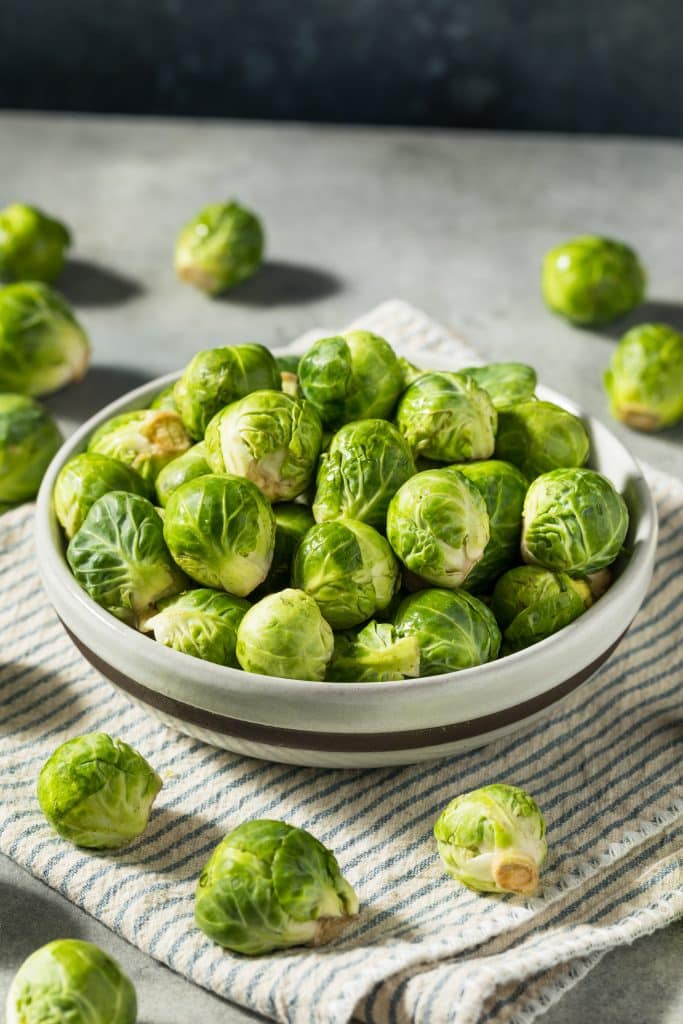
Brussels Sprouts
I halve every sprout before it goes in the oven, cut side down on the sheet pan. Whole sprouts trap steam in the middle, and by noon they smell more like boiled cabbage than anything roasted.
Halved ones pack flat in a shallow container and eat well cold with a little grainy mustard on the side. My husband will finish a whole container of these before he gets to the sandwich I packed next to them.
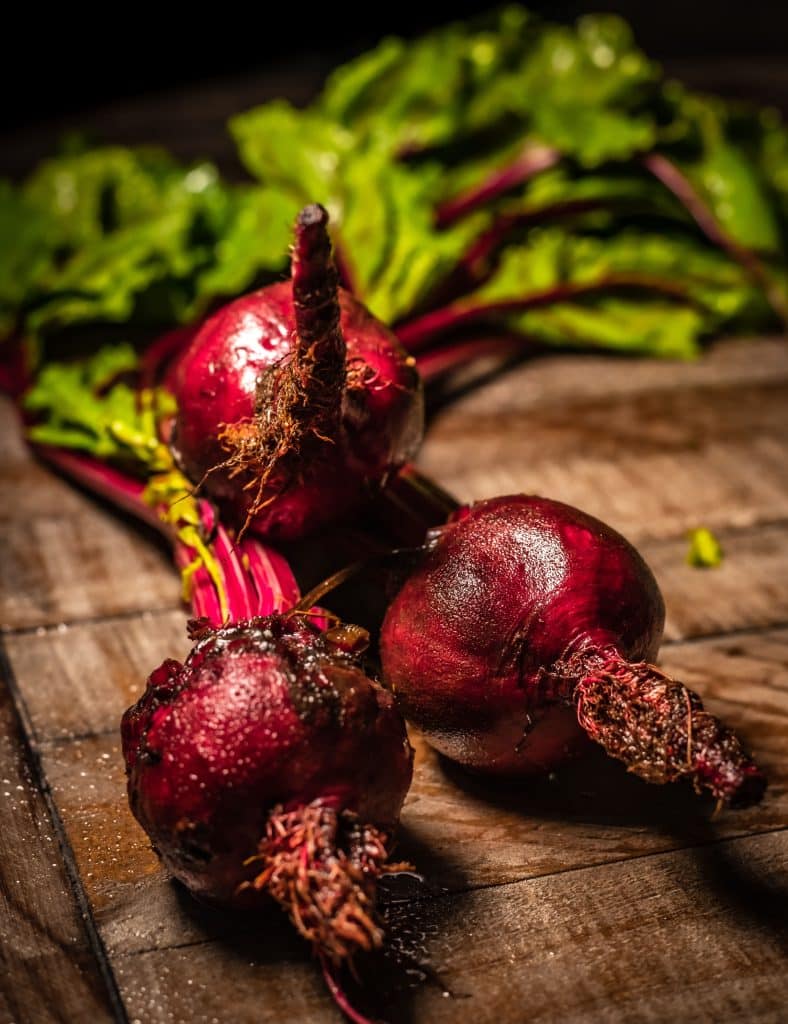
Beets
Beets need nothing done to them at lunch, but they make a mess of everything else in the box. I have opened more than one container of very pink farro.
So roasted beets get their own little container, or they go in last, tucked into a corner on top of the grains. Once they’ve cooled, the skins rub right off with a paper towel, which spares the cutting board. Cold with a pinch of flaky salt, they need nothing else.
One More Bite
My Holiday Leftovers Plan: What I Make Each Day After (and How Long Everything Keeps) →
23 Fruits and Veggies I Always Roast Instead of Steaming (Trust Me) →
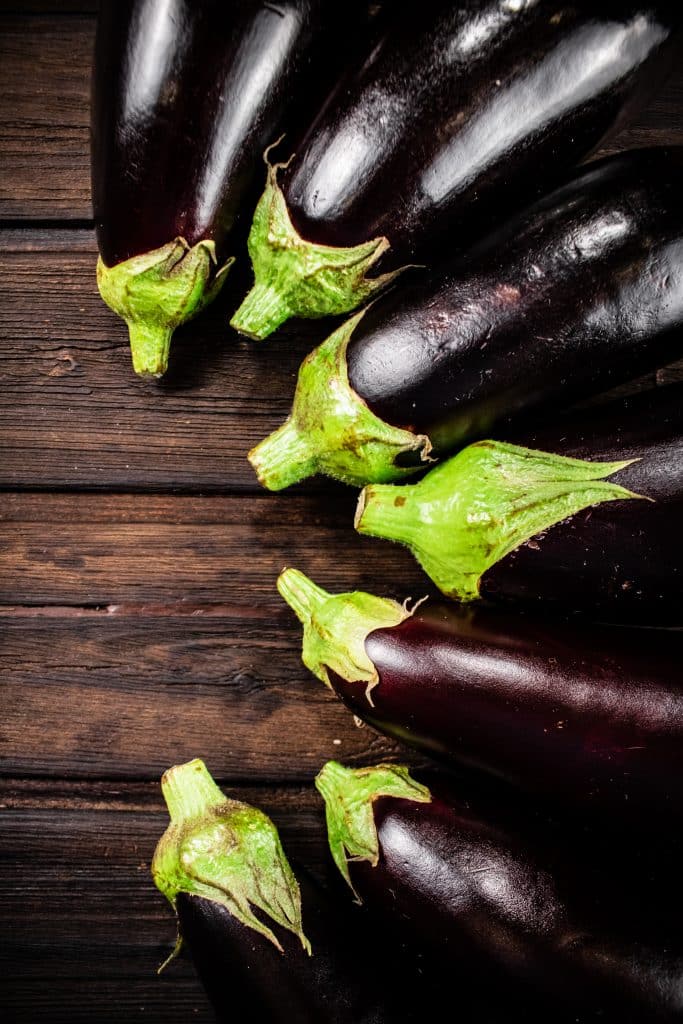
Eggplant
Roasted eggplant is my favorite sandwich vegetable for a packed lunch, because it stays soft without turning to paste between two slices of bread. The trick happens before cooking: I salt the slices, let them sit about 20 minutes, then pat off the beads of water.
Skip that and the leftovers weep into everything. My first few eggplant attempts were bitter and slimy, and that one step is what fixed them. For a long day, I pack the bread separately and build the sandwich at lunch.
Four more roasted leftovers ride along the same way. Asparagus reheats unevenly because the thin tips overcook before the stalks warm up, so I cut leftover spears into 2-inch pieces and toss them cold into pasta salad. Fennel mellows into something sweet once roasted, and slicing the bulb thin before it goes in the oven means the leftovers are already bite-size for a grain bowl.
Turnips, cut into small even cubes, mix right in with leftover roasted potatoes and stretch them further. Acorn squash is the one that eats almost like dessert: I scoop the cold flesh into a bowl with a shake of cinnamon, and the roasted skin is tender enough that some of us eat it too.
The Ones That Want a Microwave at Work or School
Some leftovers are just better warm. These hold up to a quick reheat without falling apart, as long as they were packed with a little care.
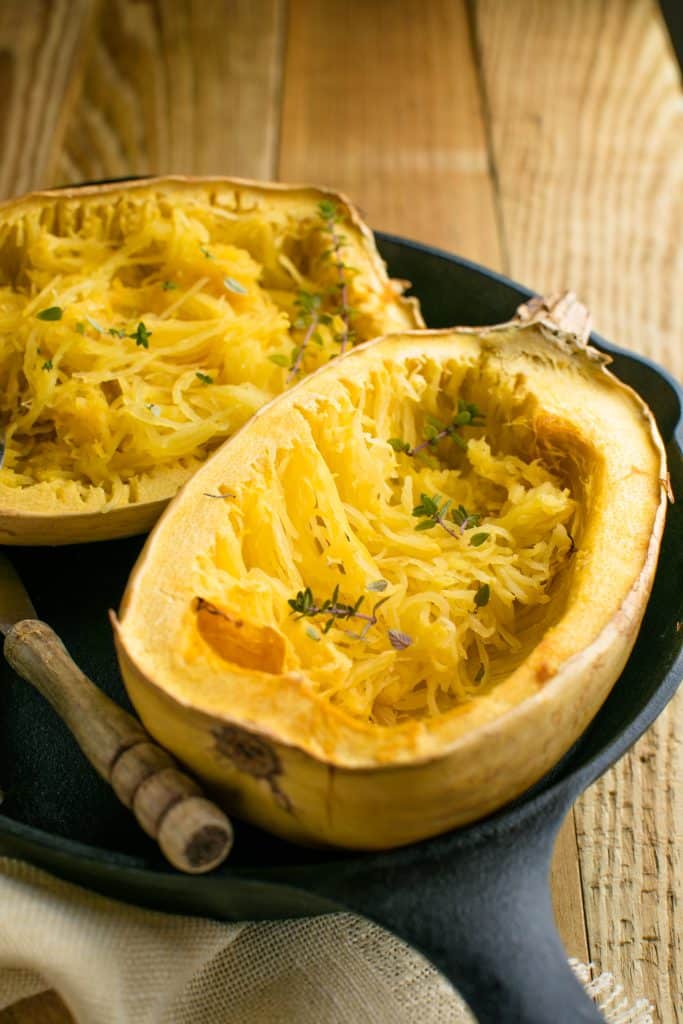
Spaghetti Squash
Spaghetti squash can be a full meal in one container on its own. The catch is that squash strands sitting in sauce overnight go limp and watery.
Early Black Friday
Early Black Friday Deals and Coupons
Sales running right now at stores families already shop.
Affiliate links: I may earn a small commission at no extra cost to you.
I pack the strands in the main container and the sauce in a small cup, then combine them right before reheating. Lifting the strands out with a fork instead of dumping them from the roasting pan leaves the extra liquid behind. It reheats in about two minutes and holds sauce the way pasta does.
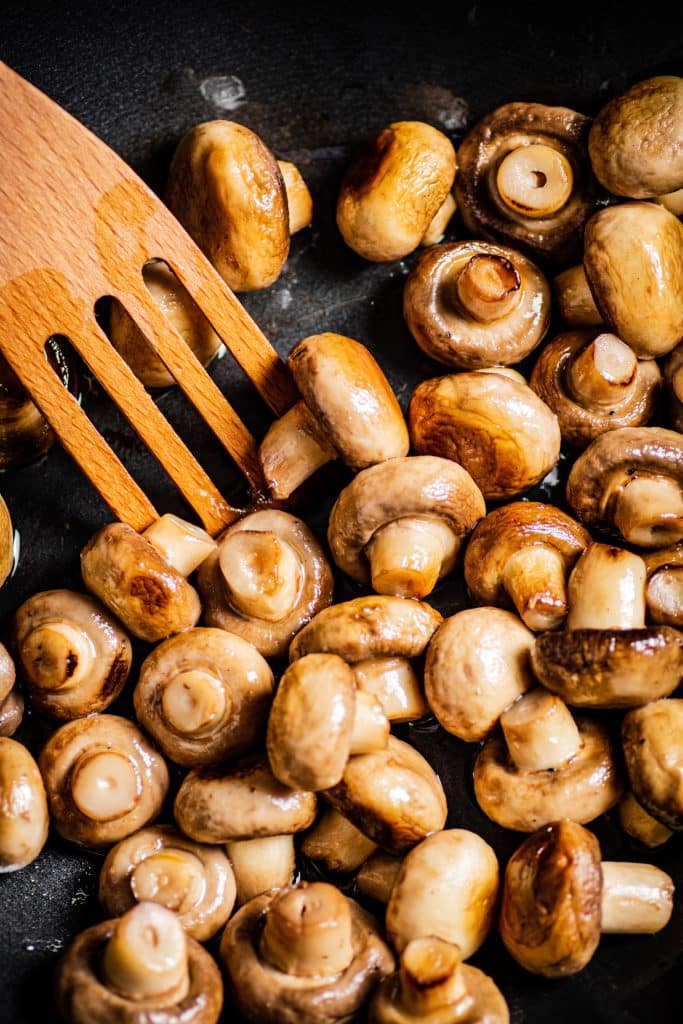
Mushrooms
The mistake with mushrooms happens at dinner, not lunch. If they come out of the pan still swimming, that liquid ends up at the bottom of the lunch box and soaks whatever sits on it.
I keep them in the skillet until the pan is dry and the edges are browned, which takes longer than most recipes admit. Cooked down like that, a spoonful of mushrooms over reheated rice turns a plain leftover into something I look forward to by eleven.
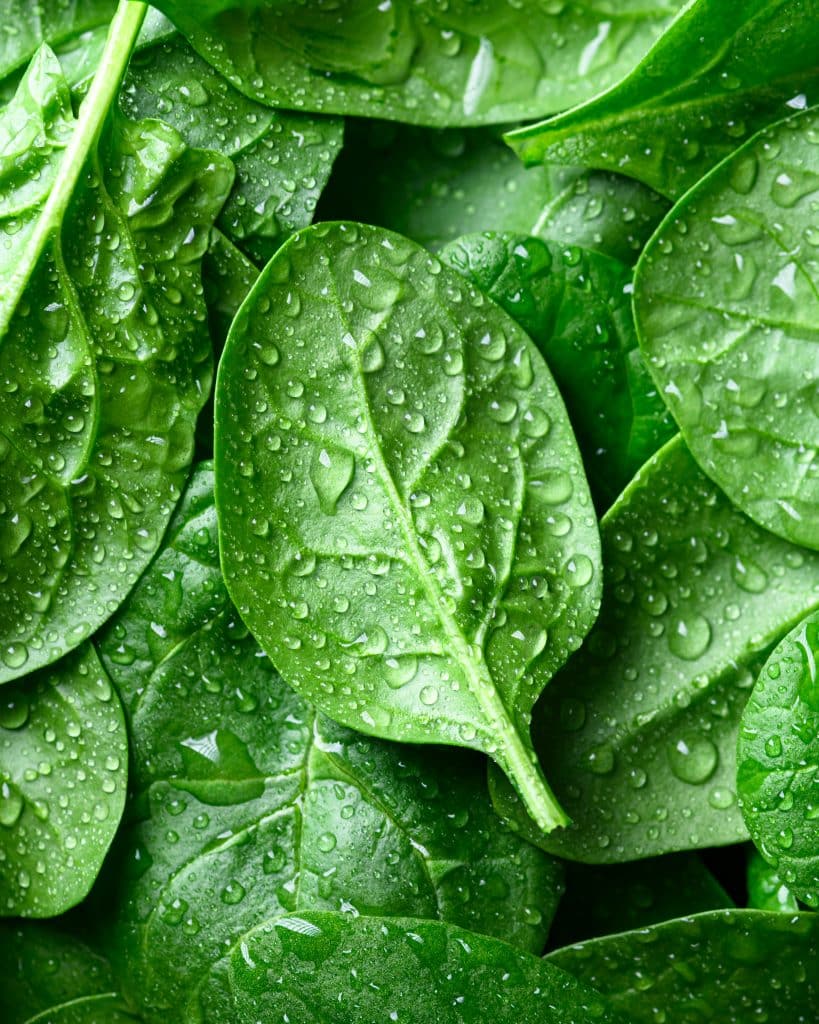
Spinach
A big bag of spinach cooks down to about a cup, so it takes up almost no room in the fridge. Before it goes into a container, I squeeze it hard in my fist over the sink.
That one squeeze is the difference between a neat little pile and a puddle that waters down everything around it. Stirred into reheated grains or folded into a warm wrap, it heats through in under a minute. It already tastes like whatever garlic or butter it was cooked in, so I don’t add anything.
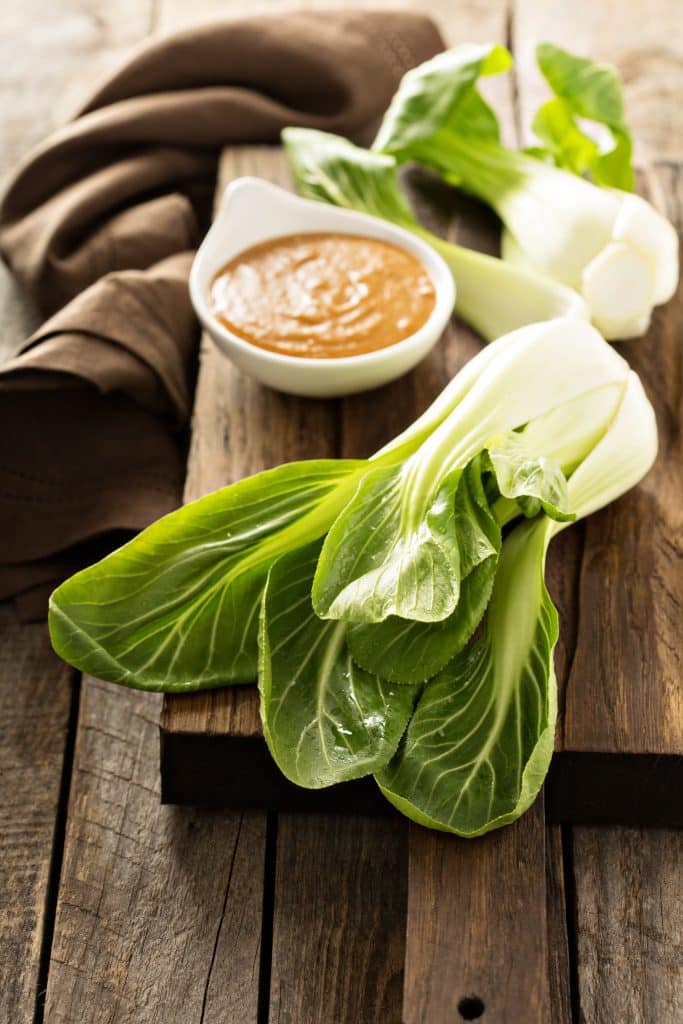
Bok Choy
Bok choy earns its spot because the stems keep their crunch even after a night in the fridge and a minute in the microwave. When I cook it for dinner, the white stems go in the pan a couple of minutes before the leafy tops, since cooking them together leaves one part raw or the other part limp.
From My Kitchen
21 Produce Picks I Sneak Into Dinner Without Anyone Noticing →
“This is the trick that finally got my pickiest eater to finish a plate.”
Leftover bok choy goes over reheated noodles or fried rice. My kids call it the crunchy cabbage thing, and nobody at my table has bothered to correct them.
Peas, corn, and leeks fill in the gaps. Peas stay bright green if I blanch them for a minute and drop them into ice water before storing, and they’re small enough to warm through in seconds. Corn cut off the cob doesn’t need reheating at all, so I stir a couple of spoonfuls into leftover beans or rice either way.
Leeks cook down silky and mild, and I stir them into rice or a grain bowl when I want onion taste without the sharpness of raw onion. They were one of the vegetables I finally learned to cook right after years of ruining them, and the whole problem was grit hiding between the layers. Slice them first, then rinse the slices in a bowl of water so the dirt sinks.
The Raw Add-Ins I Pack on the Side
Every lunch needs something crisp next to all that cooked food. These go in cold, and none of them come anywhere near a microwave.
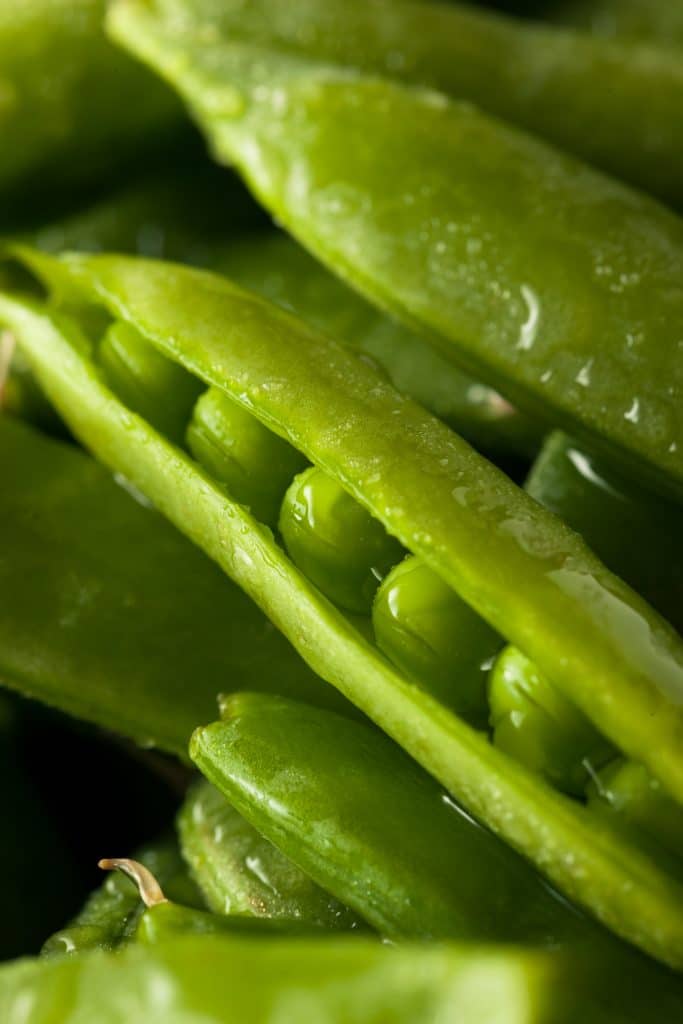
Snap Peas
Snap peas ride right in the main container with everything else, since they’re dry and they hold their snap for days. A quick rinse and a pinch off each end is all the prep they need.
You'll Want This Too
I buy whole pods instead of the pre-trimmed bags, which usually cost more to save about a minute of work. My kids eat these straight from the bag with no negotiation, which is rare enough that I’m putting it in writing.
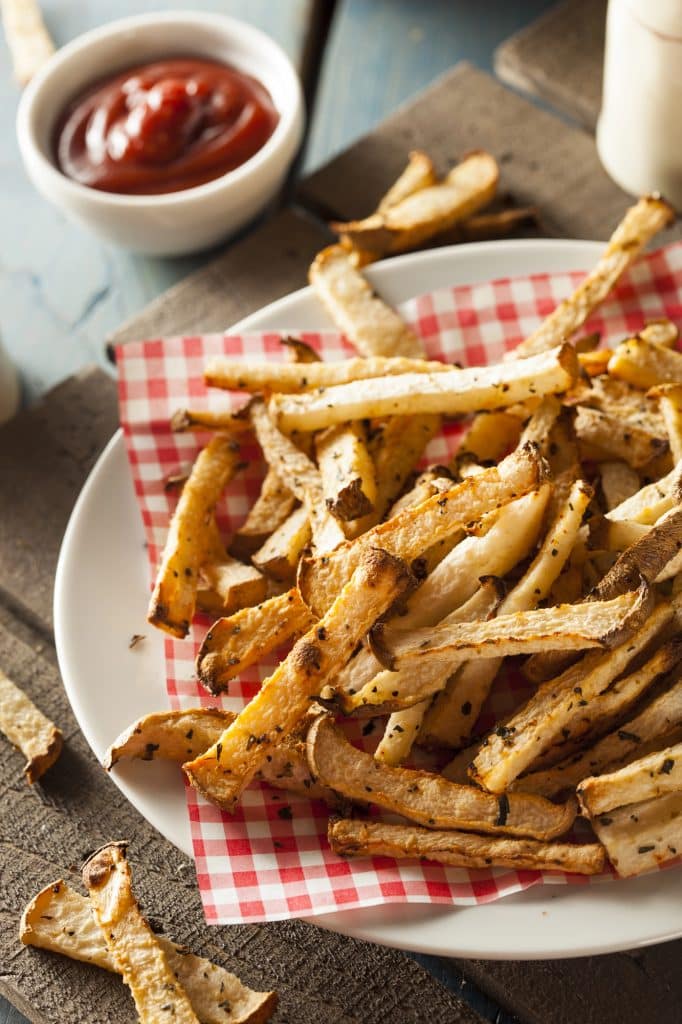
Jicama
Jicama looks intimidating in the produce bin, but it’s about as low-maintenance as produce gets. The skin is tough and papery, so I take it off with a knife rather than a peeler, and after that first cut the rest goes quickly.
I cut the whole root into sticks at once and keep them in the fridge, where they stay crisp for days. Packed with a little cup of lime juice and salt for dipping, it’s a cold side that needs zero thought at 6 a.m.