The Vegetables I Cook a Day Early on Purpose (And How I Store and Reheat Them)
For years I treated leftover vegetables as the sad corner of the fridge, the container nobody wanted to open. Then I noticed that some of them tasted better on night two than they had on night one, and I couldn’t stop paying attention.
Now I cook certain vegetables a day early on purpose. It fits right into the Sunday meal planning system that survived my house, on the weeks I actually pull it off.
This guide covers all 27 vegetables I’ve learned to cook ahead, grouped by how I cook them. You’ll also find how long I keep each one, how I reheat it, and the two make-ahead recipes I come back to most.
Why Some Vegetables Taste Better the Next Day
I’m not a food scientist, so take this as kitchen notes from someone who has cooked these a lot. What I’ve seen, over and over, comes down to four kinds of cooking.
Long braises and soups keep soaking in their own liquid overnight, so the flavor spreads through the whole pot. Dense roots and squash roasted hard settle and sweeten as they cool.
Anything sitting in a sauce or a vinegar dressing gets more time to absorb it. And slow-cooked aromatics like onions and mushrooms keep deepening, almost like the cooking slowed down instead of stopping.
The same pattern explains what doesn’t work. Watery vegetables cooked plain, like zucchini, eggplant, and sautéed spinach, have nothing protecting them, so they weep and go limp by morning.
One more thing that took me way too long to learn: for anything roasted, keep the sauce or dressing in its own container until reheat time. If you’re missing the vinegar or broth a recipe calls for, my ingredient substitution finder usually turns up a swap that works.
Roots, Squash, and Other Vegetables I Roast a Day Ahead
This is the biggest group, and the easiest place to start. When the oven’s already on, I fill a second sheet pan with whatever roots are rolling around my crisper drawer and let tomorrow’s side dish take care of itself.
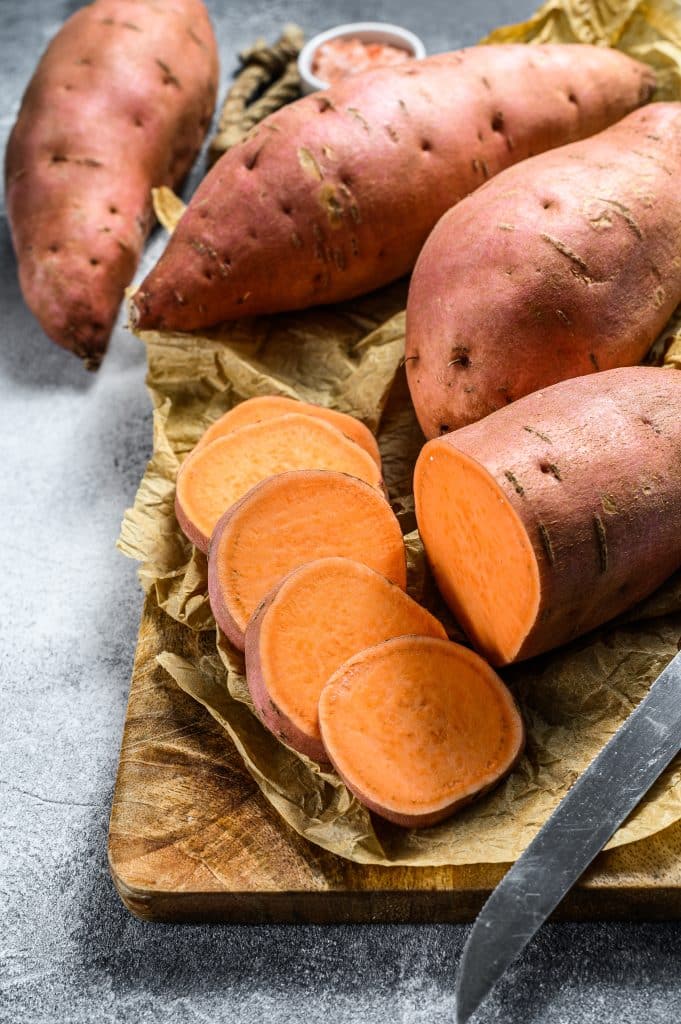
Sweet Potatoes
Roasted sweet potatoes are good the night I make them. The next day, once they’ve cooled and settled, the middles go almost custardy and taste sweeter without me doing a thing.
I roast a full tray in big chunks, skin on, at 425°F until the edges blacken a little. Small cubes dry out in the fridge, so I keep the pieces about the size of a golf ball.
To reheat, I spread them on a sheet pan for 10 to 12 minutes at 400°F, or mash them with a pat of butter on the stove. The microwave works in a pinch, but you lose those crisp edges.
Beets
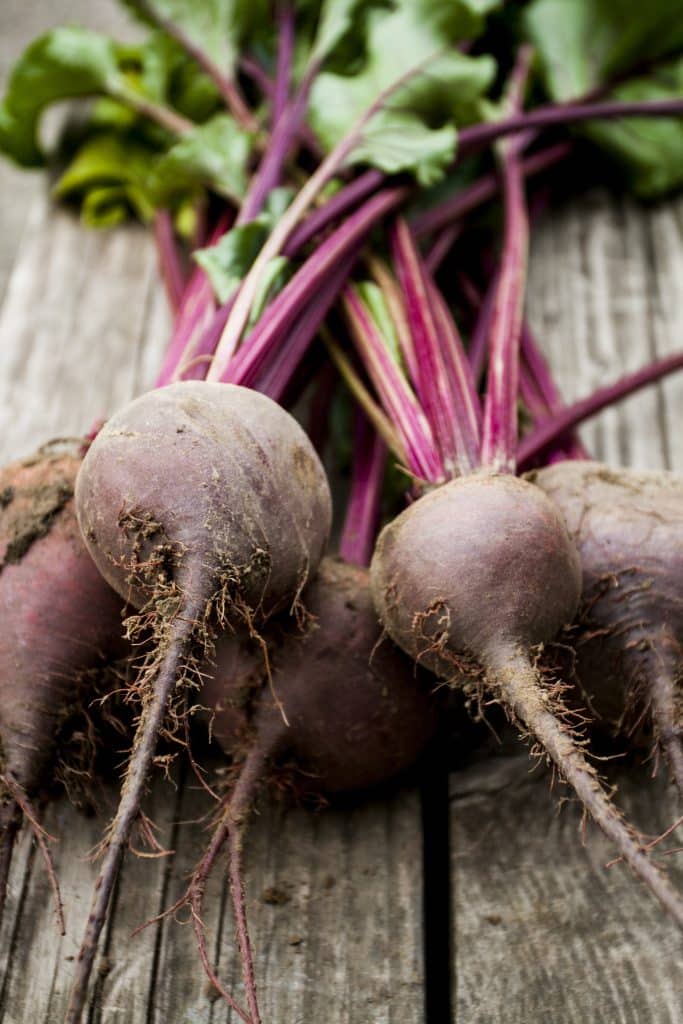
Beets are the one vegetable I flat out refuse to serve the same day. Fresh from the oven they taste a little sharp and earthy, and a night in the fridge rounds that right off.
I wrap them whole in foil and roast them on the middle rack at 400°F until a knife slides in, usually 45 minutes to an hour depending on size. The next day the skins rub right off with a paper towel, and my hands only end up slightly pink.
Sliced cold with a splash of vinegar and a little oil, they taste like a side dish I fussed over. I didn’t.
Acorn Squash
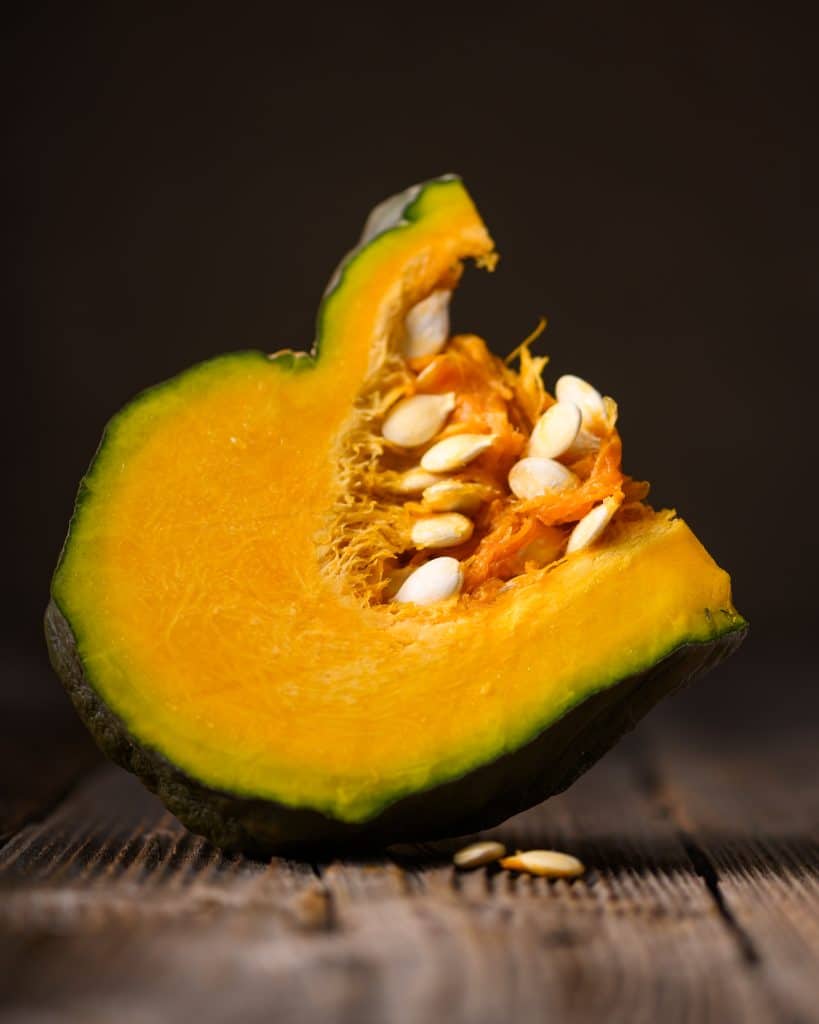
My oldest eats this one cold, straight out of the container, which I did not see coming. A halved acorn squash holds moisture in the hollow where the seeds were, so it never dries out the way flat roasted pieces can.
I roast the halves cut side up with a pat of butter and a spoonful of maple syrup in each hollow. Overnight that little pool thickens into something close to a glaze and works its way into the flesh.
Reheat it in the same shape, loosely covered with foil, at 350°F for about 15 minutes. Scooping it out first just makes it mushy.
Brussels Sprouts
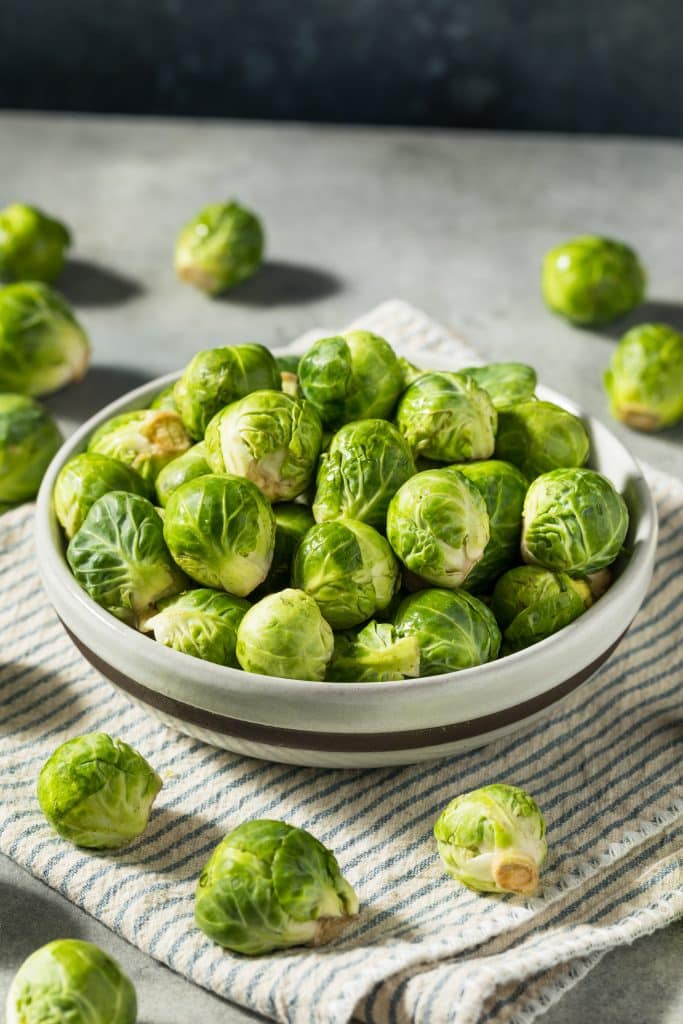
Roasted brussels sprouts come back to life in a hot skillet the next day, sometimes crispier than they were the first night. The microwave steams them instead, and steamed leftover sprouts have a smell that clears my kitchen in about a minute.
I roast a big tray whenever the oven is already hot for something else, which is the whole idea behind my one-pan sheet pan dinners. Halve them and roast them cut side down so they get a dark, crisp face.
On day two they go into a skillet with a teaspoon of oil over medium-high heat, lid off, for about four minutes.
The rest of my roots follow the same rules. Potatoes firm up overnight, which sounds bad until you cube them and fry them hard in a dry cast iron pan for hash, and carrots taste almost candied by day two as long as I cut them thick instead of into thin coins.
Parsnips sweeten the way carrots do, and I mash them half and half with potatoes the day before a bigger dinner so the two taste like one dish. Rutabaga is dense enough to reheat in the microwave without going watery, which makes it my favorite make-ahead mash.
Frozen cubed butternut squash surprised me by holding up, as long as I roast it straight from frozen on a very hot pan and give it a few minutes longer than the bag says. Fennel loses its raw licorice bite after roasting and a night in the fridge, and that’s the only way my kids will touch it, a trick that made it into my picky eater playbook.
Cauliflower and broccoli round out the group. I roast both hard, past the point I think they’re done, and keep any sauce in a separate container.
Broccoli I like cold, straight from the fridge, and cauliflower gets a few minutes in a hot oven before anything wet touches it. For more on getting a real roast instead of a soggy steam, I keep a running list of the fruits and veggies I always roast instead of steaming.
Greens and Braises That Need a Night in the Pot
These are the slow ones. Anything that cooks low for a long time in its own liquid keeps getting better for a day or two, because there’s nothing delicate left to overcook.

Green Beans
These aren’t the bright, squeaky green beans from a quick steam. They’re the long-cooked kind, simmered low with onion and a little fat until they go soft and almost stewy, one of the sides from the 90s dinners my mom made for almost no money that I still cook exactly her way.
From My Kitchen
23 Vegetables That Turn One Pot of Soup Into a Whole Week of Dinners →
"This is the one I make on repeat once it gets cold out."
Because they’re already fully tender, there’s nothing left to ruin on reheat. I warm them on the stove over low heat with a splash of water, stirring now and then, until they’re steaming hot all the way through.
By day two the onion has melted into the beans and the whole pot tastes rounder. My husband eats them cold out of the container when he thinks nobody’s looking.
Cabbage
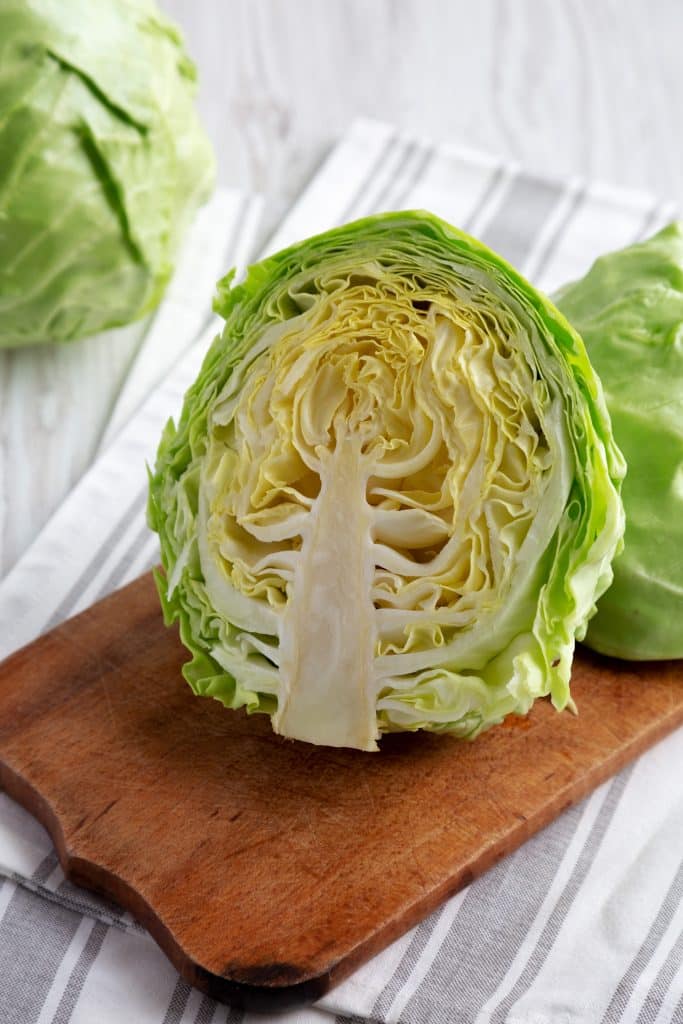
Braised cabbage keeps releasing liquid as it sits, and that liquid bastes the whole pot every time I reheat it. I braise a whole head at once with sliced onion, a splash of vinegar, and enough broth to come about a third of the way up the pot.
It’s one of the vegetables I lean on for a big pot of soup for the same reason. By the third day, though, it goes softer than I like, so I plan to finish a batch inside that window.
Reheat it covered on the stove over medium-low until it’s hot through and the edges look glossy again.
Collard greens are the whole reason this section exists, and my full make-ahead pot is further down. The first time I tasted a fresh pot I thought it was thin and a little flat, and the next night it tasted like it had simmered all day.
Kale softens and loses its bitter edge overnight, but only when it’s cooked into a soup or stew. Sautéed plain and saved, it stays tough and raspy, which is exactly the texture my kids push to the edge of the plate.
Swiss chard braises a lot like collards, as long as the chopped stems go in a few minutes before the leaves. Chard was one of the vegetables I finally learned to cook right after years of mushy leaves next to crunchy stems, and that staggered cook is why the leftovers come out one even texture.
Turnips can taste sharp fresh, so I braise them in broth instead of roasting, and a night in their own liquid turns them mild. Leeks behave the same way in broth and go silky by morning, as long as I soak the slices first to get the grit out.
Onions, Mushrooms, and Peppers: The Flavor Builders
These three don’t usually show up as a side dish on their own. They go into eggs, sandwiches, sauces, and soups all week, and every one of them tastes deeper after a night in the fridge.
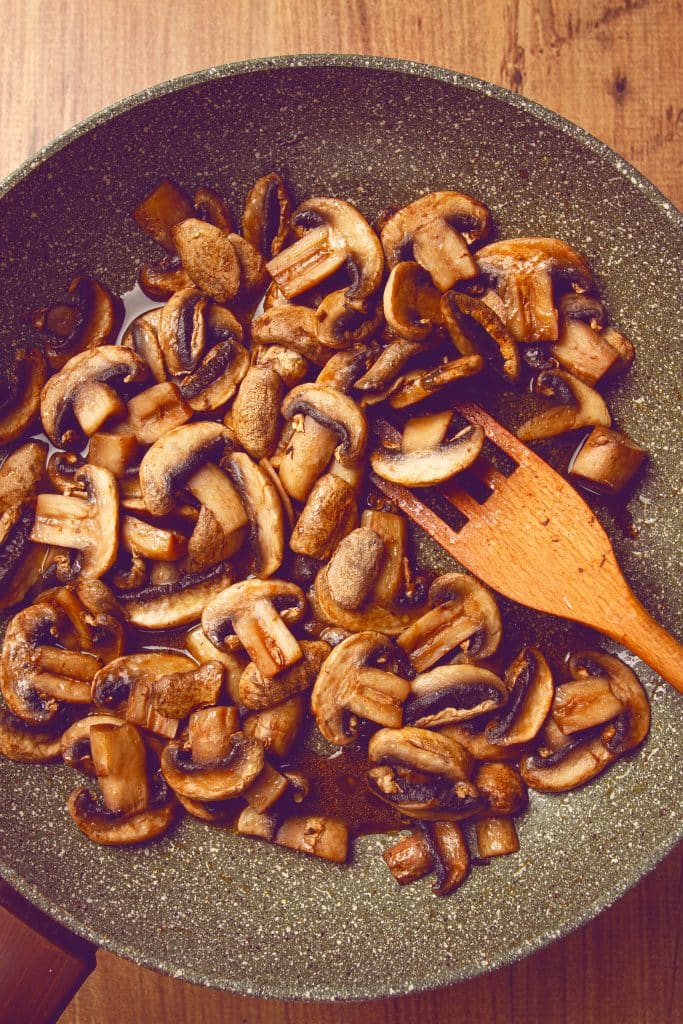
Mushrooms
Mushrooms let out a surprising amount of liquid in the pan. If I let that liquid cook back down instead of draining it, I end up with something closer to a little sauce, and that’s the part that keeps getting more savory overnight.
I cook mine in butter with a little garlic or onion, in a wide skillet so they brown instead of steam, and I always make more than I need. They shrink so much it barely looks like extra.
You'll Want This Too
The next day, a quick warm-up in a skillet until they sizzle again is all they need.
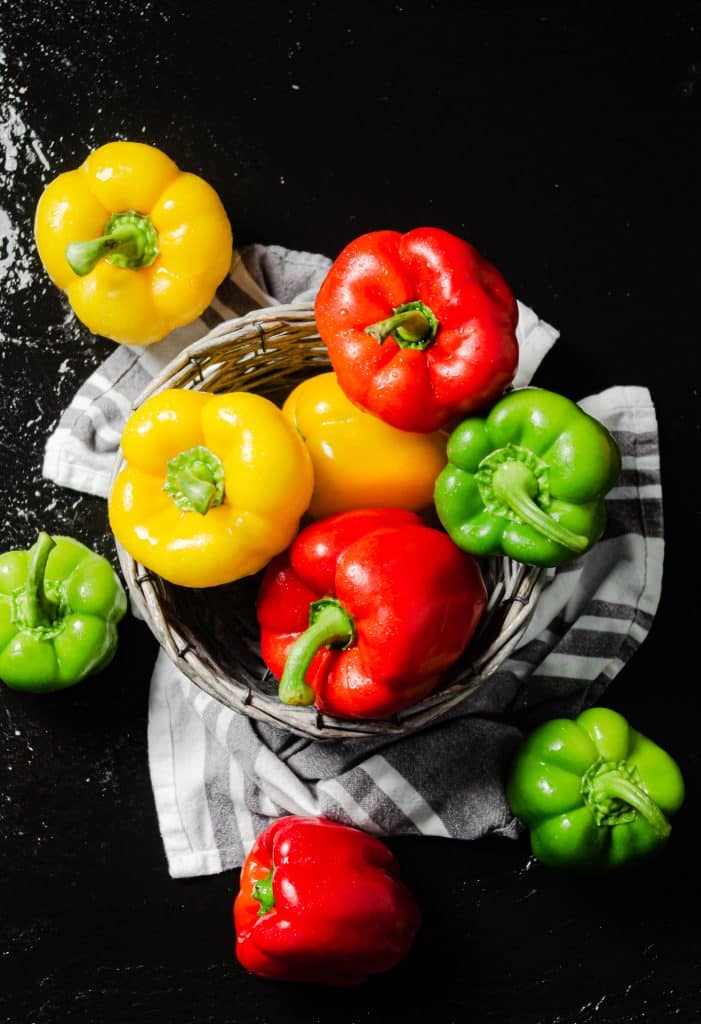
Bell Peppers
I roast a whole tray of bell peppers when they’re cheap at the warehouse club, and I leave the charred skins on overnight. The skins keep the flesh moist and slip off in one piece the next day, which saves me a lot of picking at tiny burnt bits.
Once they’re peeled, I store the strips in the juice that collects at the bottom of the container. That juice turns into a quick dressing with a little oil and vinegar.
These are one of the few things in this guide I rarely reheat. They go onto pizza, into scrambled eggs, and over rice straight from the fridge.
Caramelized onions get their own recipe below, because they’re the vegetable that convinced me this whole idea was real. A properly cooked batch tastes better on day three than day one, every single time I’ve made it.
The Ones That Only Work in a Sauce or Soup
This is the group with the most opinions attached, mine included. Every one of these gets better overnight when it’s in something saucy, and most of them fall apart when they’re not.
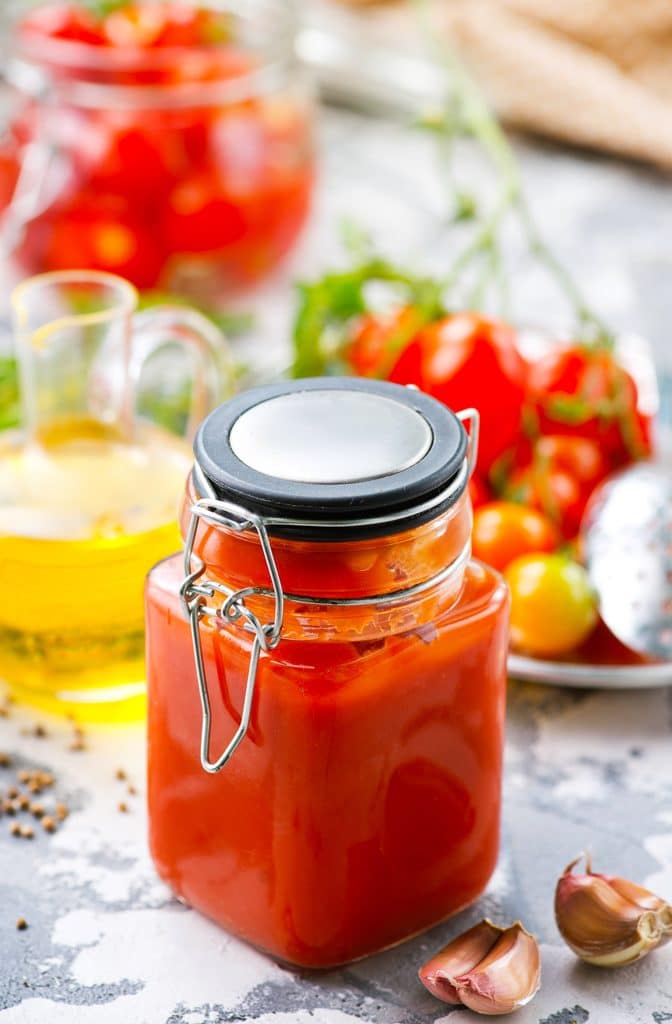
Tomatoes
A tomato sauce made on Sunday and eaten Monday tastes like a different, better sauce. The acid and the sweetness need time to settle into each other, and an extra hour on the stove never does what a night in the fridge does.
I start mine with canned whole tomatoes, since building a pantry from scratch taught me to always keep a few cans on the shelf. Chili and tomato soup follow the same rule.
Reheat it low, at a gentle simmer rather than a hard boil, and stir from the bottom so it doesn’t scorch.
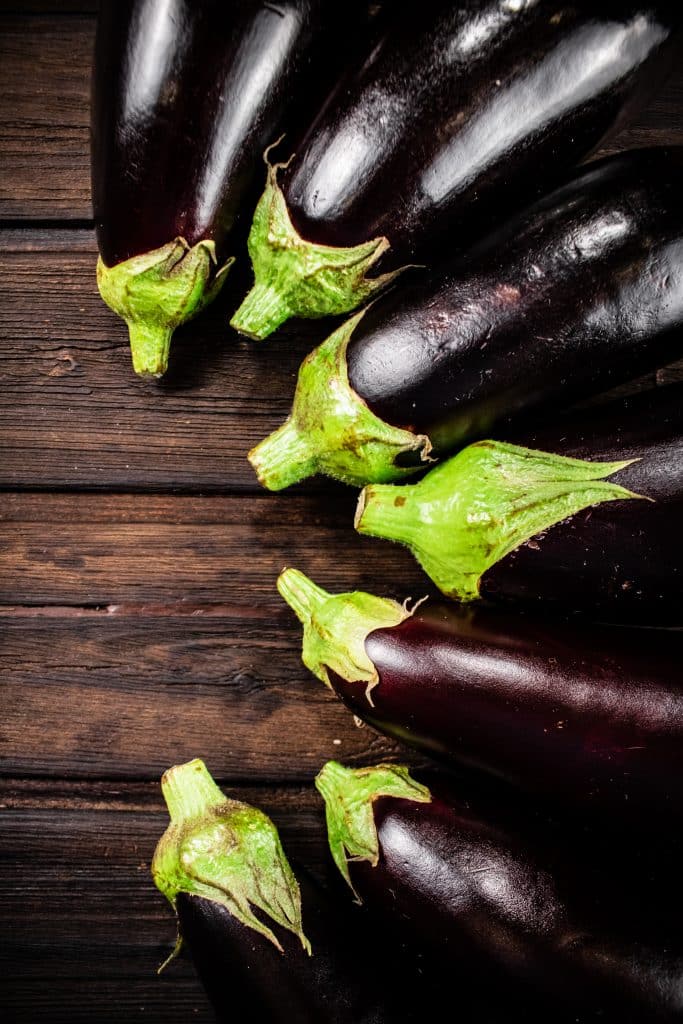
Eggplant
Here’s my unpopular opinion. Everyone says eggplant is better the next day, and in my kitchen that’s only true about half the time.
In a long-simmered sauce or stew, it soaks up flavor and gets better, no argument there. Roasted plain, it breaks down into mush overnight, and after a few disappointing reheats I stopped saving it.
Go Deeper
The School Morning Machine: How We Went From Daily Chaos to Out-the-Door in 40 Minutes →
"The system that finally ended our morning yelling."
So I only make eggplant ahead when it’s cooked into something saucy. Plain roasted eggplant gets cooked the night I serve it, and whatever’s left goes in the trash without guilt.
Zucchini is mostly water, so it leaks overnight unless it’s already sitting in a tomato sauce, where that water just becomes part of the sauce. Spinach is the same story: creamed spinach is better the next day once the sauce soaks into the leaves, and plain sautéed spinach turns into a sad green puddle I don’t bother saving.
Pumpkin soup thickens and blends overnight, so the spices stop tasting separate from the squash. I thin it with a splash of broth when I reheat it, and I do the same with every pot of roasted butternut squash soup I make.
The Two Make-Ahead Recipes I’d Teach You First
If you only cook two things from this guide a day early, make it these. Both make a big batch, and both are better tomorrow than tonight.
Feeding a bigger crowd, or only two of you? Plug the ingredients into my recipe scaler and let it do the math.
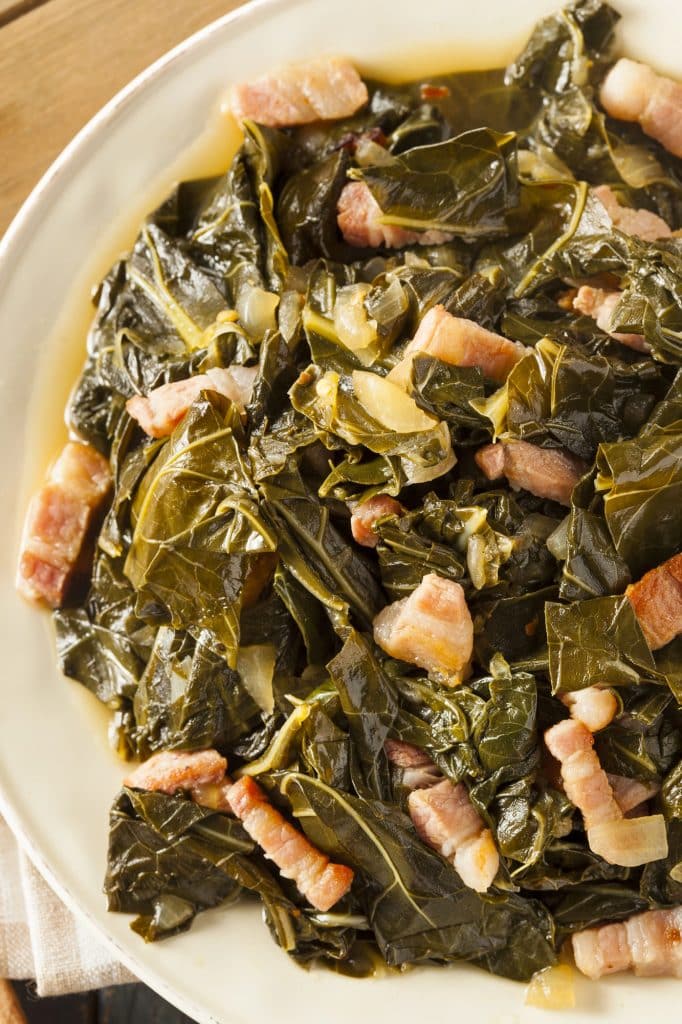
Make-Ahead Braised Collard Greens
Serves: 6 | Prep: 20 minutes | Cook: 1 hour 30 minutes
Ingredients
- 2 large bunches collard greens (about 2 pounds)
- 4 slices thick-cut bacon, chopped
- 1 large yellow onion, diced
- 3 cloves garlic, minced
- 1/2 teaspoon red pepper flakes
- 4 cups chicken broth
- 1 tablespoon apple cider vinegar
- 1 teaspoon sugar
- Salt and black pepper, to taste
Instructions
- Strip the leaves off the thick center stems, stack them, roll them up, and slice into 1-inch ribbons. Wash the ribbons in a big bowl of cold water, lift them out, and repeat if you see grit at the bottom of the bowl.
- In a heavy 6-quart or larger pot over medium heat, cook the bacon for 6 to 8 minutes, until the fat renders and the edges crisp.
- Add the onion and cook about 5 minutes, stirring, until soft. Add the garlic and red pepper flakes and cook 1 minute more.
- Pour in the broth, vinegar, and sugar and bring to a simmer.
- Add the greens a few handfuls at a time, stirring each batch down as it wilts, until everything fits in the pot.
- Cover, turn the heat to low, and simmer for 1 hour to 1 hour 15 minutes, stirring a couple of times, until the greens are very tender. Taste and season with salt and pepper.
- To make ahead, cool the greens for no more than 2 hours, then move them and their liquid into shallow containers and refrigerate. Eat within 3 to 4 days.
- To serve, reheat in a covered pot over medium-low, stirring now and then, until the greens reach 165°F in the center. Spoon the pot liquor over each serving.
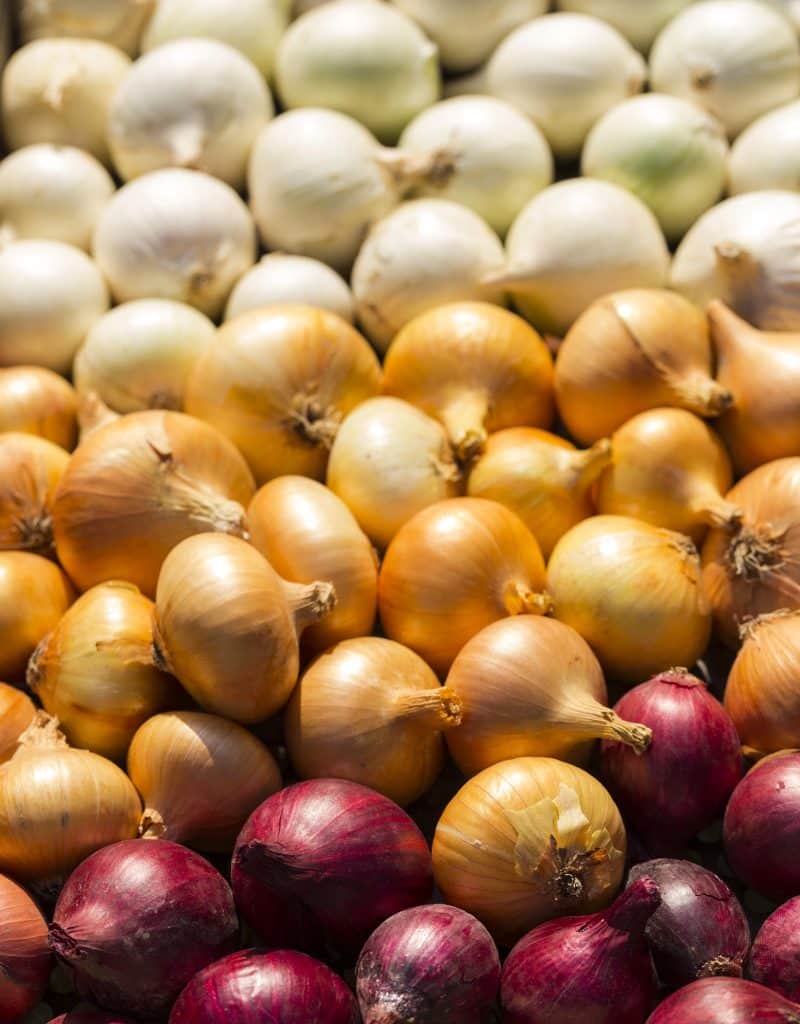
Slow Caramelized Onions
Makes: about 2 cups | Prep: 15 minutes | Cook: 1 hour
Ingredients
- 3 pounds yellow onions (about 6 large)
- 2 tablespoons butter
- 1 tablespoon olive oil
- 1 teaspoon kosher salt
- 2 to 4 tablespoons water, as needed
Instructions
- Halve the onions through the root, peel them, and slice into thin half-moons about 1/8 inch thick.
- Melt the butter with the oil in a heavy 5- to 6-quart pot over medium heat. Add the onions and salt and stir to coat. The pot will look ridiculously full, and that’s fine.
- Cook 10 to 15 minutes, stirring every few minutes, until the onions wilt and turn translucent.
- Lower the heat to medium-low and keep cooking 35 to 45 minutes more, stirring about every 5 minutes. When a brown layer builds on the bottom of the pot, add a tablespoon of water and scrape it up.
- They’re done when they’re deep amber, soft, and jammy, with no crunch left. If they start to scorch, turn the heat down.
- Cool, then refrigerate in a covered container for 3 to 4 days, or freeze in small portions for up to about 3 months. Frozen portions can go straight into a hot skillet or a pot of soup.
I’ll admit I used to stop at 20 minutes and call them caramelized. They weren’t, and the batch that changed my mind took close to an hour.
How I Store and Reheat Make-Ahead Vegetables
Cooking ahead only works if the leftovers are safe and still taste good, so this is the part I’m strict about. Here’s my routine, then the full table for all 27.
First, cool things fast. I let roasted vegetables sit spread out on the sheet pan for a bit, divide big pots into shallow containers, and get everything into the fridge within 2 hours of cooking.
Second, store sauces, dressings, and anything wet apart from roasted vegetables. Braises are the exception, since that liquid is the whole point.
What Everyone's Making
23 Plant Foods That Fill You Up for Hours (My Afternoon Slump Fix) →
Third, match the reheat to the texture. Roasted vegetables go back on a hot sheet pan or into a skillet, braises and sauces go on the stove over low heat, and anything I’m reheating gets brought to 165°F in the center.
I check thick pots with an instant-read thermometer, which is the one gadget I’ll defend to anyone who knows how I feel about kitchen gadgets. It costs less than one ruined pot of greens.
| Vegetable | How I cook it ahead | Fridge time (rough) | Best way to reheat |
|---|---|---|---|
| Sweet potatoes | Roasted in big chunks | 3 to 4 days | Sheet pan at 400°F, 10 to 12 min, or mashed on the stove |
| Potatoes | Boiled or roasted | 3 to 4 days | Cubed and fried hard in a dry cast iron pan |
| Carrots | Roasted, cut thick | 3 to 4 days | Sheet pan or skillet |
| Parsnips | Roasted, or mashed with potatoes | 3 to 4 days | Skillet, or stovetop for the mash |
| Beets | Roasted whole in foil | 3 to 4 days | Serve cold with vinegar and oil |
| Turnips | Braised in broth | 3 to 4 days | Covered pot, medium-low |
| Rutabaga | Boiled and mashed | 3 to 4 days | Microwave or stovetop with butter |
| Acorn squash | Roasted halves with maple | 3 to 4 days | Foil-covered at 350°F, about 15 min |
| Butternut squash (frozen cubes) | Roasted from frozen, very hot pan | 3 to 4 days | Sheet pan at 400°F |
| Fennel | Roasted wedges | 3 to 4 days | Sheet pan, or room temperature |
| Brussels sprouts | Roasted cut side down | 3 to 4 days | Skillet with a little oil, lid off |
| Cauliflower | Roasted, sauce on the side | 3 to 4 days | Hot oven or air fryer, then add sauce |
| Broccoli | Roasted hard | 3 to 4 days | Cold, or a quick skillet |
| Green beans | Long-cooked with onion | 3 to 4 days | Stovetop, low, with a splash of water |
| Collard greens | Slow braised | 3 to 4 days | Covered pot with the pot liquor |
| Kale | Cooked into soup or stew | 3 to 4 days | With the soup, on the stove |
| Swiss chard | Braised, stems first | 3 to 4 days | Covered skillet, medium-low |
| Cabbage | Braised with onion and vinegar | Best within 3 days | Covered pot, medium-low |
| Leeks | Braised in broth | 3 to 4 days | Covered pot, low |
| Onions | Caramelized | 3 to 4 days (freeze for longer) | Warm skillet, or straight into a hot dish |
| Mushrooms | Sautéed with garlic or onion | 3 to 4 days | Skillet until sizzling |
| Bell peppers | Roasted, skins on overnight | 3 to 4 days | Cold, or a quick skillet |
| Tomatoes | Cooked into sauce | 3 to 4 days | Stovetop at a gentle simmer |
| Eggplant | Only in a sauce or stew | 3 to 4 days | With the sauce, on the stove |
| Zucchini | Only in a tomato-based dish | 3 to 4 days | With the sauce, on the stove |
| Spinach | Creamed only (skip plain) | 3 to 4 days | Stovetop, low, stirring |
| Pumpkin | In soup | 3 to 4 days | Stovetop with a splash of broth |
These are rough ranges from my own fridge, not hard rules. Anything reheated should reach 165°F in the center, and when I’m not sure how old something is, it goes in the trash.
That’s stricter than some of the things grandmothers never threw away, but it’s the line I hold in my house. The bigger win is cooking once for two nights, which shows up on just about every list of frugal tricks that actually work for a reason.
Questions I Get About Cooking Vegetables Ahead
How long do cooked vegetables last in the fridge?
I go by about 3 to 4 days for cooked vegetables in covered containers, once they’ve cooled properly. Braised cabbage loses its texture closer to day three, so I treat that one as a shorter window.
Can I freeze these instead?
Some, yes. Caramelized onions, braised greens, tomato sauce, and soups freeze well in small portions, and my freezer meal guide walks through how I label and rotate everything.
Plain roasted vegetables are hit or miss once I freeze them at home. For those, I’d rather keep a few bags from the frozen foods worth keeping around list and roast them straight from the freezer.
Do I have to reheat them, or can I eat them cold?
Roasted beets, broccoli, and peppers are great cold, as long as they’ve stayed in the fridge the whole time. Anything I’m reheating, especially braises, soups, and sauces, goes to 165°F in the center.
Why do my roasted vegetables go soggy overnight?
Usually it’s one of three things: they went into the fridge warm with the lid on, a sauce went on before they chilled, or they got reheated in the microwave. Cool them uncovered first, keep the sauce separate, and reheat on a hot pan.
Which vegetables should I skip making ahead?
In my kitchen, it’s plain sautéed spinach, plain roasted zucchini, and plain roasted eggplant. Cook those the night you eat them and save the make-ahead effort for roots, braises, and sauces.
Cook It Tonight, Eat It Tomorrow
If you try one thing from this guide, make it the onions. A batch with three days in the fridge tastes like you spent all afternoon on dinner, and you sort of did, just not today.
From there, add a pot of collards or a tray of roasted roots to your next Sunday cook. It’s one of the few mom life hacks that actually save time in my house, and an easy way to get more high-fiber vegetables on the table without cooking every single night.
When you want main dishes to go with all these sides, the budget dinners I grew up on are where I’d go next. Most of them pair with something on this list.