33 Easy Soup Recipes My Family Asks for All Fall and Winter
The first cold night of the year, my youngest walked in from the bus stop and asked, before taking off a single shoe, whether it was a soup night. It was not a soup night. It became one about four minutes later.
Soup is how my family gets through fall and winter, and almost all of it happens in one big pot. These are the 33 soups we ask for over and over, starting with the cheap, cozy ones I can pull off on a Tuesday and ending with the weekend projects worth a slow afternoon.
A lot of these started in my mom’s kitchen, and the tomato soup at number one is straight off my list of 47 dinners my mom made in the 90s for almost no money. One house rule before we start: I never leave a hot pot on the stove overnight to cool, because a full stockpot stays warm in the middle for hours, so big batches go into shallow containers and straight into the fridge.

1. Tomato Soup and Grilled Cheese Dippers
If my family had a flag, it would have a grilled cheese on it. I start this soup with butter and a chopped onion, add two big cans of whole tomatoes, a little broth, and a pinch of sugar, then let it bubble for twenty minutes.
The trick that changed my tomato soup was a parmesan rind dropped in while it simmers. It softens, adds the savory depth canned tomatoes are missing, and gets fished out before I blend.
I blend it smooth right in the pot, then stir in a splash of cream off the heat. Boiling it after the cream goes in is how I used to end up with a slightly curdled pot.
Mom note: I cut the sandwiches into long strips for dunking, and somehow my kids eat twice as much that way. It’s one of the tricks behind the meals for picky eaters that ended our dinner fights.
2. Chicken and Egg Noodle Soup
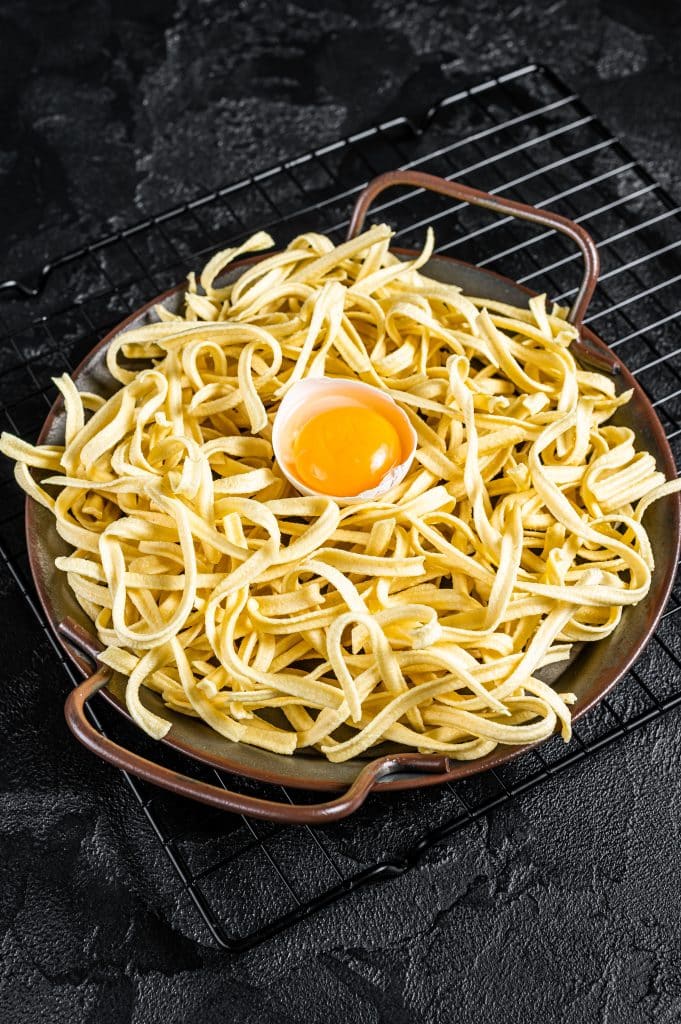
When somebody in my house has the sniffles, this is the pot that goes on. I simmer bone-in chicken thighs with carrots, celery, and onion for about forty minutes, pull the meat off the bones, and put it back in.
Here’s what I learned the hard way: noodles cooked in the soup keep drinking broth in the fridge. By day two I used to have chicken noodle casserole, so now I cook the egg noodles separately and add them to each bowl.
Thighs beat breasts here every time in my kitchen. They stay tender through a long simmer, give the broth more flavor, and usually cost less.
Mom note: My youngest wants extra noodles and zero carrots, and keeping the noodles separate makes that negotiation a lot shorter. The carrots get diced tiny, the same way I handle the rest of the produce I sneak into dinner without anyone noticing.

3. Loaded Baked Potato Soup
This is a ten-dollar dinner that feels like a treat. I cook diced bacon in the pot first, scoop it out, then soften onions in the drippings before adding cubed potatoes and broth.
Russets are my pick because they break down and thicken the soup on their own. Once they’re tender, I mash about half right in the pot with a potato masher, which gives it body without a blender or any flour.
Cheddar, sour cream, scallions, and that reserved bacon go on top at the table. I’ll be honest, this is one soup I don’t freeze, because the texture has come back grainy every time I’ve tried.
Mom note: Setting the toppings out in little bowls turns this into build-your-own night, and my kids eat more when they’re in charge. Ten-dollar dinners like this are one of the biggest ways my family saves money every month.
4. Broccoli Cheddar Soup
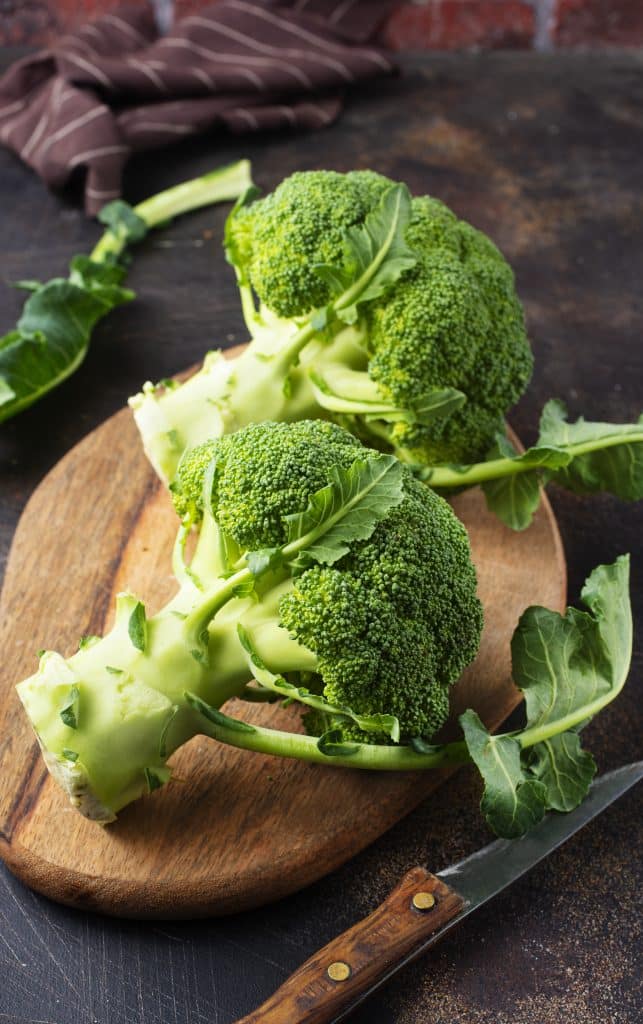
My oldest orders this every time we eat out, so I finally learned to make it at home for a fraction of the cost. It starts with butter, onion, and a couple of tablespoons of flour cooked for a minute before the broth and milk go in.
The cheese is where most broccoli cheddar goes wrong. I shred sharp cheddar from a block and add it a handful at a time off the heat, since pre-shredded bags carry an anti-caking coating that can turn the soup gritty. That’s a big reason pre-shredded cheese is on my list of kitchen items I quietly stopped buying.
I chop the broccoli stems small and cook them first, then add the florets for the last few minutes. Nothing gets wasted, and the florets stay bright green instead of drab olive.
Mom note: A bread bowl from the bakery section turns this into a special occasion for about the price of one loaf.
5. Pinto Bean Taco Soup
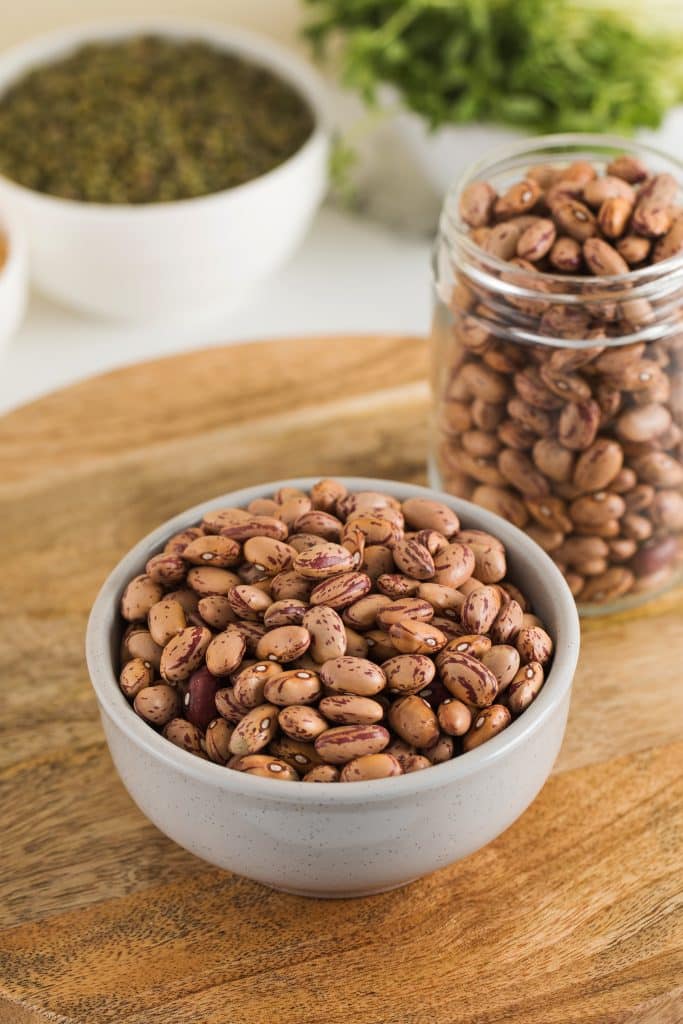
Taco soup was the first soup I ever made for a crowd, and it’s still my go-to when people come over on short notice. Brown a pound of ground beef with onion, add canned pinto beans, a can of corn, canned diced tomatoes with green chiles, broth, and taco seasoning, and that’s most of it.
I don’t drain the beans. That starchy liquid in the can thickens the soup a little and saves me from needing anything else.
My homemade seasoning is chili powder, cumin, garlic powder, onion powder, oregano, and salt, mixed in a jar so it’s ready next time. The packets work fine, they’re just usually saltier than I want.
Mom note: Crushed tortilla chips on top are the reason my kids think this is a fun dinner instead of just soup. The same seasoning jar powers taco night, one of the budget dinners I grew up on and still make.

6. Cheeseburger Soup
I know how this one sounds. My husband found the idea somewhere, begged me to try it, and now it’s in the regular rotation whether I like it or not (I like it).
It’s ground beef browned with onion, diced potatoes and carrots simmered in broth, then milk and plenty of cheddar stirred in at the end. A spoonful of mustard and a squirt of ketchup in the pot make it taste like an actual burger, which sounds wrong and tastes completely right.
Like any cheesy soup, it hates a hard boil once the dairy is in. I keep it at a gentle steam and add the cheese in batches.
Mom note: Diced pickles on top split my family right down the middle, so they go in a bowl on the side. On nights when even one pot feels like too much, I switch to the vegetables that make the best one-pan dinners.

7. Weeknight Chili With Beans
Chili gets one night a week in my house from October until somewhere around March. Ground beef, onion, two kinds of canned beans, crushed tomatoes, and a heavy hand of chili powder all go in one pot.
The step I never skip is blooming the spices. I stir the chili powder and cumin into the browned meat and let them sizzle for a minute before any liquid goes in, and the flavor comes out twice as deep as dumping them into the tomatoes.
A square of dark chocolate or a spoonful of cocoa powder near the end rounds out the acidity. Nobody at my table has ever guessed it’s in there.
Mom note: I freeze leftover chili in single portions, and those are the lunch my oldest asks to take on cold days. Those frozen portions are a big part of the Sunday meal planning system that survived my house.
8. Black Bean Soup
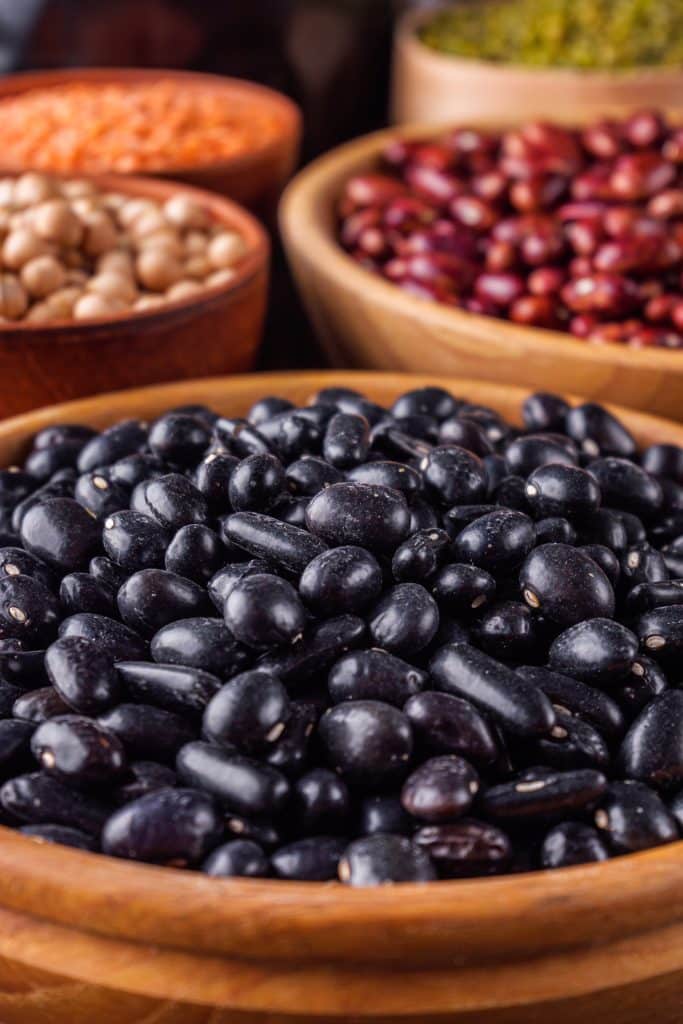
Three cans of black beans and twenty minutes are all that stand between me and one of the cheapest dinners I make. I cook onion, garlic, and a diced bell pepper in olive oil, add cumin, then the beans with their liquid and some broth.
I blend about half the pot and leave the rest whole, which gives it a creamy body with plenty of texture. A squeeze of lime right before serving wakes the whole thing up.
Whenever I stock up on dirt-cheap plant foods that still pack protein, canned black beans land in my cart for exactly this soup. It’s one of those meals where nobody misses the meat.
Mom note: A dollop of sour cream and a handful of shredded cheese is all it takes to get my pickiest eater on board.

9. Sweet Corn Chowder
I make corn chowder all fall as a way to hold on to summer a little longer. Bacon, onion, a little flour, broth, diced potatoes, and corn go in the pot, with milk or half-and-half stirred in at the end.
If I have fresh ears, I scrape the bare cobs with the back of a knife after cutting off the kernels. That milky pulp thickens the chowder better than extra flour, and the scraped cobs simmer in the broth for more corn flavor before I pull them out.
Frozen corn works great the rest of the year. I just give it a few extra minutes so the pot isn’t cold in the middle.
Mom note: My youngest calls this corn soup with the bacon, and I’ve stopped trying to correct it.
10. Split Pea Soup With Ham
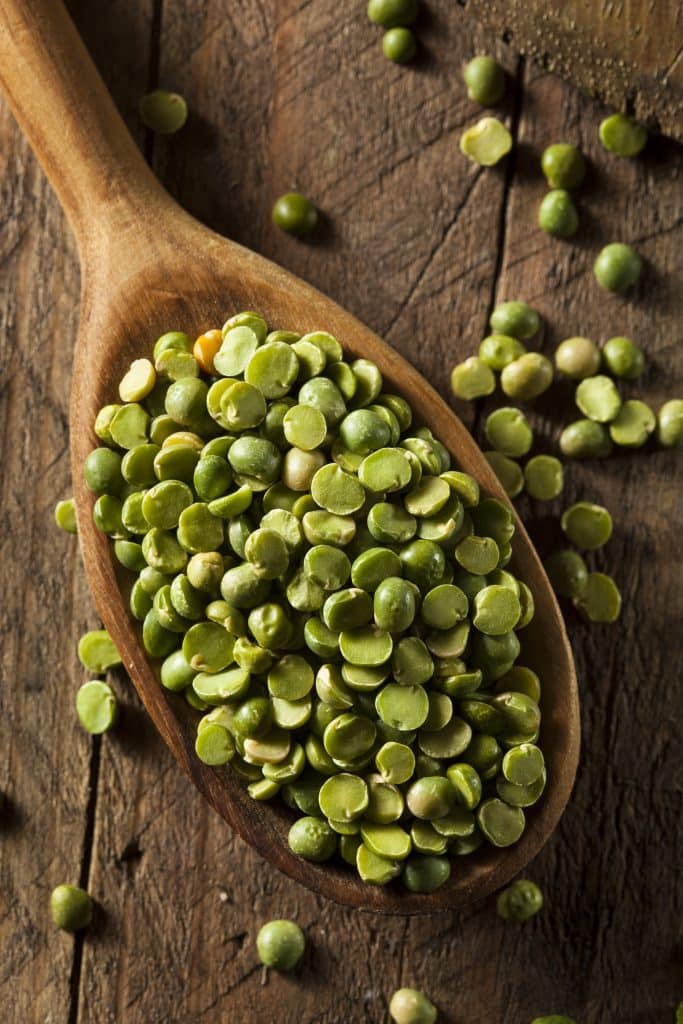
I grew up on split pea soup, and I still make it the way my mom did: a bag of dried split peas, a smoked ham hock, onions, carrots, and celery, simmered until it all falls apart. No soaking required, which is the best part.
The peas break down on their own after about an hour and a half of gentle simmering. I stir the bottom every so often, because thick soups like this one love to scorch where you can’t see.
It thickens a lot as it cools, almost to a paste by the next day. I loosen leftovers with a splash of water or broth when I reheat them.
Mom note: My husband eats this every day until it’s gone, and nobody else in the house fights him for it.
11. Red Lentil Soup
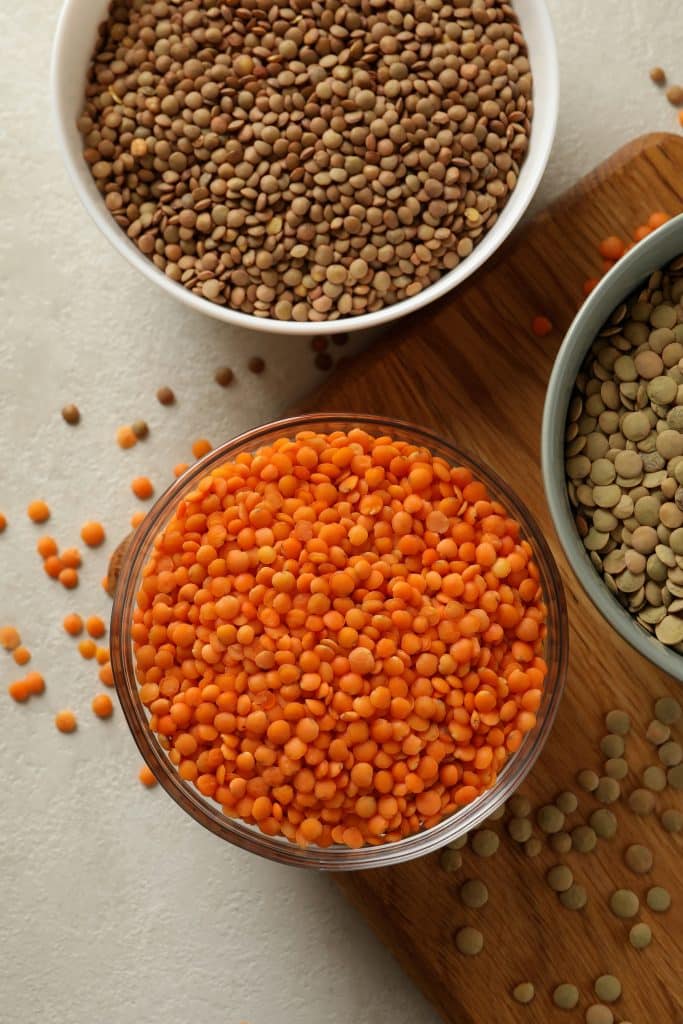
On the nights I forgot to thaw anything, this one saves me. Red lentils cook in about twenty minutes and melt into the broth, so the soup thickens itself without any blending.
I start with onion, carrot, and garlic, add a spoonful of tomato paste and some cumin, then the rinsed lentils and broth. Rinsing matters, because unrinsed lentils can leave a dusty, foamy layer on top.
Lentils sit near the top of my list of plant foods I lean on for protein when meat’s not on the menu. A big squeeze of lemon at the end keeps the soup from tasting flat.
Mom note: Served with warm flatbread for dipping, this one disappears faster than I expect every single time.
12. Lemon Chicken and White Rice Soup
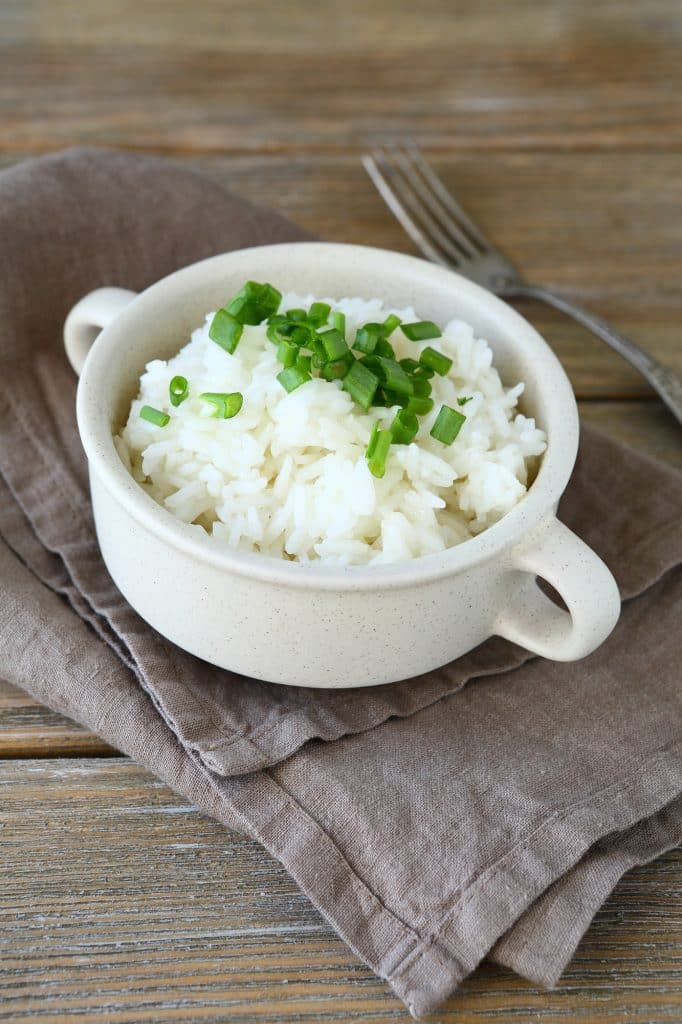
Some weeks chicken noodle feels like a rerun, so I switch to rice and lemon. Chicken, onion, carrots, and celery simmer in broth, then a cup of long-grain white rice goes in for the last fifteen minutes.
For a silky, creamy version without any cream, I whisk two eggs with lemon juice, slowly ladle in hot broth while whisking, then stir that back into the pot off the heat. Tempering slowly is the whole trick, since eggs dumped straight into hot soup scramble into little bits.
Rice keeps soaking up broth overnight, the same way noodles do. I add extra broth when I reheat, or cook the rice on the side when I know there will be leftovers.
Mom note: This is the soup my oldest packs in a thermos most often, and it still tastes good at lunchtime. Thermos soup is the backbone of my school lunch ideas my kids actually eat.
From My Kitchen
21 Produce Picks I Sneak Into Dinner Without Anyone Noticing →
"This is the trick that finally got my pickiest eater to finish a plate."
13. Egg Drop Soup
Ten minutes, a handful of ingredients, and a table full of happy kids. I bring chicken broth to a simmer with a little grated ginger and soy sauce, then thicken it slightly with a cornstarch slurry.
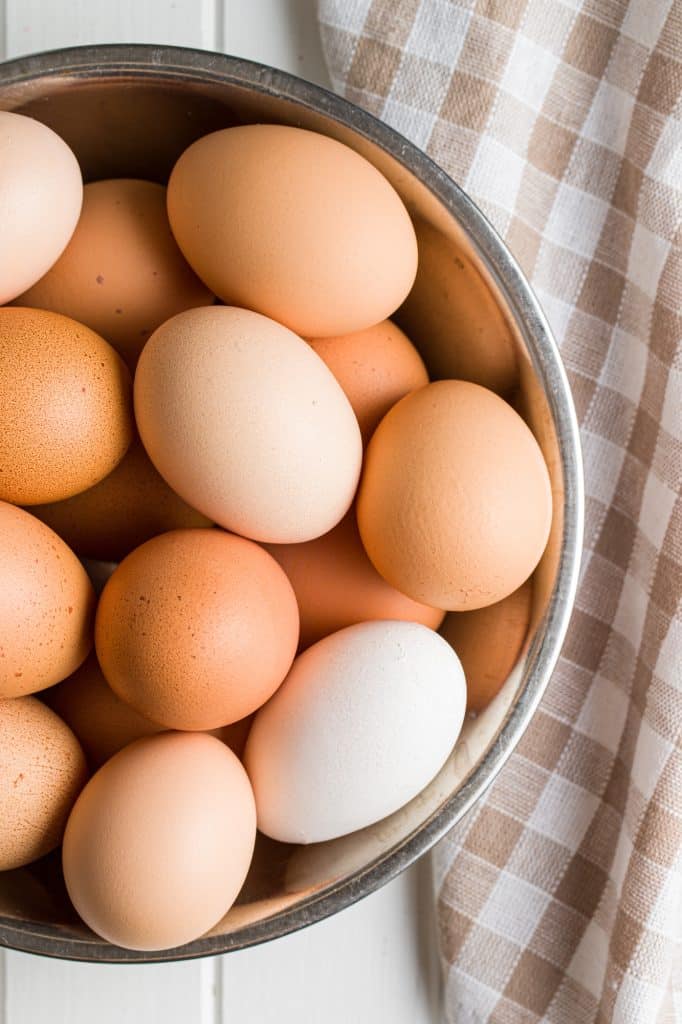
The ribbons come from how you pour. I stir the broth in one direction to get it swirling, then drizzle beaten eggs in a thin stream off a fork, and they set into silky strands in seconds.
Sliced scallions and a few drops of toasted sesame oil finish it. Some nights it’s a starter, and other nights I bulk it up with frozen peas and leftover chicken.
Mom note: Letting my kids do the stirring while I pour is my favorite way to get them invested in dinner.

14. Vegetable Beef Soup
My mom’s vegetable beef soup started with a pound of stew meat and a bag of frozen mixed vegetables, and so does mine. I brown the beef in batches, add onion, crushed tomatoes, broth, and a bay leaf, and simmer it about an hour and a half until the meat is tender.
The frozen vegetables go in for the last fifteen minutes. Add them at the start and the peas turn to mush and the green beans go gray.
It’s also my favorite home for odds and ends from the crisper drawer, which fits right in with how I turn produce into something new before it goes bad. Half a zucchini, a bendy celery stalk, the last potato in the bag, they all go in.
Mom note: Diced potatoes make this more filling for my always-hungry oldest, so I usually add one or two.
15. Stuffed Bell Pepper Soup
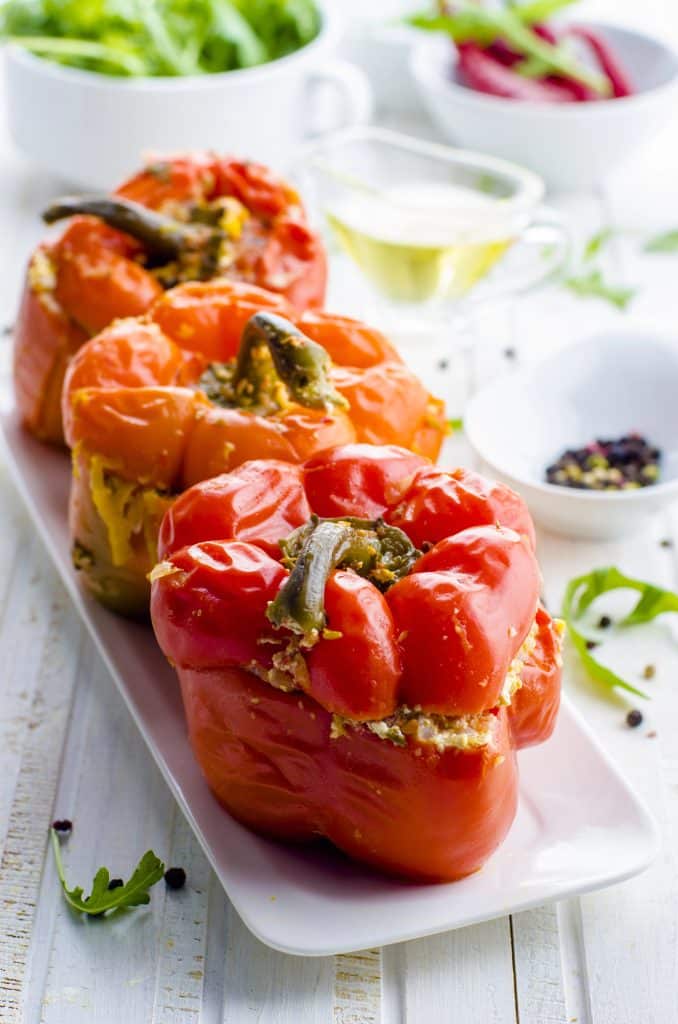
I love stuffed peppers, but I don’t love hollowing and filling eight of them on a Wednesday. This soup gives me the same flavor with way less fuss: ground beef, onion, diced bell peppers, crushed tomatoes, broth, and rice.
Green peppers taste like the classic version, but red and yellow ones are sweeter and go over better with my kids. I usually use one of each.
I finish each bowl with a handful of shredded mozzarella melted on top. It’s the same cheesy lid the baked version gets, without turning on the oven.
Mom note: My youngest swears peppers are gross and still eats this without complaint, as long as I dice them small. Dicing small is how this soup survived our pickiest eater phase.
From here the list moves into bean-heavy pots and the cozy blended soups, and a few of the weekend projects at the end are worth planning a Saturday around.
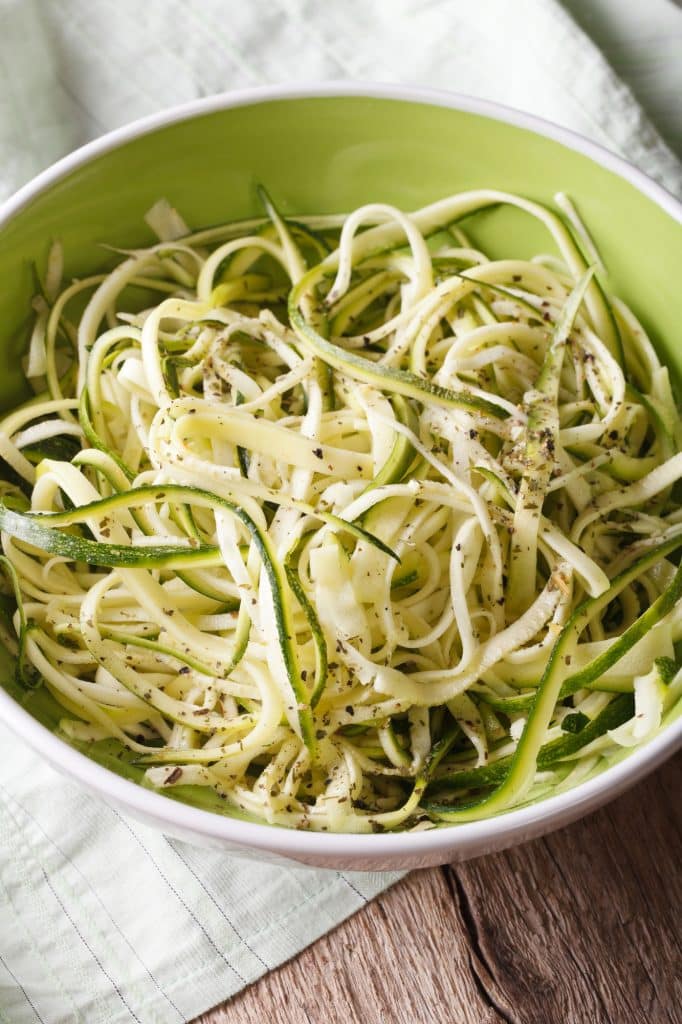
16. Zucchini Minestrone
Late in the season, when zucchini is cheap and everywhere, my pot fills with minestrone. Onion, carrot, celery, and garlic go first, then diced zucchini, canned tomatoes, cannellini beans, broth, and a small pasta shape.
I cut the zucchini into chunks about the size of a bean and add it in the last ten minutes. It goes from tender to mush faster than anything else in this pot.
A spoonful of pesto stirred into each bowl changes the whole thing. I picked that up after one too many bland batches, and I haven’t skipped it since.
Mom note: Alphabet pasta in place of regular small shapes buys me about ten minutes of quiet spelling at the table.
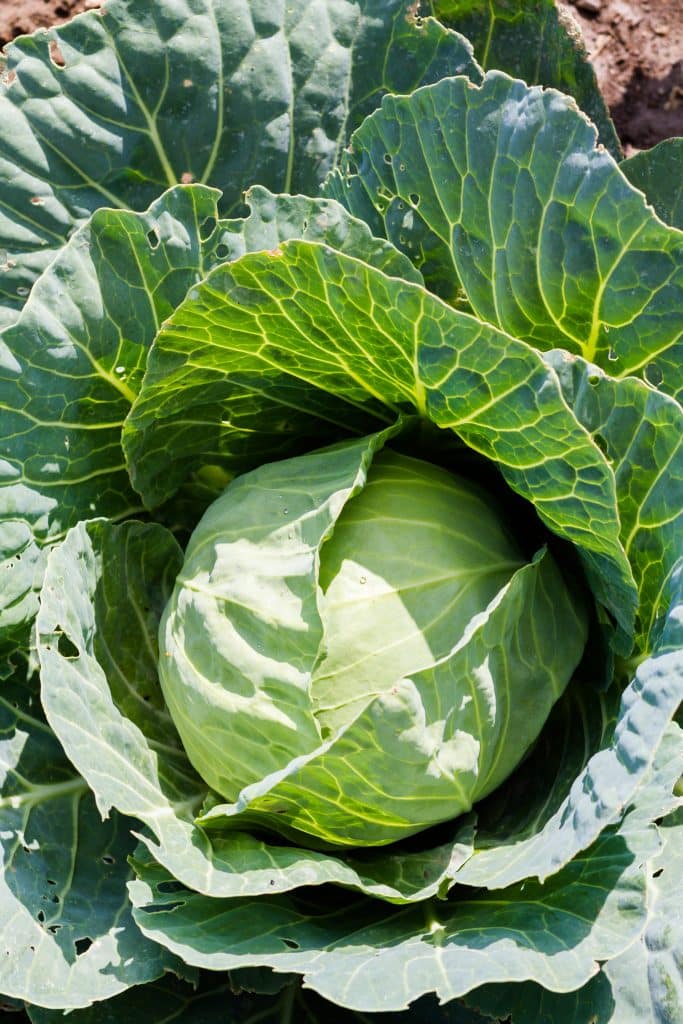
17. Cabbage and Smoked Sausage Soup
I tried the famous cabbage soup diet version once, and I’ll tell you plainly: it was watery, sad, and my family refused a second bowl. Cabbage soup doesn’t need to be a punishment.
My version starts with sliced smoked sausage browned in the pot, then onion, a whole chopped head of cabbage, diced potatoes, and broth with a splash of apple cider vinegar. The sausage fat and that little bit of acid are what make cabbage taste sweet and savory instead of boiled.
Cabbage cooks way down, so a pot that looks overloaded when I start is just right twenty minutes later. A whole head usually costs very little, which makes this one of my favorite budget dinners, and it’s a good example of the real math behind frugal living.
Mom note: I cut the sausage into coins for the little ones, and they treat every bowl like a treasure hunt.
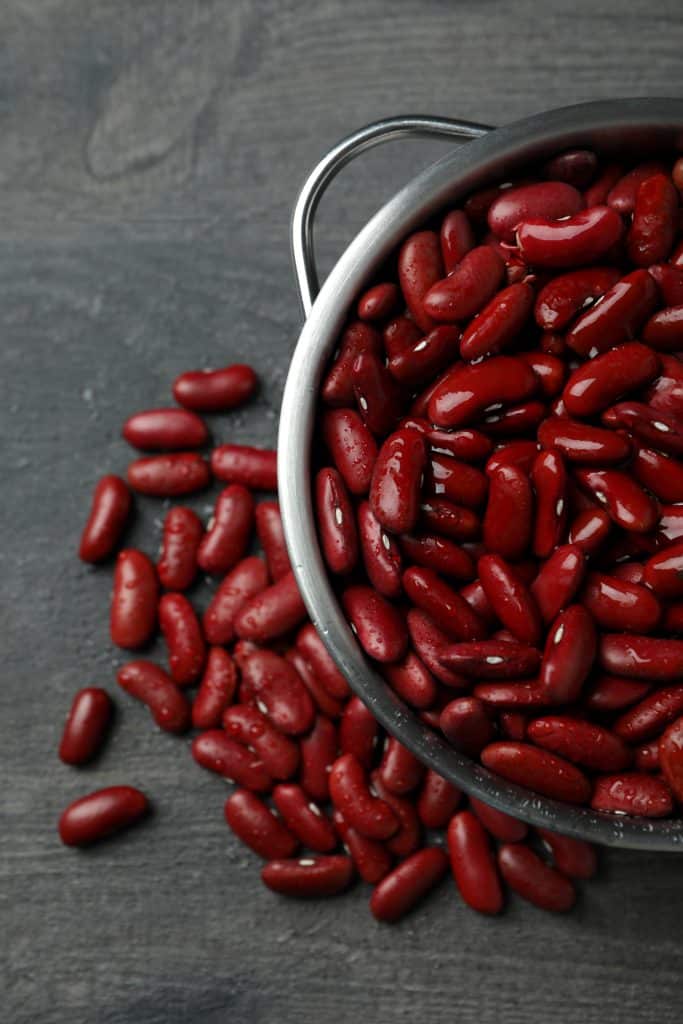
18. Pasta e Fagioli With Kidney Beans
Somewhere between soup night and pasta night lives pasta e fagioli, and my family is happy to live there with it. I cook onion, carrot, celery, and garlic, add crushed tomatoes, broth, and kidney beans, then small pasta like ditalini.
You'll Want This Too
I mash a scoop of the beans against the side of the pot before the pasta goes in. It makes the broth thick and almost creamy, the way the restaurant versions are.
Lean ground beef or Italian sausage is optional in my kitchen, depending on what’s in the freezer. The beans carry it just fine without meat.
Mom note: A sprinkle of parmesan and a basket of garlic bread is how I get the whole table to agree on dinner. On weekends the garlic bread gets swapped for one of my savory pull-apart monkey bread versions, and nobody complains.
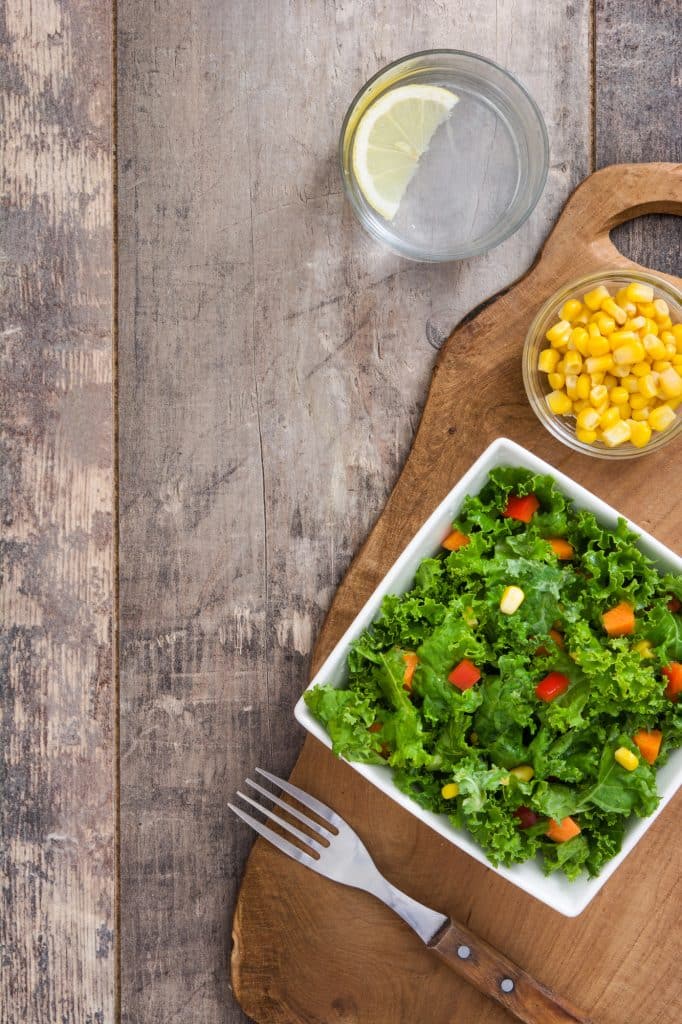
19. Kale and Tortellini Soup
A bag of frozen cheese tortellini is one of the best things living in my freezer. Broth, garlic, a can of diced tomatoes, and a big bunch of chopped kale simmer for ten minutes, then the tortellini go in straight from frozen.
I strip the kale leaves off the stems and give them a rough chop, but I don’t toss the stems. Sliced thin, they cook with the garlic at the beginning and soften just fine.
Kale holds up in soup better than spinach, which is why I use it here. Spinach wilts to almost nothing, while kale keeps a little chew even after reheating.
Mom note: Tortellini is the bribe and kale is the passenger, and both end up in my kids’ stomachs. Frozen tortellini is one of the frozen foods that can beat fresh, and it never goes to waste in my house.
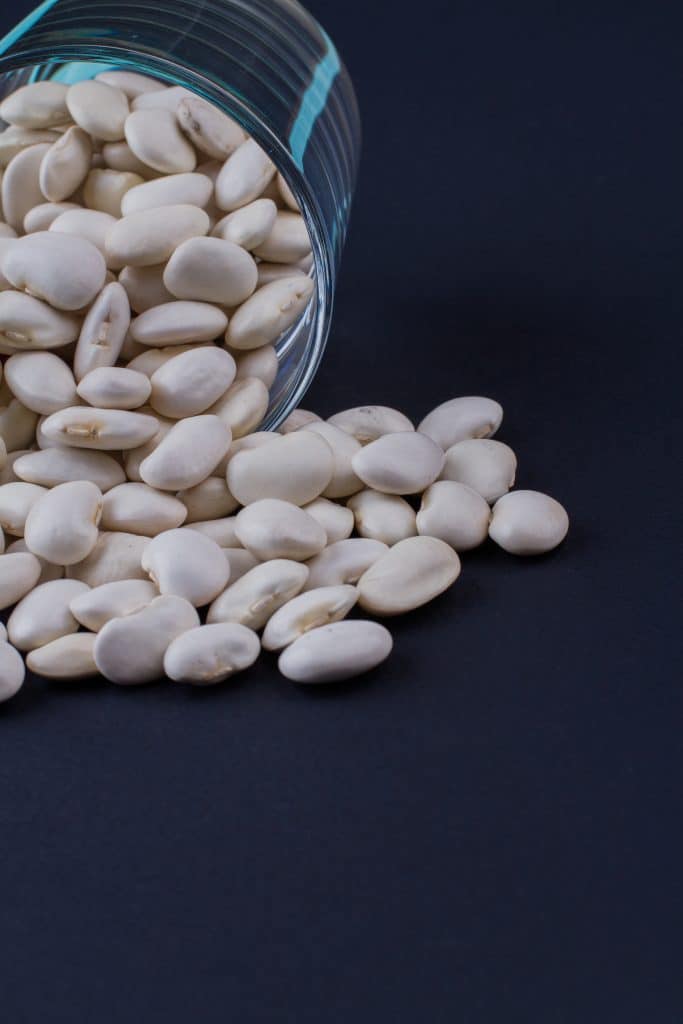
20. Navy Bean Soup With Rosemary
Dried navy beans are cheap enough that I buy the biggest bag the warehouse club sells. I soak a pound overnight, then simmer the beans with onion, garlic, carrots, a sprig of rosemary, and a parmesan rind until they turn creamy, usually around an hour and a half.
I salt the soaking water and the pot, which I didn’t believe in until I tried it. My beans come out with tender skins instead of tough ones, and they taste seasoned all the way through.
A drizzle of good olive oil over each bowl finishes it. With crusty bread on the side, nobody asks where the meat went. That giant bag keeps for a long time, too, which puts dried beans on any list of foods that practically never expire.
Mom note: This is a soak-tonight, cook-tomorrow soup, so I set a phone reminder the night before or it doesn’t happen.
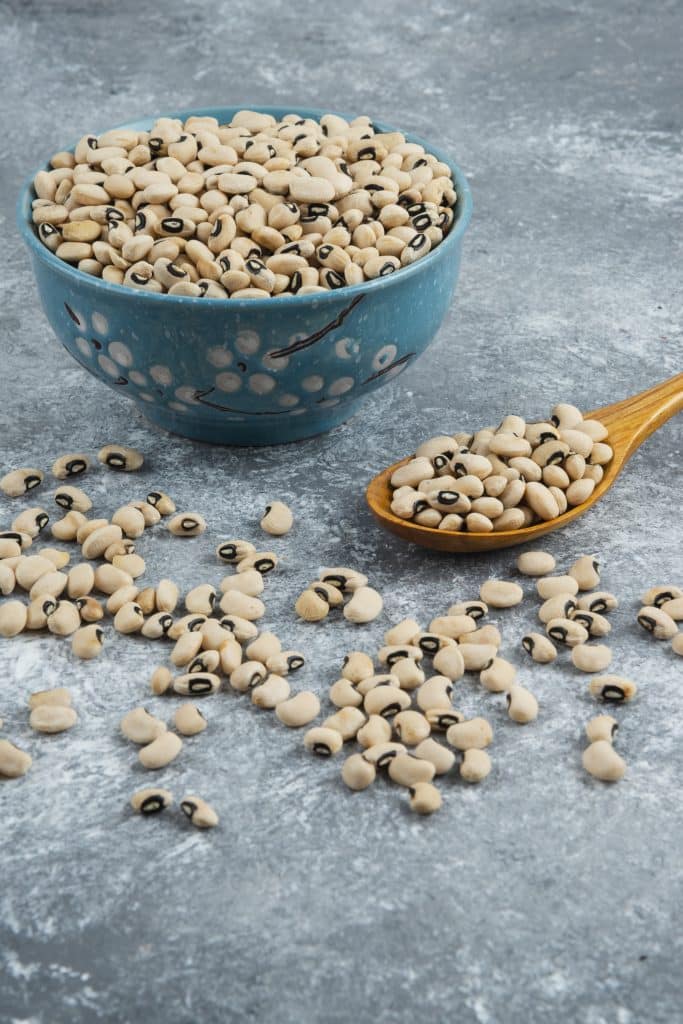
21. Black-Eyed Pea Soup With Greens
Black-eyed peas don’t need soaking, which makes them my favorite dried bean for a weeknight. I render chopped bacon, cook onion and celery in the drippings, then add the rinsed peas, broth, and a can of diced tomatoes.
After about forty-five minutes, a bunch of chopped collard or turnip greens goes in. Hearty greens need a good fifteen minutes to lose their toughness, so I don’t rush them.
A few dashes of hot sauce and a splash of vinegar at the table are non-negotiable for me. Cornbread on the side makes it a full dinner.
Mom note: My husband wants this on New Year’s Day for luck, and I make enough to carry us into the second week of January. A bag of dried peas lives on my shelf year-round, along with the other pantry foods with the longest shelf life.

22. Butternut Squash Soup
Peeling a whole butternut squash is my least favorite kitchen job, so I buy the frozen cubes and skip it entirely. They go into the pot with butter, onion, a diced apple, and broth, and simmer until everything is soft.
The apple is my secret. It adds a little sweetness and tang that keeps the soup from tasting heavy, and I blend it all smooth with a pinch of nutmeg.
This is the soup I reach for when I want to sneak plant-based foods into a kid’s dinner without any drama. It’s orange, it’s sweet, and it gets dunked with grilled cheese more often than not.
Mom note: A swirl of cream drawn into a smiley face on top has gotten this soup eaten on more than one tough night.
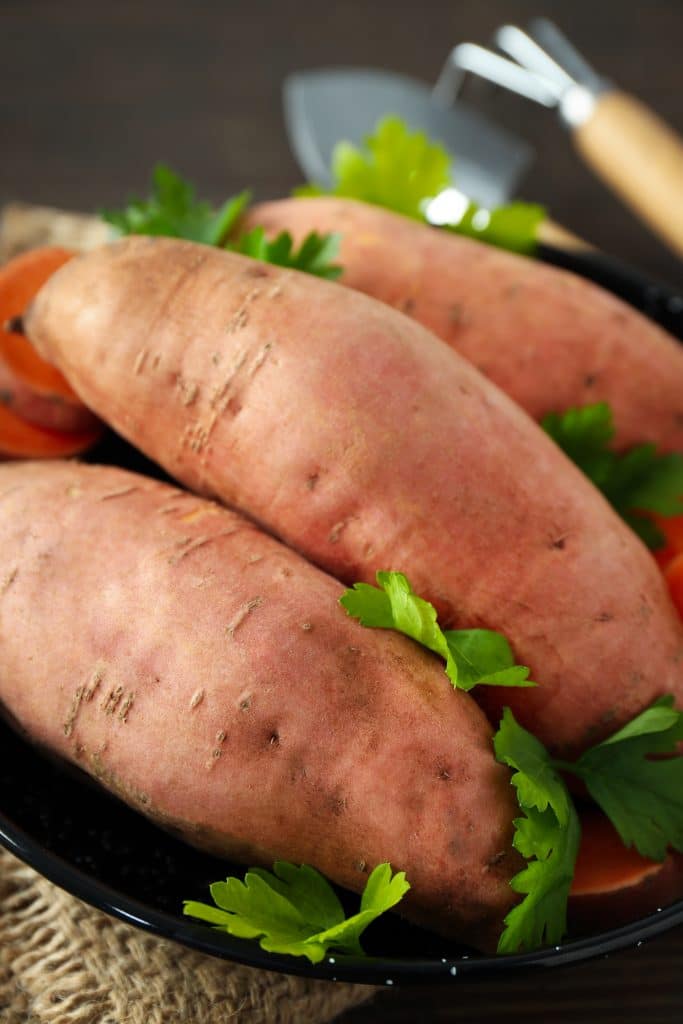
23. Curried Sweet Potato Soup
Sweet potato soup with a little curry started as my cozy grown-up soup, though my kids have slowly come around. I soften onion, garlic, and ginger, stir in a spoonful of curry powder for a minute, then add peeled, cubed sweet potatoes and broth.
Once the potatoes are tender, I blend everything and stir in a can of coconut milk. Full-fat is the only kind I buy for soup, because it makes the whole pot rich and silky.
Go Deeper
The School Morning Machine: How We Went From Daily Chaos to Out-the-Door in 40 Minutes →
"The system that finally ended our morning yelling."
Toasted pumpkin seeds on top add crunch. In my experience, the leftovers freeze better than almost any other soup on this list.
Mom note: I go easy on the curry powder in the pot and pass extra at the table so everyone picks their own heat.

24. Carrot Ginger Soup
Roasting the carrots first is what makes this taste like more than boiled carrots. I toss a couple of pounds in olive oil and roast them with an onion until the edges caramelize, the same move I make with most of the fruits and veggies I always roast instead of steaming.
Then everything goes into the pot with broth and a good knob of fresh ginger, simmered for fifteen minutes and blended smooth. I keep ginger in the freezer and grate it frozen, skin and all, which beats peeling it fresh.
A drizzle of honey and a squeeze of orange juice balance the ginger’s bite. Without them, my kids say it tastes spicy.
Mom note: Carrots are already on my kids’ approved list, so this is an easy yes even on picky nights.
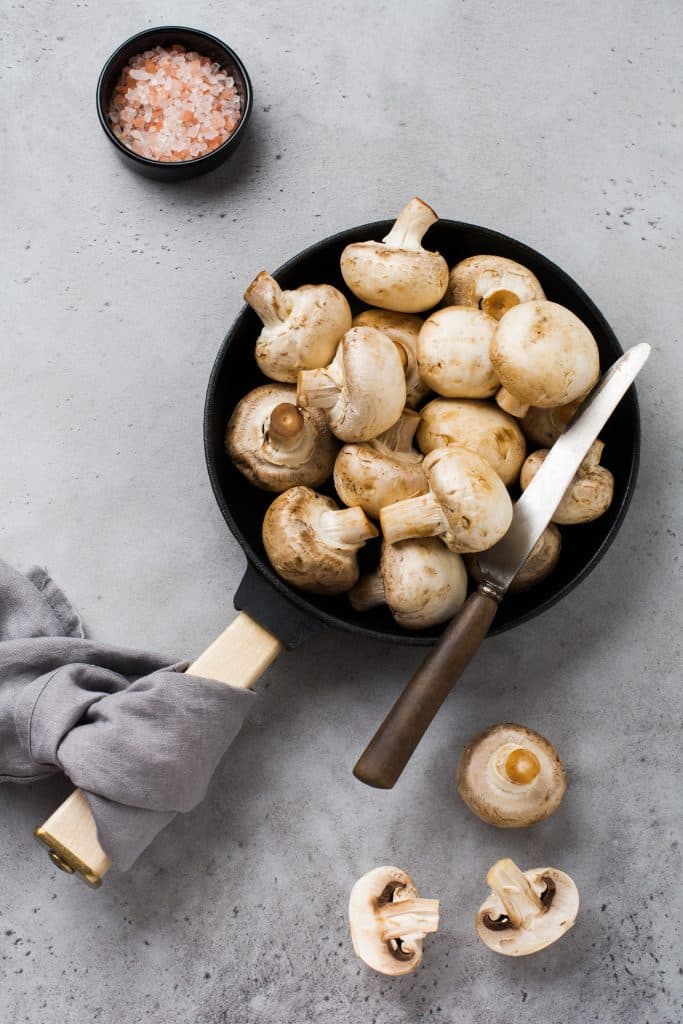
25. Cream of Mushroom Soup From Scratch
Canned condensed cream of mushroom soup was in every casserole of my childhood, and I still keep a can around for that job. As a soup you actually eat from a bowl, though, homemade is a different food entirely. If you grew up on those casseroles too, these cheap dinners 90s kids remember their moms making will look very familiar.
The key is browning the mushrooms hard. I cook them in butter in a single layer without stirring for a few minutes, and once their water evaporates they turn golden and savory, while crowded mushrooms just steam and stay pale.
Then onion, garlic, thyme, a little flour, broth, and a splash of cream go in. I blend half and leave half chunky.
Mom note: My mushroom-skeptic kid eats this if I blend the whole pot smooth, so on those nights I do.
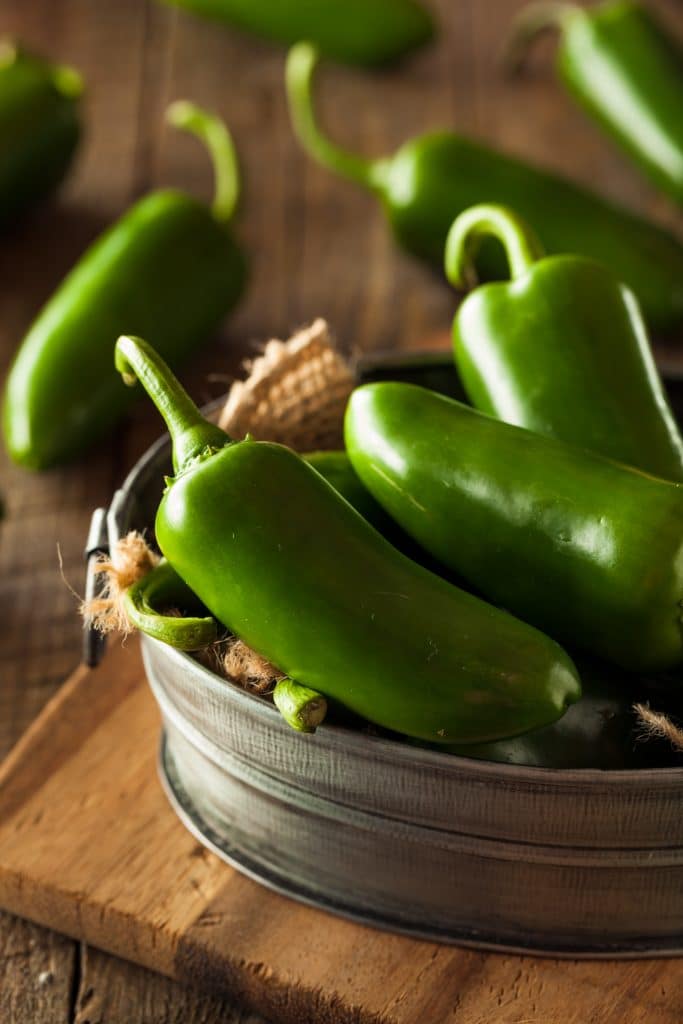
26. Chicken Tortilla Soup With Jalapenos
Weekend lunches in the fall often come out of this pot. I cook onion, garlic, and one or two seeded jalapenos, add cumin and chili powder, then canned tomatoes, broth, and chicken breasts to poach right in the soup.
Corn tortillas do two jobs here. I tear a few into the simmering soup, where they dissolve and thicken it, and bake the rest into crispy strips for the top.
Most of a jalapeno’s heat lives in the white ribs and seeds. I scrape those out for the family pot and leave a few in for my own bowl.
Mom note: Avocado, lime wedges, and shredded cheese on the side mean everybody builds a bowl they actually like.
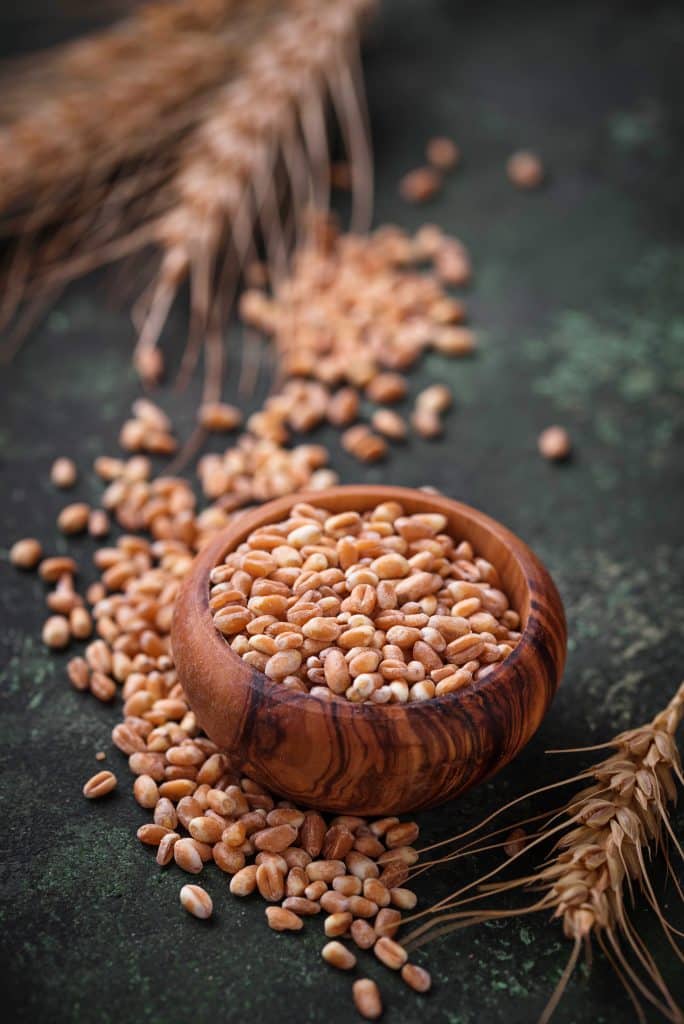
27. Beef and Barley Soup
This one takes an afternoon, and it earns every minute. I brown cubes of chuck roast in batches, add onions, carrots, celery, tomato paste, and beef broth, and let it simmer gently for about two hours.
Browning in batches is the step people skip. Crowd the pot and the beef releases water and boils gray instead of building a dark crust, and that crust is where the broth gets its flavor.
Pearl barley goes in for the last forty-five minutes or so. It’s chewy and filling, and it turns this from soup into a meal that holds my husband until morning.
Mom note: I double this and freeze half flat in bags, one of the mom life hacks that actually save me time all winter long.
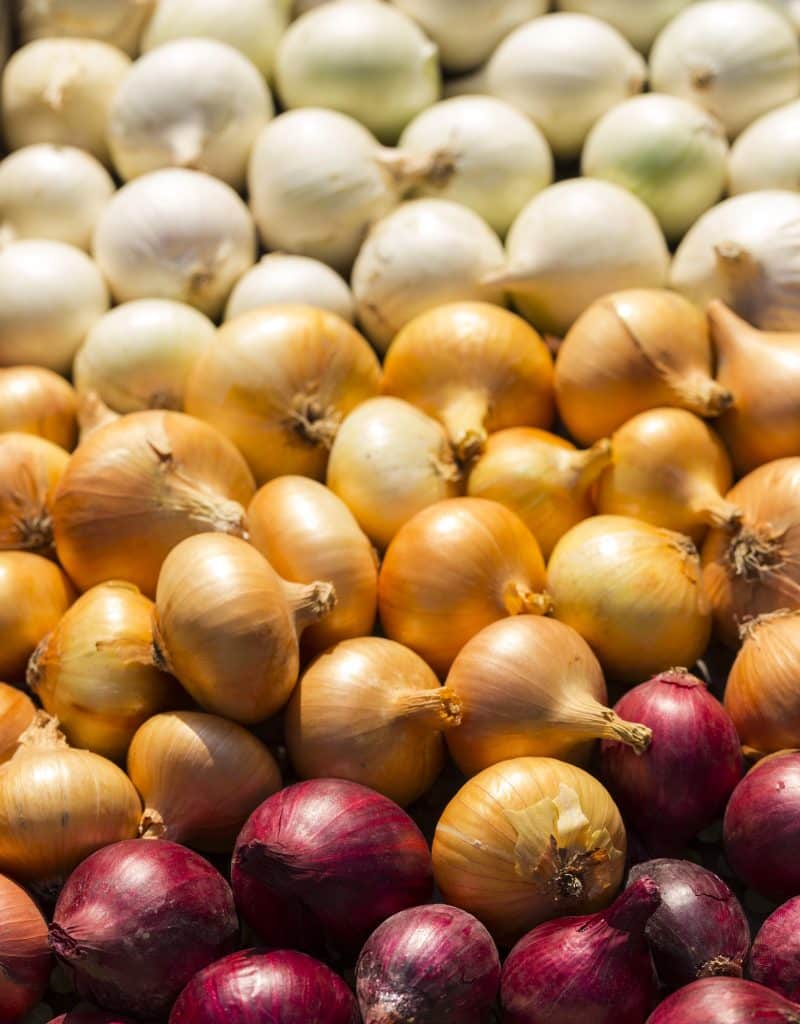
28. French Onion Soup
French onion soup taught me patience. Three pounds of thinly sliced onions cook down in butter over medium-low heat for close to an hour, stirred every few minutes, until they’re deep brown and jammy.
There’s no shortcut, and I’ve tried them all. Cranking the heat burns the edges while the middles stay raw, and onions are the best example I know of vegetables that taste completely different depending on how you cook them.
What Everyone's Making
23 Plant Foods That Fill You Up for Hours (My Afternoon Slump Fix) →
Then beef broth, a splash of sherry vinegar, and thyme simmer with them for twenty minutes. Toasted bread and shredded Swiss cheese go on top under the broiler until bubbly.
Mom note: My kids skip the soup and eat the cheesy bread lid, so I make extra toasts just for them.
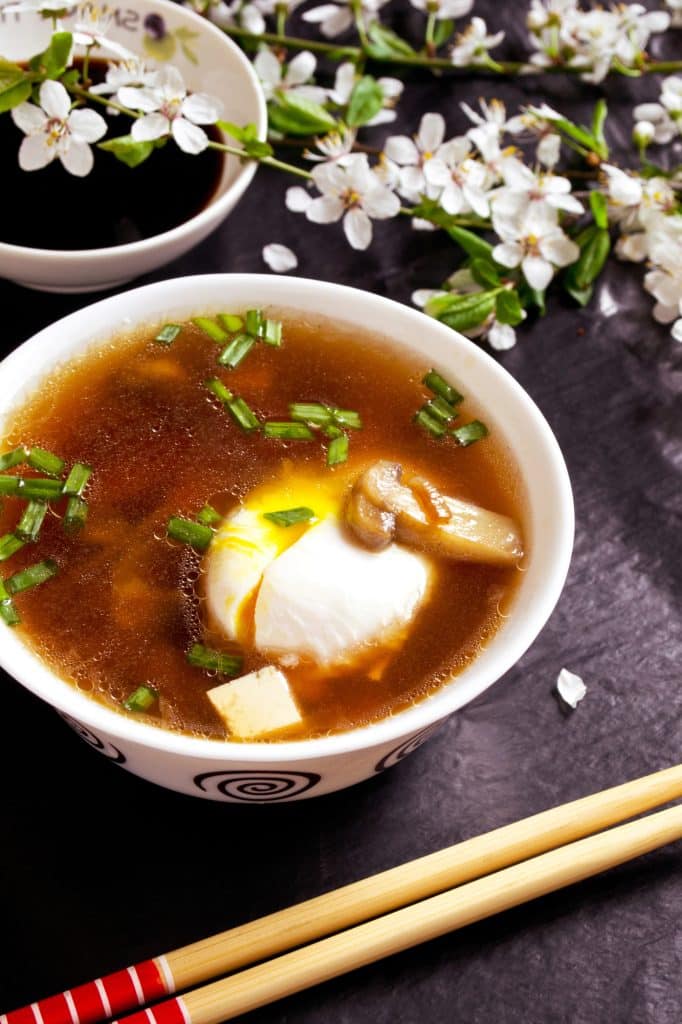
29. Miso Ramen With Soft Eggs
Once my kids found out ramen could be more than the cheap packets, there was no going back. My weekend version simmers chicken broth with garlic, ginger, and scallion whites, then gets a few big spoonfuls of white miso whisked in at the end.
Miso goes in off the boil, always. I whisk it with a ladle of broth in a separate bowl first, since it clumps when dropped straight in, and a hard boil afterward dulls the flavor.
Jammy eggs are the best part: six and a half minutes in boiling water, then straight into ice water. I peel them and let them sit in a little soy sauce while everything else comes together.
Mom note: I set out bowls of corn, scallions, and sliced chicken, and ramen night turns into the most requested dinner of the month.
30. Kimchi Stew With Tofu
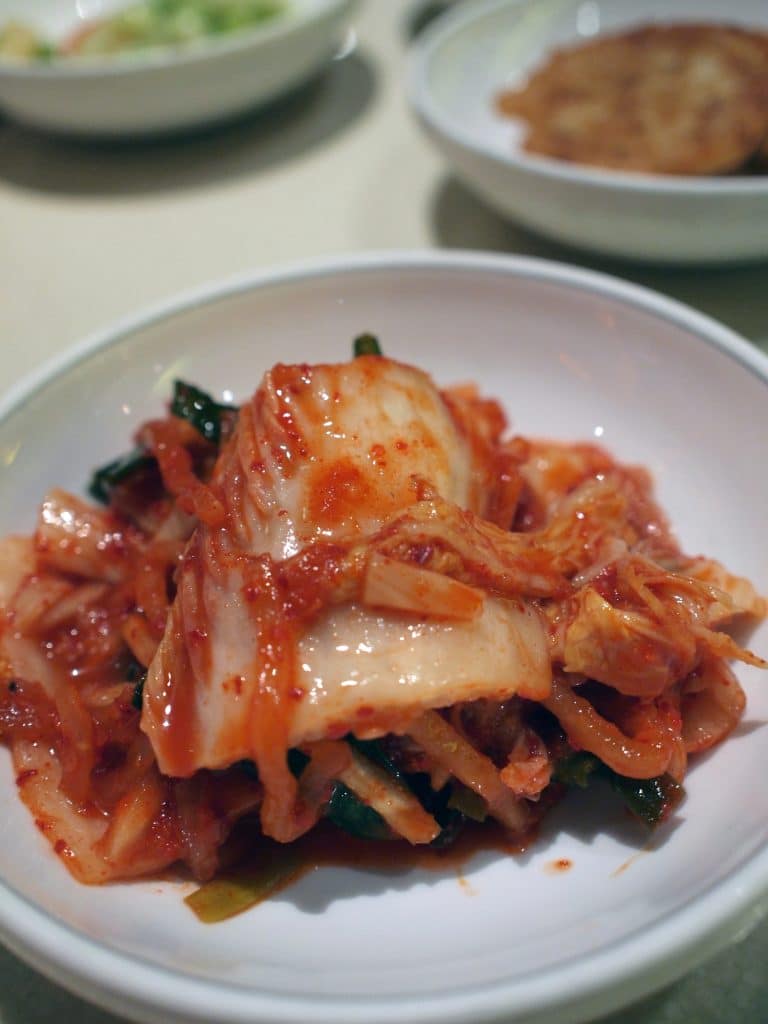
This is the soup I make mostly for myself, and my husband happily joins in. Old, extra-sour kimchi works best here, so the jar that’s been in the fridge too long finally gets its moment.
I sauté the chopped kimchi with a little pork belly or bacon, add a spoonful of gochujang and the kimchi juice, then water or broth. Cubes of soft tofu go in for the last few minutes, and I barely stir so they stay in pieces.
Fresh kimchi tastes too bright and crunchy for stew in my experience. The sourer it gets, the better the broth. If you’ve ever wanted to make your own, this beginner’s guide to fermenting at home covers the basics.
Mom note: My kids eat the tofu and rice and leave the spicy broth to the grown-ups, which works for everyone.
31. Beet Borscht
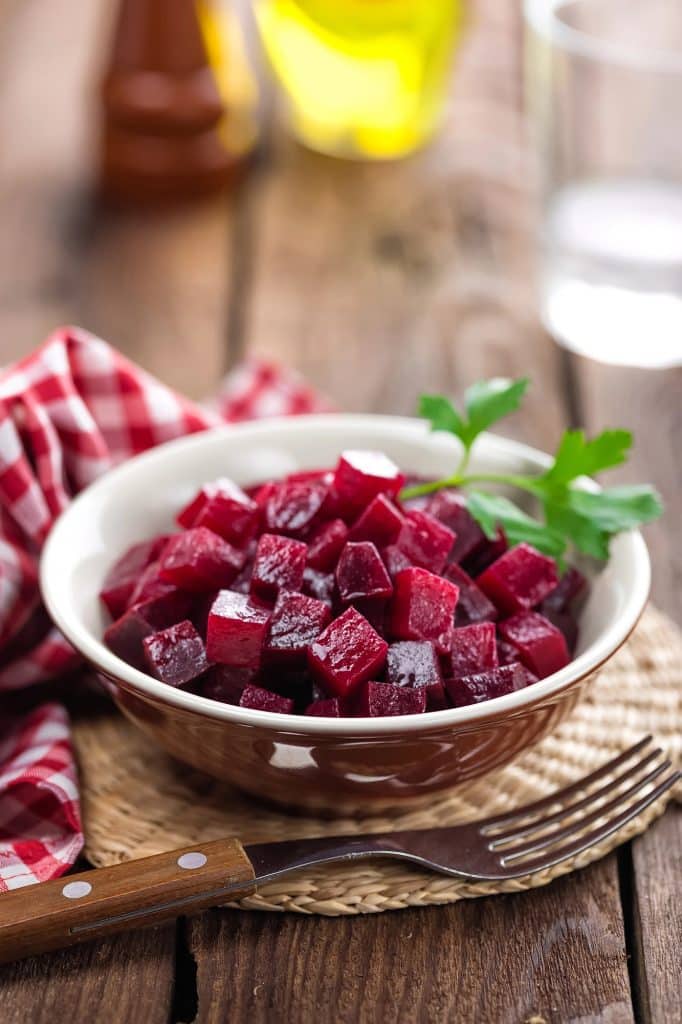
I save borscht for weekends because I like to do it properly. Grated beets, carrots, and onion sauté first, then go into beef broth with shredded cabbage and diced potatoes.
A splash of vinegar added with the beets keeps that deep ruby color. Skip it, and the soup fades to a muddy brownish red by the end.
Sour cream and fresh dill on top are required. I wear gloves to grate the beets, unless I want pink hands until Tuesday.
Mom note: My youngest chose this soup purely because it’s pink, and that turned out to be reason enough.
32. Vegetable Soup From Homemade Beef Stock
Here’s my honest take: homemade stock is worth it, but sipping bone broth from a mug like it’s coffee is a trend my family flat-out rejected. I tried it for a week, and even my husband, who eats anything, said it tasted like unfinished soup.
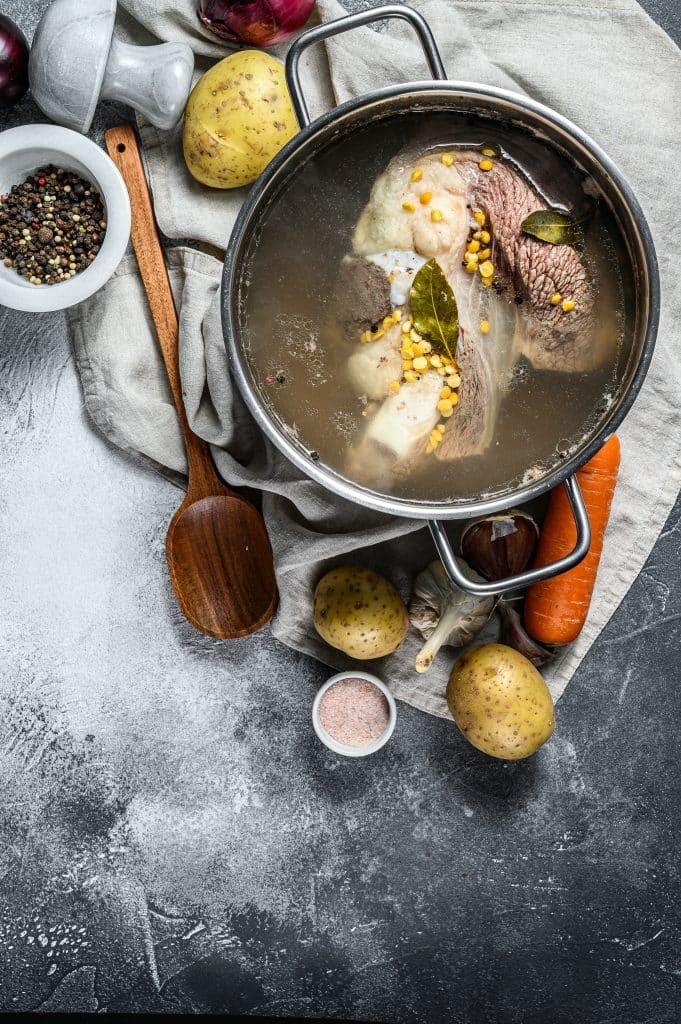
So my stock goes into soup, where it belongs. I roast beef bones and an onion until they’re dark brown, then simmer them in a big pot of water with carrot, celery, and a bay leaf for five or six hours, skimming the foam early on.
Once it’s strained, it becomes a simple vegetable soup with whatever’s in season. The broth makes it taste like it took all day (because it did), and good stock usually jiggles a little once it’s cold. Saving bones for stock is pure old-school thinking, right in line with the things grandmothers never threw away.
Mom note: I freeze extra stock in muffin tins, then pop the pucks into a bag so I can grab exactly what I need.
33. Bok Choy Wonton Soup
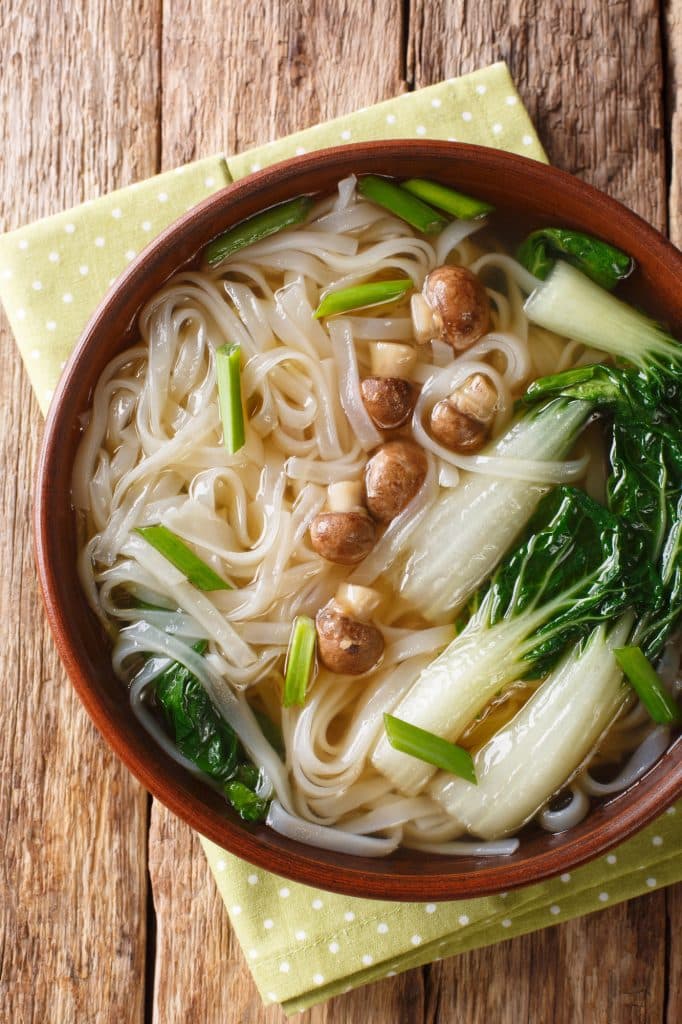
Folding wontons is my favorite rainy Saturday activity with my kids, and this soup is the reward. The filling is ground pork, minced scallion, grated ginger, soy sauce, and a little sesame oil, spooned into store-bought wrappers.
My trick for wontons that hold together: wet the edges with water, then press out every air bubble before sealing. Trapped air expands in the hot broth and pops them open.
Halved baby bok choy goes into the simmering broth for the last two or three minutes, just long enough for the stems to turn tender while the leaves stay bright. Extra wontons freeze on a sheet pan, then go into a bag for an almost-instant dinner later.
Mom note: Our wontons come out lopsided and a few leak, and every single one of them gets eaten.
What I’d tell my younger self: Buy one heavy pot and stop buying soup gadgets. Season at the end, add your acid last, and trust that a soup that tastes flat almost always needs salt or lemon, not more spices. That one pot is the reason so much else landed on my list of things my kitchen doesn’t need anymore.
Pick One Pot and Start Tonight
If you’re not sure where to start, make the tomato soup and grilled cheese this week. It’s cheap, it’s fast, and it tells you a lot about how your family feels about soup night.
This weekend I’m making the beef and barley and freezing half, because that freezer stash is my favorite kind of insurance in January. Next weekend will be wontons, if my kids have anything to say about it.
Soup nights are also the single biggest reason my grocery bill stopped exploding. I keep canned beans, tomatoes, and broth stocked so a pot is always possible, the same idea behind these foods to stockpile before winter hits.
So pull out your biggest pot and pick one. Then come tell me which soup your family asks for again, because I’m always looking for the next one to add to my list.