27 Plant Foods I Lean On for Protein When Meat’s Not on the Menu
My husband grew up in a house where dinner meant meat, and it took him a while to believe that a bowl of beans and rice could actually fill him up. These days he asks for a few of these on their own, no meat required.
These 23 aren’t garnish vegetables. They’re the ones that can carry an entire plate by themselves, from the pantry staples I always have on hand to the fresher finds that took me longer to figure out what to do with. I’m starting with the quickest pantry basics and working toward the ones that need a little more planning.
1. Lentils
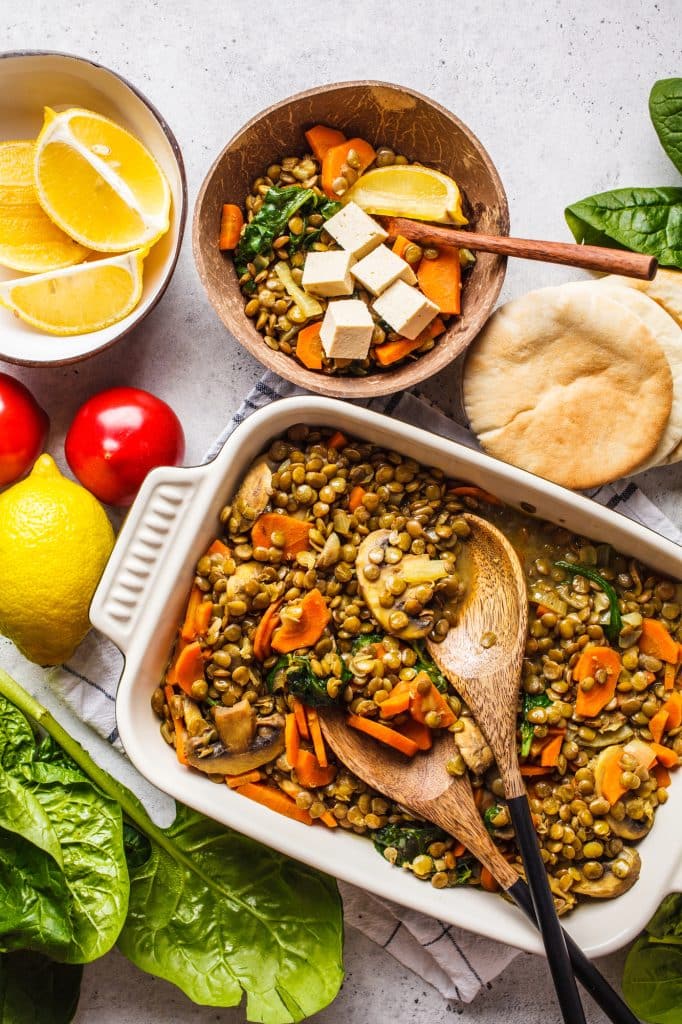
Lentils are the one legume on this list I never soak, which is exactly why they show up so often on a weeknight. A pot of these with some sautéed onion and garlic is dinner in under thirty minutes.
This is one of the dirt-cheap plant foods that secretly pack real protein I mention constantly, because a single bag stretches across several dinners for almost nothing.
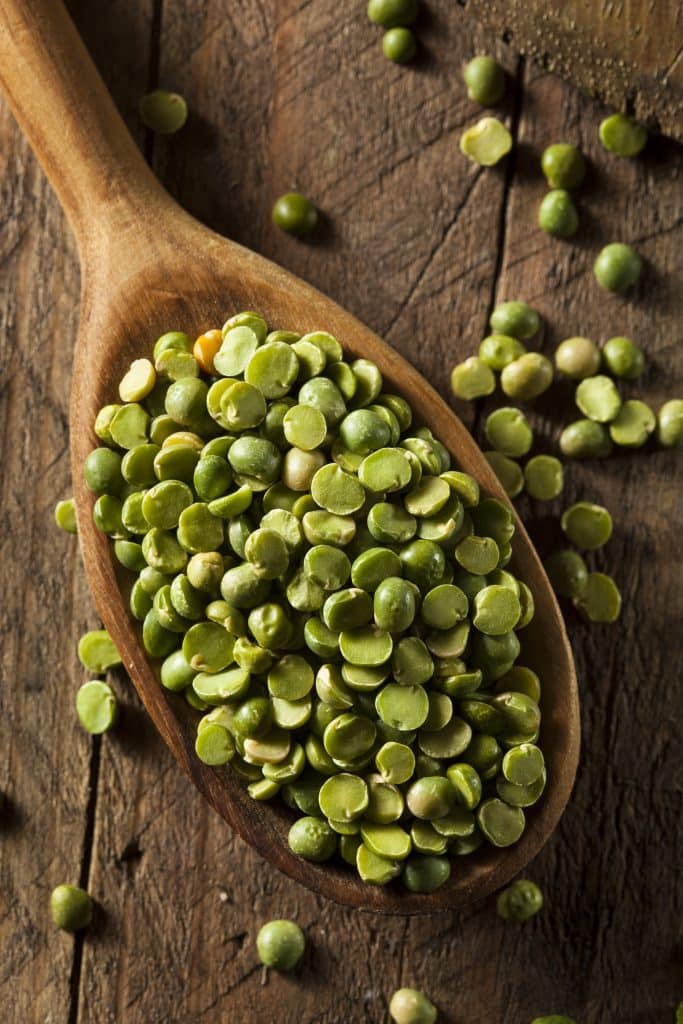
2. Split Peas
Split peas break down into something closer to a thick soup than a bowl of beans, which makes them feel more like a meal on their own than most legumes do. A ham bone isn’t required, though it doesn’t hurt if you have one.
My kids call this “the green soup” and mostly tolerate it, which in my house counts as a genuine win for a legume this humble.
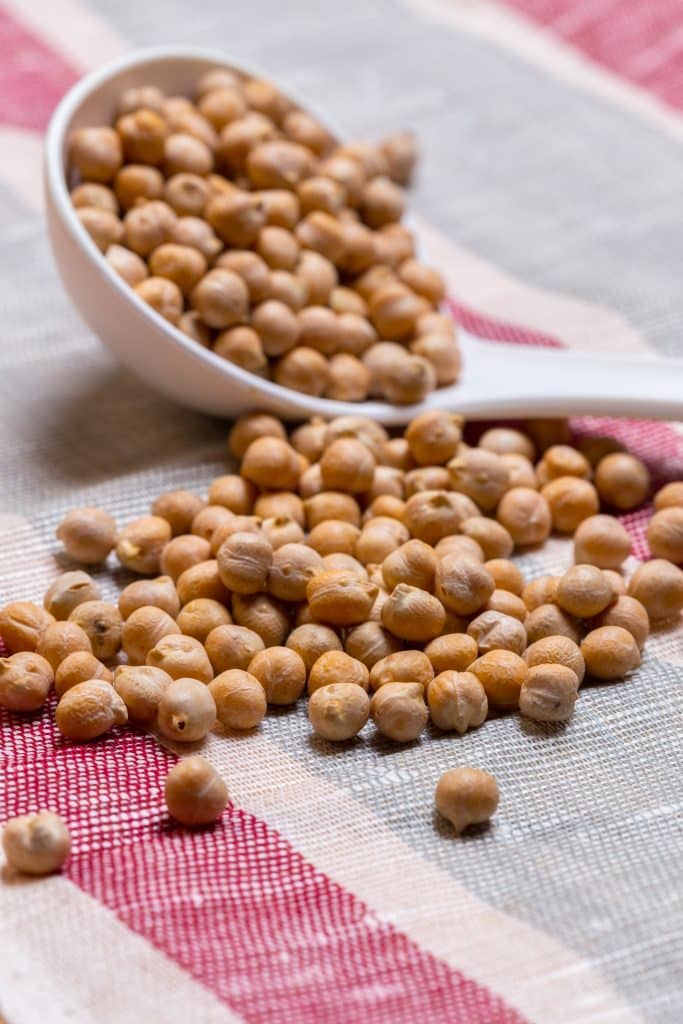
3. Chickpeas
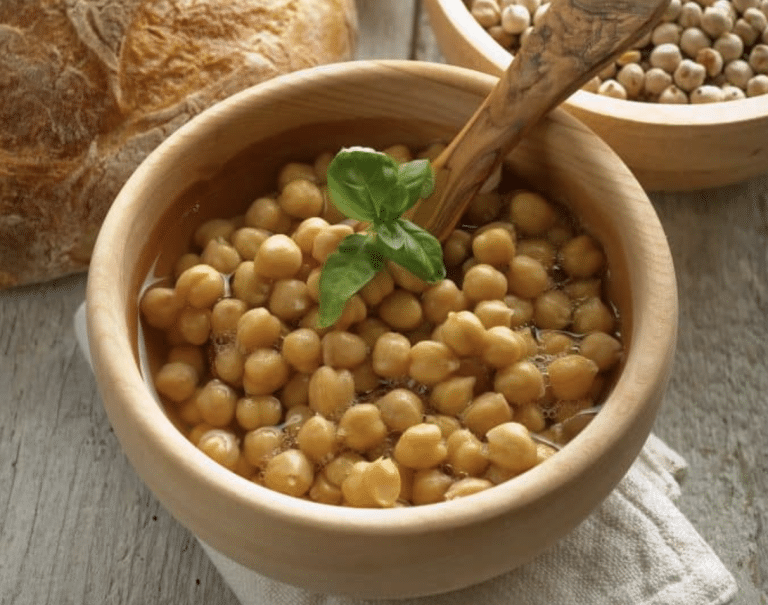
Roasted until crisp, mashed into a sandwich filling, or thrown whole into a curry, chickpeas are probably the most flexible thing on this entire list. I always keep a couple cans in the pantry for the nights I haven’t planned anything.
My oldest genuinely prefers these over most beans, which still surprises me given how picky that kid has always been about texture.
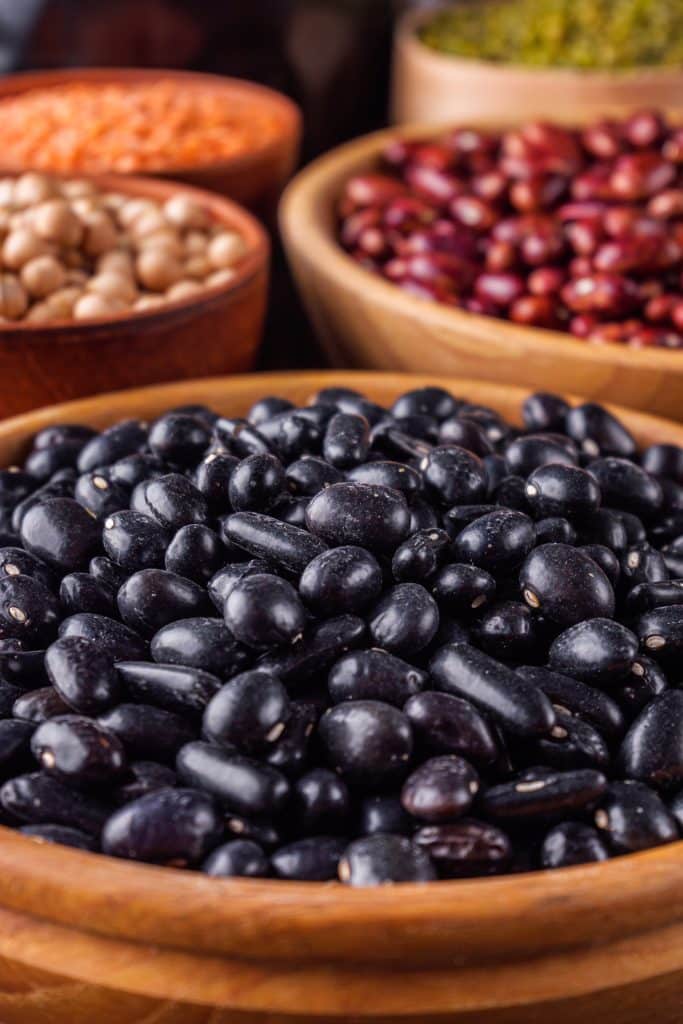
4. Black Beans
Black beans over rice with a fried egg on top is one of the meals I make when the fridge looks emptier than I’d like. It never feels like a backup plan, even though that’s exactly what it is.
A splash of the bean liquid itself thickens whatever I’m cooking, so I’ve stopped draining the can completely before adding it to a pot.
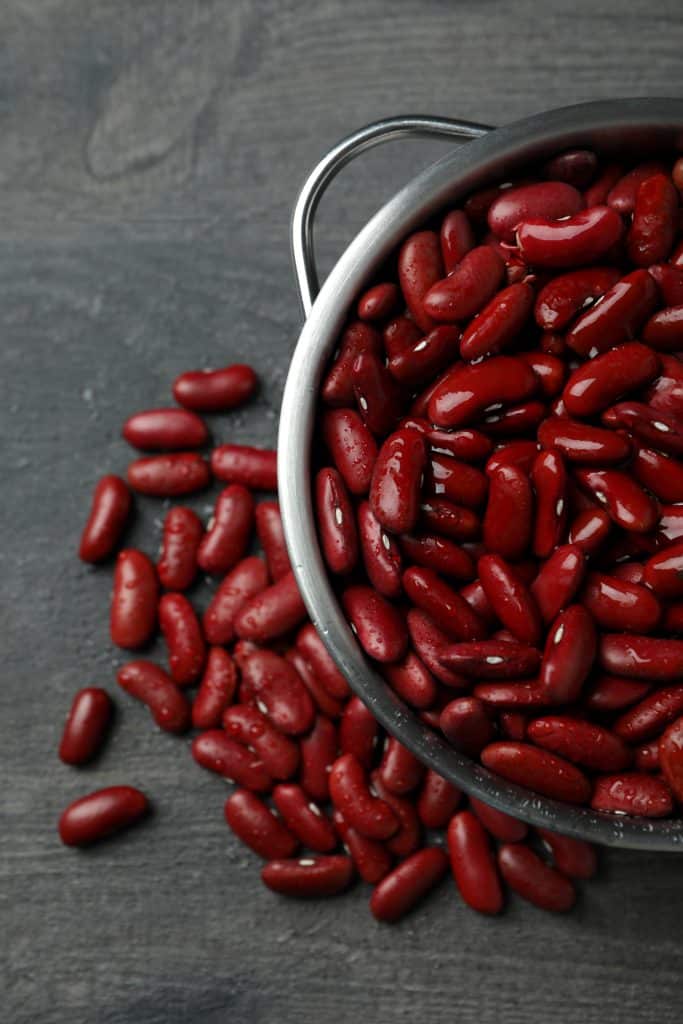
5. Kidney Beans
Kidney beans hold their shape through a long simmer better than most beans on this list, which is why they’re the one I reach for in anything that cooks for hours. They don’t turn to mush no matter how long the pot sits on low.
If you’re cooking dried ones instead of canned, they genuinely need a full boil first. This is one legume where the safety instructions actually matter.
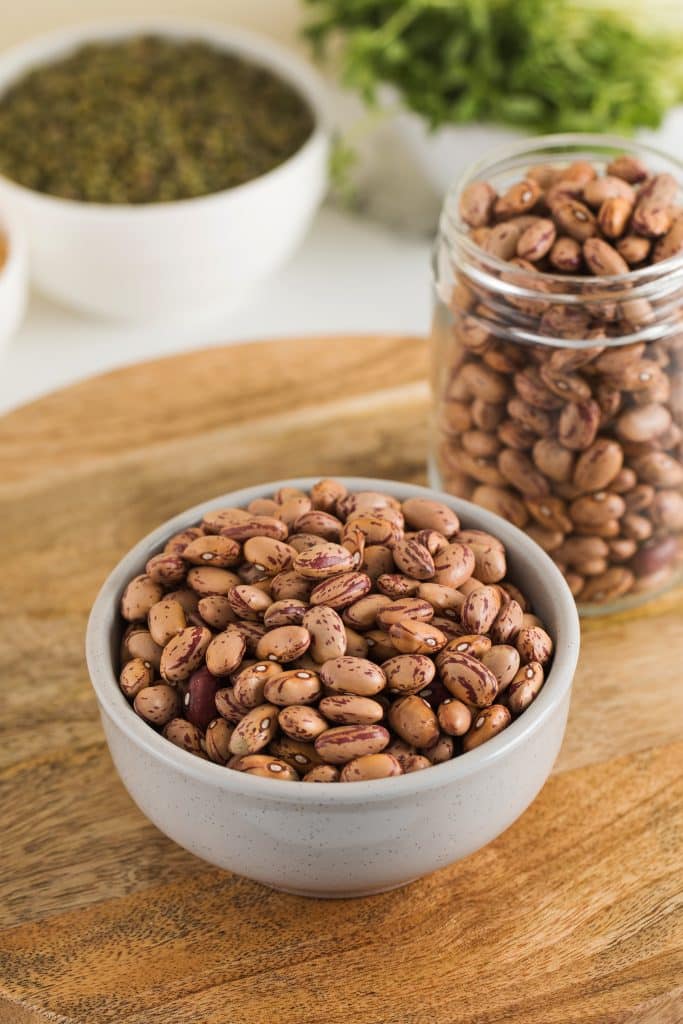
6. Pinto Beans
Mashed and refried, pinto beans turn into something creamy enough to make a whole meal out of a tortilla and a little cheese. Whole, they’re milder than black beans and easier to sneak into a picky kid’s plate.
I make a double batch on Sundays when meal prep actually goes according to plan, which is fewer Sundays than I’d like to admit.
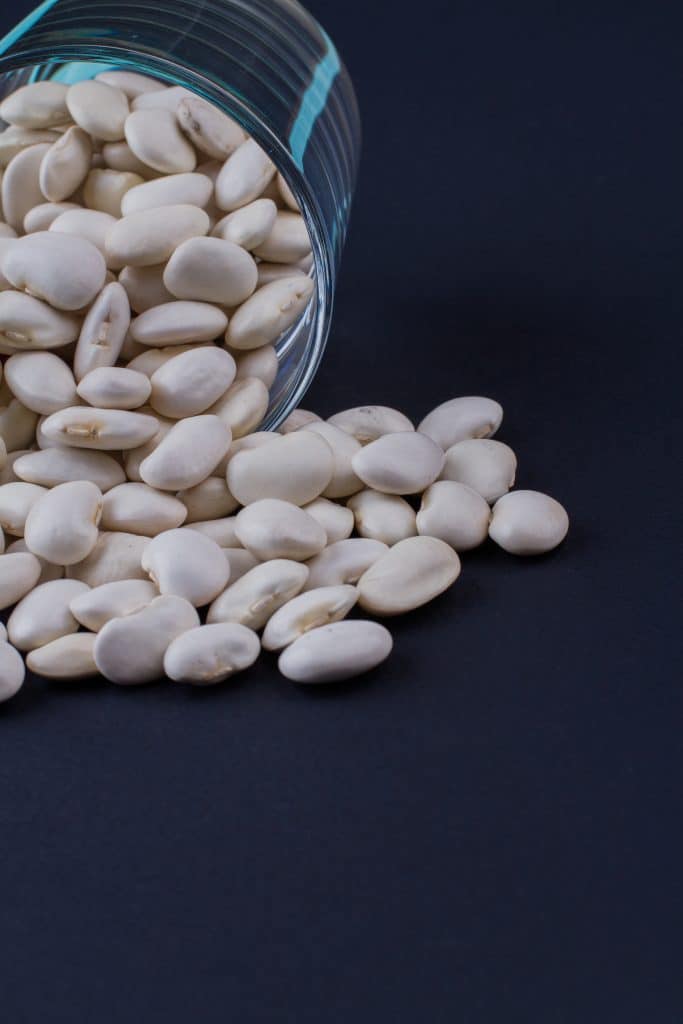
7. Navy Beans
Navy beans are the mild, small white bean that disappears into a soup without announcing itself, which is exactly why they work so well in one. A ham hock helps, but a good vegetable broth and some smoked paprika get most of the way there.
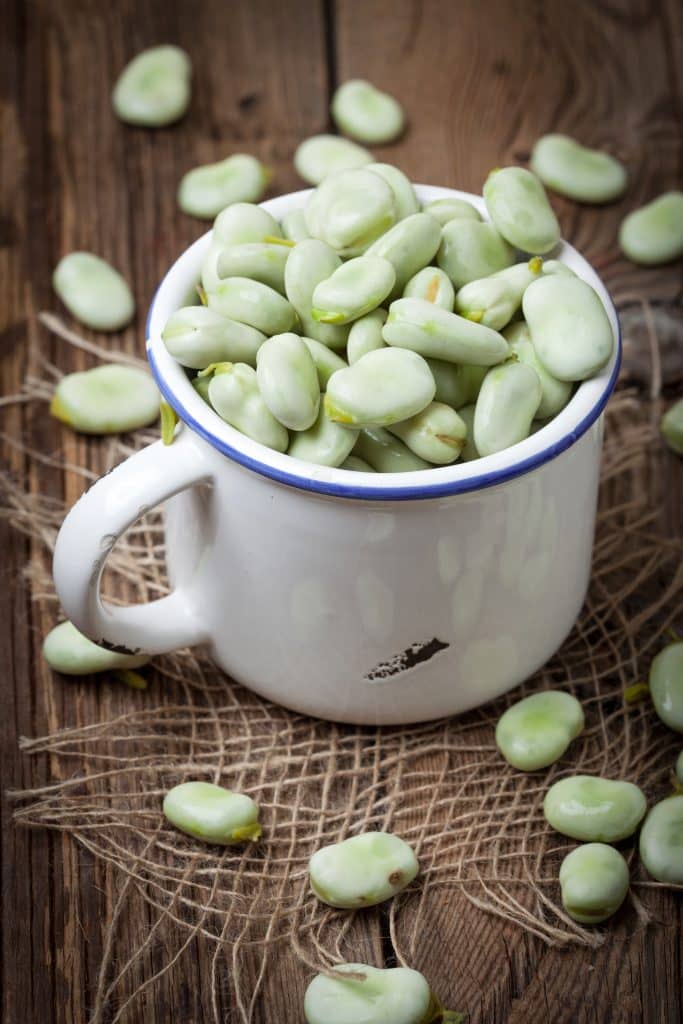
8. Lima Beans
These have a reputation problem that I don’t think is entirely fair. Cooked properly with a little butter, they’re buttery themselves, not the mushy, bland thing a lot of people remember from a school cafeteria.
My youngest was the one who came around on these first, oddly enough, before anyone else in the house did.
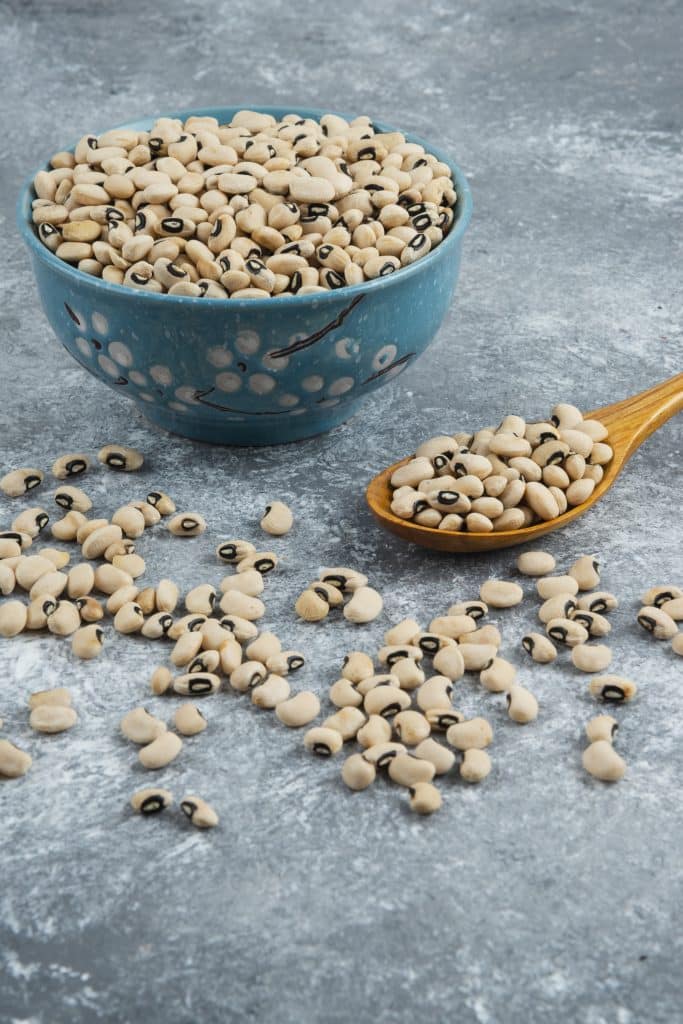
9. Black-Eyed Peas
Black-eyed peas simmered with some greens and a little smoked meat is one of those meals that tastes like it took all day, even when it didn’t. The texture is a little firmer than most beans, which I actually prefer.
From My Kitchen
23 Vegetables That Turn One Pot of Soup Into a Whole Week of Dinners →
"This is the one I make on repeat once it gets cold out."
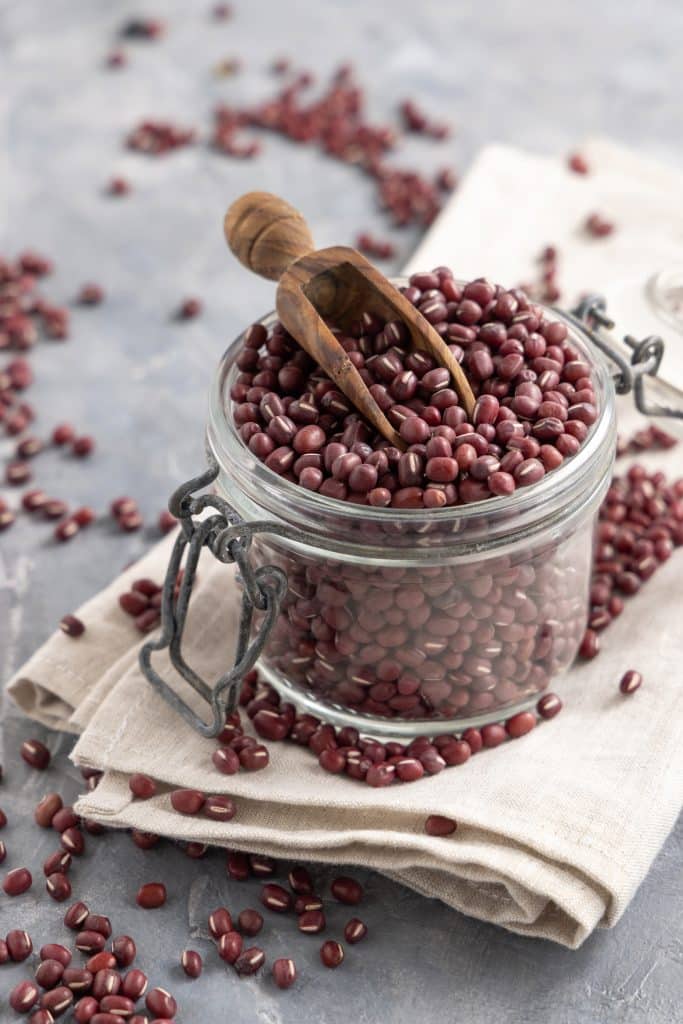
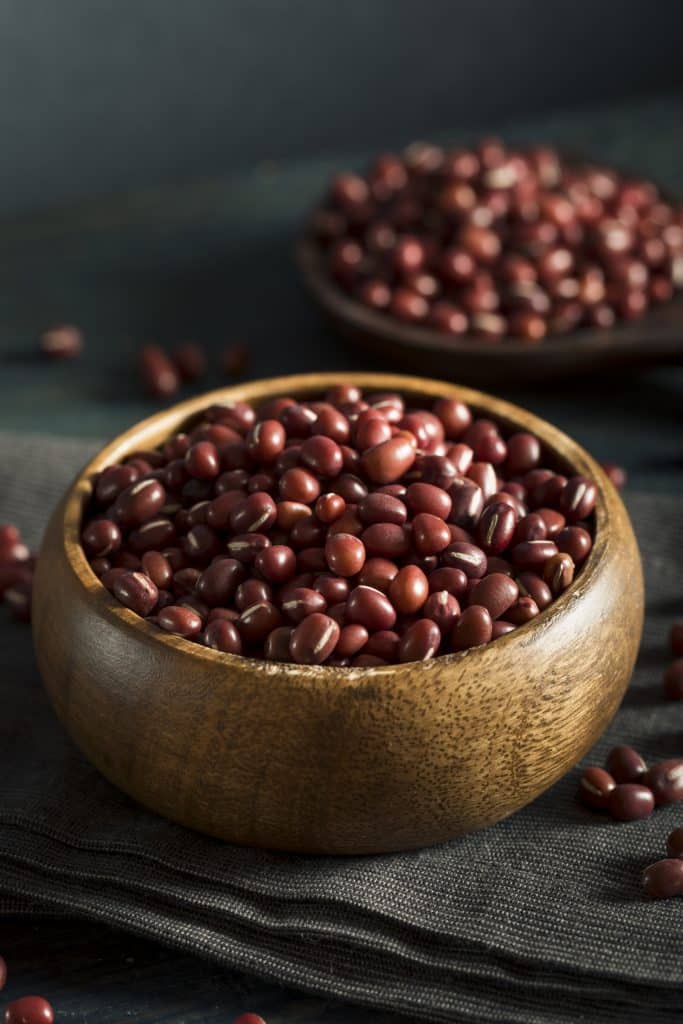
10. Adzuki Beans
These were a total mystery to me until a few years ago, and now they show up in a rice bowl every couple of weeks. Slightly sweet compared to most beans, they work in both savory dinners and the occasional dessert.
They also cook faster than most dried beans, closer to forty minutes than the usual hour or two, which is part of why they’ve earned a regular spot in my rotation.
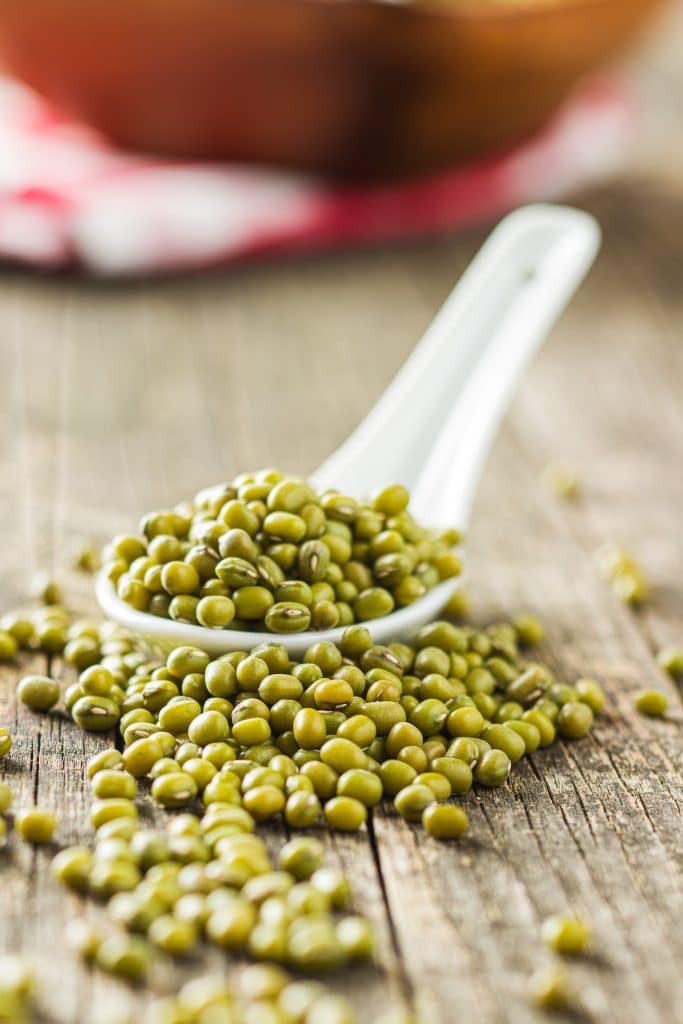
11. Mung Beans
Sprouted, mung beans go into a stir-fry for crunch. Cooked down whole, they turn soft and a little sweet, closer to lentils than most people expect.
They cook fast enough that I don’t bother soaking them overnight, which is more than I can say for most of the dried beans on this list.
12. Fava Beans
Fresh fava beans take real effort, since each one needs shelling and then peeling again once it’s blanched. I only bother with the fresh version once or twice a year, and use the frozen shelled kind the rest of the time.
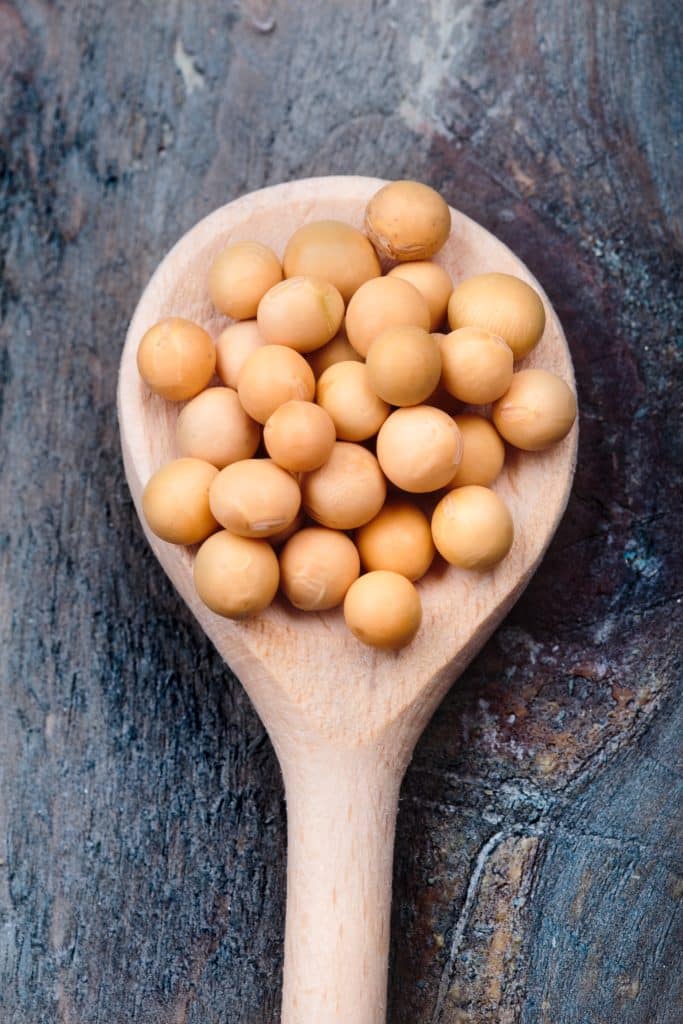
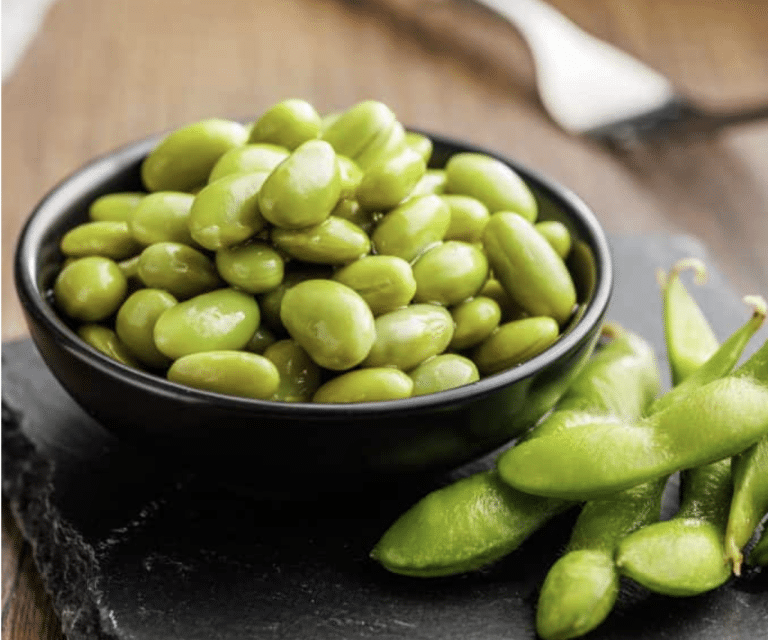
13. Soybeans
Dried soybeans are the base for a lot of things in my kitchen indirectly, from the tofu I buy to the soy sauce I cook with, but I don’t cook the dried beans themselves very often. When I do, they hold up well in a hearty stew.
This is one of the plant proteins I reach for when someone at the table needs dairy-free foods that still feel like a real dinner, since it never relies on cheese to feel complete.
14. Winged Beans
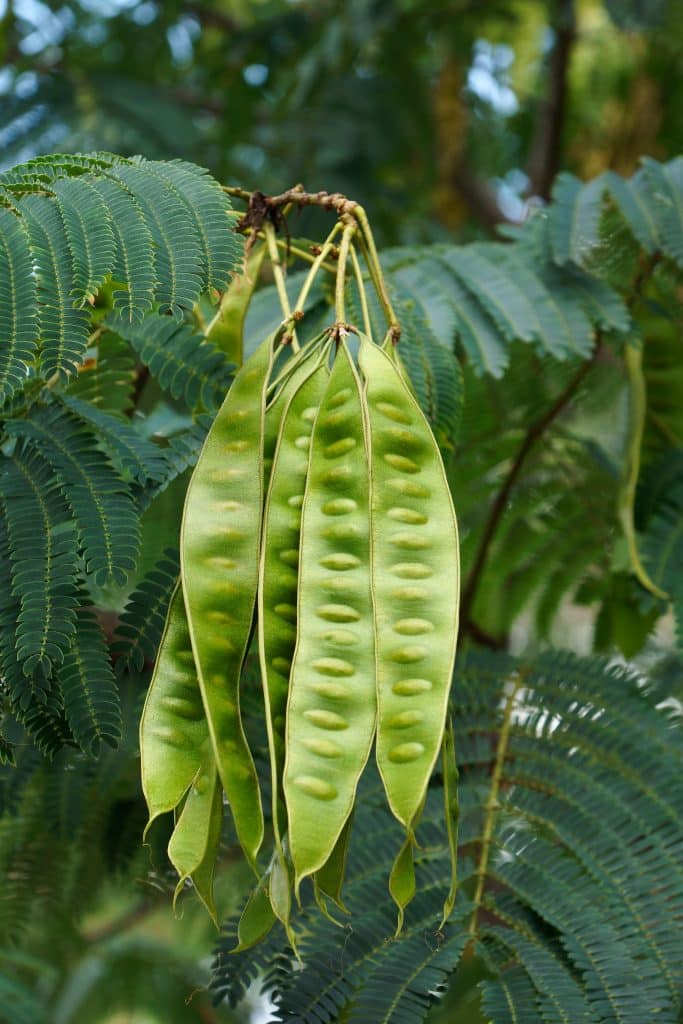
I’ll admit this one is a novelty in my kitchen more than a regular player. I picked a bag up out of curiosity at an international market, and the whole pod, ridges and all, works sliced thin in a stir-fry.
You'll Want This Too
I’m not going to pretend I keep these stocked the way I do black beans or lentils. They’re a fun once-in-a-while find, not a pantry staple.
15. Canned Beans
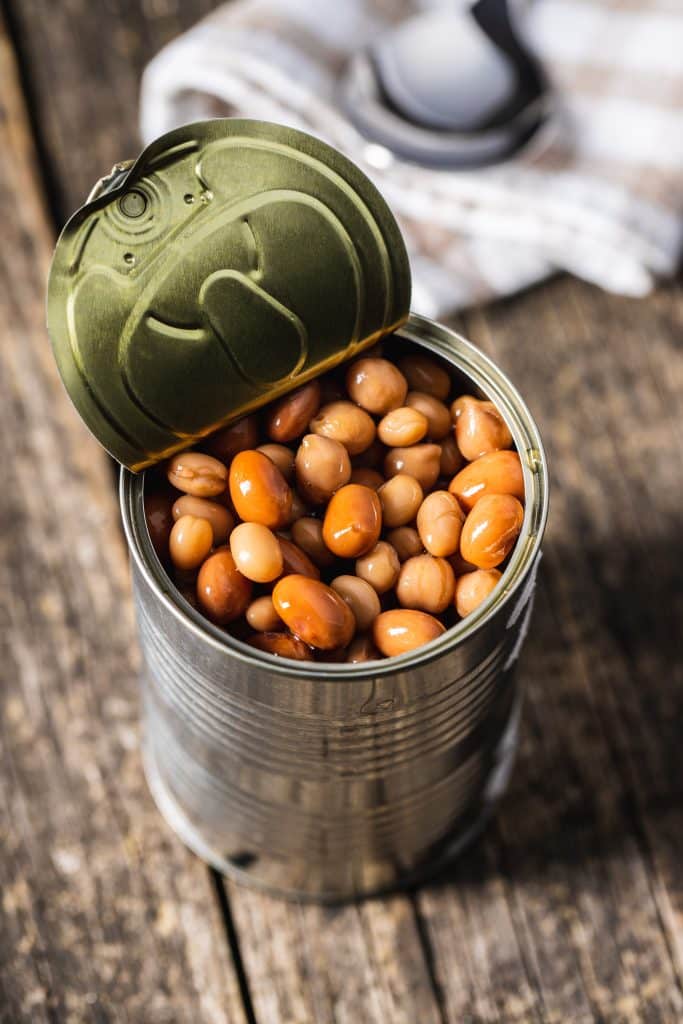
I know dried beans are cheaper and taste a little better, but a busy Tuesday doesn’t always leave room for soaking anything overnight. Canned beans, rinsed well, are one of the mom life hacks that actually save time on the nights I haven’t planned ahead.
I keep a shelf of these stacked in the pantry at all times, mixed varieties, so whatever the meal calls for is already there.
16. Baked Beans
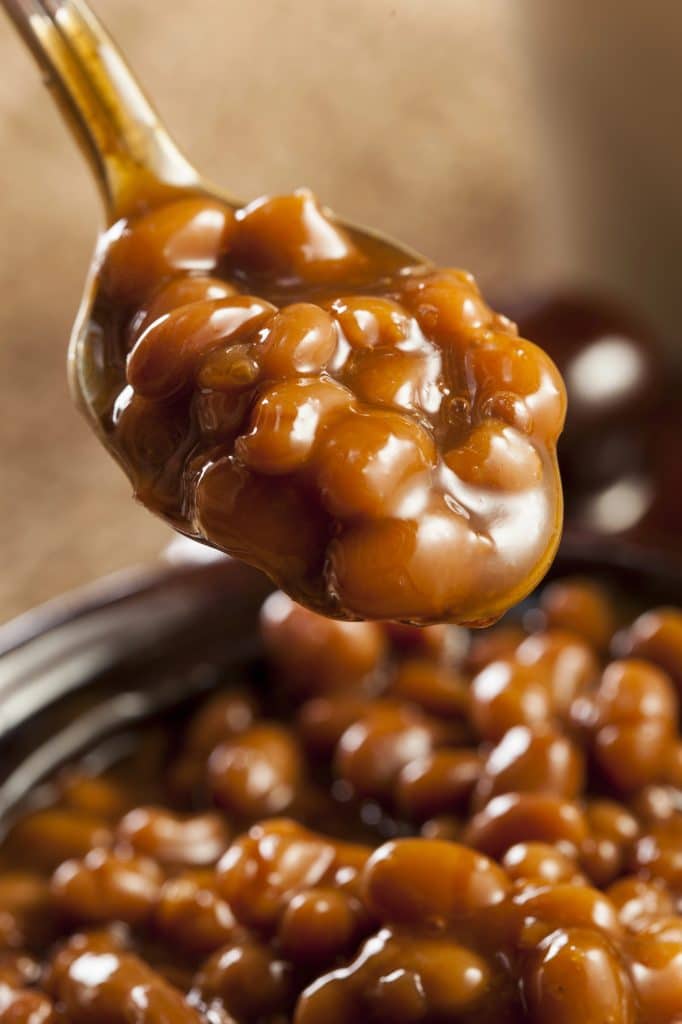
Sweet and a little smoky, baked beans next to some toast or cornbread was a regular dinner growing up in my house, not just a cookout side. I still make a pot from scratch a couple times a summer.
17. Tofu
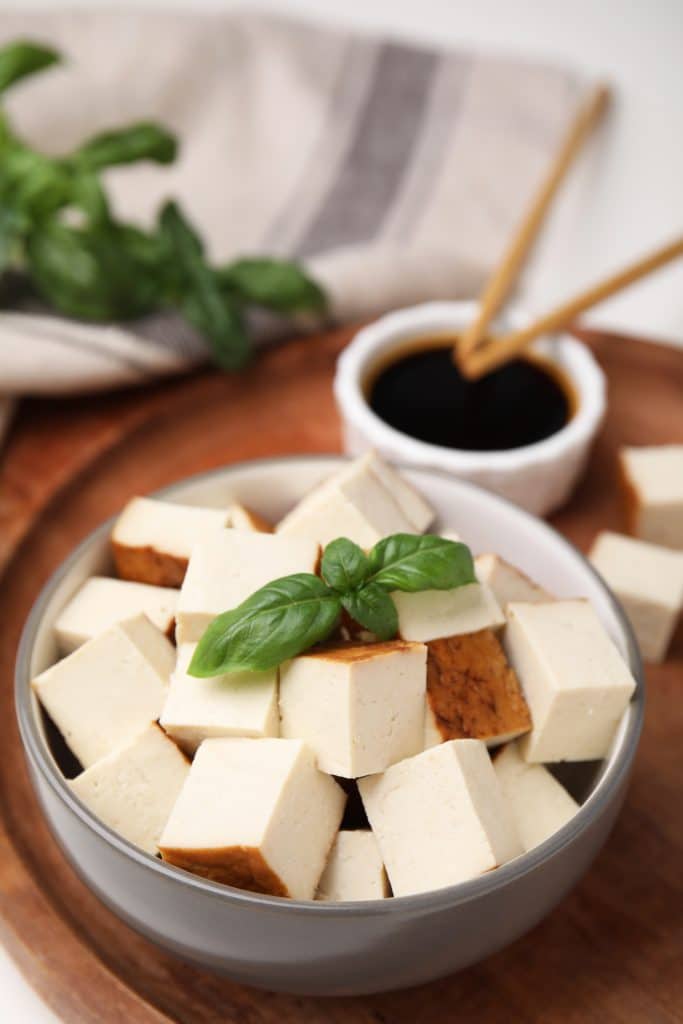
Pressed well and cooked hot enough to actually brown, tofu holds up as a real center-of-the-plate protein rather than the sad, watery cubes a lot of people remember from one bad experience. It takes on whatever sauce it’s cooked in completely.
My husband was the skeptic on this one for years. He came around once he saw it get an actual crust in a hot pan instead of just simmering in a soup.
18. Tempeh
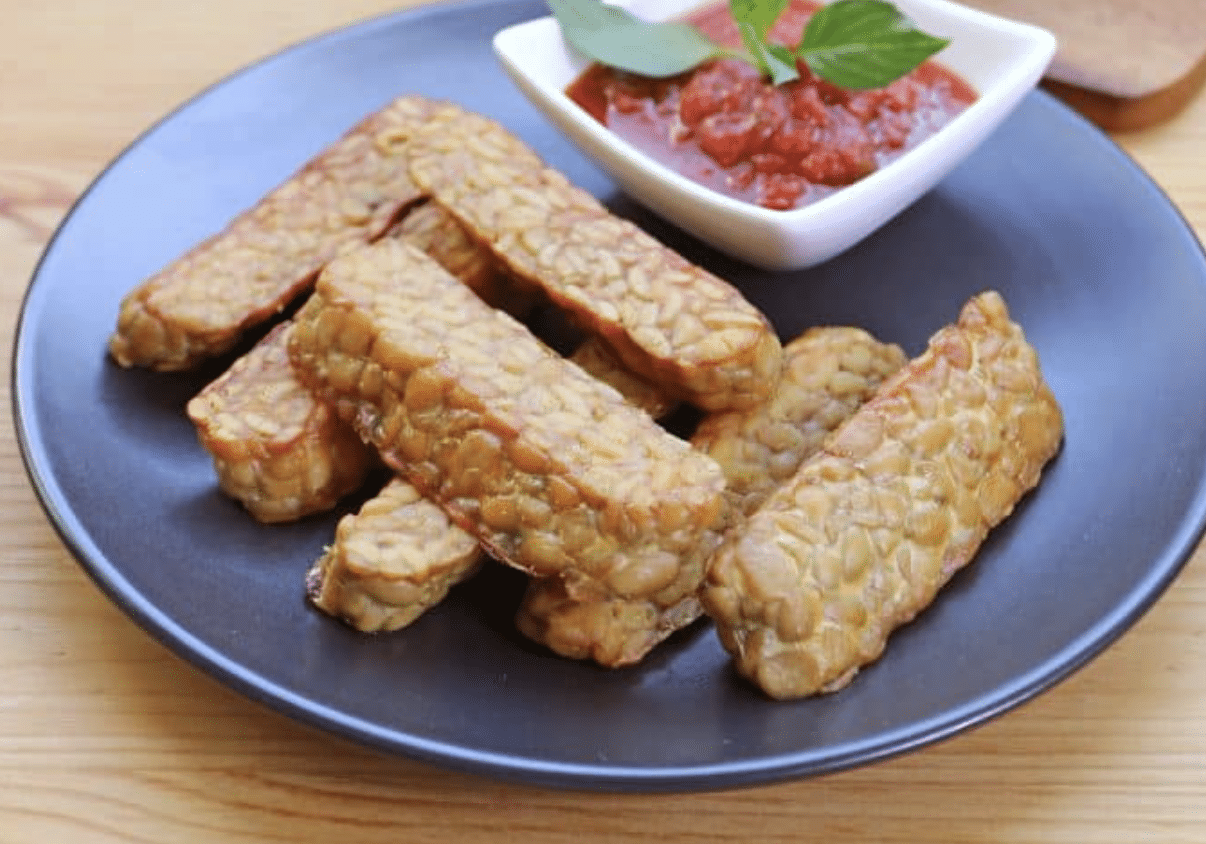
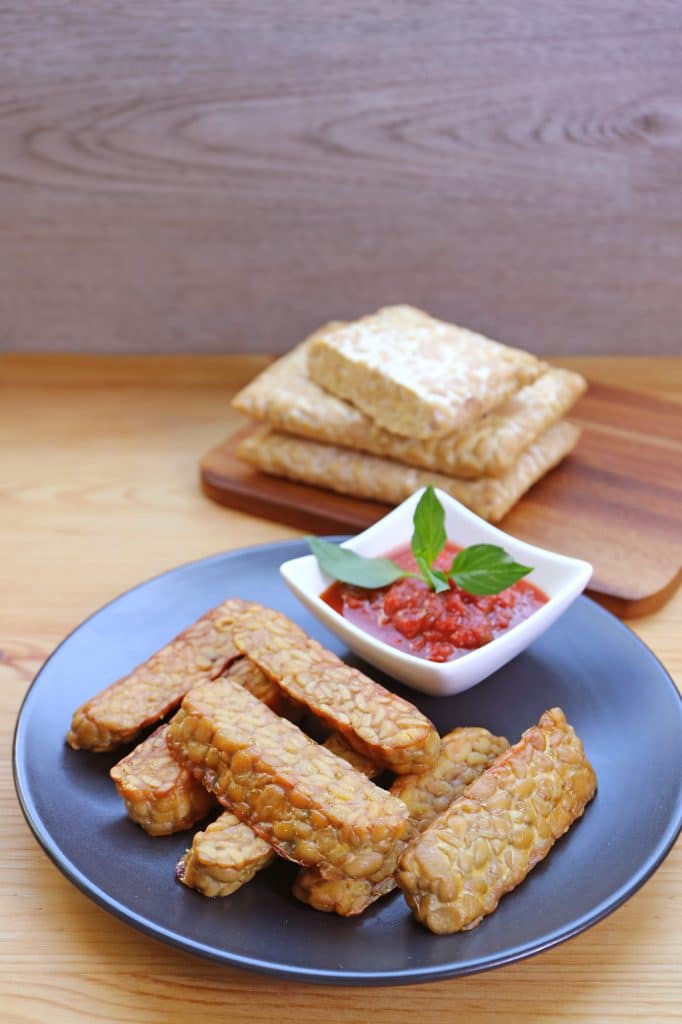
Tempeh has a firmer bite and a nuttier flavor than tofu, which some people in my house like better and some don’t. It crumbles nicely into a dish that wants to feel like ground meat without actually being ground meat.
Go Deeper
The School Morning Machine: How We Went From Daily Chaos to Out-the-Door in 40 Minutes →
"The system that finally ended our morning yelling."
A quick steam before cooking cuts down on any bitterness. I skipped that step for years without knowing it was the fix.
19. Quinoa
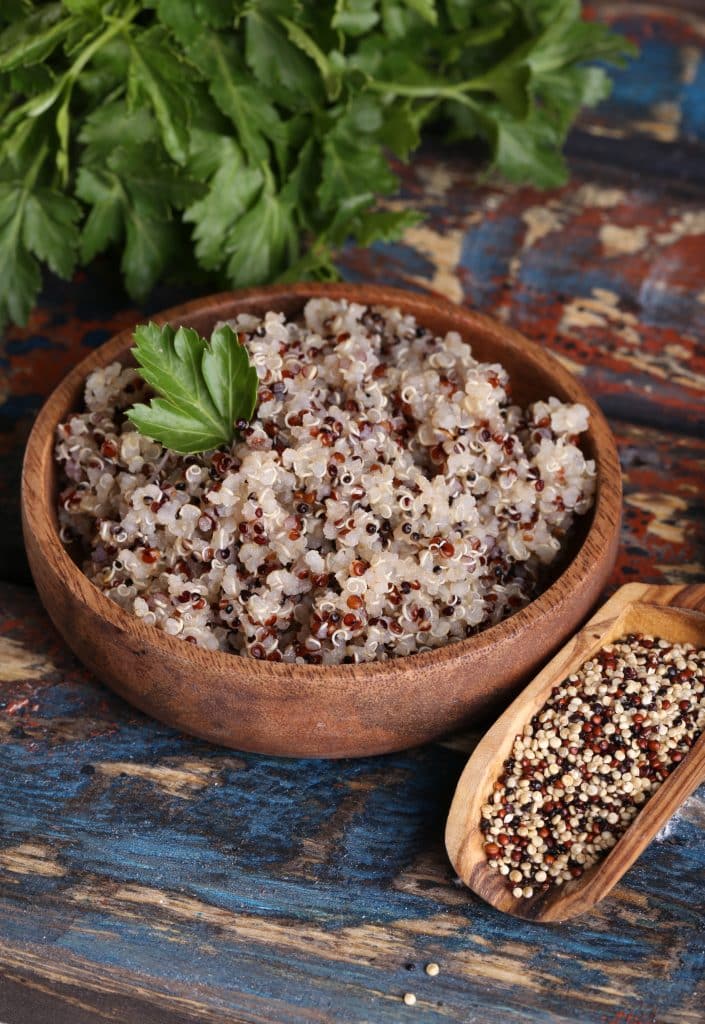
I’ll push back on the hype a little here. Quinoa alone has never been filling enough on its own in my house, no matter what the trend pieces claim, so I always pair it with beans or a fried egg to make it an actual meal.
Rinsed well before cooking, it loses the slightly soapy taste that turns a lot of people off the first time they try it.
20. Barley
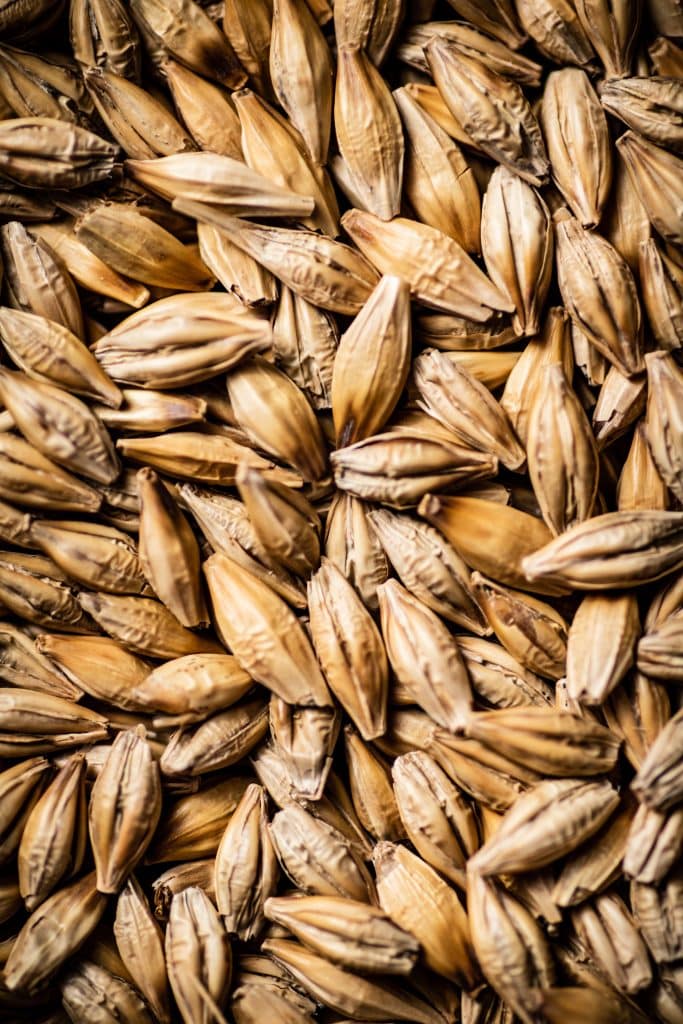
Barley has a chew to it that quinoa and rice don’t, which makes a barley and vegetable stew feel more like a real dinner than a lighter grain bowl does. It’s the one I reach for on cold nights specifically for that reason.
21. White Rice
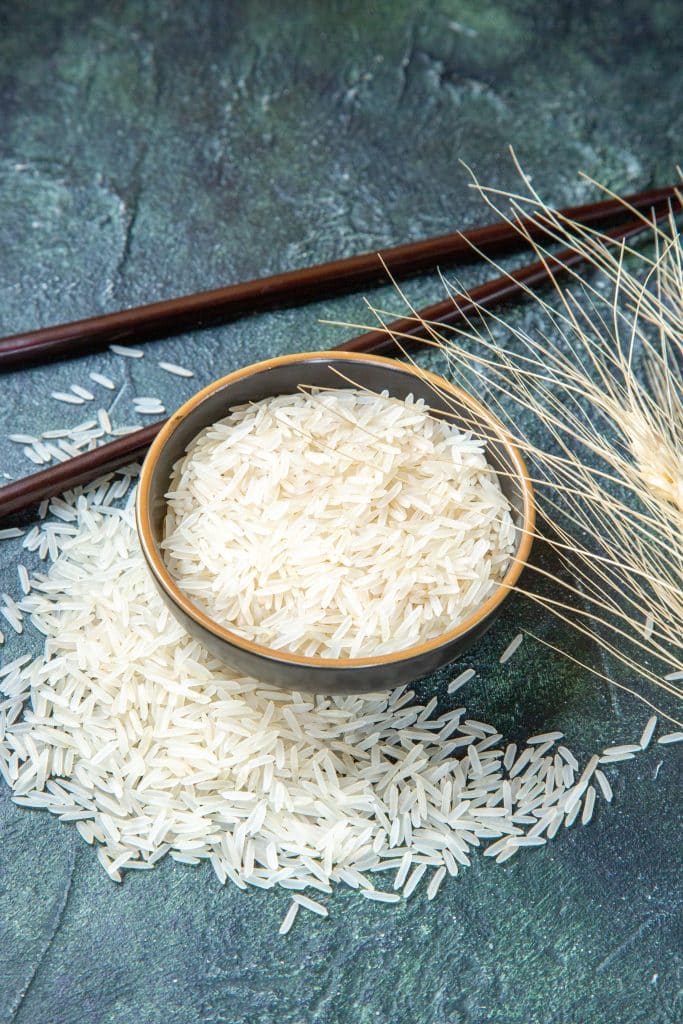
Plain white rice under a pile of beans is one of the most reliable dinners I make, and it’s rarely the rice that gets any credit for it. It’s doing more of the heavy lifting than people give it for.
My kids will eat almost anything if there’s a scoop of rice underneath it, which I’ve stopped questioning and started using to my advantage.
What Everyone's Making
23 Plant Foods That Fill You Up for Hours (My Afternoon Slump Fix) →
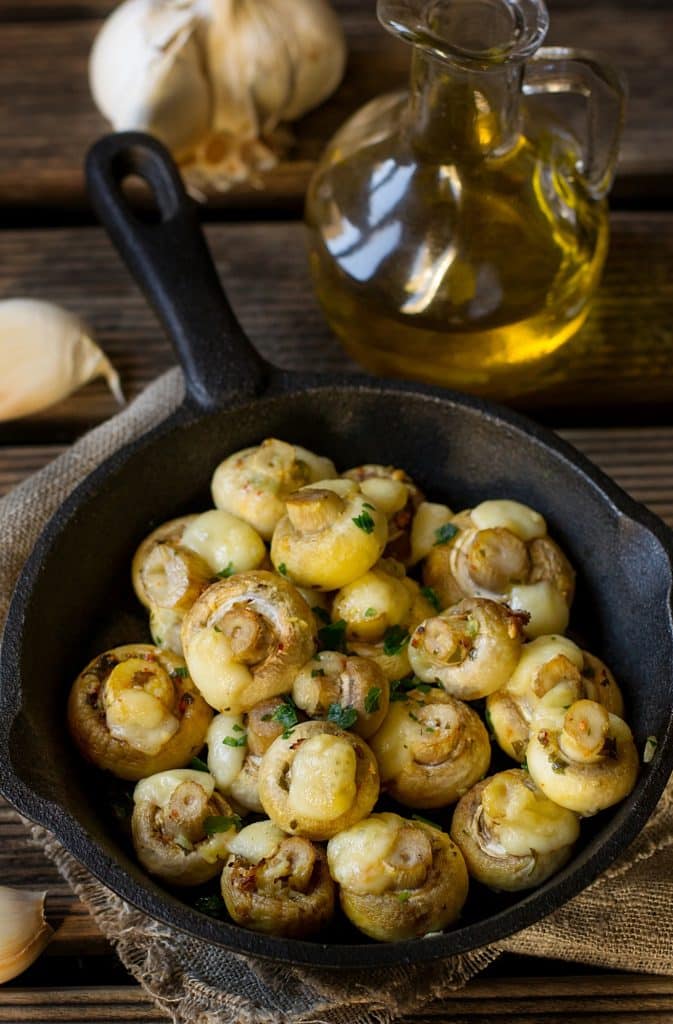
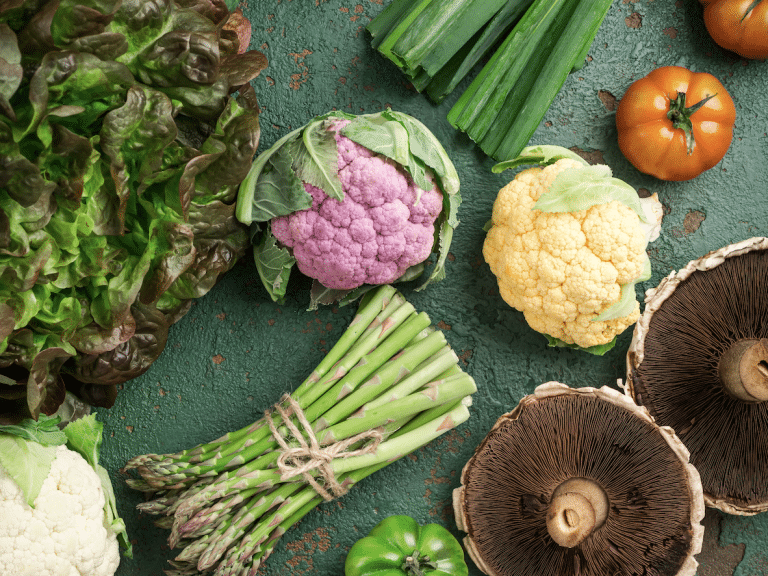
22. White Button Mushrooms
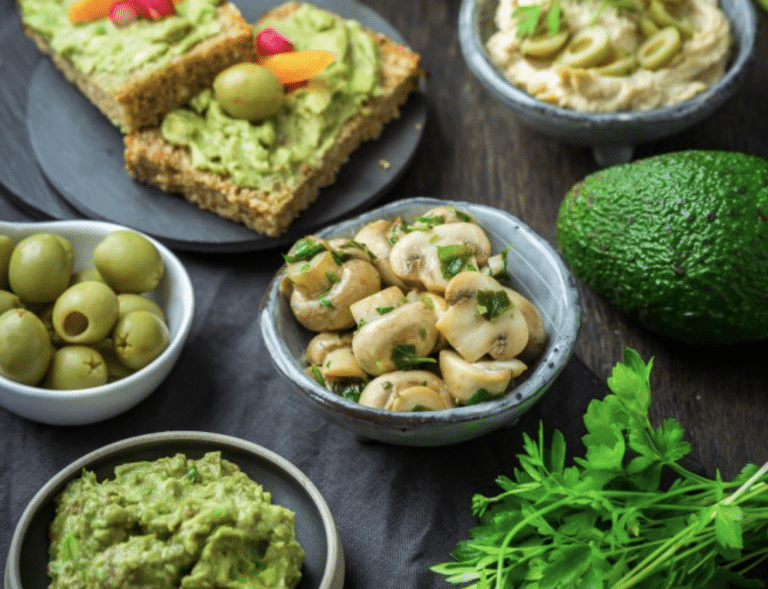
Stuffed and baked, a tray of these can genuinely be the whole main course, not just a side next to something else. I fill them with breadcrumbs, garlic, and whatever cheese needs using up.
Sliced thick and roasted hard until they’ve released all their water first, they hold their shape well enough to be the centerpiece instead of an afterthought.
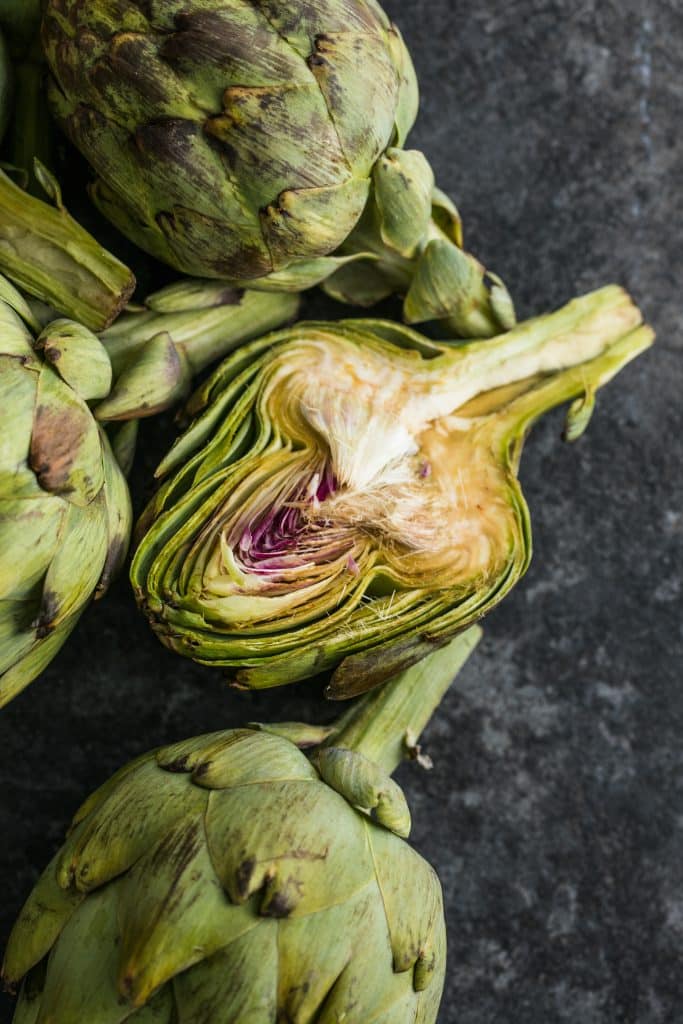
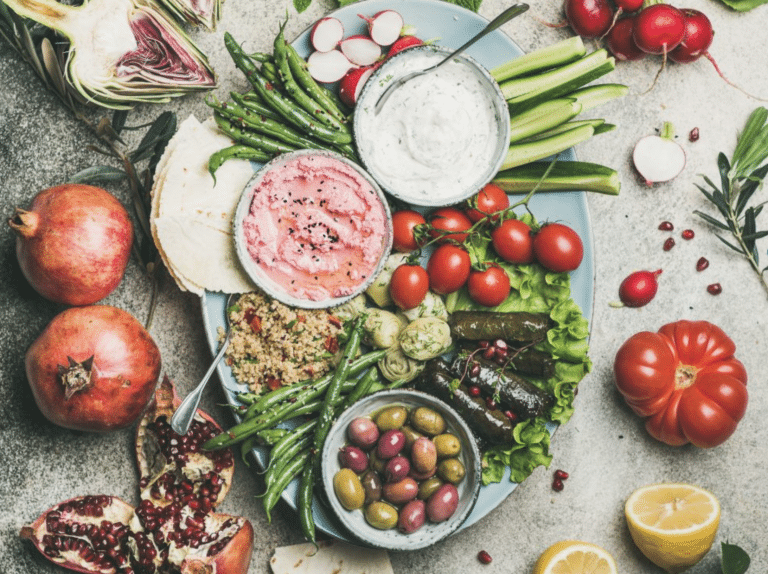
23. Artichoke Hearts
Chopped and folded into a warm dip, or tossed whole into a pasta bake, artichoke hearts add enough bulk and richness that the dish stops feeling like it’s missing a protein. Jarred ones packed in oil save a lot of effort over working from a whole artichoke.
This is the vegetable I reach for last on this list because it’s the one that most often ends up as the surprise star of a dish rather than the obvious headline.
From my kitchen: when I want a bean or grain dish to actually feel like dinner, I add something with real fat, like a fried egg, a drizzle of good oil, or a little cheese. That’s usually the difference between a side dish and a meal.
What Keeps Dinner Going
If I had to pick three to keep stocked forever, it would be lentils, canned beans, and a bag of rice. Almost everything else on this list is a variation on that same idea.
None of these need meat to feel like a finished plate, which took me longer to believe than I’d like to admit. My husband is proof that the skepticism doesn’t last once the dish actually tastes like something.
Pick whichever one is already sitting in your pantry right now and build tonight’s dinner around it instead of around a protein you don’t have. It’s a smaller shift than it sounds, and it’s changed how I plan an entire week of meals.