My November Meal Plan: Four Weeks of Cozy Dinners (With the Grocery List I Actually Use)
November is the month my grocery budget starts holding its breath. The holidays are coming, it’s dark before anyone is hungry, and the last thing I want at 5:30 is a debate about dinner.
So I plan all four weeks at once, loosely, using the same Sunday meal planning system that survived my house. Below are the four weeks I actually run, the grocery list behind them, and one new dinner I’m adding this year.
Almost every dinner here is one I’ve already written up, so each row tells you where the recipe lives. You’re never stuck with a name and no instructions.
How I Plan a Whole Month Without Losing My Mind
I don’t plan thirty dinners from scratch. I plan the shape of one week and repeat it four times, so every week has the same jobs to fill.
There’s an anchor dinner, usually Sunday, that’s oversized on purpose so it makes leftovers. There’s a soup night, a sheet pan night, and a pantry night built from what’s already on my shelf.
Then there are two nights I plan for failing. One is a leftovers night, and the other assumes the plan falls apart, so it’s something I can make half asleep. The seventh night is whatever the family has been begging for.
I tried planning every single plate of a month once, side dishes and all, on a color-coded calendar. By the second weekend it was a very pretty list of dinners nobody was eating, and I’ve planned in shapes ever since.
Week three is where I double batches, and the recipe scaler saves me from doing fraction math on the back of a receipt. Nobody should be doubling three-quarters of a cup at 4:45.
I also keep the fussiest dinners off the nights that get swallowed by the witching hours, that 3-to-6pm stretch when homework, hunger, and my patience all run out together. Save anything that needs more than one pan for a weekend.

Week 1: Soup Season Starts
The first week is a reset. After a month of candy and pizza on the run, I want a pot of something on the stove and a dinner that smells like it took all day.
Sunday’s pot roast does double duty, and Thursday is built entirely on what’s left of it.
| Night | Dinner | Where to find it | What makes it easier |
|---|---|---|---|
| Sunday | Anchor: pot roast with onion soup mix | The 90s dinners my mom made | Start it right after lunch and walk away |
| Monday | Soup night: a brothy vegetable soup | My family’s favorite soups | Pick one that uses the vegetables sitting in your crisper |
| Tuesday | Sheet pan night: smoked sausage and root vegetables | My one-pan sheet pan dinners | Cut everything about the same size so it finishes together |
| Wednesday | Hard shell taco night | Same 90s dinners guide | Set out the toppings and let everyone build their own |
| Thursday | Leftovers: pot roast sandwiches on toasted rolls | Sunday’s pot | Warm the meat in its juices until it hits 165°F |
| Friday | Plan falls apart: breakfast for dinner | The 90s dinners guide again | Eggs, toast, and whatever fruit needs eating |
| Saturday | Pantry night: tuna noodle casserole | My mom’s dinners, linked in Sunday’s row | Egg noodles, canned tuna, and frozen peas |
Week 2: The Pantry Week
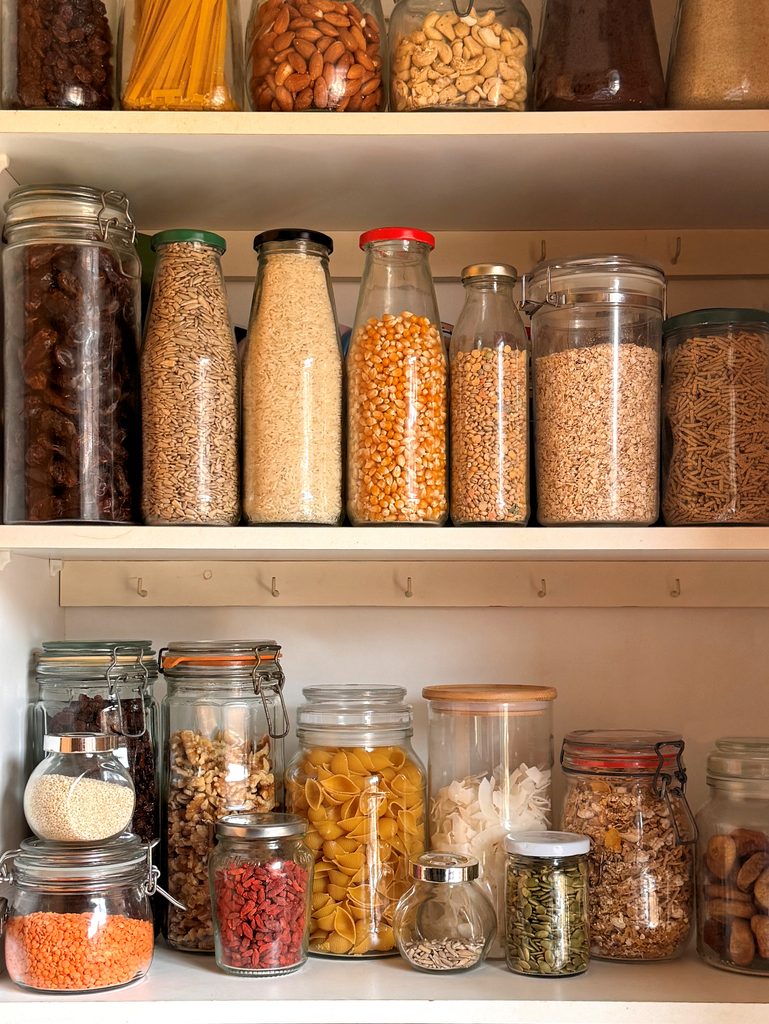
This is the lowest-cost week of the month, and that’s on purpose. Spending less in week two leaves room for the holiday groceries coming at the end of the month.
Nearly everything comes from dried beans, cans, and frozen meat bought earlier, so the store run is mostly produce and milk.
| Night | Dinner | Where to find it | What makes it easier |
|---|---|---|---|
| Sunday | Anchor: big-pot chili with beans | The budget dinners I grew up on | Add more beans, not more meat, to stretch it |
| Monday | Leftovers: chili over baked potatoes | Sunday’s pot | Reheat the chili to 165°F while the potatoes bake |
| Tuesday | Soup night: doctored-up canned soup with grilled cheese | The budget dinners guide | Stir in leftover rice or frozen vegetables to make it a meal |
| Wednesday | Sheet pan night: chicken thighs and potatoes | The sheet pan page from week one | Bone-in thighs are often one of the lower-priced cuts; cook to 165°F |
| Thursday | Pantry night: navy beans with bacon and cornbread | Same budget guide | Soak the beans Wednesday night |
| Friday | Plan falls apart: bean and cheese burritos | The budget dinners guide again | Roll a few extras and freeze them for next week |
| Saturday | Kid request: American goulash | The budget page, linked in Sunday’s row | One pot and one box of elbow noodles |
Week 3: Cook Once, Eat Twice
Week three is the heavy cooking week. I double three dinners and freeze half, so the week after it practically runs itself.
It’s also the week most likely to go sideways, so rank the doubles. If you only manage one, make it the shepherd’s pie, because a frozen pan of it is dinner with zero thinking.
| Night | Dinner | Where to find it | What makes it easier |
|---|---|---|---|
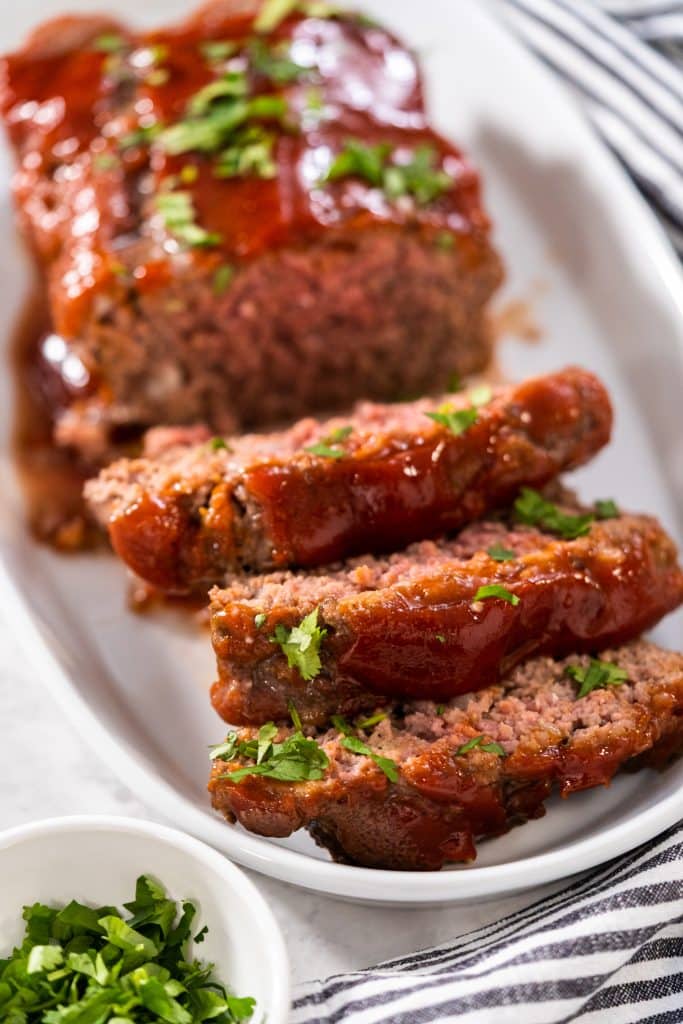
| Sunday | Anchor: meatloaf, two loaves | The 90s dinners guide from week one | Bake one, wrap the second raw and freeze it |
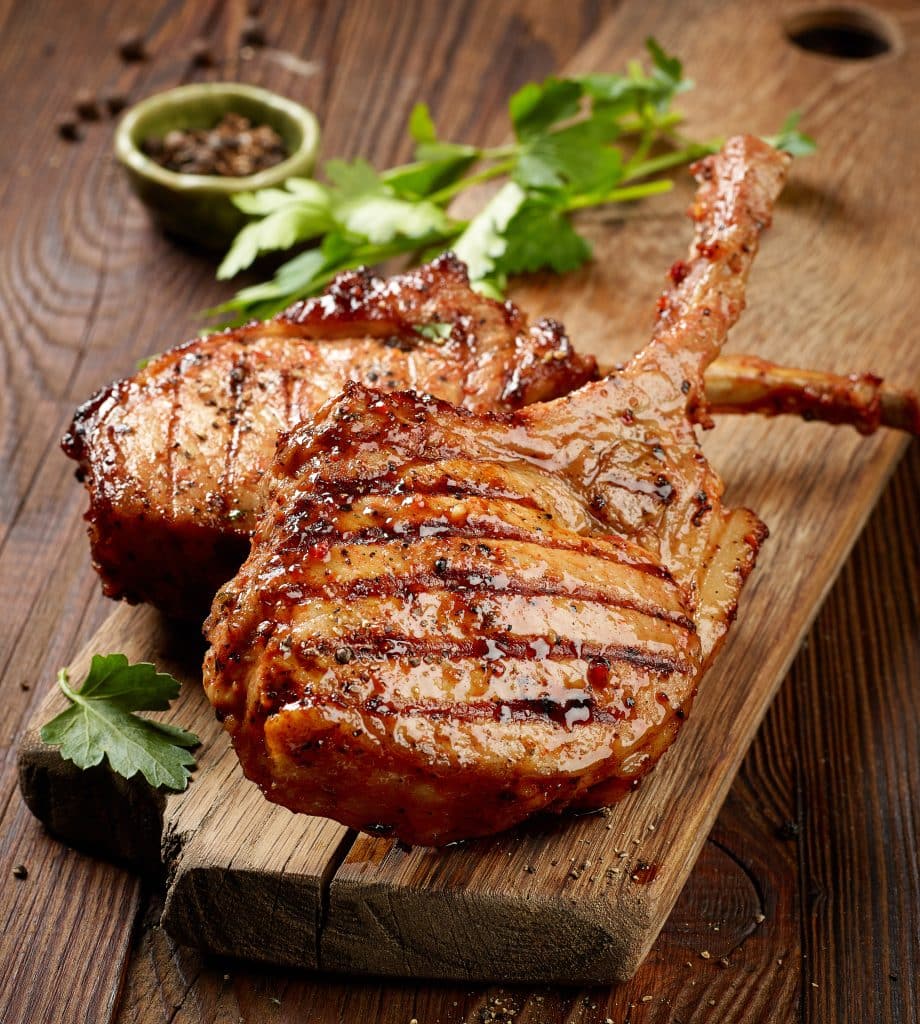
| Monday | Sheet pan night: apple cider pork chops with roasted squash | The new recipe below | Reduce the cider while the squash roasts |
| Tuesday | Soup night: chicken and dumplings | The budget dinners guide from week two | Freeze half the stew before the dumplings go in; dumplings turn gummy in the freezer |
| Wednesday | Kid request: sloppy joes, double filling | My mom’s dinners again | Freeze the second half flat in a resealable plastic bag |
| Thursday | Leftovers: meatloaf sandwiches | Sunday’s loaf | Cold on toast, or warmed to 165°F |
| Friday | Plan falls apart: fried rice with leftovers | Same 90s dinners guide | Leftover pork chop or meatloaf goes right in with day-old rice |
| Saturday | Pantry night: shepherd’s pie, two pans | The 90s guide once more | Freeze the second pan unbaked for next week |
Week 4: Keep It Light Before the Big Meal
For most families, this is Thanksgiving week.
The first half of the week is quick dinners that barely touch the oven, because I’m saving my energy and my counter space. The back half is leftovers and nothing new.
| Night | Dinner | Where to find it | What makes it easier |
|---|---|---|---|
| Sunday | Anchor: chicken and rice casserole | The 90s dinners guide | Makes enough for Monday’s lunches too |
| Monday | Shepherd’s pie from the freezer | Made in week three | Thaw it in the fridge overnight, then bake until 165°F in the center |
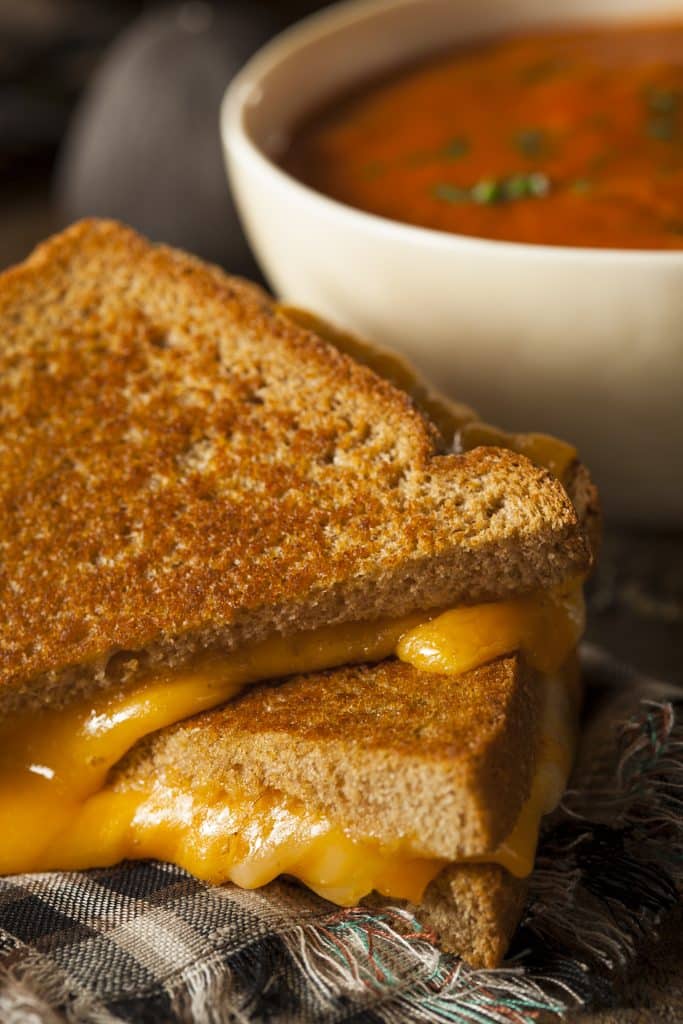
| Tuesday | Soup night: grilled cheese and tomato soup | Straight from the pantry | On the table in about 20 minutes |
| Wednesday | Pantry night: charred cabbage and sausage skillet | The budget dinners guide | One skillet, about 25 minutes |
| Thursday | The big meal | Planned on its own | Nothing else to cook |
| Friday | Leftovers: build-your-own plates | The fridge | Everyone picks, I just heat everything to 165°F |
| Saturday | Leftovers: sandwiches and soup | The fridge again | Whatever isn’t eaten by tonight goes in the freezer |
On Thanksgiving itself, I cook a small table at home, and a couple of make-ahead snacks from my fall appetizer list keep everyone out of the kitchen while the turkey finishes.
The New Dinner I’m Adding This November
We’re mostly a ground beef and chicken family, so pork chops felt like a treat until I started buying the family packs and freezing them in pairs. Now they show up about twice a month.
This one is a sheet pan dinner with a pan sauce made from apple cider, the cloudy kind from the refrigerated case. Not the vinegar, although a teaspoon of that goes in at the end.
The trick is reducing the cider until it coats a spoon before it goes anywhere near the meat. Plain cider brushed on raw chops just runs off into the pan and steams everything.
Apple Cider Pork Chops with Roasted Squash
Serves: 4 | Prep: 20 minutes | Cook: 40 minutes
Ingredients
- 1 medium butternut squash (about 2 pounds), peeled, seeded, and cut into 1-inch cubes
- 1 medium red onion, cut into 8 wedges
- 3 tablespoons olive oil, divided
- 1 1/4 teaspoons kosher salt, divided
- 1/2 teaspoon black pepper, divided
- 4 boneless pork chops, about 1 inch thick (6 to 8 ounces each)
- 1 teaspoon dried thyme
- 1/2 teaspoon garlic powder
- 1 1/2 cups apple cider (not cider vinegar)
- 1 tablespoon brown sugar
- 1 tablespoon Dijon mustard
- 1 tablespoon butter
- 1 teaspoon cider vinegar
Instructions
- Heat the oven to 425°F with a rack in the center. Pile the squash and onion on a rimmed half sheet pan (about 18 by 13 inches), toss with 2 tablespoons of the oil, 3/4 teaspoon of the salt, and 1/4 teaspoon of the pepper, and spread everything in a single layer.
- Roast for 20 minutes, until the squash is browning on the bottom.
- While the squash roasts, bring the cider, brown sugar, and mustard to a simmer in a small saucepan over medium-high heat. Simmer, stirring now and then, for 12 to 15 minutes, until it’s reduced to about 1/2 cup and coats a spoon.
- Pat the chops dry. Rub them with the remaining 1 tablespoon oil and season both sides with the remaining 1/2 teaspoon salt, the remaining 1/4 teaspoon pepper, the thyme, and the garlic powder.
- Stir the squash, push it toward the edges of the pan, and lay the chops in the center. Brush the tops with about 2 tablespoons of the cider glaze.
- Roast for 12 to 16 minutes, until an instant-read thermometer in the thickest part of a chop reads 145°F. Bone-in chops usually need 4 to 6 minutes more; check next to the bone without touching it.
- Let the chops rest on the pan for 3 minutes. Meanwhile, rewarm the remaining glaze, take it off the heat, and stir in the butter and cider vinegar.
- Spoon the glaze over the chops and squash and serve.
Don’t shrink the pan, because the squash needs room to get those dark, sticky edges. If the pan looks crowded, split the squash across two sheet pans so it browns instead of steaming. Give the chops whichever pan has more room.
Leftovers keep 3 to 4 days in a covered container in the fridge. Reheat them covered in a 350°F oven or in the microwave with a splash of water until the center reaches 165°F, or slice the pork cold into Friday’s fried rice.
My November Grocery List
This isn’t my everyday list. That one is longer, and it’s the full list I shop every week; this is only what this month needs on top of it.
If your shelves are close to bare, start with how I’d build a pantry from scratch before you try a pantry week. It’s hard to cook from cans you don’t own yet.
These I buy once, early in the month, mostly on a warehouse-club run. The meat gets split into dinner-sized bags the same afternoon.
| Store section | Buy once for the month | What it covers | Rough price |
|---|---|---|---|
| Meat | Ground beef family pack (about 5 pounds) | Tacos, meatloaf, sloppy joes, shepherd’s pie, goulash | $20 to $32 |
| Meat | Boneless pork chops, family pack | The cider pork chops, plus a pair to freeze | $12 to $20 |
| Meat | Bone-in chicken thighs (about 4 pounds) | Sheet pan night, chicken and dumplings | $8 to $14 |
| Meat | Smoked sausage, 2 packs | Week one sheet pan, the cabbage skillet | $8 to $14 |
| Dry goods | Long-grain rice, 5-pound bag | Fried rice, chicken and rice casserole | $5 to $9 |
| Dry goods | Dried navy beans, 2 pounds | Navy beans with bacon, chili | $3 to $6 |
| Dry goods | Egg noodles and elbow macaroni | Tuna casserole, goulash | $4 to $7 |
| Dry goods | Onion soup mix packets | Pot roast, meatloaf | $2 to $4 |
| Canned | Crushed tomatoes, 4 large cans | Chili, goulash, sloppy joes | $6 to $10 |
| Canned | Chicken broth, 2 cartons | Soup nights, dumplings | $5 to $8 |
| Canned | Tuna, 3 cans | Tuna noodle casserole | $4 to $7 |
| Dairy | Butter, 2 pounds | Grilled cheese, the cider glaze, everything else | $8 to $12 |
| Dairy | Cheddar block, 2 pounds | Burritos, tacos, grilled cheese | $8 to $12 |
| Frozen | Mixed vegetables and peas | Shepherd’s pie, fried rice, tuna casserole | $6 to $10 |
| Refrigerated case | Apple cider, half gallon | Pork chop glaze, with some left to drink | $4 to $7 |
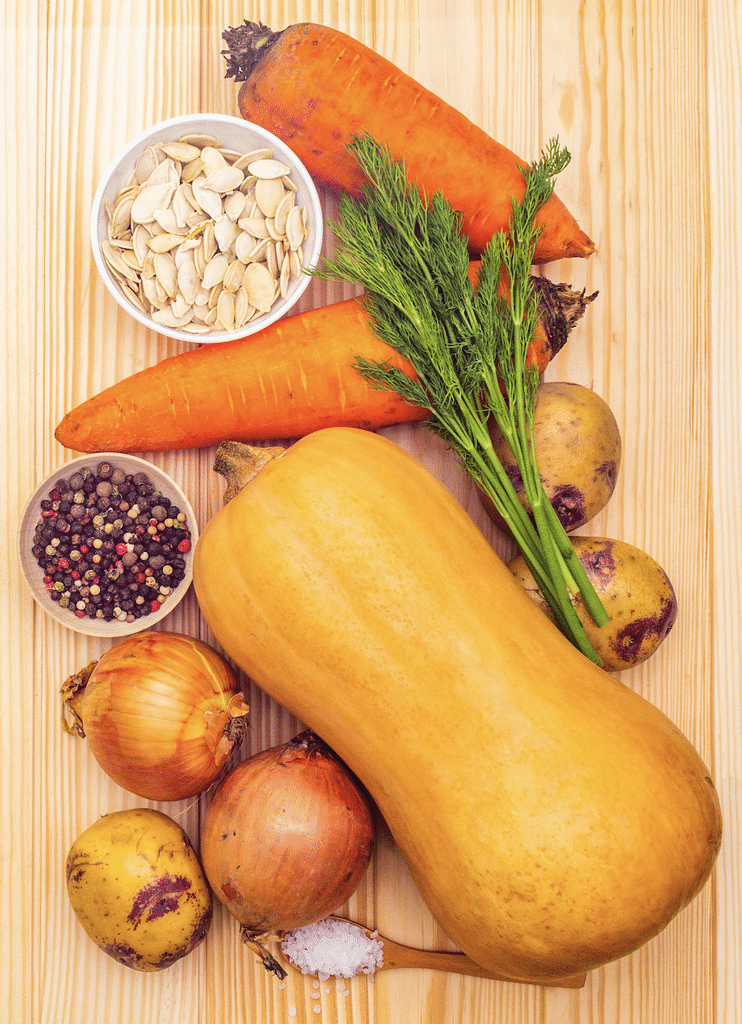
The fresh stuff I buy a week at a time, and this is the fall produce that carries the month.
| Produce | About how much each week | Where it goes | Rough price |
|---|---|---|---|
| Butternut squash | 1 to 2 | The pork chop sheet pan, roasted sides | $2 to $5 each |
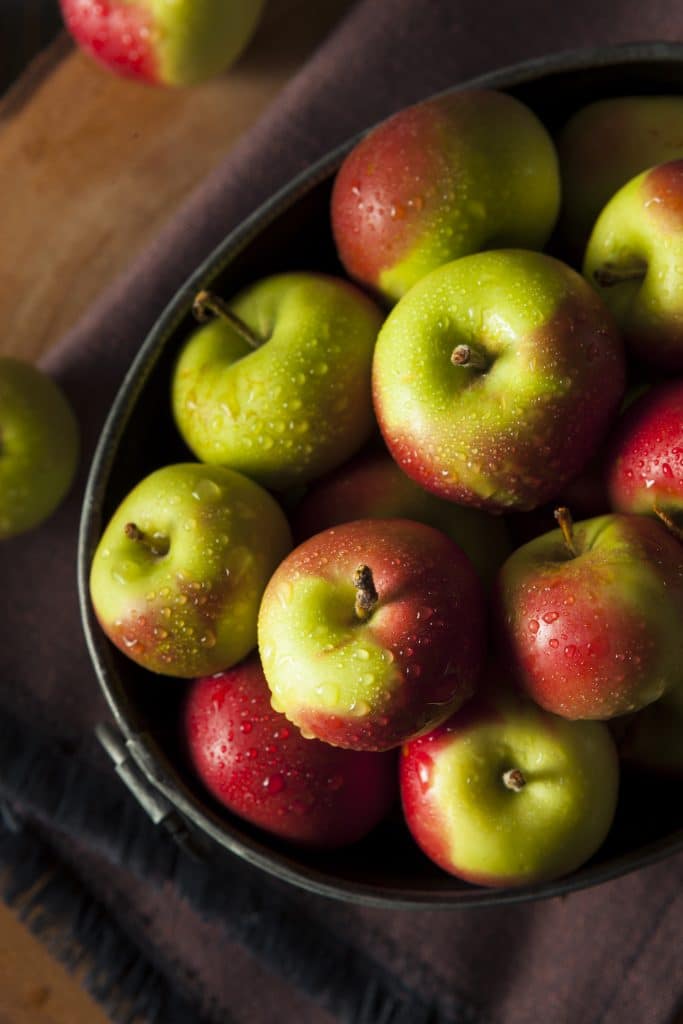
| Apples | 3-pound bag | Lunches, snacks, sliced next to dinner | $4 to $7 |
| Sweet potatoes | 2 to 3 pounds | Baked with chili, roasted on sheet pan night | $3 to $5 |
| Green cabbage | 1 head | The cabbage skillet, a quick slaw for tacos | $2 to $4 |
| Yellow onions | 3-pound bag | Nearly every dinner on the plan | $3 to $5 |
| Carrots | 2-pound bag | Pot roast, soup, sheet pans | $2 to $4 |
| Russet potatoes | 5-pound bag | Pot roast, shepherd’s pie, baked potatoes | $4 to $7 |

And here’s roughly what each week costs me in dinners, so you can see where the money goes before you shop.
| Week | Rough dinner cost for 4 | What drives it |
|---|---|---|
| Week 1: Soup Season Starts | $85 to $125 | The pot roast is the splurge |
| Week 2: The Pantry Week | $55 to $85 | Beans and pantry cans do the work |
| Week 3: Cook Once, Eat Twice | $95 to $140 | Double batches, so you’re buying ahead for week four |
| Week 4: Keep It Light | $50 to $80 | Mostly freezer meals; the holiday meal isn’t included |
All of these prices are rough ranges for dinners only. They swing a lot depending on your store, your region, and what’s in your pantry right now.
When the Plan Falls Apart
It will. Somewhere in the month, a late practice or a fever pushes dinner off the rails, and the meatloaf stays in its wrapper.
On those nights, go to the freezer first, since that’s what my freezer meal system is for. A flat bag of frozen sloppy joe filling goes straight into a covered skillet over low heat, and it’s bubbling at 165°F in about 20 minutes.
Cooking vegetables a day early on purpose helps too. Braised greens and roasted roots hold up beautifully overnight, and I explained my reheating method in the vegetables I cook ahead and reheat.
And if the freezer is empty and nothing’s prepped, the potato and egg hash from my grocery list page is about half an hour from cutting board to plate. A good backup shelf is all frugal foods that cost very little: eggs, potatoes, a can of beans, a bag of rice.
Looking Ahead to December
By the last days of November, I’m thinking a month ahead, mostly about the oven. December is the other expensive month, so I carry the pantry-week habit forward and run one low-cost week before the big grocery trips.
Late November is the time to start the holiday baking that keeps, so the cookie and candy weekend isn’t crammed into one frantic week. My homemade food gifts are a good place to begin.
I also decide what Christmas morning looks like before December gets loud. At our house that means an overnight breakfast pan, and some years it’s the Christmas morning monkey bread I put together the night before.
Questions I Get About Meal Planning a Whole Month
How do you plan a month without wasting food?
I treat skipped dinners as movable, not lost. If Tuesday’s dinner doesn’t happen, it slides into next week’s falls-apart slot when the ingredients will keep, and the meat goes in the freezer when they won’t.
A two-minute fridge check before every store run helps too. It’s the simplest way to avoid buying a second head of cabbage nobody needs.
What if my kids won’t eat soup?
Mine didn’t, at first. I made a smooth, creamy pumpkin soup one year, sure it would be the hit of the season, and my youngest called it baby food and ate crackers instead.
Picky eaters usually do better with brothy soup they can fish things out of, or tomato soup with a grilled cheese for dipping. For the bigger battles, start with the picky eater meals that ended our dinner fights.
What Everyone's Making
25 Fruits and Veggies That Make Vegan Cooking Cheaper Than You’d Think →
About how much does a month like this cost?
For dinners for four, my rough math lands somewhere around $285 to $430 for the month. That doesn’t count breakfasts, lunches, or the holiday meal, and your store will change it.
If you want to see how that fits your monthly budget, plug your numbers into this simple budget calculator. Seeing food next to every other bill makes the grocery number feel a lot more real.
Can I swap weeks around?
Yes, and you should if your paycheck lands mid-month. Run the pantry week right before payday, when the account is thinnest.
The only pair I keep in order is three and four, since the freezer meals from one feed the other.
What do I do with the leftovers?
Most of them become lunch the next day. Anything that won’t get eaten within three days gets portioned into labeled storage containers and frozen, because a mystery container in the back of the freezer is just slower trash.
The odds and ends go into fried rice or a skillet hash. Older generations were great at this, and this list of things grandmothers never threw away still gives me ideas.
What’s on My Stove This Sunday
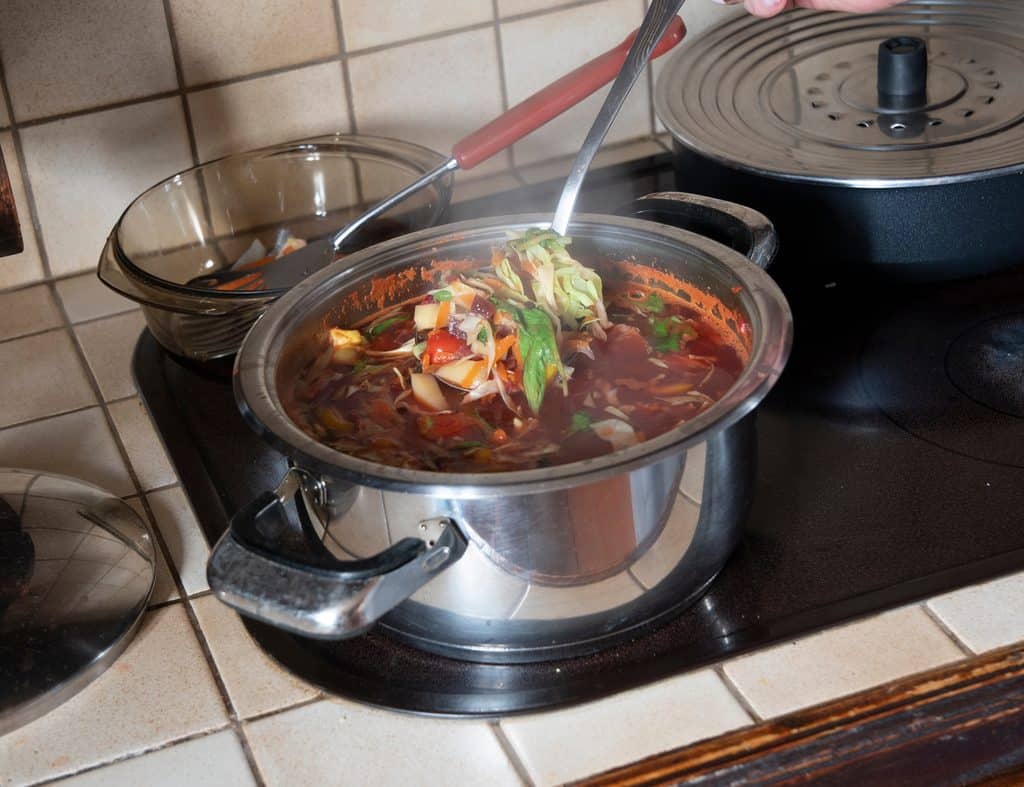
I’m starting right where week one starts: a pot roast in my heavy soup pot after lunch on Sunday, and soup the next night. The month doesn’t have to go perfectly. It just has to start.
If you only borrow one night from this plan, borrow soup night. Your next read is the soup list my family keeps asking me to make, so pick one and put it on Monday.
And if you grew up on dinners like these, you’ll probably smile at this look back at the cheap dinners kids still remember.