
How I Prep and Store Fruits and Veggies the Minute I Get Home (And How Long Each One Lasts)
My groceries don’t go straight into the fridge anymore. They land on the counter first, because I learned the hard way that whatever I don’t prep in the first few minutes home usually rots in the crisper drawer a week later, untouched.
It sounds like extra work at the worst possible moment, when all I want is to put the bags down and sit. But that little stretch at the counter is the reason my kids eat more produce now, and it’s what keeps my Sunday meal planning system from falling apart by Wednesday.
This is my whole routine for the 21 fruits and vegetables I buy most: how I prep each one, where it goes, and about how long it lasts in my kitchen. There’s a storage chart for all of them further down, plus my 30-minute Sunday version for the weeks I do it all at once.
The Rules My Counter Runs On
I work from the quick jobs to the actual knife work. Herbs go in water and tops come off first, then the crunchy stuff gets cut, then the greens get washed and dried, and the dinner vegetables come last while the cutting board is already out.
The biggest rule is about water. I rinse produce right before I cut it or eat it, not before it goes into storage for the week, because damp fruit and greens sitting in a sealed container are how mold and slime get started.
So anything I’m cutting today gets rinsed today, right before the knife. Berries stay dry and unwashed until someone’s about to eat them, and every cut thing goes into the fridge, never left sitting on the counter.
The other rule is buying what I’ll actually use. Half of my produce waste used to come from the bigger bag that seemed like a better deal, which is a big part of how I keep my grocery bill from creeping up. And when I get home missing something a recipe needed, I check my ingredient substitution finder before I even think about a second trip.
Berries: Dry Is the Whole Trick
Strawberries
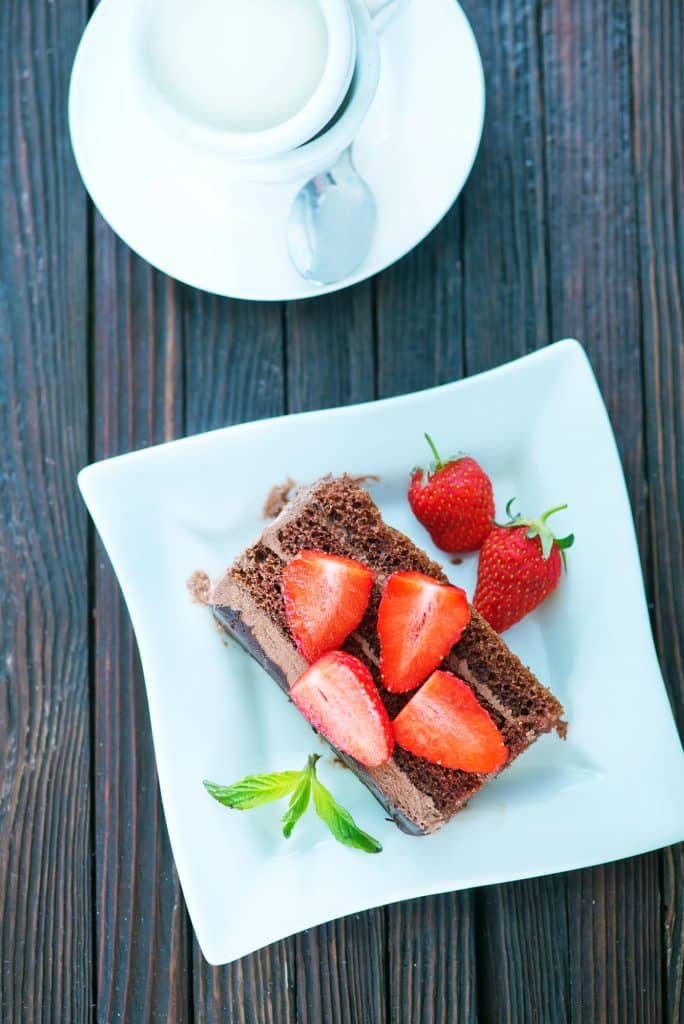
Strawberries used to get hulled and rinsed the minute I walked in, and I’d find fuzzy ones two days later. Now they get sorted instead.
I tip the container out onto a clean towel, pull anything bruised or soft, and put the rest back dry in a container lined with a paper towel. They get rinsed and hulled right before we eat them, and that one change buys me a few extra days most weeks.
Mine get eaten by the handful from a bowl, so I rinse one bowlful in the morning and the rest waits its turn.
Raspberries
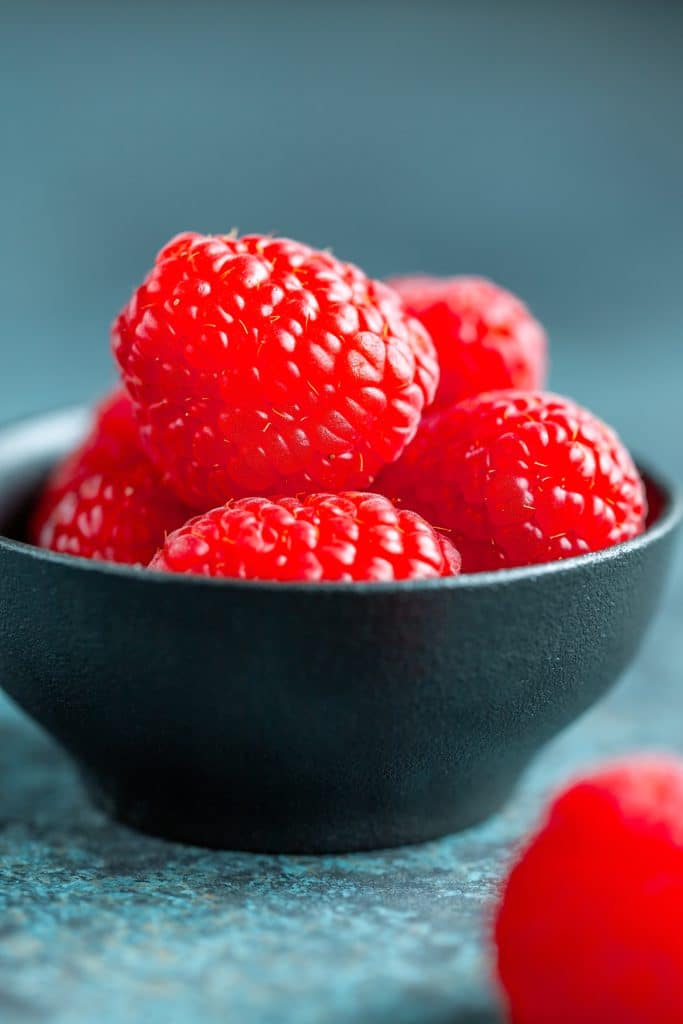
Raspberries are one of the most fragile things I bring home, so they get checked before the bags are even empty. One leaking berry can spread mold to its neighbors within a day.
Same rule as the strawberries: no rinsing until right before serving. I spread them in a single layer in a shallow container with a paper towel underneath, so they aren’t crushing each other at the bottom.
If a package looks even a little questionable at the store, I leave it on the shelf. These cost too much to lose two days after I buy them.
Blueberries are the easy one. They stay unwashed and dry in the fridge, and they hold up longer than the other berries I buy, often a week or more.
Any I won’t get through go onto a sheet pan in the freezer, spread out so they don’t touch, then into a bag once they’re hard. That loose-freeze trick is all over my freezer meal guide because it works on so many fruits.
I also keep a small container of blueberries on the low fridge shelf where my kids can reach it, one of the little habits from how I finally ended our dinner fights. Snacks they can grab themselves actually get eaten.
Melons and Citrus: Cut It Now or Leave It Alone
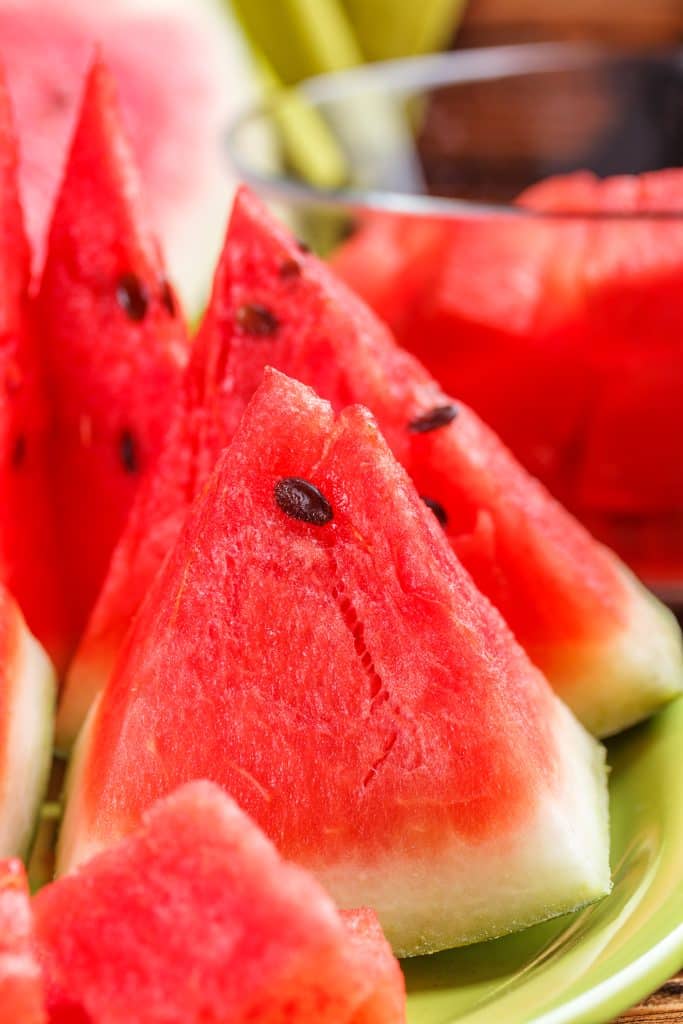
Watermelon
A whole watermelon takes up half my fridge, so it gets cut the day it comes home. I rinse the outside first, cut the rind off, slice the fruit into planks, and cube the planks.
It’s maybe five extra minutes. In return nobody at my table ever wrestles a rind, and the cubes keep for several days as long as I don’t pack the container so tight that the bottom layer gets crushed.
This is the one fruit I never have to talk anybody into. It disappears, usually before I get a piece.
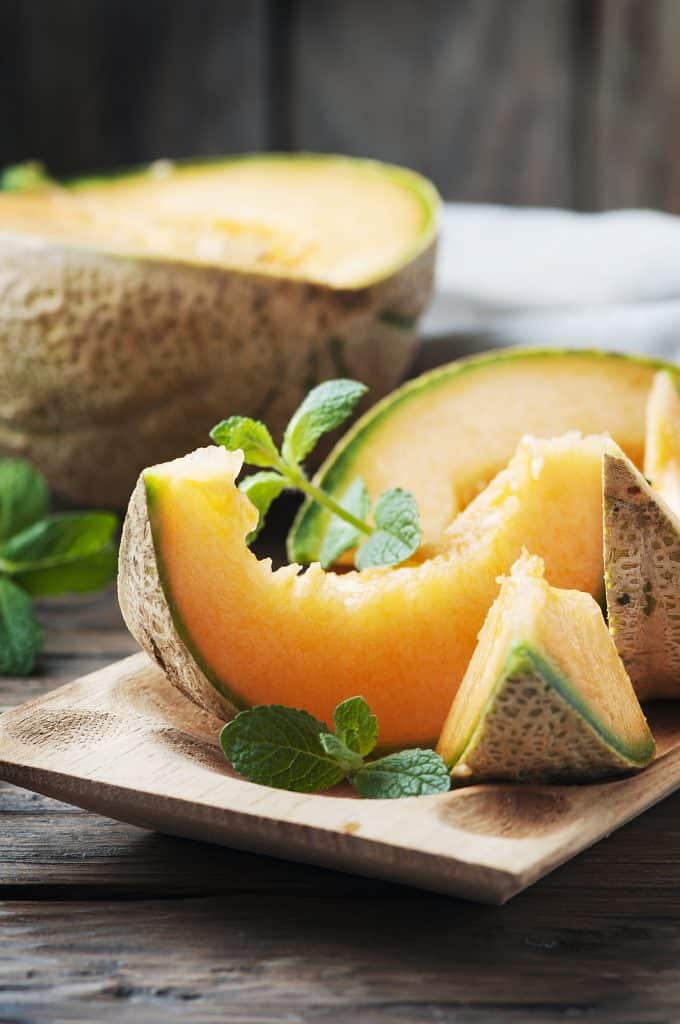
Cantaloupe, Which I Stopped Cutting Ahead
Here’s my unpopular opinion: pre-cut cantaloupe isn’t worth it in my house. I cubed it on grocery day for years like everything else, and it went soft and watery within a day or two, sometimes leaking right through the lid.
Now I leave it whole on the counter until it smells sweet at the stem end, then cut it when someone actually wants some. Before I cut, I scrub the bumpy rind with a clean produce brush under running water, because the knife drags whatever is on the outside straight through the fruit.
Leftover cut cantaloupe goes into the fridge and gets eaten within a couple of days. Nobody has ever asked me for a second bowl of the pre-cut stuff, so I finally stopped pretending they would.
Grapefruit gets the lightest touch of anything here. I rinse it, slice one in half the day I buy it, run a small knife around the inside edge to loosen the sections, and wrap the halves for the fridge.
A whole grapefruit sitting on the counter never gets eaten in my house. My husband will happily eat a half with a spoon standing at the counter, but only if someone else already did the cutting.
Crunchy Vegetables I Turn Into Snack Sticks
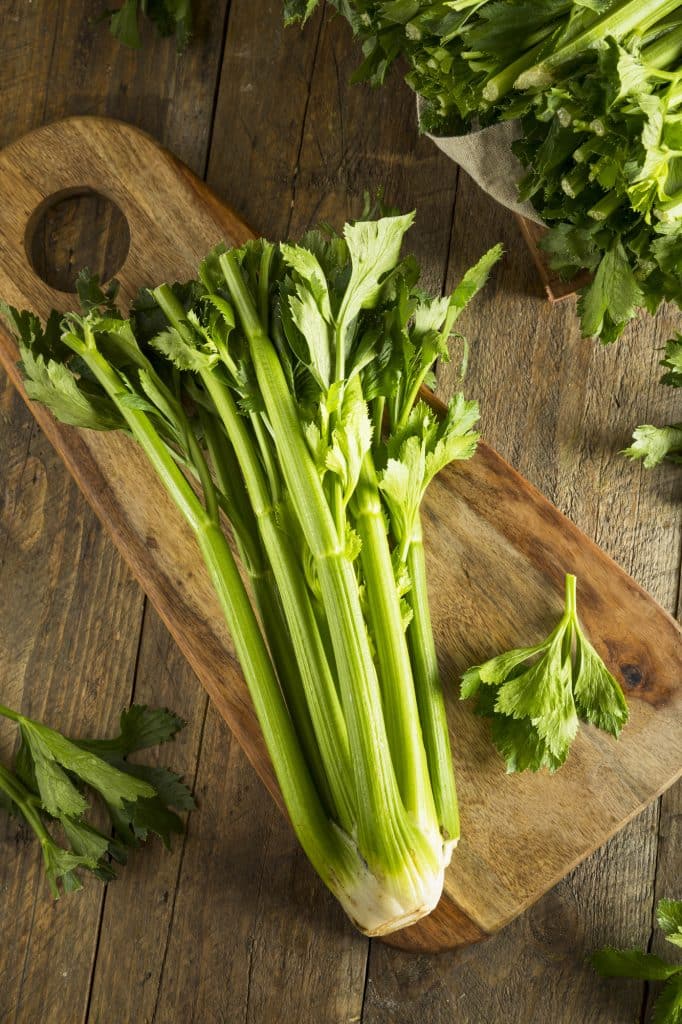
Celery
Celery gets rinsed, cut into sticks, and dropped into a container of cold water in the fridge the day I buy it. That water is the only reason it snaps instead of bends by day three.
I change the water every couple of days, and a bunch stays usable for close to two weeks that way. Without it, I get about five days before it goes limp.
My kids will eat celery with something to dip it in, never plain. That’s exactly why the dip recipe further down exists.

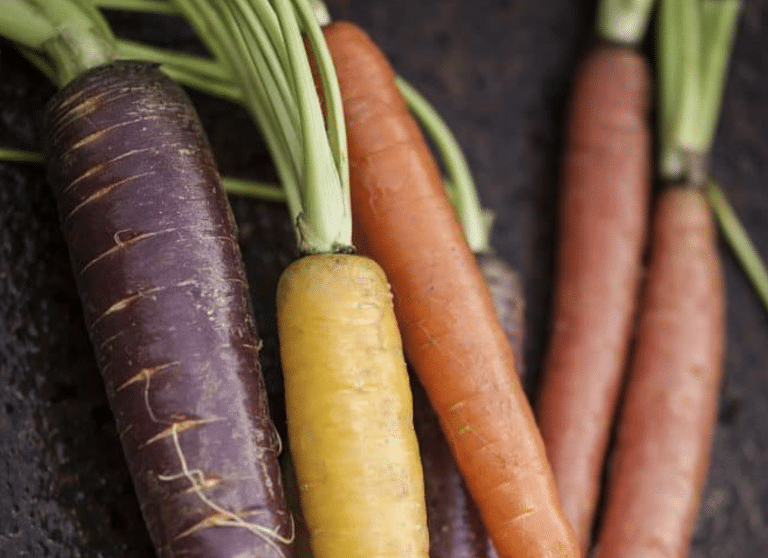
Carrots
The first thing I do with carrots is twist off the green tops, even on days I’m not cutting them. The greens keep pulling moisture out of the root, and taking them off buys several extra days.
Then I rinse, peel, and cut them into sticks and give them the same cold-water container as the celery. Pre-cut carrot sticks are a regular in the school lunches my kids actually eat, and they go into the lunch bag all week without a single complaint.

Bell Peppers
Peppers get rinsed, cored, and sliced into strips, then split between two containers. One is for snacking and one is for whatever dinner I’m making that week, so I’m not coring a pepper at six o’clock with someone hanging on my leg.
My kids eat the red, yellow, and orange ones plain and leave the green ones on the plate every time. So the sweet colors go in the snack container and the green ones go in the cooking one.
If a container of strips is about to turn, I lay them flat on a sheet pan in the freezer and bag them once they’re firm. They won’t be crisp after, but they’re perfect for stir-fries and the fried rice below.
From My Kitchen
23 Vegetables That Turn One Pot of Soup Into a Whole Week of Dinners →
"This is the one I make on repeat once it gets cold out."
Cucumbers get rinsed and sliced into rounds with the peel on, because a whole cucumber sits untouched for a week while a container of slices is gone in two days. I keep the slices in a loose layer with the lid cracked a little, since packed tight they sweat and go soft.
Radishes lose their tops the minute I’m home, for the same reason as carrots. Rinsed, dried well, and stored without the greens, they keep for well over a week, which surprised me the first time I tried it.
Radishes are strictly a me food, by the way. My kids won’t go near them, and I’ve stopped trying to sneak them into things.
Greens and Herbs, the Ones That Go Slimy First

Spinach
Spinach is one of the fastest things in my fridge to turn, so it gets picked over right away. Any wet, bruised, or dark leaves come out, and the rest goes into a container lined with a paper towel that I swap if it gets damp.
When I know we won’t get through a whole bag, I wilt part of it in a skillet with a little butter and freeze it in small portions. Those portions drop straight into the soups my family asks for all fall and winter without ever needing to be fresh again.
I’ve thrown away more bags of spinach than I want to admit. That alone is why I bother now.

Romaine Lettuce
Romaine gets washed, dried, and chopped on grocery day, and I’m fussy about the drying part. I run it through the salad spinner twice, because leftover water on the leaves is what actually wilts lettuce, not time.
The chopped lettuce goes into a container with a paper towel on the bottom and another on top. Having it ready is the only reason we eat salad on weeknights at all.
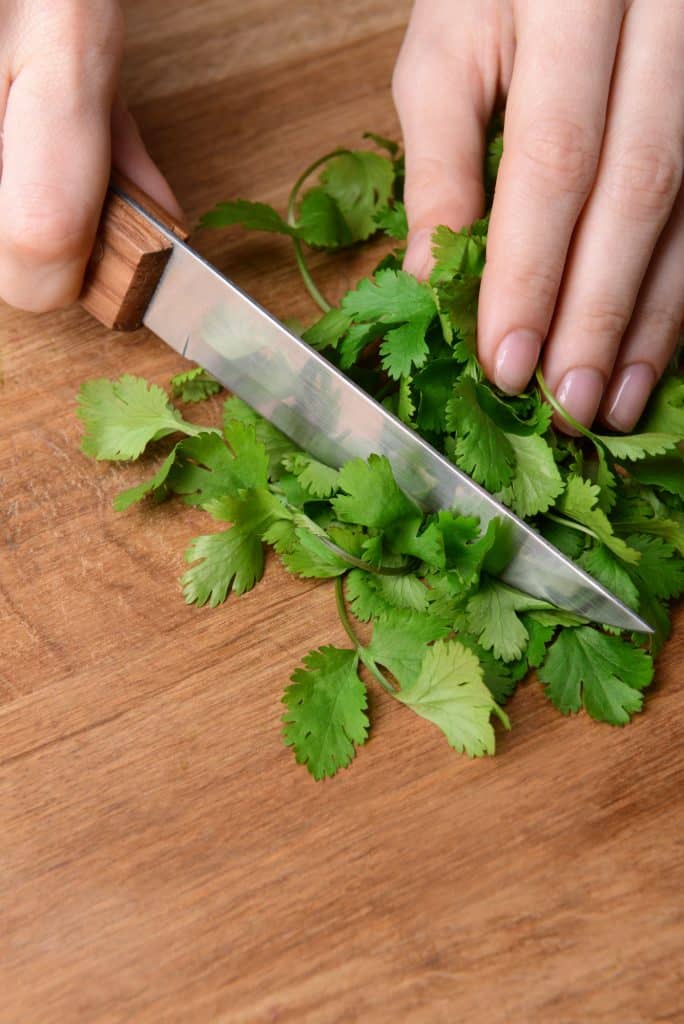
Cilantro
Cilantro gets its stems trimmed and goes into a jar with an inch of water, like a tiny bunch of flowers. The jar sits in the fridge door with a plastic produce bag tented loosely over the top, and it lasts a week or more instead of turning to slime in a few days.
I trim the stems and change the water every few days. Half my family loves cilantro and the other half swears it tastes like soap, so it stays a topping instead of going into everything.
Kale is the sturdy one in this group. I rinse it, strip the leaves off the tough stems, tear it up, and dry it well, and it holds for close to a week.
Arugula is the opposite. It wilts faster than almost anything I buy, so it gets the paper towel treatment, gets used within a couple of days, and I only buy the small container because the big one always ends up in the trash.
Scallions get rinsed, trimmed, and sliced, with the white parts and the green parts in separate little containers. The whites go into the pan early and the greens go on top at the end, so I’m never chopping mid-recipe.
The Dinner Vegetables I Get Ready for the Week

Mushrooms
Mushrooms never go under running water at my sink. They soak it up and turn slippery, so I wipe each one with a damp paper towel and then slice them.
You'll Want This Too
Sliced mushrooms go into a paper bag in the fridge instead of the plastic container they came in, because plastic makes them sweat and darken fast. They’re the last job before the counter finally gets cleared.
My youngest picks them out of anything they land in, without fail. I’ve made peace with it.
Broccoli gets rinsed and cut into florets, and I keep the stems too. Peeled and sliced thin, they cook right alongside the florets, and nobody at my table has noticed in years.
Roasted is the only broccoli my kids reliably eat, which is why it keeps showing up on my list of fruits and veggies I always roast instead of steaming. Steamed, it gets pushed to the edge of the plate and left there.
Cauliflower gets rinsed and broken into florets the same day, partly just to free up fridge space. I boiled it for years and wondered why it tasted so sad, and it’s high on my list of vegetables I finally learned to cook.
Green beans get rinsed and their ends trimmed all at once, standing at the sink while something else is cooking. If I’ve bought more than we’ll eat in a few days, I blanch them for two minutes, chill them in ice water, dry them, and freeze them, and they keep their color and snap far better than beans I’ve frozen raw.
With the beans trimmed and the peppers already sliced, half the work of a sheet pan dinner is done before the oven is even hot.
My Prep and Storage Chart for All 21
This is the chart I’d tape inside a cabinet if I were starting over. The times are what I see in my own fridge, so treat them as rough ranges.
| Produce | How I prep it | Where I store it | About how long it lasts |
|---|---|---|---|
| Strawberries | Sort out soft ones; rinse and hull right before eating | Fridge, dry, paper-towel-lined container | 3 to 5 days |
| Blueberries | Pick out stems and soft ones; rinse right before eating | Fridge, dry container, or frozen loose | About 1 to 2 weeks |
| Raspberries | Pull soft ones right away; rinse right before eating | Fridge, single layer on a paper towel | 2 to 3 days |
| Grapefruit | Rinse, halve, loosen the sections | Fridge, halves wrapped | 2 to 3 days once cut |
| Watermelon | Rinse the rind, cut it off, cube the fruit | Fridge, loosely packed container | 3 to 5 days |
| Cantaloupe | Leave whole; scrub the rind and cut when wanted | Counter while whole, fridge once cut | 2 to 3 days once cut |
| Celery | Rinse, cut into sticks | Fridge, container of water changed every couple of days | Up to about 2 weeks |
| Carrots | Twist off tops, rinse, peel, cut into sticks | Fridge, container of water | About 1 to 2 weeks |
| Cucumbers | Rinse, slice into rounds | Fridge, loose layer, lid cracked | 3 to 5 days |
| Bell peppers | Rinse, core, slice into strips | Fridge, snack and cooking containers | 4 to 5 days; a few months frozen |
| Radishes | Remove tops, rinse, dry well | Fridge, dry container | About 1 to 2 weeks |
| Romaine lettuce | Wash, spin dry twice, chop | Fridge, paper towel top and bottom | 4 to 6 days |
| Kale | Rinse, strip stems, tear, dry | Fridge, dry container | 5 to 7 days |
| Spinach | Pick over; wilt and freeze extra | Fridge, paper-towel-lined container | 3 to 5 days fresh |
| Arugula | Pick over, keep dry | Fridge, paper-towel-lined container | 2 to 3 days |
| Scallions | Rinse, trim, slice; whites and greens apart | Fridge, two small containers | About 5 to 7 days |
| Cilantro | Trim stems, stand in water | Fridge door, jar with a loose bag over it | About 1 to 2 weeks |
| Broccoli | Rinse, cut florets, peel and slice stems | Fridge, towel-lined container | 3 to 5 days |
| Cauliflower | Rinse, break into florets | Fridge, towel-lined container | 4 to 7 days |
| Green beans | Rinse, trim ends; blanch extra to freeze | Fridge container, or frozen | 4 to 5 days fresh |
| Mushrooms | Wipe clean, slice | Fridge, paper bag | 2 to 4 days sliced |
These are rough ranges, and they depend on how fresh the produce was at the store and how cold your fridge runs. Anything slimy, moldy, or off-smelling goes in the trash no matter what the chart says, and cut produce never sits out more than 2 hours.
What Stays on the Counter
Not everything needs the fridge right away. At my house, a whole cantaloupe stays on the counter until it smells ripe at the stem end, and a whole watermelon can sit out for a few days when the fridge is packed.
The rule I follow is simple. Whole and uncut can sometimes stay out, but once a knife has been through it, it’s a fridge food.
I keep the counter fruit in one spot away from the stove and the sunny window, so I can see at a glance what needs eating. If I can’t see it, I forget it, and then I’m composting it.
The fruit that lives out there full time, the stuff my kids grab instead of a bag of snacks, has its own page: the fruits I keep on the counter.
Go Deeper
Starting Plant-Based Without Starting a Family Rebellion: My Gentle-Ramp Guide →
"No overhaul, just one swap at a time."
How I Pick Produce at the Store
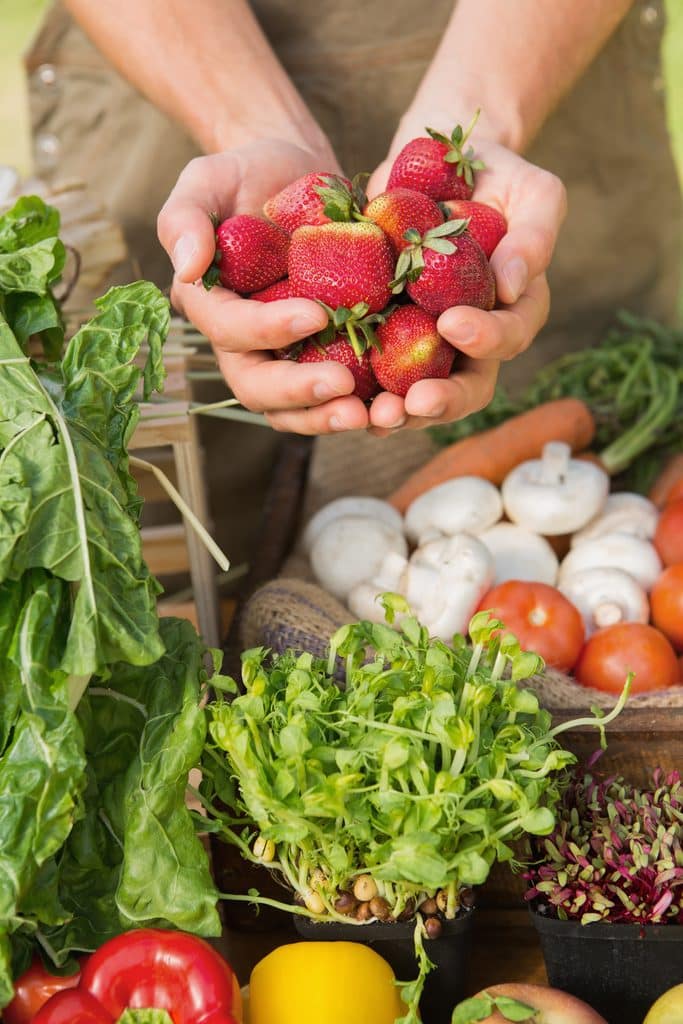
The prep routine only works if what I bring home starts out in decent shape. I flip every berry container over before it goes in the cart, because mold and juice stains show up on the bottom first.
For the crunchy vegetables, I give a gentle squeeze. Celery, cucumbers, and peppers should feel firm, and scallions and cilantro should look perky, not wilted or yellow at the tips.
Mushrooms should look dry, not wet or slick, and a grapefruit should feel heavy for its size. With greens, I grab the size I’ll finish this week, even when the bigger one costs less per ounce.
Two Recipes That Empty the Prep Containers
These are the two things I make most when the containers start piling up. One uses up the dinner vegetables, and the other is the dip that gets my kids through a whole container of celery and carrot sticks.

Clean-Out-the-Containers Vegetable Fried Rice
Serves: 4 | Prep: 15 minutes | Cook: 15 minutes
Cold, day-old rice is the secret here, since fresh rice turns gummy in the pan. If I’m feeding extra people, I run the amounts through the recipe scaler and cook it in two batches so the skillet isn’t crowded.
Ingredients
- 2 tablespoons neutral oil, divided
- 3 large eggs, beaten
- 1 cup carrot sticks, diced small
- 1 cup broccoli florets and sliced stems, chopped small
- 1/2 cup trimmed green beans, cut into 1-inch pieces (fresh or frozen)
- 1 cup bell pepper strips, cut into bite-size pieces
- 4 scallions, sliced, whites and greens kept separate
- 2 garlic cloves, minced
- 1 tablespoon butter
- 3 cups cooked white rice, chilled overnight
- 3 tablespoons soy sauce, plus more to taste
- 1 teaspoon toasted sesame oil
- 1 cup diced cooked chicken (optional)
Instructions
- Heat 1 tablespoon of the oil in a 12-inch nonstick skillet over medium heat. Add the eggs and scramble until just set, then move them to a plate.
- Add the remaining 1 tablespoon oil and turn the heat to medium-high. Add the carrots, broccoli, and green beans and cook, stirring often, for 4 to 5 minutes, until crisp-tender.
- Add the bell peppers, scallion whites, and garlic and cook 1 to 2 minutes more, until the garlic smells fragrant.
- Add the butter and the rice, breaking up any clumps. Press the rice into an even layer and let it sit 2 minutes without stirring so the bottom crisps, then stir and repeat, about 6 minutes total, until the rice is hot all the way through.
- If using the chicken, stir it in and cook until it reaches 165°F.
- Stir in the soy sauce and the scrambled eggs, breaking the eggs into pieces. Turn off the heat, add the sesame oil and scallion greens, and taste for more soy sauce.
- Refrigerate leftovers within 2 hours and use within 3 to 4 days. Reheat in a skillet or microwave until it reaches 165°F in the center.
Garlic Dill Yogurt Dip for the Snack Sticks
Makes: about 1 1/2 cups (serves 6) | Prep: 10 minutes | Chill: 30 minutes
I tried an all-yogurt version once to make it “healthier,” and my kids took one bite and went right back to asking for the bottled stuff. The bit of mayonnaise is what gets them dipping, so the mayonnaise stays.
Ingredients
- 1 cup plain whole-milk Greek yogurt
- 1/3 cup mayonnaise
- 1 tablespoon fresh lemon juice
- 1 small garlic clove, finely grated
- 1 tablespoon chopped fresh dill (or 1 teaspoon dried)
- 1 tablespoon thinly sliced scallion greens
- 1/2 teaspoon onion powder
- 1/2 teaspoon salt
- 1/4 teaspoon black pepper
- 1 to 2 tablespoons milk, if needed
Instructions
- Stir the yogurt, mayonnaise, lemon juice, and garlic together in a medium bowl until smooth.
- Stir in the dill, scallion greens, onion powder, salt, and pepper.
- If it’s too thick for dipping, thin it with milk, 1 tablespoon at a time.
- Cover and chill for at least 30 minutes so the garlic and dill mellow into the yogurt.
- Keep covered in the fridge for up to 4 days and stir before serving. Don’t leave it out more than 2 hours.
My 30-Minute Sunday Produce Prep
Some weeks I prep as I unpack. Other weeks the bags sit while I deal with everything else, and on those weeks I do it all on Sunday afternoon with a timer on the counter.
And some Sundays it just doesn’t happen. When that’s the case, I at least get the herbs into water and the berries sorted, because those are the ones that won’t wait for me.
Before the timer starts, I clear the counter and set out two clean towels, a stack of containers, a couple of jars, and a paper bag. Having everything out first is what keeps it at 30 minutes instead of an hour.
| Minutes | What I do | Why it goes in this order |
|---|---|---|
| 0 to 5 | Herbs into jars, tops off the carrots and radishes, sort the berries | These lose quality fastest while they sit in the bag |
| 5 to 15 | Rinse and cut celery, carrots, cucumbers, and peppers | The water containers go straight into the fridge |
| 15 to 22 | Wash and spin the greens, strip the kale, slice the scallions | Greens need drying time, and they get it while I cut the next thing |
| 22 to 30 | Broccoli and cauliflower florets, green bean ends, wipe and slice mushrooms | Dinner vegetables go last while the board is already messy |
A whole watermelon adds about 10 minutes, and I do it at the very end. These times are what a normal week takes me, not a race.
What Everyone's Making
25 Fruits and Veggies That Survived My Pickiest Eater Phase →
The order matters more than speed. Quick jobs first, cutting in the middle, and anything that needs drying sits on the towel while my hands are busy with the next thing.
This is one of the few time savers I still use every single week. The payoff shows up by Wednesday, when dinner starts with opening containers instead of opening bags.
Broccoli stems I won’t use, carrot peels, and scallion ends from a session go into a freezer bag for broth later, one of those weird frugal habits that turns out to make a lot of sense.
Questions I Get About Prepping Produce
Should I wash all my produce as soon as I get home?
I don’t. I rinse things right before I cut or eat them, so the only produce that gets washed on grocery day is whatever I’m cutting that same day.
Berries and anything going into storage whole stay dry until it’s time to eat them. I use plain cool running water, no soap, and a brush for melons and anything with a firm skin.
How long does cut produce last in the fridge?
Most cut fruits and vegetables last somewhere between 2 days and a week for me, with celery and carrot sticks in water lasting longest. The chart above has my rough range for each one.
Cut produce always lives in the fridge. If it’s slimy, moldy, or smells off, I toss it, no matter what day it is.
How do I freeze produce I won’t get to in time?
Berries and pepper strips go onto a sheet pan first so they freeze loose, then into a bag. Spinach gets wilted first, green beans get blanched for two minutes, and everything gets labeled with the date.
Frozen produce won’t be crisp again, so I save it for smoothies, soups, stir-fries, and baking. For more on what holds up in the freezer, I like this rundown of frozen foods worth keeping around.
Is pre-cut produce from the store worth it?
Sometimes, on a truly awful week. But I usually pay noticeably more for the same amount of food, and anything cut days ago at the store has already used up part of its fridge life before it ever reaches mine.
Fifteen minutes at my own counter usually wins. When people run the real math on frugal habits, paying someone else to hold the knife is one of the easier costs to cut.
Do scallions really regrow in water?
They do in my kitchen. I stand the trimmed root ends in a cup with about an inch of water on a sunny windowsill, change the water every couple of days, and snip new greens in about a week.
I get a couple of rounds before they turn thin and tired. It’s the same idea behind a lot of foods you can regrow from scraps, and my kids treat it like a science project.
Fifteen Minutes at the Counter, Then Sit Down
None of this takes as long as it sounds. Once the order is in your head, it adds about fifteen minutes to unpacking groceries, and those fifteen minutes are the difference between eating the spinach and throwing it out.
If you only try one thing, start with whatever goes bad fastest in your own fridge. For me it was spinach, and once I had that one handled, the rest followed.
And when something slips past the routine anyway and starts to wrinkle, my list of fruits and veggies I turn into something new before they go bad is where I’d go next.