How I Keep My Grocery Bill From Exploding (The Budget List I Actually Shop)
My grocery receipt used to be something I read in the parking lot with one eye closed. Now I shop for the same hungry family week after week, and I know exactly which things earn a spot in my cart and which ones just eat the budget.
This is how I do it: how I build the list, how I walk the store, and the 37 things I buy over and over because they stretch the furthest. Most of them are the same staples I leaned on when I was building my pantry from scratch, so if your shelves are bare right now, start there and come back.
Prices bounce around by region and by week, so treat every number on this page as a ballpark, not gospel. The stretch is the part that holds steady, and the stretch is where the money gets saved.

How I Build My List Before I Ever Grab a Cart
The list starts at my kitchen table, not in the store. I open the fridge, look at what needs to get eaten first, and write down four or five dinners that use it up, which is the same Sunday habit behind my meal planning system for real families.
Some weeks that sit-down happens with coffee and a pen. Other weeks it’s me in the parking lot typing dinners into my phone, and the list still works.
Then I write the staples first and the nice-to-haves last. Every dinner on my list leans on at least two things from the 37 below, so the cart fills with food that can become a different meal if plans fall apart midweek.
When a recipe feeds six and I’m feeding four, I run it through the recipe scaler before I write down quantities. That one step stopped me from buying a second package of meat “just in case,” which was a sneaky leak in my budget for years.
If a recipe calls for something I don’t keep, I check the ingredient substitution finder before it goes on the list. Half the time I already own something that works.
My one rule, and I’m stubborn about it: if I can’t name two meals an item will go into, it doesn’t go in the cart.
Produce That Survives a Real Week
I walk produce first, and I buy it for the cook I am on a Tuesday night, not the one I imagine I’ll be. Most of my wasted money in the early years was produce for ambitious meals that never happened.
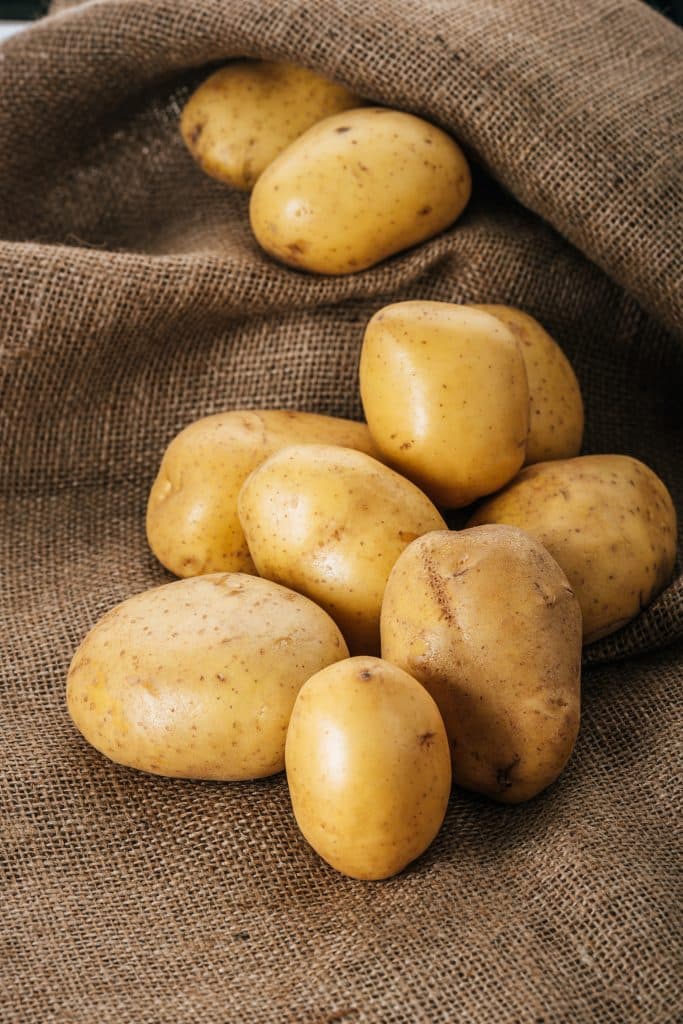
Potatoes
Nothing in my cart buys more dinner for less money than a big bag of potatoes. A 10-pound bag usually lands between $5 and $8 for me, which covers five or six dinners as a side, or about three where potatoes are the main event.
I grew up on potatoes three nights a week in the 90s, and I’m still not tired of them. They live in a paper bag in my coolest, darkest cabinet, away from the onions, because onions make them sprout faster.
Leftover baked potatoes turn into breakfast hash the next morning with whatever eggs and cheese are in the fridge.
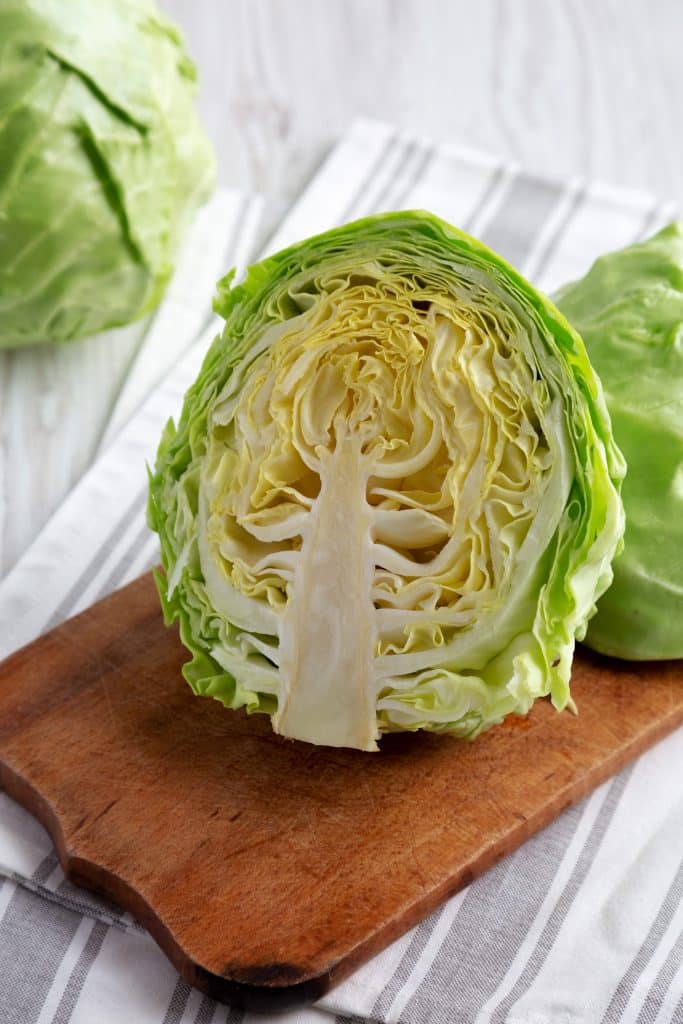
Green Cabbage
Nobody puts cabbage on a dream grocery list, but nobody else is paying my grocery bill either. A head usually costs $2 to $4, priced by the pound, and I can get slaw, a stir-fry, and a pot of soup out of one.
Left whole in the crisper, it often keeps for several weeks. Half a head shredded into one of the soups my family asks for over and over is how I stretch the last week of the month.
I peel off the wilted outer leaves as I go, and the inside stays crisp for the next meal.
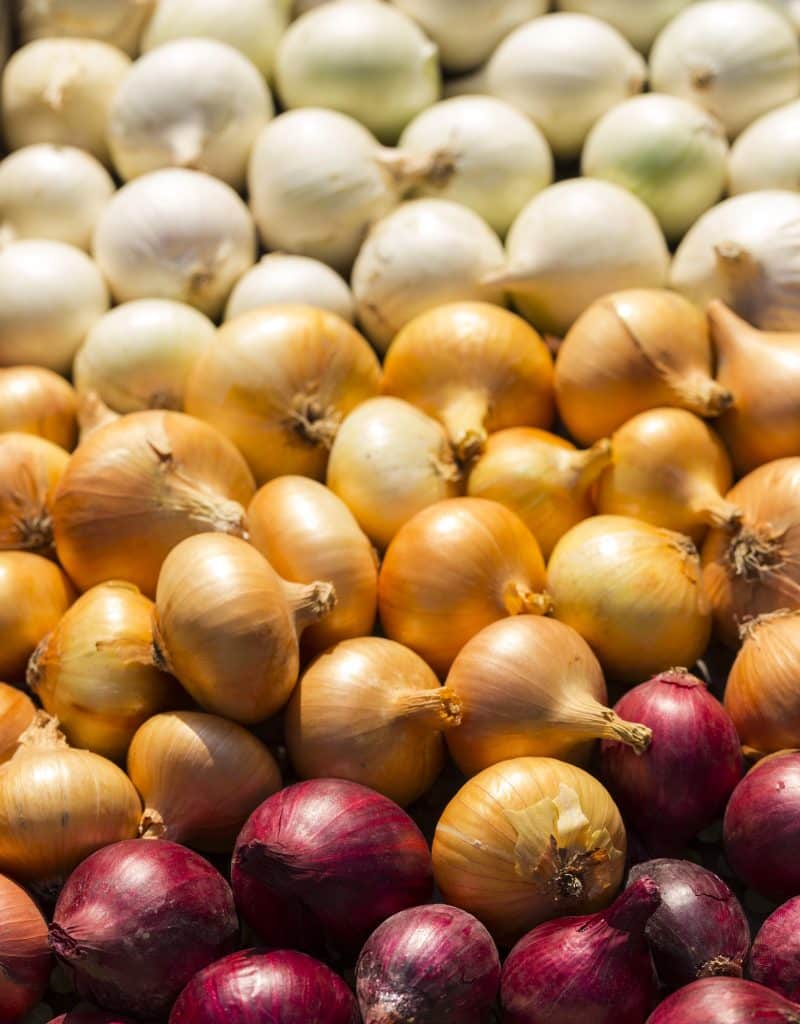
Yellow Onions
Almost every savory thing I cook starts with an onion hitting butter in a pan. A 3-pound bag usually runs me $3 to $4 and lasts about a week and a half, which works out to pennies a dinner.
Yellow is my default because they cook down sweeter and cost less than red or sweet onions. They go in a mesh bag where air can move, since a closed plastic bag traps moisture and turns them soft.
On Sundays I dice two at once and keep the extra in a covered container, so the first weeknight dinner starts one step ahead.
The rest of my produce list is short and boring on purpose. Bananas, about $1.50 to $2 a bunch, vanish faster than any other fruit, and I break the bunch apart as soon as I get home so they ripen slower.
Carrots come in a 2-pound bag for roughly $2 to $3, because baby carrots usually cost noticeably more per pound for the same vegetable. Apples come in a 3-pound bag, usually $4 to $6, and most of them live in the crisper while a few sit on the counter for grabbing.
Garlic comes home by the head, never as a jar of pre-minced, which tastes flat and a little sour to me. Lemons, around 50 cents to $1 each, fix more boring dinners than a whole shelf of bottled sauces, and I zest every one before I squeeze it.
When something does go soft, it doesn’t go in the trash. Spotty bananas go into Saturday pancakes, bendy carrots firm back up overnight in a jar of cold water, and the rest of my rescue tricks live in my guide to cooking vegetables my family actually eats.
Storage matters just as much as buying smart, and how I prep and store produce is the reason most of my fruit makes it to the end of the week.
Protein Without the Panic
Meat is where a grocery bill explodes, so this is the section where I’m the most careful. My trick isn’t buying less protein, it’s buying protein that stretches.
Lean Ground Beef
Beef costs more than anything else on my list, and it’s also the one my husband would riot over if I cut it. Lean ground beef has been running about $5 to $7 a pound for me lately, and the family pack usually saves a dollar or so per pound.
I split that pack into one-pound portions at home and freeze each one flat in a freezer bag, pressed thin. A flat pound thaws in about an hour in a bowl of cold water instead of a whole night in the fridge. I change the water every 30 minutes so it stays cold, and I cook the beef right away once it’s thawed.
One pound feeds my family once on its own, or twice when I stretch it with lentils, which is exactly what the taco recipe further down does.
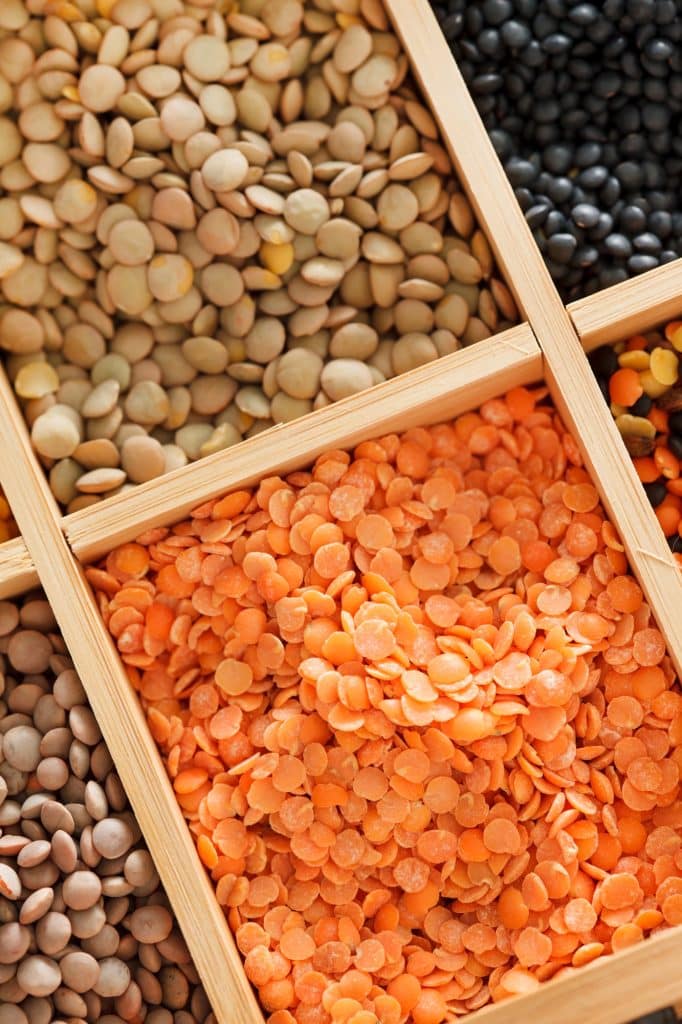
Dried Lentils
When the meat budget runs thin, lentils are what I reach for. A 1-pound bag usually costs $1.50 to $2.50, needs no soaking, and cooks from dry in about 20 to 25 minutes.
Brown and green lentils hold their shape for tacos and salads, while red ones melt into soup and thicken it. I rinse them and pick through for tiny stones, which I have found more than once, so please don’t skip that.
If you’re easing your family toward more meatless meals, my gentle approach to eating more plants starts with exactly this kind of half-and-half swap.
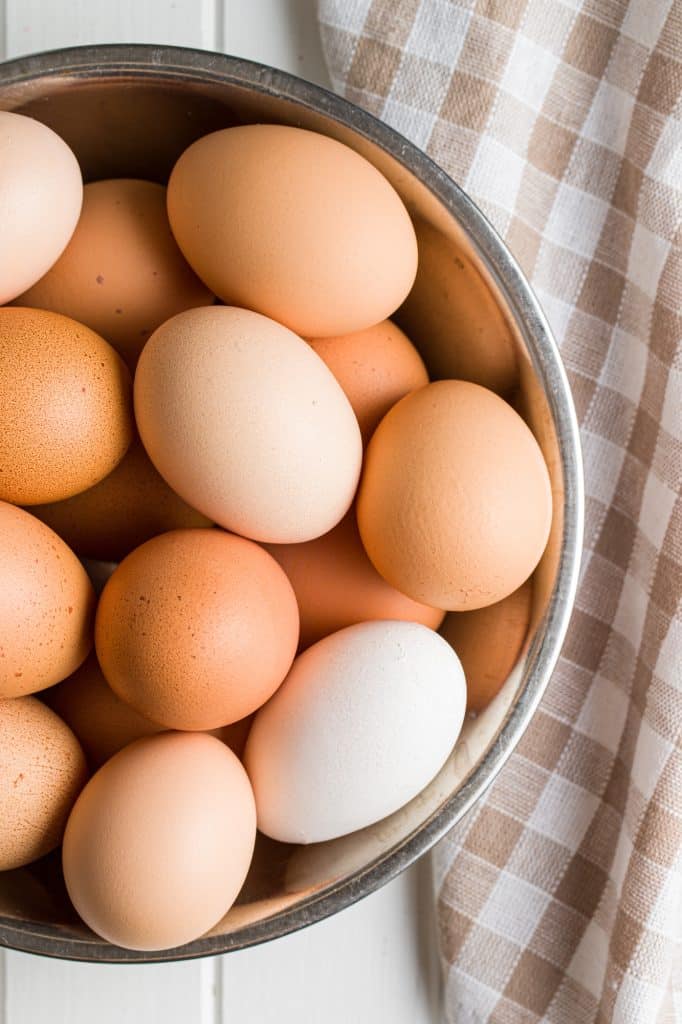
Eggs
Egg prices have been all over the place the last few years, and even at their worst, eggs stayed on my list. A dozen has ranged from about $3 to well over $5 in my area depending on the month, and the bigger packs at the warehouse club usually win per egg.
Two dozen get us through a week of breakfasts and baking. To check an older egg, I set it in a bowl of water: if it sinks and lies flat, it’s fresh, and if it floats, it’s done.
Breakfast for dinner, scrambled eggs and toast, is still the cheapest dinner I make all week.

Smoked Sausage
Smoked sausage gives me more flavor per dollar than anything else in the meat case, and it comes fully cooked. One package usually runs $4 to $6, and a single rope stretches across a whole sheet pan of potatoes and peppers.
That stretch is why it shows up in so many of my one-pan sheet pan dinners. I brown the slices first in a hot, dry pan so the edges crisp, then cook the vegetables in the fat that renders out.
Half a rope goes into tonight’s dinner, and the other half goes in the freezer for next week.
Now for the spot where I disagree with half the budget advice out there. Dried beans are cheaper than canned, no argument, but I don’t cook them every week, and I’ve stopped feeling guilty about it.
A pound of dried beans, about $1.50 to $2.50, cooks up to roughly three cans’ worth, but it needs a soak and a long simmer. A forgotten bowl of soaked beans is money in the trash, so on busy weeks a can for about a dollar is the better deal, because it actually gets eaten.
Tofu took me even longer. My family flat-out rejected plain cubed tofu, including my husband, who eats anything.
What finally worked was pressing the block under a heavy pan for 20 minutes, then crumbling it into a hot skillet like ground meat and seasoning it hard. Wet tofu steams instead of browning, and soggy tofu is what gives it a bad name.
Here’s how the whole protein side of my list stacks up in my house.
| Protein | Usual size | Rough price | Meals it covers for my family |
|---|---|---|---|
| Lean ground beef | 1 pound | $5 to $7 | 1, or 2 when stretched with lentils |
| Dried lentils | 1-pound bag | $1.50 to $2.50 | 3 to 4 |
| Dried beans | 1-pound bag | $1.50 to $2.50 | About 3 cans’ worth |
| Eggs | 1 dozen | $3 to $5 or more | 2 to 3 breakfasts |
| Smoked sausage | 1 package | $4 to $6 | 1 to 2 |
| Canned tuna | 5-ounce can | $1 to $1.50 | 2 cans make 1 lunch or casserole |
| Hot dogs | 8-pack | $2 to $5 | 1 to 2 |
| Tofu | 1 block | $2 to $3 | 1 |
| Bone-in turkey breast | Per pound | $2 to $4 | 1 dinner plus several days of sandwiches |
| Peanut butter | 40-ounce jar | $5 to $7 | About 2 weeks of lunches and snacks |
| Frozen white fish | 2-pound bag | $8 to $14 | 2 |
Rough ranges from my own shopping; prices depend on the store, the region, and the week.
Hot dogs stay on the list without apology, because my kids love them and I grew up on them. Sliced into mac and cheese, they’re the dinner my kids vote for every single time.
Peanut butter is protein that needs no fridge and no cooking, which is why it has saved more school lunches in my house than I can count. Turkey breast earns its spot because pre-sliced deli meat is one of the worst values in the store per pound, so I roast a bone-in breast until the thickest part reads 165°F, chill it, and slice my own sandwich meat the next day.
The Dairy Case, Where I Buy Big
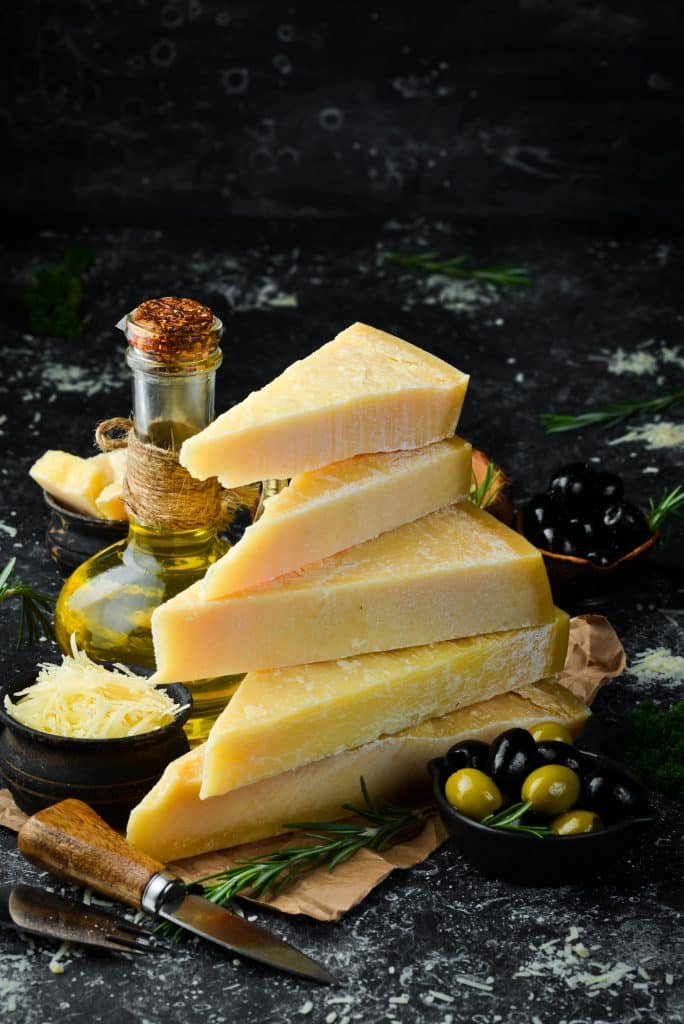
Block Cheddar Cheese
Shredding my own cheese from a big block is a habit I picked up years ago and won’t give up. A 2-pound block usually runs $7 to $10 for me, cheaper per ounce than the little bags, and it covers a week of quesadillas, casseroles, and grilled cheese.
Pre-shredded cheese is coated in an anti-caking powder that keeps it from melting smoothly, which is a real problem in a pan of mac and cheese. Cold cheese grates more cleanly, so mine goes straight from the fridge to the box grater.
I shred half the block at once and freeze it in a bag, giving it a shake now and then so it doesn’t clump into a brick.
Milk is two gallons a week in my house, usually $3 to $5 a gallon, always store brand. It lives in the back of the fridge, not the door, where the temperature swings every time someone goes looking for a snack.
Plain yogurt comes home in a 32-ounce tub for roughly $3 to $5 instead of the little flavored cups. My kids protested for about a week, and now they like stirring in their own honey and fruit.
I believe in butter, and I’m not apologizing for it on a budget list. A pound usually runs $4 to $6, and when the price dips I buy several and freeze them, wrapped tight.
Cottage cheese is the rare trendy food that’s also cheap, around $3 to $4 for 16 ounces, and blended smooth it replaces ricotta in my lasagna. Sour cream rounds out the dairy list at about $2 to $3 a tub, and my clean-spoon rule, never one that’s been in someone’s chili, keeps it from molding before the last dollop.
The Freezer Aisle Is My Backup Plan
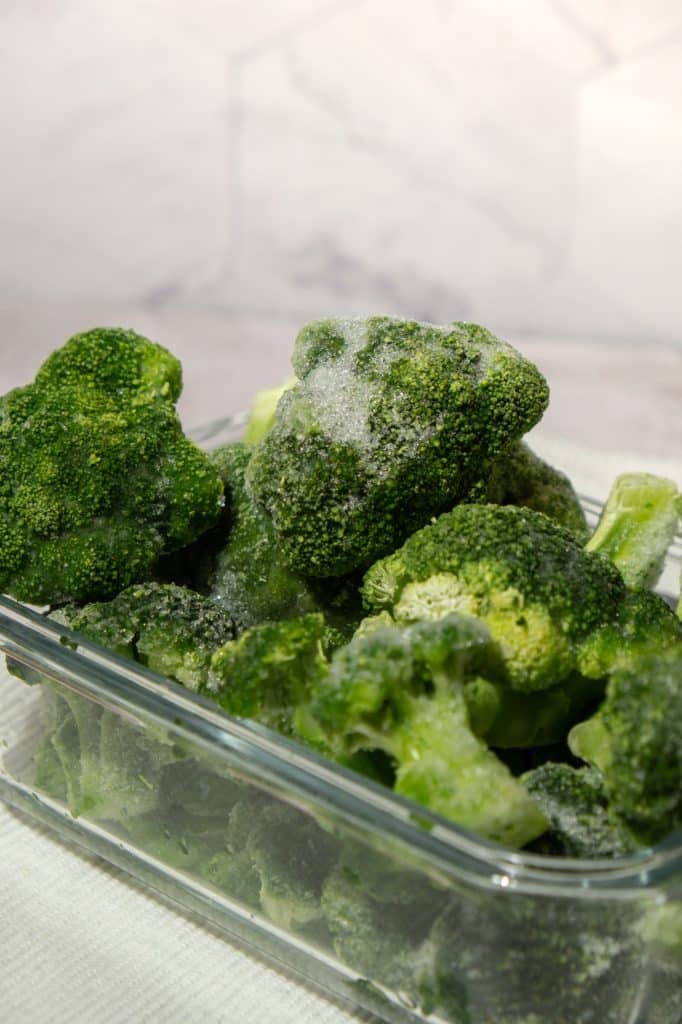
Frozen Broccoli
Fresh broccoli used to wilt in my crisper before I got to it, every single week. Frozen broccoli fixed that, and at about $1.50 to $3 a bag, it now goes in my cart far more often than fresh.
Steamed frozen broccoli turns soggy fast, so I roast it straight from frozen on a sheet pan instead. With a little oil and about 20 minutes at 425°F, the edges go brown and crisp, and my kids pick it off the pan before it reaches the table.
On mac and cheese night, a few handfuls get stirred in for the last few minutes.
Frozen peas, about $1.50 to $2.50 a pound, end up in more of my dinners than any other vegetable, and they barely need cooking. Frozen spinach, around $1.50 to $2.50 a package, disappears into lasagna, soup, and spaghetti sauce, as long as I squeeze it bone-dry after thawing.
A big bag of frozen mixed vegetables, $3 to $6, is my emergency side dish and the base of every quick pot pie I make. Frozen berries from the warehouse club, roughly $10 to $14 for 3 pounds, often beat fresh per pound outside of summer and never turn mushy in the fridge.
Frozen white fish fillets, about $8 to $14 for a 2-pound bag, put fish on our table twice a month. Individually frozen fillets thaw in about 30 minutes in a sealed bag under cold water, and the rest of my freezer habits are in my freezer meal guide.
What I Stopped Buying (and What Took Its Place)
Some of my biggest savings didn’t come from buying something new. They came from crossing things off.
| What I used to buy | What I buy now | Why it stuck |
|---|---|---|
| Pre-sliced deli turkey | A bone-in turkey breast I roast and slice | Less per pound, and the bones make broth |
| Bags of pre-shredded cheese | A 2-pound block of cheddar | Cheaper per ounce and melts smoother |
| Baby carrots | A 2-pound bag of whole carrots | Same vegetable, lower price per pound |
| Microwave popcorn bags | A 2-pound bag of plain kernels | Pennies per bowl |
| Jarred minced garlic | Whole heads | Costs more and tastes flat to me |
| Single flavored yogurt cups | A big tub of plain yogurt | Cheaper per serving, and kids add their own toppings |
| Instant oatmeal packets | A canister of rolled oats | Lower cost per bowl, not pre-sweetened |
| Cartons of broth | A jar of bouillon | One jar makes many quarts |
| Fresh berries in the off months | Frozen berries | No mushy waste |
| Fresh broccoli that wilted | Frozen broccoli | It actually gets eaten |
The theme here isn’t deprivation. Every swap is something my family still eats, just in a form that costs less or doesn’t rot before Thursday.
The same thinking cleaned out my kitchen drawers, and the things my kitchen doesn’t need anymore is the gadget version of this list. For more swaps from people who’ve done this math longer than I have, these frugal tricks that actually work line up with a lot of what happens in my kitchen.
What I Buy Once and Forget About for a Month
A handful of things get bought in big bags and then don’t come up again for weeks. These are the ones that make a slow month feel a lot less scary.

White Rice
Payday week or not, a bag of rice in the pantry means there’s a dinner. A 10-pound bag usually runs $8 to $12 for me, and since one cup dry makes about three cups cooked, it covers dozens of sides and plenty of fried rice.
I use about 1 1/2 to 2 cups of water per cup of rice depending on the rice, so check the bag, then add a pinch of salt, put the lid on, and don’t peek for 15 minutes. Then it rests off the heat for five more, which keeps the bottom from going mushy.
I cook a double batch on purpose, because cold day-old rice is what makes fried rice actually fry.
Rolled oats come in a big canister, $4 to $6 for roughly 30 half-cup servings, and they double as the binder in my meatloaf. A 5-pound bag of all-purpose flour, $3 to $5, covers more than a month of pancakes, biscuits, and pan gravy, and it goes straight into an airtight container so pantry bugs don’t move in.
A jar of bouillon, $3 to $5, makes many quarts of broth, but it’s salty, so I go light and salt the dish at the very end. A 2-pound bag of popcorn kernels, $3 to $4, covers more movie nights than I can count, popped in my heavy pot with the lid cracked so steam escapes and the popcorn stays crisp.
If your shelves feel thin, this rundown of pantry foods worth keeping on hand is a good gut check before your next big shop.
What I Stockpile When the Price Drops
Stockpiling in my house is modest. It’s one shelf, not a basement bunker, and it only holds things my family eats every week.
Dried pasta tops that shelf, since a 1-pound box runs $1 to $2 and my husband would eat pasta five nights a week if I let him. When it goes on sale, I buy six or eight boxes and don’t think about pasta again for a month.
Four cans of tomatoes sit there at all times, usually $1.50 to $3 for a 28-ounce can. I buy whole peeled, because I can crush them with a potato masher right in the pot, and with them in the house I’m about ten minutes from chili, soup, or pasta sauce.
Canned tuna gets stocked the same way, because it waits quietly until payday is still four days out. It’s also the base of the tuna noodle casserole from the 90s dinners my mom made for almost nothing, which I still make for the same reason she did.
Butter and family packs of ground beef go into the freezer when the price dips. For a deeper look at what’s worth keeping in reserve, this guide to foods worth stockpiling covers far more ground than my one shelf ever could.
Two Cheap Dinners I Make From This List Every Month
Both of these use only things from the list above, and both have been on repeat in my kitchen for years. Neither one needs anything fancier than a big skillet.
Potato, Onion, and Egg Skillet Hash
Serves: 4 | Prep: 10 minutes | Cook: 35 minutes
Ingredients
- 3 tablespoons butter, divided
- 1 1/2 pounds potatoes (about 4 medium), cut into 1/2-inch cubes
- 3/4 teaspoon salt, divided
- 1 medium yellow onion, diced
- 1/2 teaspoon black pepper
- 1 cup shredded cheddar cheese (about 4 ounces)
- 4 to 6 large eggs
- Optional: 1 cup sliced leftover cooked smoked sausage or 1 cup frozen peas
Instructions
- Melt 2 tablespoons of the butter in a 12-inch skillet with a lid over medium heat. Add the potatoes, spread them in an even layer, and sprinkle with 1/2 teaspoon of the salt. Cover and cook 10 minutes, stirring once halfway, until the potatoes start to soften.
- Uncover, raise the heat to medium-high, and cook 8 to 10 minutes, turning the potatoes every 2 to 3 minutes, until they are browned on several sides and tender when poked with a fork.
- Push the potatoes to the edges of the pan. Add the remaining 1 tablespoon butter and the onion to the center and cook until the onion is soft and golden, 4 to 5 minutes, then stir it into the potatoes. If you’re using leftover sausage or frozen peas, stir them in now and cook 2 to 3 minutes, until the sausage is hot and the peas are bright green.
- Lower the heat to medium-low and scatter the cheese over the top. Make 4 to 6 wells in the hash, crack an egg into each one, and season the eggs with the remaining 1/4 teaspoon salt and the pepper.
- Cover and cook 6 to 9 minutes, until the egg whites are fully set and the yolks are cooked the way your family likes them. Serve straight from the skillet.
The covered start is what makes this work, because it steams the potatoes soft before they ever try to brown. If you skip it and crank the heat, the outsides burn while the middles stay raw, and I’ve scraped enough of those pans to know.
My husband likes his yolk runny, and my youngest wants it cooked solid, so I pull the lid on their side of the pan a couple of minutes apart. Leftovers keep in a covered container in the fridge for 3 to 4 days, and I reheat them in a covered skillet over medium heat until they’re 165°F in the center.
I don’t freeze this one. The potatoes go grainy and the eggs turn rubbery, and nobody in my house is shy about pointing that out.
What Everyone's Making
25 Fruits and Veggies That Make Vegan Cooking Cheaper Than You’d Think →
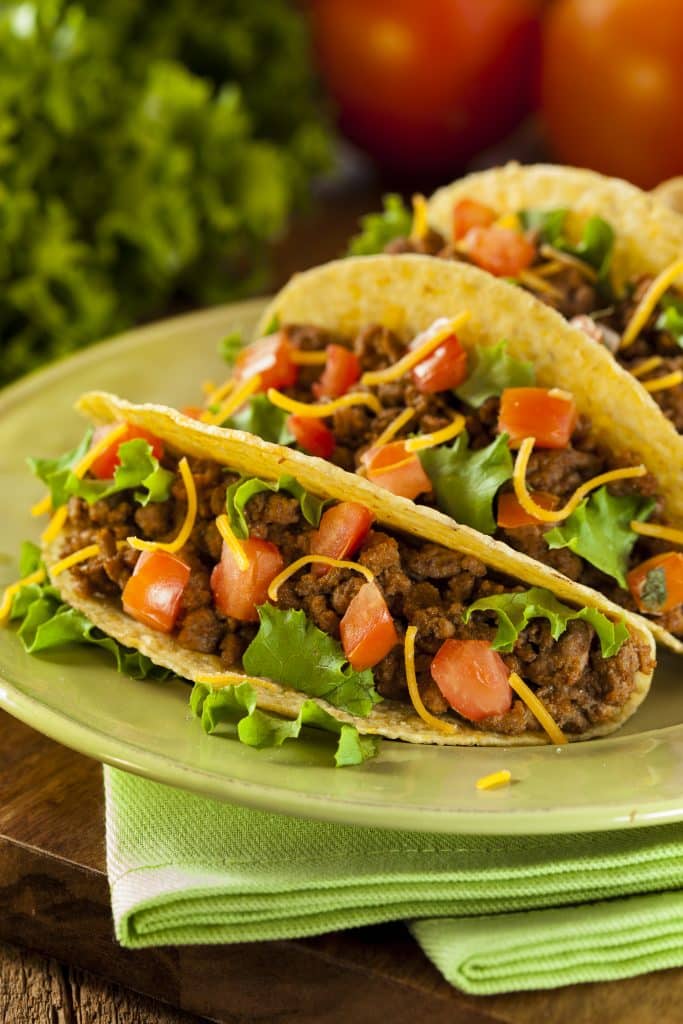
Beef and Lentil Taco Filling
Serves: 6 (about 5 cups, enough for 12 tacos) | Prep: 10 minutes | Cook: 35 minutes
Ingredients
- 3/4 cup dried brown or green lentils, rinsed and picked over
- 2 cups water, for the lentils
- 1 pound lean ground beef
- 1 medium yellow onion, diced
- 2 garlic cloves, minced
- 2 tablespoons chili powder
- 1 1/2 teaspoons ground cumin
- 1 teaspoon salt
- 1/2 teaspoon black pepper
- 1 cup crushed tomatoes (whole peeled tomatoes crushed by hand work too)
- 1/2 cup water
- 12 small tortillas or taco shells, plus shredded cheddar, shredded cabbage, and sour cream for serving
Instructions
- Put the lentils and 2 cups of water in a small saucepan and bring to a boil. Lower the heat, partially cover, and simmer until the lentils are tender but still holding their shape, 20 to 25 minutes, then drain off any water left in the pan.
- While the lentils cook, brown the beef and onion in a 12-inch skillet over medium-high heat, breaking up the meat, until no pink remains and the beef reaches 160°F, 8 to 10 minutes. Spoon off any extra fat.
- Stir in the garlic, chili powder, cumin, salt, and pepper and cook 1 minute, until fragrant.
- Add the drained lentils, crushed tomatoes, and 1/2 cup water. Simmer, stirring often, until the filling is thick enough to mound on a spoon, 8 to 10 minutes, mashing about a quarter of the lentils against the side of the pan as you go.
- Taste for salt and serve in tortillas with cheese, cabbage, and sour cream.
Mashing some of the lentils is the whole trick. They melt into the sauce and grab onto the beef, so the filling looks and eats like plain taco meat, and my kids have never once asked what’s in it.
This filling freezes well. I cool it, freeze it flat in quart freezer bags for up to 3 months, thaw it overnight in the fridge, and reheat it in a skillet until it’s 165°F in the center.
Stretching a pound of beef this way is an old trick in my family, and the budget dinners I grew up on are full of it.
How I Shop the Store, Section by Section
Once the list is written, I shop it in the same order every time: produce first, then pantry, protein, dairy, and the freezer aisle last so nothing thaws on the drive home. I write the list in that order too, so I’m never doubling back across the store with a cart that keeps getting heavier.
A few habits matter more than coupons for me. I read the price per pound or per ounce on the shelf tag instead of the big sticker price, I buy store brand anywhere my family can’t taste a difference, and I save the warehouse club for the handful of things we go through fastest.
Not everything gets bought every week. This is my real sample list, with how often each thing actually lands in my cart.
| Store section | Item | Usual size | Rough price | How often I buy it |
|---|---|---|---|---|
| Produce | Potatoes | 10-pound bag | $5 to $8 | Every 2 weeks |
| Produce | Yellow onions | 3-pound bag | $3 to $4 | Every 1 to 2 weeks |
| Produce | Bananas | 1 bunch | $1.50 to $2 | Weekly |
| Produce | Carrots | 2-pound bag | $2 to $3 | Weekly |
| Produce | Green cabbage | 1 head | $2 to $4 | Every 2 weeks |
| Produce | Apples | 3-pound bag | $4 to $6 | Weekly |
| Produce | Garlic | 1 head or a 3-pack | 50 cents to $1 a head | Weekly |
| Produce | Lemons | 2 to 3 | 50 cents to $1 each | Weekly |
| Pantry | Rolled oats | Large canister | $4 to $6 | Monthly |
| Pantry | White rice | 10-pound bag | $8 to $12 | Monthly or less |
| Pantry | Dried pasta | 1-pound box | $1 to $2 | Stock up on sale |
| Pantry | Dried beans | 1-pound bag | $1.50 to $2.50 | When I have a slow Sunday |
| Pantry | Dried lentils | 1-pound bag | $1.50 to $2.50 | Every 2 weeks |
| Pantry | Canned tomatoes | 28-ounce can | $1.50 to $3 | Keep 4 on hand |
| Pantry | Peanut butter | 40-ounce jar | $5 to $7 | Every 2 weeks |
| Pantry | All-purpose flour | 5-pound bag | $3 to $5 | Monthly or less |
| Pantry | Canned tuna | 5-ounce can | $1 to $1.50 | Keep a few on hand |
| Pantry | Bouillon | 1 jar | $3 to $5 | Every couple of months |
| Pantry | Popcorn kernels | 2-pound bag | $3 to $4 | Every couple of months |
| Protein | Eggs | 1 dozen | $3 to $5 or more | 2 dozen weekly |
| Protein | Lean ground beef | 1 pound | $5 to $7 | Family pack every 2 weeks |
| Protein | Smoked sausage | 1 package | $4 to $6 | Weekly |
| Protein | Hot dogs | 8-pack | $2 to $5 | Every 2 weeks |
| Protein | Tofu | 1 block | $2 to $3 | Now and then |
| Protein | Bone-in turkey breast | Per pound | $2 to $4 | A few times a month |
| Dairy | Milk | 1 gallon | $3 to $5 | 2 gallons weekly |
| Dairy | Block cheddar cheese | 2-pound block | $7 to $10 | Every 1 to 2 weeks |
| Dairy | Plain yogurt | 32-ounce tub | $3 to $5 | Weekly |
| Dairy | Butter | 1 pound | $4 to $6 | Every 2 weeks |
| Dairy | Cottage cheese | 16-ounce tub | $3 to $4 | Every 2 weeks |
| Dairy | Sour cream | 16-ounce tub | $2 to $3 | Every 1 to 2 weeks |
| Freezer | Frozen broccoli | 12-ounce to 1-pound bag | $1.50 to $3 | Weekly |
| Freezer | Frozen peas | 1-pound bag | $1.50 to $2.50 | Weekly |
| Freezer | Frozen spinach | 10- to 16-ounce package | $1.50 to $2.50 | Every 2 weeks |
| Freezer | Frozen mixed vegetables | Large bag | $3 to $6 | Every 2 weeks |
| Freezer | Frozen berries | 3-pound bag | $10 to $14 | Every 2 weeks |
| Freezer | Frozen white fish | 2-pound bag | $8 to $14 | Every 2 weeks |
Rough ranges from my own shopping; they depend on the store, the region, and the week.
My total moves around depending on which every-two-weeks items land in the same trip, so I don’t hold myself to one magic number. I hold myself to the list.
Questions I Get About My Grocery Bill
How much should a family spend on groceries each week?
I won’t give you a number, because it swings so much by region, family size, and what your kids are going through at the moment. What helped me was saving four weeks of receipts before changing anything, so I knew my real starting point.
If you want to see where groceries fit next to the rest of your bills, a simple budget calculator makes that picture a lot clearer.
Is a warehouse club membership worth it?
For us, yes, but only for the things we go through fast: eggs, frozen berries, canned tuna multipacks, and big bags of frozen vegetables. Fresh produce in giant clamshells is where I used to lose money there, because half of it went soft before we finished it.
Are store brands really as good?
For most staples in my kitchen, I can’t tell the difference: milk, pasta, flour, canned tomatoes, frozen vegetables. I’ll admit I’m pickier about a couple of things, mostly cheese, and I think every family gets one or two of those.
How do I stop throwing food away?
I keep one shelf in my fridge for whatever needs to get eaten first, and the next dinner gets planned around that shelf. It sounds too simple, but it cut my wasted produce more than any app or container ever did.
The older generation was great at this, and the list of things grandmothers never threw away still has a few habits I’ve stolen.
Start With Five Things and One Week
If I had to start over with an empty kitchen and a tight budget, I’d buy potatoes, rice, eggs, onions, and a bag of frozen peas first. Those five can carry a family through more dinners than you’d expect.
From there, add one thing from this list you don’t usually buy and see how far it stretches in your house. My cart this week has a 10-pound bag of potatoes, two dozen eggs, and a pound of lentils in it, which means hash on Wednesday and tacos on Thursday.
Once the grocery bill feels under control and you’re ready to find the next leak, the ways my family saves money every month is where I’d go next.