
Budget Dinners I Grew Up On: What They Cost Today and Which Ones Are Still Worth It
Fried eggs on toast is one of the cheapest dinners in my house right now, at roughly a dollar a plate. One of the most expensive on this page is the frozen tray dinner I begged for as a kid, and it’s also the worst food here. That gap is the whole reason I wrote this.
These are the dinners I grew up on, the real Tuesday-night ones, and I still make most of them for my own family. This time I ran the numbers on each one at today’s grocery prices, so you can see which ones still earn their spot and how I stretch them further. If you came for the stories and the nostalgia, my guide to the 90s dinners my mom made is the companion to this page.
Here’s the short version before you scroll. The cheapest plates lean on beans, potatoes, eggs, and bread, and the priciest ones come out of the freezer aisle.
How I Figure Out What a Dinner Really Costs
I don’t track every penny, and I’m not going to pretend I do. What I do is a rough cost per plate: I add up what I actually used, not the whole package, and divide by how many people it fed.
That second part matters more than people expect. A $14 pot of chili looks pricey until you notice it fed us twice, which puts it under a lot of so-called cheap dinners per bowl.
When I need to feed more people than a recipe makes, I run it through the recipe scaler instead of guessing, because guessing is how I end up with two pounds of noodles and no plan. The plates that come out cheapest are almost always the ones I picked ahead of time, which is why I keep coming back to the Sunday meal planning system that survived my house.
Here’s where the featured dinners on this page land right now. My own rule of thumb: if a dinner costs more than about $3 a plate, it needs to give me leftovers.
| Dinner | Rough cost for the batch | Rough cost per plate | Leftovers? |
|---|---|---|---|
| Whatever’s-left soup | A few dollars for broth or a can of beans | Under $0.75 | Usually |
| Mashed potatoes as the whole meal | $3 to $5 for four | $0.75 to $1.25 | Rarely |
| A pot of white beans with rice | $4 to $6 for four | $1 to $1.50 | Sometimes |
| Bean and cheese burritos | $5 to $8 for four | $1.25 to $2 | Extras freeze |
| Canned soup, doctored up | $6 to $9 for four | $1.50 to $2.25 | No |
| A big pot of chili | $12 to $15 for six to eight bowls | $1.50 to $2.50 | Yes, a second night |
| Cabbage and sausage skillet | $8 to $11 for four | $2 to $2.75 | Sometimes |
| Chicken patty sandwiches | $8 to $11 for four | $2 to $2.75 | No |
| American goulash | $10 to $13 for four | $2.50 to $3.25 | Yes, lunch the next day |
| Frozen salisbury steak trays | $12 to $16 for four trays | $3 to $4 | No |
These are rough ranges from my own grocery runs. Your store, your region, and that week’s sales will move every one of them.
A Dollar or So a Plate: The Pantry Floor Dinners
These are the dinners I make when the grocery money is basically spent and payday is still days away. They come from the pantry floor, the stuff I keep around so “there’s nothing in the house” is never actually true. If your shelves are thin right now, my guide to building a pantry from scratch is how I got mine to this point.
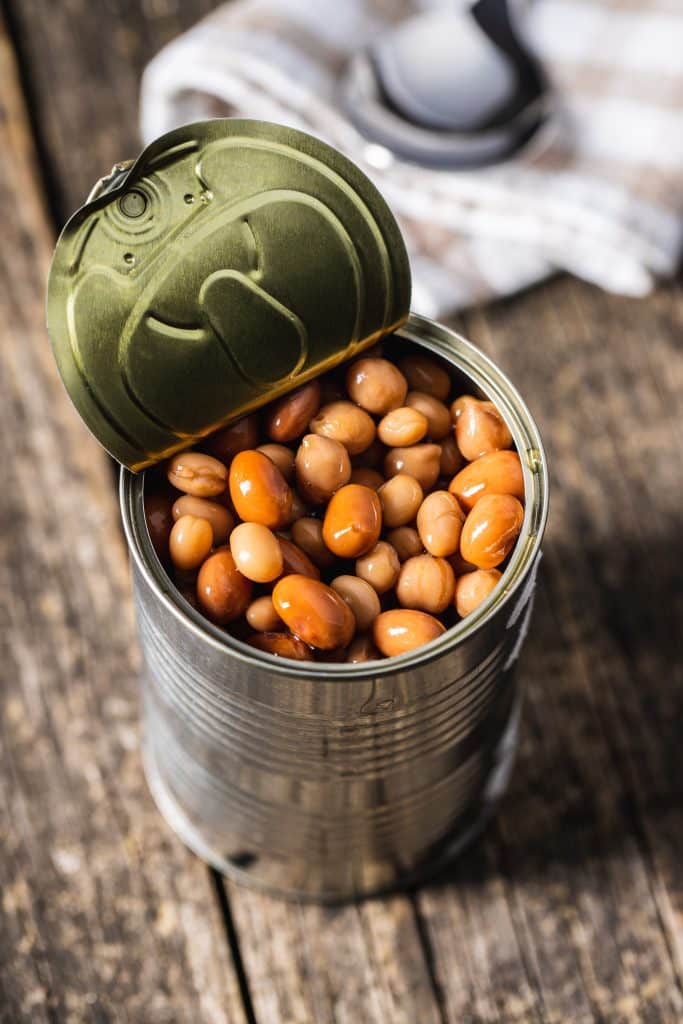
A Pot of White Beans
Three cans of white beans, an onion, and a little bacon fat make a pot that costs a little over a dollar a plate once you add rice. I keep the liquid from one can in the pot, because that’s what turns it into something like a stew instead of beans floating in broth. My husband requests this one, which still surprises me.
Here’s where I push back on the usual advice. Everyone says dried beans are the big money saver, and per pound they are, but in my kitchen the cans win because I actually use them on a Tuesday instead of forgetting to soak a bag. The full recipe is further down.
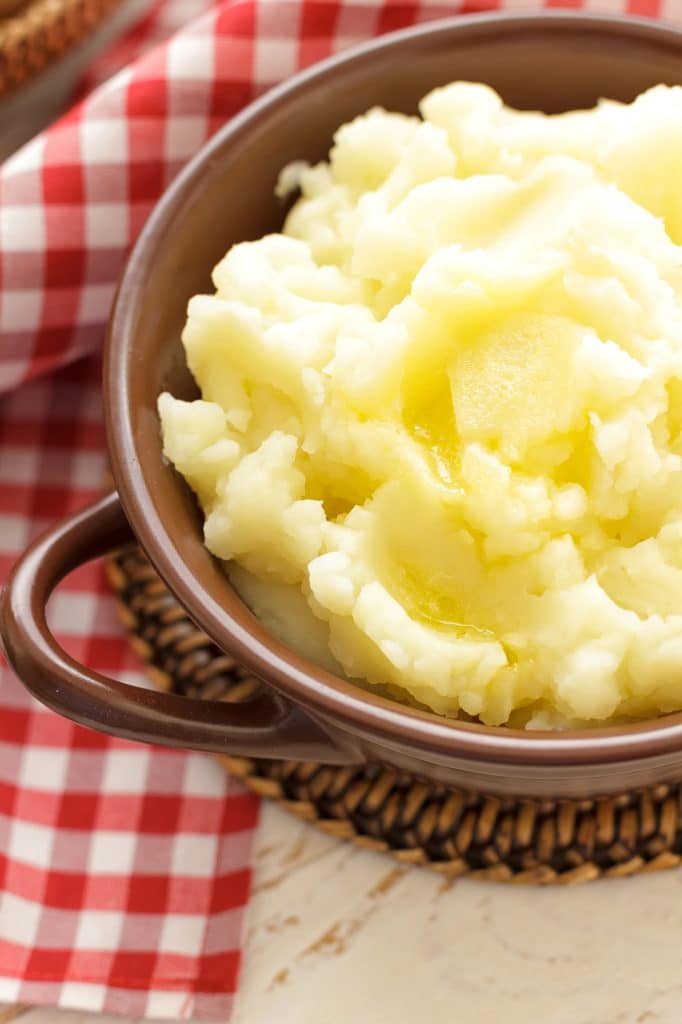
Mashed Potatoes as the Whole Meal
On the leanest weeks of my childhood, mashed potatoes stopped being a side and became dinner. At roughly a dollar a plate, they still earn that job in my house, and one five-pound bag covers this night plus baked potatoes later in the week.
I put a fried egg on top for anyone who wants one, which turns a side dish into a plate. Save a cup of the cooking water before you drain. A splash whipped in gets the mash smoother than more butter would, and I say that as someone who believes in butter.
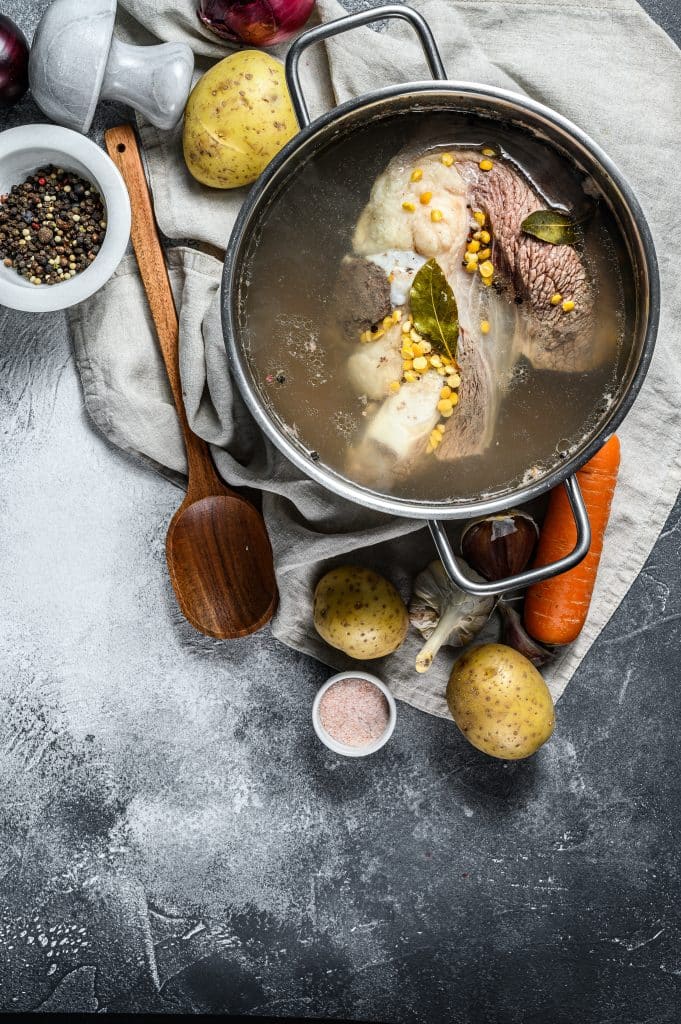
Whatever’s-Left Soup
This is the closest thing to a free dinner I make. All week, onion ends, carrot peels, celery tops, and that last sad pepper go into a bag in my freezer, and on the weekend they turn into stock in my one heavy soup pot.
One More Bite
Strain it, add a can of beans or a handful of pasta, and dinner costs well under a dollar a bowl. It never tastes the same twice. For a soup with an actual recipe, I pull from the soup recipes my family asks for.
The rest of the pantry floor dinners are just as cheap, and here’s how I stretch each one now.
| Dinner | Rough cost for 4 | How I stretch it now |
|---|---|---|
| Fried eggs and toast | $3 to $5 | Leftover rice or potatoes go in the pan first, so a few eggs feed everyone |
| A pan of cornbread | $3 to $5 a pan | Half goes with the beans, the other half with chili later in the week |
| French toast from day-old bread | $3 to $5 | Uses the heels nobody wants, so the real cost is the eggs and milk |
| Simple tomato pasta | $4 to $6 | One can of crushed tomatoes, a splash of pasta water, and frozen spinach if I have it |
| Split pea soup | $6 to $9 with a ham hock | No soaking, and one pot lasts for days |
I’ll be honest about the split pea soup. It’s cheap and it lasts, but it’s beige in every sense, I find it bland, and my kids voted it off the table years ago.
One Package of Meat, Two Nights: The Stretchers
Meat is the line on my receipt that jumps around the most, so these dinners take one package and make it go further. The trick is always the same: beans, pasta, rice, or cabbage do the filling, and the meat does the flavor.
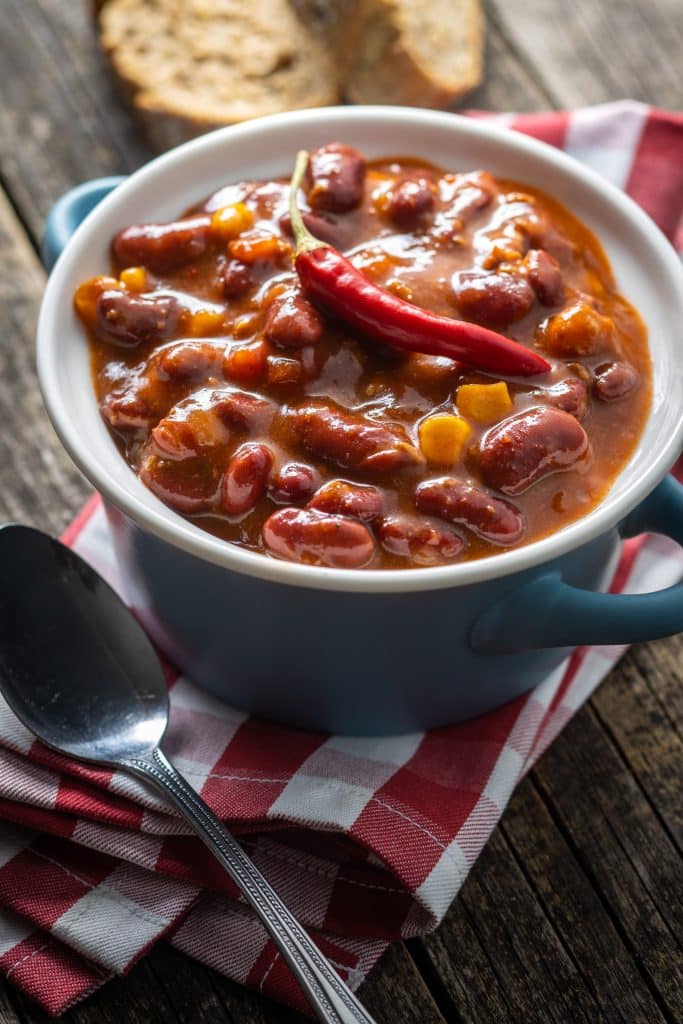
A Big Pot of Chili
One pound of ground beef, three cans of beans, and two cans of tomatoes make six to eight bowls of chili, somewhere around $1.50 to $2.50 a bowl. That beats most of the freezer-aisle dinners on this page, and it’s not close.
We eat it over rice the first night and spoon it over baked potatoes the second, so nobody feels like it’s the same dinner. Anything left after that gets frozen flat in bags, a trick straight out of my freezer meal guide. The recipe is below.
American Goulash
Ground beef, elbow macaroni, and a big can of tomatoes cooked together in one pot run about $10 to $13 and usually leave lunch for the next day. The money move is cooking the pasta right in the sauce, so the starch thickens it and I’m not buying a jar of anything.
When beef costs more than I want to pay, I use three-quarters of a pound and stir in a drained can of kidney beans. So far nobody in my house has filed a complaint.
Cabbage and Sausage Skillet
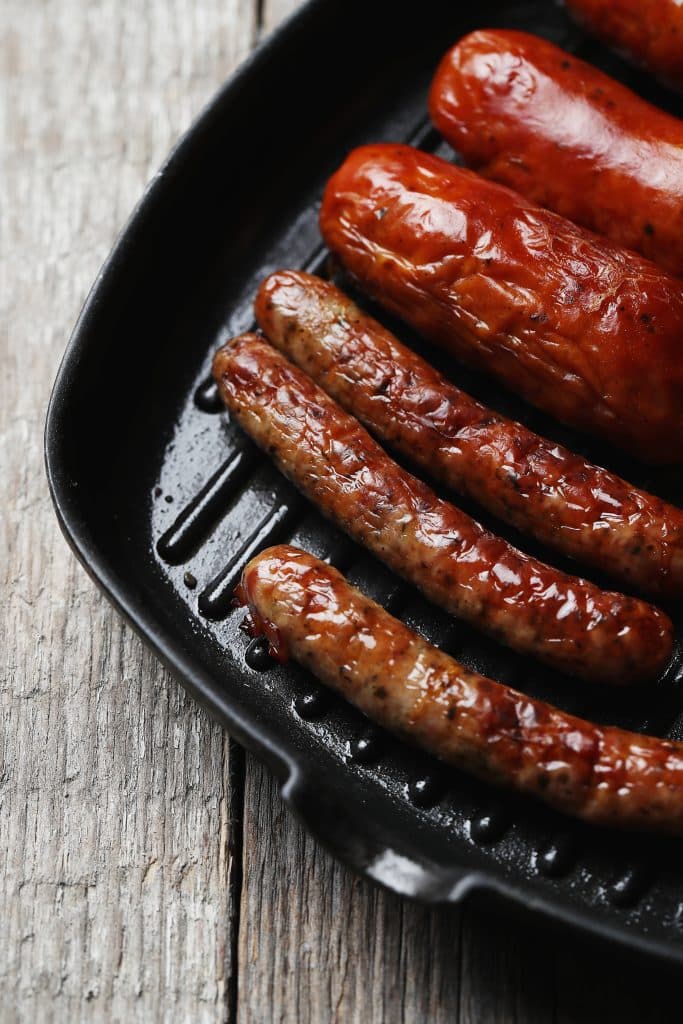
Half a head of cabbage and one package of smoked sausage feed the four of us for roughly $8 to $11. Cabbage is one of the cheapest vegetables in the store by weight, and cut into thick strips it chars at the edges instead of going limp.
A splash of vinegar at the end is what makes it taste finished. It’s one of my regular one-pan dinners, and the full recipe is in the recipe section.
From My Kitchen
37 Things My Kitchen Doesn’t Need Anymore →
"Getting rid of half of these felt more freeing than I expected."
A few more stretchers round out this group. The sausage and rice skillet, about $8 to $11 for four, works because the rice cooks in the sausage fat and every grain picks up flavor. Chicken and dumplings, roughly $10 to $13, turns a small amount of chicken into a whole pot with torn biscuit dough simmered gently under a closed lid.
Biscuits and gravy for dinner costs about $7 to $10, and I make a double batch of gravy so the extra goes over eggs the next morning. Turkey and gravy over mashed potatoes runs $12 to $16 with a small turkey breast I roast on purpose, or almost nothing with real holiday leftovers.
Warm that turkey gently in the gravy until it’s steaming and 165°F in the center, so it doesn’t dry out. Like most saucy leftovers, it tastes even better the next day.
Pantry Can Nights: Opening a Can Without Overpaying
Canned food gets treated like a last resort, but a few of these dinners are some of the best values on the page once you add one fresh thing. I keep a short shelf of cans for the nights when cooking from scratch just isn’t happening.
Bean and Cheese Burritos
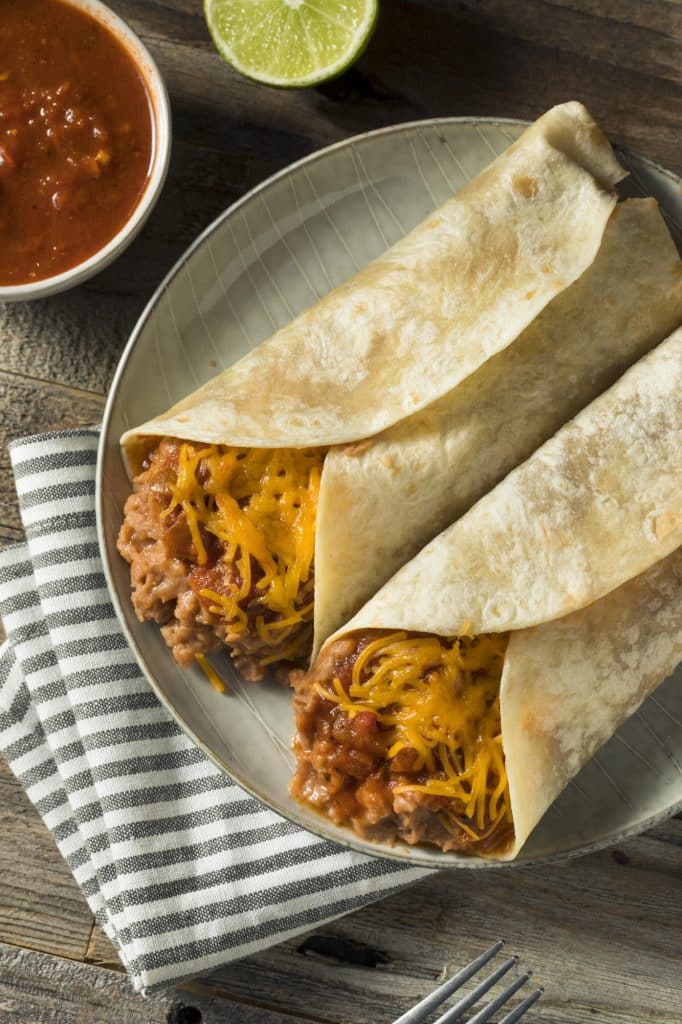
A can of refried beans, a pack of tortillas, and a couple cups of shredded cheese make burritos for four at roughly $5 to $8. I buy the big block of cheese on my warehouse-club run, shred it myself, and freeze half, because it’s cheaper per ounce than the small bags.
Warm each tortilla for ten seconds before you fill it, or it cracks right down the middle. I roll a dozen at once, wrap the extras, and freeze them for lunches.
Canned Soup, Doctored Up
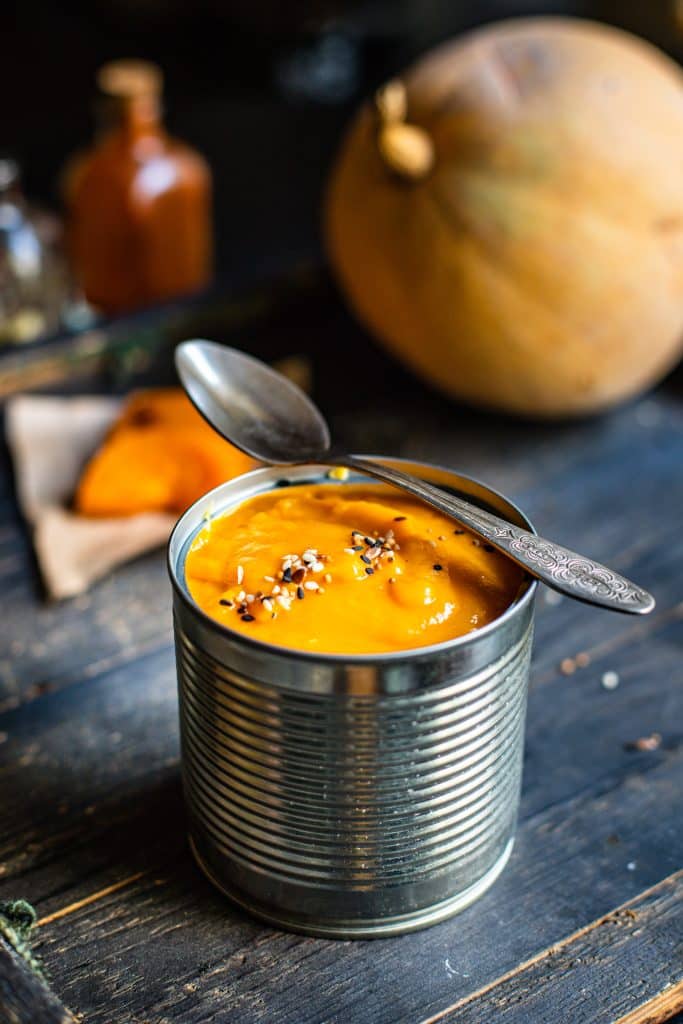
Plain canned soup is fine, but it’s a lot of money for what’s mostly broth. I buy the cheapest cans and add what’s already in my house: a handful of frozen vegetables, leftover shredded chicken, or a scoop of cooked rice.
Two cans plus those extras feed four of us for about $6 to $9. Straight from the can, I’d need four cans and a sleeve of crackers to get the same full bellies. Stir the extras in for the last five minutes so nothing turns to mush.
| Dinner | Rough cost for 4 | The cheap upgrade I use |
|---|---|---|
| Creamy chicken skillet | $9 to $12 | Thin the condensed soup with a splash of milk so it coats the chicken and rice |
| Canned chili and stew nights | $6 to $9 | Spoon it over baked potatoes so two cans feed four |
| Baked potatoes or potato soup | $5 to $8 | Same bag, two dinners; for soup, mash some potatoes right in the pot |
| Grilled cheese sandwiches | $5 to $7 | Mayonnaise on the outside, low heat, and strips for dunking |
| Stovetop mac and cheese from scratch | $7 to $10 | Shred a block of cheese and keep the heat low so the sauce stays smooth |
Grilled cheese strips with a cup of tomato soup also ended a lot of standoffs at my table. It’s one of the picky eater meals that ended our dinner fights.
Freezer Aisle Nights: Where the Cost Per Plate Sneaks Up
I’m not against the freezer aisle. I keep a bag or two in my own freezer for the nights that break me a little. But when I did the math, these cost more per plate than most of the from-scratch dinners above, so they’re my backup, not my plan.
You'll Want This Too
21 Fruits and Veggies I Turn Into Something New Before They Go Bad →
The Frozen Salisbury Steak TV Dinner
This is the one I remember loving and the one that holds up the worst. At roughly $12 to $16 for four trays, it’s among the priciest dinners on this page, and what you get is a thin patty, a puddle of gravy, and a corner of soft carrots.
If you buy one for nostalgia, let it sit a full two minutes after the microwave, because the middle stays scalding. If you want the same comfort for less, a pot of mashed potatoes with homemade gravy costs a fraction and tastes better.
Chicken Patty Sandwiches
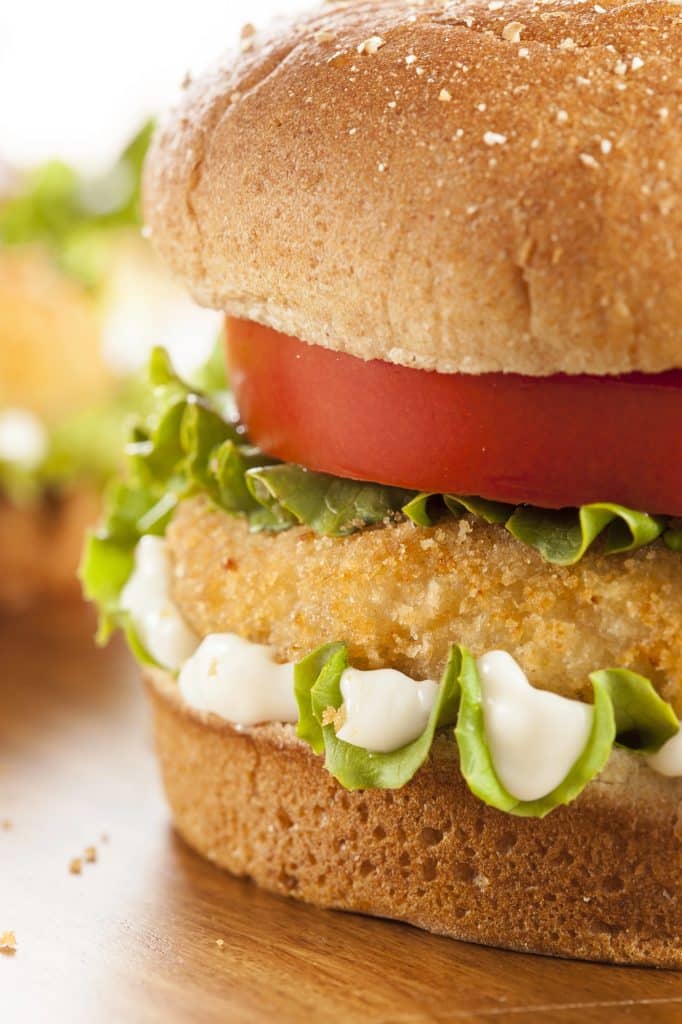
A bag of frozen chicken patties, buns, cheese slices, and pickles feed four for about $8 to $11. My kids think this is one of the best things I make, which tells you exactly how low the bar is in my house.
Toast the buns for thirty seconds so they don’t go soggy. To stretch the bag, I cut the patties in half for sliders and add a big pile of carrot sticks, and somehow the kids see that as more food, not less.
| Dinner | Rough cost for 4 | Worth it? |
|---|---|---|
| Frozen fried chicken | $9 to $13 a family bag | On a wire rack, it’s a solid emergency dinner; I keep one bag |
| Chicken nuggets and waffle fries | $9 to $12 | Yes, when time is the problem; bake both on one sheet pan |
| Popcorn chicken bowls | $9 to $12 | Better value over a big pot of rice than on its own |
| Mozzarella sticks and marinara | $8 to $11 | Fun, not filling; bake straight from frozen |
| Pizza dippers and breadsticks | $6 to $9 | Cheaper than ordering in; brush with garlic butter right out of the oven |
| Cafeteria-style rectangle pizza | $8 to $11 a sheet pan | Homemade beats frozen on price, but I’ve never matched the cafeteria taste |
| Cinnamon rolls for dinner | $5 to $8 with eggs | Twice a year, tops, with eggs or sausage on the side |
The cinnamon rolls are the one dinner here I’d talk you out of on a regular night. It sounds fun, and then the sugar crash shows up right around bedtime. On a weekend morning I’d rather bake one of my pull-apart monkey bread versions and call that the treat.
The Three Cheapest Recipes I’d Hand You First
If you only cook three dinners from this page, make it these. They come out cheapest per plate in my kitchen, they keep well, and none of them needs anything fancy. If you’re missing an ingredient, the ingredient substitution finder will usually turn up a swap from what’s already in your cabinet.
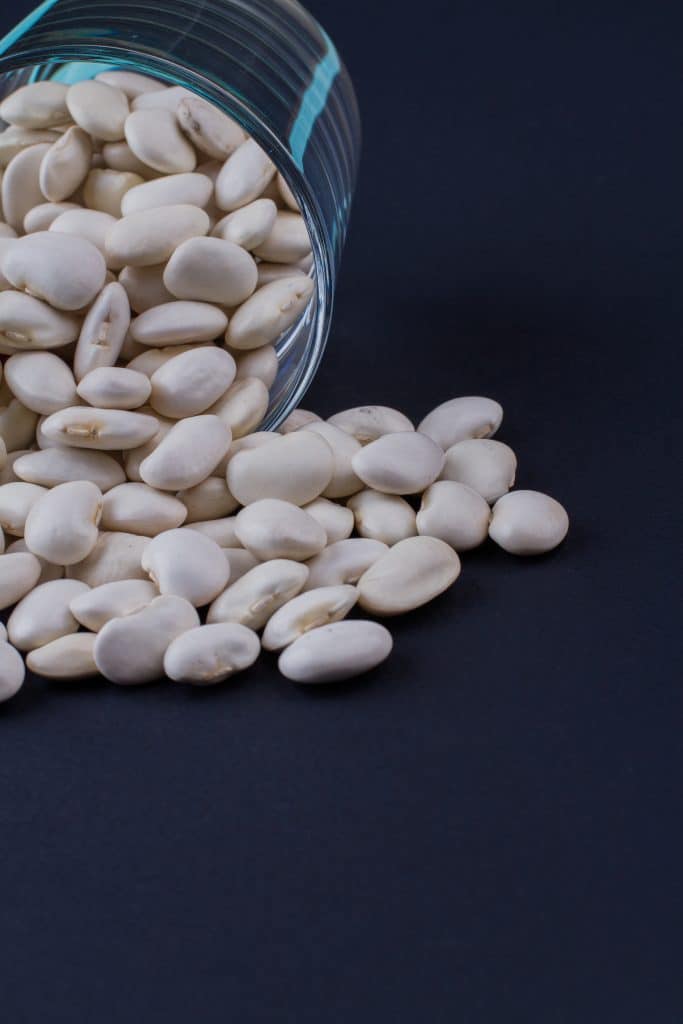
Navy Beans With Bacon and Onion
Serves: 4 | Prep: 10 minutes | Cook: 35 minutes
Ingredients
- 3 slices bacon, chopped
- 1 medium onion, diced
- 3 garlic cloves, minced
- 3 (15-ounce) cans navy beans or other white beans, 2 drained and rinsed, 1 left undrained
- 1 cup chicken broth or water
- 1/2 teaspoon dried thyme
- 1 bay leaf
- 1/2 teaspoon salt, plus more to taste
- 1/4 teaspoon black pepper
- 1 teaspoon apple cider vinegar
- Cooked rice or cornbread, for serving
Instructions
- Cook the bacon in a 3- to 4-quart heavy pot over medium heat, stirring now and then, until crisp, 6 to 8 minutes. Leave the bacon and its fat in the pot.
- Add the onion and cook until soft and golden at the edges, 5 to 6 minutes. Stir in the garlic and cook for 30 seconds.
- Add all three cans of beans, including the liquid from the undrained can, along with the broth, thyme, bay leaf, salt, and pepper. Bring to a simmer.
- Turn the heat to low and simmer uncovered for 15 to 20 minutes, stirring every few minutes. Mash about a cup of the beans against the side of the pot with a spoon to thicken it.
- It’s ready when it coats the back of a spoon like a loose stew. Remove the bay leaf, stir in the vinegar, and taste for salt.
- Serve over rice or next to a pan of cornbread.
Leftovers keep for 4 days in the fridge or about 3 months in the freezer. Reheat with a splash of water until it’s steaming and 165°F in the center. Canned beans are also high on my list of pantry foods with the longest shelf life, which is why I never run out.

Charred Cabbage and Sausage Skillet
Serves: 4 | Prep: 10 minutes | Cook: 25 minutes
Go Deeper
The Backyard Birthday Playbook: Throwing a Party Kids Rave About Without the Venue Bill →
"Everything I’ve learned after way too many of these."
Ingredients
- 1 (12- to 14-ounce) package fully cooked smoked sausage, sliced into 1/4-inch coins
- 1 tablespoon butter
- 1 medium onion, sliced
- 1/2 medium head green cabbage (about 1 1/2 pounds), cored and cut into 1-inch strips
- 1/2 teaspoon smoked paprika
- 1/2 teaspoon salt
- 1/4 teaspoon black pepper
- 1/4 teaspoon red pepper flakes (optional)
- 1 tablespoon apple cider vinegar
Instructions
- Heat a 12-inch skillet over medium-high heat. Add the sausage in a single layer and cook, turning once, until browned on both sides, 5 to 6 minutes. Move it to a plate.
- Melt the butter in the same skillet. Add the onion and cook until it starts to soften, about 3 minutes.
- Add half the cabbage and cook, stirring occasionally, until it wilts down, about 4 minutes. Add the rest of the cabbage along with the paprika, salt, pepper, and pepper flakes.
- Cook 8 to 10 minutes more, stirring only every couple of minutes so the cabbage picks up browned, charred edges and still has some bite.
- Return the sausage to the skillet and cook for 2 minutes, until heated through.
- Take the pan off the heat, stir in the vinegar, and taste for salt.
If you swap in raw sausage, cook it until it reaches 160°F inside before you start the cabbage. Leftovers keep 3 days in the fridge and reheat in a skillet until they hit 165°F in the center.
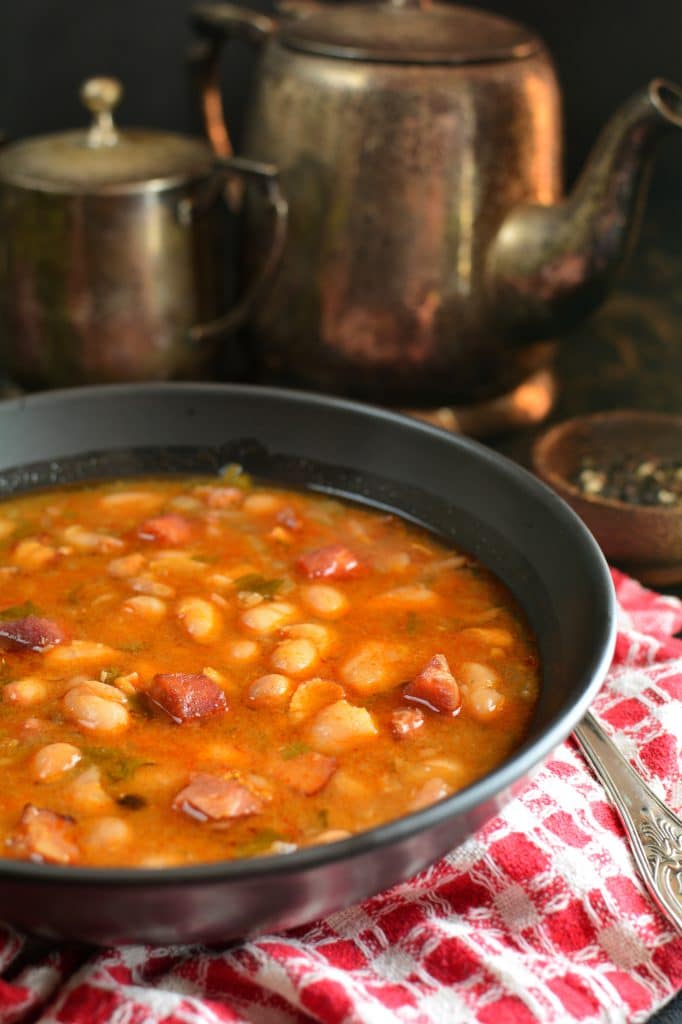
Big-Pot Chili With Beans
Serves: 8 | Prep: 15 minutes | Cook: 1 hour 10 minutes
Ingredients
- 1 tablespoon vegetable oil
- 1 pound ground beef
- 1 large onion, diced
- 1 green bell pepper, diced
- 4 garlic cloves, minced
- 3 tablespoons chili powder
- 2 teaspoons ground cumin
- 1 teaspoon dried oregano
- 1 1/2 teaspoons salt
- 1 (28-ounce) can crushed tomatoes
- 1 (15-ounce) can diced tomatoes, with their juice
- 2 (15-ounce) cans kidney beans, drained and rinsed
- 1 (15-ounce) can pinto or black beans, drained and rinsed
- 1 cup water or beef broth
- 1 teaspoon unsweetened cocoa powder
Instructions
- Heat the oil in a 5- to 6-quart heavy soup pot over medium-high heat. Brown half the beef, breaking it up, until no pink remains, 4 to 5 minutes, then move it to a bowl. Brown the second half the same way; ground beef is done at 160°F.
- Spoon off all but about a tablespoon of fat. Add the onion and bell pepper and cook until soft, 6 to 7 minutes.
- Stir in the garlic, chili powder, cumin, oregano, and salt, and cook for 1 minute, until fragrant.
- Return the beef to the pot. Add both cans of tomatoes, all the beans, the water, and the cocoa powder, and bring to a simmer.
- Turn the heat to low, partially cover, and simmer for 45 minutes, stirring every 10 to 15 minutes so the bottom doesn’t stick.
- The chili is ready when it’s thick and a spoon dragged across the bottom of the pot leaves a trail for a second. Taste and add salt if it needs it.
Slow cooker alternative: do steps 1 through 3 on the stove, then move everything to a 6-quart slow cooker with the remaining ingredients. Cook on low for 6 to 8 hours or high for 3 to 4 hours, and stir once before serving.
Chili keeps 4 days in the fridge and up to 3 months frozen flat in bags. Thaw it overnight in the fridge and reheat on the stove until it’s bubbling and 165°F in the center.
How I Stretch a Grocery Week With These Dinners
I don’t pick these dinners at random. On Sunday, or whatever day I actually get to it, I look at what’s already in the fridge, pick one big-pot dinner that makes leftovers, and fill the week in around it.
Some weeks this works beautifully. Other weeks I skip it, and those are the weeks I’m standing in front of the open fridge at 5:30 on a Thursday.
My rules are short. One big pot a week, so at least one night costs me nothing new. Any meat I buy has to show up in two dinners.
One night is a pantry or freezer night on purpose, so a rough day doesn’t turn into takeout money. The cheapest dinners go at the end of the week, when the fridge is thinnest and I’m the most tempted to give up.
| Night | Dinner | Why it lands here | Rough cost for 4 |
|---|---|---|---|
| Sunday | Big-pot chili with beans | Simmers while I do other things and makes Monday’s dinner | $12 to $15 (covers two nights) |
| Monday | Chili over baked potatoes | Leftovers, so the only new cost is potatoes | $2 to $3 |
| Tuesday | Cabbage and sausage skillet | About 35 minutes and one pan | $8 to $11 |
| Wednesday | Bean and cheese burritos | I roll a dozen and freeze the extras for lunches | $5 to $8 |
| Thursday | Canned soup, doctored up, or a freezer backup | The night most likely to fall apart | $6 to $12 |
| Friday | Simple tomato pasta or fried eggs and toast | End of the week, emptiest fridge | $3 to $6 |
| Saturday | Whatever’s-left soup with cornbread | Uses the scrap bag and the last vegetables | $3 to $5 |
That week lands somewhere around $40 to $60 for dinners for four in my kitchen. These are rough ranges, and your store and the week’s sales will move them.
What Everyone's Making
21 Veggies That Make the Best Leftover Lunches (Straight From the Fridge) →
When I want to see where the rest of our money goes, I plug the month into a simple budget calculator instead of guessing. If a money-saving idea doesn’t hold up once you run the numbers, these frugal habits with the real math behind them are a good gut check.
Dinner is only one piece of how we keep the month together. The rest is in the ways my family saves money every month.
Questions I Get About Cheap Family Dinners
What’s the cheapest dinner on this page?
Per plate, it’s a toss-up between whatever’s-left soup and mashed potatoes as the whole meal, both around a dollar or less in my kitchen. Fried eggs on toast is right behind them. Your exact numbers will depend on your store, but beans, potatoes, eggs, and bread always sit at the bottom of my list.
Are frozen convenience dinners ever cheaper?
Sometimes, mostly when the other option is takeout. Next to cooking from scratch, they usually cost more per plate in my house, which is why I keep a bag or two as a backup instead of a plan.
Plain frozen vegetables are the exception, and I buy them every week. Some frozen foods can even beat fresh on both price and waste.
How do I make these dinners feed more people?
Add a starch, not more meat. Rice, potatoes, beans, and cornbread are the cheapest way to stretch a pot, and I’d rather serve chili over rice than buy a second pound of beef.
Which of these freeze well?
The chili, the white beans, and the burritos all freeze well for about three months. Cool them, pack them flat, and reheat until they’re steaming and 165°F in the center.
Anything with cooked pasta or a cream sauce goes soft in the freezer, so I eat those within a few days instead.
Start With What’s Already on Your Shelf
None of these dinners is fancy, and that was never the point. My mom fed three kids on food like this, and I’m feeding mine on a lot of the same dishes, just with the math done this time.
This week I’m making the chili on Sunday and stretching it into Monday, mostly because my youngest has asked for it twice already. Once dinner is handled, my next read for you is how I keep my grocery bill from exploding.
And if this page sent you down memory lane, here are more cheap dinners 90s kids remember their moms making.