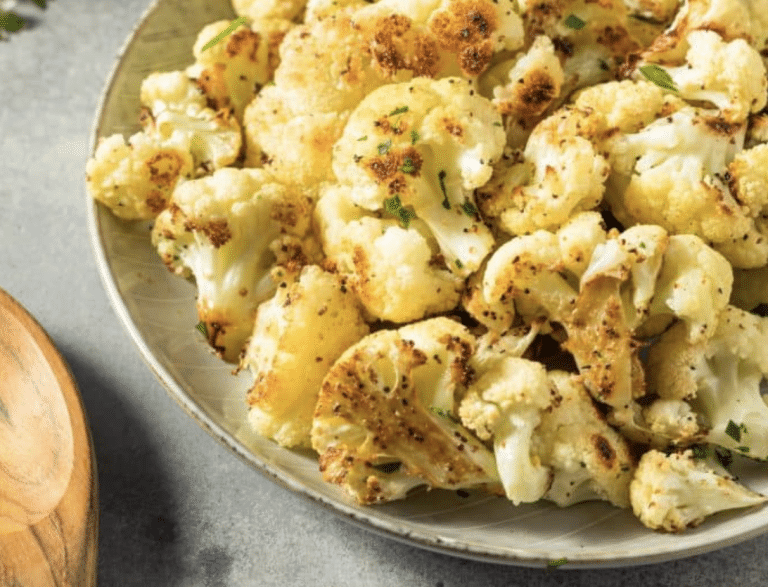
37 Foods I Always Stockpile Before Winter
Every fall, usually the first properly cold weekend, I go through my whole kitchen and rebuild my pantry from the ground up. It is not glamorous and it is not a fun grocery trip, it is just the thing that keeps my family fed without a panicked store run every time it snows.
I have been doing this long enough now to know what actually earns shelf space in my house and what just sits there taking up room until I toss it in spring. This list runs from the everyday pantry staples I never let run out, into the freezer stock that saves me on a bad week, through the root vegetables and produce that genuinely keep for months, and ends with the baking basics and small splurges that make the whole season feel less like a slog.
None of this is about doomsday prepping or building some elaborate system. It is just what a busy kitchen actually needs on hand before the weather makes everything harder.
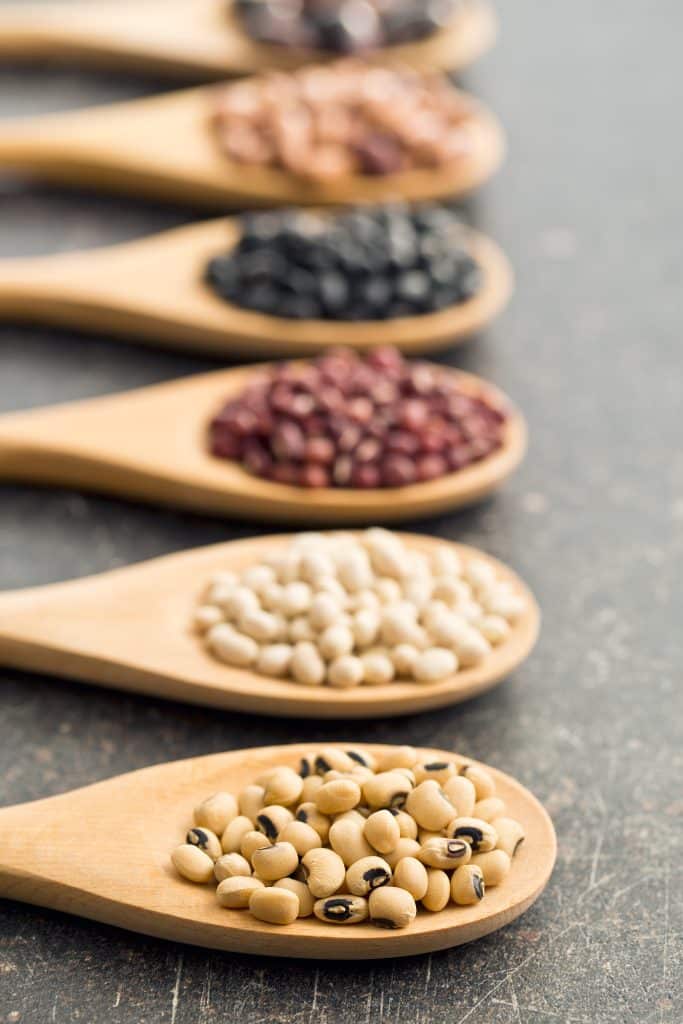
1. Dried Beans
Every October I do a pantry walk and dried beans are always the first thing I restock. They cost almost nothing, they take up barely any room, and they last for years if I keep them sealed and dry.
The trick I learned the hard way is buying from one source at a time and using the oldest bag first. Beans are one of the dirt-cheap plant foods that secretly pack real protein, which is a big part of why I never let the shelf run empty.
How I use it: I keep a mix of black beans, pinto, and great northern on hand and build whatever soup or chili the week calls for. A pound of dried beans stretches into three or four dinners once you factor in leftovers.
2. Lentils
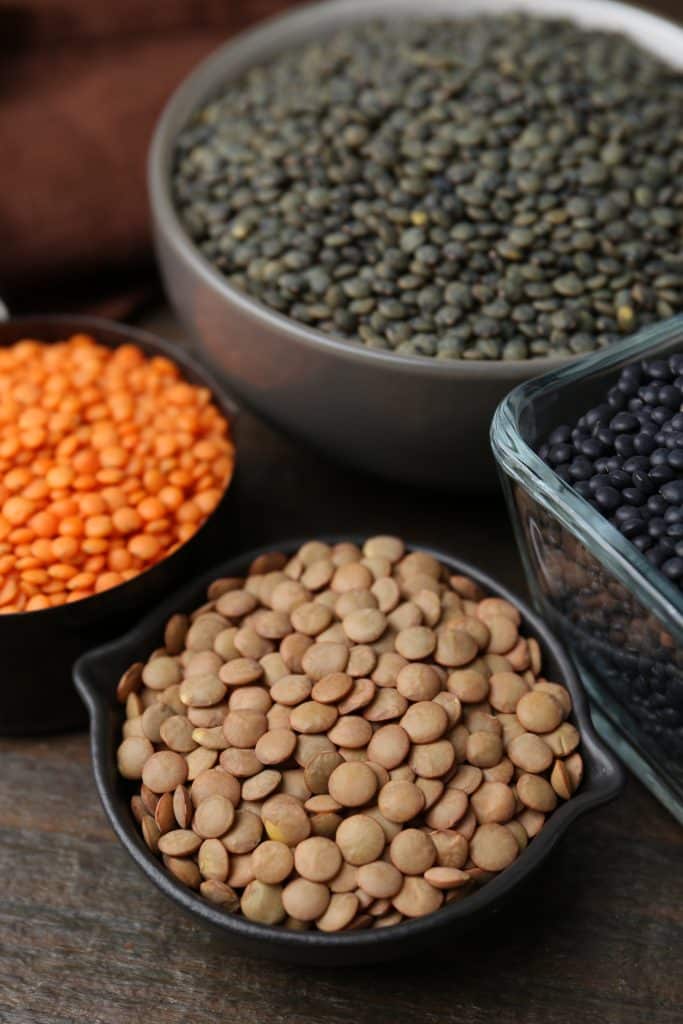
Lentils are the one pantry item I never run low on, mostly because my husband will eat them in literally any form. Red, green, brown, it does not matter to him.
Unlike beans they need no soaking, which makes them the fastest thing in my pantry to turn into an actual dinner. Along with a few other staples on this list, they are one of the plant foods I lean on for protein when meat is not on the menu that week.
How I use it: I dump red lentils into whatever broth I have going with onion and garlic and call it soup by the time the kids get home from school.
3. White Rice
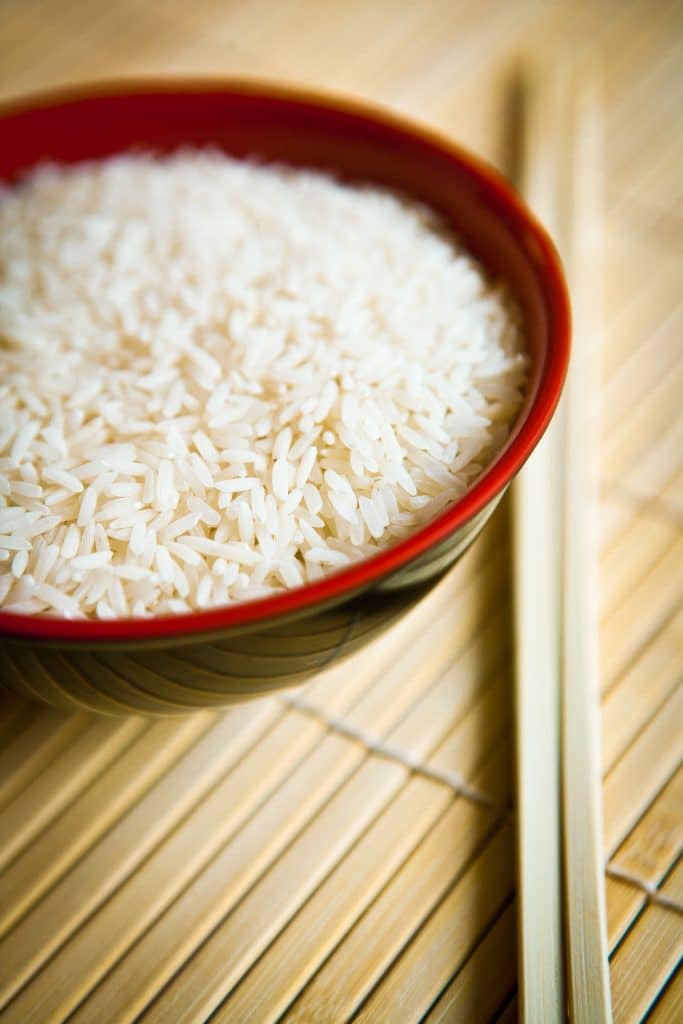
I buy rice in the biggest bag my pantry shelf can physically hold. It is the one starch that never gets a complaint from anyone at my table, picky eater included.
Stored in an airtight container away from moisture, white rice keeps for years without going stale or attracting pests the way flour sometimes does. I learned to transfer it out of the paper bag the first time I found a moth in my cabinet.
How I use it: a big pot of rice on Sunday means fried rice, burrito bowls, and rice and beans are all fifteen minutes away for the rest of the week.
4. Oats
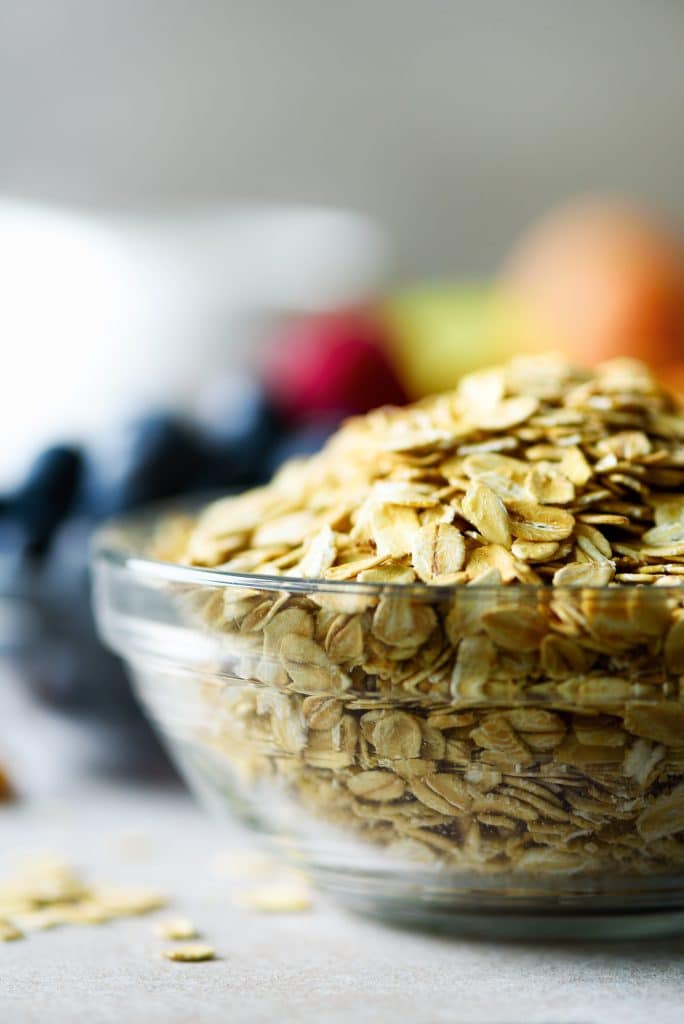
Oats earn their spot for breakfast alone, but I also lean on them for muffins and the occasional meatloaf binder. A big canister lasts my family close to a month.
I used to buy the flavored instant packets thinking they would save time, but they cost more per serving and the kids picked out the mix-ins anyway. Plain rolled oats with our own toppings wins every time now.
How I use it: I make a double batch on Sunday and reheat portions all week with whatever fruit needs using up.
5. Pasta
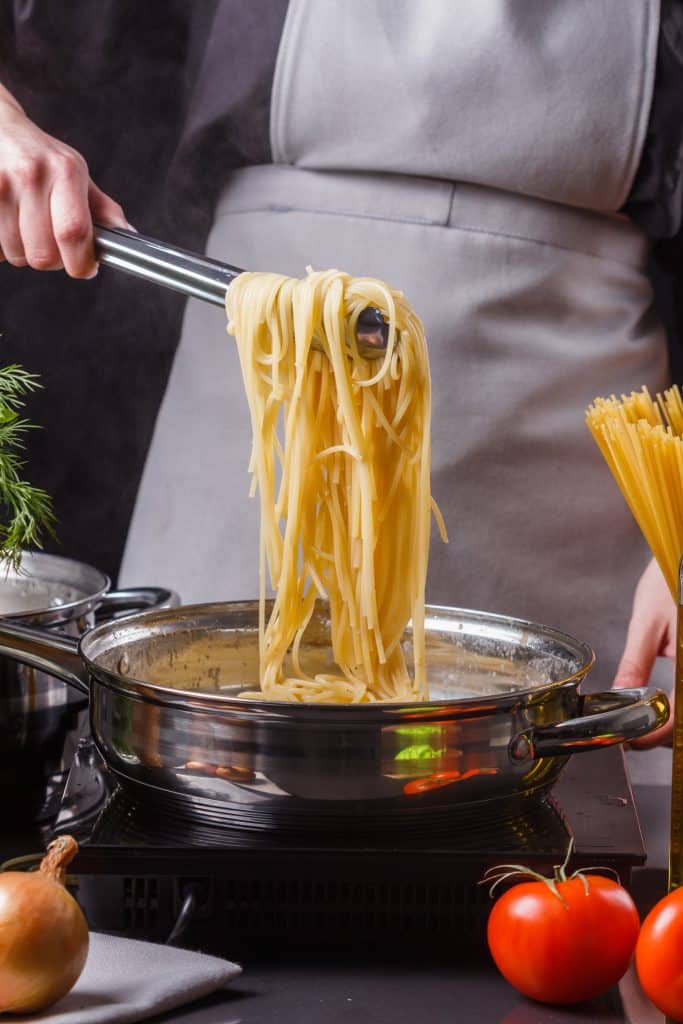
Boxes of pasta are the backbone of my January and February dinners, when I am least interested in complicated cooking. It is shelf stable for what feels like forever and it goes with almost anything I already have in the fridge.
I keep at least two shapes on hand, one small for soup and one long for a real dinner plate. That way I am never stuck making the wrong pasta for the meal I am actually planning.
How I use it: whatever vegetables are closest to going bad get roasted and tossed with pasta, olive oil, and whatever cheese we have left in the drawer.
6. Canned Tomatoes
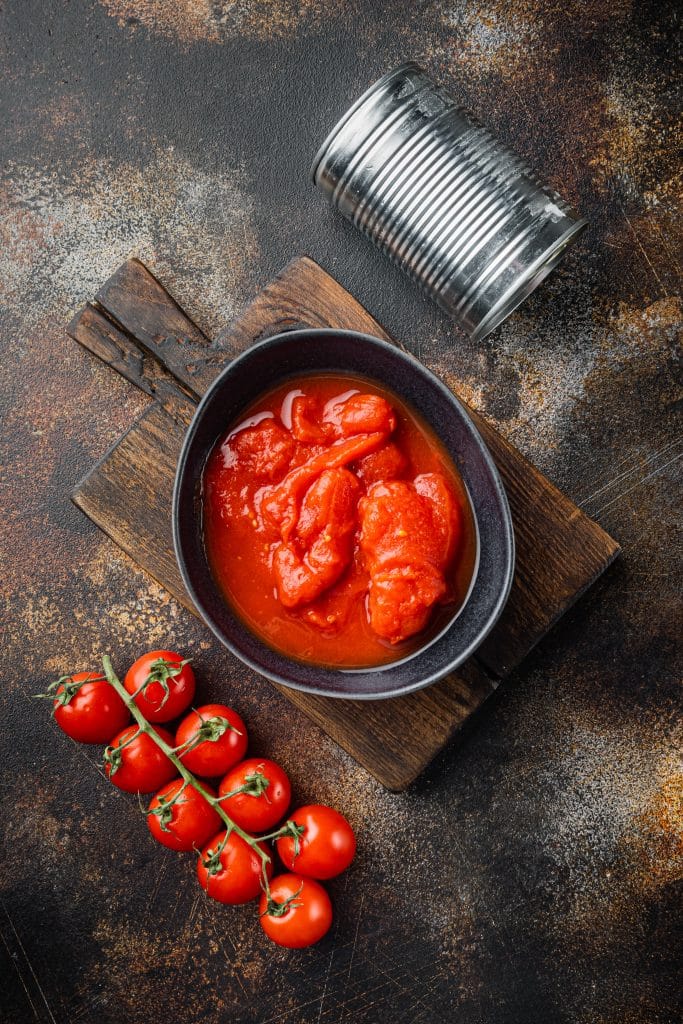
I buy canned tomatoes by the case every fall because winter is soup and sauce season in my house. Fresh tomatoes in January taste like nothing, so I stopped even trying to use them for cooking that time of year.
Whole canned tomatoes hold their texture better than the pre-crushed kind, and I can crush them myself with clean hands right in the pot. It is a small step that makes a noticeable difference in the final sauce.
How I use it: a can of tomatoes, an onion, and garlic gets me a real marinara in the time it takes the pasta water to boil.
7. Canned Tuna
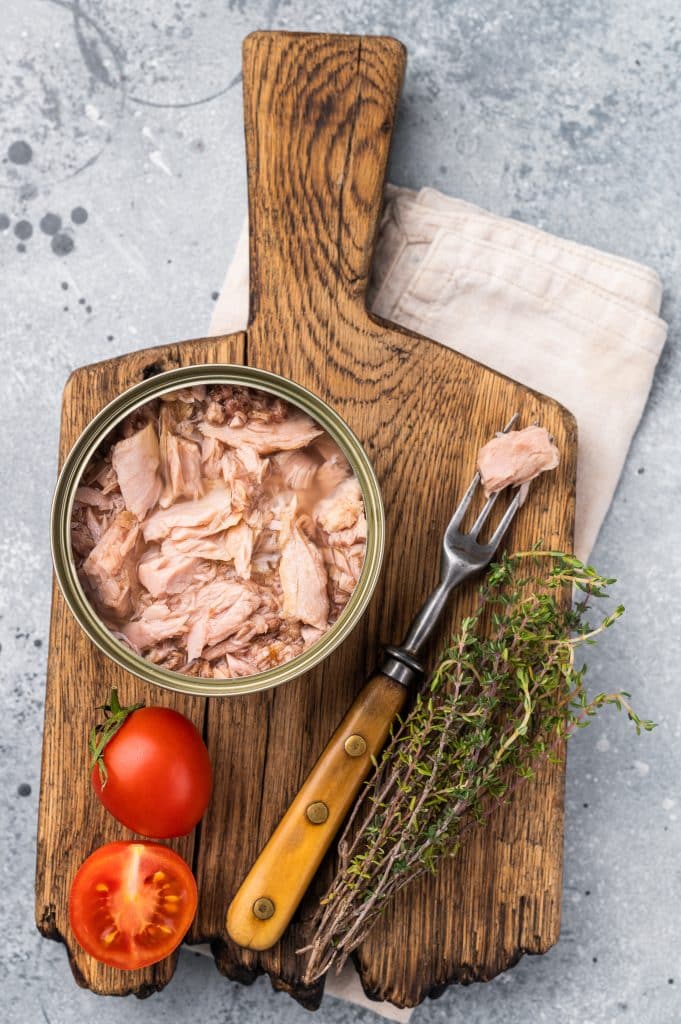
Canned tuna is my backup protein for the weeks when the freezer is empty and nobody wants to go to the store in the cold. It needs no thawing and no planning, which counts for a lot on a Tuesday.
I look for tuna packed in water rather than oil for most weeknight uses, since it lets me control the fat and flavor myself. Oil-packed is nice for a special sandwich but not what I reach for on a regular basis.
How I use it: mixed with a little mayo, celery, and whatever crunchy vegetable is in the fridge, it becomes lunch in under five minutes.
8. Peanut Butter
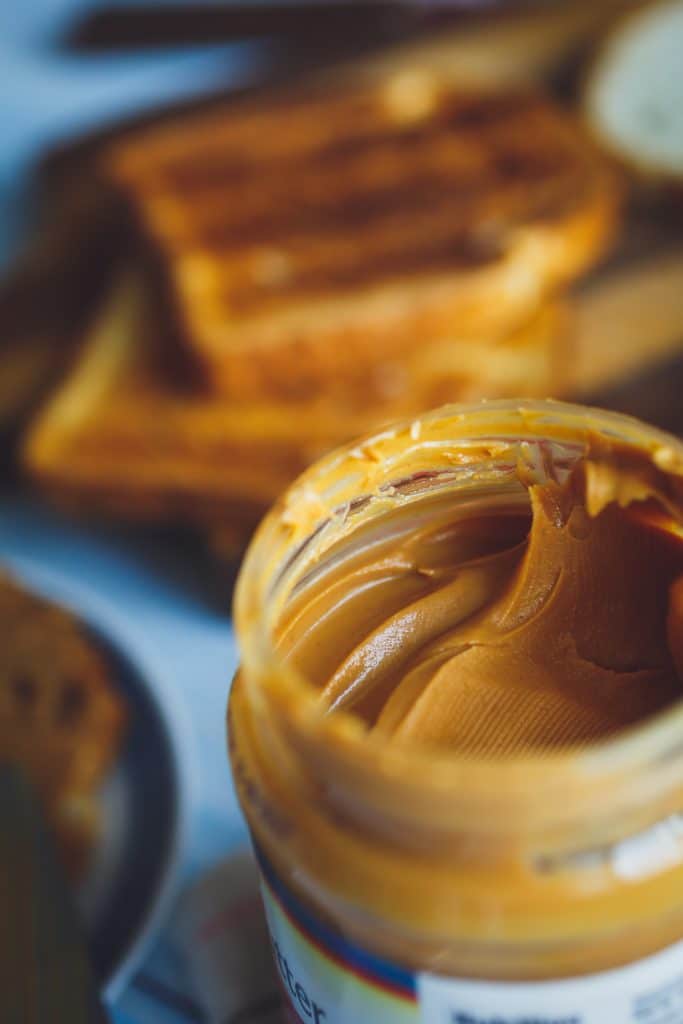
I buy two jars of peanut butter at a time because one is never enough with two kids who eat it almost daily. It is cheap, it does not spoil quickly, and it is one of the only proteins both my picky eater and my adventurous eater agree on.
One More Bite
Natural peanut butter separates in the jar and needs a stir before every use, so I keep a butter knife stuck right in the lid as a reminder. The regular kind stays smooth but I watch the sugar content when I am choosing between brands.
How I use it: a spoonful thinned with warm water and soy sauce turns into a quick noodle sauce that saves a dinner more often than I would like to admit.
9. Bouillon
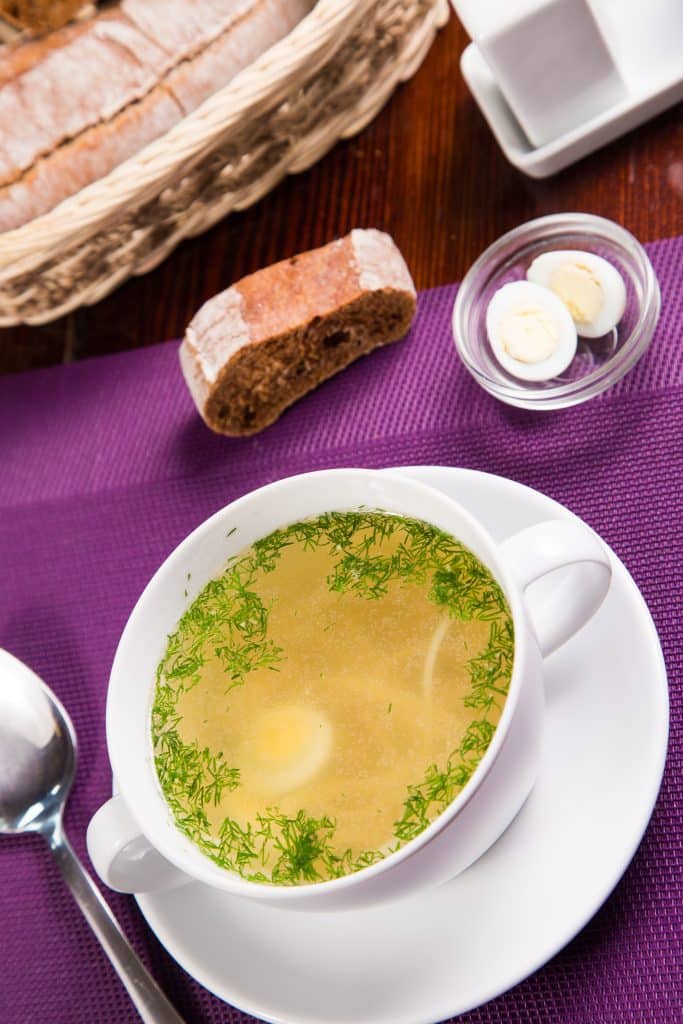
Bouillon cubes take up almost no shelf space and turn plain water into something worth cooking with. I keep both chicken and vegetable versions stocked for whatever the meal calls for.
It is not a replacement for real stock when I have the time to make it, but it saves dinner on the nights when I clearly do not. I dissolve it straight into the pot rather than mixing it separately first.
How I use it: a cube or two goes into rice, beans, or any soup base that tastes a little flat and needs a push.
10. Flour
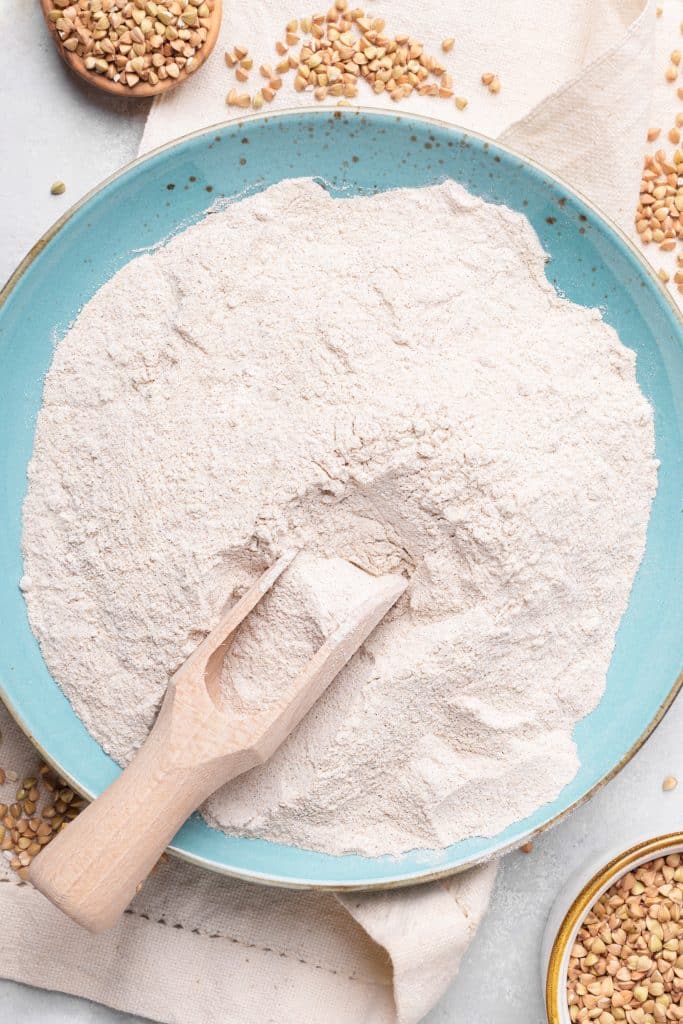
Flour is one of those staples I never think about until I am out of it mid-recipe, so I keep a backup bag in the freezer at all times. It stops any bug issues before they start and it does not affect how the flour bakes.
I let it come to room temperature before using it in anything delicate like pie crust, since cold flour can throw off the texture. For everyday cooking like breading or thickening a sauce, it goes straight from the freezer into the pan.
How I use it: a well-stocked flour supply is what makes a snow day pancake breakfast possible without a store run.
11. Cornmeal
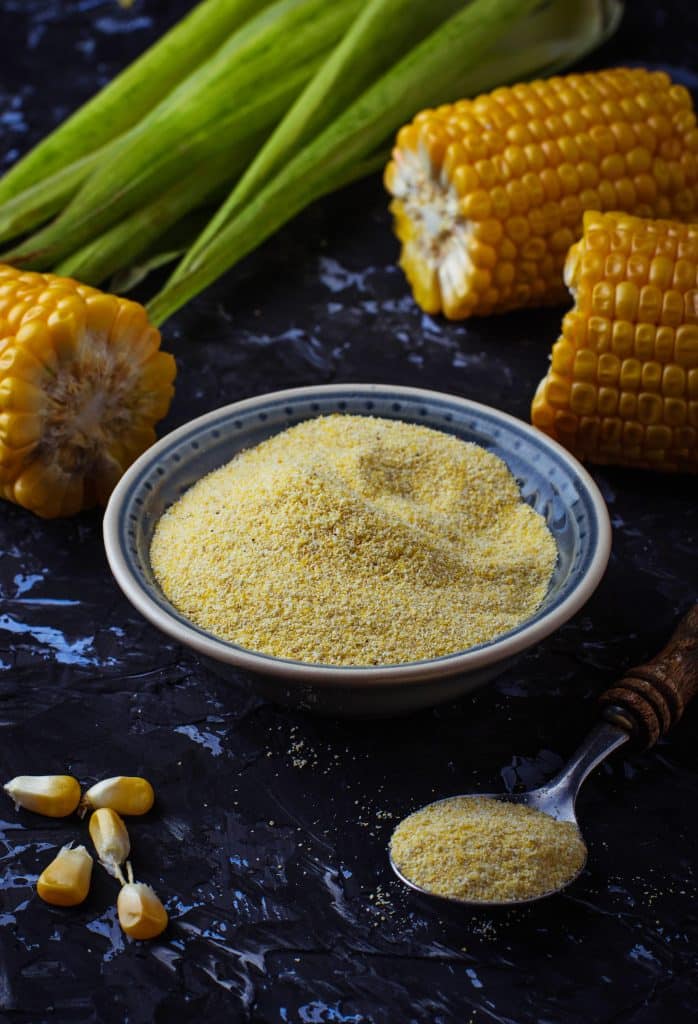
Cornmeal is a smaller player in my pantry but a consistent one, mostly because cornbread shows up next to chili at least twice a month once it gets cold. It keeps for a long time in a sealed container in a cool cupboard.
I buy the coarser stone-ground kind when I can find it, since it gives cornbread a better texture than the fine, powdery version. It costs a little more but a bag lasts through several batches.
How I use it: a skillet of cornbread is the fastest way I know to make a pot of soup feel like a full dinner.
12. Instant Potato Flakes
This is the one on my list where I have to be honest with you, because a lot of stockpile guides push instant potato flakes hard and I stopped buying them a few winters ago. The texture never sat right with anyone in my house, kids included, no matter how much butter I added.
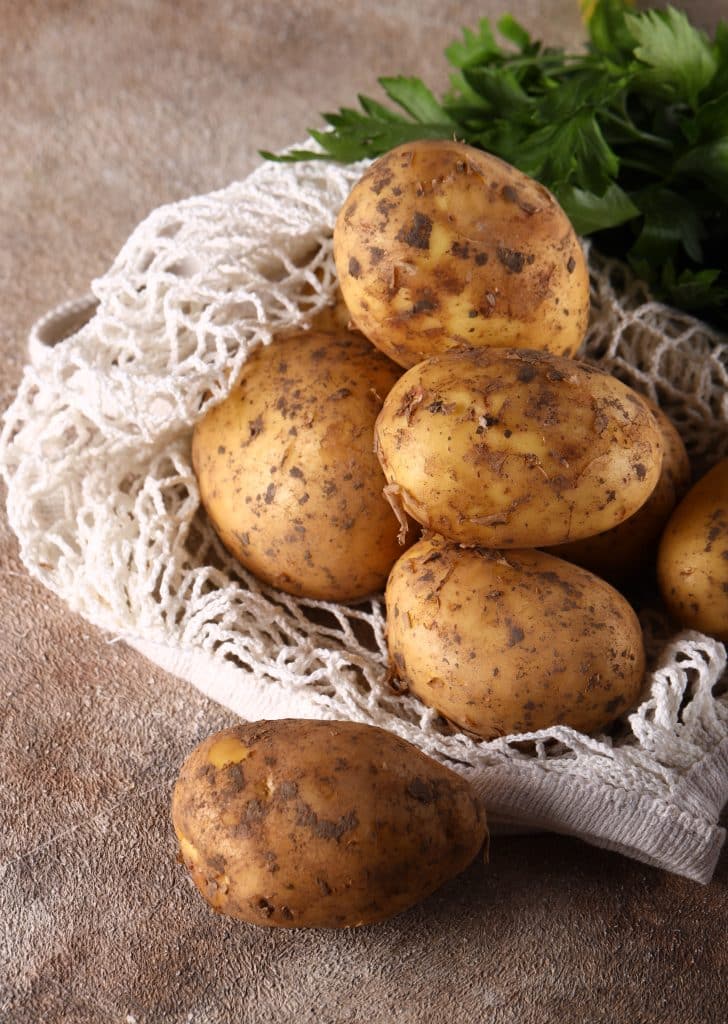
A five pound bag of real potatoes costs about the same, lasts nearly as long in a cool dark spot, and makes mashed potatoes that actually taste like potatoes. The extra ten minutes of peeling has never once felt like the wrong trade to me.
How I use it: I keep the flakes off my list entirely now and use the shelf space for a bigger bag of the real thing instead.

13. Frozen Mixed Vegetables
A bag of frozen mixed vegetables is my answer to the question of what goes with dinner when I have not planned that far ahead. It is already chopped, already portioned, and ready straight from the freezer with no prep.
I check the bag for ice crystals before buying, since a lot of visible ice usually means the vegetables have thawed and refrozen at some point along the way. That usually means mushier texture once cooked.
How I use it: a scoop goes into fried rice, soup, or straight into a pan with butter as the fastest side dish I make all winter.
14. Frozen Broccoli
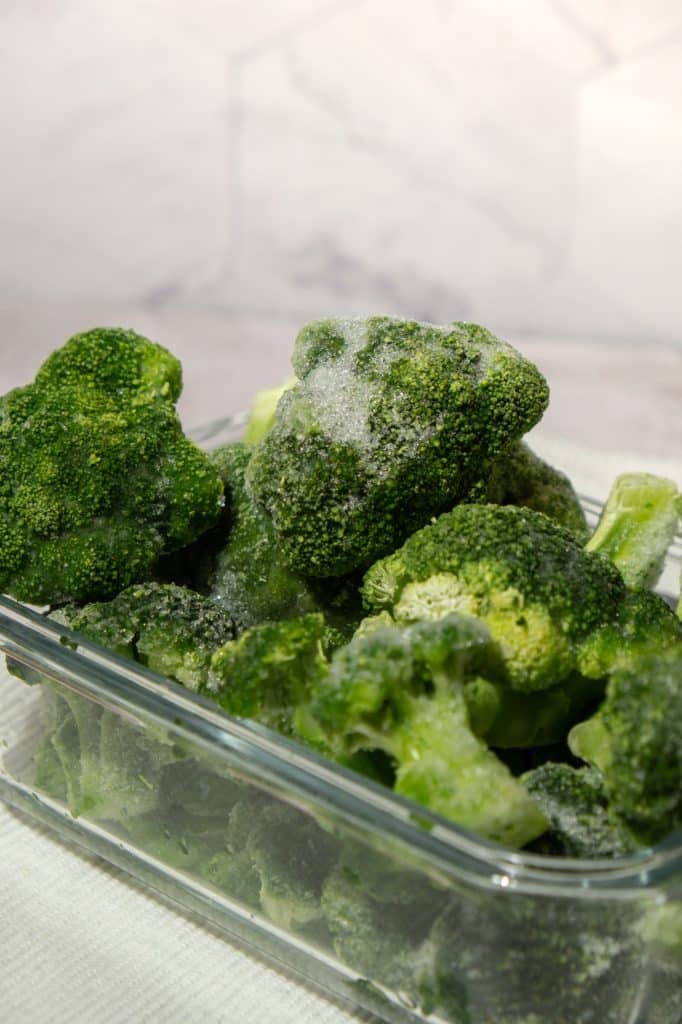
Fresh broccoli gets expensive and sad looking by February, so I switch almost entirely to frozen once the good local stuff disappears from the store. It is flash frozen close to picking, so the nutrition holds up better than people expect.
From My Kitchen
37 Things My Kitchen Doesn’t Need Anymore →
"Getting rid of half of these felt more freeing than I expected."
I roast it straight from frozen rather than steaming, which keeps it from turning to mush the way boiling does. A high oven temperature and a few extra minutes gets me actual browned edges.
How I use it: I toss frozen broccoli with olive oil and roast it alongside whatever protein is already in the oven, no extra pan needed.
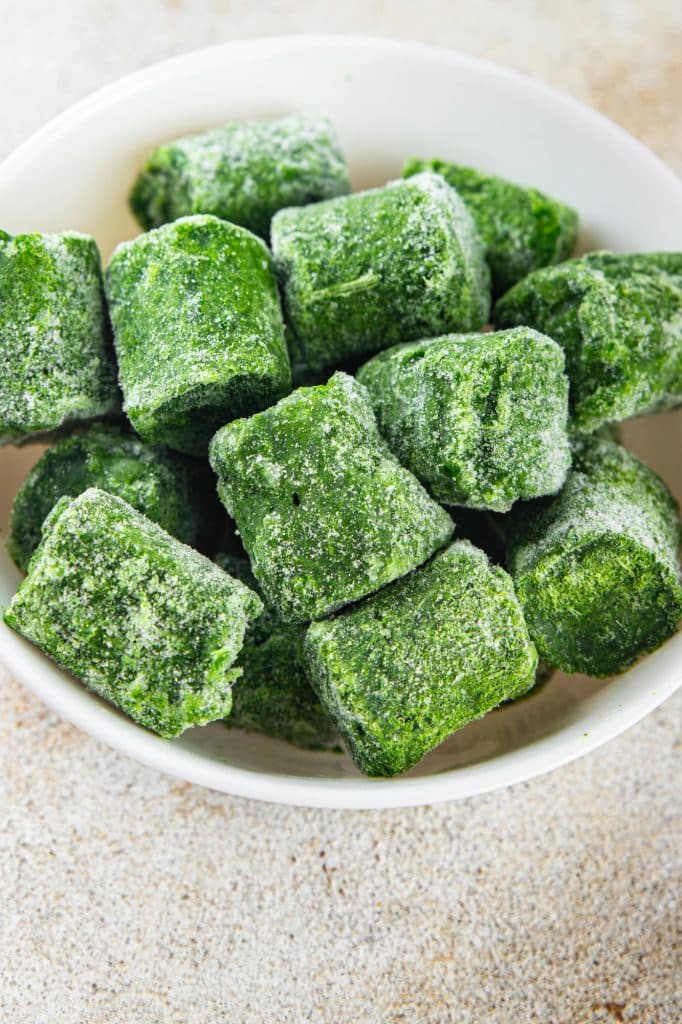
15. Frozen Spinach
Frozen spinach is the vegetable I sneak into the most dinners without a single complaint, and I have been doing it for years. It cooks down so much that a whole box disappears into almost nothing once thawed.
The key step is squeezing out the water before it goes into anything, or a sauce or casserole ends up watery and thin. I do this over the sink in a clean kitchen towel and it takes about thirty seconds.
How I use it: I fold squeezed spinach into pasta sauce, eggs, or a lasagna filling where it disappears completely into the dish.
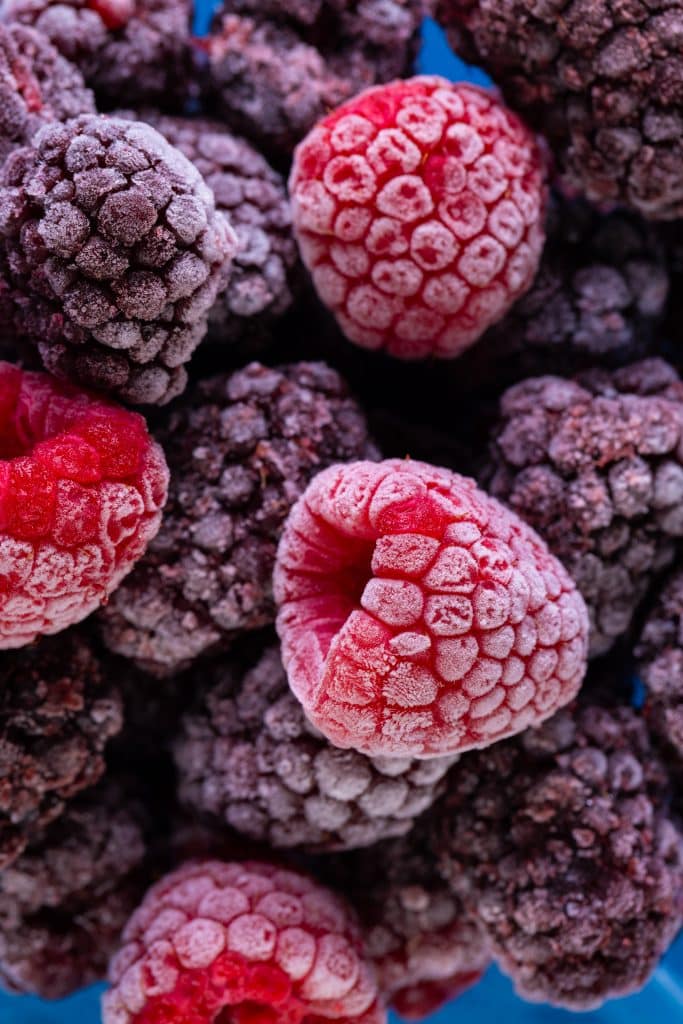
16. Frozen Berries
Fresh berries in winter cost a small fortune and taste like nothing, so frozen is where the real flavor is once the season turns. I stock several bags because my kids will eat them straight as a snack, no thawing required.
They are picked and frozen at peak ripeness, which is honestly more than I can say for the sad fresh berries sitting in the produce aisle in January. I use them for oatmeal toppings, smoothies, and the occasional quick fruit sauce.
How I use it: a handful simmered with a little sugar makes a warm compote for pancakes in about five minutes flat.
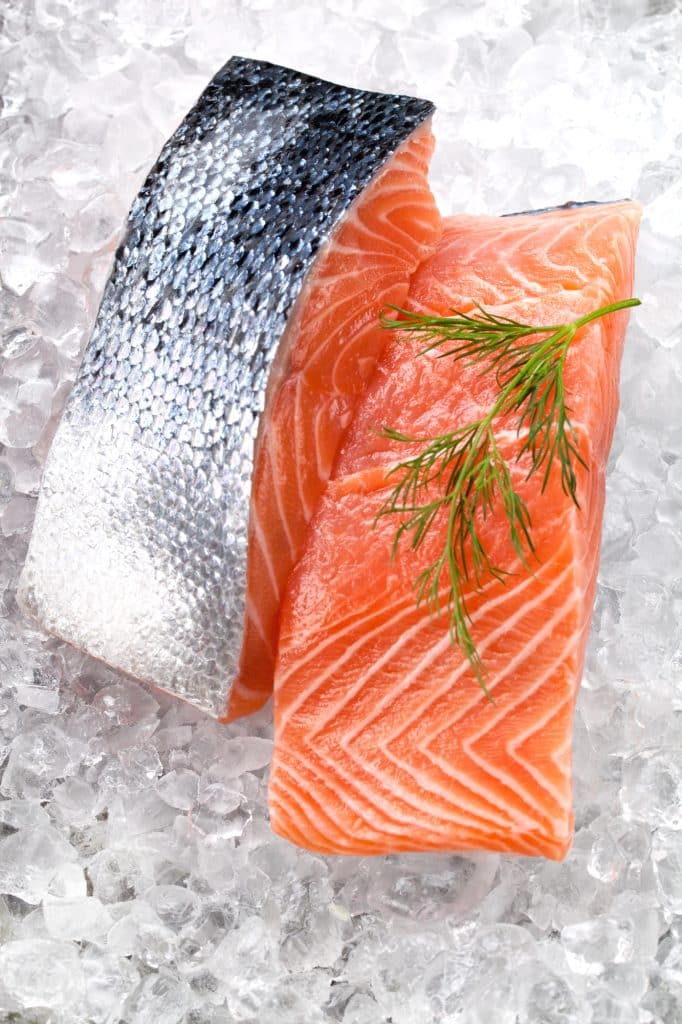
17. Frozen Wild Salmon
I keep individually wrapped salmon fillets in the freezer for the nights when I want something that feels like an actual dinner and not just something to get through. It is more expensive than most of this list, but it stretches further than you would think.
I thaw it overnight in the fridge rather than under water, which keeps the texture from getting rubbery. A quick sear with salt and lemon is honestly all it needs.
How I use it: I pull one fillet per adult and split a third between the kids, since neither of mine will eat a full portion anyway.
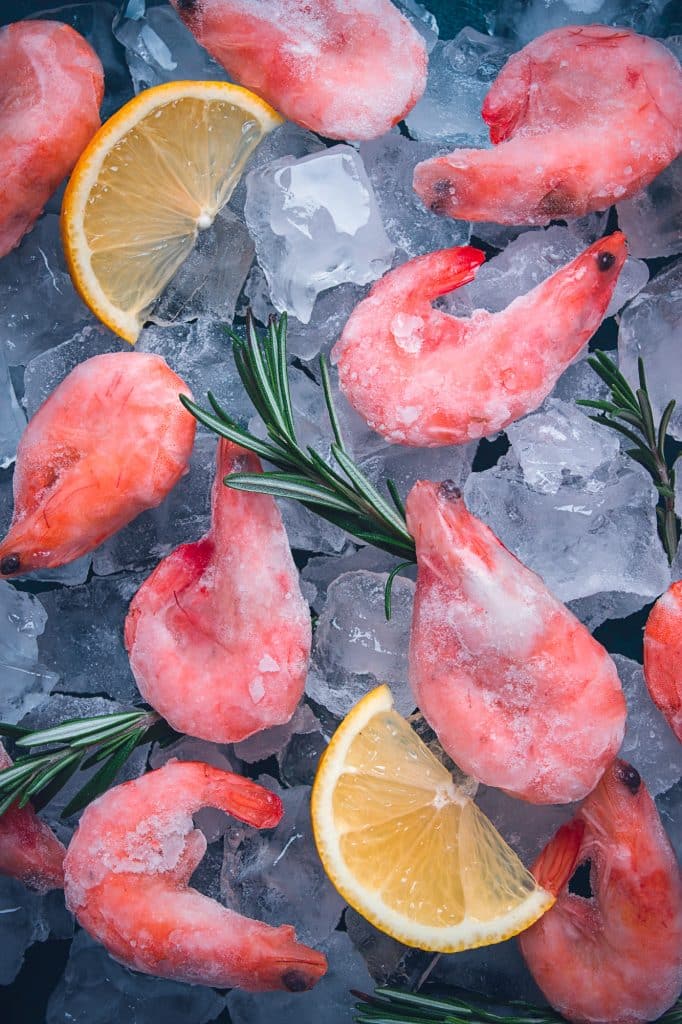
18. Frozen Shrimp
Shrimp goes from freezer to plate faster than almost anything else in my kitchen, which makes it a good backup for nights that run long. A quick cold water bath thaws a whole bag in under fifteen minutes.
I buy it already peeled and deveined because the time savings are worth the small price difference to me. Cooking from frozen without thawing first almost always leaves the middle rubbery, so I do not skip that step no matter how rushed I am.
How I use it: shrimp tossed with garlic, butter, and whatever pasta is in the pantry has saved more than one chaotic weeknight.
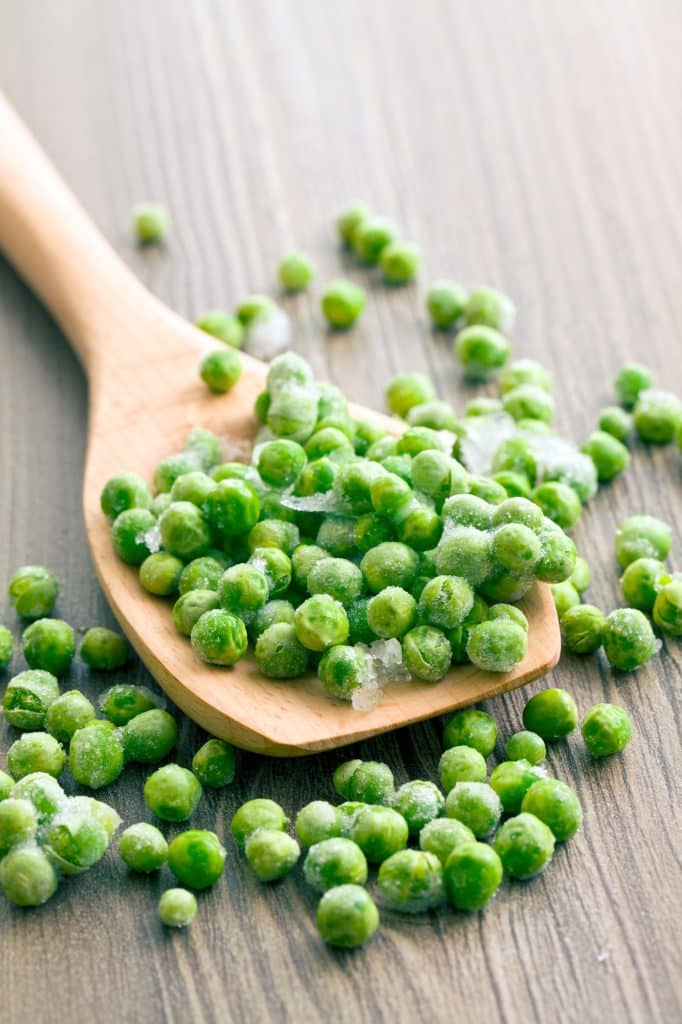
19. Frozen Peas
Peas are the one frozen vegetable that never causes a fight at my table, so I always keep a bag or two in reserve. They cook in literally minutes straight from frozen with no prep at all.
I add them at the very end of whatever I am cooking, since they only need a minute or two of heat to turn bright green and tender. Overcooked peas turn dull and mushy fast.
How I use it: a handful stirred into rice or pasta right before serving adds color and a vegetable win without any extra effort.
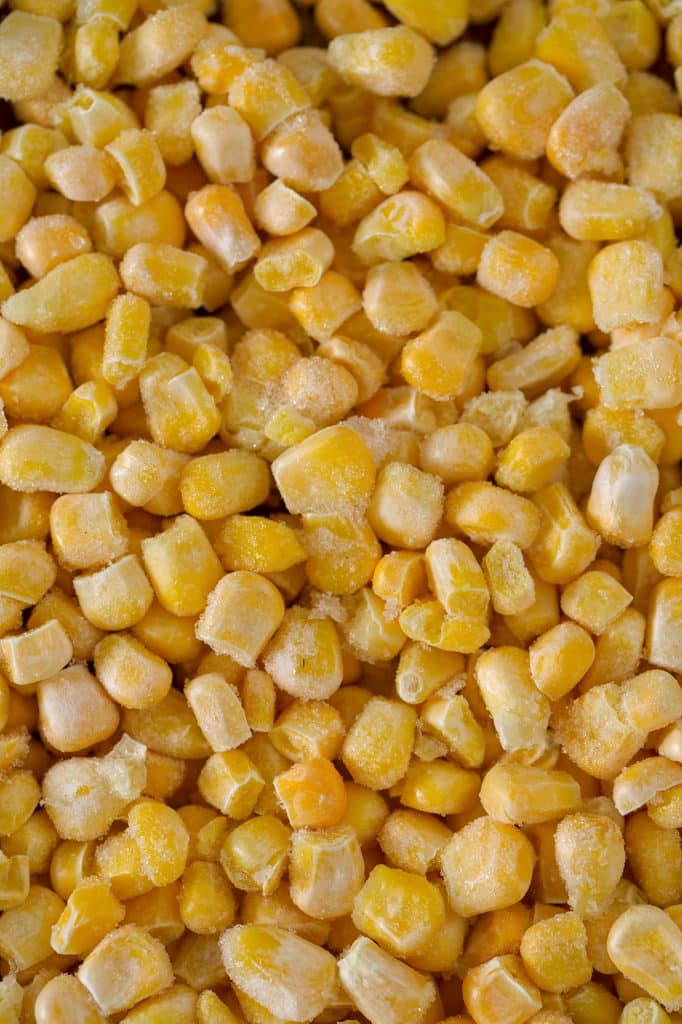
20. Frozen Corn
Sweet corn is a summer thing where I live, so frozen is how we eat it the other nine months of the year. It holds its sweetness surprisingly well compared to a lot of other frozen vegetables.
You'll Want This Too
21 Fruits and Veggies I Turn Into Something New Before They Go Bad →
I sauté it in a hot dry pan for a few minutes to get some char on it, which brings back some of that summer grilled flavor even in the dead of winter. A plain steamed bag never quite does the same thing for me.
How I use it: charred corn folded into a quick chowder or tossed into taco filling is my go-to way to use it up.
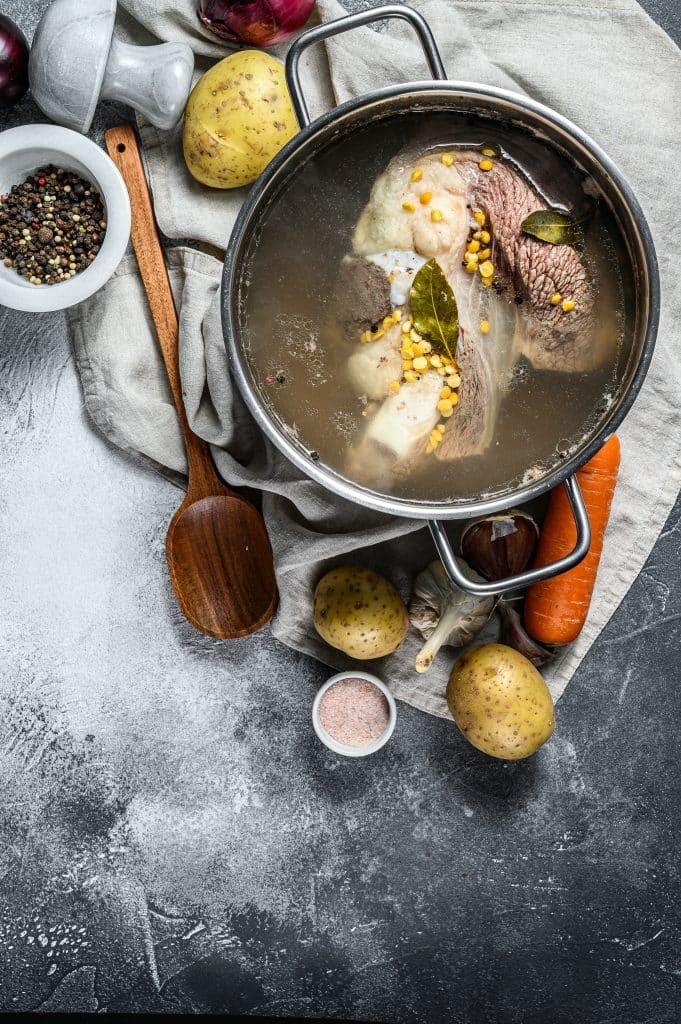
21. Homemade Stock
I keep a bag in the freezer where vegetable scraps and bones go all fall, and I turn it into stock the first cold weekend I have a few free hours. It costs almost nothing and it tastes better than anything I could buy.
I freeze the finished stock flat in bags so it stacks like books and thaws quickly under warm water. A muffin tin works well for smaller portions if I only need a cup at a time.
How I use it: a batch of homemade stock is what turns a boring Tuesday soup into something that tastes like it took all day.
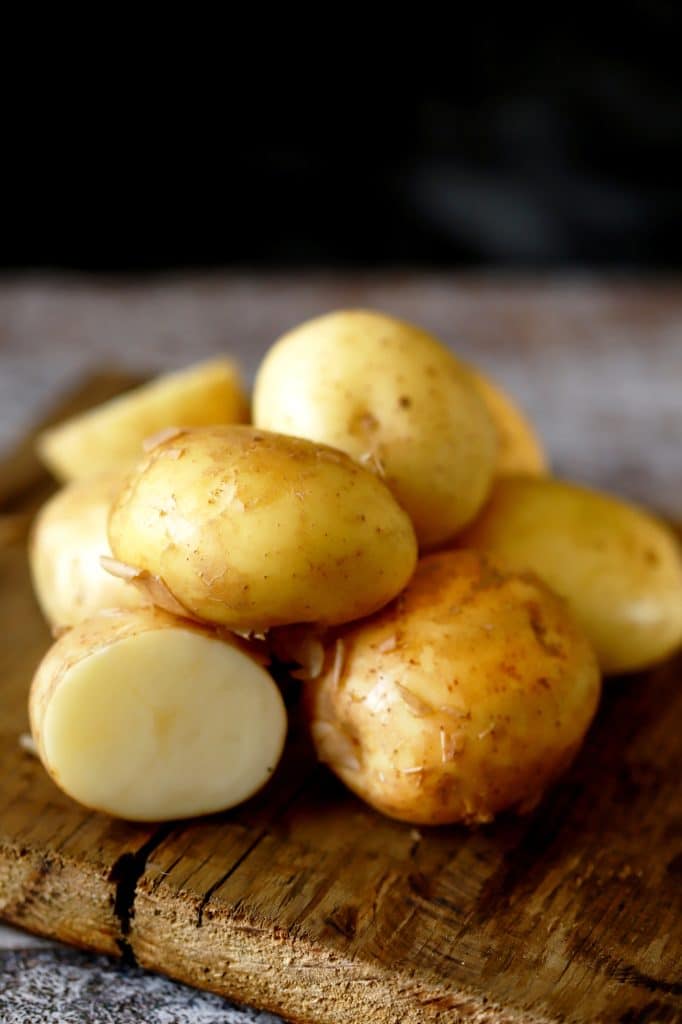
22. Potatoes
Potatoes are the most reliable thing in my kitchen from October through March, and I buy them ten pounds at a time without a second thought. They keep for weeks in a cool dark spot, which my pantry closet handles just fine.
I never store them near onions, since the gases each one gives off actually make the other spoil faster. A cardboard box with a loose lid works better than a sealed plastic bag, which traps moisture and speeds up rot.
How I use it: a big pot of boiled potatoes covers soup, mash, and a quick pan fry for breakfast, all from one bag.
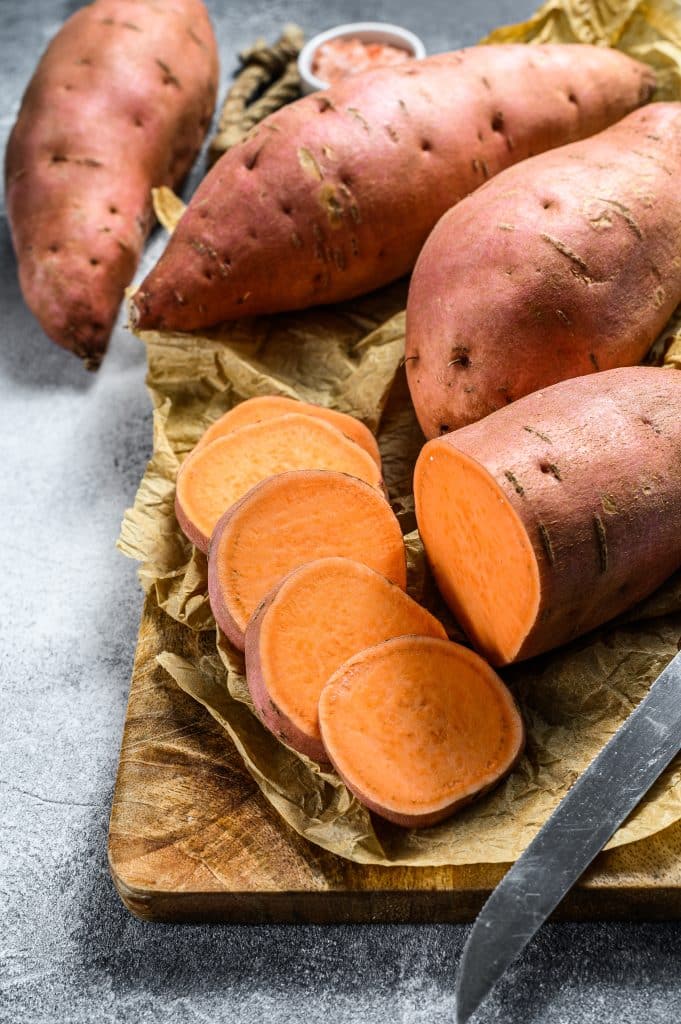
23. Sweet Potatoes
Sweet potatoes are the vegetable that reliably tricks my kids into eating something orange without a single complaint. They store for months in a cool pantry and only get sweeter with a little time.
Unlike regular potatoes, I keep these on the counter rather than in the fridge, since cold temperatures actually change their texture for the worse. They’re one of the vegetables that are hearty enough to carry a whole meal on their own.
How I use it: roasted wedges with a little cinnamon show up as a side dish at least once a week all winter long.
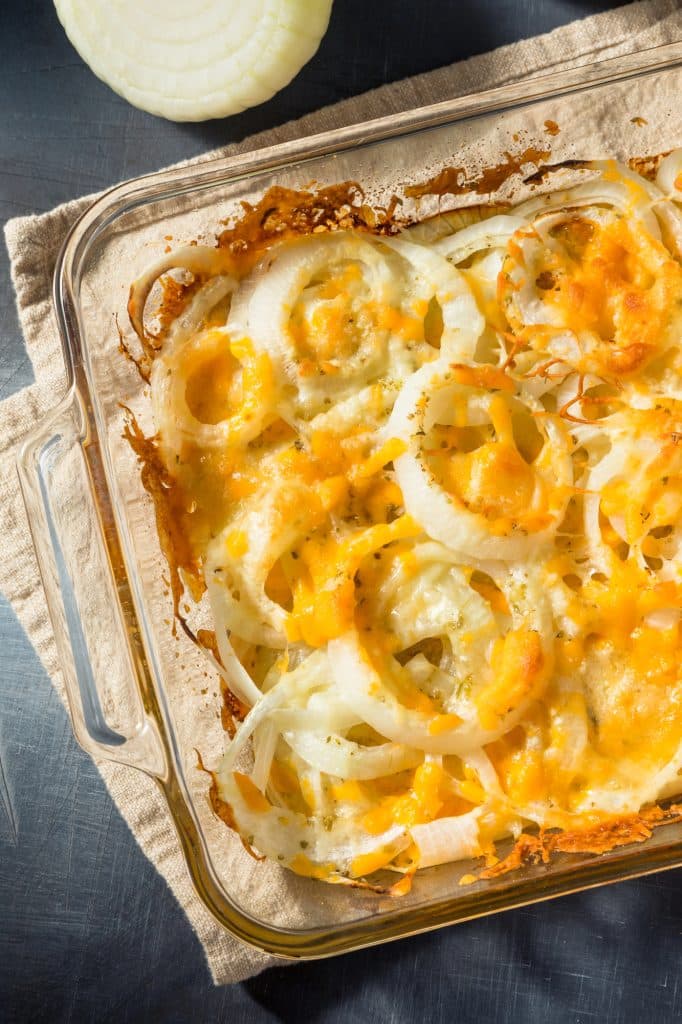
24. Onions
There is not a single week of the year I am not cooking with onions, so a mesh bag of them is a non-negotiable in my pantry. They are the base of nearly everything I make, from soup to a simple sauté.
I store them somewhere dark and dry with good airflow, since a sealed bag traps moisture and speeds up sprouting. Once one goes soft I pull it out fast, because it spreads to the rest of the bag quickly.
How I use it: I chop a big batch on Sunday and freeze half so weeknight prep is just a scoop from a bag.
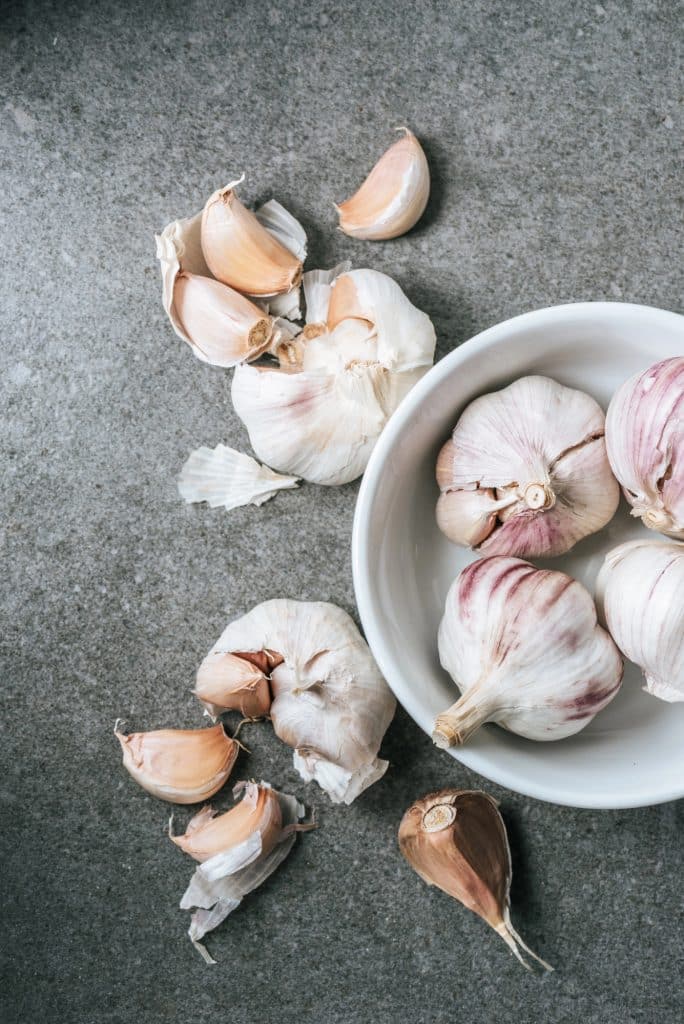
25. Garlic
Garlic goes into nearly everything alongside my onions, so I buy it in bulk mesh bags rather than the small three pack. It keeps for months in a cool cupboard as long as it stays dry.
I have learned to pull any head that starts sprouting green shoots out of the bag right away, since it turns bitter fast and can affect the rest. The green shoot itself is fine to eat, just milder and worth using up on its own.
How I use it: a few smashed cloves in oil at the start of nearly any dinner is basically how my cooking begins.
Go Deeper
Meal Planning for Real Families: The Sunday System That Survived My House →
"After years of trying every app, this is what stuck."
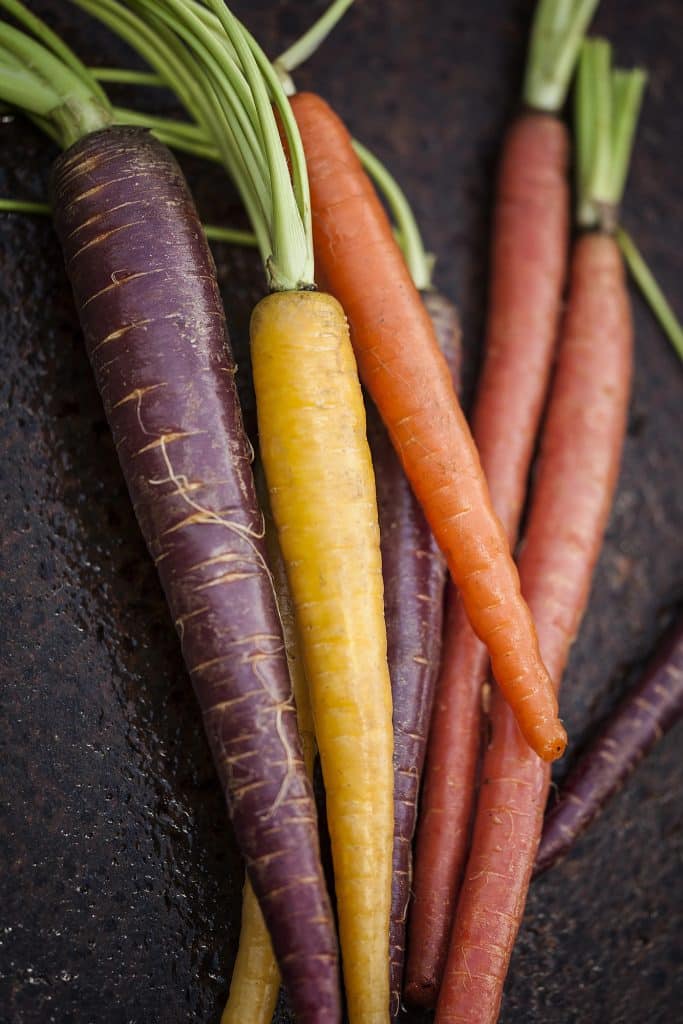
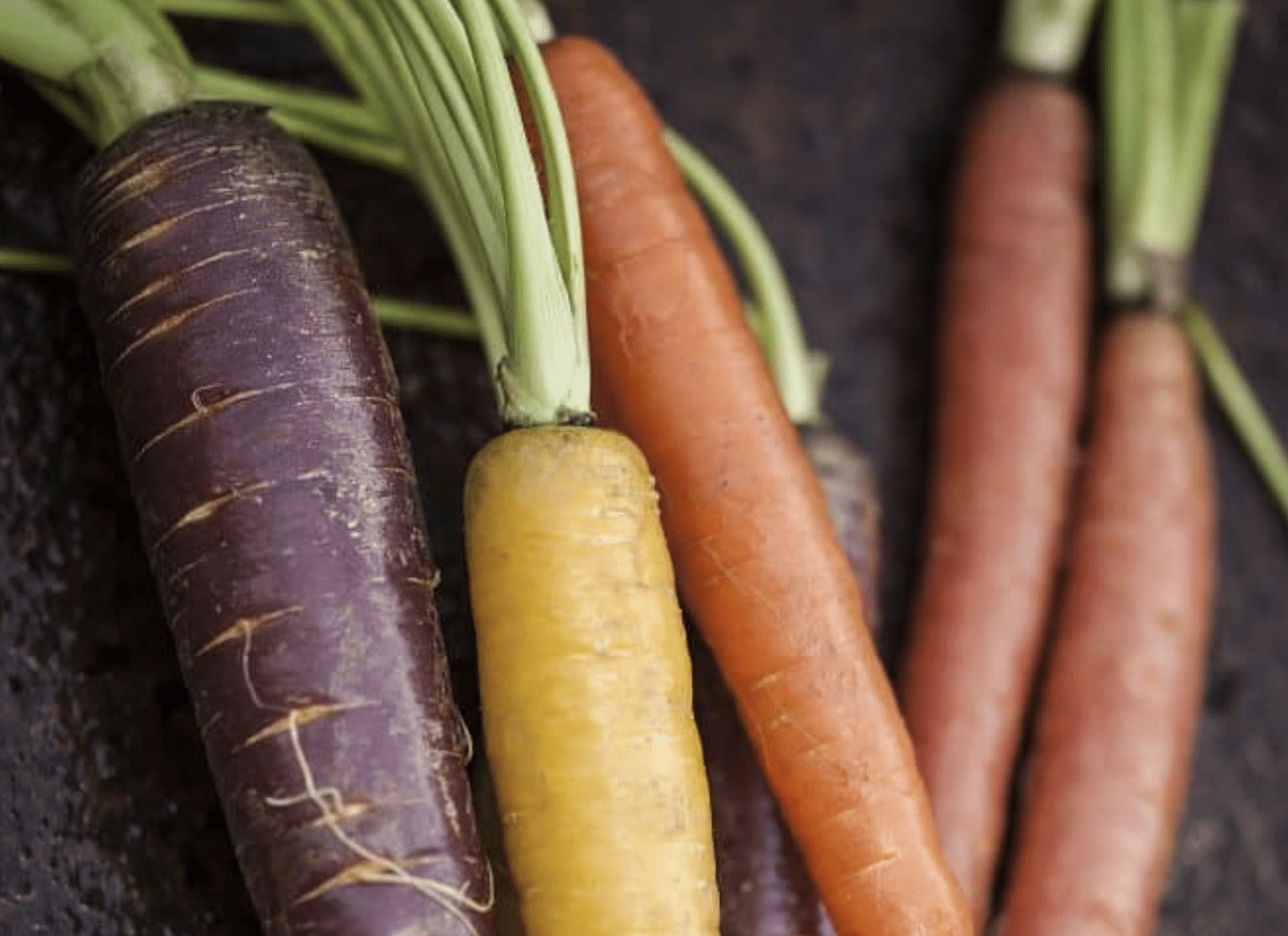
26. Carrots
Carrots last an unreasonably long time in the crisper drawer, which makes them one of my most trusted stockpile items. A bag bought in October is usually still good well into December if stored right.
I wrap them loosely in a damp paper towel inside a bag rather than leaving them in their original plastic, which keeps them from going rubbery. A rubbery carrot still works fine cooked, but nobody wants to eat one raw.
How I use it: they go into everything from a pot of soup that stretches into a whole week of dinners to a simple roasted side with butter and thyme.
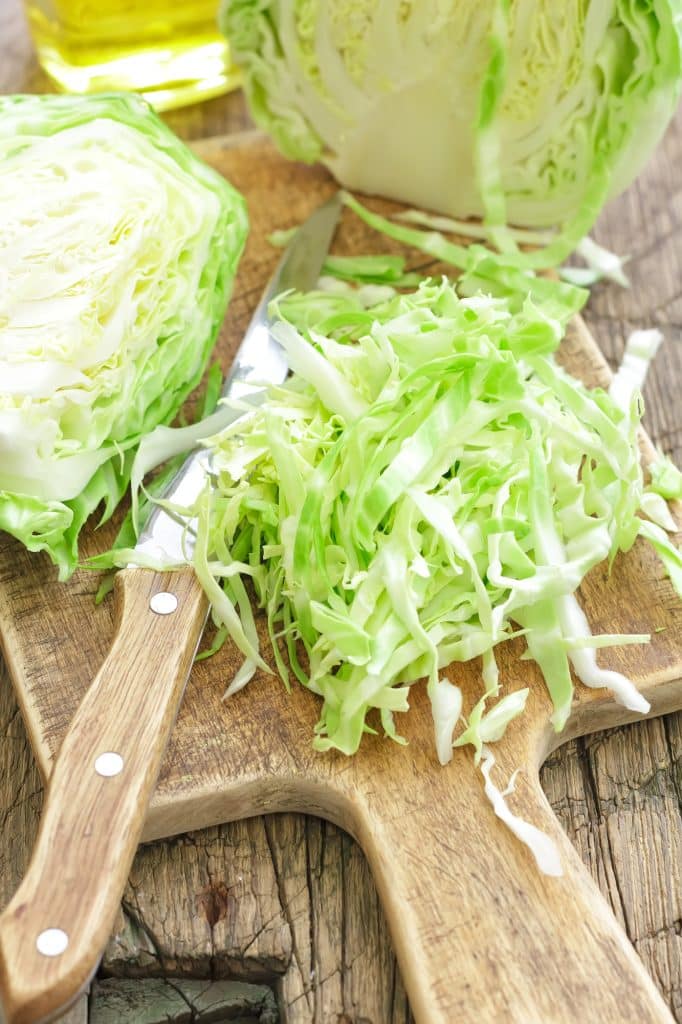
27. Cabbage
A single head of cabbage genuinely lasts a month in the fridge if it is not cut yet, which makes it one of the best cold weather values I know of. It is also cheap enough that I never think twice about grabbing one.
Once I cut into it, I wrap the cut half tightly in plastic to slow down browning, and it still holds up for another week or two. The outer leaves protect the inside from the cold better than people expect.
How I use it: shredded into a quick slaw or simmered low in a pot of soup, it is the vegetable that stretches the furthest for the least money.
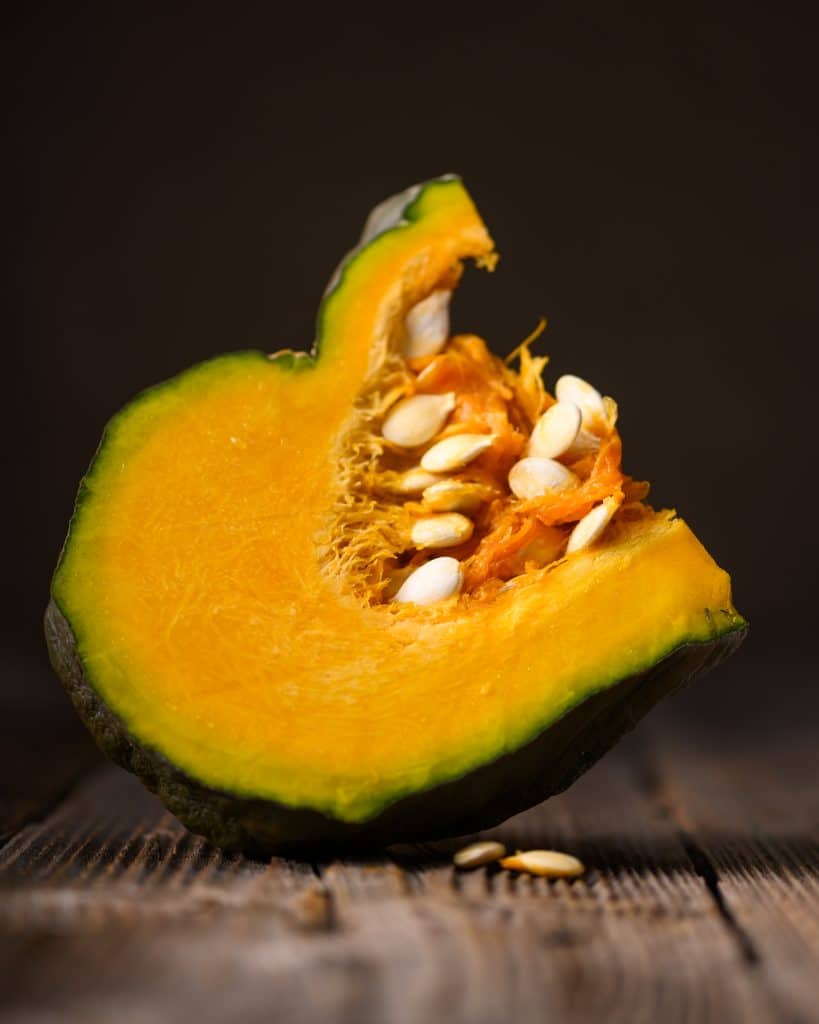
28. Acorn Squash
Winter squash earns its name honestly, since a whole acorn squash sits on my counter for weeks without any special storage at all. I buy several at a time in October and work through them slowly all season.
I cut it in half, scoop the seeds, and roast it face down first, which steams the flesh from underneath and keeps it from drying out. It is one of the fruits and veggies I always roast instead of steaming, and flipping it face up for the last ten minutes gets a little caramelization on top.
How I use it: I fill the roasted halves with rice, beans, and whatever cheese is left in the fridge for a dinner that looks fancier than it actually is.
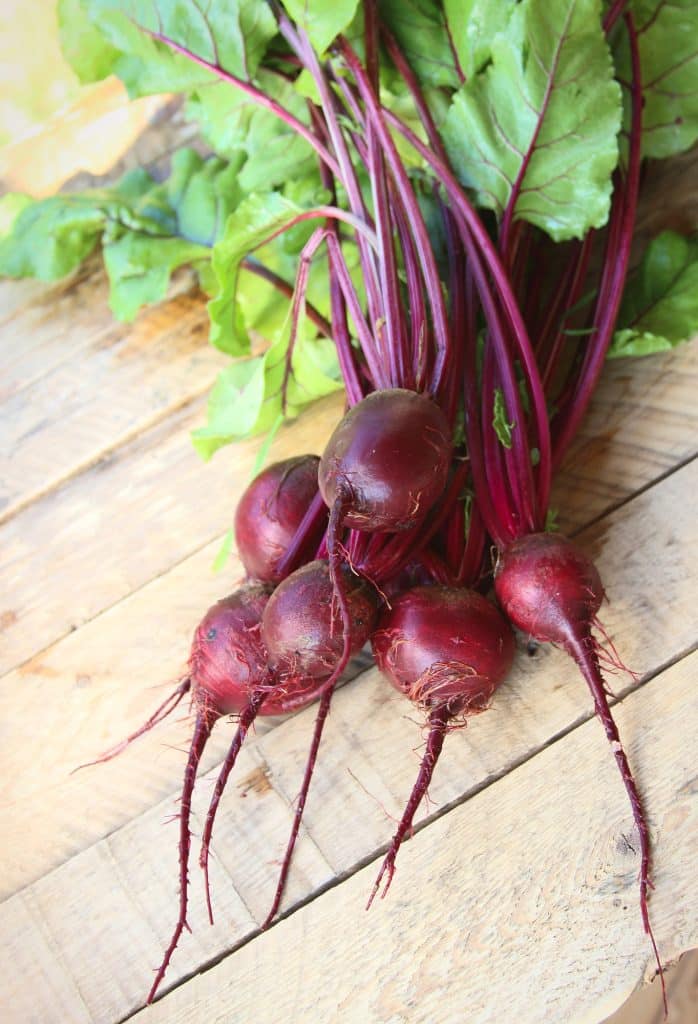
29. Beets
Beets do not get nearly enough credit as a stockpile vegetable, and they store for weeks in the crisper drawer without much fuss. I twist the greens off before storing, since leaving them attached pulls moisture out of the root.
I roast them whole wrapped in foil rather than boiling, since boiling leaches out a lot of their color and flavor into the water. The skins slip right off with your fingers once they cool.
How I use it: roasted and tossed with a little vinegar, they turn into a cold salad that keeps well in the fridge for lunches all week.
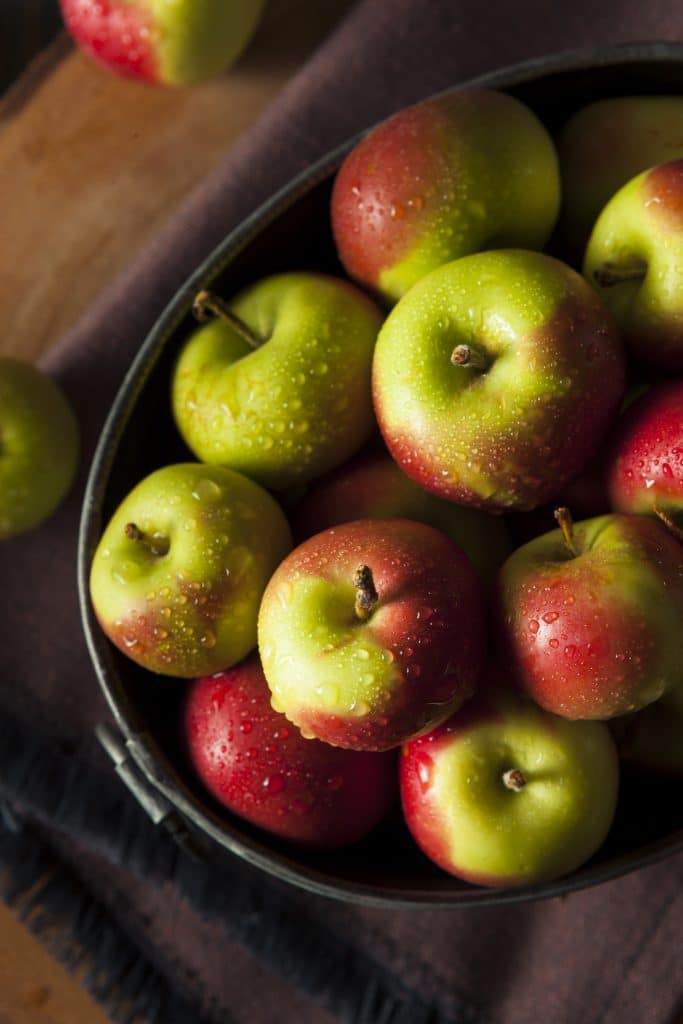
30. Apples
Apples are the fruit I stock hardest for winter, since a good storage variety like the ones I grab at the orchard in fall will keep in the fridge for months. I fill a whole crisper drawer with them every October.
I keep them away from other produce, since apples give off gas that speeds up ripening in everything around them. Learned that one after a bag of potatoes sprouted way faster than usual sitting next to a fruit bowl.
How I use it: a bowl by the counter where the kids can grab one keeps snack time simple, and the ones that get a little soft go straight into a baked crisp.
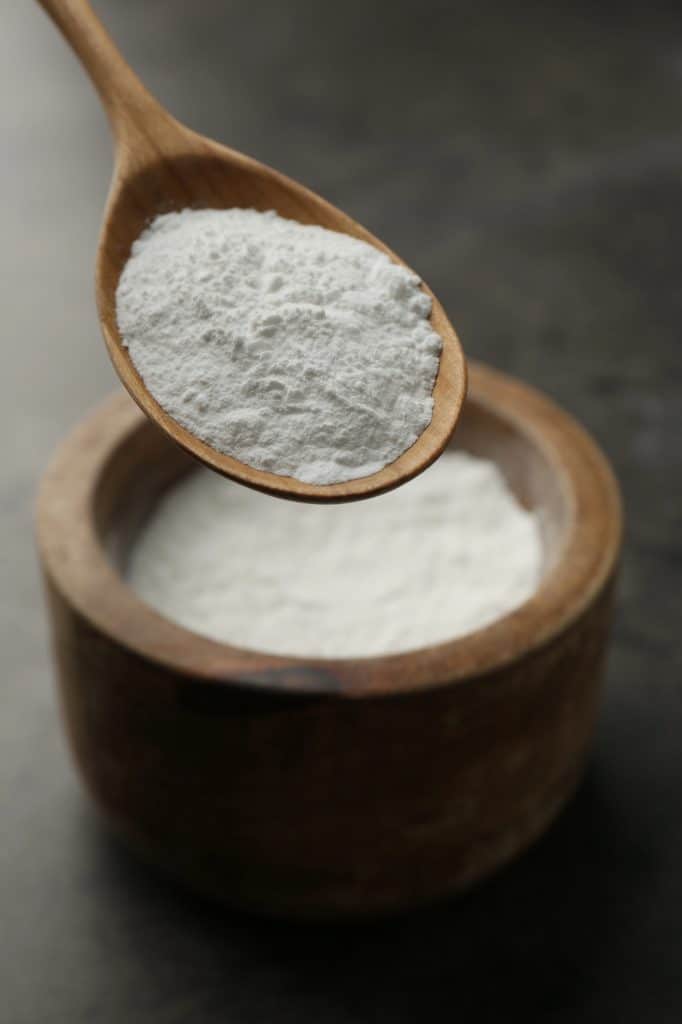
31. Baking Powder
Winter baking picks up hard in my house once the weather turns, so I make sure baking powder is never the thing standing between me and a batch of biscuits. It has a shelf life, unlike salt or sugar, so I do check the date each fall.
A quick test is dropping a small spoonful into hot water. If it fizzes right away it is still good, and if it barely reacts I replace the whole container before I get halfway through a recipe.
What Everyone's Making
23 Produce Staples I Buy Every Week Without Even Checking the List →
How I use it: a fresh container means Sunday morning biscuits actually rise the way they are supposed to.
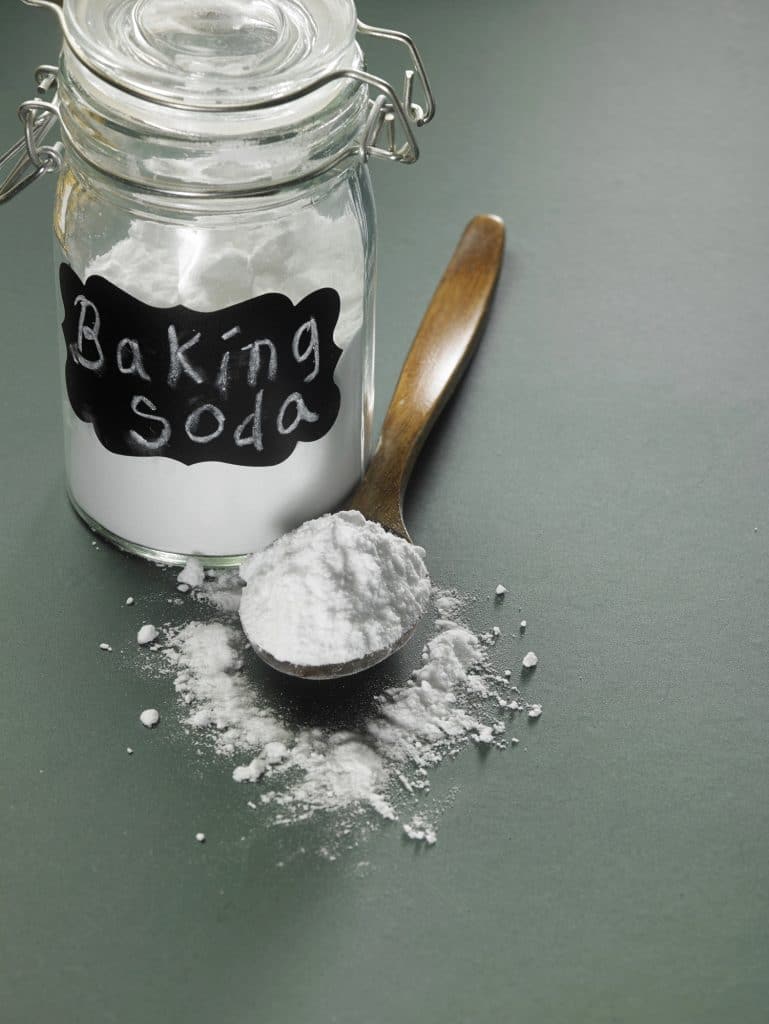
32. Baking Soda
Baking soda pulls double duty in my house, handling both baking and the occasional fridge deodorizing job. It is cheap enough that I keep a dedicated box for each purpose so I never mix them up.
Like baking powder, it loses potency over time, so I replace it every six months or so even if the box still looks mostly full. An old box will still leaven baked goods, just not as reliably as a fresh one.
How I use it: a pinch in with the flour is what gives my cornbread its lift alongside the baking powder.
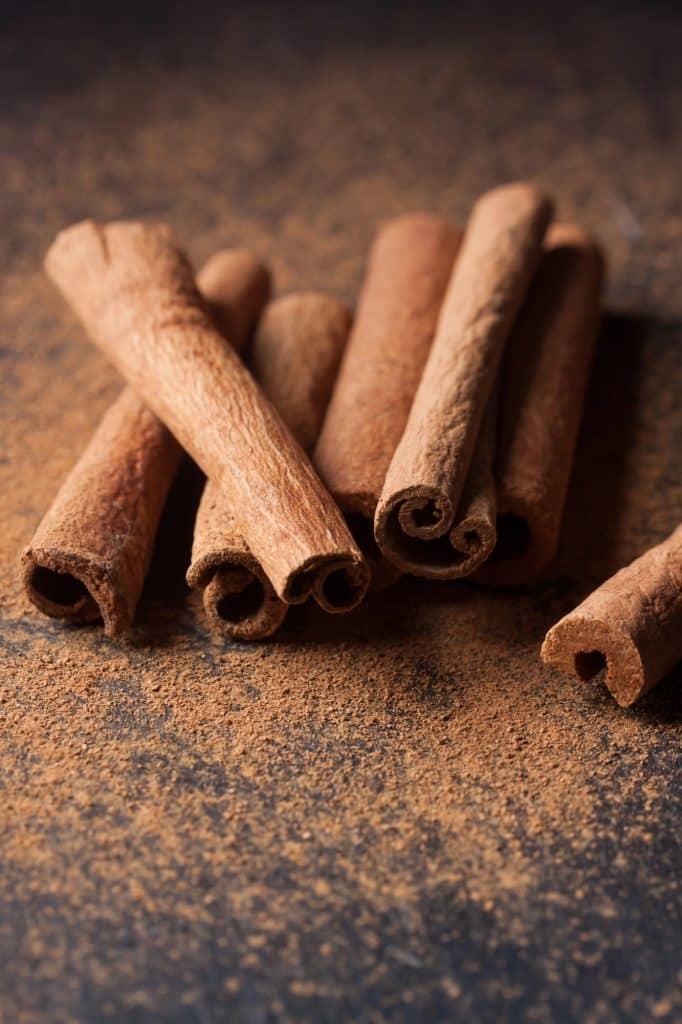
33. Cinnamon
I go through cinnamon faster in the winter months than any other spice, mostly because it goes into oatmeal, baked apples, and just about every warm dessert I make once it gets cold. A backup jar is always in my cupboard.
Ground cinnamon loses its punch after about a year, so I smell test mine before assuming a recipe will taste right. If I cannot smell it standing over an open jar, it is time to replace it.
How I use it: a shake into my kids’ oatmeal in the morning is such a small thing but it is one of those little wins that makes a cold morning feel warmer.
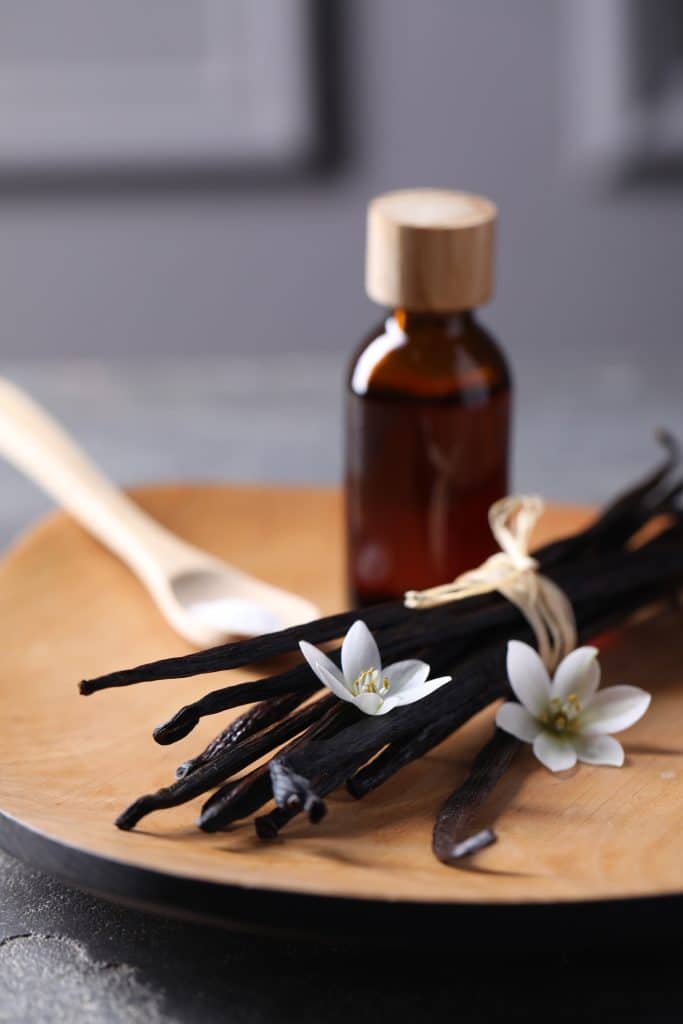
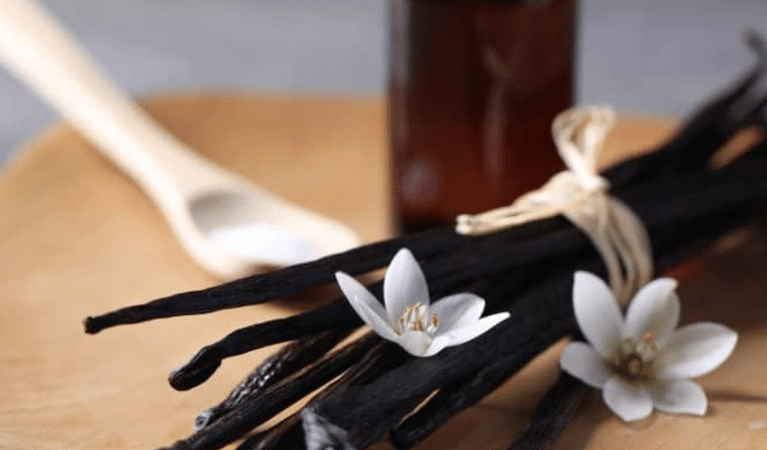
34. Vanilla Extract
A good bottle of vanilla extract lasts a genuinely long time, so buying real extract instead of imitation is one of the few places I splurge a little in my pantry. It does not spoil in the way you would expect a liquid to.
I keep it in a dark cupboard rather than near the stove, since heat and light both fade the flavor faster over time. A cool, dark spot is really all it needs to hold up for years.
How I use it: it goes into pancake batter, oatmeal, and pretty much every baked thing my kids ask for once the holidays roll around.
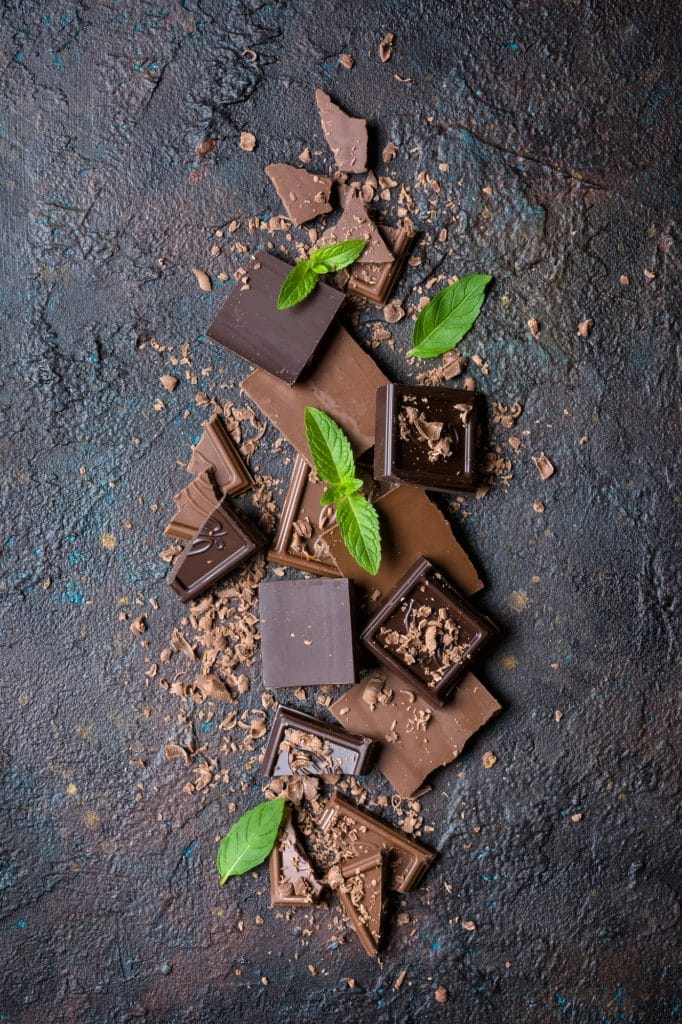
35. Dark Chocolate
I will be honest, this one is on the list because I want it, not because it is strictly practical. A few bars of dark chocolate tucked in the back of the pantry has gotten me through more than one long winter evening.
It keeps for months in a cool spot without going bad, though it can develop a harmless white film called bloom if it gets too warm. It is still fine to eat, it just looks a little chalky on the surface.
How I use it: melted into hot milk it is a better hot chocolate than anything from a packet, and it doubles as a baking ingredient when I need it.
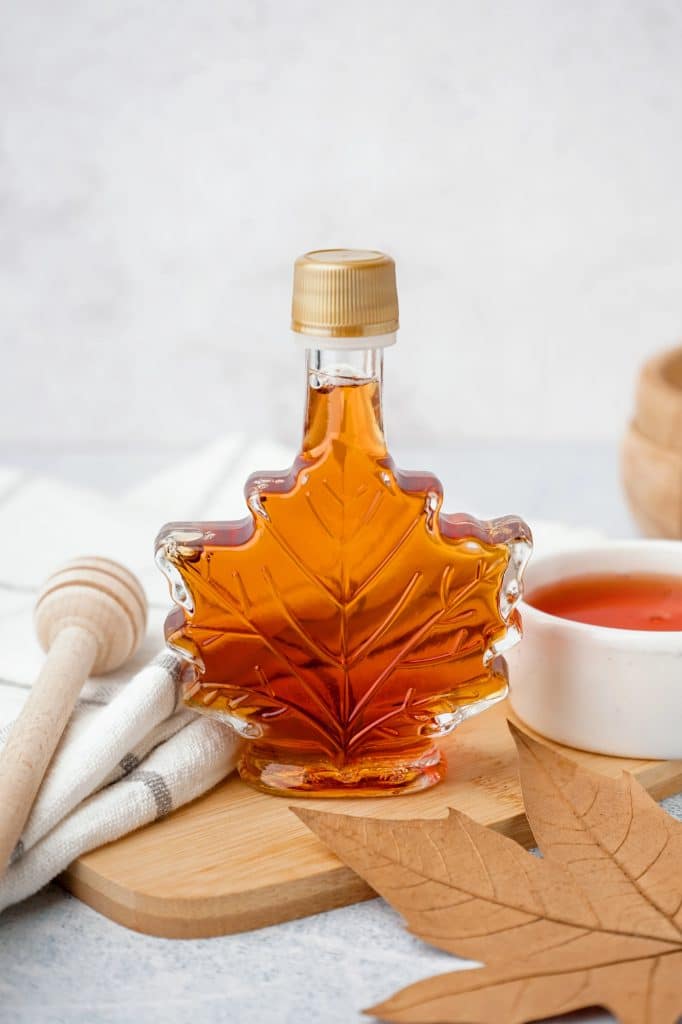
36. Pure Maple Syrup
Real maple syrup is not cheap, so I buy the bigger bottle once a season rather than the tiny ones at regular price throughout winter. It stretches further than I expect and the flavor is worth the upfront cost to me.
An unopened bottle keeps at room temperature for a long time, but once opened I move it to the fridge where it can last close to a year. It will crystallize a bit in the cold, which a quick warm water bath fixes right up.
How I use it: it goes on pancakes, into oatmeal, and occasionally into a glaze for roasted sweet potatoes when I want dinner to feel a little special.
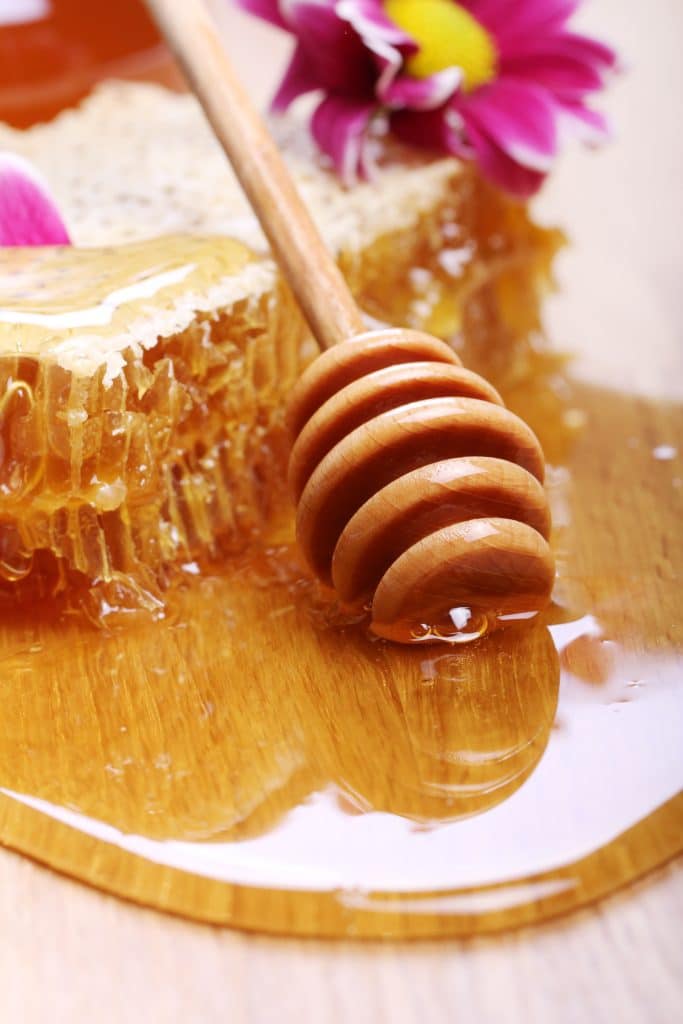
37. Honey
Honey rounds out my winter pantry as the sweetener that basically never goes bad, which is more than I can say for almost anything else on this list. A jar from years ago is still perfectly good, just possibly crystallized.
If it does crystallize, a warm water bath brings it right back to liquid without any loss of flavor. I never microwave it directly, since that can scorch the parts closest to the container walls.
How I use it: a spoonful in tea is my actual go-to on the nights when everyone in the house has a cold, myself included.
What Actually Earns Shelf Space
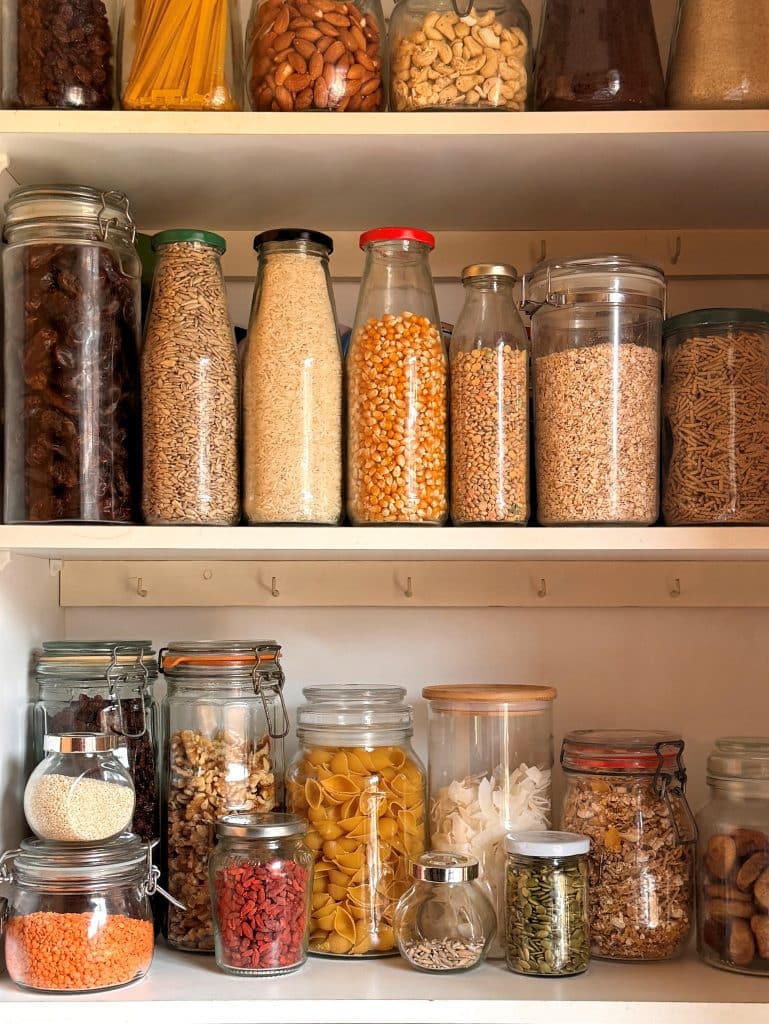
That is the real list, the one that lives in my kitchen every winter and not some ideal version of it. None of these thirty-seven things are exciting on their own, but together they mean I am never standing in front of an empty fridge wondering what to make on a Tuesday in February.
If you are starting from scratch, do not try to stock all of it at once. Grab the beans, the rice, and a few bags from the freezer aisle first, and build out from there over the next few weeks the way I did the first year I actually took this seriously.
I keep a running list on my phone all year of what ran out too fast the winter before, and it is basically become one of my mom life hacks that actually save time come the next cold snap. What is sitting in your pantry right now that you would restock first?