
29 Dirt-Cheap Plant Foods That Secretly Pack Massive Protein
Grocery prices have turned all of us into detectives, hunting the aisles for foods that actually fill up a family without emptying the wallet. And here’s the secret I’ve learned after years of feeding my crew on a budget: some of the cheapest things in the store are quietly doing the most work.
Plant proteins like beans, lentils, and peanut butter cost a fraction of what meat does, and they keep forever in the pantry. Pair them with cheap grains and produce, and suddenly dinner is filling, nutritious, and kind to your budget all at once.
This list counts down 29 of my favorite dirt-cheap plant foods, from the humble supporting players all the way up to the true protein powerhouses. Everything here is regular grocery store stuff. Grab your list, and let’s go shopping smart.
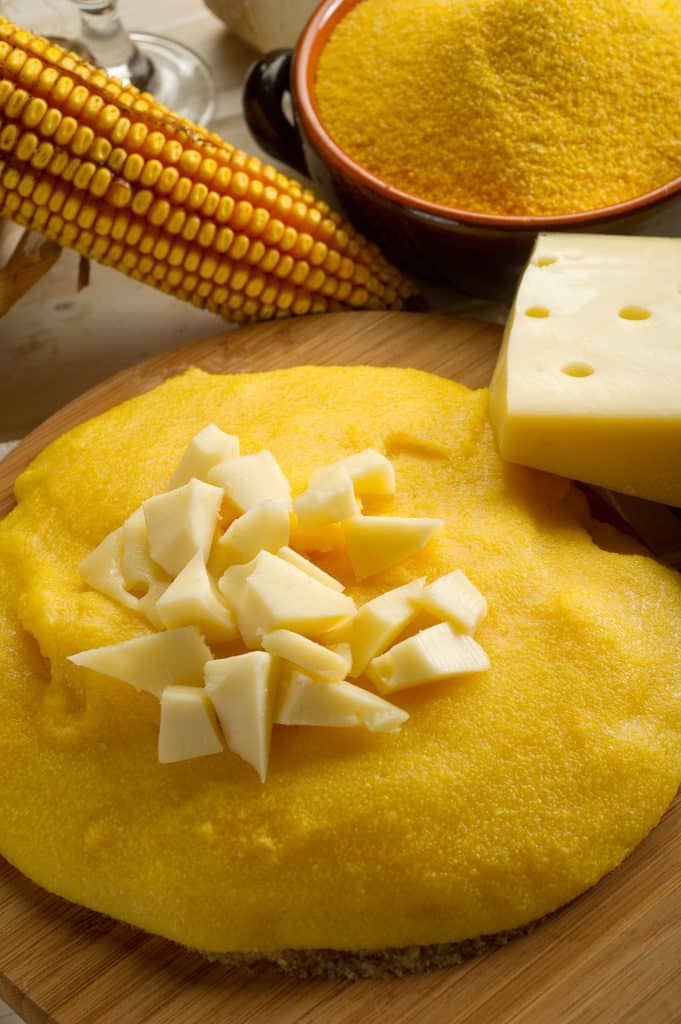
29. Cornmeal
Cornmeal is one of those forgotten pantry heroes. A bag costs next to nothing, stores for ages, and turns into polenta, cornbread, or a crispy coating with barely any effort.
Creamy polenta topped with beans or a fried egg is one of my favorite cheap dinners. It feels fancy, and it’s pennies per bowl.
It’s not a protein giant on its own, but it contributes a little, and it’s the perfect cheap base for the heavy hitters later on this list. Buy it in bulk if your store has a bulk section, the savings add up fast.
Store it dry in a sealed container and it’ll be there waiting on the night you’ve got nothing planned. That’s happened to me more times than I’ll admit.
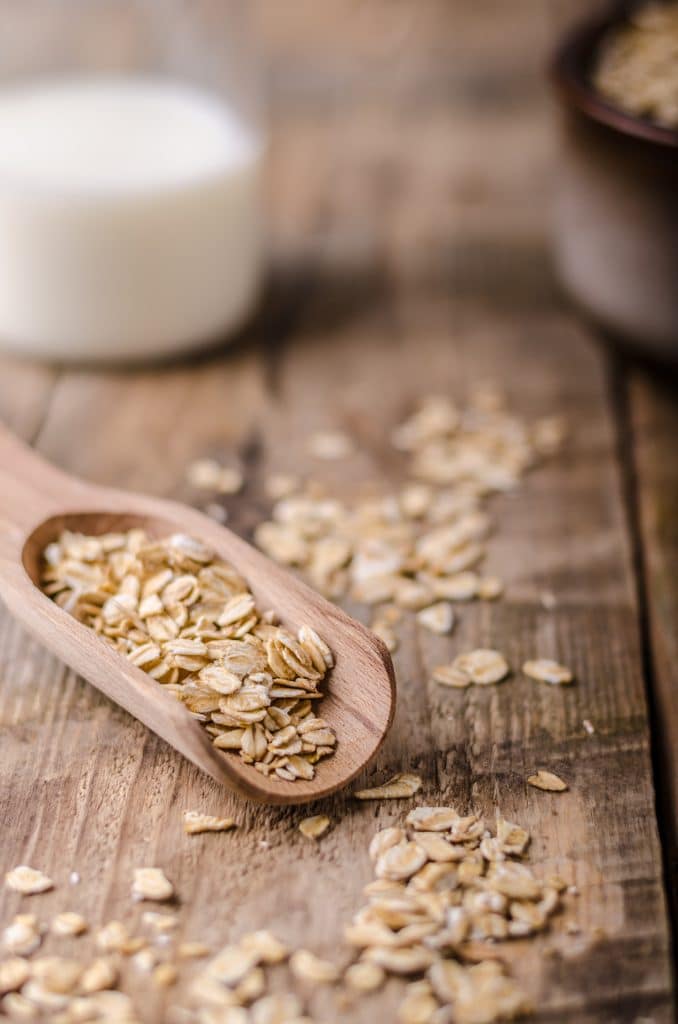
28. Oats
Oats might be the single best value in the breakfast aisle. A giant canister costs a few dollars and feeds a family for weeks, with a decent little dose of protein in every bowl.
Overnight oats are my busy-morning trick. Stir oats with milk and a spoonful of peanut butter the night before, and breakfast makes itself while you sleep. The peanut butter bumps the protein up nicely too.
They’re sneaky at dinner as well. Oats bind meatballs and veggie burgers, thicken soups, and blend into smoothies without changing the flavor.
Filling, flexible, and practically free per serving. This is what a budget staple looks like.
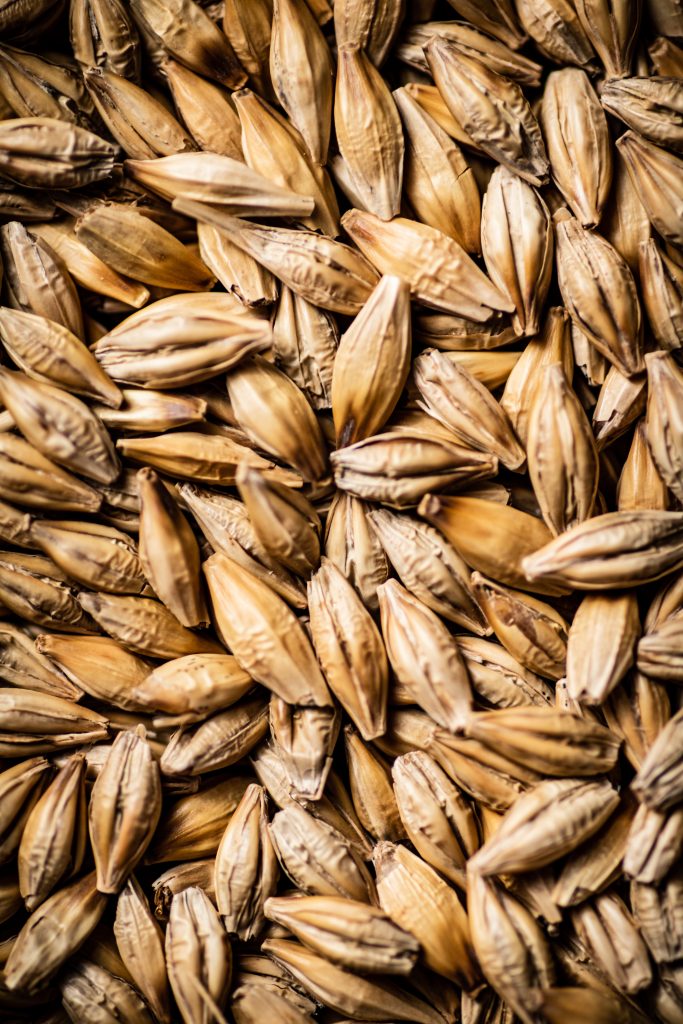
27. Barley
Barley is the grain your grandma’s soup pot knew all about, and it deserves a comeback. It’s cheap, chewy in the best way, and adds body plus a bit of protein to any pot of soup.
Simmer it right in the broth and it soaks up all that flavor while it cooks. A handful of barley turns a thin vegetable soup into a full meal.
You’ll usually see hulled or pearl barley on the shelf. Pearl cooks faster, which makes it the weeknight pick in my kitchen.
One bag lasts through many pots of soup. In winter, it’s one of the hardest-working dollars I spend.
26. Bulgur
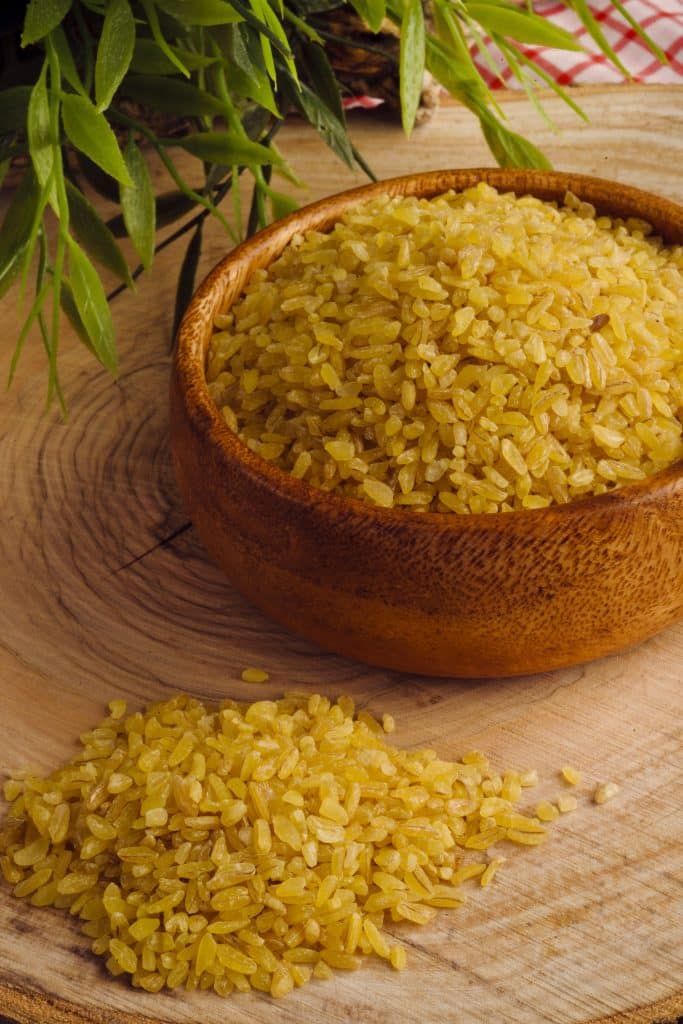
Bulgur is cracked wheat that’s already been parboiled, which means it cooks in a flash. Some finer grinds just need a soak in hot water, no pot required.
It’s the classic base for tabbouleh, that bright, herby Middle Eastern salad. But it also works anywhere you’d use rice, and it brings more protein and fiber to the plate than white rice does.
Toss it with chickpeas, chopped veggies, and lemon, and you’ve got a lunch that holds up in the fridge for days. Meal prep gold.
It’s often hiding near the rice or in the international aisle, usually at a very friendly price. Worth seeking out.
25. Couscous
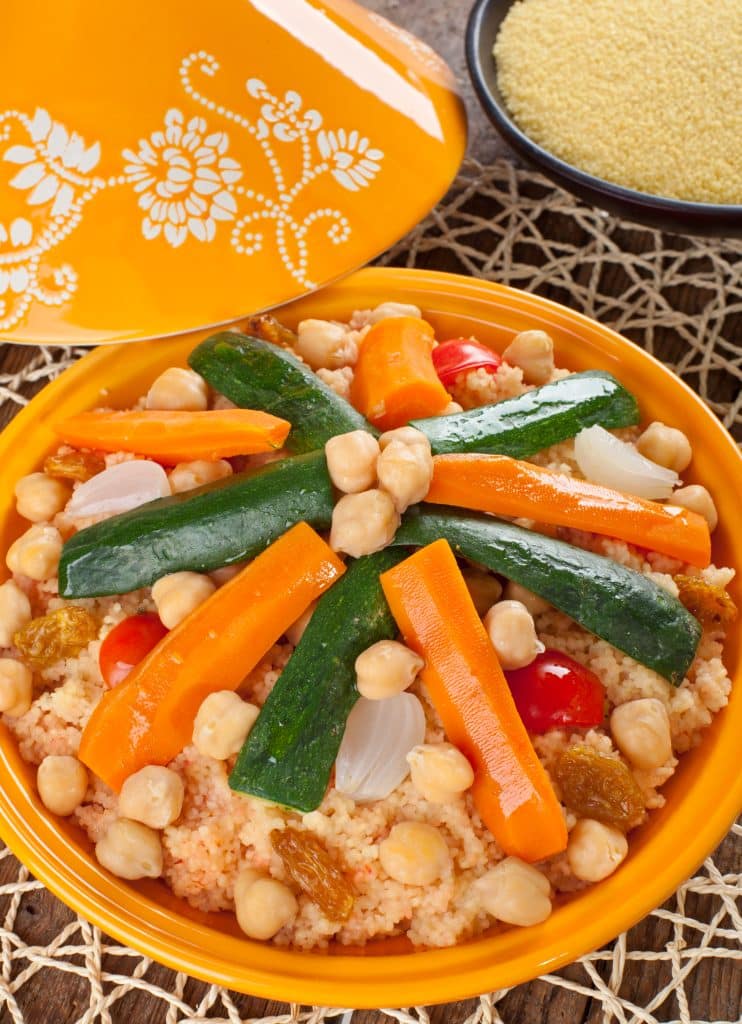
Couscous is the fastest side dish in my entire rotation. Boil water, pour it over, cover for five minutes, done. On chaotic weeknights, that speed is priceless.
It’s technically tiny pasta, so it carries a little wheat protein along with all that convenience. Whole wheat versions bump that up a bit more.
Where it really shines is as a vehicle. Pile it with beans, roasted veggies, or a peanut sauce, and couscous soaks up every drop of flavor.
A box costs very little and makes a lot. My kids like it because it’s fun to eat, and I like it because dinner’s ready before anyone melts down.
24. Whole Wheat Pasta
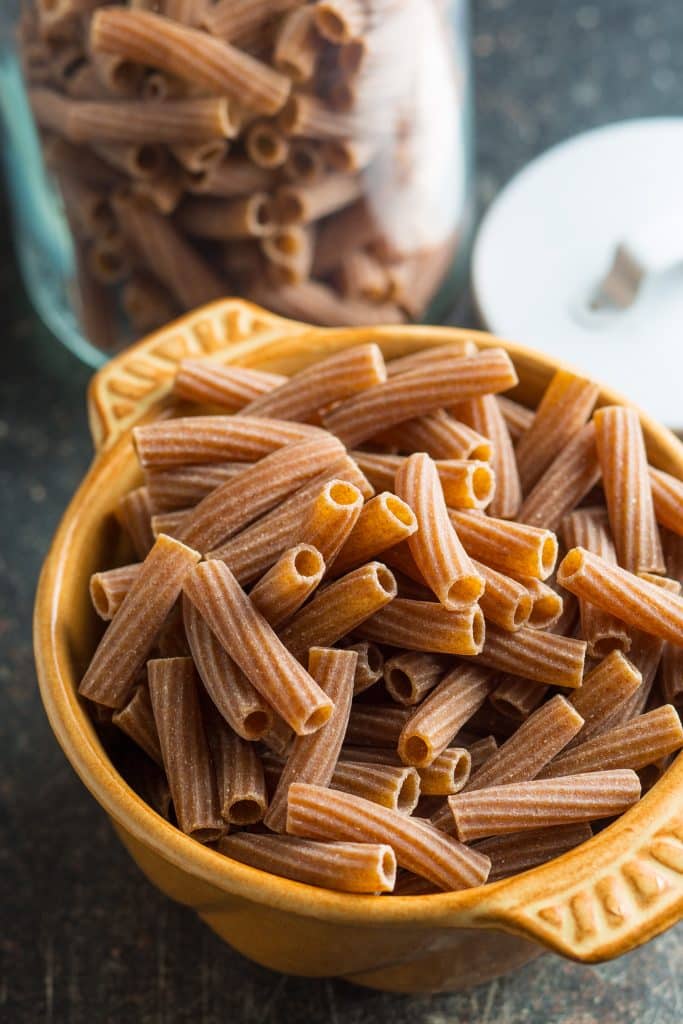
Pasta night is already the easiest sell in family dinner history. Swapping in whole wheat pasta keeps the crowd happy while quietly adding more protein and fiber than the refined stuff.
It’s still one of the cheapest dinners around, especially when you buy a few boxes on sale. Pasta keeps basically forever in the pantry.
Cook it al dente so it holds its texture, then pair it with a lentil bolognese or white bean alfredo from later on this list. That combo turns cheap pasta into a legitimately protein-packed meal.
If your family balks at 100 percent whole wheat, mix half and half for a while. That transition trick worked at my table.
23. Brown Rice
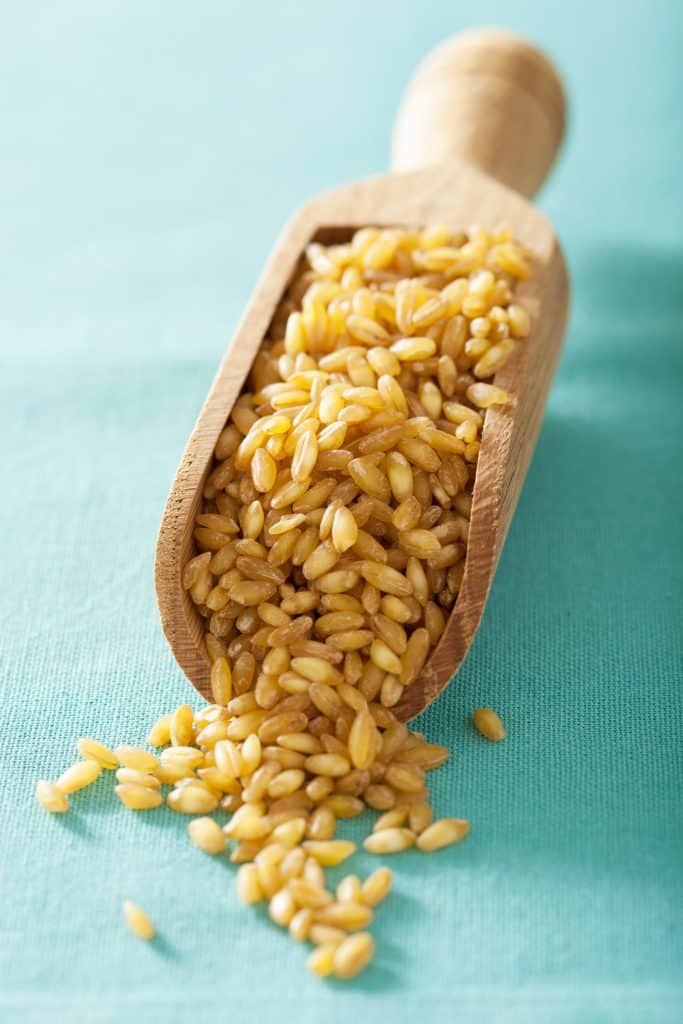
Brown rice is the whole-grain workhorse. It costs a little more than white per bag, but it brings extra fiber and a bit more protein to every serving, so your meals hold you longer.
A rice cooker makes it foolproof. Set it and walk away, and it’s ready when dinner is.
Rice and beans together is one of the oldest budget meals in the world for a reason. The pairing makes a complete protein, meaning the two foods cover each other’s gaps.
Cook a big batch on Sunday and it feeds bowls, stir-fries, and burritos all week. Batch cooking is a budget mom’s best friend.
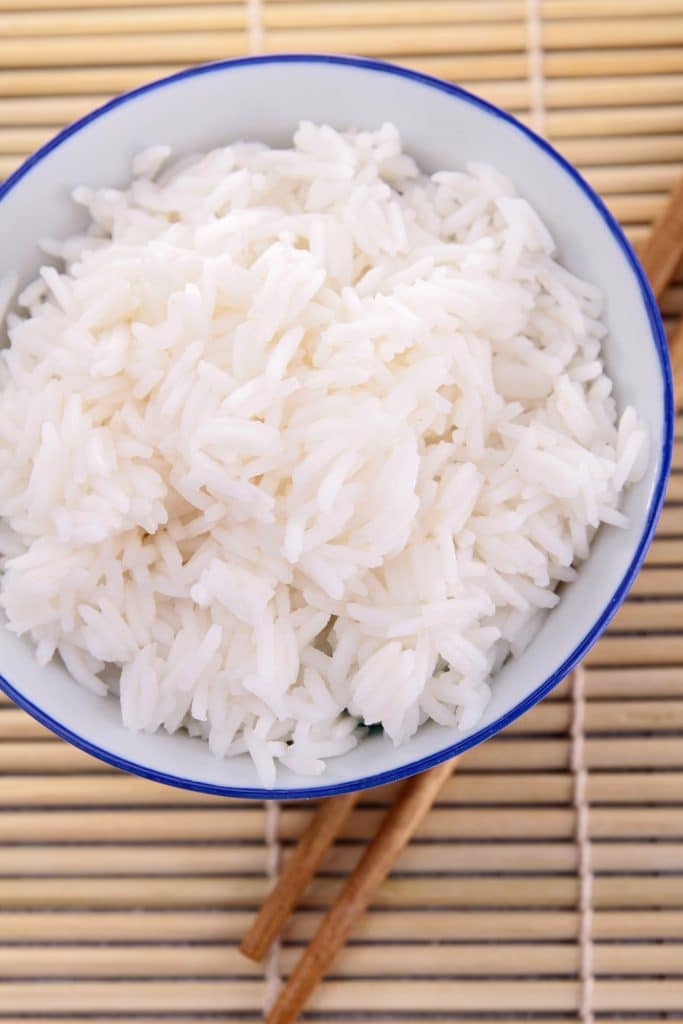
22. White Rice
Let’s give white rice its due. It’s ultra-cheap, cooks fast, stores practically forever, and is beloved by even the pickiest kid at the table.
On its own it’s mostly a calorie base, not a protein source. But that’s not its job. Its job is to be the affordable, agreeable foundation under the beans, lentils, and peanut sauces doing the heavy lifting.
A giant bulk bag costs shockingly little per serving. It’s the cheapest insurance policy a pantry can have.
Beans over rice has fed families around the world for generations. There’s real wisdom in that, and it still works in 2026.
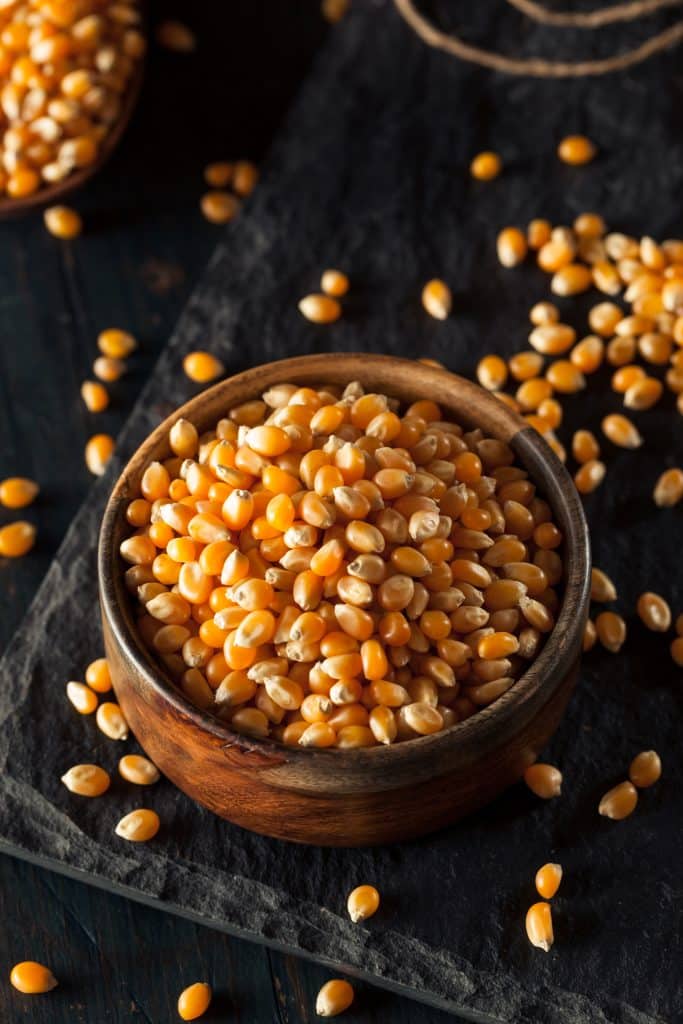
21. Popcorn Kernels
Surprise, popcorn is a whole grain, and plain kernels are one of the cheapest snacks in the entire store. A jar of kernels makes mountains more popcorn than any bag of the pre-popped stuff.
Air-popped, you don’t even need oil. Just heat, pop, and season however your family likes. My kids think popcorn night is a treat, and I know it cost me about a quarter.
There’s a modest bit of protein and fiber in there too, which is more than most snack-aisle options can say.
It won’t replace the beans on this list, but as a budget snack swap, it’s unbeatable. Movie night, solved.
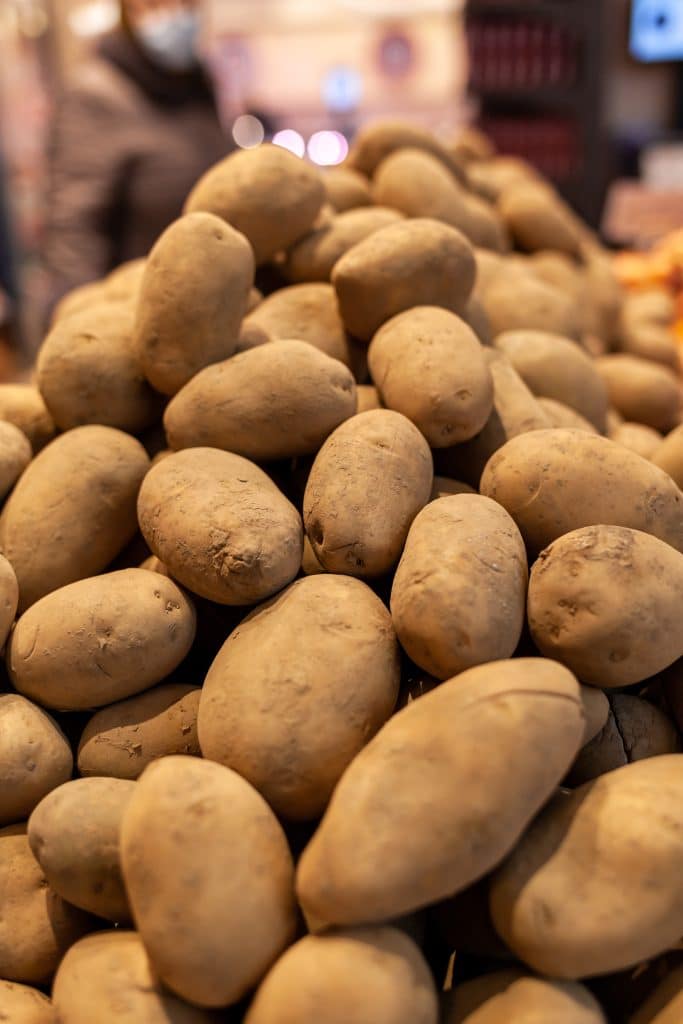
20. Potatoes
Potatoes are the kings of cheap and filling. A big bag of russets costs a few dollars and turns into baked potatoes, mash, soups, and home fries all week long.
Here’s the underrated part: potatoes actually contain some protein, more than most people give them credit for, and leaving the skin on keeps the most nutrition in the deal.
A baked potato topped with chili or seasoned black beans is a complete, hearty dinner for almost nothing. That’s a regular in my rotation when the week gets long.
Store them somewhere cool and dark, away from onions, and they’ll last for weeks. Few foods stretch a dollar further.
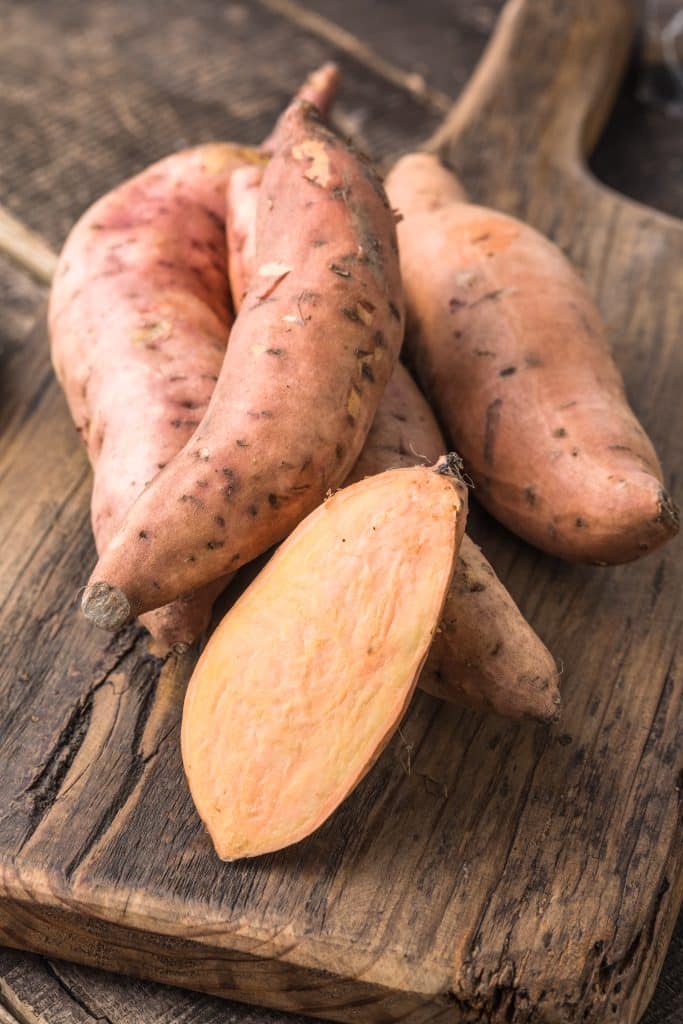
19. Sweet Potatoes
Sweet potatoes bring everything regular potatoes do, plus that gorgeous orange color and natural sweetness kids gravitate toward. They’re one of the most nutrient-dense cheap foods in the produce section.
From My Kitchen
23 Vegetables That Turn One Pot of Soup Into a Whole Week of Dinners →
"This is the one I make on repeat once it gets cold out."
Roast them whole until they’re caramelized and collapsing, then split and stuff them with black beans and a drizzle of peanut sauce. That’s three items from this list in one bowl, and it eats like a restaurant meal.
Mashed, they sweeten up weeknight sides without any convincing needed at the table.
They’re not a protein star solo, but as the base for protein toppings, they’re hard to beat for the price.
18. Green Peas
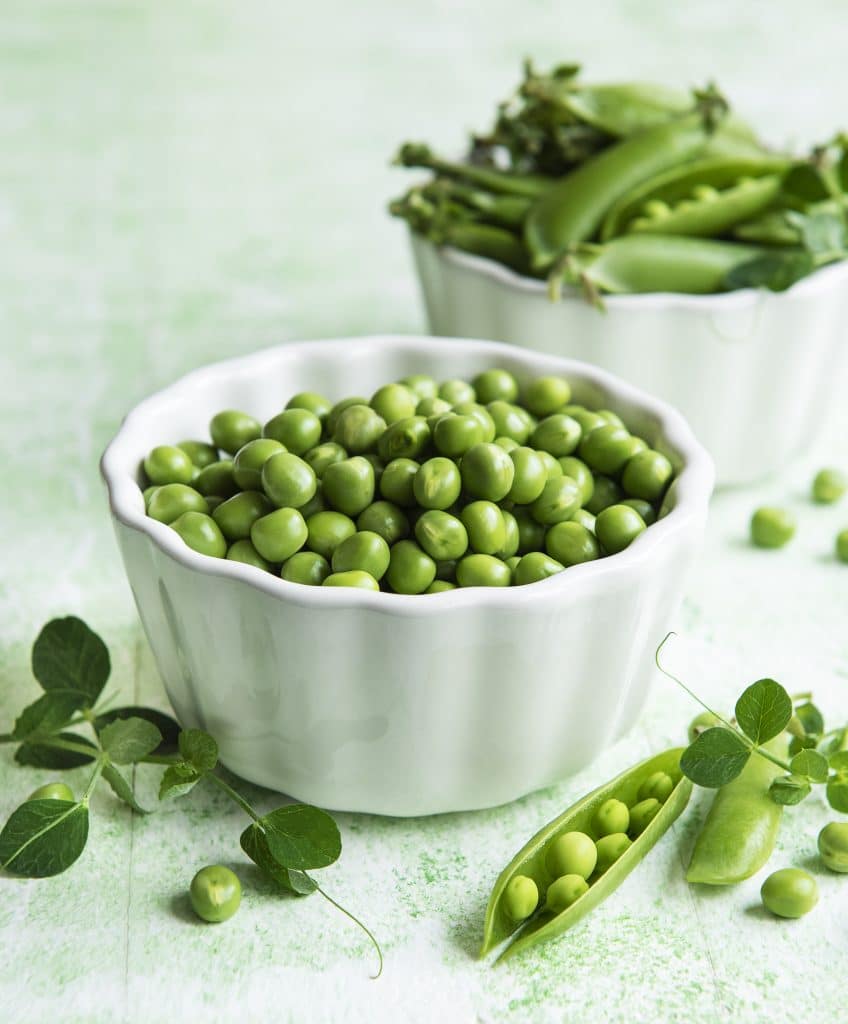
Here’s a fun one: green peas are actually legumes, cousins of the beans and lentils at the top of this list. That means they carry real protein, more than most vegetables in the freezer aisle.
A bag of frozen peas is cheap, lasts for months, and cooks in minutes. Stir them into rice, pasta, fried rice, or soup at the last second and you’ve quietly boosted the whole meal.
Their sweetness makes them one of the easier green things to sell to kids. Mine will eat them straight out of a bowl.
Canned works in a pinch too. Either way, this is one of the best protein-per-dollar buys in the vegetable world.
17. Corn
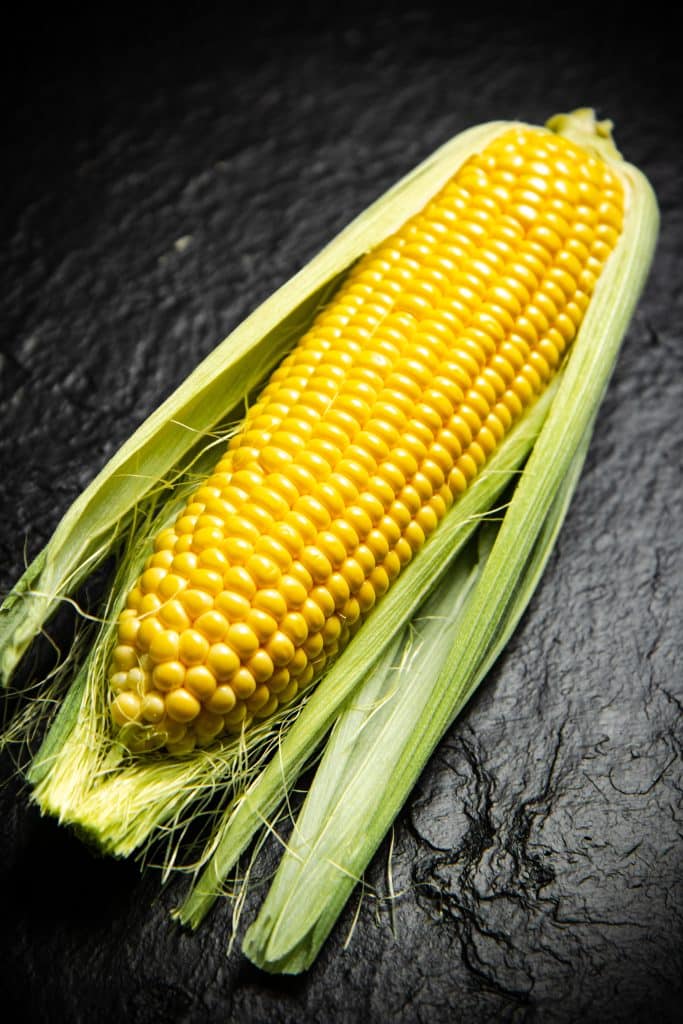
Corn is the crowd-pleaser of cheap vegetables. Sweet, familiar, and available fresh, frozen, or canned all year long for very little money.
Stir it into chili, tacos, salads, or cornbread (hello, cornmeal from earlier) and it adds sweetness and bulk to protein-heavy meals. It carries a small amount of protein itself, a pleasant bonus.
Canned corn just needs a quick drain and it’s ready. Frozen is nearly as fast and tastes a little fresher.
When corn and black beans meet in the same pot, you’ve got the start of a very good, very cheap dinner. That combo never misses in my house.
16. Cabbage
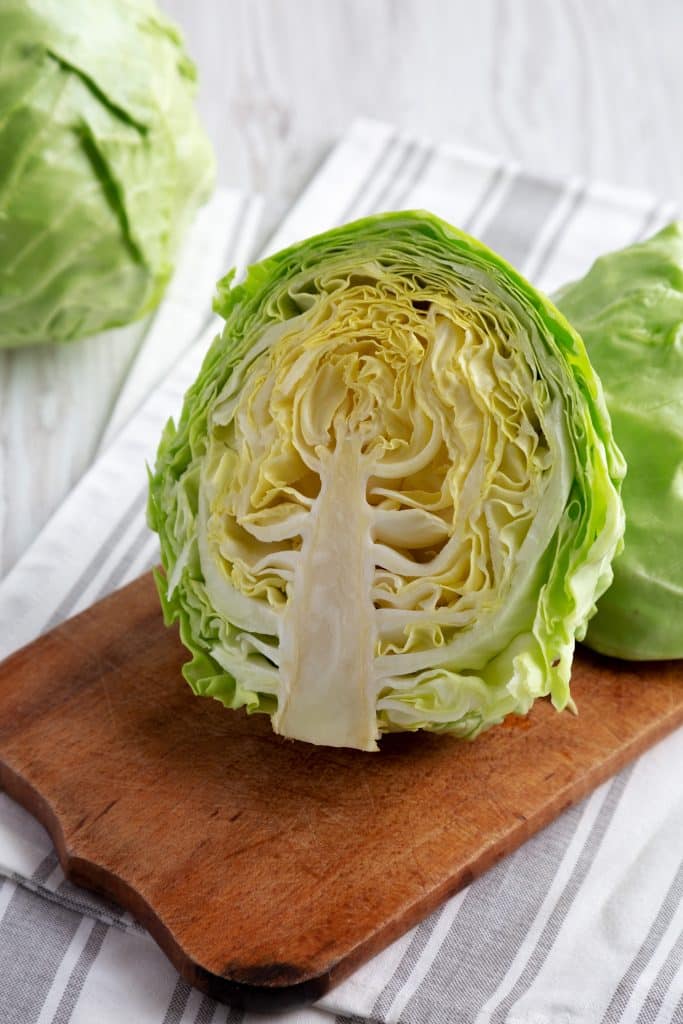
Cabbage might be the best value in the entire produce section, pound for pound. One head costs a couple dollars and shreds into an enormous amount of food.
It’s not the protein here, it’s the bulk. Shredded into a stir-fry with peanuts or tossed with beans in a slaw-style bowl, cabbage makes protein meals bigger and more filling without raising the cost.
Peel off the outer leaves and the head underneath stays fresh in the fridge for weeks. It’s the produce that waits patiently for you.
Cooked down, it goes soft and sweet. Raw, it’s crunchy slaw. Either way, your dollar went far.
15. Broccoli
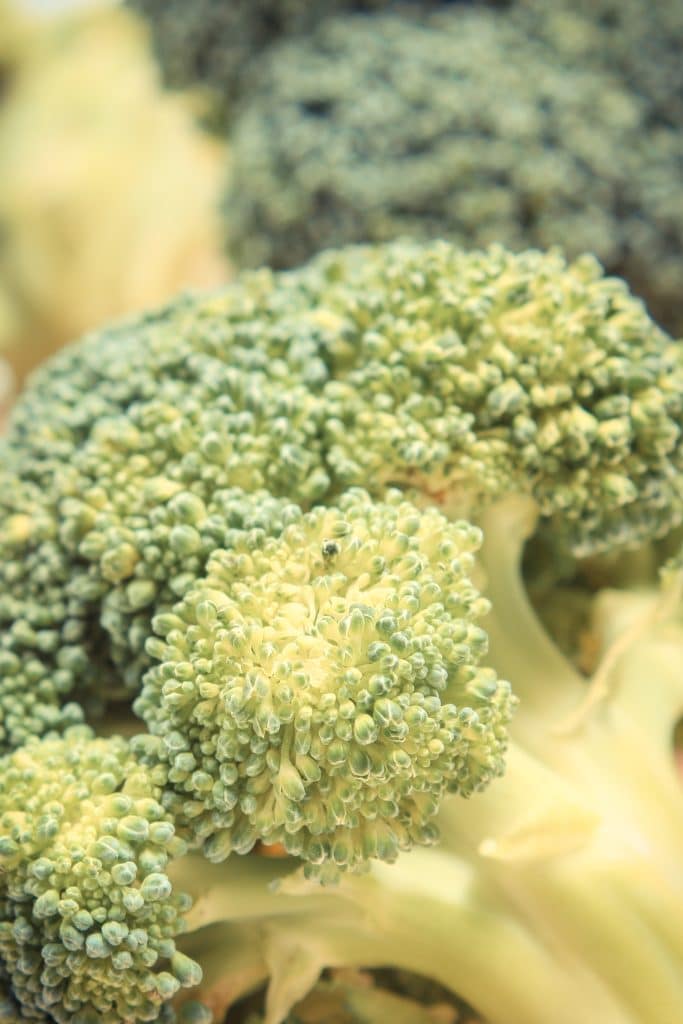
Broccoli punches above its weight for a green vegetable. Calorie for calorie, it carries a respectable little dose of protein, which most people never realize.
Steamed or roasted alongside beans, tofu, or a peanut noodle dish, it rounds out a plant-based dinner beautifully. Roasting brings out a nutty flavor that converts even hesitant eaters.
Frozen bags are the budget move, often cheaper than fresh and just as nutritious. Keep a couple in the freezer at all times.
And eat those stalks. Peeled and sliced, they’re just as good as the florets, so nothing from that bunch goes to waste.
You'll Want This Too
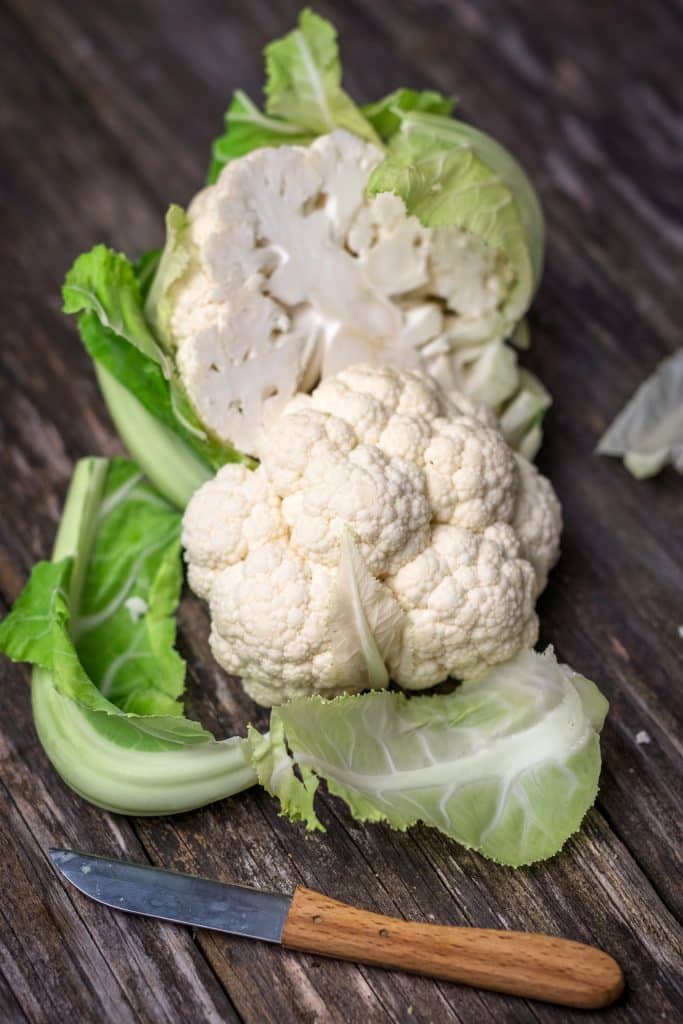
14. Cauliflower
Cauliflower’s superpower is transformation. Riced in a food processor, it becomes the base for a “fried rice” loaded with peas, egg, and peanuts, a dinner that’s mostly vegetables wearing a takeout costume.
Its mild flavor absorbs whatever you season it with, so it never fights the protein stars in the dish. It just adds volume and nutrition quietly.
Fresh or frozen both work, and frozen riced cauliflower has made this trick nearly effortless.
Longtime readers know I’ll hide cauliflower in anything. Here, it’s earning its spot by making cheap protein meals bigger and better.
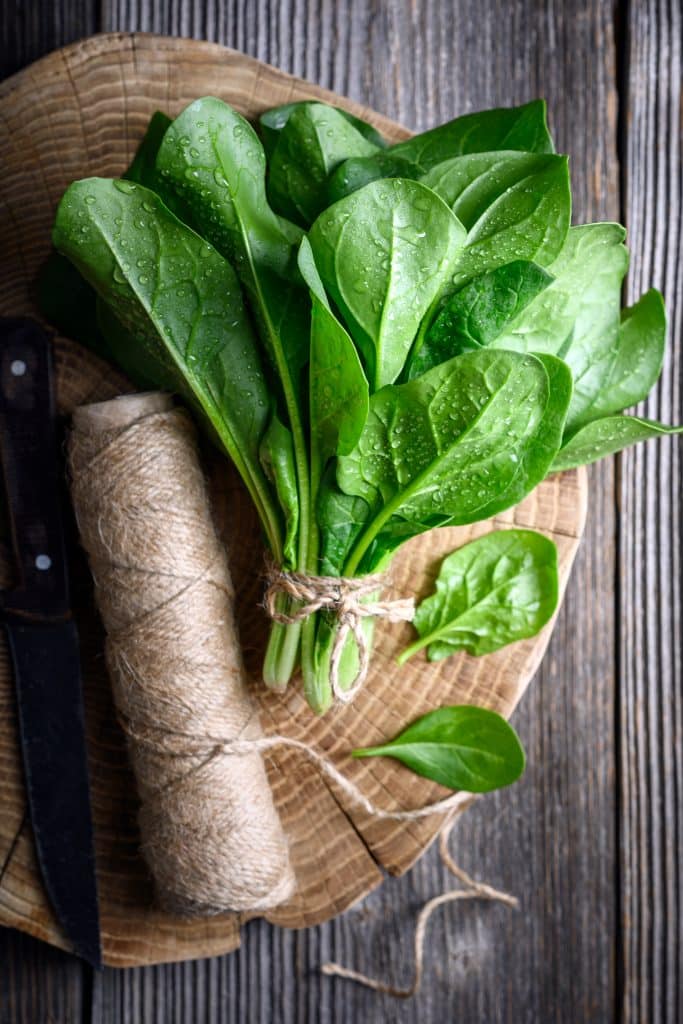
13. Spinach
Spinach is another green that’s surprisingly decent on protein for its calorie count. And since it wilts down to nothing, you can add a lot without anyone noticing.
Wilt a few handfuls into scrambled eggs, pasta, soups, or a pot of lentils right at the end of cooking. Thirty seconds and it disappears into the dish.
Bagged fresh spinach is convenient, but frozen chopped spinach is the budget champion. Thaw, squeeze, stir in, done.
It’s the effortless upgrade. Almost every protein dish on this list gets better with a handful of spinach in it.
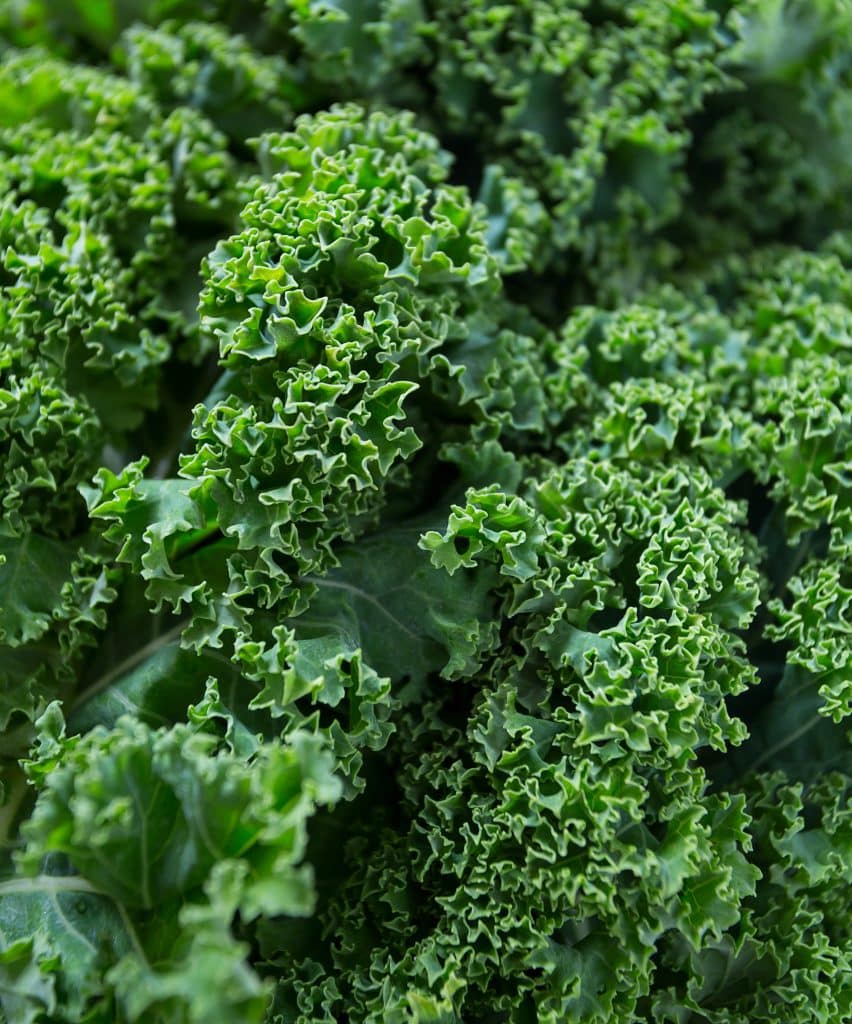
12. Kale
Kale is the tougher, longer-lasting cousin of spinach, and that durability is a budget feature. A bunch survives in the fridge far longer than delicate greens do.
Strip out the ribs, then either massage the leaves with a little oil for salads or chop them into soups and bean stews where they simmer tender. Kale holds its texture in a pot better than almost any green.
Like other dark greens, it contributes a modest bit of protein along with a pile of nutrients.
A white bean and kale soup is one of the cheapest, coziest dinners I make all winter. Two list items, one pot, very happy family.
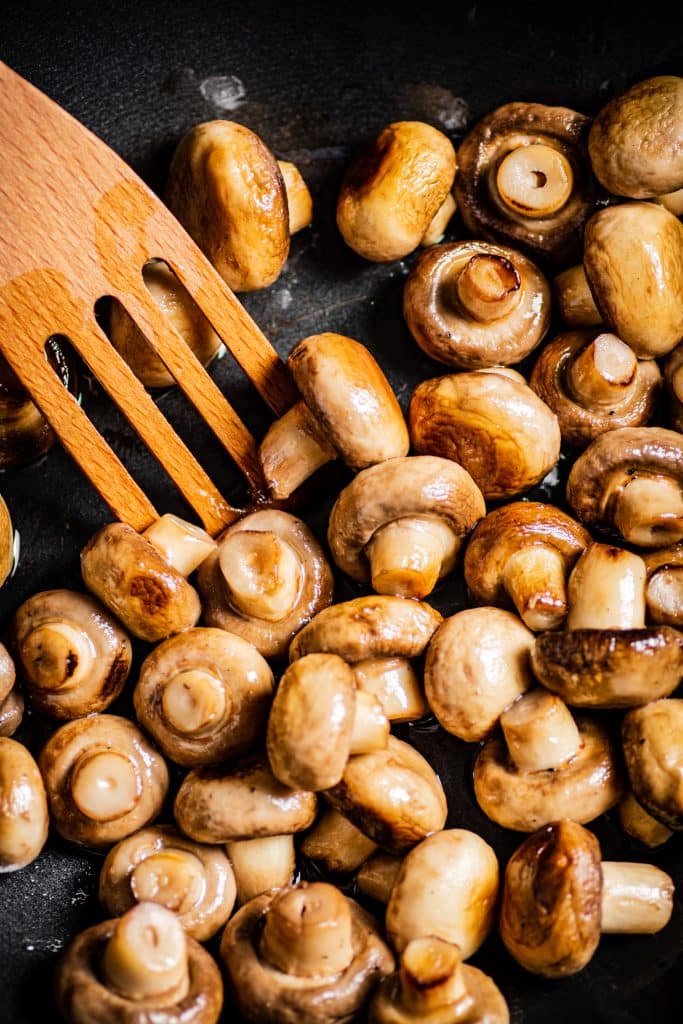
11. Mushrooms
Mushrooms are the great meat-stretchers. Chopped fine and cooked down, their texture and deep savory flavor bulk up bean chilis, lentil sauces, and veggie burgers so everything eats meatier.
They bring a little protein of their own, but their real value is making the actual proteins go further. A pound of mushrooms can noticeably stretch a pot of anything.
Any variety works. Plain white or cremini are usually cheapest, and even canned mushrooms do the job in a simmered dish.
If your family is easing toward more plant-based dinners, mushrooms are the bridge. They make the transition taste like an upgrade instead of a sacrifice.
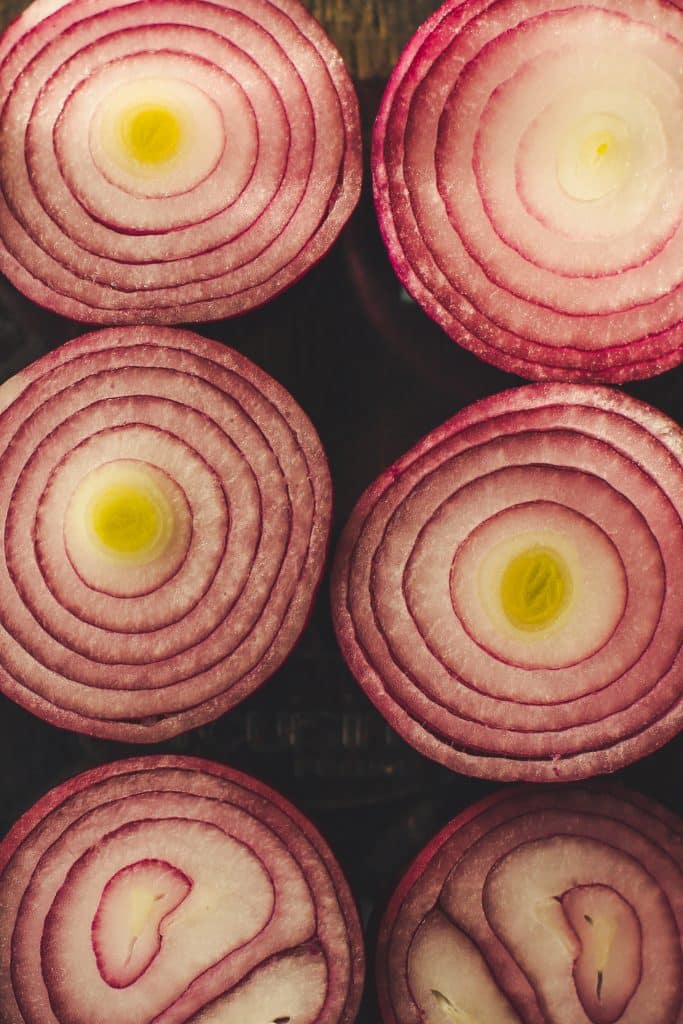
10. Onions
Onions are where every cheap protein meal begins. Beans, lentils, soups, stir-fries, they all start with an onion in the pot, and that foundation of flavor is what makes budget food taste rich.
A bag of yellow onions costs very little and keeps for weeks in a cool, dark spot. Cost per meal is basically pennies.
They’re not here for protein, they’re here because the protein dishes on this list would be sad without them. Flavor is what makes frugal eating sustainable long-term.
Go Deeper
15 Mom Life Hacks That Actually Save Time →
"The small routine changes that actually stuck."
Sauté one onion before adding your lentils or beans and the whole pot changes. It’s the cheapest cooking upgrade there is.
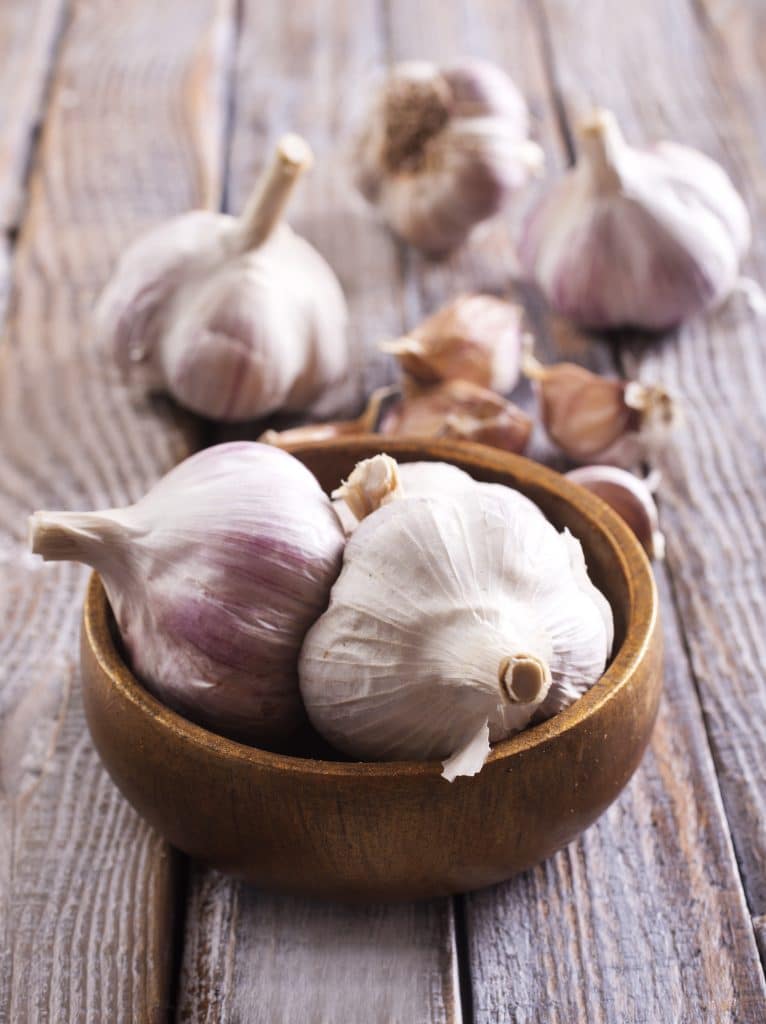
9. Garlic
Garlic is onions’ partner in crime, and together they make beans and lentils taste like something you’d order out. A whole head costs well under a dollar.
Mince a few cloves into any legume dish, soup, or sauce and everything gets savory and deep. Plant-based cooking leans hard on garlic, and for good reason.
Jarred minced garlic is my weeknight shortcut, and I stand by it. Full flavor, zero peeling at 5:45 pm.
Like onions, garlic isn’t the protein. It’s the reason your family asks for the protein dish again. That matters just as much.
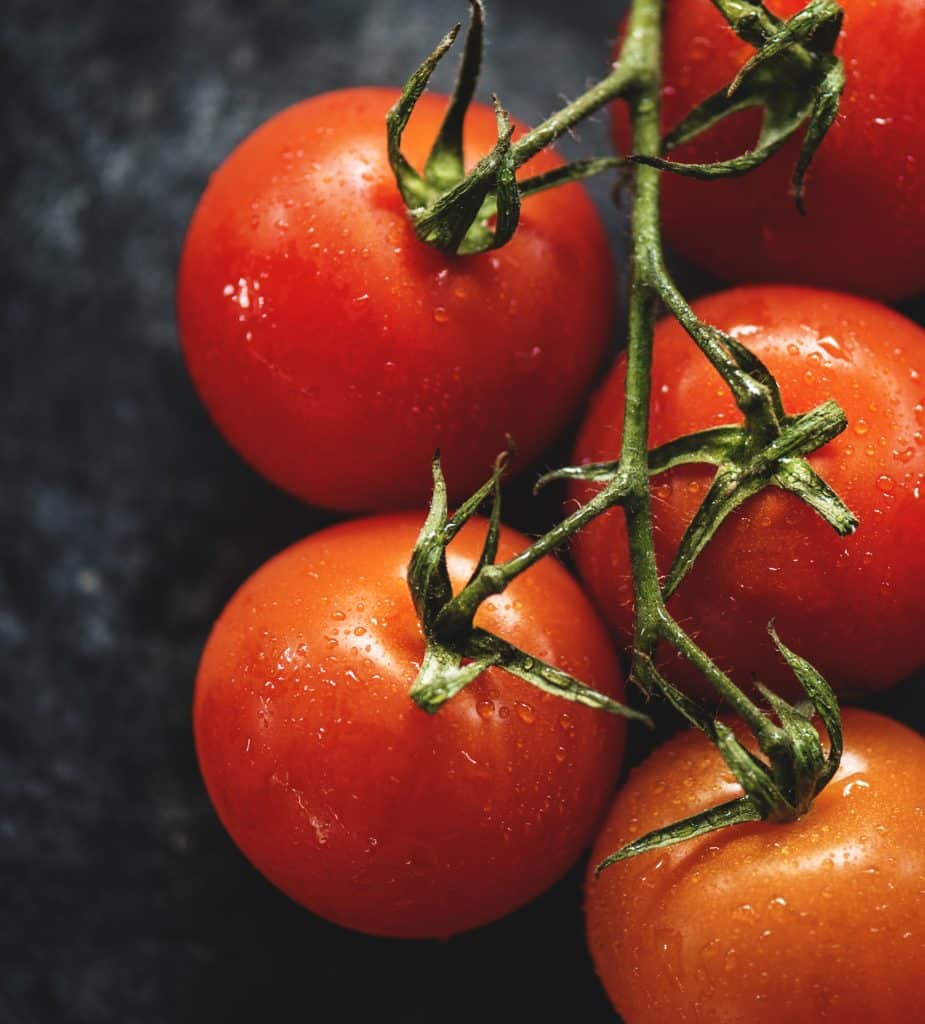
8. Tomatoes
Canned tomatoes are the backbone of budget protein cooking. Crushed tomatoes turn a pot of beans into chili, lentils into bolognese, and chickpeas into a rich stew, all for about a dollar a can.
They’re endlessly versatile and store for ages, so stock up when they’re on sale. I never let my pantry drop below four cans.
Fresh tomatoes are lovely in summer, but for simmered dishes, canned is cheaper, faster, and often more flavorful.
Tomatoes plus beans plus onion plus garlic is the four-ingredient skeleton of half the cheap dinners I make. Everything else is decoration.
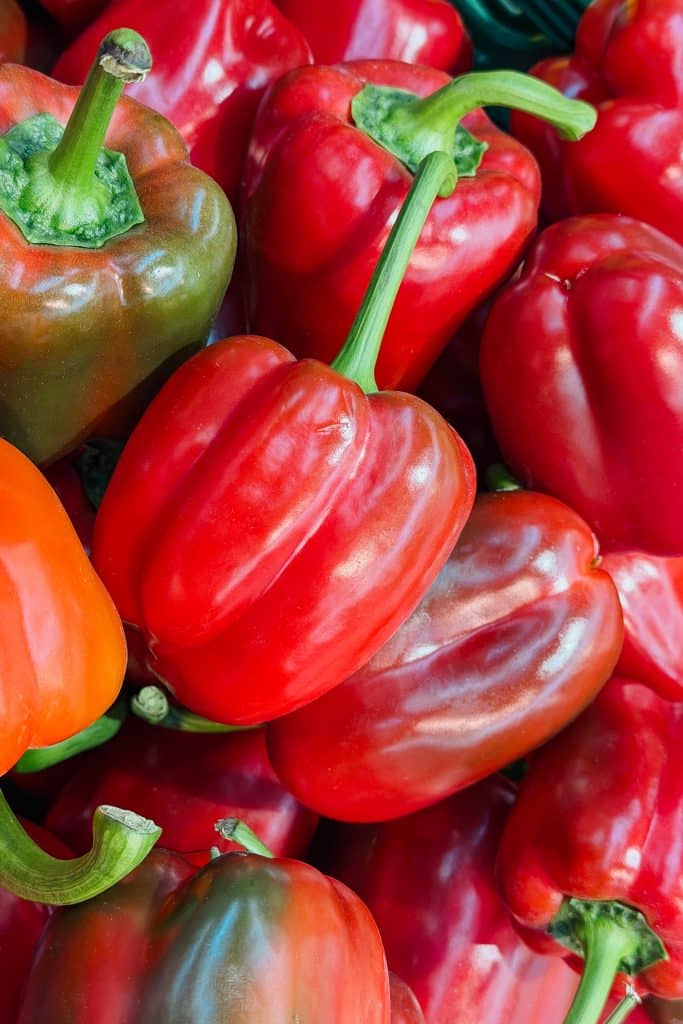
7. Bell Peppers
Bell peppers bring color, sweetness, and crunch to fajitas, omelets, chilis, and grain bowls. They’re the ingredient that makes a bean dinner look vibrant instead of beige.
Diced into a pan with onions, they build flavor into any legume dish. Sliced raw, they’re a snack my kids will actually dip into hummus, which pairs two list items right there.
Frozen pepper strips are the budget hack here. They’re pre-cut, cheaper than fresh out of season, and perfect for anything cooked.
Not a protein source themselves, but they earn their spot by making protein meals more appealing. Pretty food gets eaten. That’s just science, mom science.
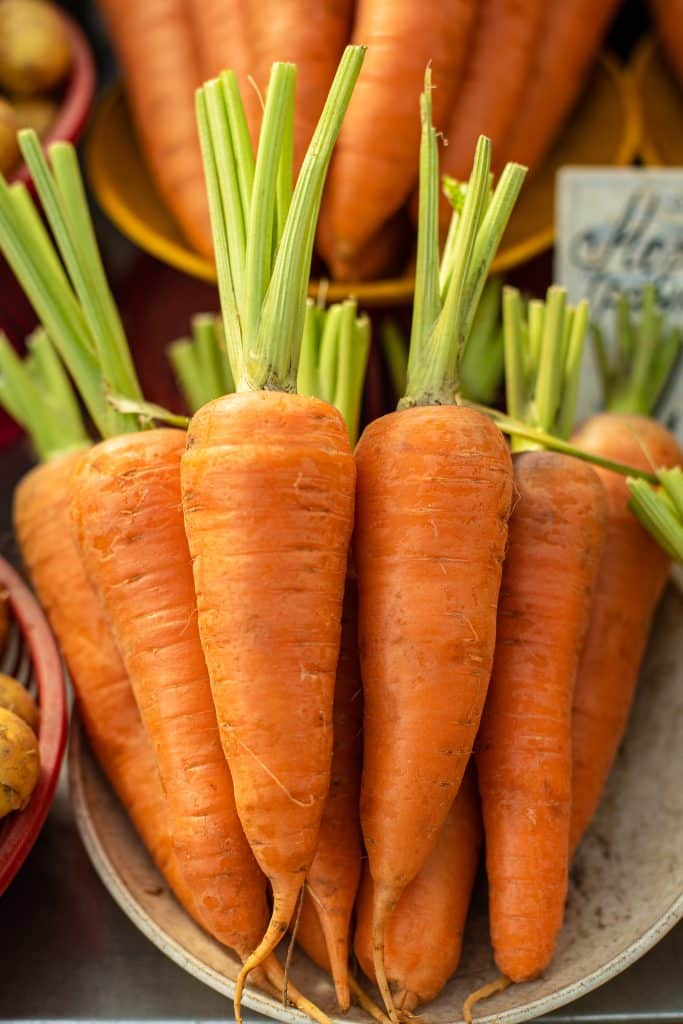
6. Carrots
Carrots are among the cheapest fresh vegetables year-round, and they last for weeks in the fridge. A big bag costs a couple dollars and works its way into everything.
Grated, they disappear into lentil loaves, soups, and sauces, adding sweetness and bulk to protein dishes. Longtime readers know grated carrots are my signature sneaky move.
They mellow and sweeten a pot of red lentils beautifully. That subtle sweetness is what makes kids come back for seconds.
The protein is minimal, I won’t pretend otherwise. But as a partner that stretches and improves the real protein stars, carrots are a budget essential.
What Everyone's Making
25 Fruits and Veggies That Survived My Pickiest Eater Phase →
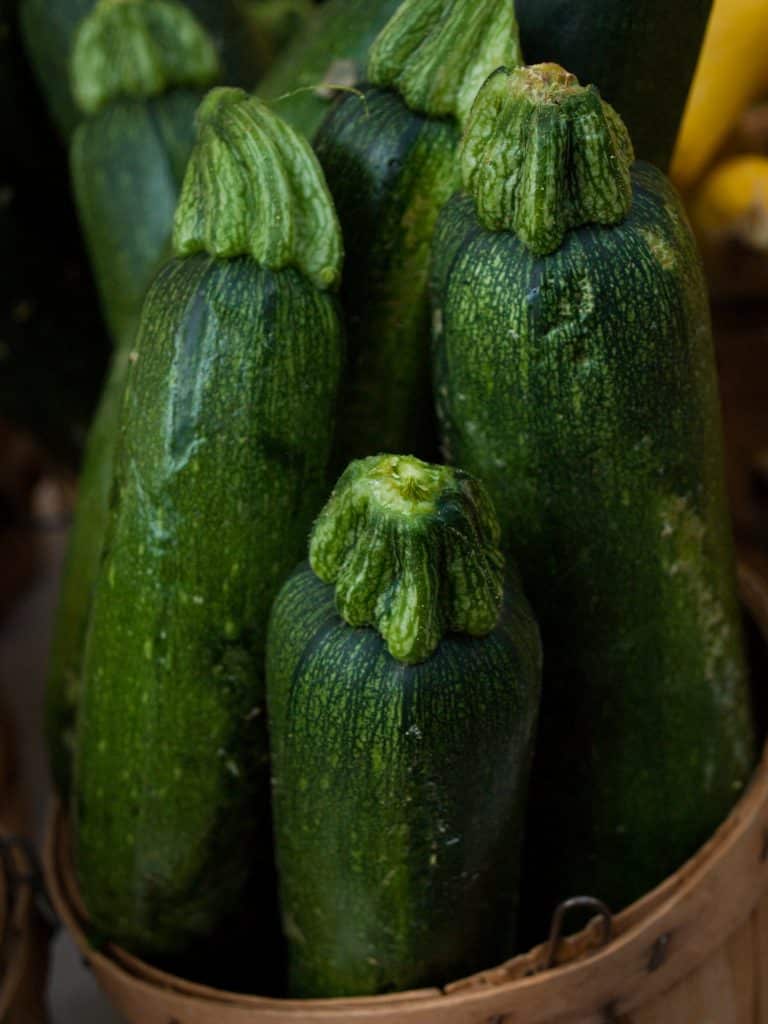
5. Zucchini
Zucchini earns a high spot for pure summertime value. When it’s in season, it’s practically free, and gardens hand it out whether you asked or not.
Shredded, it vanishes into breads, muffins, and lentil or bean patties, adding moisture and bulk. Sautéed, it pairs with chickpeas or white beans for a fast skillet dinner.
The one rule, as always: squeeze the water out of shredded zucchini before baking with it. A clean towel and a good wring is all it takes.
It’s mild, it’s abundant, and it makes protein meals bigger for almost nothing. That’s the whole assignment, and zucchini nails it.