25 Fruits and Veggies That Make Vegan Cooking Cheaper Than You’d Think
My husband asked me last month why our grocery bill dropped almost forty dollars in a week I swear I didn’t plan for. I hadn’t. I’d just leaned hard into beans, rice, and whatever produce was cheapest that week, mostly because I was too tired to think of anything else.
That accidental week turned into a habit. I’m not vegan, my kids definitely aren’t vegan, but I cook meatless more nights than not because it’s cheaper and honestly easier on a Tuesday. Here are 25 fruits and vegetables that make that kind of cooking work without feeling like a diet plan.
I’ve ordered these from pantry basics to fresh produce, roughly in the order I’d stock my own kitchen. Grab a few and go from there.
1. Lentils
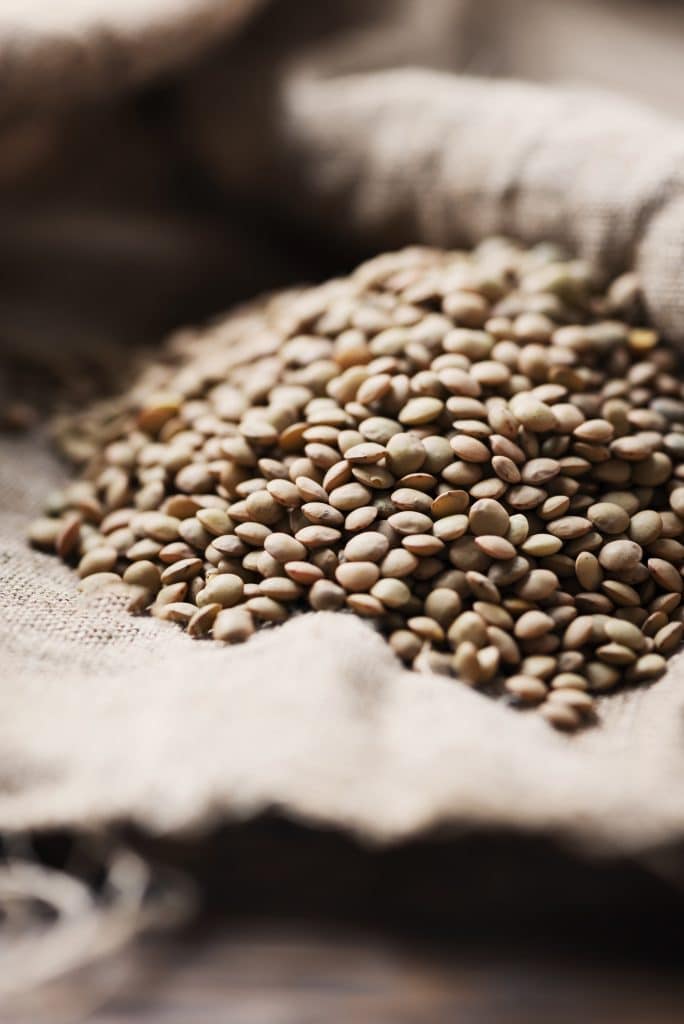
Lentils are the first thing I buy when the grocery budget gets tight. A bag costs almost nothing and stretches across three or four dinners if I’m smart about it.
Mom note: my kids won’t touch a bowl of plain lentils, but they’ll eat them blended into a sauce where the texture disappears.
The trick I use is skipping the soak. Red and yellow lentils cook in fifteen to twenty minutes straight from dry, no planning ahead required, which matters a lot on a weeknight.
I keep a running list of cheap plant foods that pack real protein, and lentils sit near the top of it every time I update it.
2. Black Beans
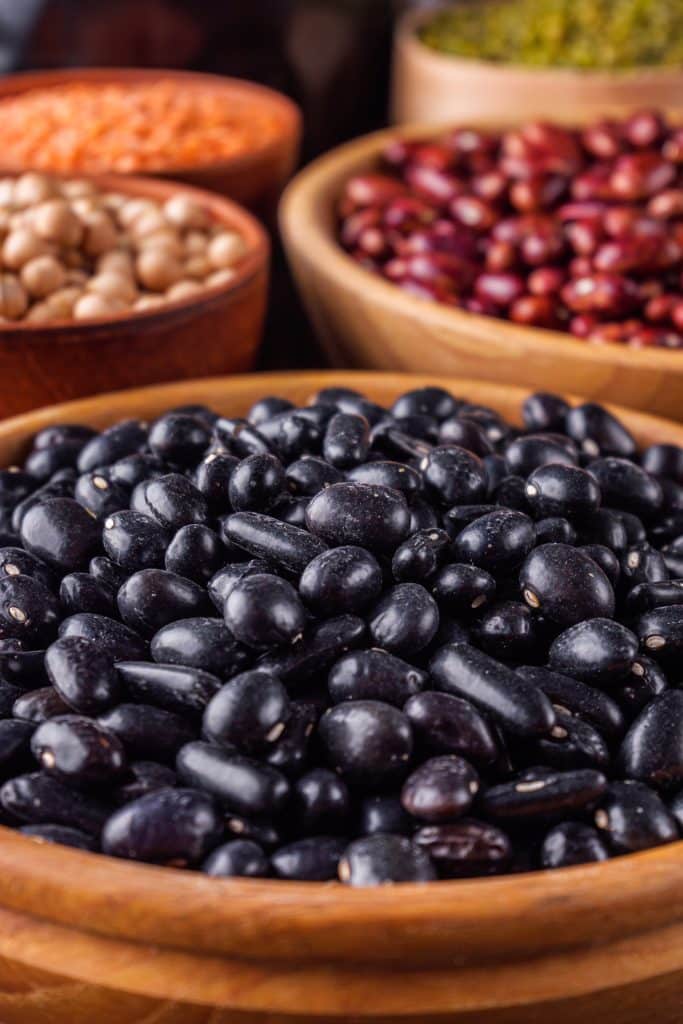
Dried black beans cost a fraction of the canned version, and once you get in the habit of cooking a big batch, canned starts to feel like a waste of money.
Mom note: my oldest calls them “brown rice’s friends” and will eat almost anything if beans are involved, which I use shamelessly.
I cook a pound at a time and freeze it flat in bags. Frozen flat, the bag thaws in a bowl of warm water in about ten minutes instead of sitting on the counter half the afternoon.
A little cumin and lime juice stirred in right at the end wakes them up more than salt ever does.
3. Chickpeas
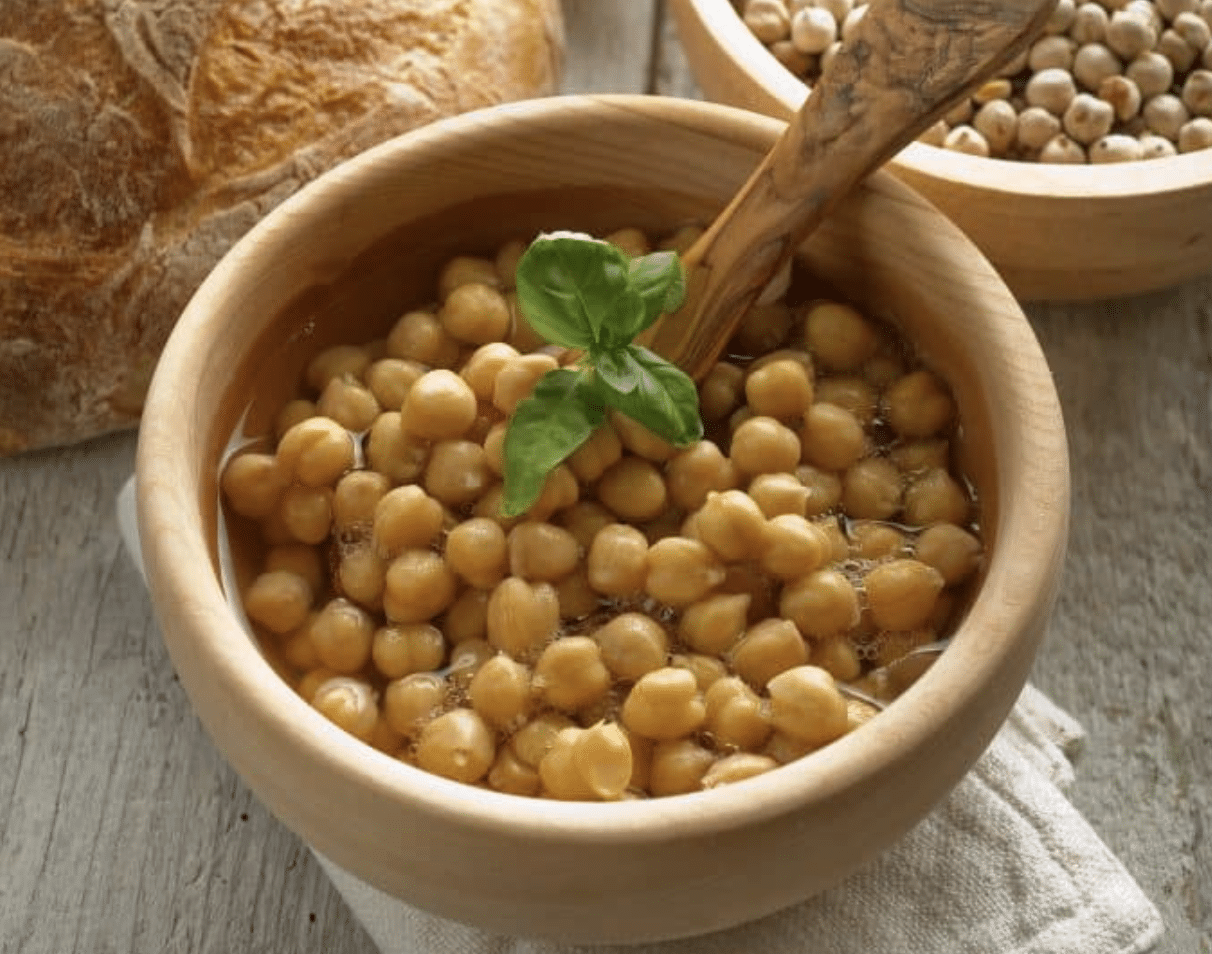
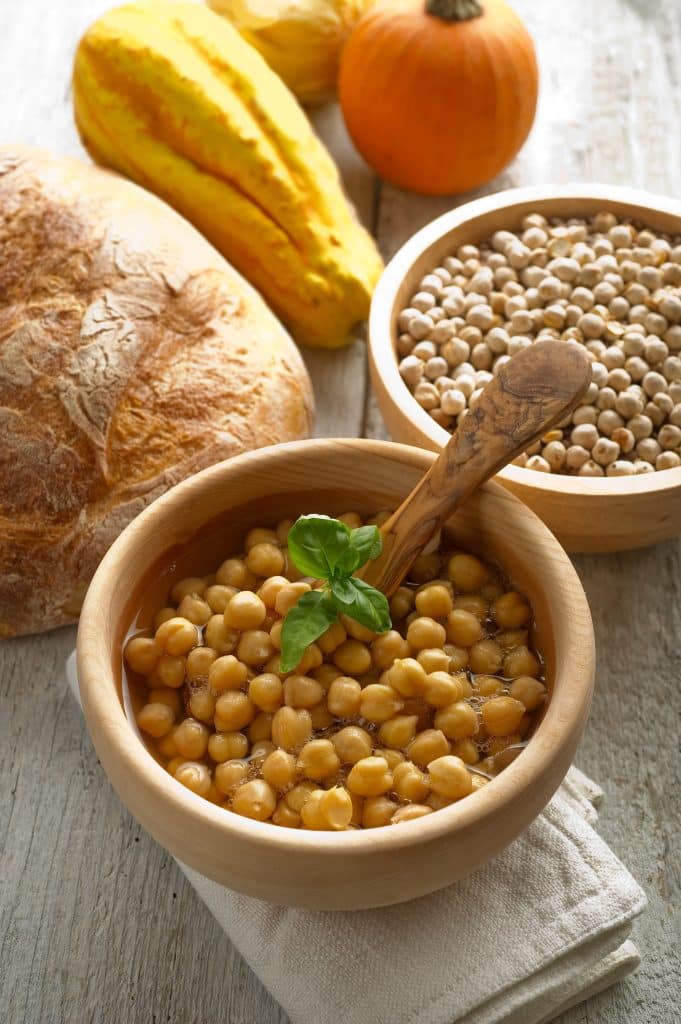
Chickpeas do more work in my kitchen than almost any other single ingredient. Soup, salad, mashed into something like tuna salad, roasted until crunchy, they go everywhere.
Mom note: roasted chickpeas are the one bean snack my youngest will eat straight out of the bowl like chips.
For roasting, the trick is drying them completely first. Pat them dry, even let them air dry for ten minutes, or they steam in the oven instead of crisping up.
I wrote up the full rundown of plant foods I lean on for protein when meat isn’t on the menu, and chickpeas are the one I go back to most.
4. White Rice
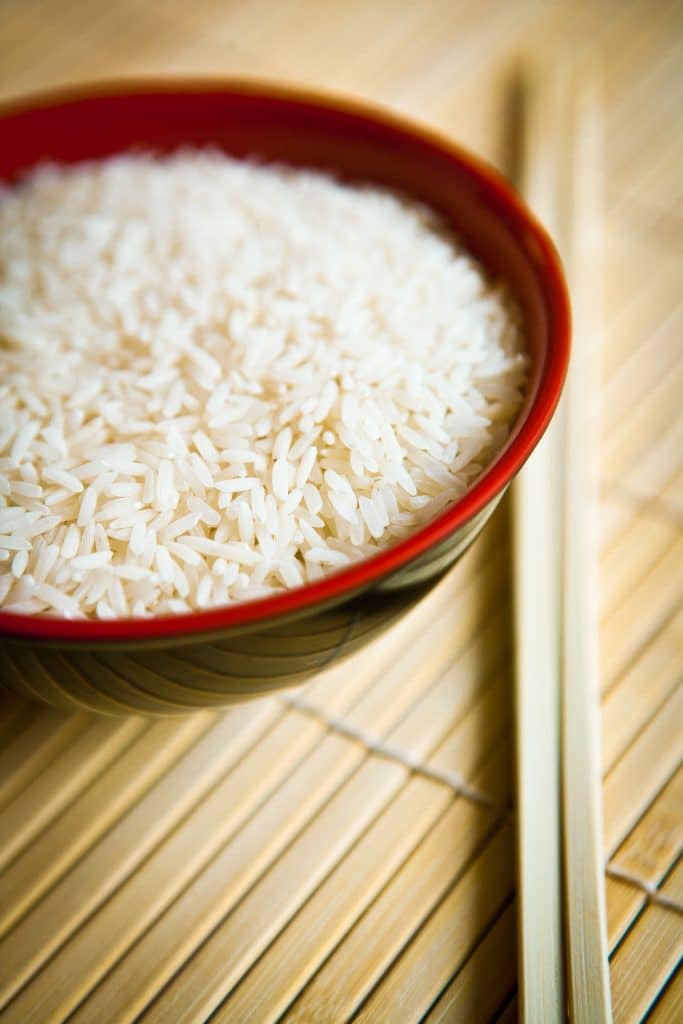
Rice is the base of half my meatless dinners. It’s cheap in bulk, it fills kids up, and it takes on whatever flavor I put with it.
Mom note: plain white rice is the one food I can serve all three of my kids without a single complaint, so I keep a rice cooker running more weeks than not.
I buy it in the largest bag my pantry shelf can hold. Cost per serving drops noticeably once you’re buying by the ten pound bag instead of the small box.
Rinsing it first isn’t optional in my house. It cuts down the starchy clumping that turns rice gluey instead of fluffy.
5. Rolled Oats
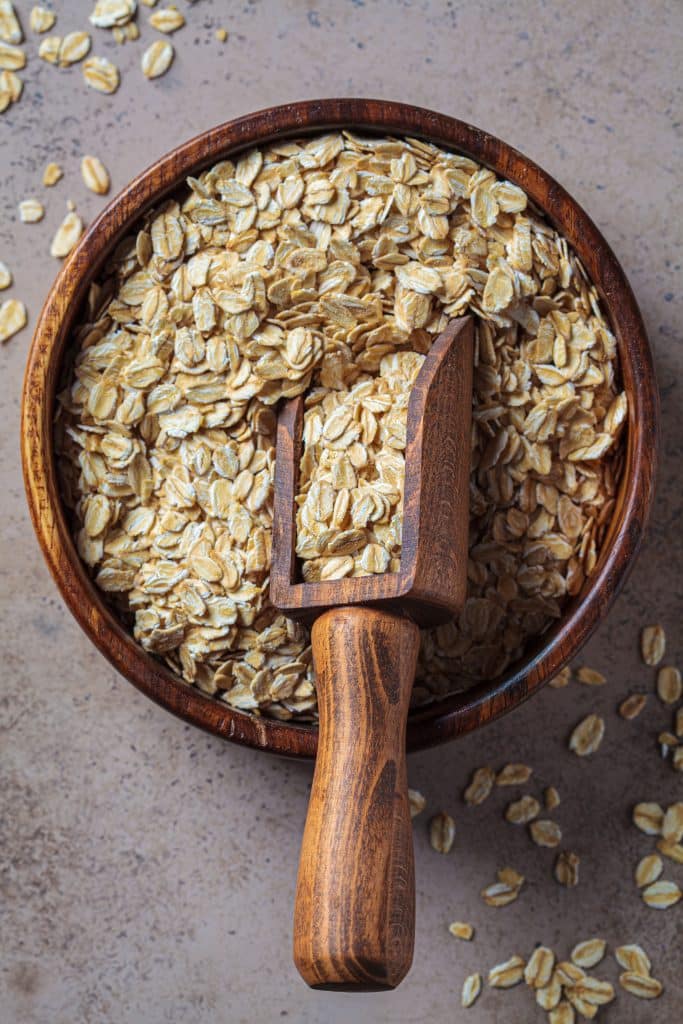
Oats aren’t just breakfast in my house. I use them in veggie patties, as a binder in place of eggs, and blended into flour for pancakes when I’m out of the real thing.
Mom note: baked oatmeal cut into squares gets eaten far more willingly than a bowl of the same oatmeal ever does, no idea why, but I’ve stopped questioning it.
A canister of rolled oats lasts my family close to a month and costs less than a single box of cereal. That math alone keeps it on my list every trip.
One More Bite
6. Potatoes
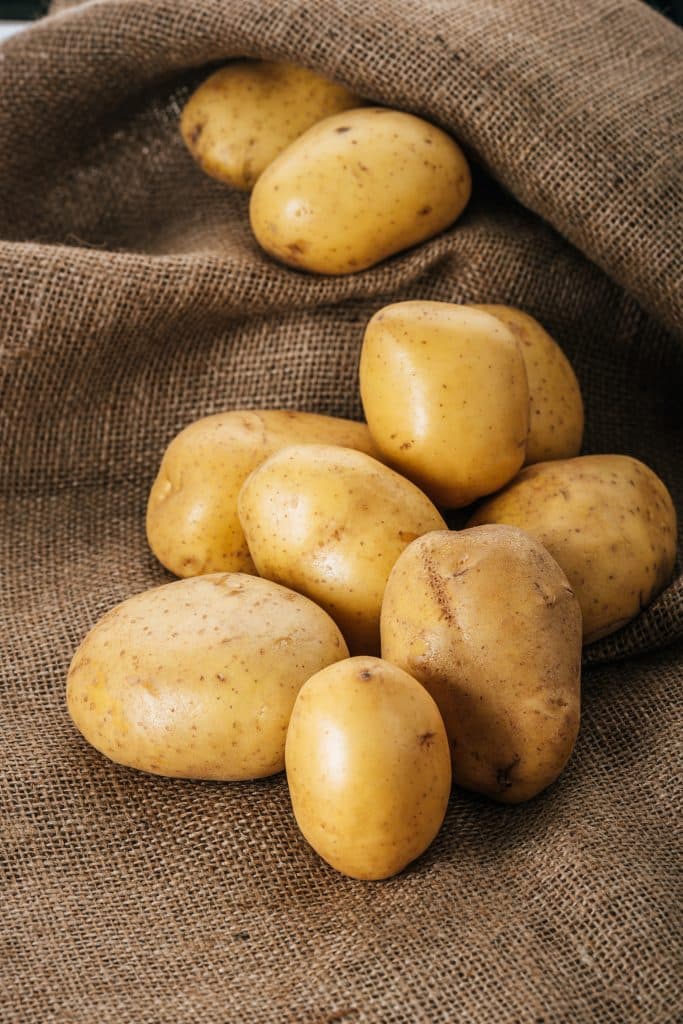
Potatoes are almost embarrassingly cheap for how much dinner they can become. Roasted, mashed, turned into a soup, they never feel like the same meal twice.
Mom note: a baked potato bar with a handful of toppings spread across the counter is the closest thing I have to a guaranteed win on a chaotic night.
Leaving the skin on when I roast them isn’t just about saving time peeling. It’s where a lot of the texture and flavor actually sits, and scrubbing them clean takes half the effort.
I buy the ten pound bag every time and store it somewhere dark and cool, away from onions, since the two sitting together makes potatoes sprout faster.
7. Sweet Potatoes
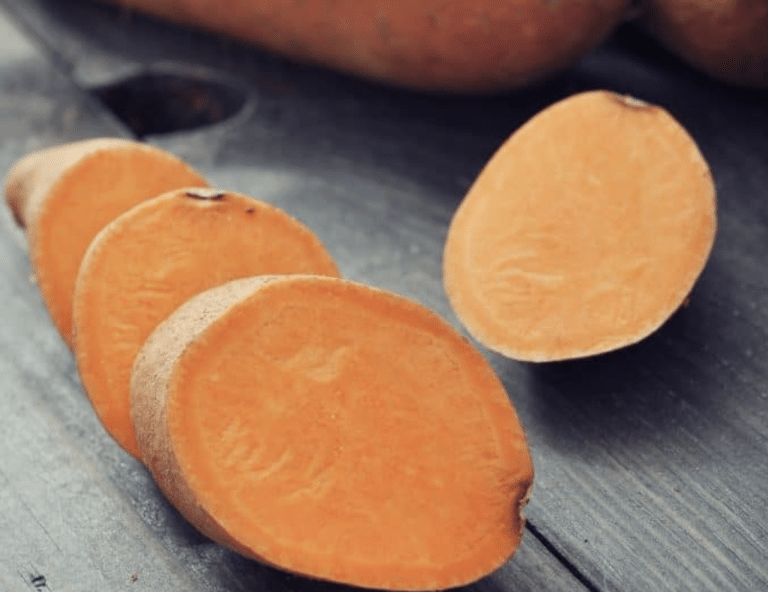
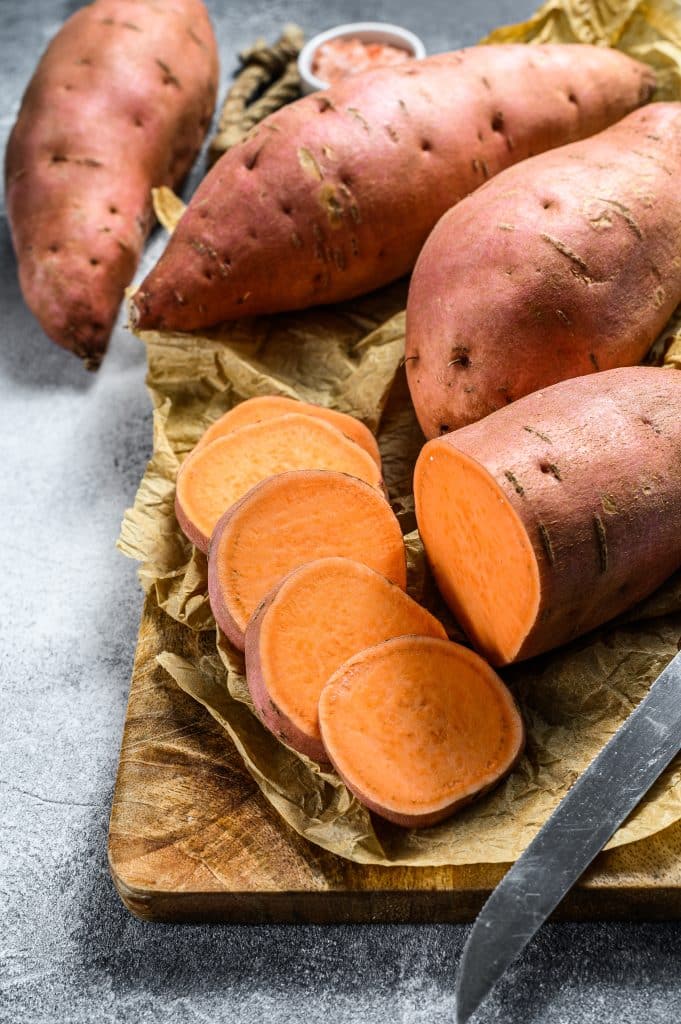
Sweet potatoes get treated like a fancy vegetable at the store, but the price rarely reflects that. They’re one of the cheapest ways I know to get something that reads as a real side dish.
Mom note: cubed and roasted with a little cinnamon, they’re the closest thing to dessert my kids will accept at dinner.
Cutting them small matters more than the oven temperature. Big chunks stay mushy in the middle no matter how long they roast, while smaller cubes crisp evenly.
I microwave one whole and split it open with butter more nights than I’d like to admit. It counts as cooking dinner in my house, and I stand by that.
8. Onions
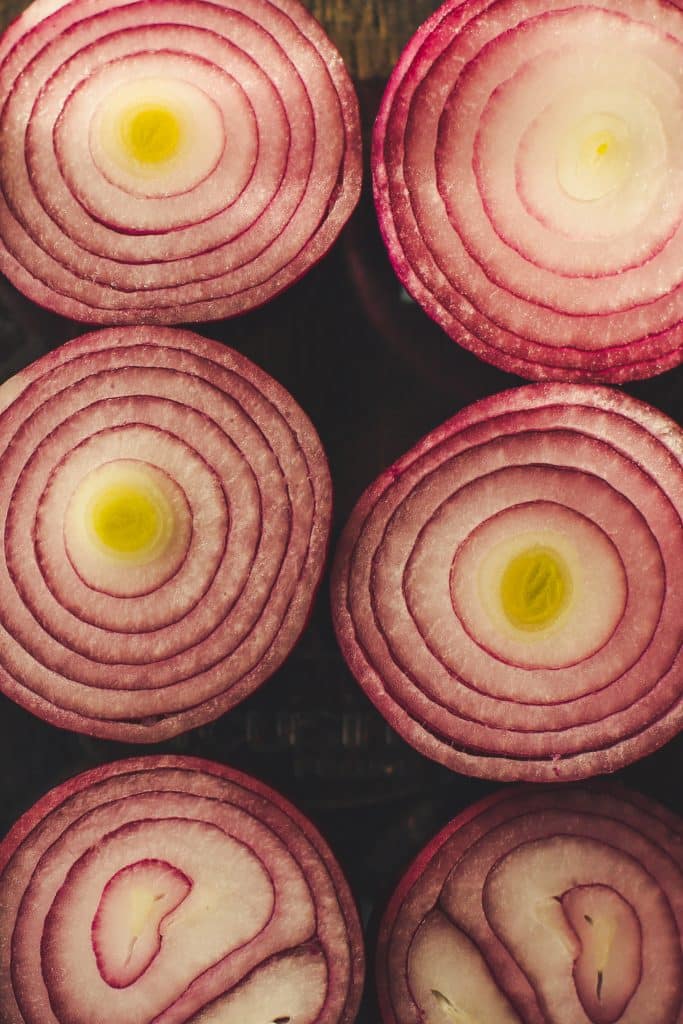
Nearly everything I cook starts with an onion in the pan. They’re cheap year round, and they’re doing more flavor work than people give them credit for.
Mom note: I chop them small enough that my pickiest eater doesn’t clock they’re there, which is a small daily victory I’ll take.
Letting them actually caramelize, not just soften, is the difference between a dish that tastes like something and one that tastes like nothing. It takes longer than most recipes admit, closer to thirty minutes than ten.
I buy the mesh bag every time. It’s always cheaper per onion than the loose bin, even when it doesn’t look that way at first glance.
9. Garlic
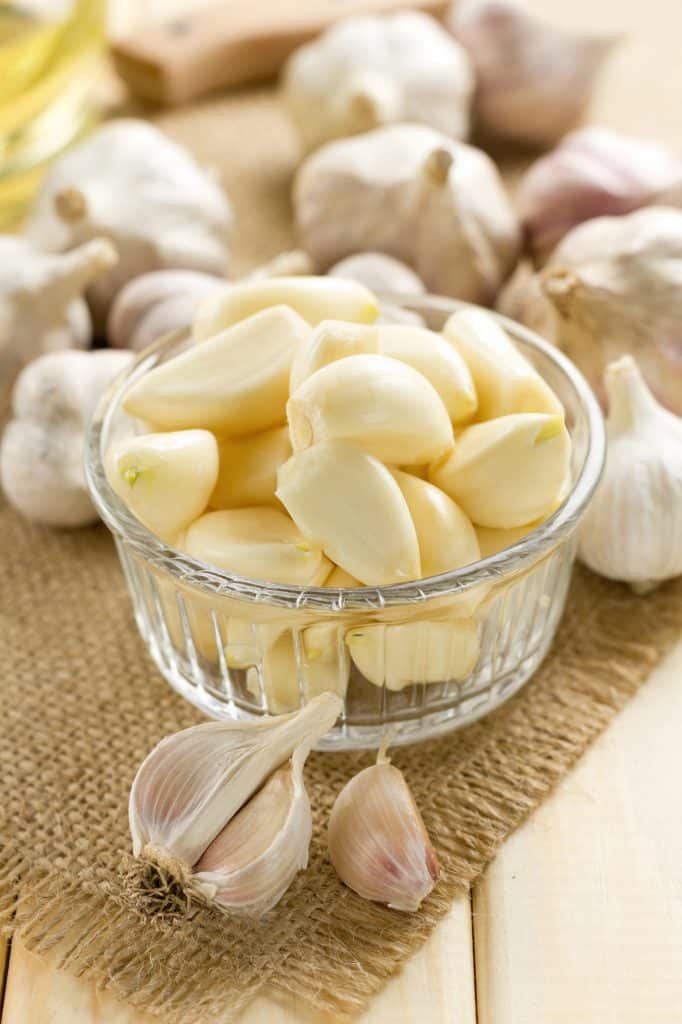
A single bulb of garlic costs almost nothing and quietly makes every bean and rice dinner taste like I tried harder than I did.
Mom note: my husband will eat literally anything as long as garlic is involved, so I lean on that more than I probably should.
The timing matters more than people think. Add it too early and it burns bitter, add it in the last minute of cooking and it stays sharp and raw tasting.
From My Kitchen
23 Fruits I Keep on the Counter So My Kids Grab Them Instead of Snacks →
"Small change, but it actually worked in my house."
I keep a jar of the pre-minced kind in the fridge for the nights I don’t have thirty seconds to spare, and I don’t feel guilty about it.
10. Carrots
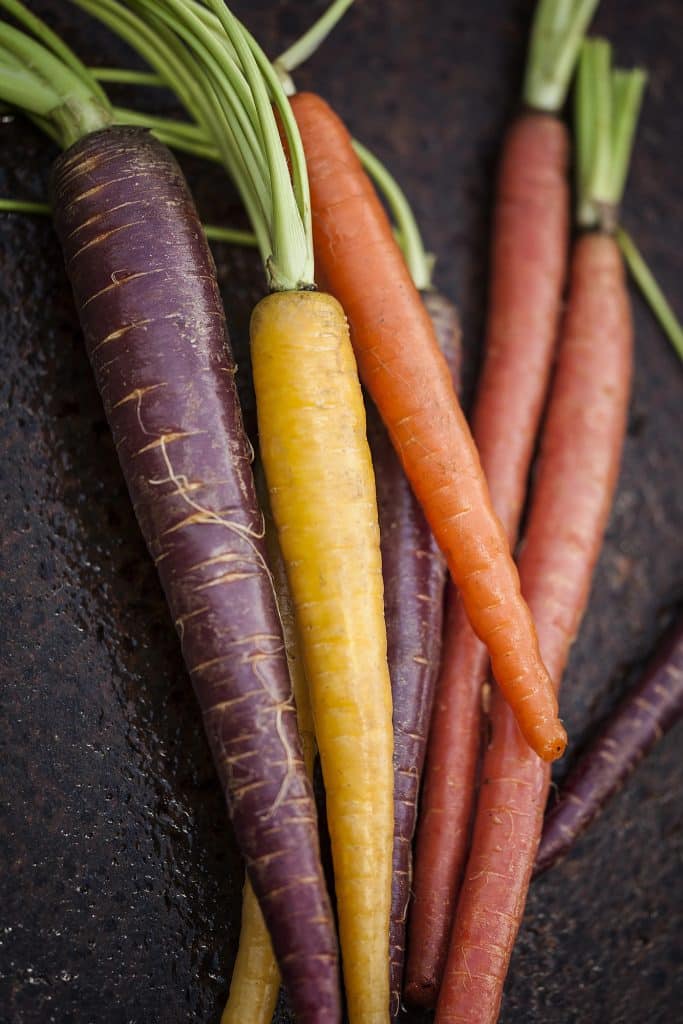
Carrots are one of the few vegetables that stay cheap no matter the season, and they hold up in the crisper drawer longer than almost anything else I buy.
Mom note: raw with a little peanut butter for dipping is the one vegetable snack that disappears in my house without a fight.
Roasting them whole instead of chopped concentrates the sweetness in a way that chopped carrots never quite manage. I just toss them with oil and salt and let the oven do the rest.
The bag kind is always cheaper than the loose ones with tops on, even though the tops make prettier photos.
11. Cabbage
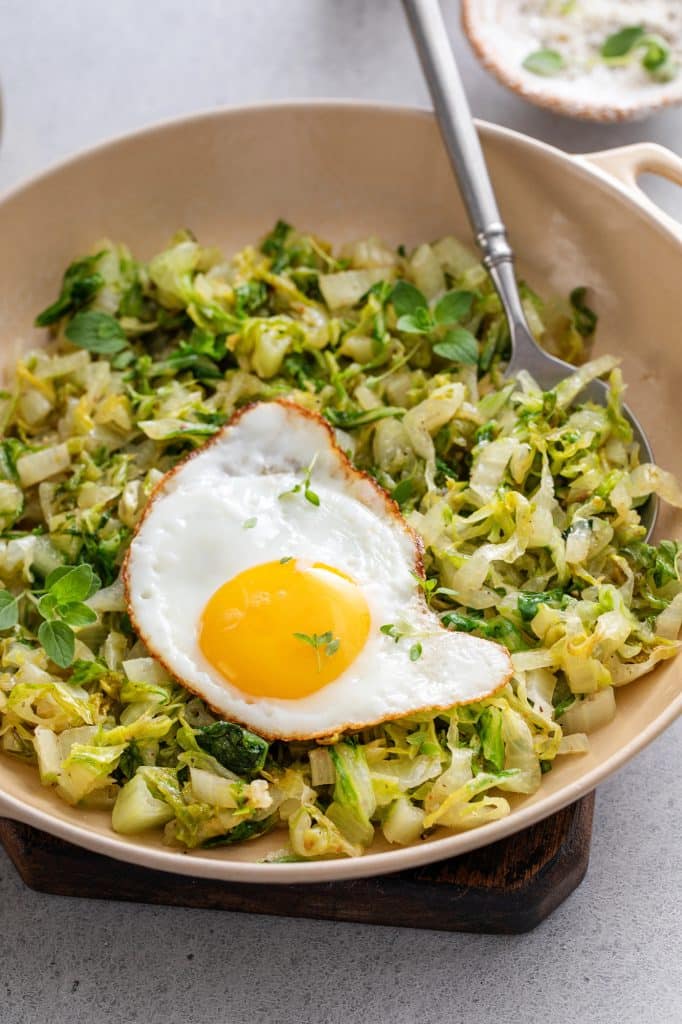
A single head of cabbage is one of the cheapest ways to feed my family for several nights running. Slaw one night, soup another, stir-fried on a third.
Mom note: I hid cabbage in soup for years before my oldest figured out what it was, and by then it was too late for them to object.
I spent years boiling it into something limp and sad before I figured out that high heat is what it actually wants. A hot pan and a short cook time keeps it crisp instead of soggy.
I’ve written before about vegetables I finally learned to cook right after years of ruining them, and cabbage is easily the one I feel the most redeemed by.
12. Celery
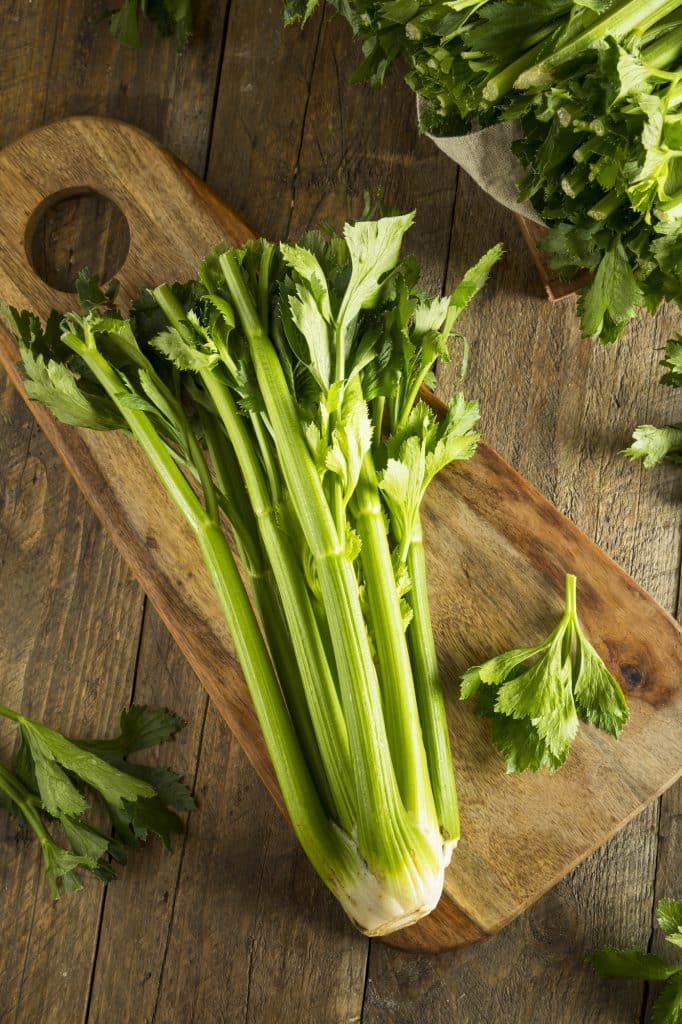
Celery gets treated as a throwaway vegetable, but a single bunch stretches across soups, stir-fries, and snack plates for most of a week.
Mom note: peanut butter on celery is the ants-on-a-log snack that’s been keeping my kids fed and happy since before they could talk.
The leaves are edible and I used to toss them, which felt wasteful once I actually looked into it. Now they go straight into soup along with the stalks.
Storing it standing up in a jar of water in the fridge keeps it crisp for close to two weeks instead of going limp after three days in a bag.
13. Frozen Peas
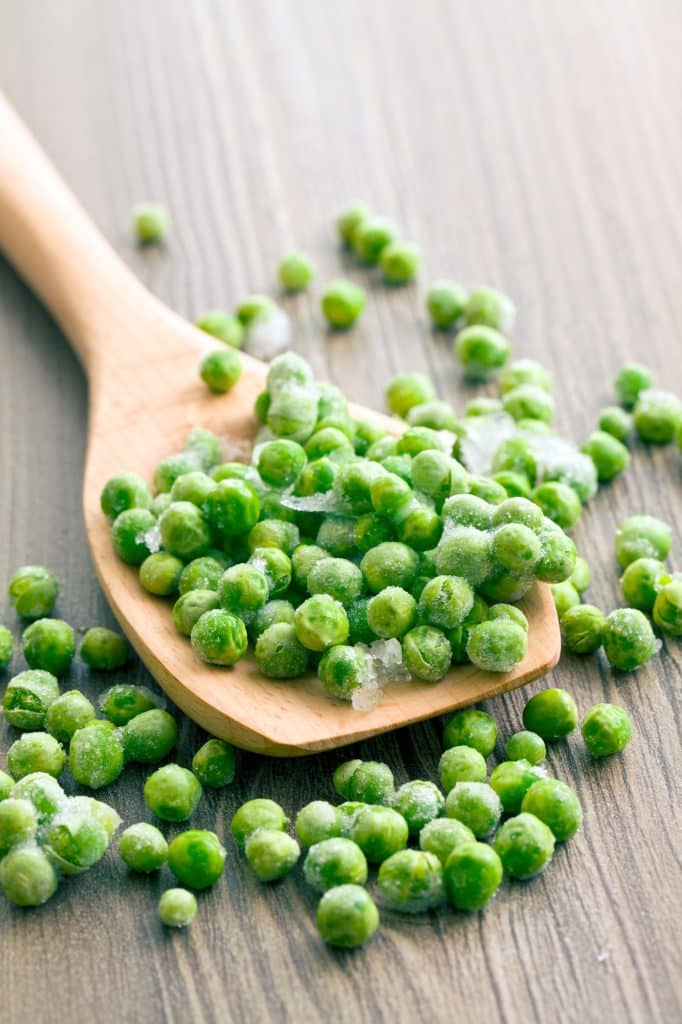
Frozen peas live in my freezer year round because they’re cheap, they never go bad before I get to them, and they cook from frozen in about two minutes.
Mom note: I toss a handful into almost anything at the last minute, and my kids eat them without registering it as a vegetable moment.
Frozen produce gets picked and frozen close to peak ripeness, which is why it often tastes better than the fresh version sitting in a bin at the store for a week. Peas are the clearest example of that in my kitchen.
You'll Want This Too
I never thaw them first. Straight from the bag into whatever’s already cooking works every time.
14. Frozen Corn
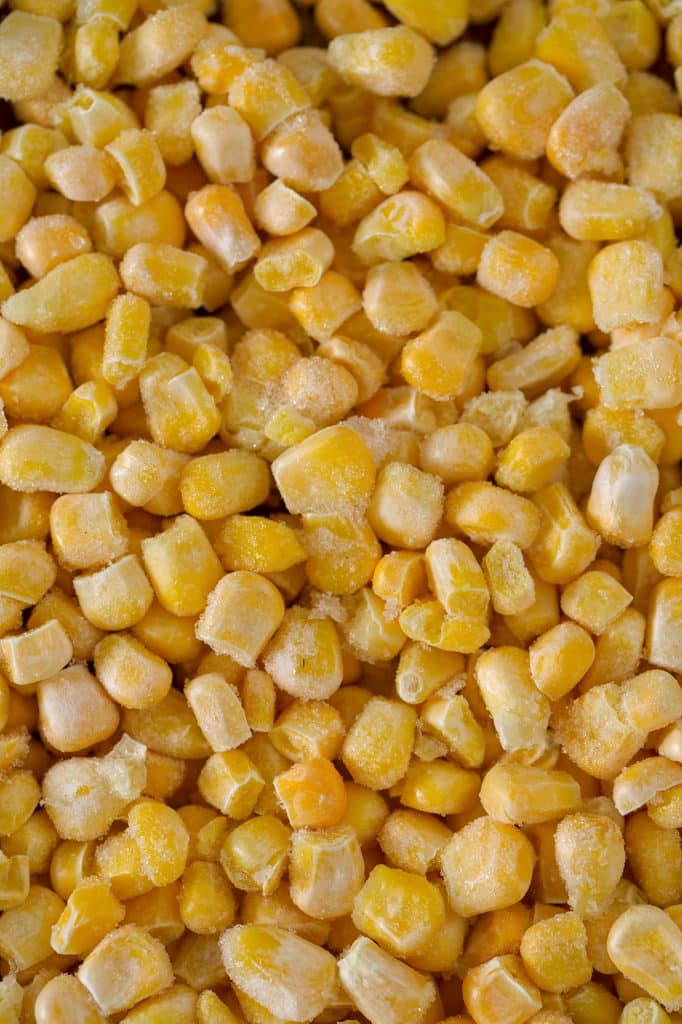
Frozen corn is another freezer staple, especially in the months when fresh corn on the cob costs more than I want to spend on a side dish.
Mom note: mixed into rice with a little butter and a pinch of salt, it’s one of the only “vegetable and grain” combos all three of my kids agree on.
Charring it in a dry hot pan for a few minutes before adding anything else brings out a sweetness that boiling it never does. I learned that one by accident when I left it in too long and it turned out to be the best batch I’d made.
15. Frozen Spinach
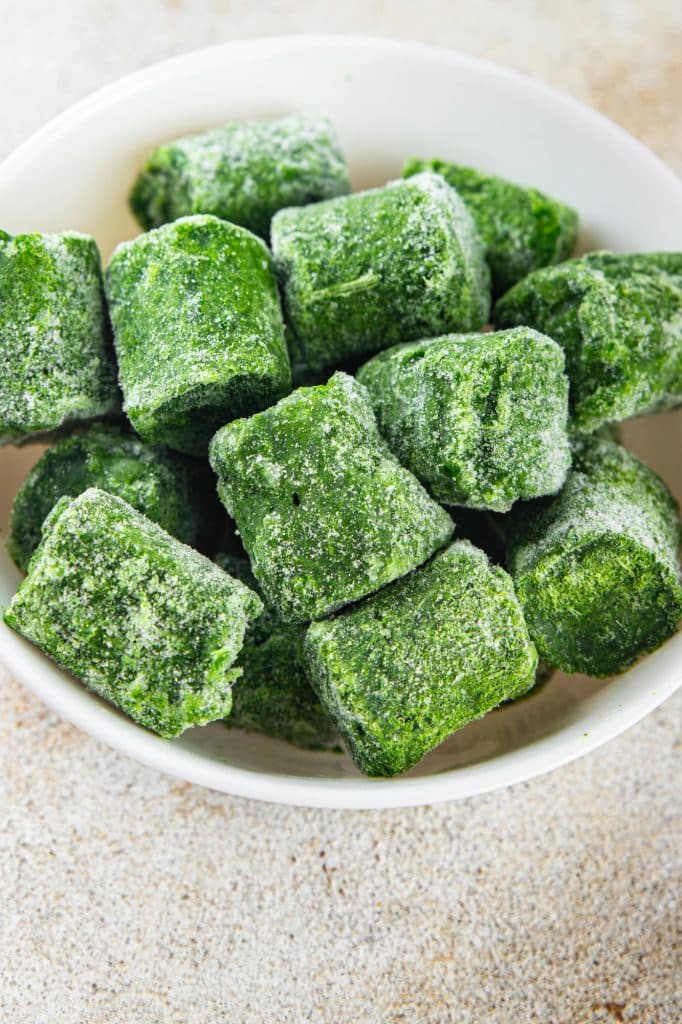
Frozen spinach is criminally cheap for how much nutrition it packs into a dish, and it disappears into sauces in a way fresh spinach never quite manages.
Mom note: blended into a pasta sauce, it’s the vegetable my pickiest kid has been eating for years without ever noticing.
The one trick that took me too long to learn is squeezing out the water after thawing. Skip that step and every dish turns watery no matter how long it simmers.
A clean kitchen towel works better for squeezing it dry than a strainer ever did for me.
16. Frozen Broccoli
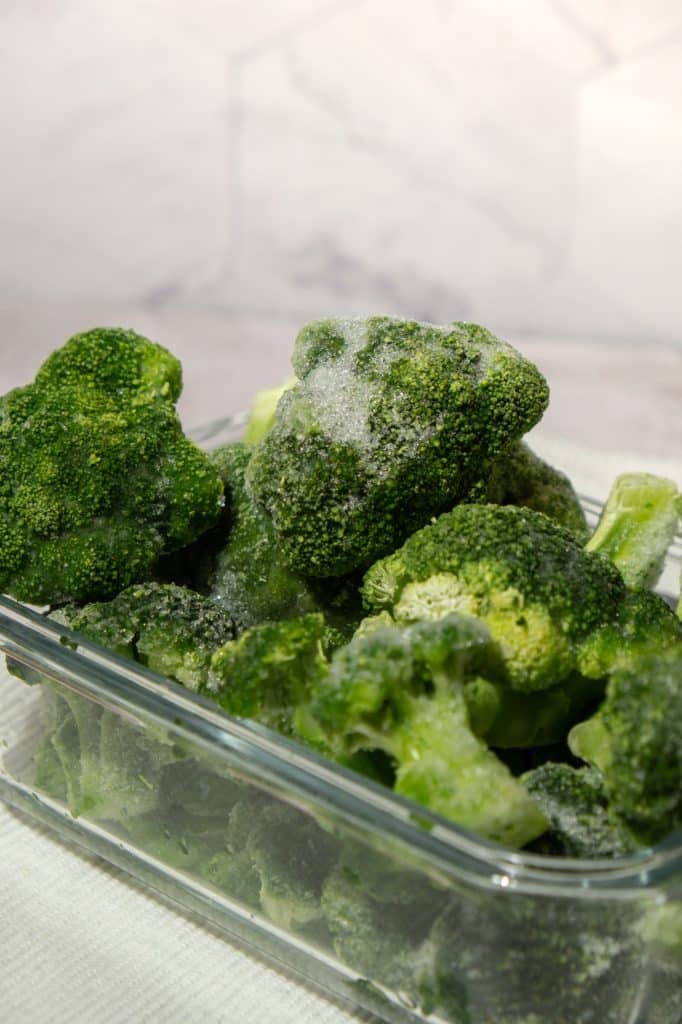
Frozen broccoli costs less than fresh most months and doesn’t go yellow and sad in my crisper drawer before I get around to using it.
Mom note: roasted with cheese melted over the top, it’s the one broccoli preparation that gets requested by name in this house.
Roasting it straight from frozen, no thawing, keeps it from turning mushy the way steaming it always seems to. A hot oven and a little extra time is all it needs.
I keep two bags in the freezer at all times specifically for the nights I’ve forgotten to plan a vegetable at all.
17. Cauliflower
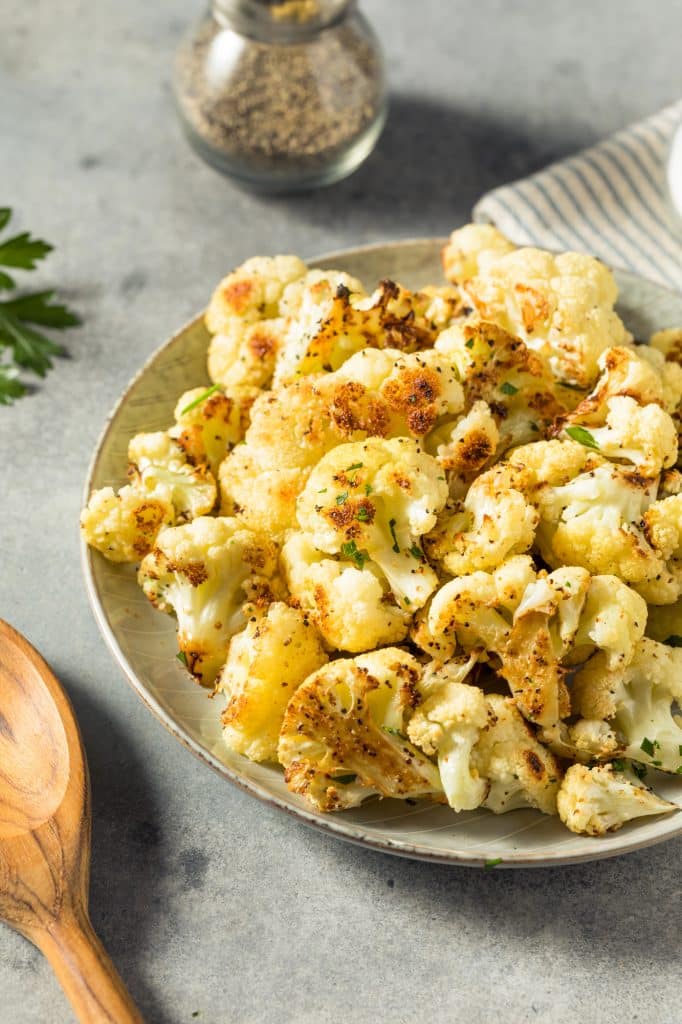
A whole head of cauliflower is one of the better dollar-for-dollar buys in the produce section, especially once you realize how many different meals it can become.
Mom note: riced and stirred into a curry, it slides past my pickiest eater in a way whole florets never do.
Roasting it whole, cut side down on the pan, gets you a caramelized bottom and a tender center without any babysitting. I just check it once around the halfway mark.
The trend of turning cauliflower into pizza crust or rice never really worked in my kitchen. It’s mushy more often than not, and I’d rather just eat the cauliflower plain and have real crust.
Go Deeper
The School Morning Machine: How We Went From Daily Chaos to Out-the-Door in 40 Minutes →
"The system that finally ended our morning yelling."
18. Zucchini
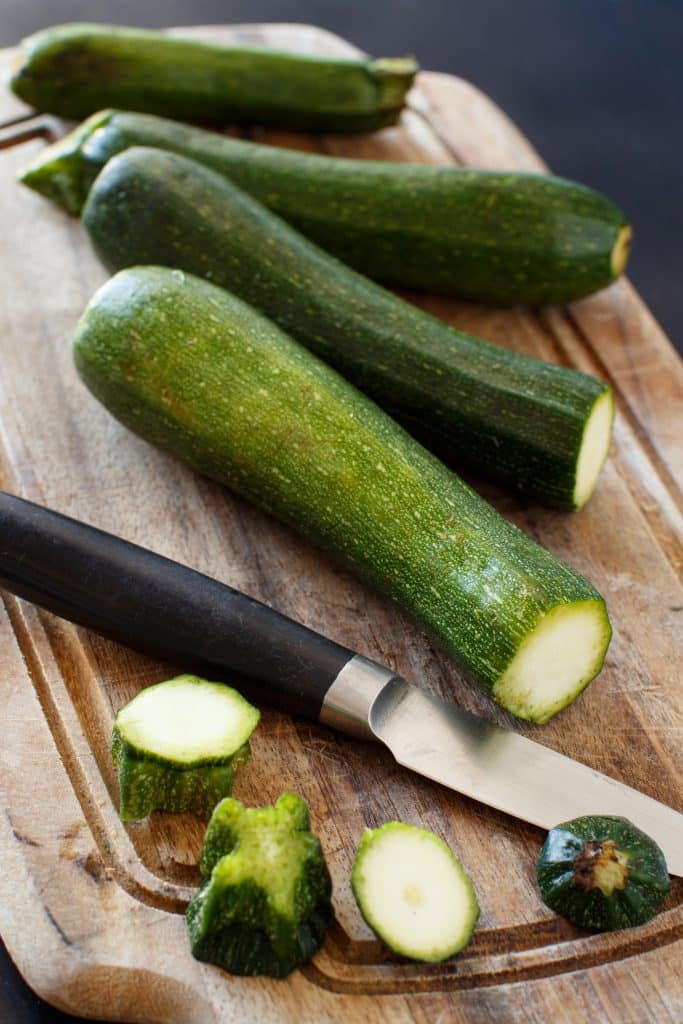
Zucchini gets cheap fast once it’s in season, and even out of season it’s rarely a splurge. It’s also one of the easiest vegetables to hide in something else.
Mom note: shredded into muffins or grated into meatballs, it disappears completely, which I’ve leaned on more times than I’ll admit.
Salting shredded zucchini and letting it sit for ten minutes before squeezing out the water is the single step that keeps baked goods from turning soggy. Skip it and you’ll know immediately.
I keep a running list of sneaky plant-based foods I hide in dinner, and zucchini has earned a permanent spot on it.
19. Bell Peppers
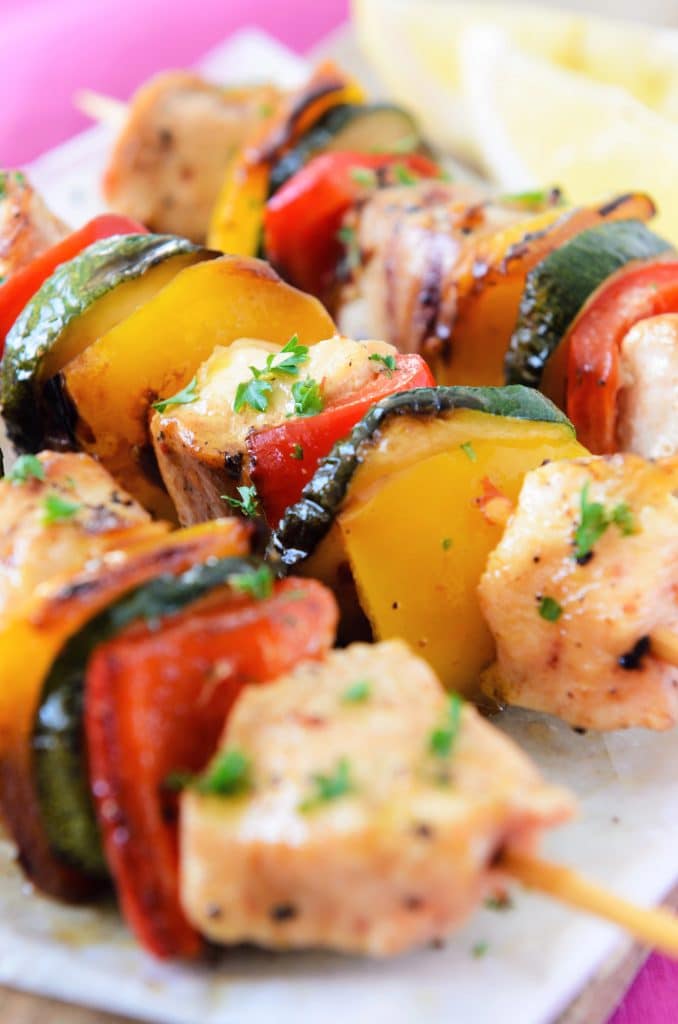
Bell peppers swing in price depending on color and season, so I mostly buy the green ones. They’re the cheapest of the bunch and I honestly can’t taste a huge difference once they’re cooked.
Mom note: sliced thin and served raw with dip, they’re one of the few raw vegetables my youngest reaches for without being asked.
When I do splurge on the colored ones, I buy whichever bag is marked down and chop the whole thing at once. They freeze well sliced, so nothing goes to waste even if I don’t use it all that week.
20. Mushrooms
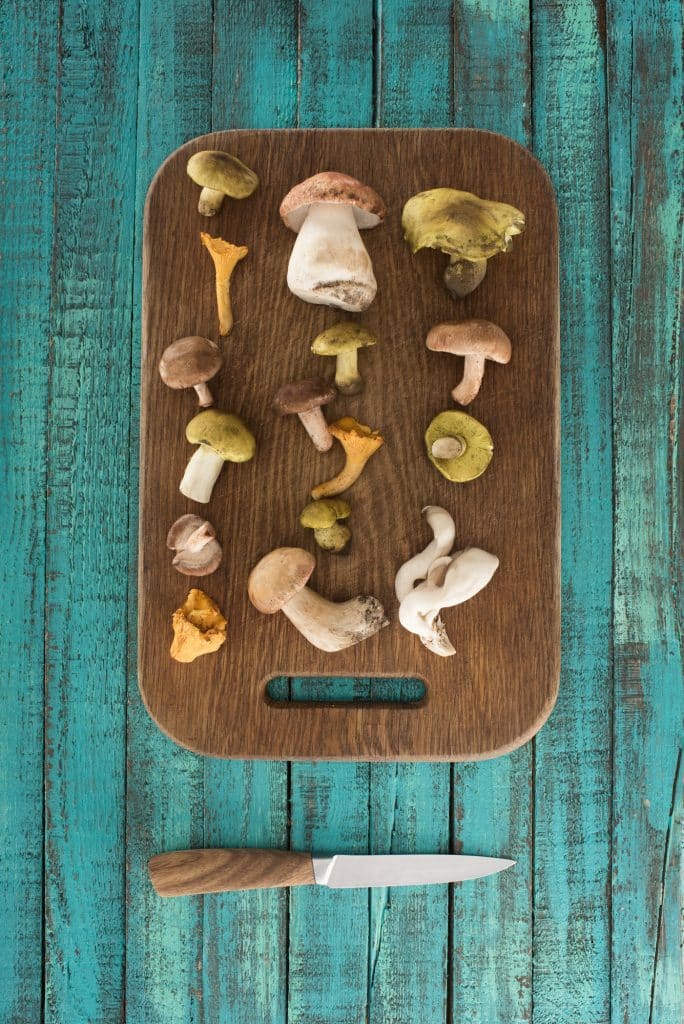
Mushrooms are the closest thing to a meat substitute I’ve found that doesn’t feel like a compromise. Chopped fine, they bulk out ground meat or replace it entirely in a lot of my recipes.
Mom note: minced small in tacos, they slip past my kids every single time, and I’ve never once been caught.
The mistake I made for years was crowding the pan. Too many mushrooms at once means they steam instead of brown, and browning is where all the flavor actually comes from.
I cook them in batches now, even though it takes a few extra minutes. It’s worth it every time.
21. Cucumbers
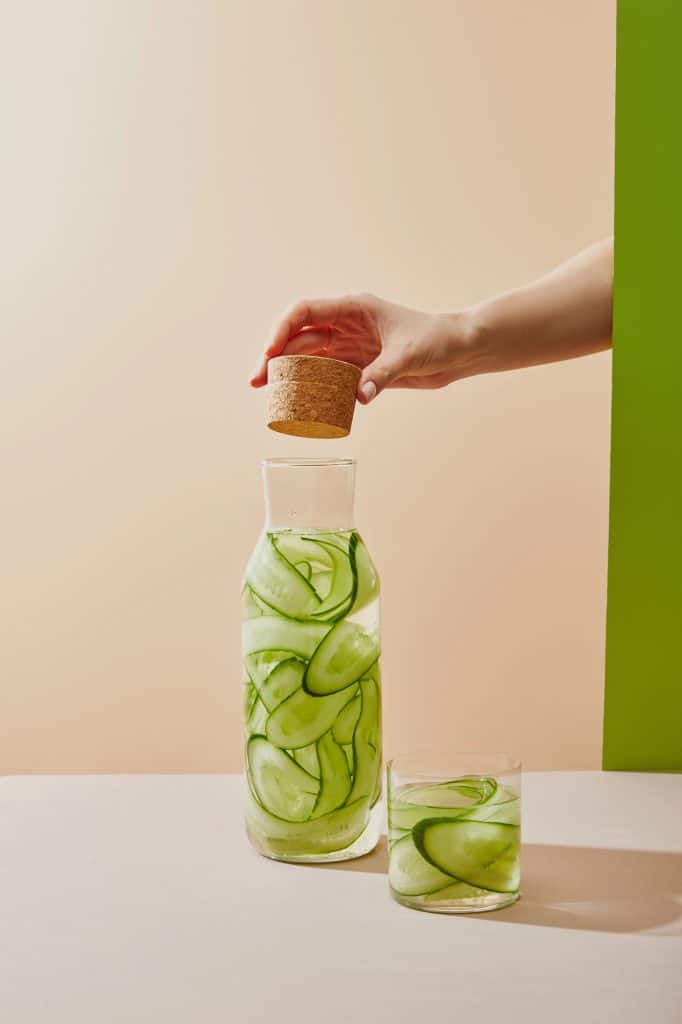
Cucumbers are cheap most of the year and require exactly zero cooking, which makes them an easy way to round out a meatless dinner without extra effort.
Mom note: a bowl of sliced cucumber with a little salt gets emptied faster than almost anything else I put on the table.
Salting them and letting the water drain for ten minutes before adding them to a salad keeps everything from turning watery by the time dinner actually gets served.
What Everyone's Making
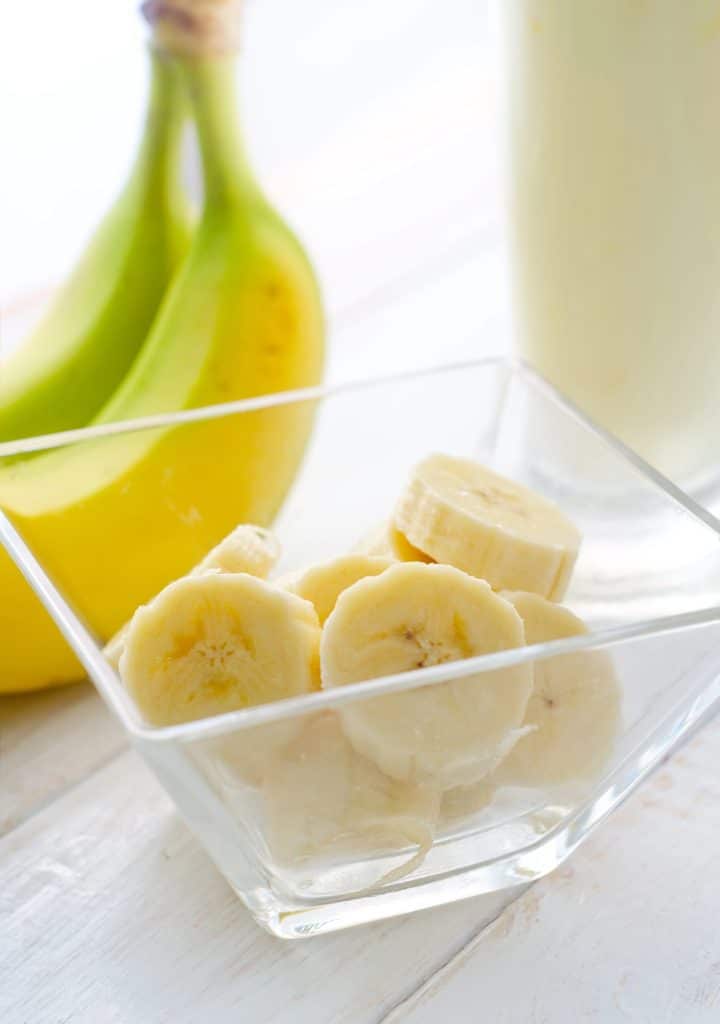
22. Bananas
Bananas are one of the cheapest fruits I buy, and almost nothing in my kitchen goes to waste, since the overripe ones just become something else.
Mom note: I keep a stash of frozen banana slices for smoothies, and it’s the one snack I never hear a complaint about.
Freezing them the moment they get spotty, peeled and cut into chunks, means I always have banana bread ingredients on hand without ever planning ahead.
I keep a few on the counter and the rest in the freezer, which I mentioned in my piece on fruits I keep on the counter so my kids grab them instead of snacks.
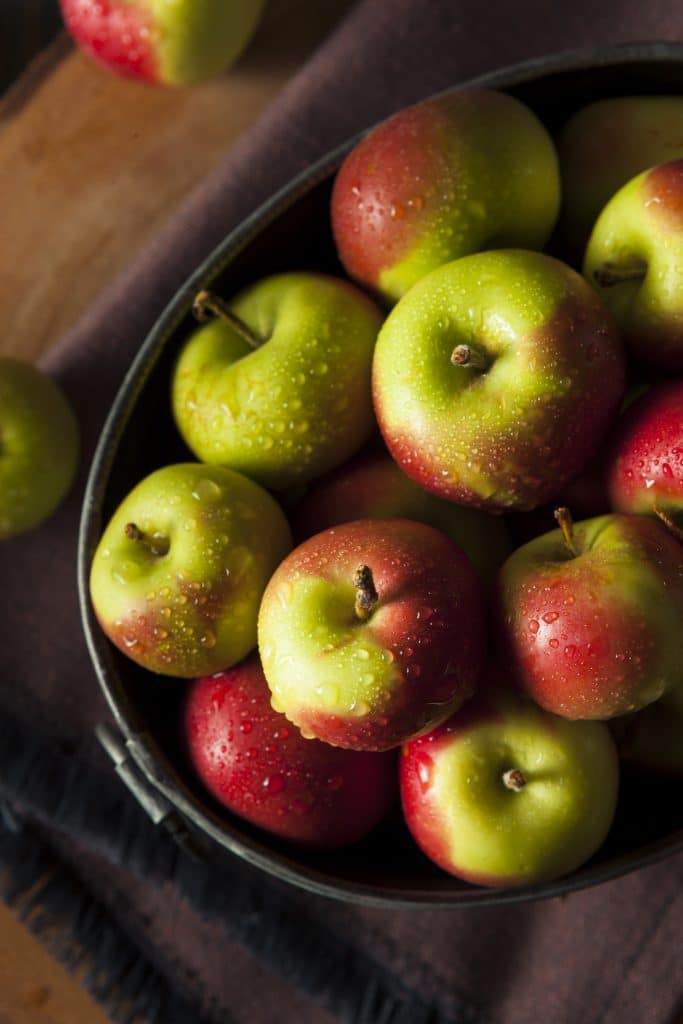
23. Apples
Apples hold their price better than most fruit through the colder months, and they last long enough in the fridge that I never feel rushed to use them up.
Mom note: sliced with a little cinnamon, they’re the one fruit that gets requested for dessert instead of complained about.
The bagged kind at the bottom of the produce section is almost always cheaper per pound than the loose display apples, even when they’re the exact same variety.
Slicing them ahead and tossing the slices with a splash of citrus juice keeps them from browning in a lunchbox for hours without any special product needed.
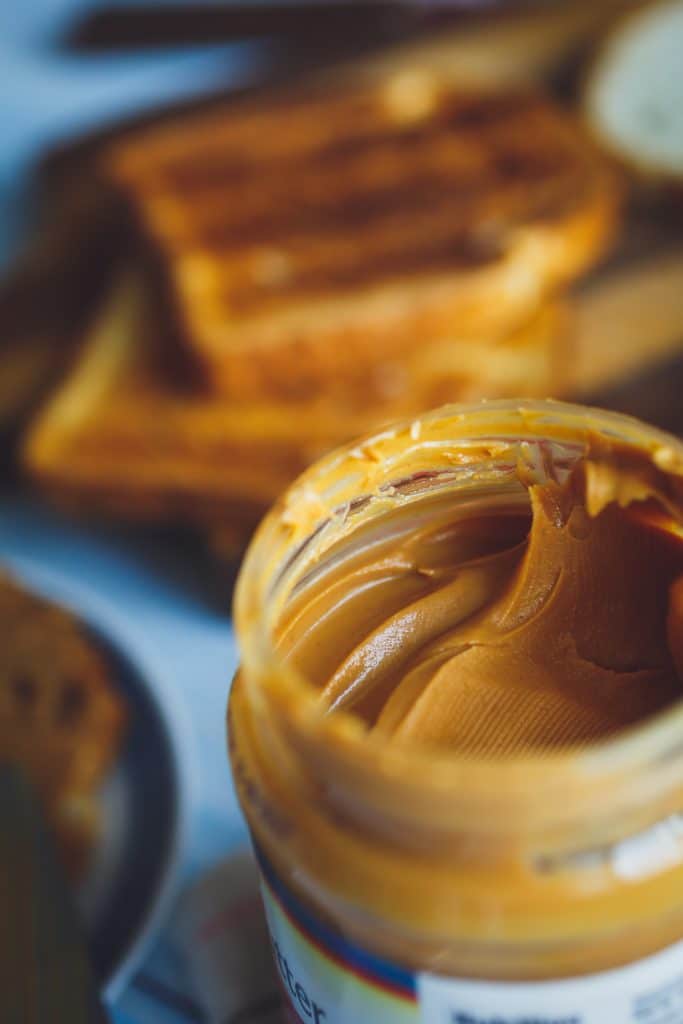
24. Peanut Butter
Peanut butter isn’t produce, but it does so much heavy lifting in my meatless cooking that I couldn’t leave it off this list. It turns plain vegetables into a real meal in about two minutes.
Mom note: a peanut sauce stirred over noodles and whatever vegetables I have on hand is my go-to when I can’t think of a single other idea.
The plain kind with just peanuts and salt costs less than the fancy versions with add-ins, and it works better for cooking anyway since the texture is more predictable.
I buy the big tub every time. It never sits around long enough to worry about it going stale.
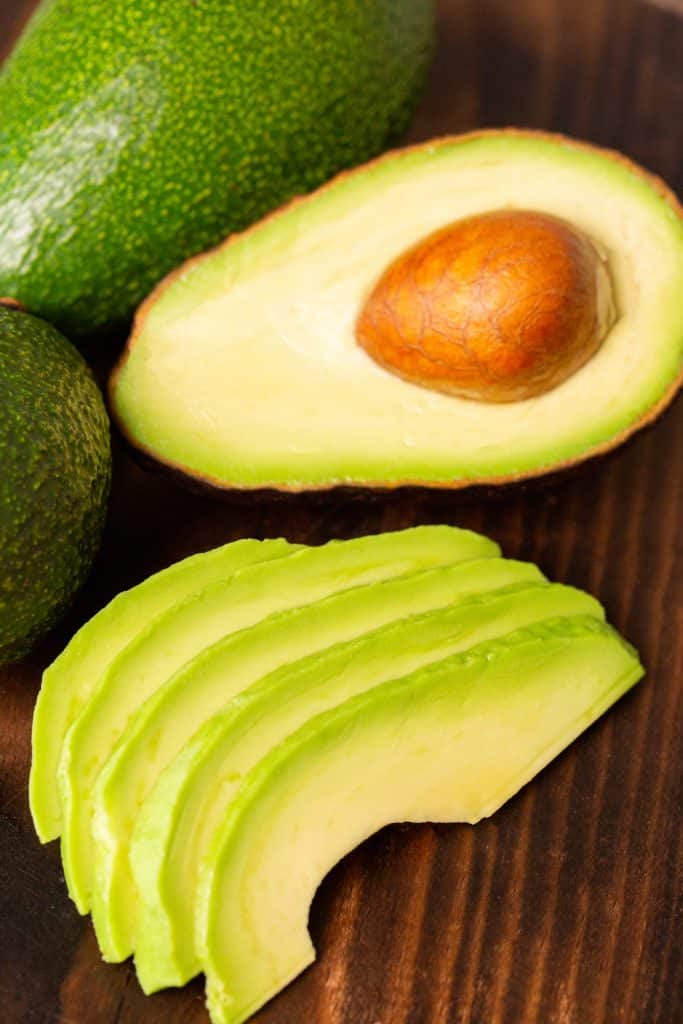
25. Avocado (Skip It, Honestly)
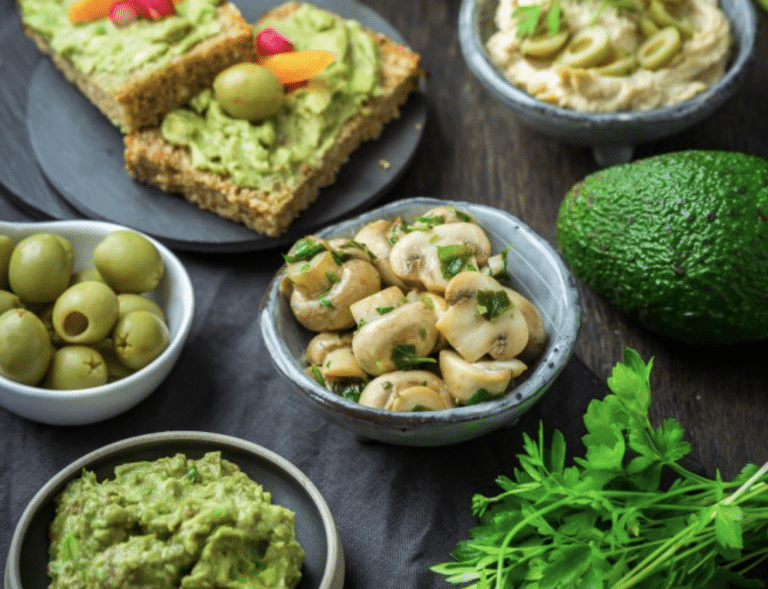
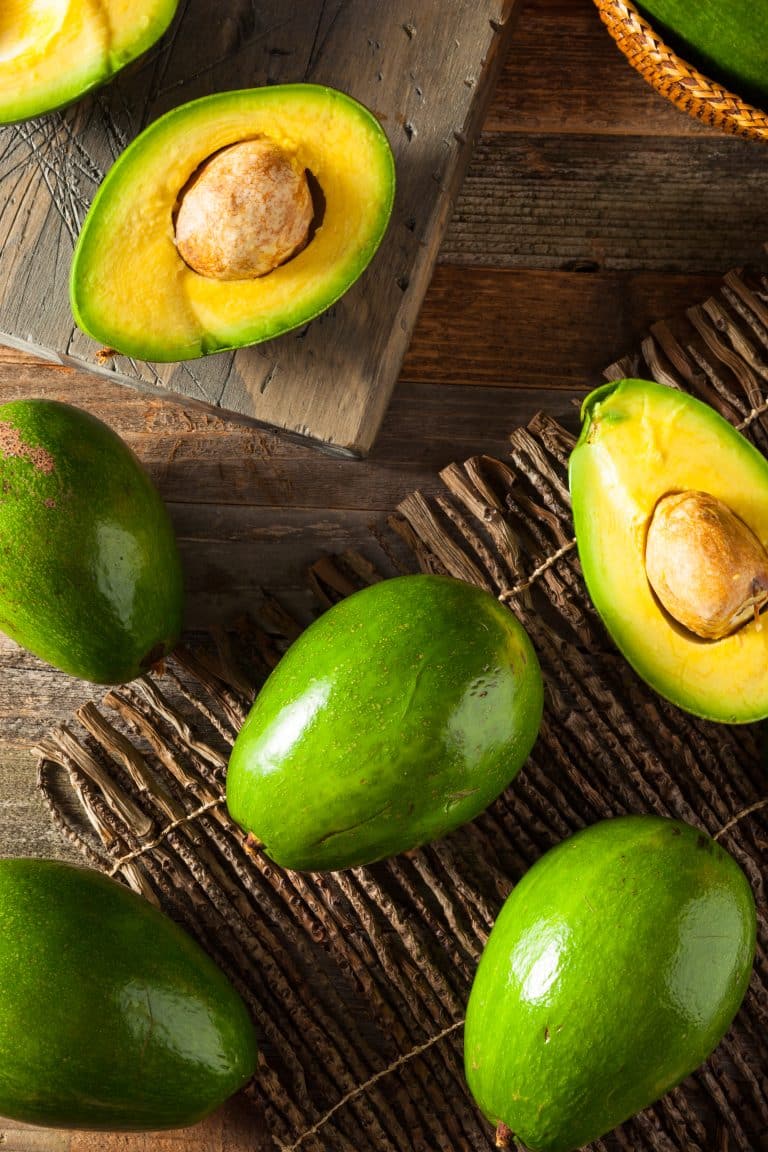
I’m going to be honest here instead of pretending. Avocado shows up on every vegan grocery list, but it’s rarely cheap, and I don’t buy it when I’m actually trying to save money.
Mom note: my kids have never once asked for avocado, so it isn’t earning its price tag on flavor or demand in this house.
The price swings wildly depending on the season and where I’m shopping, and it goes from underripe to mushy overnight with almost no warning. That’s a lot of risk for a topping.
If a recipe calls for it, I’ll usually swap in mashed white beans or a spoonful of peanut butter instead. Neither is a perfect match, but both cost less and never go to waste.
What I’d Grab First
If I had to start over with an empty pantry tomorrow, I’d grab lentils, rice, onions, and a bag of frozen peas before anything else. That combination alone covers most weeknights without much thought.
This week I’m making a big pot of cabbage soup with whatever beans I have left in the pantry, mostly because it’s cold and I don’t want to think too hard about dinner for a few days. That’s usually how these things start in my house.
You don’t need to go all in on any of this. Pick one thing from this list, cook it the way I’ve described, and see if it earns a permanent spot in your kitchen the way it did in mine.