25 Fruits and Vegetables That Do the Heavy Lifting in My Dairy-Free Kitchen
We went dairy-free in my kitchen a while back, and the hardest part wasn’t giving up cheese on pizza night. It was figuring out what was going to replace all the creaminess and richness that butter and cream used to handle without me ever thinking about it.
Produce ended up doing most of that work. A blended cauliflower, a ripe avocado, or a frozen banana can carry a dish the same way cream used to, and half the time nobody at my table even notices the difference.
These are the 25 fruits and vegetables that show up most in my dairy-free cooking, counted up from the ones that build creaminess to the ones that build flavor. A few of these took real trial and error to get right.
1. Avocado
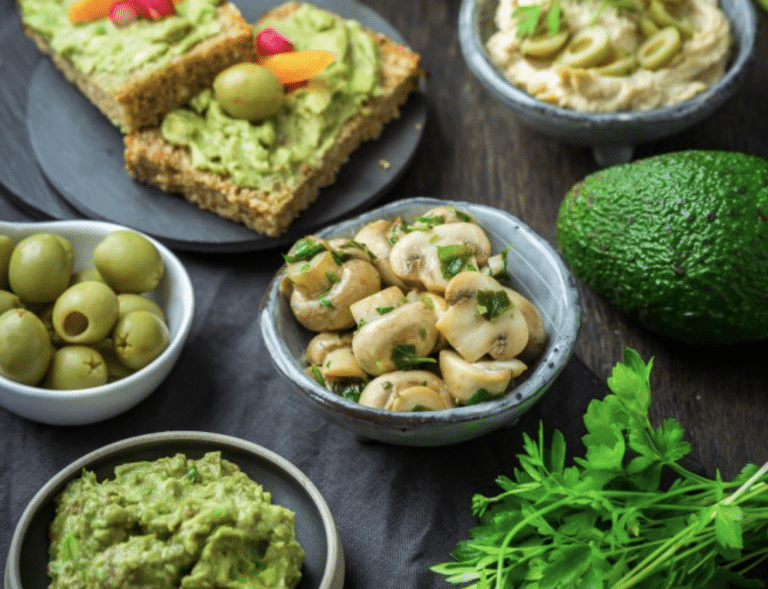
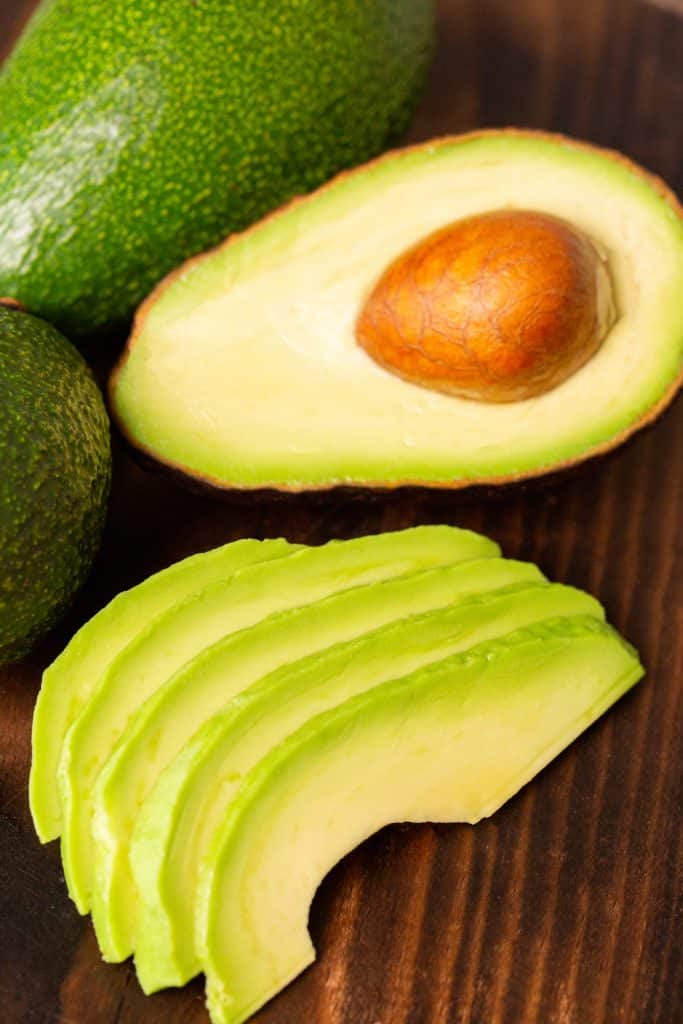
Avocado is the closest thing I’ve found to a direct swap for the fat and creaminess that butter or sour cream used to bring to a dish. Mashed into a sauce or blended into a dressing, it disappears completely into the texture without tasting like avocado at all.
Mom note: my youngest still thinks the green sauce on taco night is just “the sauce,” and I’ve never corrected that.
This one gets used in my kitchen more than almost anything else on this list.
2. Bananas
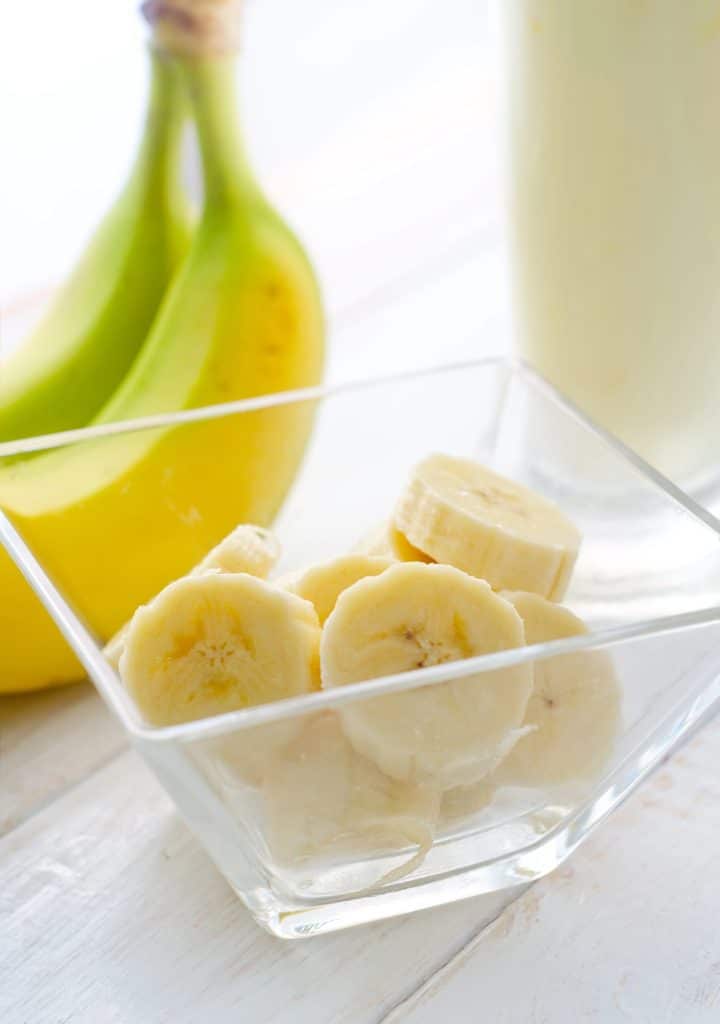
A ripe banana blended into batter does a lot of what butter or milk used to do in baking, adding both moisture and a little natural sweetness. I lean on this one constantly in muffins and pancakes.
It also works as an egg replacement in a pinch, which surprised me the first time I tried it out of desperation on a night I was short an ingredient.
The riper the banana, the more it disappears into whatever you’re making.
3. Frozen Banana Slices
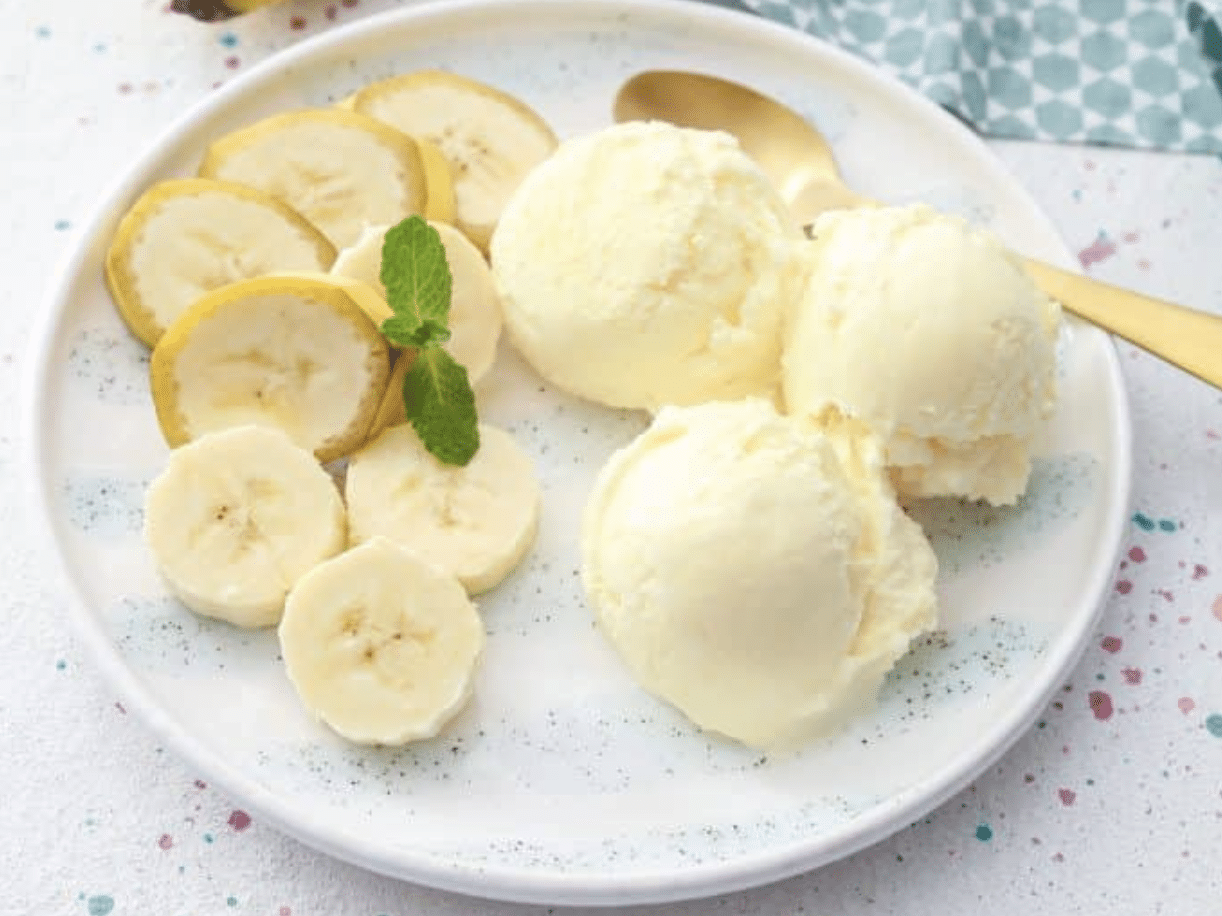
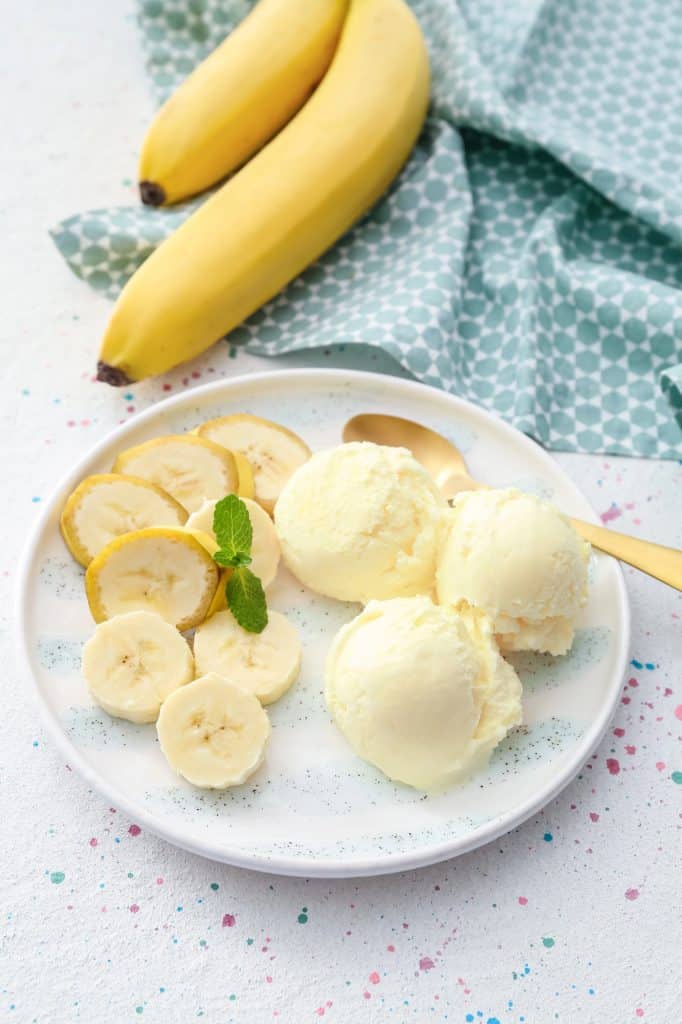
Frozen banana is the whole reason I stopped buying ice cream as often as I used to. Blended on its own, it turns into something almost exactly like soft serve, no cream required.
Mom note: my kids call this “nice cream” and ask for it more than they ask for the real thing, which still surprises me some days.
I keep a bag of sliced bananas in the freezer at all times specifically for this.
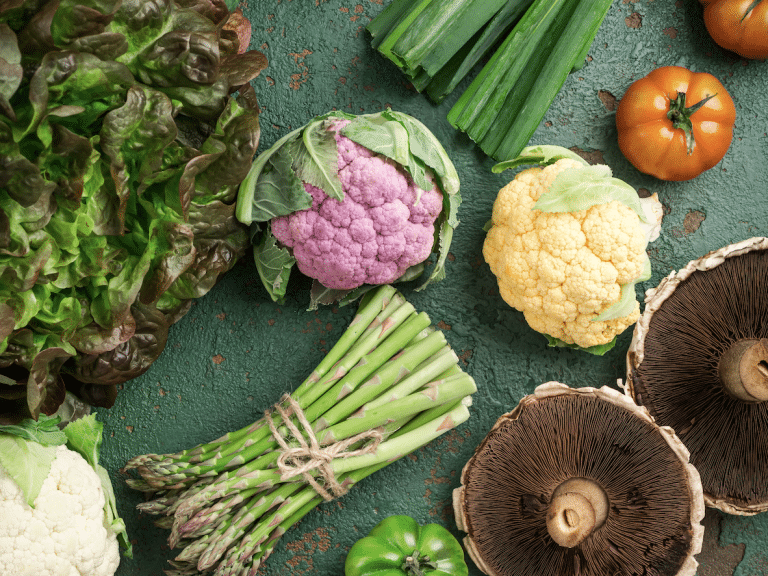
4. Cauliflower
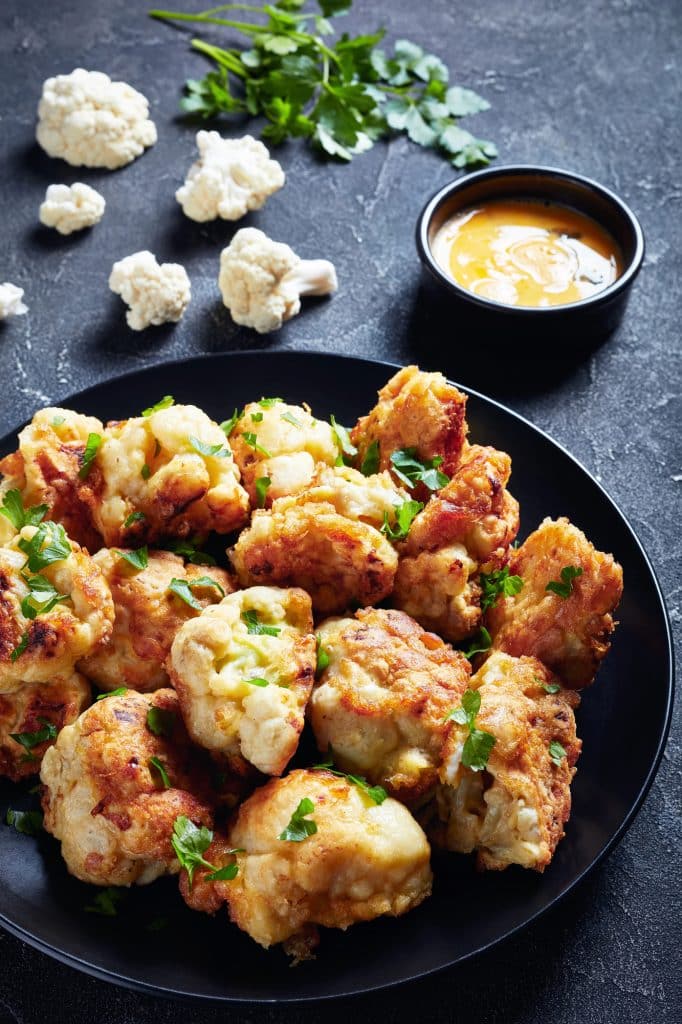
I’ll be honest about this one, since I promised myself I would somewhere on this list. Blended cauliflower alfredo gets a lot of hype online, and in my kitchen it never quite tastes like the real thing no matter what I add to it.
It’s fine, it’s edible, my family eats it without complaint. It’s just never going to fool anyone who actually remembers what alfredo tastes like.
I still make it sometimes because fine is good enough on a Tuesday.
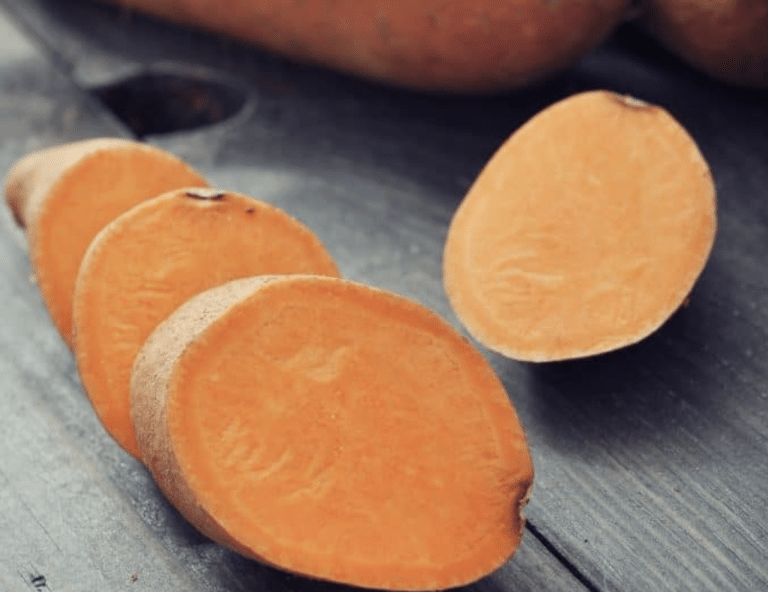
5. Sweet Potatoes
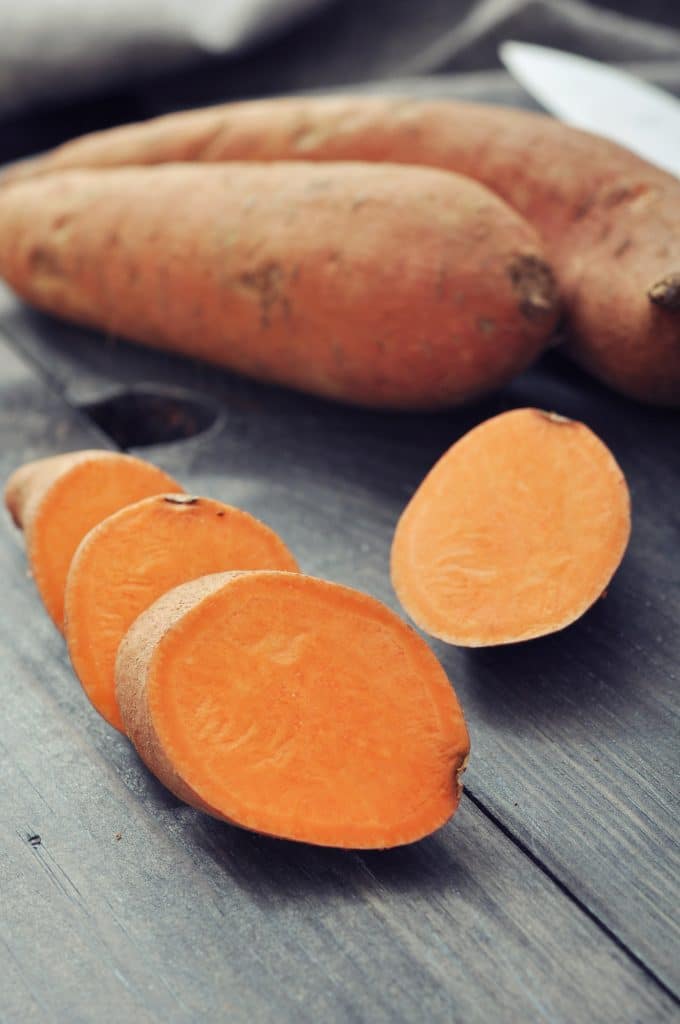
A roasted sweet potato mashed with a splash of a plant milk gets creamy enough that nobody misses the butter I used to add. The natural sweetness does a lot of the work on its own.
Mom note: this is the base I use for a dip my kids will eat with almost any vegetable I hand them, which feels like cheating in the best way.
I roast a few extra every time I make dinner just to have this ready.
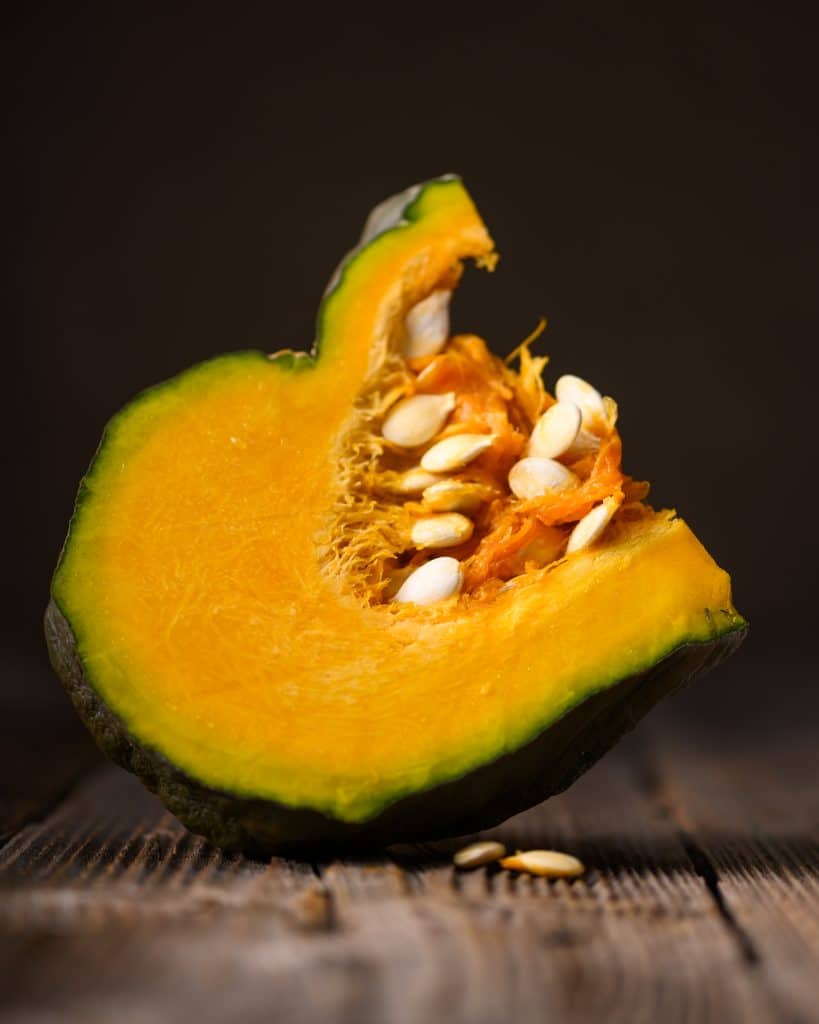
6. Acorn Squash
Roasted acorn squash has enough natural richness that it barely needs anything added once it’s soft and caramelized. A little oil and salt is genuinely all it needs.
Pureed, it makes a soup base that feels a lot heavier than it actually is.
This is one I turn to constantly once fall hits.
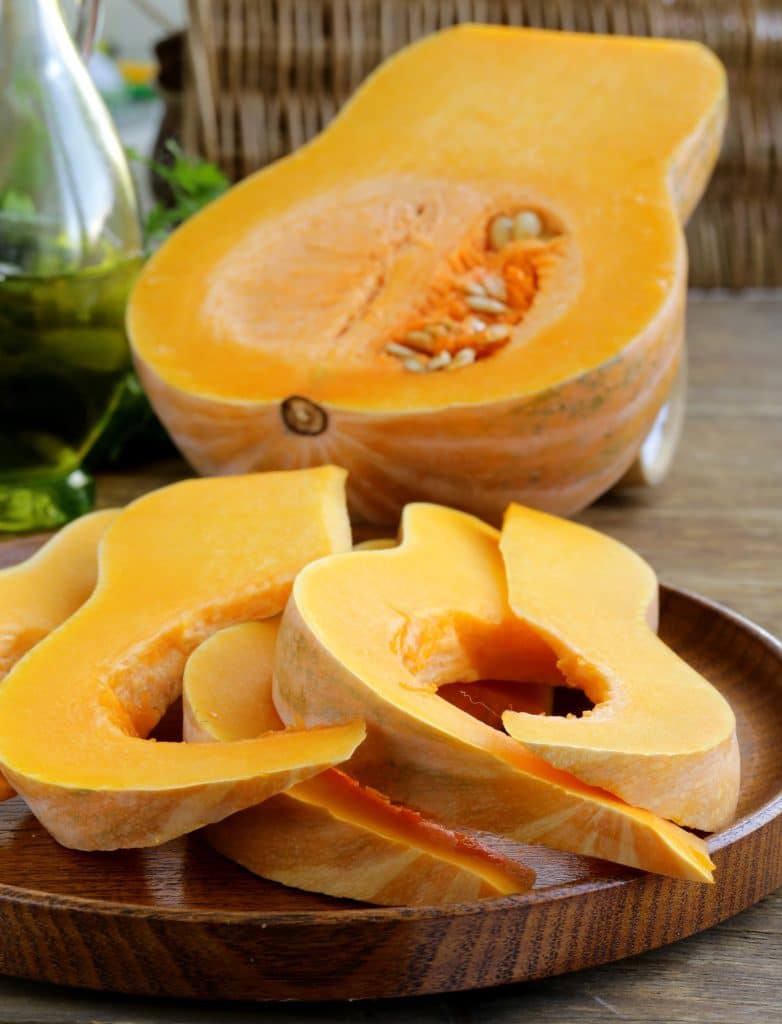
7. Frozen Butternut Squash
Frozen butternut squash blends into a soup or sauce just as smooth as the fresh version once it’s cooked through, and it skips the part where I have to peel and cube a whole squash on a weeknight. That step alone used to talk me out of making it at all.
Mom note: this is the shortcut that got squash back into regular rotation in my house after a long break.
I keep a bag in the freezer specifically for nights I don’t have the energy for peeling anything.
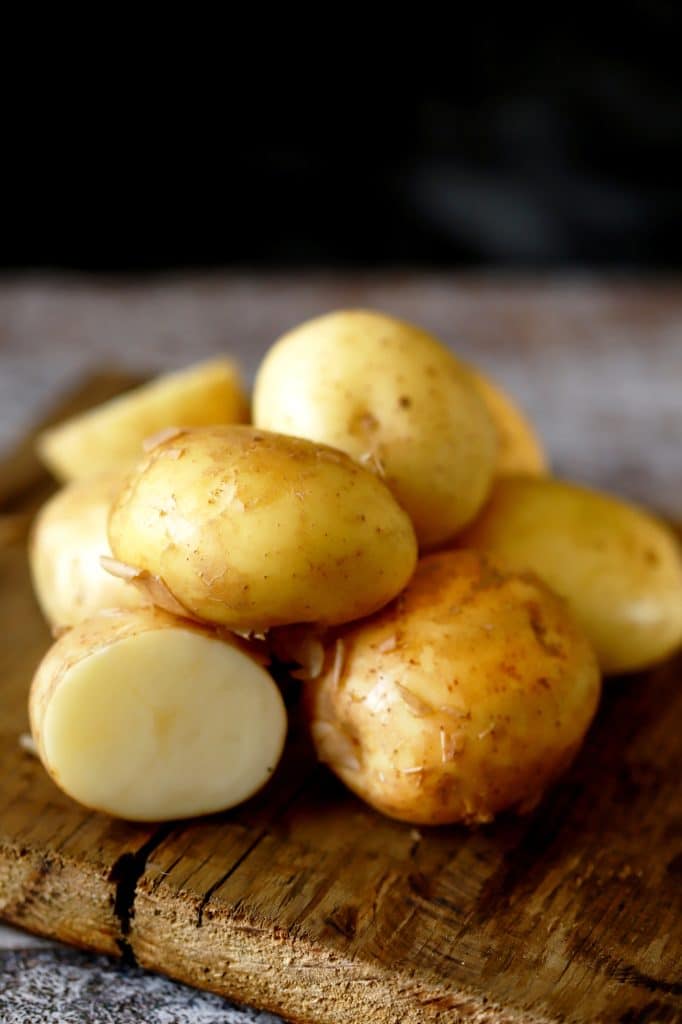
8. Potatoes
A well-cooked potato blended smooth adds body to soups and sauces the same way a splash of cream used to. It’s starchy enough to thicken things on its own without any help.
Mashed with a plant milk and a little oil, it still feels like the mashed potatoes I grew up eating.
This is the vegetable I trust most to make a dish feel heartier without dairy anywhere in it.
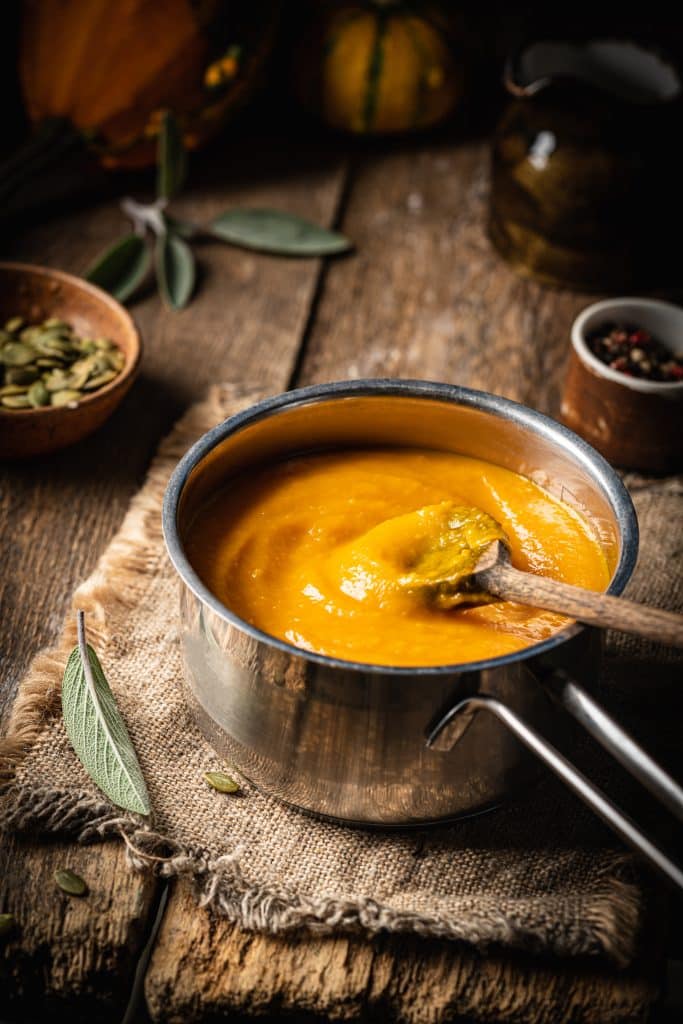
9. Pumpkin
Canned pumpkin puree is one of the easiest ways to add body and a little natural sweetness to a dairy-free baked good. It works in muffins and quick breads the same way pumpkin always has.
Mom note: this is one of the dairy-free plant foods I keep stocked for every mom trying to feed her kids without dairy, since it works in so many different recipes.
I keep a couple cans in the pantry year round, not just in the fall.
From My Kitchen
23 Vegetables That Turn One Pot of Soup Into a Whole Week of Dinners →
"This is the one I make on repeat once it gets cold out."
10. Carrots
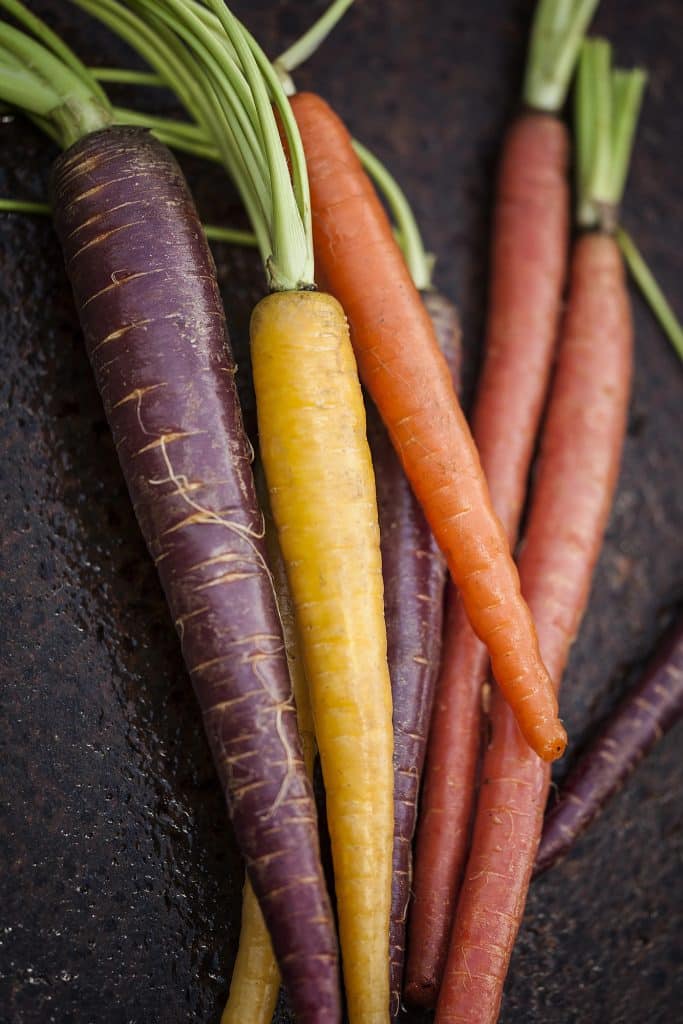
Roasted carrots blended smooth with a little broth make a soup that tastes richer than the ingredient list suggests. The natural sugars concentrate once they’ve caramelized in the oven.
I use this one as a base for a lot of the sauces I used to make with cream, just swapped underneath without anyone noticing.
Cheap, reliable, and always in my fridge.
11. Kale
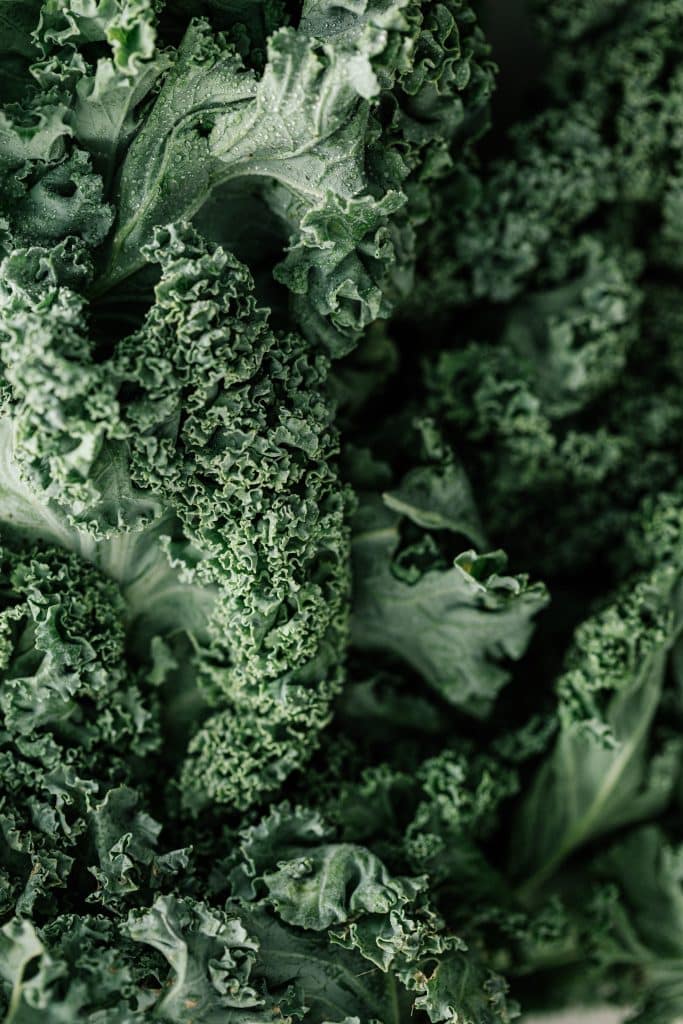
Kale was one of the first vegetables I leaned on harder once dairy left our regular rotation, mostly for the calcium it brings to the table in place of milk. I try to work it into at least one meal most days, though some weeks I fail at that completely.
Massaged with a little oil before it goes into a salad, it softens up and loses most of its toughness.
This is one of the sneaky plant-based foods I hide in my kids’ dinners more than any other on this list.
12. Collard Greens
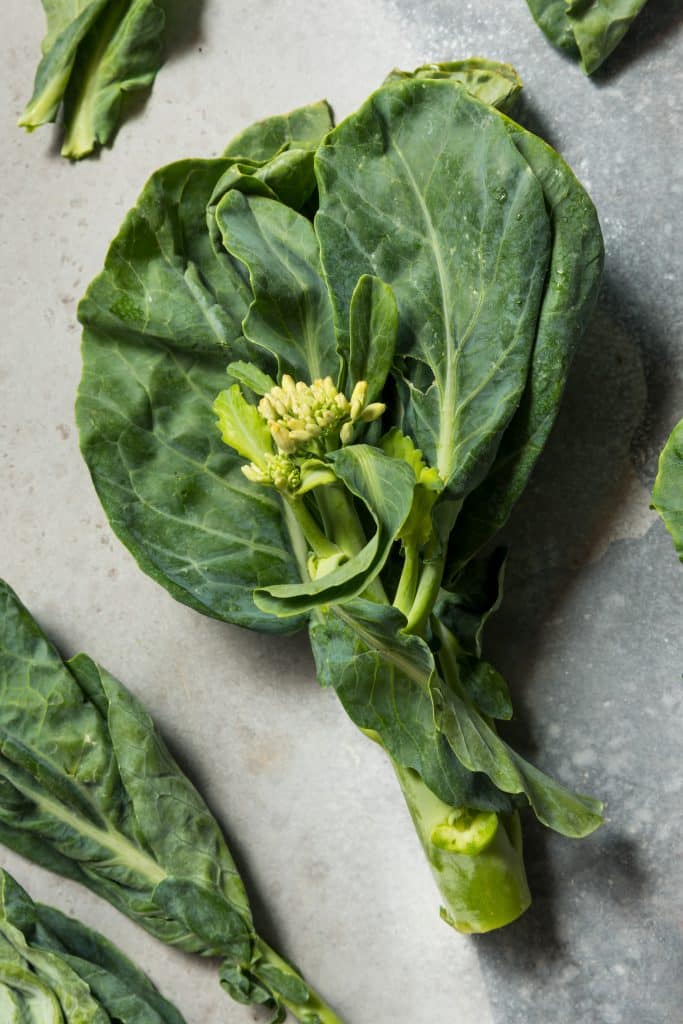
Collard greens do a lot of the same work kale does, just with a heartier texture that holds up better in a long simmer. I use these interchangeably depending on which one looks better at the store.
Rolled up and sliced thin, they cook down into something my kids will actually eat without a fight.
These take a little longer to soften than kale, so plan for extra simmer time.
13. Broccoli
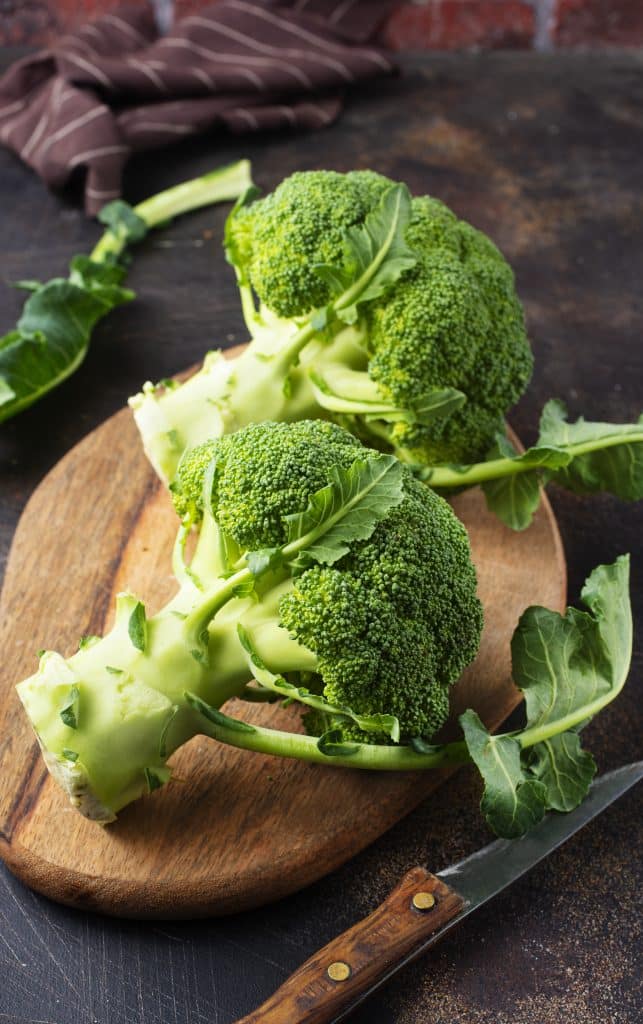
Broccoli shows up in my kitchen constantly, partly because my kids already like it and partly because it’s an easy way to add more vegetables to a dinner without much extra effort. Roasted, it goes over well with almost no negotiating.
Mom note: I keep frozen florets around for the weeks fresh broccoli doesn’t make it into the cart.
This one earns its spot on this list just by being reliable.
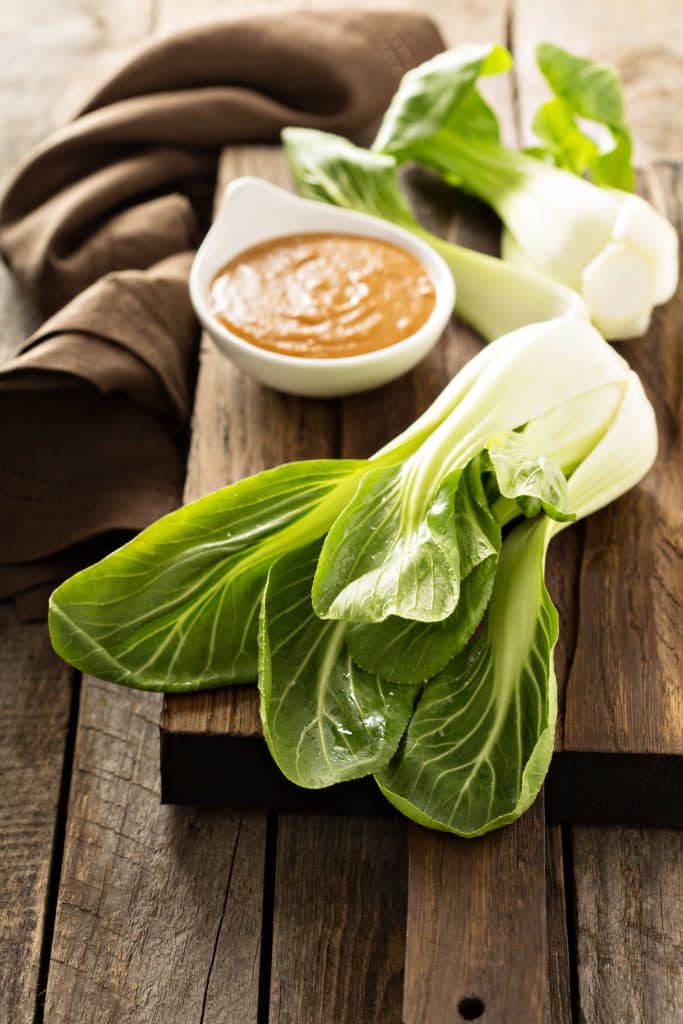
14. Bok Choy
Bok choy cooks fast, which makes it one of my go-to greens on a night I don’t have much time. It’s mild enough that even my pickiest eater doesn’t put up much resistance.
You'll Want This Too
Quartered and quickly sauteed with garlic, it’s ready in the time it takes rice to finish cooking.
This one snuck onto my regular rotation faster than I expected.
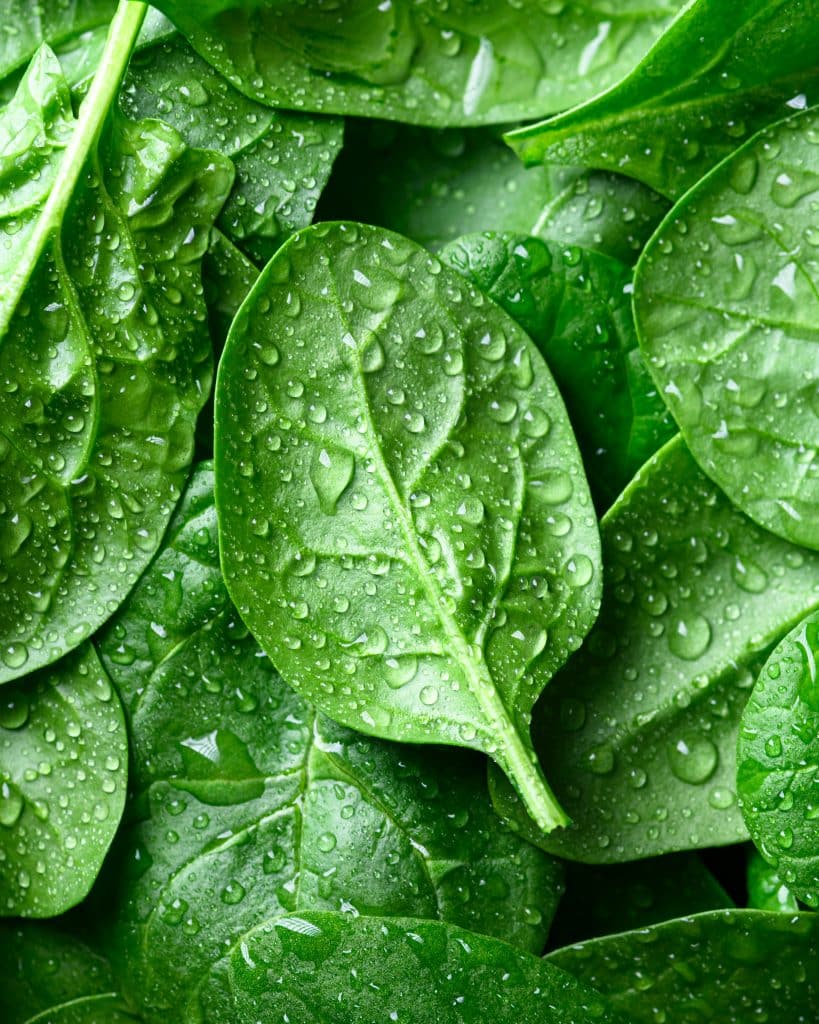
15. Spinach
Spinach blends into a smoothie without changing the flavor much at all, which makes it an easy way to add a vegetable to something my kids already think of as a treat. It wilts down to almost nothing in a hot pan too.
Mom note: a handful in the blender is invisible once it’s mixed with banana and frozen fruit, which is the whole trick.
I buy this in bulk because it goes into more meals than almost anything else here.
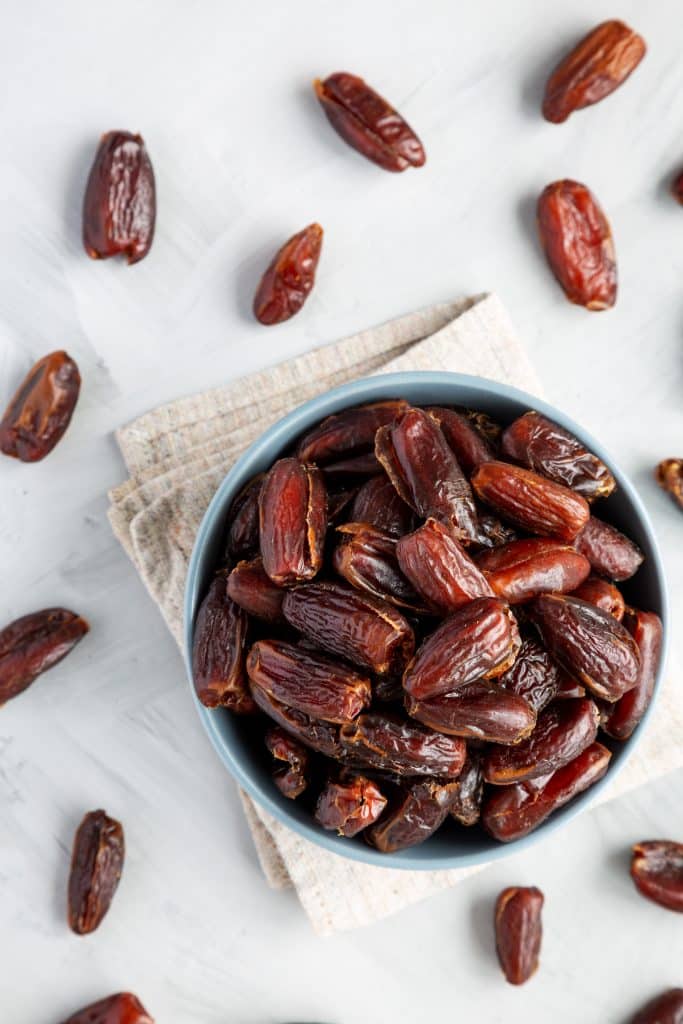
16. Dates
Dates blended into a sauce add sweetness without needing any sugar or dairy at all, which comes in handy in a dessert that used to lean on cream and sugar together. They also add a caramel-like richness on their own.
Mom note: soaking them in warm water for ten minutes first makes them blend smoother instead of leaving little chewy bits behind.
A handful of these does more work than you’d expect from something so small.
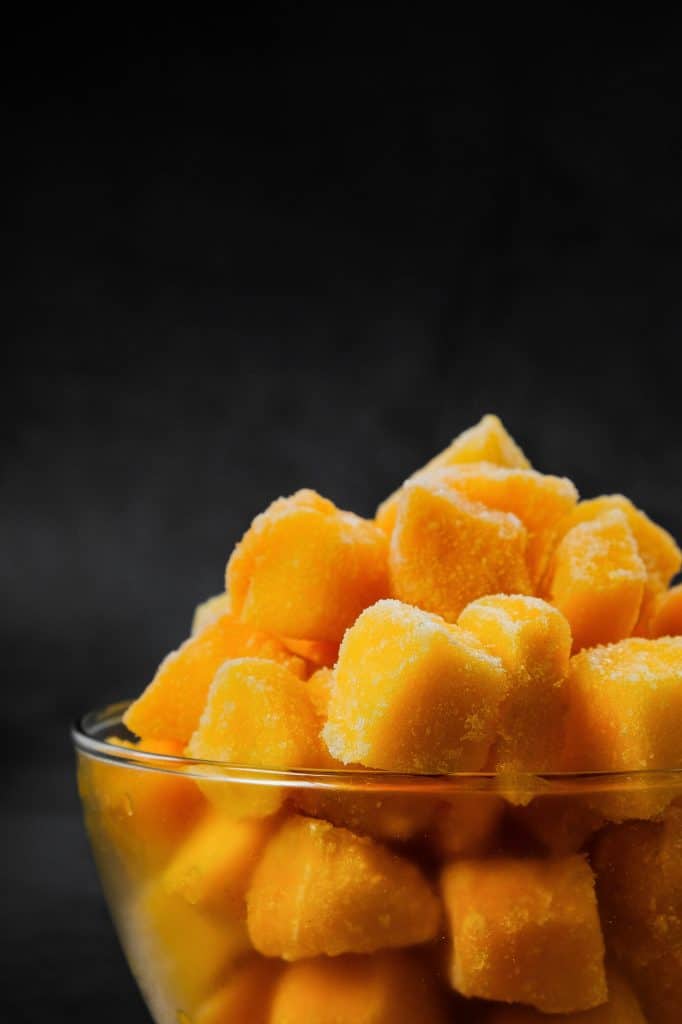
17. Frozen Mango
Frozen mango blends into a smoothie thick enough that I rarely miss the yogurt I used to add for body. It also works well on its own, blended into a quick dairy-free sorbet.
This is one of the fruits I always keep frozen instead of fresh, since the texture works better once it’s been frozen anyway.
My kids ask for this one by name more than any other smoothie flavor.
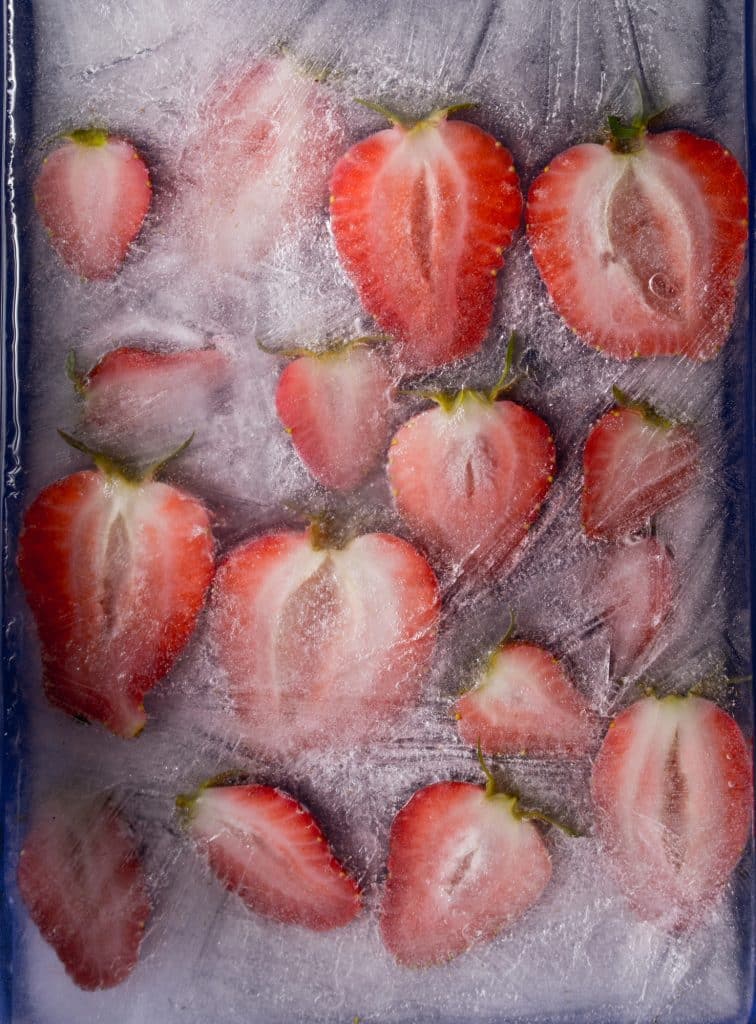
18. Frozen Strawberries
Frozen strawberries thicken a smoothie or a quick sauce without needing any dairy to help them along. Blended with a little of that soaked date from earlier, they turn into something close to a milkshake.
Mom note: I buy the giant frozen bag instead of fresh berries most of the year, since fresh strawberries out of season never taste like much anyway.
Go Deeper
Stocking a Family Pantry From Scratch: What I’d Buy First, Second, and Never →
"One shelf at a time, no big grocery haul required."
These show up in more breakfasts in my house than any other fruit.
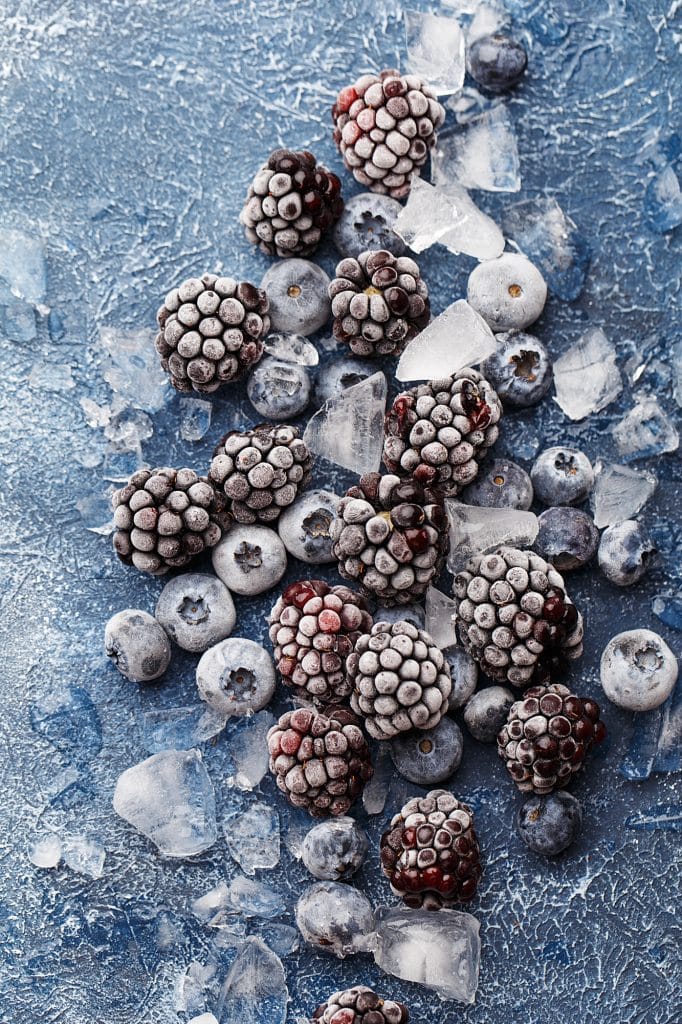
19. Frozen Blueberries
Frozen blueberries hold their shape better than most frozen fruit once they thaw, which makes them good stirred into a batter instead of just blended smooth. They also color a smoothie a deep purple that my kids think is fun.
These are one of the easier swaps on this list, since they behave in baking almost exactly the way fresh ones do.
I keep a bag around year round without thinking twice about it.
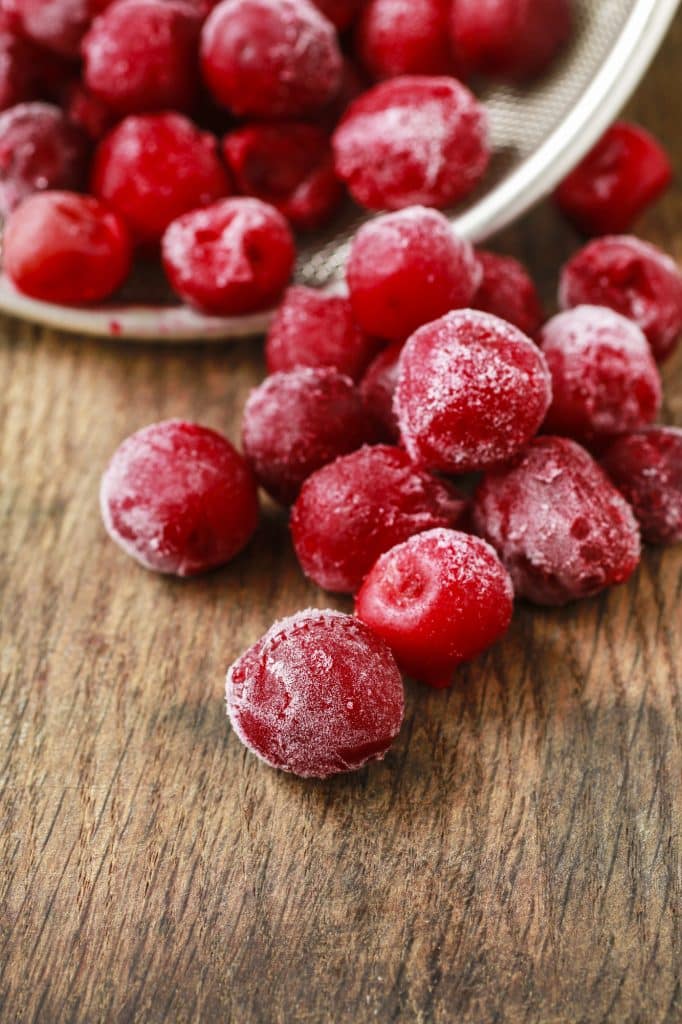
20. Frozen Cherries
Frozen cherries blend into a smoothie with a deep, almost chocolatey undertone that surprised me the first time I tried it. They’re a little more work to source than the other frozen fruits here, but worth keeping around.
Mom note: pitted frozen cherries are worth the slightly higher price, since pitting them yourself is more trouble than it’s worth on a weeknight.
This one turns an ordinary smoothie into something that feels a little more special.
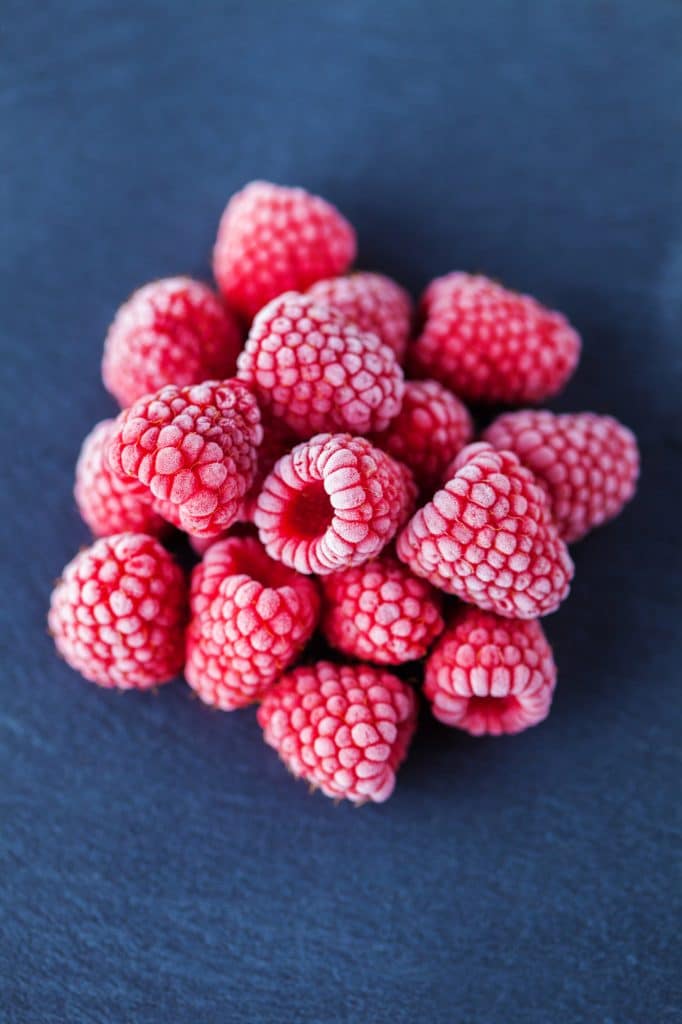
21. Frozen Raspberries
Frozen raspberries break down into a sauce almost instantly once they hit a warm pan, which makes them one of the fastest dairy-free toppings I make. A little of that goes a long way over a bowl of oatmeal.
They’re tart enough that I usually add a little sweetness from a date or a drizzle of maple syrup alongside them.
This is one of the easiest last-minute desserts I make when I haven’t planned anything else.
22. Mushrooms
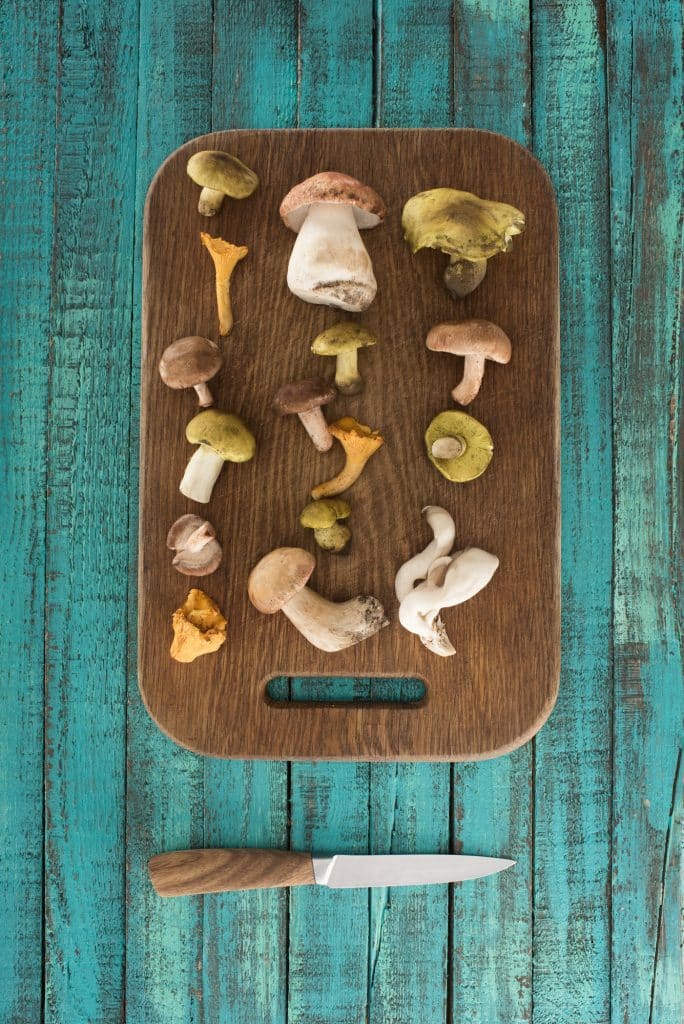
Mushrooms bring a savory depth that used to come from butter or a splash of cream in a pan sauce. Sauteed until well browned, they add a richness that’s easy to miss is missing anything at all.
What Everyone's Making
23 Vegetables That Turn Into Dinner With Just a Sheet Pan and 30 Minutes →
Mom note: my husband will eat anything, but even he noticed the difference once I started browning these properly instead of rushing the pan.
This is one of the most underrated vegetables in a dairy-free kitchen, in my experience.
23. Onions
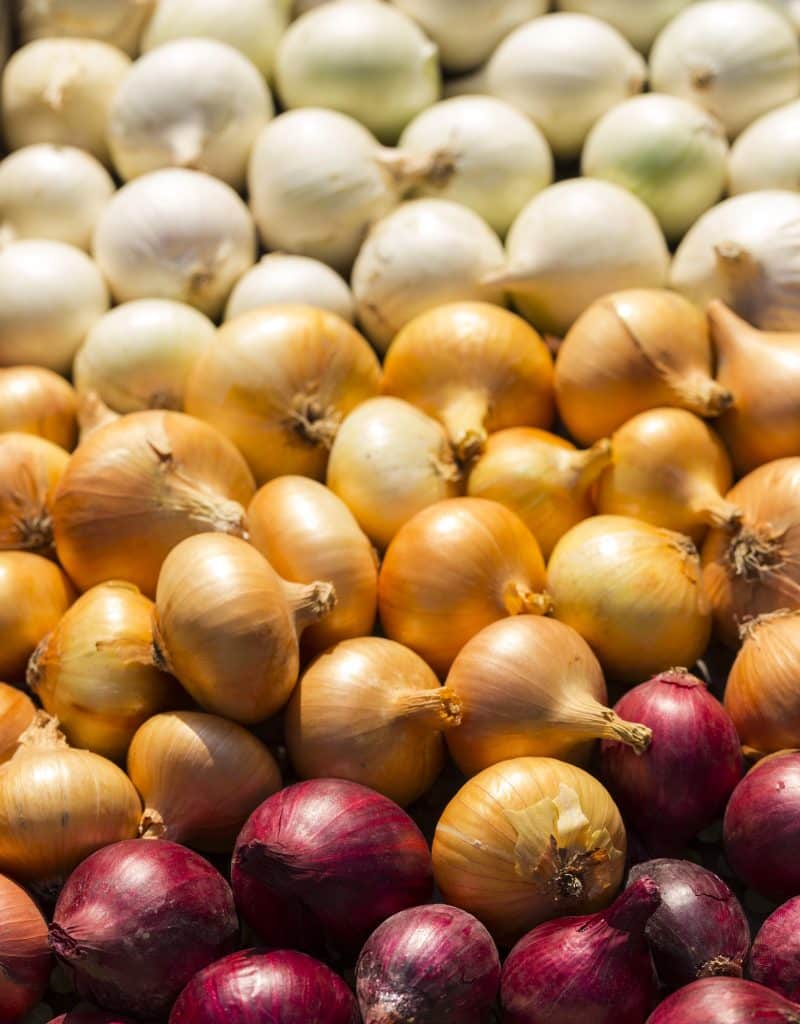
Caramelized onions add a sweetness and depth that fills the gap butter used to leave behind in a lot of savory dishes. They take patience more than skill, which is the part most people rush.
I make a big batch on a Sunday sometimes and use them across several meals through the week, though plenty of weeks I skip that step entirely.
Low and slow is the only way this one actually works.
24. Garlic
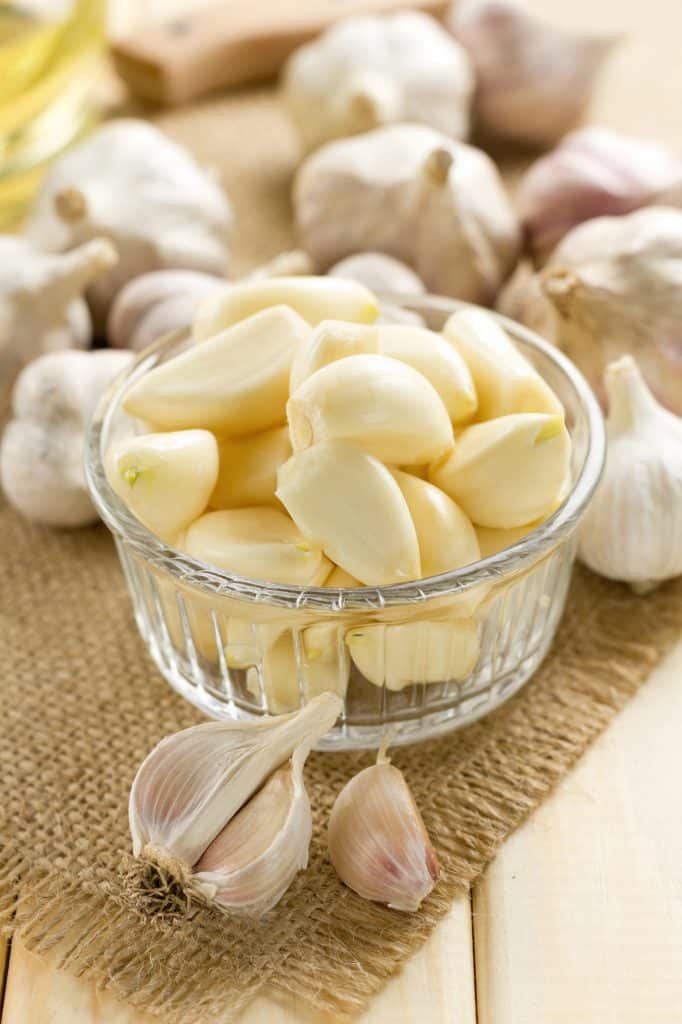
Roasted garlic mellows out into something almost spreadable, and I use it the way I used to use softened butter on bread. A whole head roasted in the oven gives me enough for several meals.
Mom note: squeeze the cloves straight out of the skin once they’ve cooled, it’s less messy than it looks the first time.
This is a small thing that makes a bigger difference than its size would suggest.
25. Tomatoes
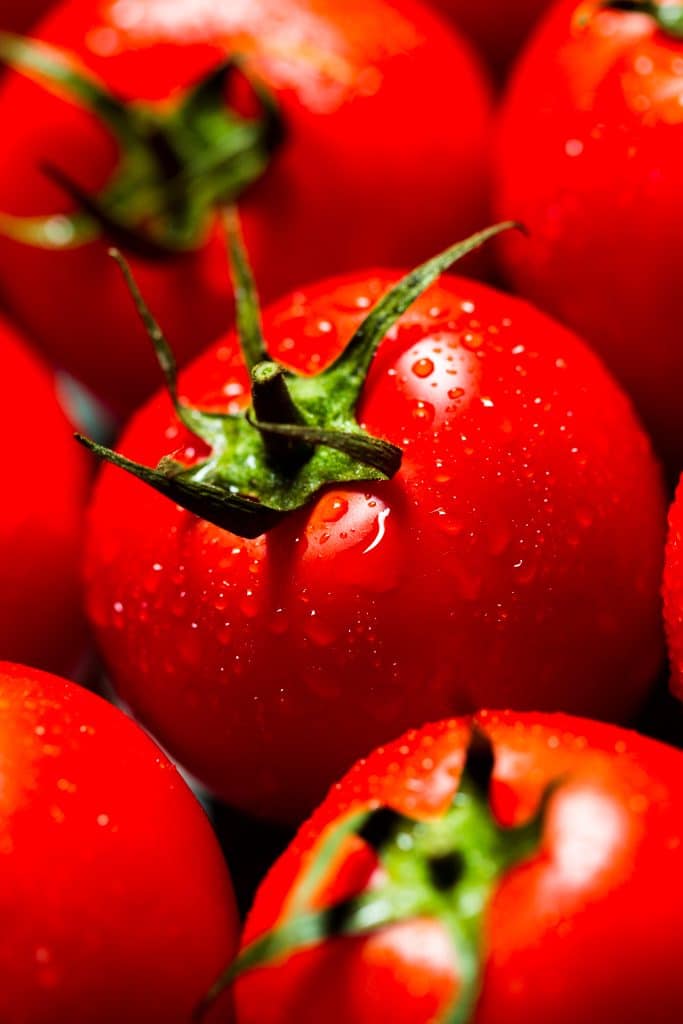
A good tomato sauce built from scratch doesn’t need a drop of dairy to taste finished, though it took me a while to trust that. Simmered down slowly, the natural sugars do enough of the work on their own.
This is one of the dirt-cheap plant foods that secretly pack a lot into a dinner without needing anything fancy added to it.
Season it well and let it simmer longer than feels necessary. That’s really the whole secret.
From my kitchen: whenever a recipe calls for cream and I don’t have a plant-based version on hand, I blend a small potato or a handful of soaked cashews into the broth. It thickens things up almost every single time.
The Swaps I Actually Keep Making
If you’re just starting a dairy-free kitchen, avocado, frozen banana, and roasted sweet potato will get you through most of what you’re missing. Those three cover creaminess, dessert, and comfort food all on their own.
The rest of this list is what I’ve picked up slowly, one dinner at a time, mostly through trial and error rather than any real plan. Some swaps worked on the first try. Others took several tries before I stopped missing the dairy version at all.
I’ve got sweet potatoes roasting in the oven right now, actually, for a dip that’ll last us through the week. Pick one thing from this list and see how far it stretches in your own kitchen.