21 Dairy-Free Plant Foods Every Mom Should Feed Her Kids
Between allergies, lactose issues, and families just eating more plants these days, dairy-free feeding has gone from niche to normal. And the question every mom asks first is the same one I asked: without milk and cheese, where do the calcium and protein come from?
The answer turned out to be way more fun than I expected. Beans, greens, seeds, tofu, fortified staples, the regular grocery store is quietly full of plant foods that carry the nutrients kids need, often hiding in forms kids already love.
So this is my countdown of 21 dairy-free plant foods worth putting in your rotation, whether your family skips dairy entirely or just wants more variety on the plate. As always, nothing exotic, nothing expensive, and plenty of sneaky mom tricks along the way.
One quick note before we dig in: I’m a mom and a home cook, not a dietitian, so for big diet changes, especially for little ones, a quick chat with your pediatrician is always the smart first step.
21. White Beans
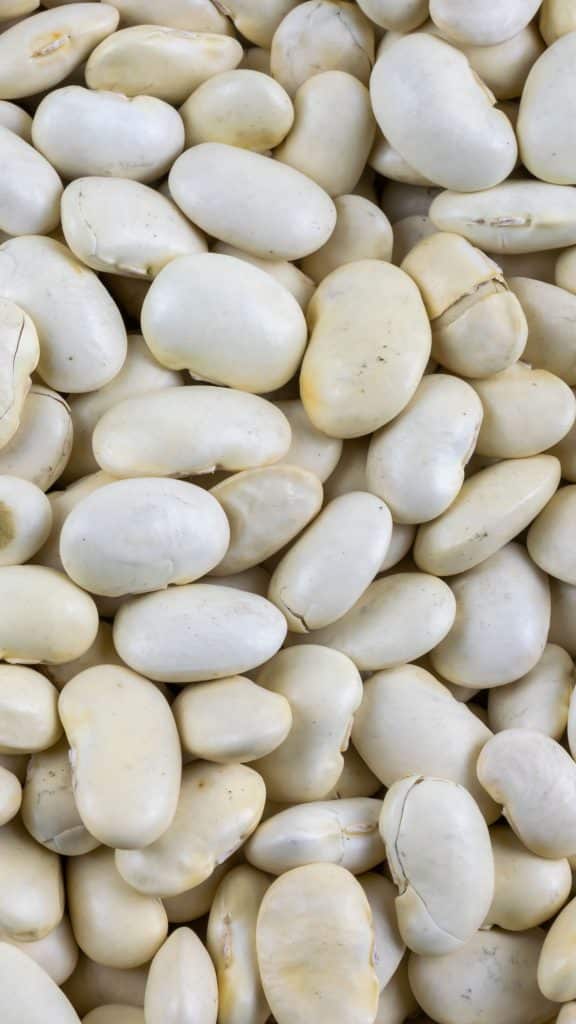
White beans are the gentle giants of the bean aisle. Navy and great northern beans have such a mild, creamy texture that kids often eat them in purees and soups without ever asking what’s in there.
They bring solid plant protein and some iron to the table, and they absorb whatever flavors surround them. A can costs about a dollar and the dried bags are even cheaper.
My favorite trick is blending them into pasta sauce or mashing them into a creamy dip. They vanish, the meal gets more filling, and nobody at the table files a complaint.
Give canned beans a good rinse before using to wash off extra sodium. Thirty seconds at the sink, and they’re ready for anything.
20. Dried Figs
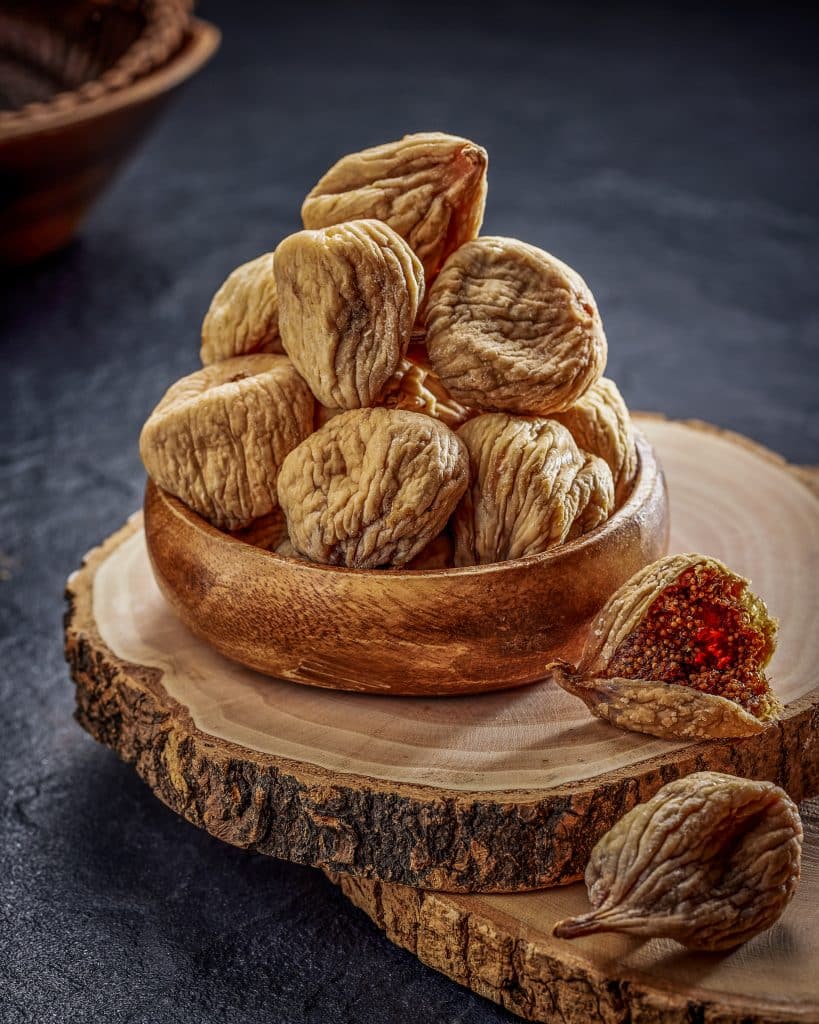
Dried figs are the treat that moonlights as a calcium source. They’re naturally sweet and chewy, so kids treat them like candy, and a small handful carries a nice little dose of calcium along with fiber.
They’re also the ultimate pantry fruit. A bag keeps for months, survives the lunchbox, and never needs refrigeration.
Chop them into oatmeal, stir them into trail mix, or just pack a few as an afternoon snack. The natural sweetness does all the selling.
For picky eaters who reject dried fruit on sight, try chopping figs small into muffins or energy bites. Sweet, hidden, and doing quiet nutritional work. My kind of ingredient.
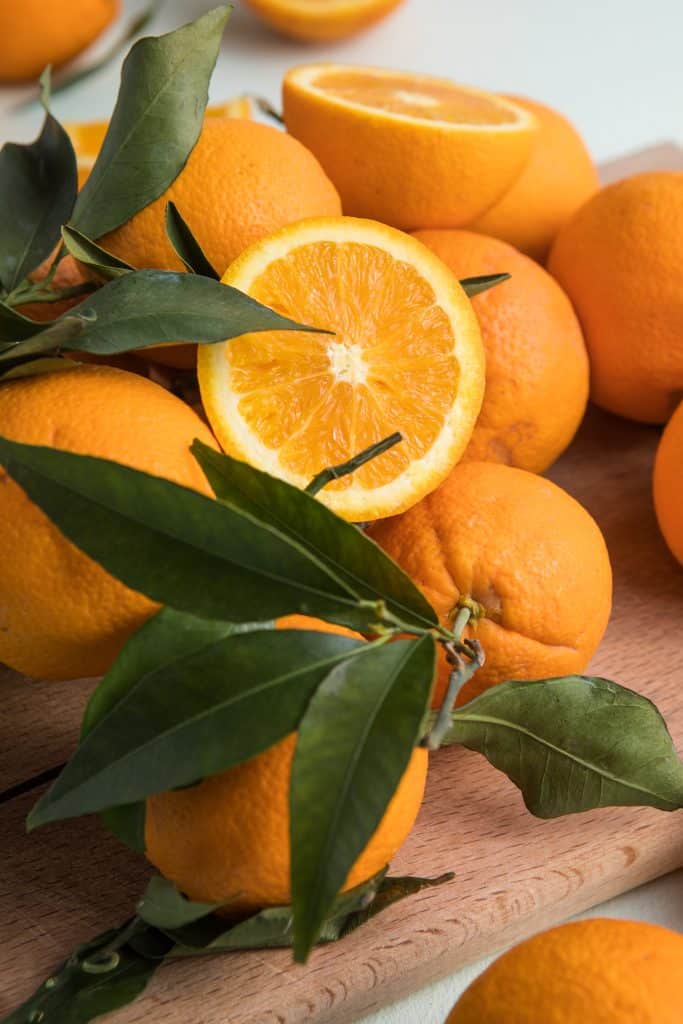
19. Oranges
Oranges pull double duty on a dairy-free plate. They carry a modest amount of calcium themselves, and their vitamin C helps the body make good use of the plant calcium in the rest of the meal.
That teamwork angle is what earns them a spot here. An orange alongside a bean or greens dish isn’t just dessert, it’s an assist.
Easy-peel varieties like clementines are the mom move. Little hands can manage them independently, and the segments are perfectly snack-sized.
If you serve juice, the general guidance is 100 percent juice in small amounts for kids over one. But whole segments win on fiber, and honestly, peeling is half the entertainment.
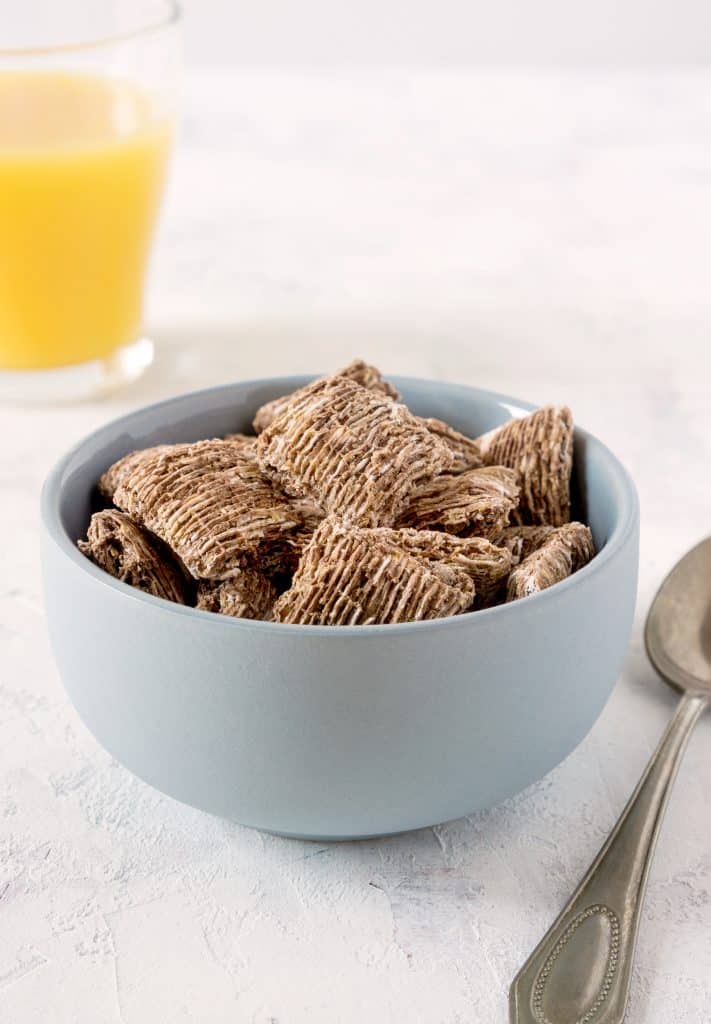
18. Fortified Breakfast Cereal
Here’s a stealthy one: plenty of everyday breakfast cereals are fortified with calcium and iron. The box your kids already beg for might be carrying more nutrition than you realized.
Fortification levels vary a lot from brand to brand, so this is a label-reading situation. Look for calcium and iron on the nutrition panel, and aim for the lower-sugar options while you’re there.
Pour fortified cereal over fortified soy milk (coming up big later on this list) and breakfast becomes a legitimately solid dairy-free start to the day.
Add some sliced banana or berries on top and you’ve built a whole morning routine out of things kids already like. No battles required, which is my favorite kind of nutrition.
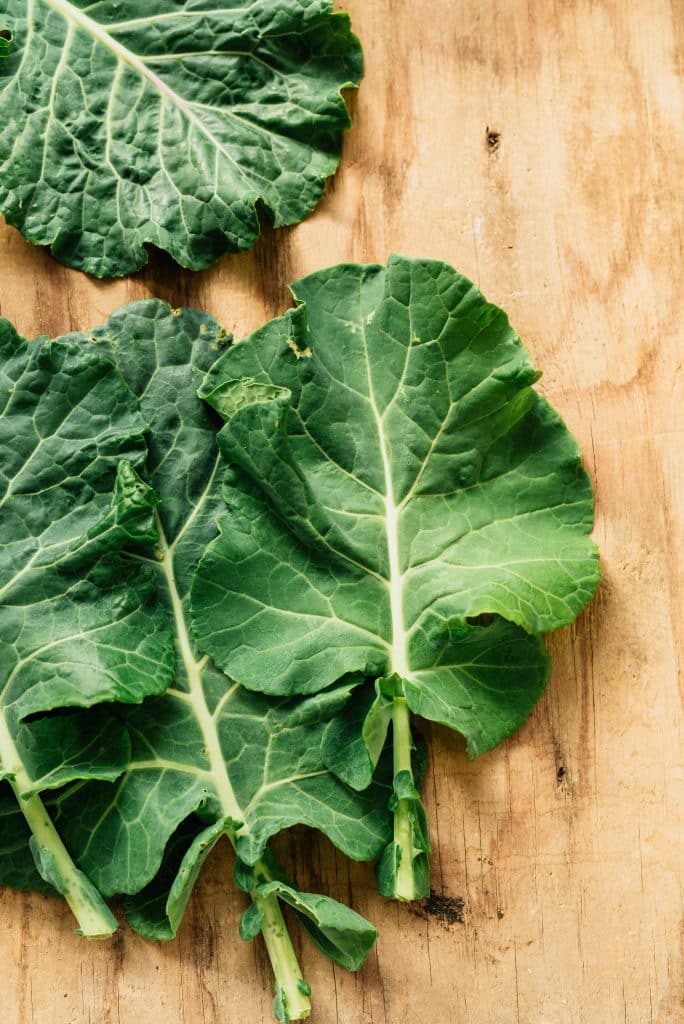
17. Collard Greens
Collard greens are one of the calcium heavyweights of the leafy green world. Cooked down, they deliver more calcium per cup than most greens, and the kind that’s well-absorbed too.
The flavor is milder than their reputation suggests, especially when they’re chopped fine and cooked soft. Big pieces get noticed, tiny pieces get eaten.
Sauté them with garlic, stir them into soups and beans, or blend a small amount into a smoothie where fruit does the talking. Frozen chopped collards make all of this easier.
They’re an old-school Southern staple for good reason. Cheap, hearty, and quietly one of the most nutritious things in the produce section.
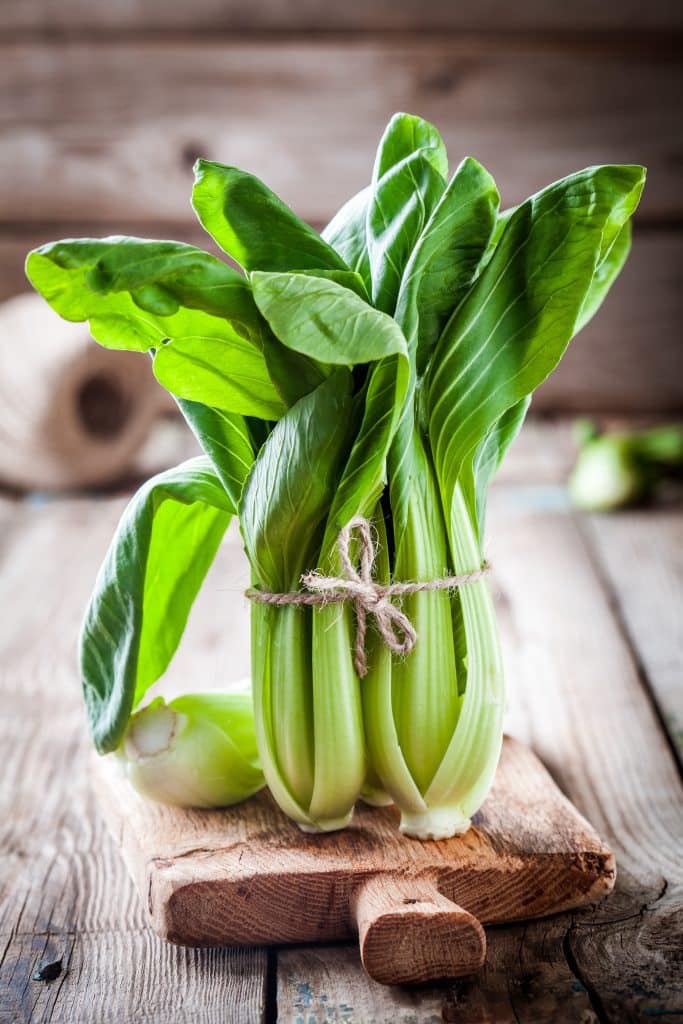
16. Bok Choy
Bok choy is the leafy green that doesn’t act like one. It cooks up soft and mild with a juicy crunch in the stems, which makes it one of the easiest greens to slip past a picky eater.
It’s also a standout for absorption. The calcium in bok choy is among the most usable of any vegetable, so what’s in there actually counts for something.
Stir-fry it with garlic, tuck it into noodle soups, or chop it into fried rice. It softens into the dish and takes on whatever sauce it meets.
Noodle night is the perfect cover story. In my experience, anything swimming next to noodles gets eaten without an interrogation.
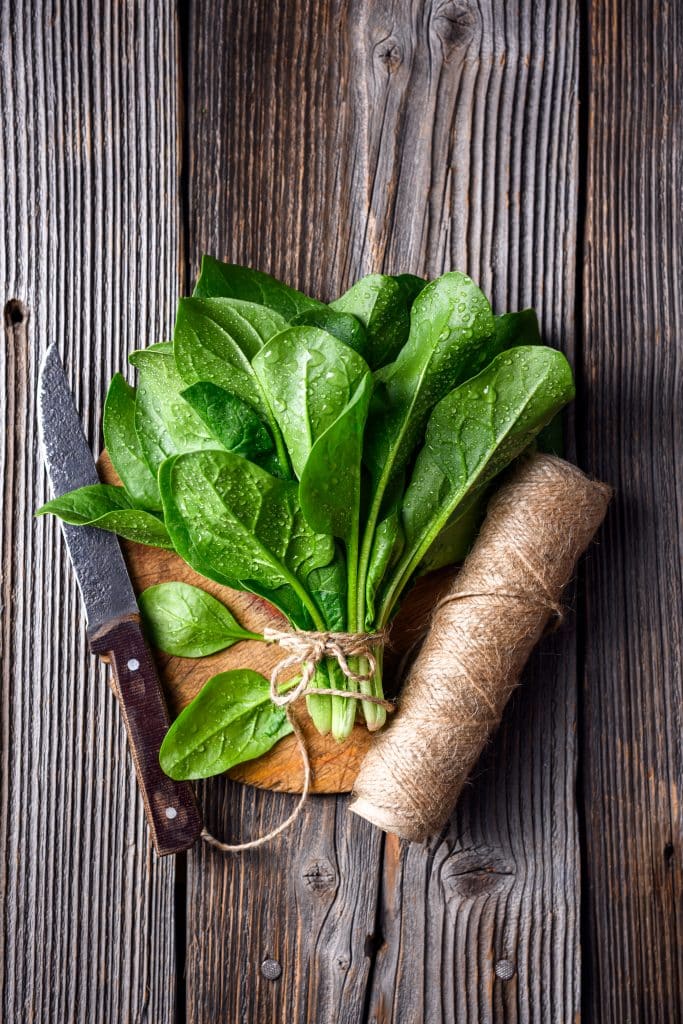
15. Spinach
Longtime readers knew spinach was coming. It wilts into sauces and smoothies so completely that kids rarely detect a single leaf, and that vanishing act keeps it in my weekly rotation.
Honest fine print, though: spinach is high in total calcium, but it contains natural compounds called oxalates that block much of that calcium from being absorbed. So it’s not the calcium hero its numbers suggest.
What it does bring reliably is iron and folate, plus all that invisible volume. It’s still a great dairy-free team player, just not the star of the calcium show.
Frozen chopped spinach stays the easiest route. Thaw, squeeze, stir into red sauce, done. Some tricks never retire.
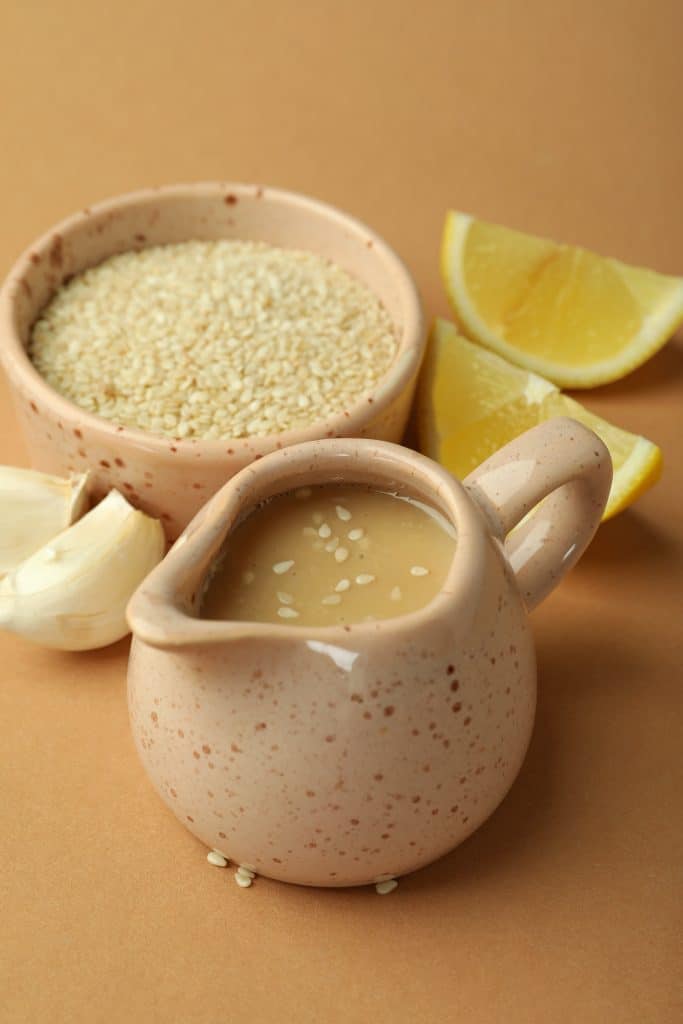
14. Sesame Seeds and Tahini
Here’s the sleeper of the list: tiny sesame seeds pack surprising calcium, and tahini, the smooth sesame paste, is the easiest way to serve them.
A tablespoon of tahini carries a respectable little calcium boost plus healthy fats, all in a creamy, spreadable form. It’s the base of most hummus, so your kids may already be eating it happily.
From My Kitchen
23 Fruits I Keep on the Counter So My Kids Grab Them Instead of Snacks →
"Small change, but it actually worked in my house."
Stir extra tahini into hummus, whisk it into salad dressings, or spread a thin layer on toast with a drizzle of honey for kids over one.
A jar lasts ages in the pantry. For something so small, sesame does a shocking amount of quiet nutritional work.
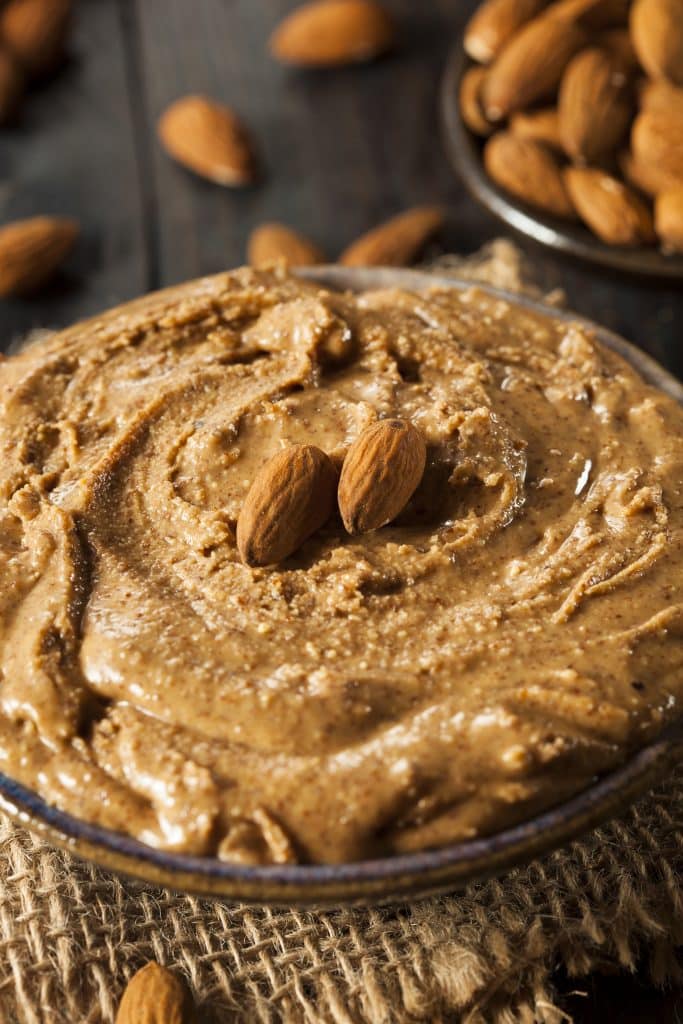
13. Almond Butter
Almond butter is the creamy spread that stands in beautifully where dairy spreads used to live. It brings protein, healthy fats, and a solid dose of calcium, more than most nut butters can claim.
Spread it on apple slices, swirl it into oatmeal, or smear it on toast with banana. Anywhere peanut butter goes, almond butter follows with a calcium bonus.
Choose the no-sugar-added jars, since the good stuff doesn’t need help. The ingredient list should pretty much just say almonds.
It costs more than peanut butter, I won’t pretend otherwise. But as a dairy-free staple that kids accept instantly, it earns its shelf space.
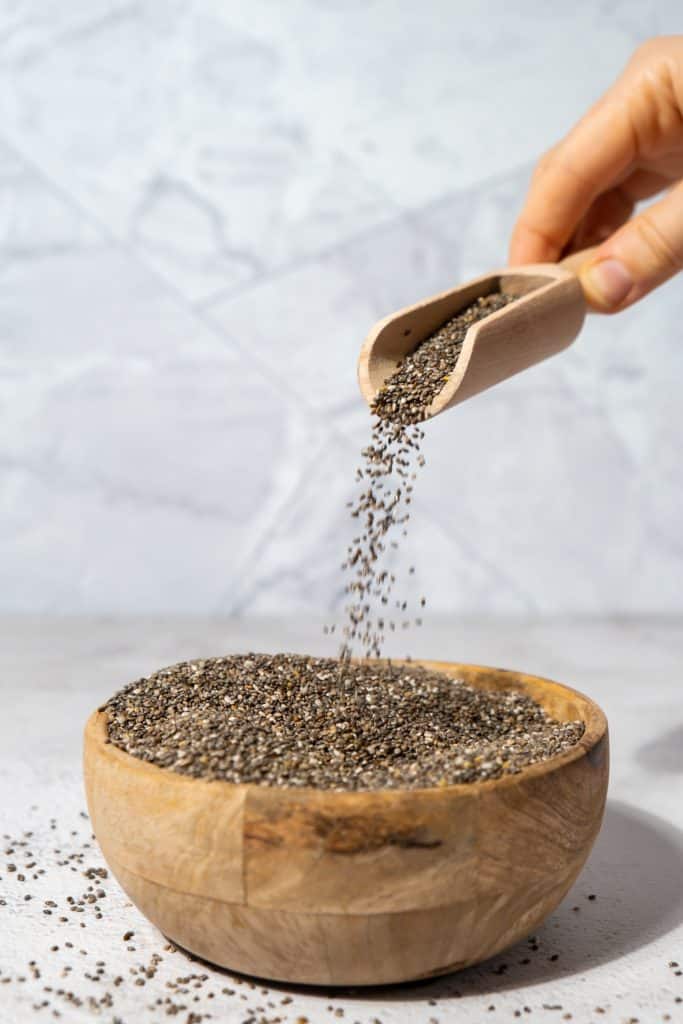
12. Chia Seeds
Chia seeds are the pudding trick every dairy-free mom should know. Soaked in plant milk overnight, they swell into a thick, spoonable pudding, no cooking, no dairy, no effort.
Those tiny seeds carry real calcium along with fiber and some protein. A couple spoonfuls go a long way, which makes the bag last forever.
Stir chia into plant milk with a splash of vanilla, let it sit in the fridge overnight, and top with berries in the morning. Kids call it pudding. I call it a win.
Start with a small serving for little kids, since all that fiber is a lot for tiny tummies at first. Ease in, and it becomes a breakfast regular.
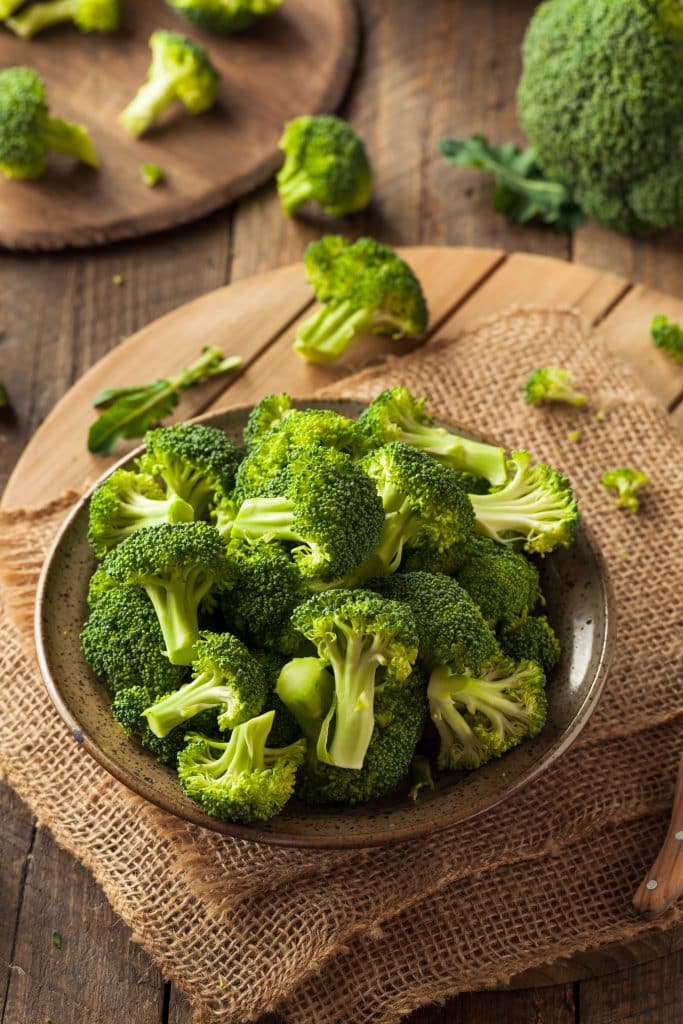
11. Broccoli
Broccoli earns its dairy-free badge on absorption. The calcium it carries is among the most usable in the vegetable world, so those little trees deliver more than their numbers suggest.
Steamed until just tender and served with a dip, broccoli becomes finger food, and finger food gets eaten. Hummus is the natural partner here, pairing two list items in one snack plate.
The stems count too. Peeled and steamed, they’re mild and slightly sweet, so nothing from the bunch goes to waste.
Frozen florets keep this cheap and easy year-round. A steamer bag and a hummus cup is a five-minute snack with real substance behind it.
You'll Want This Too
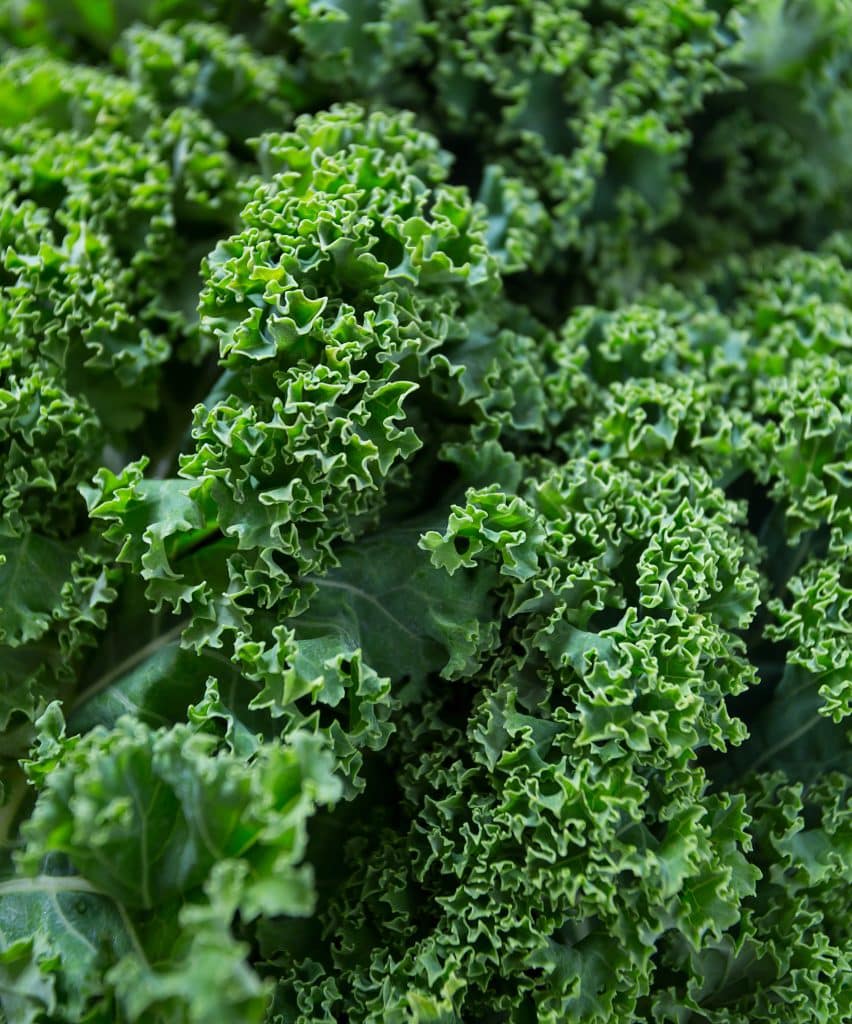
10. Kale
Kale brings good, absorbable calcium plus vitamins A and K, and it’s more kid-flexible than its tough-guy reputation suggests.
The crunchy route is kale chips. Torn leaves, a little oil and salt, and a hot oven turn this hardy green into a snack my kids fight over, which still surprises me every time.
The invisible route is smoothies and soups. Chopped small and simmered soft, or blended behind a banana, kale disappears politely.
Strip out the tough ribs first, always. And massaging raw leaves with a drop of oil softens them for salads, a weird-sounding trick that genuinely works.
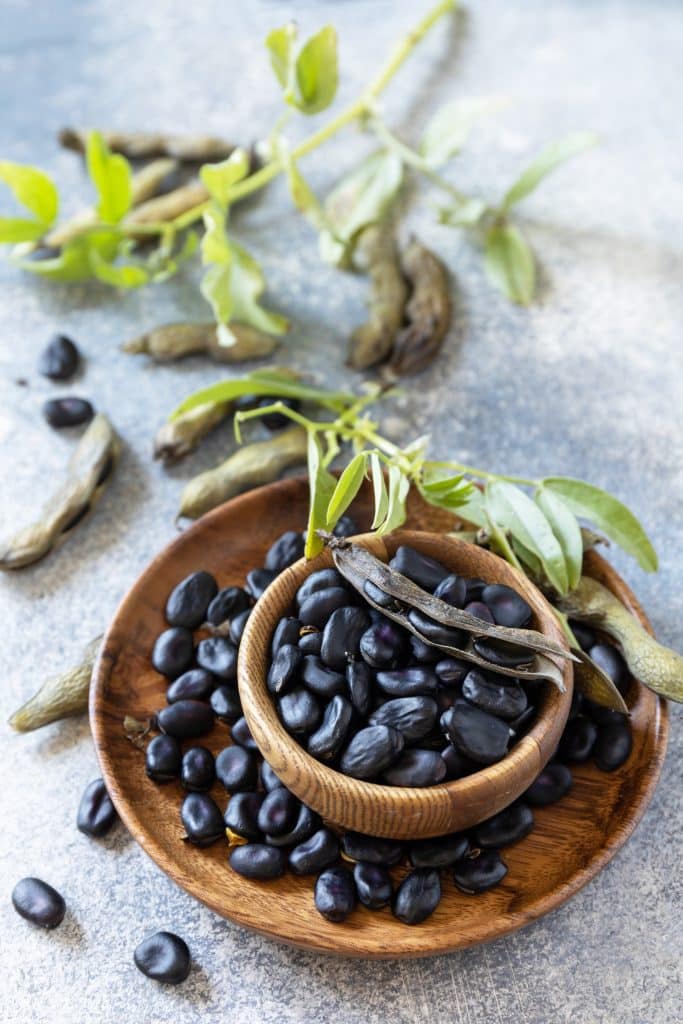
9. Black Beans
Black beans are the budget protein that plays perfectly on a dairy-free plate. Mild, creamy when mashed, and cheap in any form, they’re built for hidden-veggie-style kid meals.
Mash them into taco filling, fold them into burger patties, or tuck them into quesadillas made with a plant-based cheese or just good seasoning. Taco flavors carry them completely.
Along with protein and iron, they chip in a little calcium too. Every bit adds up across a day of plant-based eating.
Rinse canned beans well, as always. Dried beans cooked in a big weekend batch are even cheaper, and they freeze beautifully in meal-sized portions.
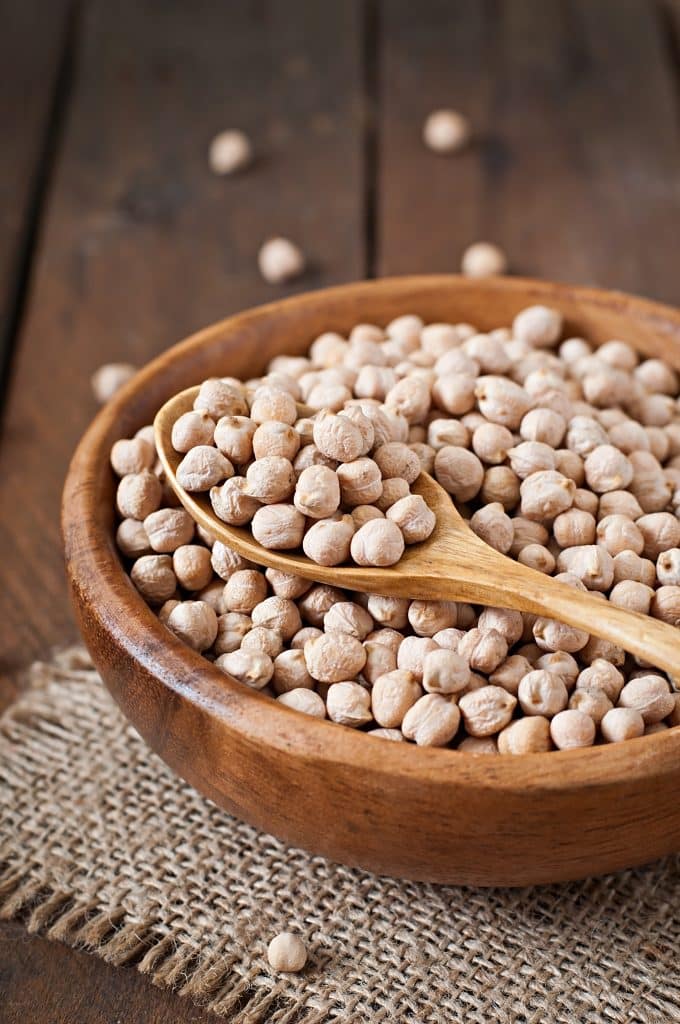
8. Chickpeas
Chickpeas might be the most kid-versatile legume in the store. Blended into hummus, they become the dip that convinces children to eat raw vegetables voluntarily, a small daily miracle.
Roasted with mild spices until crunchy, they turn into a lunchbox snack that scratches the chip itch with protein and a little calcium behind it.
The prep is nothing: drain, rinse, pat very dry, toss with oil and seasoning, roast until crispy. The drying step is the secret to real crunch.
Between the dip form and the crunchy form, chickpeas cover snack time from every angle. A dairy-free pantry without chickpeas is missing a workhorse.
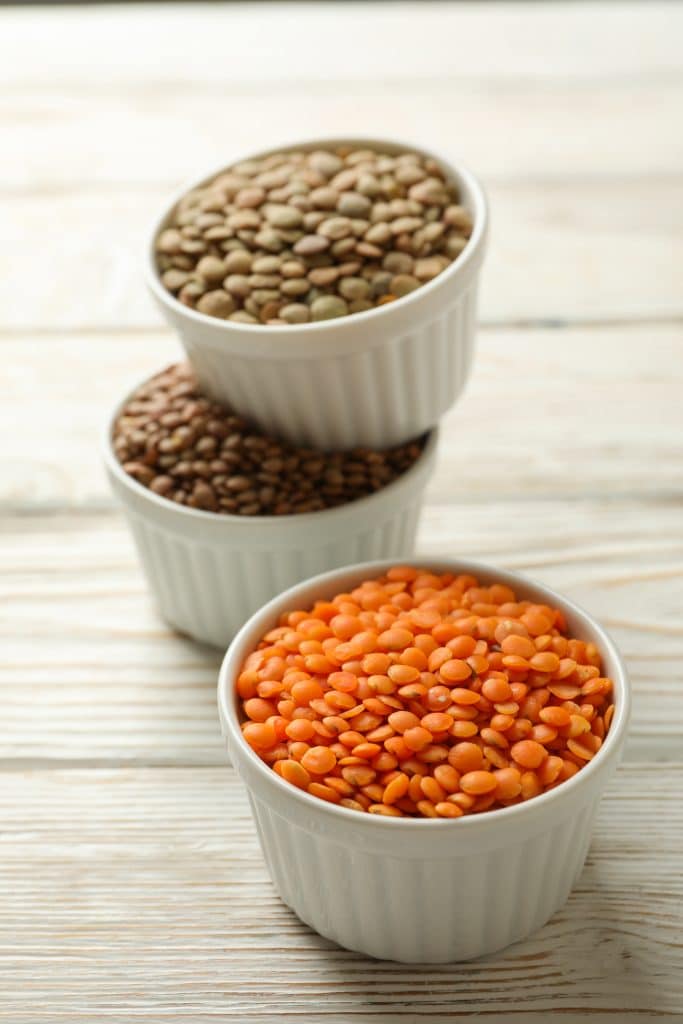
7. Lentils
Lentils cook fast, cost pennies, and disappear into kid food without texture complaints, which is the whole battle with this age group.
Red lentils are the sneakiest, breaking down soft into pasta sauce, soups, and stews. Green and brown hold their shape for little “meatballs” and taco fillings.
Go Deeper
Stocking a Family Pantry From Scratch: What I’d Buy First, Second, and Never →
"One shelf at a time, no big grocery haul required."
The protein and iron they deliver make them a cornerstone of plant-based feeding. No soaking needed, just rinse and simmer.
A pot of red lentil bolognese over pasta is one of my most reliable dinners. It looks like meat sauce, eats like meat sauce, and costs a fraction of it.
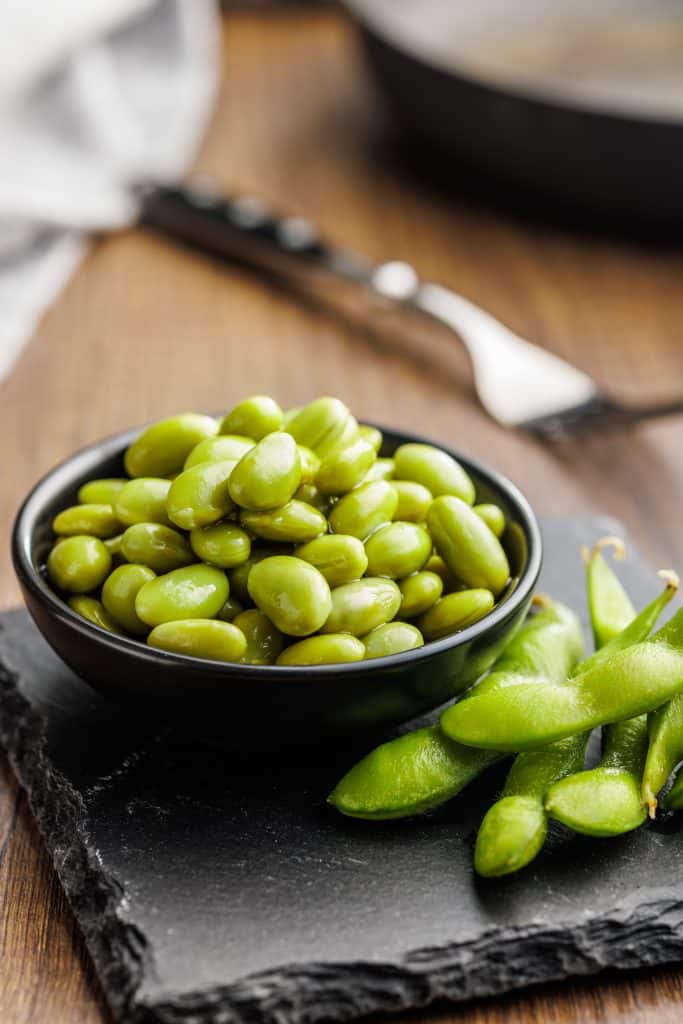
6. Edamame
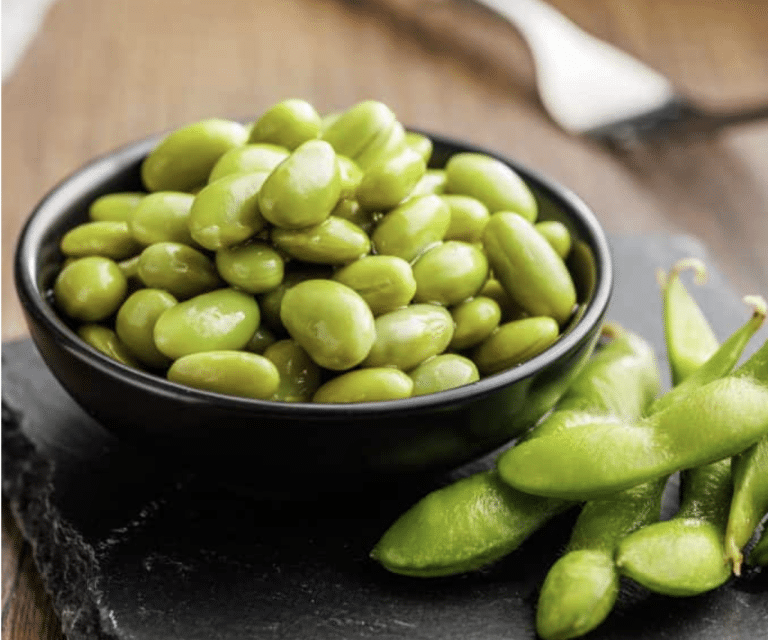
Edamame is the protein snack disguised as a game. Kids pop the bright green beans out of the pods one by one, and the fun of it does all the marketing.
As a soy food, edamame delivers complete plant protein, meaning it covers all the essential amino acids on its own, plus a nice contribution of calcium.
Frozen bags are the way in. Microwave or steam for a few minutes, sprinkle lightly with salt, and snack time is served.
This is my go-to for the 3:30 starving-kids window. Real protein bridges the gap to dinner far better than crackers ever could, and the pod-popping slows everyone down.

5. Fortified Orange Juice
Here’s the one that surprises most moms: calcium-fortified orange juice can deliver calcium in the same ballpark as a cup of milk, depending on the brand.
It’s a familiar drink kids already accept, no convincing campaign required. And the vitamin C riding along helps the body put calcium to good use.
The fine print matters here. Choose 100 percent juice with no added sugar, check the label to confirm it’s the fortified version, and keep portions modest, a small glass rather than free refills. Whole fruit still wins for everyday fiber.
Used as a supporting player, not a main event, fortified OJ is a genuinely useful tool in the dairy-free kit. Chilled, it feels like a treat anyway.
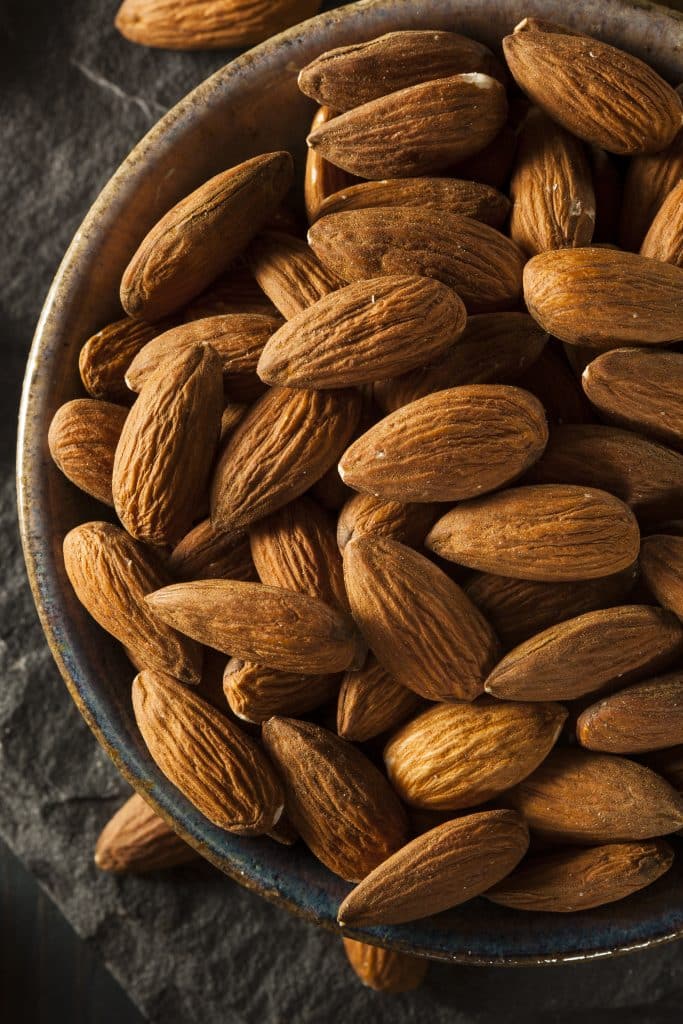
4. Almonds
Almonds carry more calcium than just about any other common nut, along with protein and healthy fats. A small handful is a legitimately substantial snack in a tiny package.
For bigger kids, pre-portioned little containers make grab-and-go easy. For littles, whole nuts are a choking hazard, so go with sliced almonds, almond butter, or almond flour instead.
That almond flour angle is a fun one. Baked into muffins or pancakes, ground almonds sneak their nutrition into treats without changing the game.
What Everyone's Making
27 Vegetables With So Much Flavor You Won’t Miss the Cheese →
A big bag from the baking aisle or bulk section keeps for months. Between snacking, baking, and the butter form at number 13, almonds work hard all over this list.
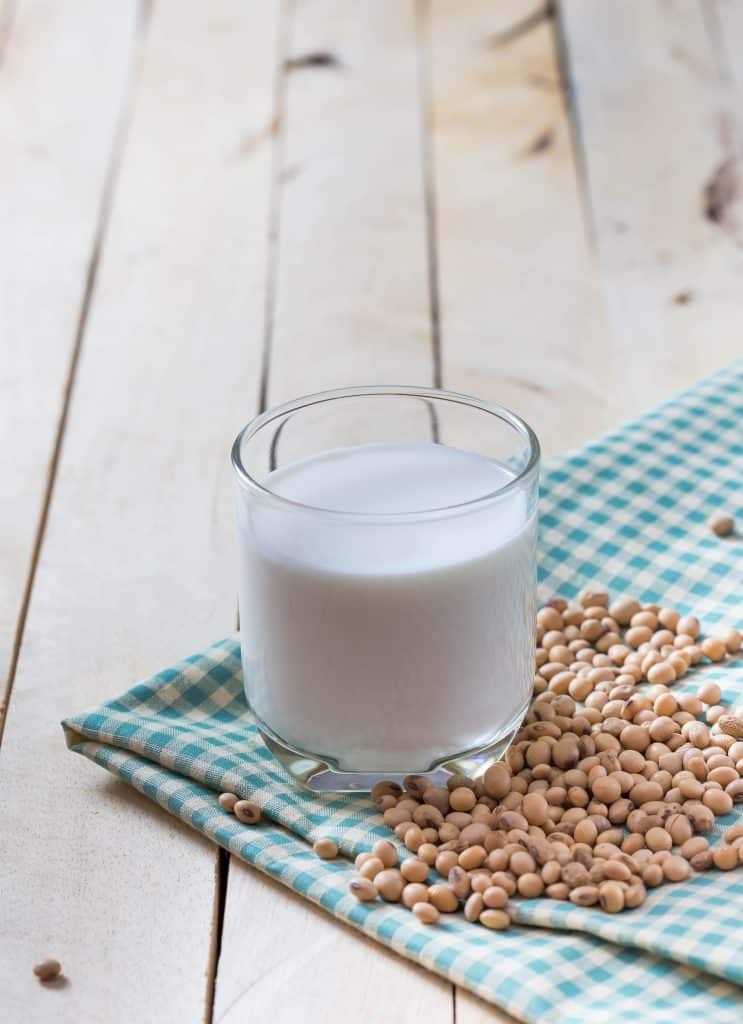
3. Fortified Soy Milk
Here’s a fact worth knowing word for word: fortified soy milk is the one plant milk that U.S. dietary guidelines treat as nutritionally comparable to cow’s milk, thanks to matching protein and, when fortified, similar calcium and vitamin D.
That’s not true of most plant milks. Almond, oat, and rice milks are generally much lower in protein, so if a plant milk is standing in for dairy in a kid’s diet, fortified soy is the strongest match.
Use it everywhere milk used to go: cereal, oatmeal, smoothies, baking, even a warm cocoa. Unsweetened is the smart default, and a quick label check confirms the calcium and vitamin D fortification.
For kids over one making the switch, this is the workhorse. Familiar, versatile, and backed by the actual guidelines. Not many groceries can say that.
2. Calcium-Set Tofu
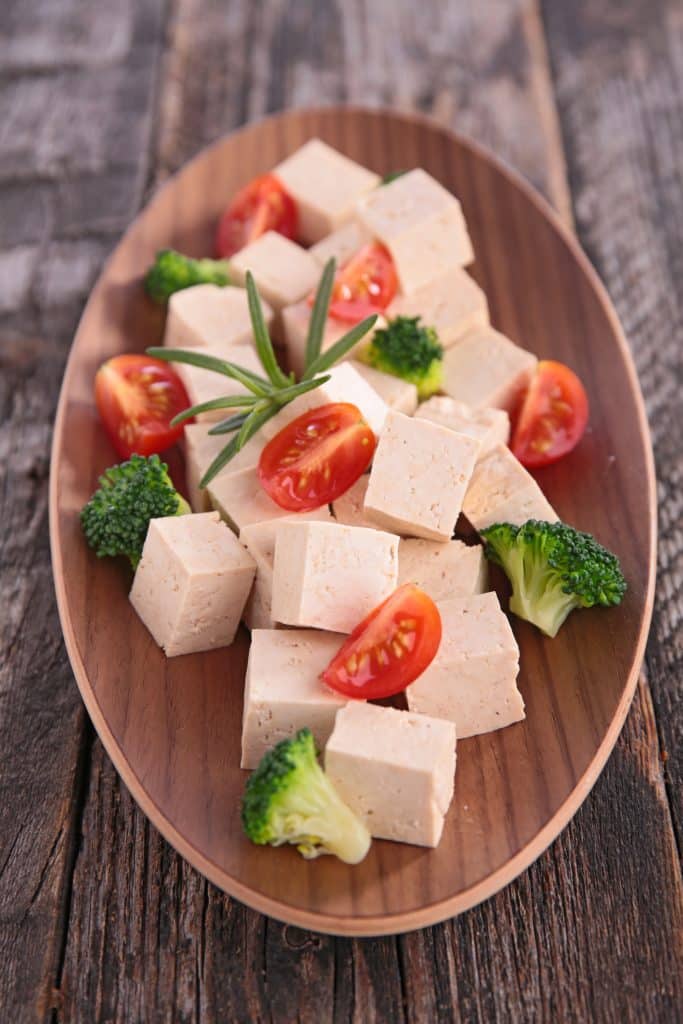
Before you scroll past, this might be the most surprising food on the whole list. Tofu made with calcium salts, look for calcium sulfate on the ingredient label, is one of the densest calcium sources in the entire store, plant or otherwise.
Depending on the brand, a serving of calcium-set tofu can carry as much calcium as a glass of milk, sometimes more. It’s also a complete protein, covering all the essential amino acids.
The neutral flavor is the kid-friendly key. Cubed, baked crispy, and tossed in a favorite sauce, tofu becomes “nuggets.” Blended silken tofu vanishes into smoothies. Scrambled, it plays the egg role at breakfast.
Nobody in my house calls it tofu. It’s nuggets, it’s smoothie, it’s scramble. Labels are for ingredient panels, not for dinner announcements.
1. The Soy Duo: Calcium-Set Tofu and Fortified Soy Milk Together
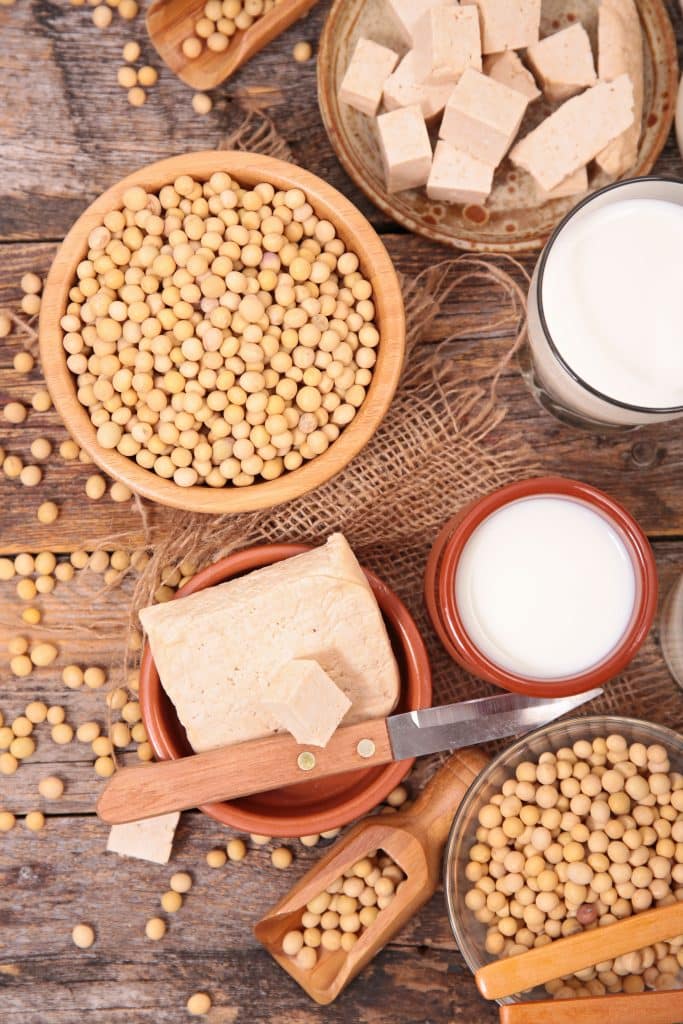
The top spot goes to the pairing, because these two soy staples cover the dairy-free bases better than anything else in the store. Tofu edges ahead on pure calcium density, while fortified soy milk holds the official stamp as the guideline-recognized dairy alternative.
Between them, you’ve got the milk glass, the smoothie base, the nugget dinner, the breakfast scramble, and the baking substitute all handled. Complete protein and strong calcium, in forms kids genuinely accept.
Start gently. Bake mild firm tofu in a sauce your kids already love, and introduce soy milk inside familiar recipes like oatmeal or a chocolate milk treat before pouring it straight. Always grab the fortified versions and give labels a quick read, since numbers vary by brand.
Both are everyday grocery staples now, affordable and easy to find. For any mom navigating dairy-free feeding, this duo is the foundation the rest of this list builds on.
Plant Foods are More than Just Plant-Based
And that’s 21 plant foods proving that dairy-free doesn’t mean nutrient-free, not even close. The pattern is simple: legumes and soy carry the protein, fortified staples and low-oxalate greens carry the calcium, and a little fruit helps the body use it all.
If you’re starting from scratch, my shortlist is the soy duo at the top, a can of chickpeas for hummus and crunchy snacks, and a bag of frozen edamame for the after-school window. Those alone cover an impressive amount of ground.
One last reminder that numbers on fortified products vary brand to brand, so the label is always your friend. And for big dietary changes with little kids, that quick pediatrician conversation is worth having.
If this list helped you, I’d love for you to share it on Pinterest or Facebook, or pass it along to your parenting group or a mom friend navigating dairy-free meals. Feeding kids is a team sport, and a good list in the right hands can make someone’s whole week easier.