17 Kitchen Swaps I Made for My Kids’ Sake
A few months back I read something about microplastics that stuck with me the way things do at eleven at night, right when I should have been asleep instead of scrolling. This whole project started as one of the small changes on my running list of mom life hacks and it turned into something bigger.
I did not throw out every plastic thing in my kitchen. I did not buy new everything in one weekend. What I did was pick off the easy stuff first, then work through the rest a little at a time, and that is the list below.
These are the swaps that actually stuck in my house, not the ones that sounded good on paper and then sat in a cabinet. I am not a doctor and this is not medical advice, just what changed in my kitchen and why.
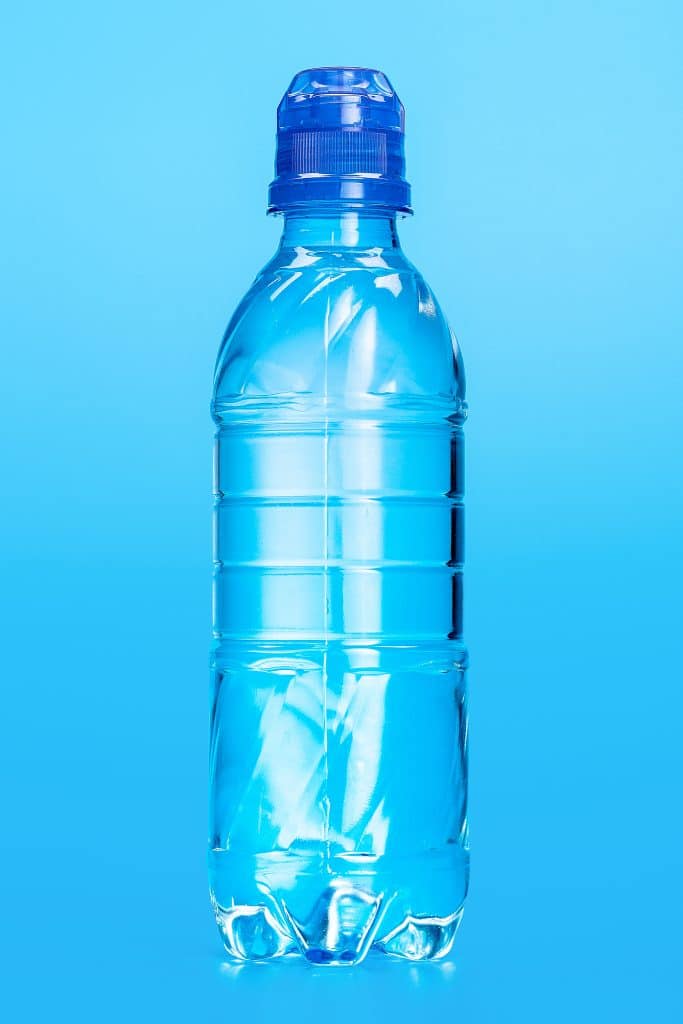
1. Bottled Water for a Filter and Steel Bottles
My husband used to buy the giant cases of bottled water every single warehouse trip, and our recycling bin looked like a plastic graveyard by Friday.
I swapped to a filter pitcher and a couple of steel bottles I keep in the fridge door, and it took about two weeks before nobody asked for the cases anymore.
The trick that made it stick was keeping a bottle already cold and ready before anyone got thirsty. A kid who has to fill and wait will just grab whatever plastic bottle is left in the pantry instead.
Make it easier: Keep one bottle per kid labeled with their name so nobody is hunting for a clean one at seven in the morning.
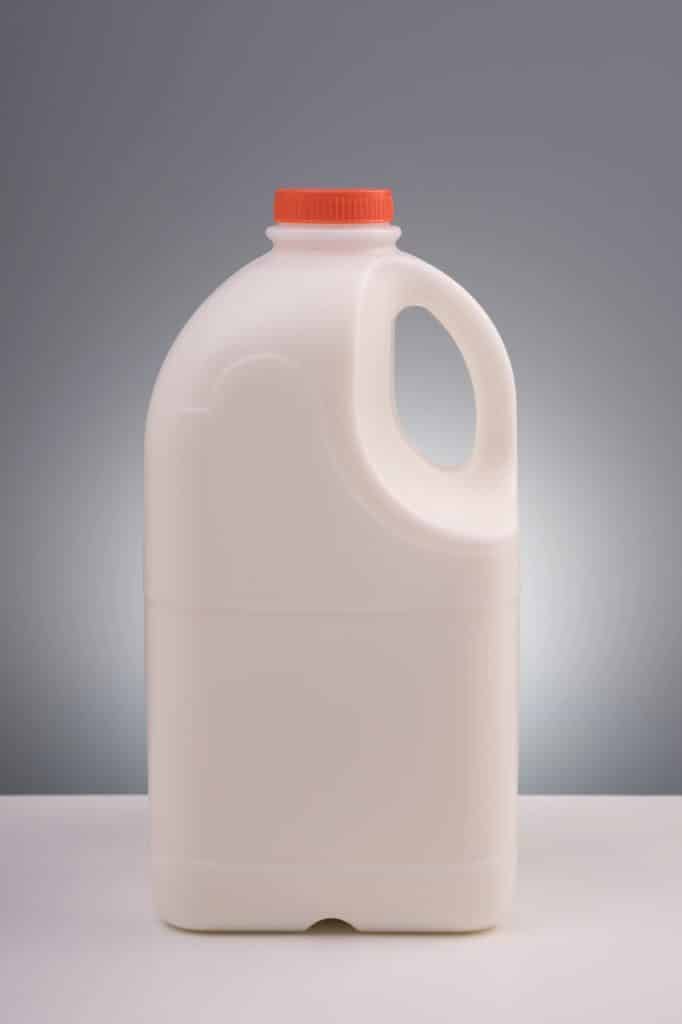
2. Plastic Milk Jugs for Glass When I Can Get It
Milk was harder to fully swap because glass bottle delivery is not available everywhere, and mine is only sometimes.
When I can get glass, I do, and I send the empties back the next week instead of tossing another jug in the recycling.
When glass is not an option that week, I do not stress about it. One swap you do consistently beats a perfect swap you only manage half the time.
Make it easier: Ask your regular grocery store or a local dairy if glass bottle delivery exists in your area, since a lot of small dairies still do it and most people never think to ask.
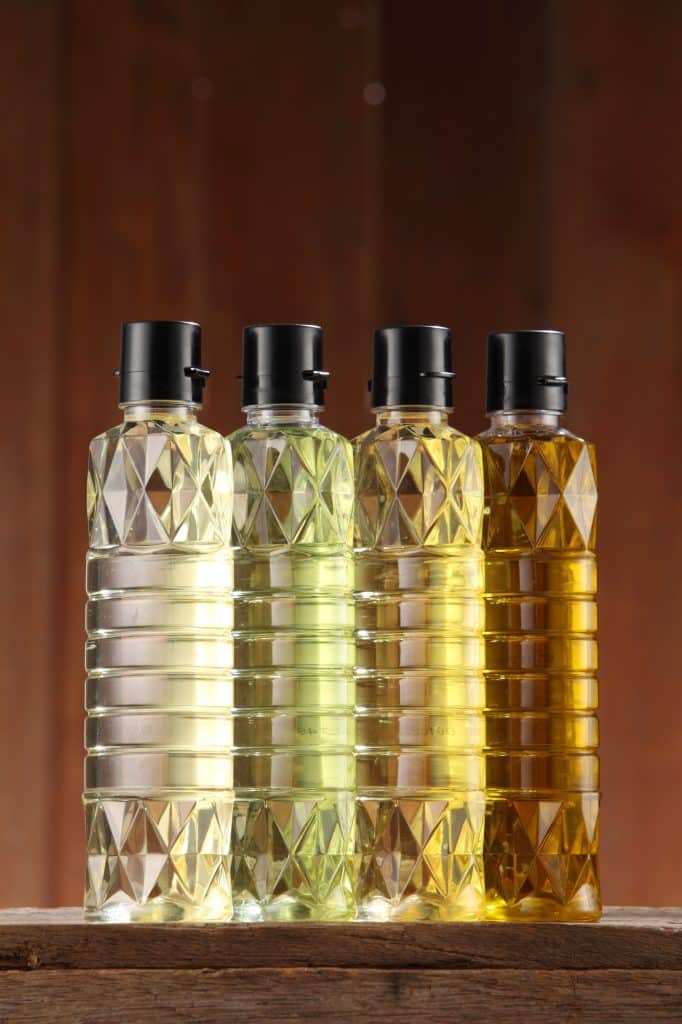
3. Plastic Cooking Oil Bottles for Glass
This one was an easy find because most of my regular oils exist in glass versions right next to the plastic ones on the same shelf.
I switched my everyday olive oil and my avocado oil to glass bottles first, since those get used the most and sit closest to the stove where heat matters.
Glass also does not pick up that faint plastic smell over time the way cheaper bottles sometimes do, which I did not notice until I stopped using them.
Make it easier: Keep the oil away from direct heat and sunlight no matter what container it is in, since that matters more for how the oil holds up than the bottle it came in.
4. Bottled Coffee Creamer for Powder in a Jar
My coffee habit is not up for negotiation, but the little plastic creamer bottle was an easy target.
I switched to a powdered creamer I keep in a glass jar, and some weeks I make my own version with dried milk and a splash of vanilla.
It took some trial and error to get the ratio right so it was not gritty, and I will admit the store version dissolves better than my homemade batches do.
Make it easier: Start with a store-bought powdered version in a jar before you try making your own, so you know what texture you are aiming for.
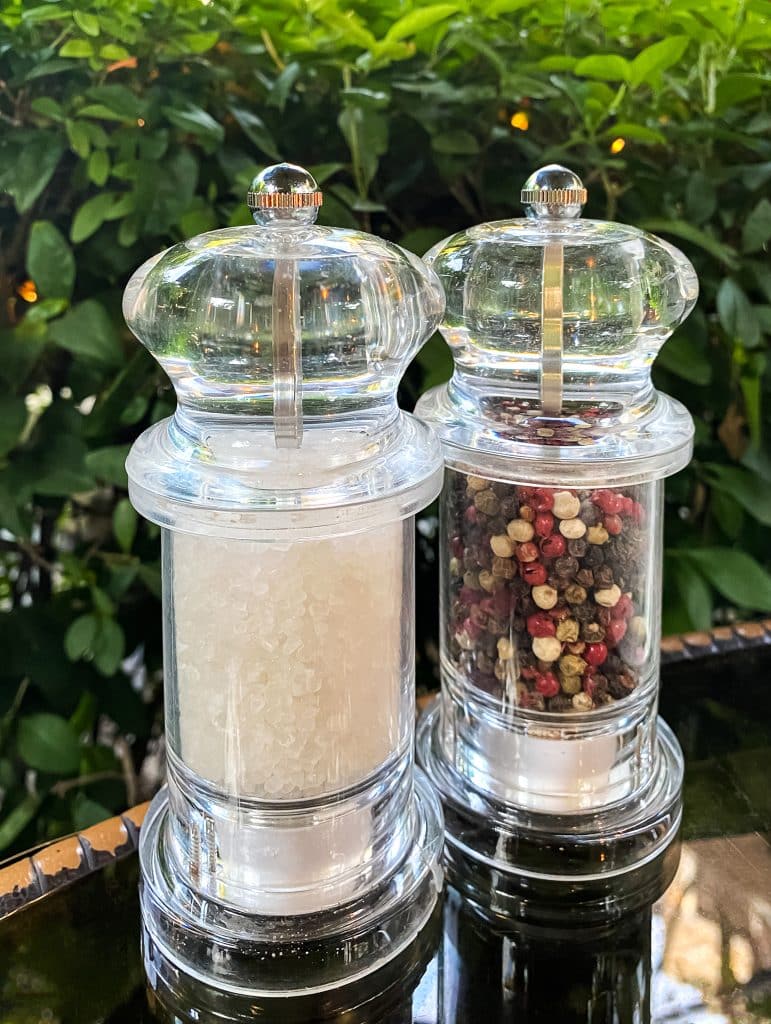
5. Packaged Spices for Refillable Glass Jars
My spice cabinet used to be a mess of half-used plastic packets and bags that never closed right.
I bought a set of small glass jars and decanted everything, then started refilling from the bulk spice section instead of buying new packaging every time.
It also made cooking faster, because I can see what I actually have at a glance instead of digging through bags to find the cumin.
Make it easier: Label the jars with a piece of tape and a marker instead of fancy labels, since the fancy version is usually the reason this project stalls out.
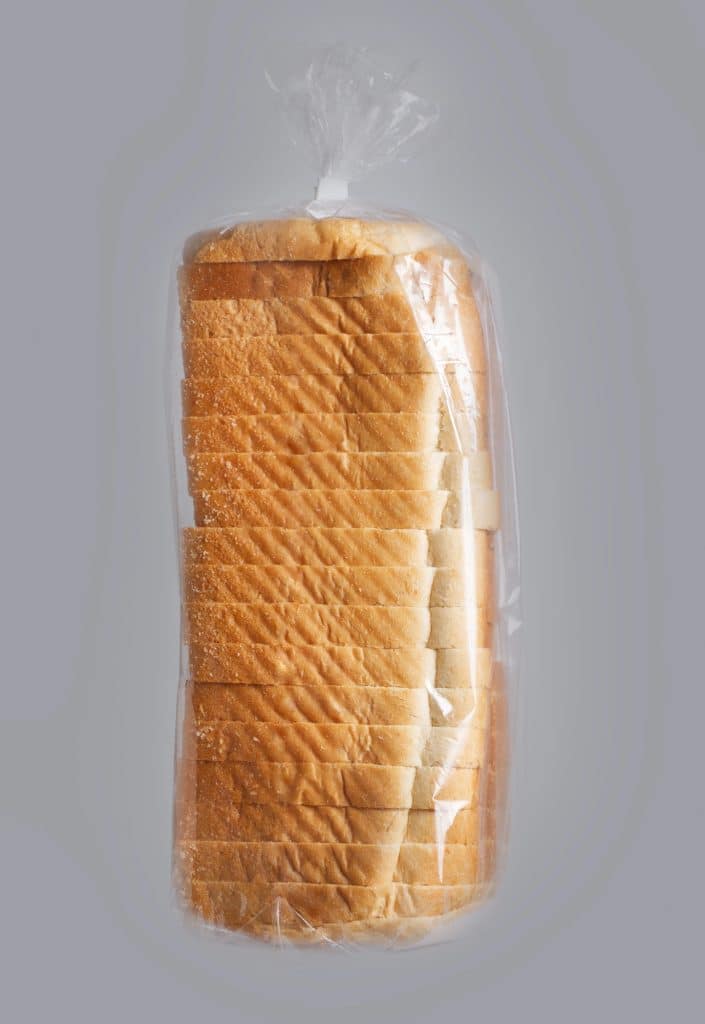
6. Plastic-Wrapped Bread for Paper and the Freezer
Bread was tricky since most loaves at the store come wrapped in plastic no matter what you do.
What I changed was buying from the bakery counter when I can, where it comes in a paper bag, and freezing half of it right away in a reusable container instead of leaving it in the original wrapper.
Freezing half also solved a totally different problem, which is that we were throwing out moldy bread every other week because a house of picky eaters cannot finish a loaf before it turns.
Make it easier: Slice the whole loaf before freezing so you can pull out exactly what you need instead of thawing the entire thing for two sandwiches.
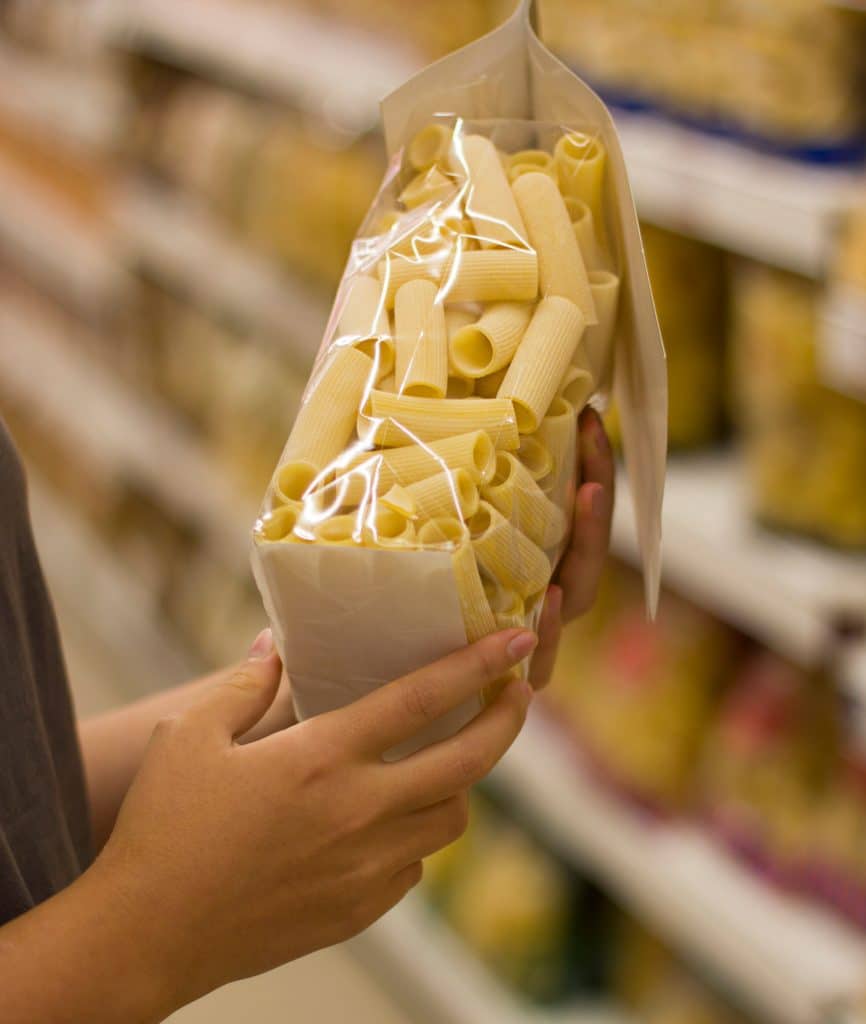
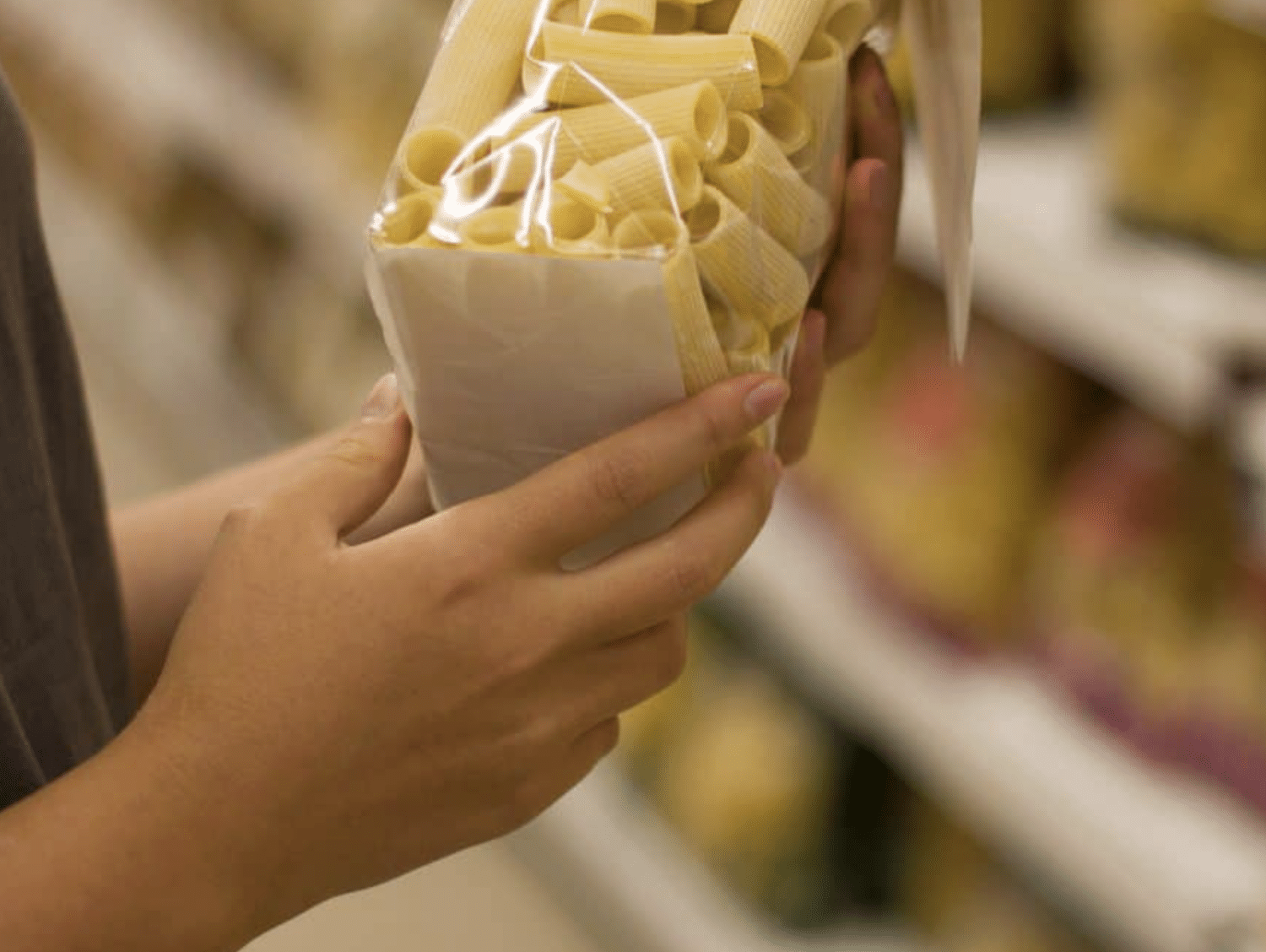
7. Boxed Pasta and Grains for Bulk Bins and Glass
This swap took the longest because it meant changing how I shop, not just what I buy.
From My Kitchen
35 Grocery Buys I Cut Once I Became a Mom →
"This list saved me more than any coupon ever has."
I started filling glass jars from the bulk bins for rice, oats, and a couple of pasta shapes we go through fast, and I keep the jars on an open shelf so I remember to use them first.
It also means I buy exactly what I need instead of a whole box I will not finish, which has been a nice side effect for the grocery bill too.
Make it easier: Bring your own jars to the store and have them weighed empty first, most bulk sections will do this for you and it makes checkout simple.
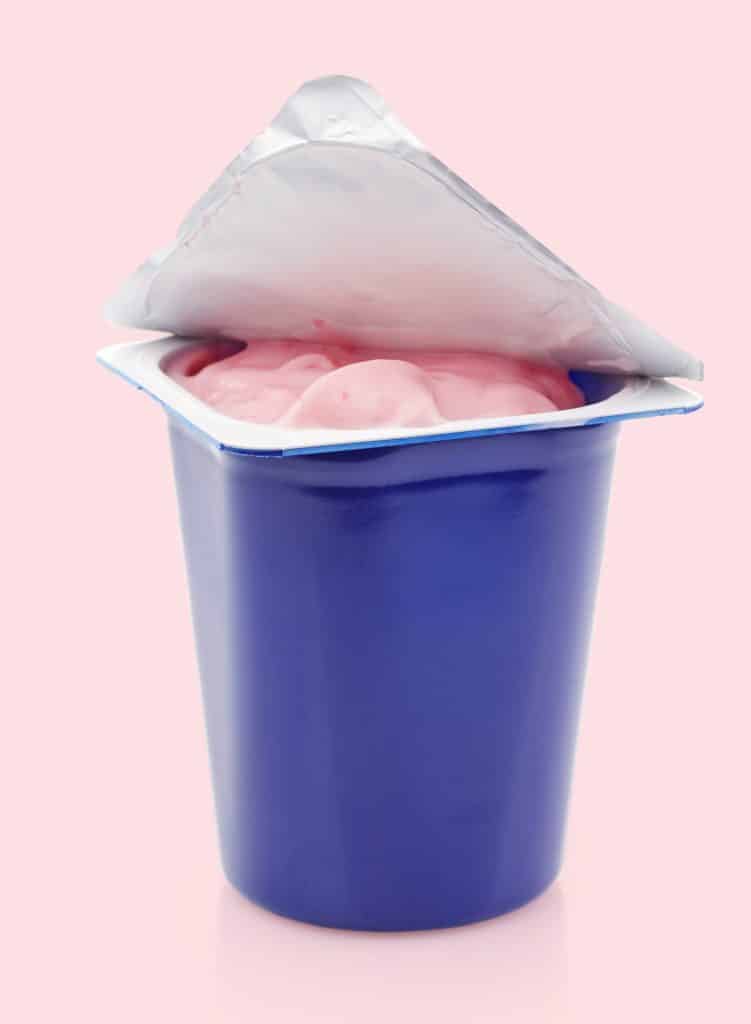
8. Plastic Yogurt Tubs for the Big Glass Jar Kind
Yogurt seemed impossible to change until I found a brand that comes in a wide glass jar instead of a plastic tub.
It costs a little more per container, but we use every jar for leftovers afterward, so it is not really wasted money, just money spent differently.
My oldest actually likes rinsing and stacking the empty jars, which was not something I expected but I will absolutely take it.
Make it easier: Save two or three jars at a time before you start reusing them for storage, since a single clean jar never seems to be around when you need one.
From my kitchen: I did not do this all at once, and you do not have to either. I picked one shelf a month for about half a year, and the plastic pile got smaller every time without it ever feeling like a special project.
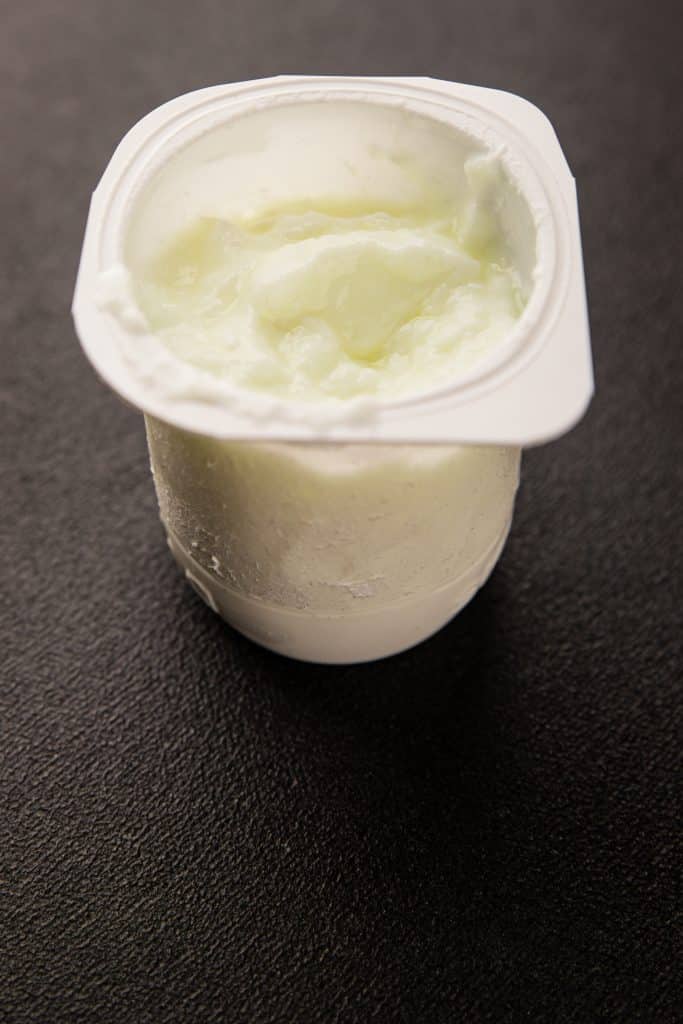
9. Single-Serve Yogurt Cups for One Big Tub I Portion Myself
The little plastic cups were the easiest thing to grab for lunches, which is exactly why they were the hardest habit to break.
I switched to one big tub of plain yogurt and a set of small reusable containers I fill myself on Sunday, then I stir in honey or fresh fruit depending on what is around, the same way I sneak fruit in from my list of fruit I keep on the counter.
It takes maybe ten extra minutes once a week, and it cut our yogurt cost by a noticeable amount since the single-serve cups were charging extra for the portioning as much as the yogurt.
Make it easier: Portion five containers at once right after grocery shopping so the whole week is done in one sitting instead of every single morning.
You'll Want This Too
21 Fruits and Veggies I Turn Into Something New Before They Go Bad →
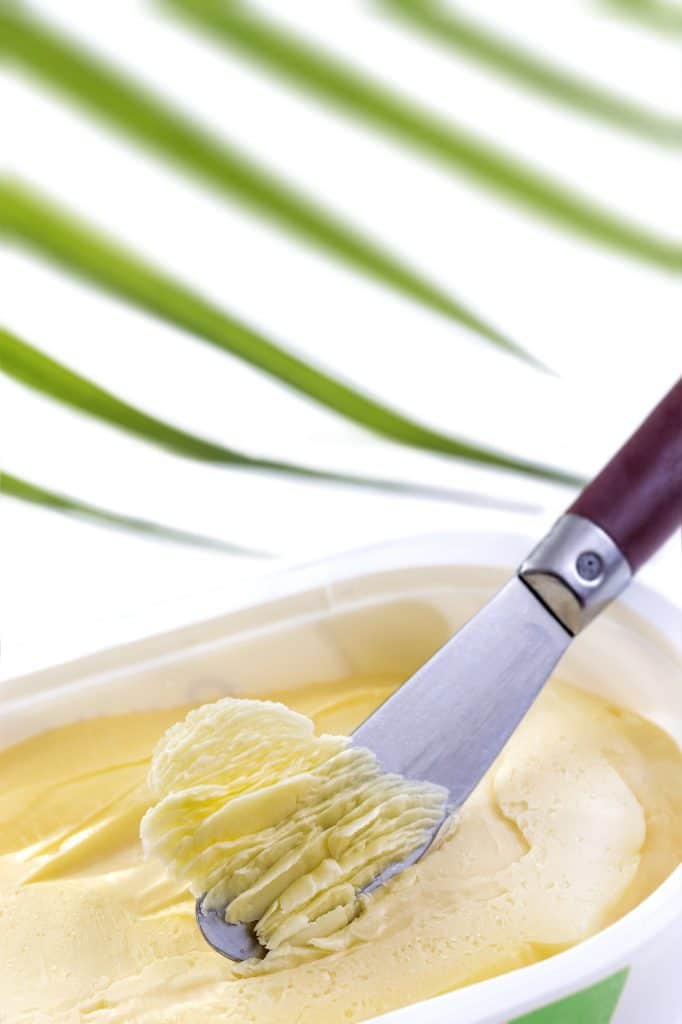
10. Plastic Margarine Tubs for Butter
This is the one my husband cared about more than I did, honestly, since he grew up on the tub kind and never thought twice about it.
We switched to butter, which comes wrapped in paper instead of a plastic tub, and it turned out to taste better in basically everything we made.
The only real adjustment was remembering to set it out ahead of time, since butter does not spread cold the way the tub kind did.
Make it easier: Keep a small butter dish on the counter with just a few days worth out at room temperature, and leave the rest in the fridge.
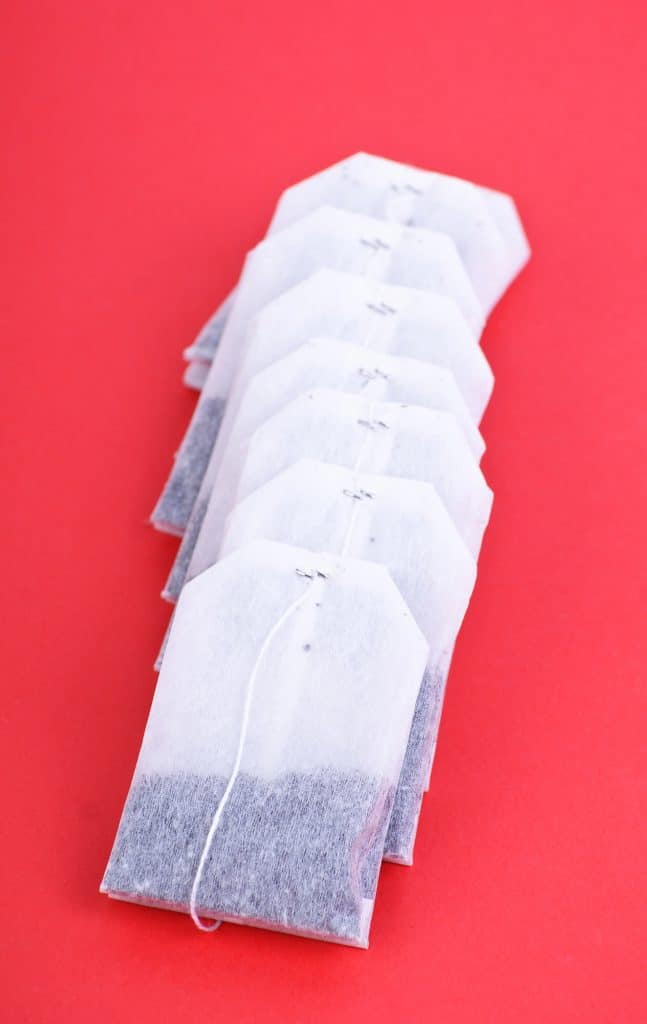
11. Plastic Tea Bags for Paper Ones
Tea is the one where I have to be honest with you upfront, because I did not fully fix this.
A lot of bagged tea uses a thin plastic mesh even when the box looks paper and rustic, and loose leaf with a steel infuser is the real fix.
I tried loose leaf for about a month and it was one more thing to clean at six in the morning, so I switched to a couple of brands that use plain paper bags instead and called it good enough for now.
Make it easier: Check the packaging for the words plastic-free or biodegradable before you buy, since it is usually printed right on the box if the company bothers to do it.
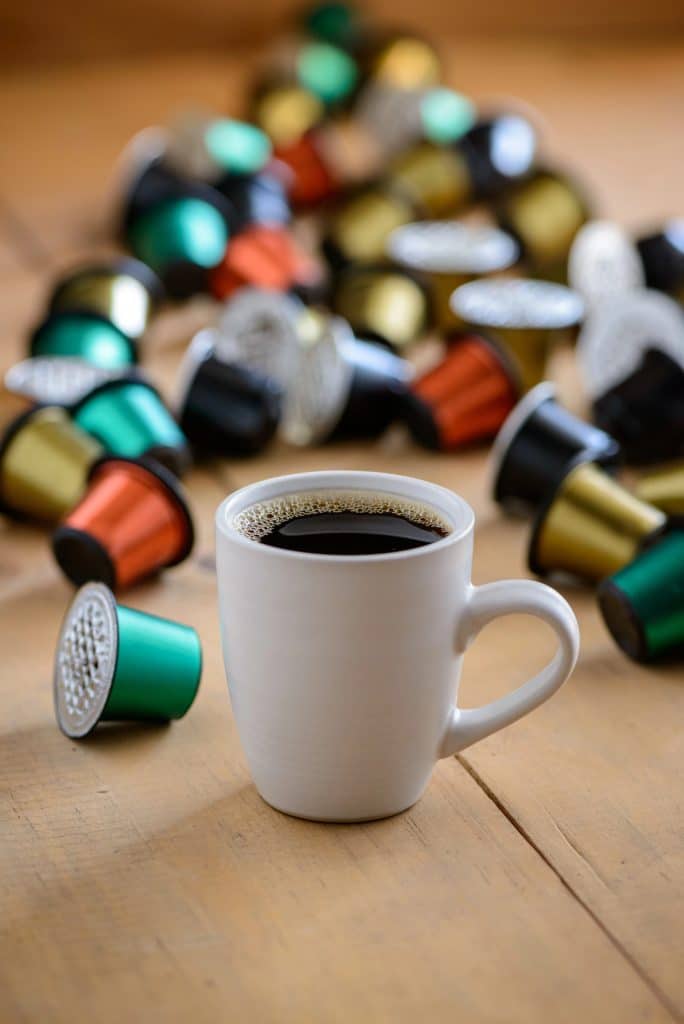
12. Coffee Pods for a French Press
The pod machine was convenient in a way I will genuinely miss, so this swap took the most willpower.
I moved to a french press and pre-ground coffee I transfer into a glass canister, and the coffee is better, which almost makes up for the extra two minutes it takes.
The part that finally sold me was realizing how many little plastic pods we were throwing away weekly, which was not something I ever added up until I started paying attention.
Go Deeper
The Freezer Is a Time Machine: My Whole System for Cooking Once and Eating Twice →
"This alone gave me back an evening a week."
Make it easier: Ask for a slightly coarser grind than you would use for drip coffee, since fine grounds make a french press gritty and turn people off the whole idea.
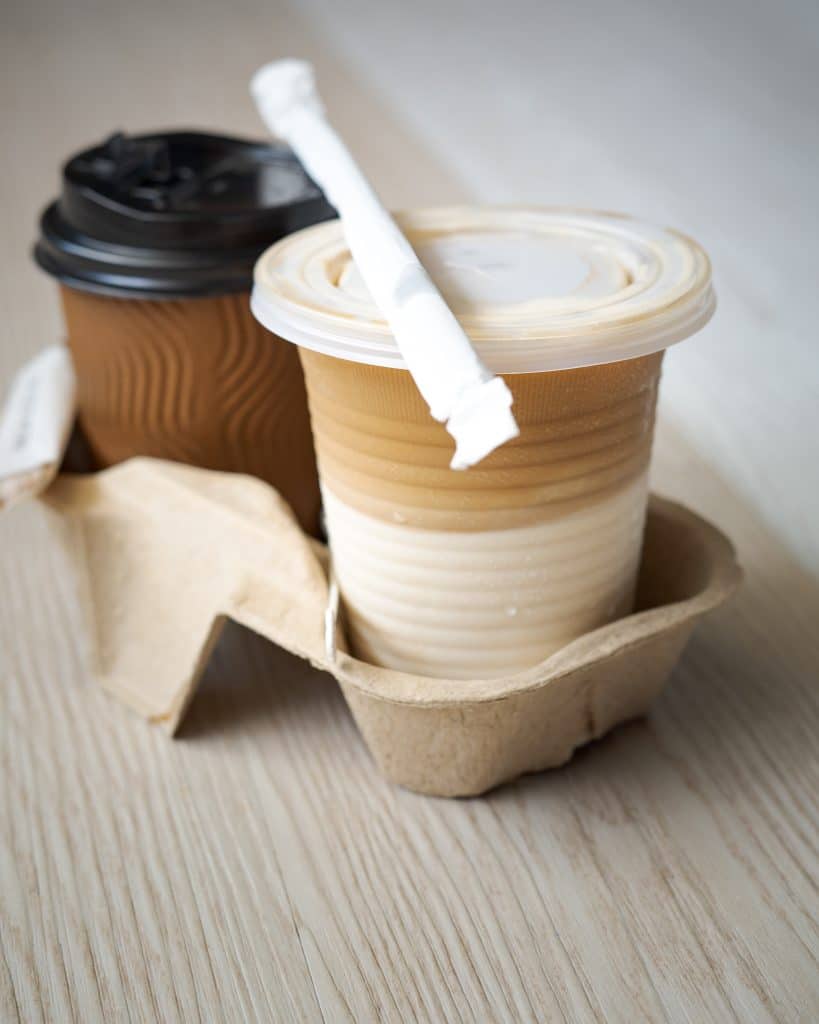
13. Hot Drinks in Plastic for Steel Mugs
This one is less about food packaging and more about habit, since I used to reach for whatever plastic cup was closest for hot tea or coffee.
Hot liquid against plastic is exactly the situation you want to avoid if you are trying to cut down at all, so I keep a couple of steel and ceramic mugs by the coffee maker instead.
It is a small thing, but it is also one of the easiest swaps on this whole list, since it costs nothing beyond a mug you probably already own.
Make it easier: Keep the mugs somewhere more convenient than the plastic cups, since convenience decides this one every single morning.
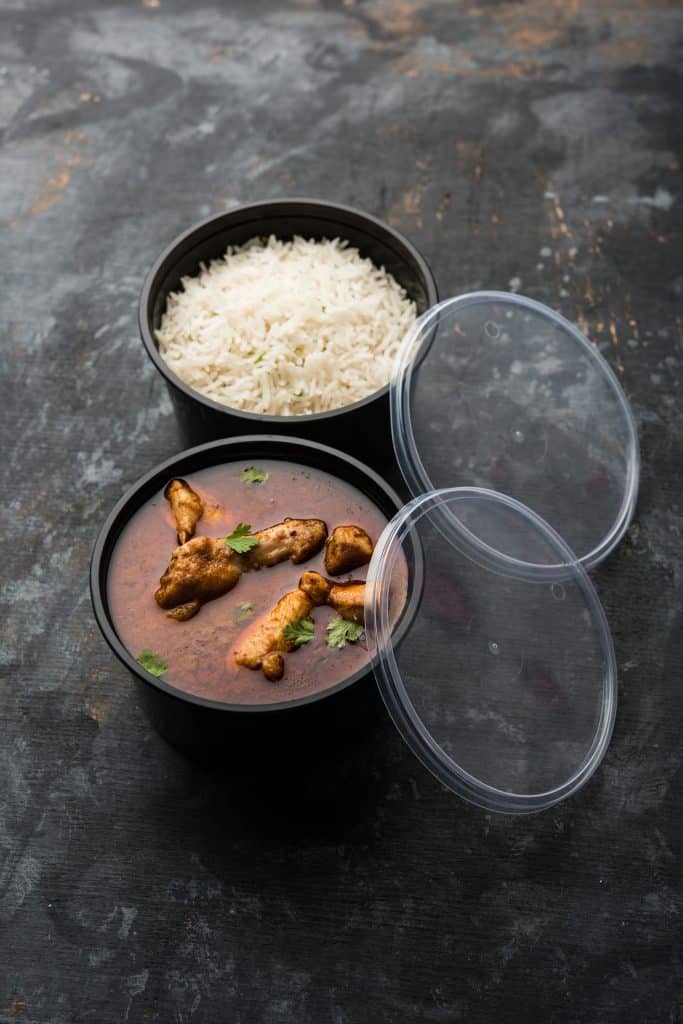
14. Plastic Microwave Containers for Glass
Heating food in plastic in the microwave was probably my worst habit before I started paying attention to any of this.
I replaced our plastic containers with a set of glass ones that have snap lids, and they work for the fridge, the microwave, and the freezer without switching anything.
The lids are the one downside, since they crack faster than the glass does, so I buy a couple of spares whenever I see them on sale.
Make it easier: Reheat food uncovered or with a plate on top instead of the lid, since the lid is doing the least amount of work anyway and cracks the fastest.
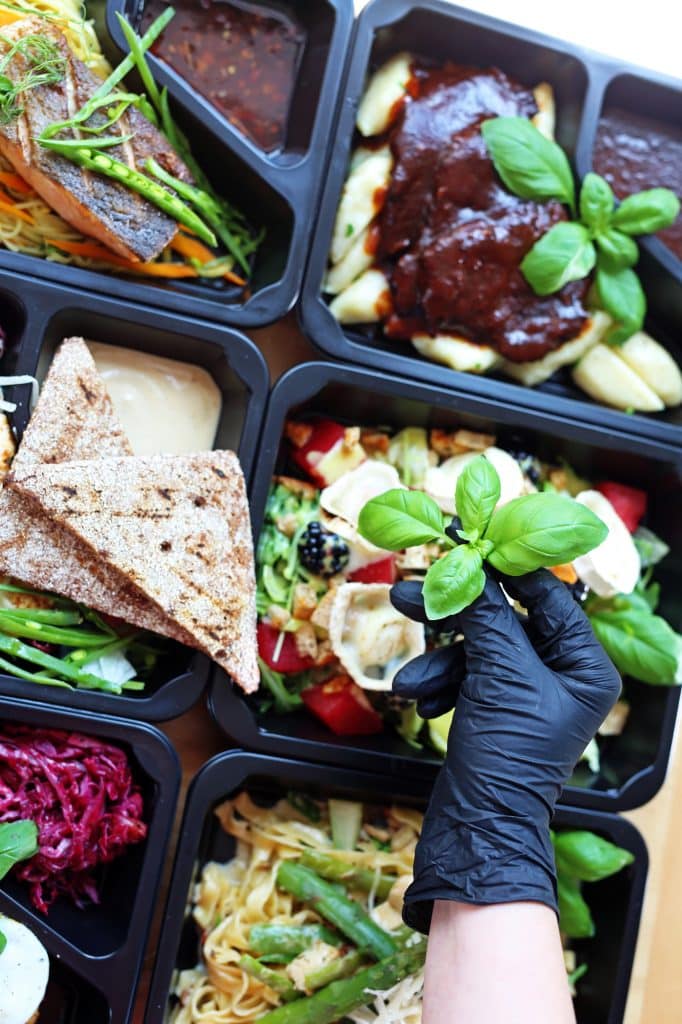
15. Reheating Takeout in Its Container for a Real Plate
We order takeout more than I would like to admit on the weeks the schedule falls apart, so this swap mattered more than I expected.
I stopped microwaving food in the takeout container itself and started transferring it to a plate or a glass dish first, every single time, no exceptions.
What Everyone's Making
27 Vegetables With So Much Flavor You Won’t Miss the Cheese →
On the weeks we do cook, I lean on big pots of something we can eat from all week instead, the kind of thing that turns into a whole week of dinners from one pot of soup in my house.
Make it easier: Keep a stack of plates and glass containers within reach of the microwave so transferring food takes ten seconds instead of feeling like an extra chore.
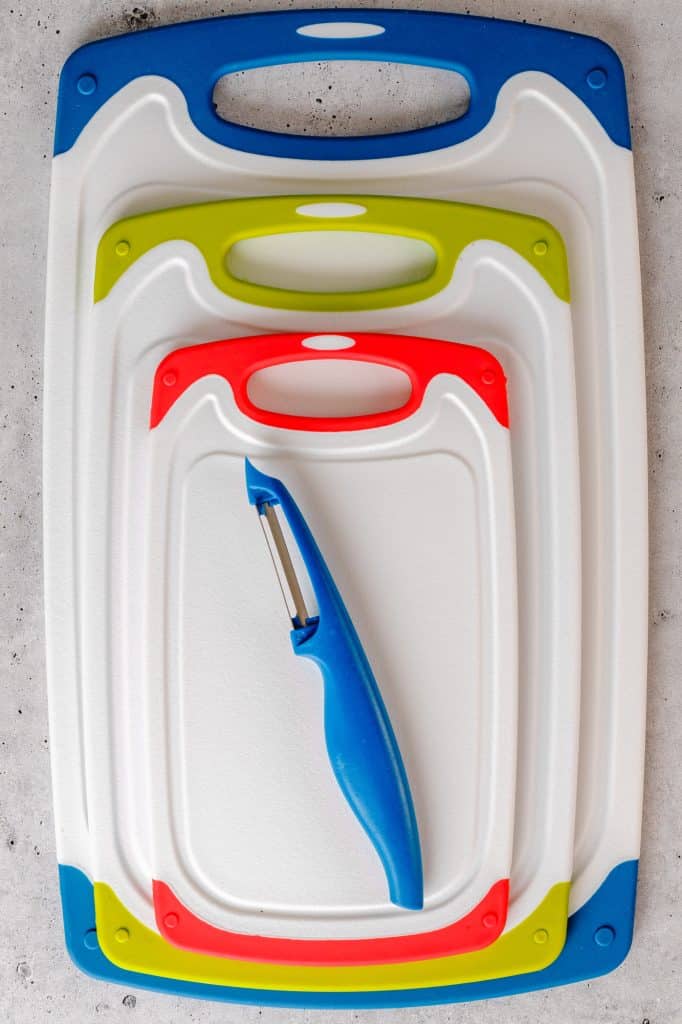
16. Plastic Cutting Boards for Wood
I had three plastic cutting boards scored up from years of knife marks, and I did not think much about it until I read that those grooves hold onto more than just old food.
I switched to wood boards for produce, and raw meat still gets its own board that I run through hot soapy water right after, same as always.
Wood also does not dull my knives nearly as fast, which I did not expect but noticed within the first month.
Make it easier: Rub the wood board with a little food-safe oil every few weeks so it does not dry out or crack, since a cracked board is worse than the plastic one it replaced.
17. The Rest of the Plastic Kitchen, Slowly
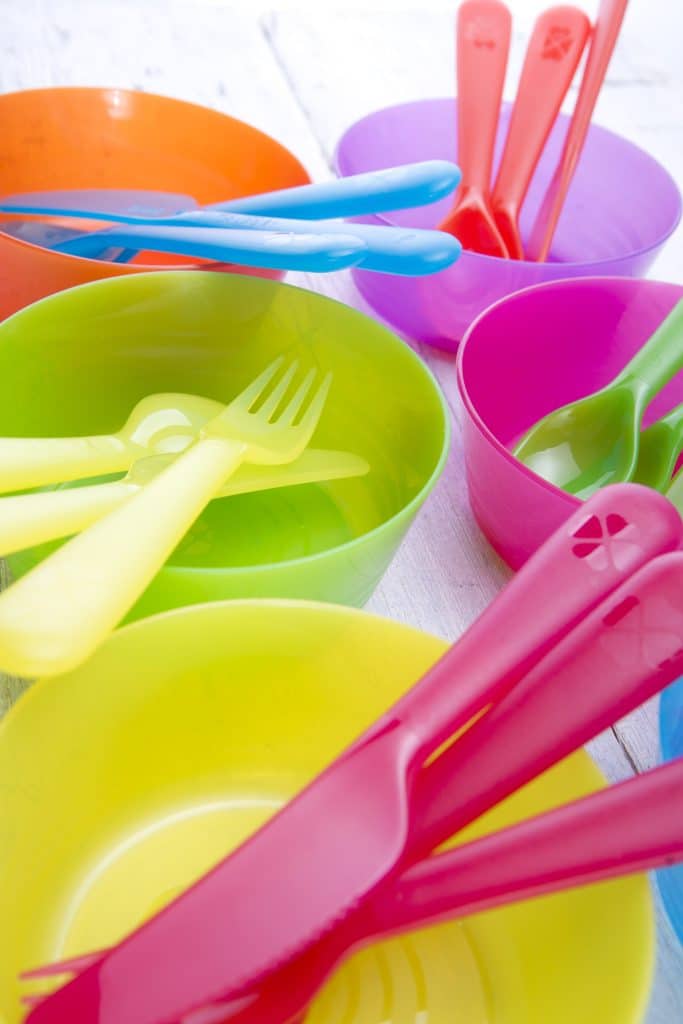
There is always more: mixing bowls, storage containers, the utensil crock by the stove. I did not try to fix all of it in one weekend.
I replace things as they wear out now instead of all at once, choosing glass, steel, or wood the next time something cracks or needs replacing anyway.
That pace is the only reason any of this stuck, because a full kitchen overhaul in one weekend was never going to survive real life with kids in it.
Make it easier: Keep a running list on your phone of what you would replace next so you are ready the moment something breaks instead of grabbing whatever plastic version is cheapest that day.
The Swaps I’d Make First
If you want to start somewhere, start with the water and the mugs, since those two cost almost nothing and you will feel the difference within a week.
The rest can happen slowly, the same way mine did, one shelf and one grocery trip at a time, and it does not have to look like anyone else’s version of this to count.
A lot of this ended up making me pay closer attention to fresh food too, the kind of swaps I get into more in what I sneak into dinner, and honestly that part was the nicer surprise.