

35 Grocery Buys I Cut Once I Became a Mom
My grocery cart looked completely different before kids than it does now. Some of that is about money, and some of it is just realizing certain things weren’t earning their spot in the cart to begin with.
I’ve ordered this list from the small, easy swaps to the bigger mindset shift underneath all of them. A few of these overlap with things I talk about in my mom life hacks post, if you want more of that same energy.
None of this is about being the perfect grocery shopper. It’s just what actually changed once I was feeding more mouths on the same budget.
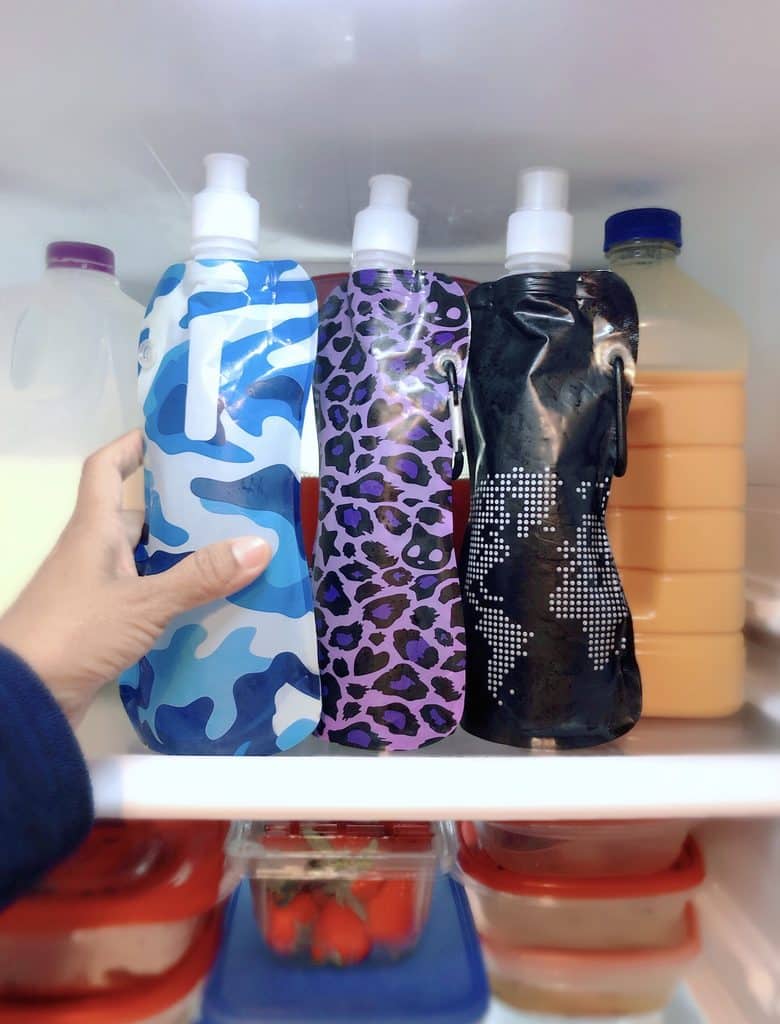
1. Specialty drink pouches for lunches
A reusable water bottle and an occasional treat covers what my kids need for lunch, and it replaced what used to be a recurring line item on every grocery trip.
The pouches added up more than I realized until I actually stopped buying them for a month.
My kids barely noticed the switch once the reusable bottles became just part of their normal lunch routine.
2. Buying a backup of everything out of habit
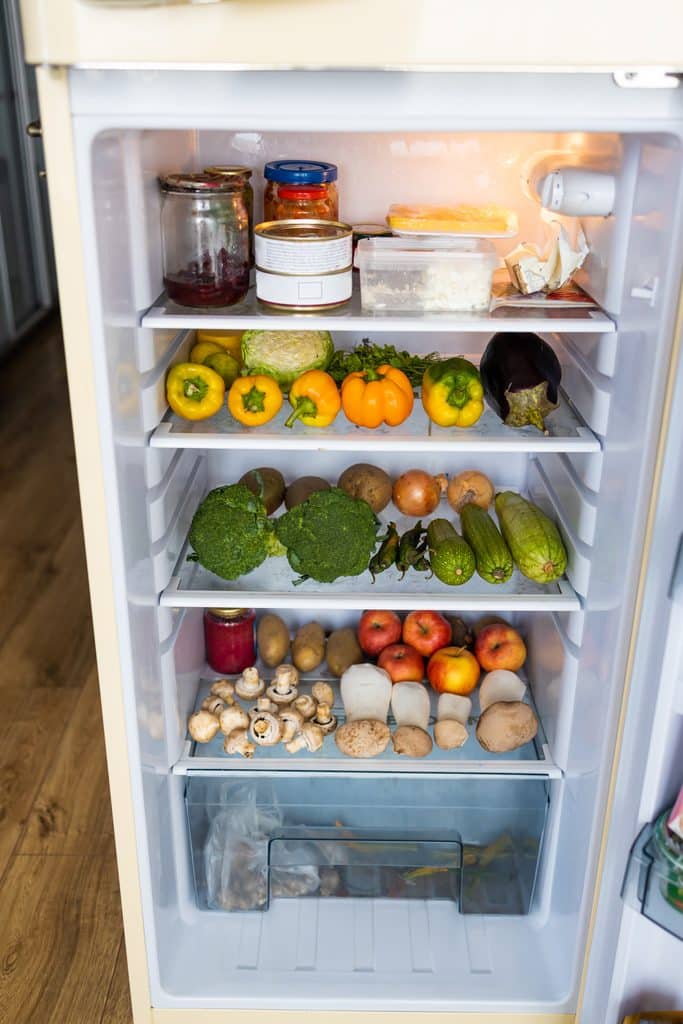
I used to keep a spare of nearly every pantry item, which led to a lot of doubled-up stock and the occasional expired backup I’d forget about entirely.
Opening the pantry sometimes felt like a small surprise, and not always a good one.
Make it easier: track what you actually go through in a normal week and buy closer to that pace instead of stocking up on everything just in case.
3. Specialty allergy-friendly versions when a regular product already worked
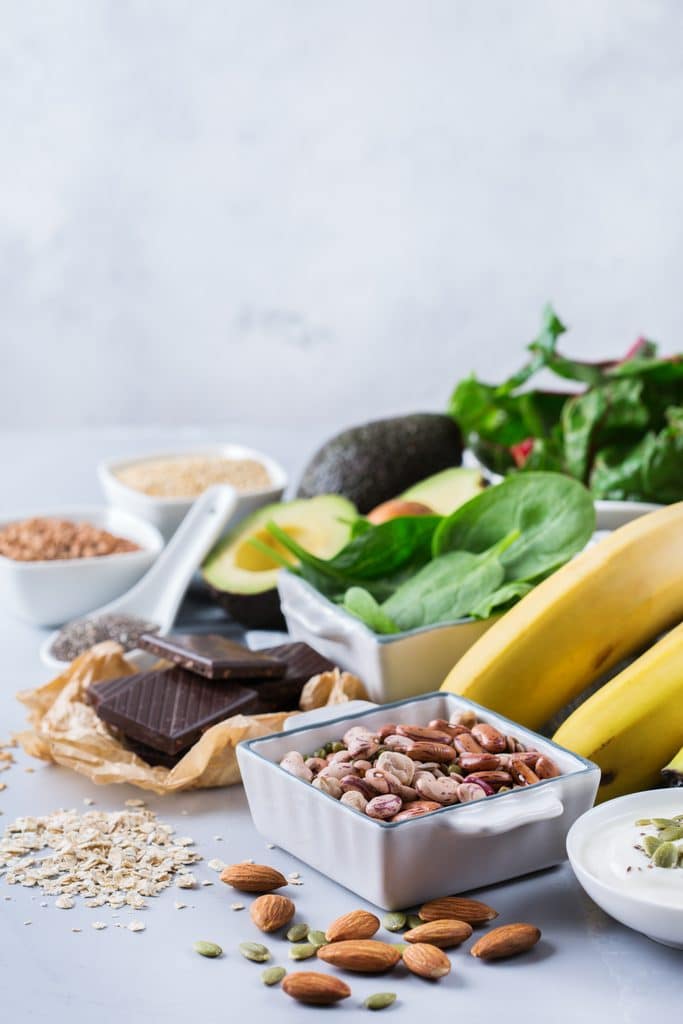
Early on I over-bought specialty versions out of caution before we had a clear picture of any actual sensitivities, mostly just to be safe.
Once we understood our own kids’ needs specifically, our grocery list got both more targeted and less expensive.
Make it easier: ask your pediatrician which swaps actually matter before assuming every “free from” label applies to your family.
4. Pre-portioned baking mixes for cookies and muffins
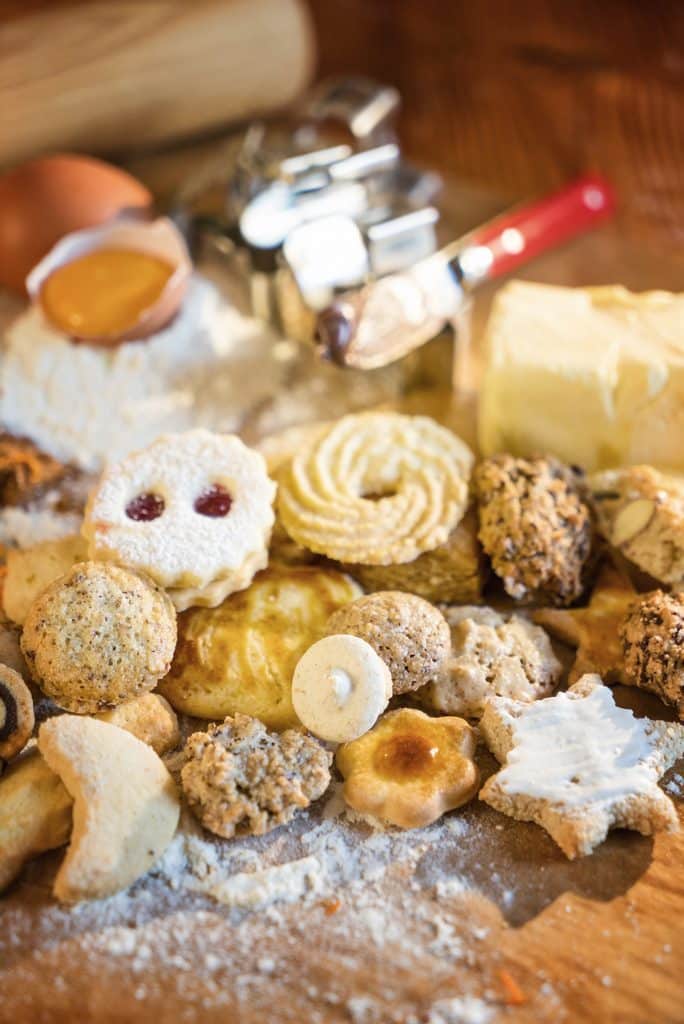
A basic from-scratch recipe uses pantry staples I already keep on hand: flour, sugar, eggs, and butter. Once I got comfortable with a couple of go-to recipes, it cost noticeably less per batch than the boxed mixes.
Make it easier: keep your two or three favorite ratios written on an index card taped inside a cabinet so you’re not hunting for a recipe every time.
Baking from scratch has also become a nice weekend activity with the kids, which the boxed mix never quite offered in the same way.
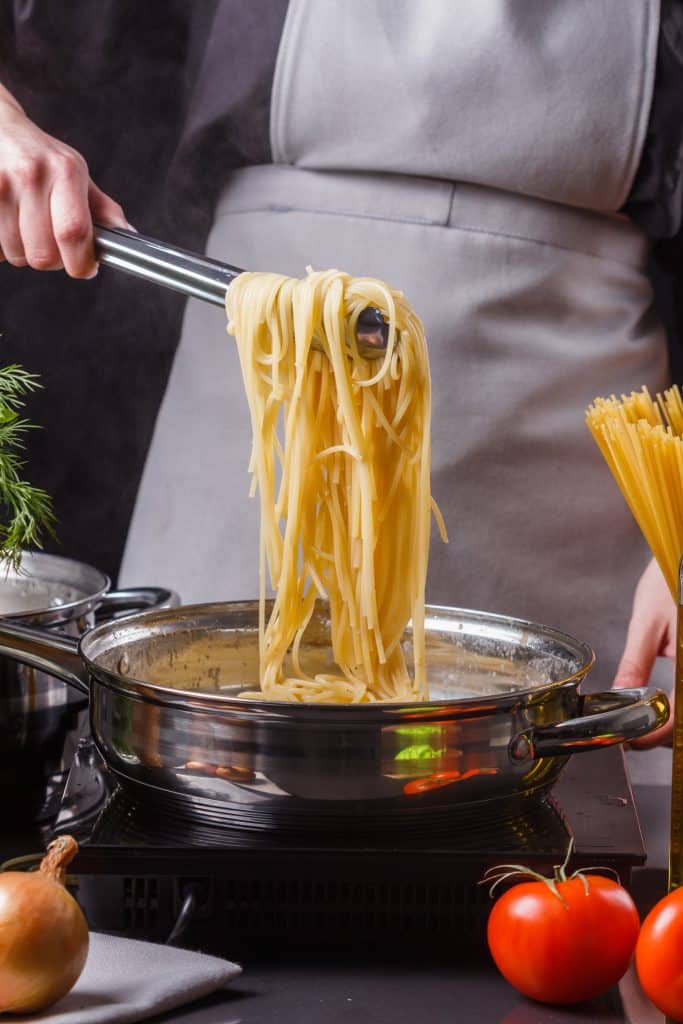
5. Novelty-shaped pasta at a markup
Fun shapes are great for keeping picky eaters interested, and I still buy them occasionally for exactly that reason.
I learned to check whether the fun shape was priced meaningfully higher than a plain shape with the same ingredients before buying it as a routine staple.
Make it easier: save the character shapes for one specific meal a week so the moment still feels special instead of becoming an automatic upcharge.
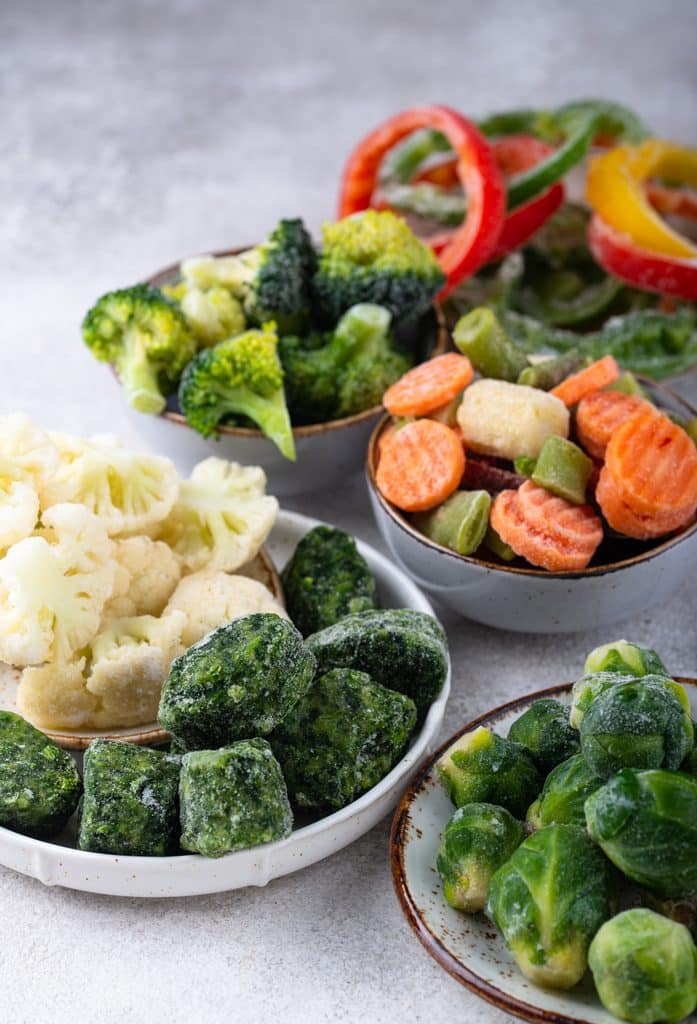
6. Pre-made frozen vegetable medleys with added sauce
Plain frozen vegetables cost less than the versions that come pre-seasoned with a sauce packet, and seasoning them myself takes only a minute at dinner.
I usually just add a bit of butter and salt, or whatever seasoning fits the meal that night.
It’s a small change, but it adds up over the course of regular grocery trips, and I like having more control over what’s actually going into the dish.
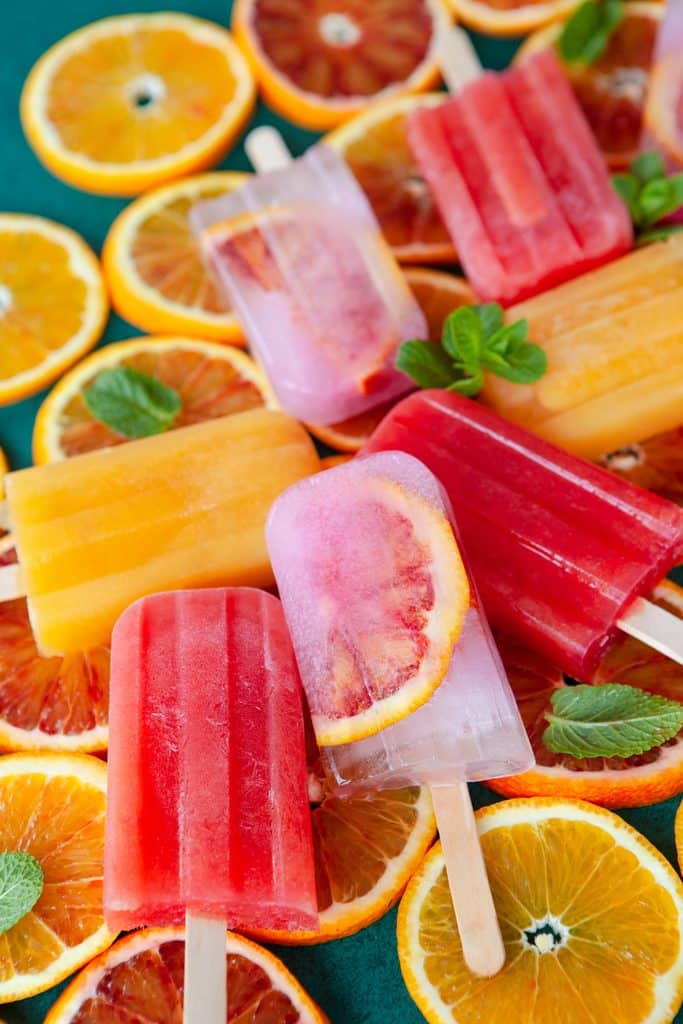
7. Specialty ice pops with a lot of added sugar
We make a simple homemade version using fruit and a bit of juice poured into reusable molds, which costs less and lets me control what actually goes into them.
The kids genuinely enjoy picking which fruit combination goes in each batch.
Make it easier: keep a bag of frozen fruit on hand specifically for this so you’re never waiting on fresh produce to make a batch.
One More Bite
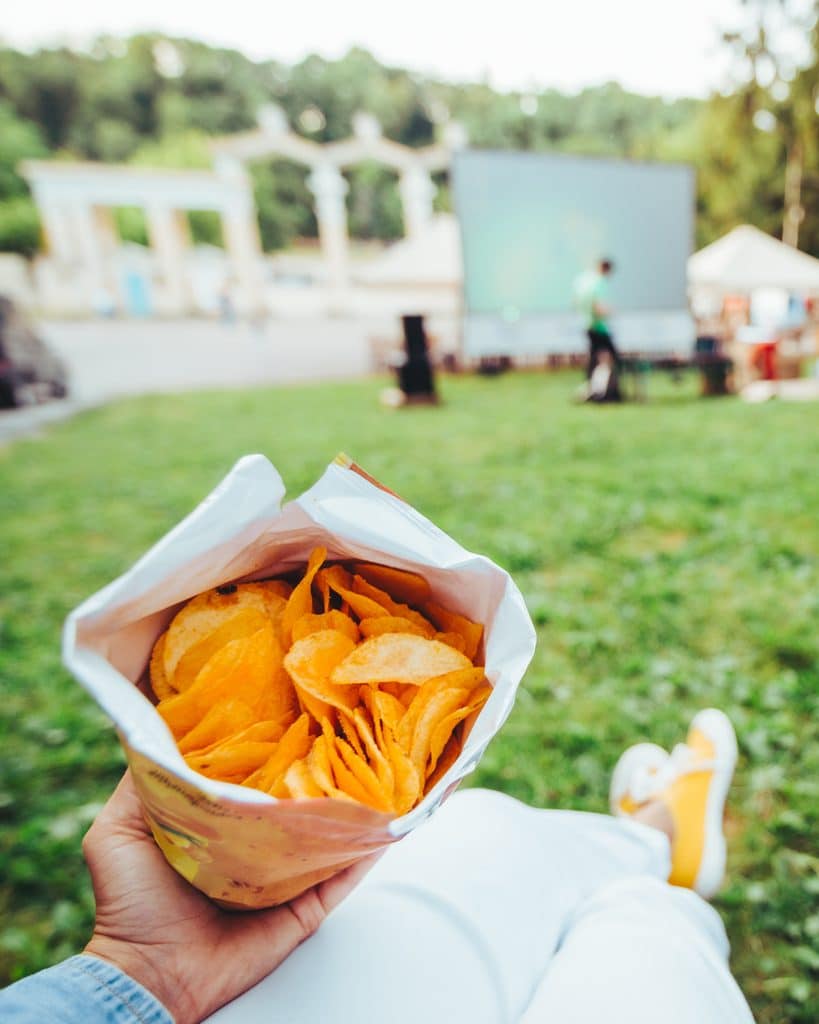
8. Single-use snack-size chip bags
The same math as the other individually portioned snacks applies here: a large bag portioned into reusable containers costs noticeably less than the snack-size bags over time.
Make it easier: portion a week’s worth right after you unload groceries, so it’s already done before you’re rushing to pack lunches.
It’s an easy swap once you’ve got a stack of small containers ready to go.

9. Pre-made pizza dough over a basic homemade batch
A simple flour, yeast, and water dough recipe costs a fraction of pre-made dough, and it freezes well enough that I now make a double batch on a slower weekend.
It took a couple of attempts before I got comfortable with the kneading and rising process.
Pizza night has honestly become more fun since the kids like helping shape the dough themselves before we add toppings.
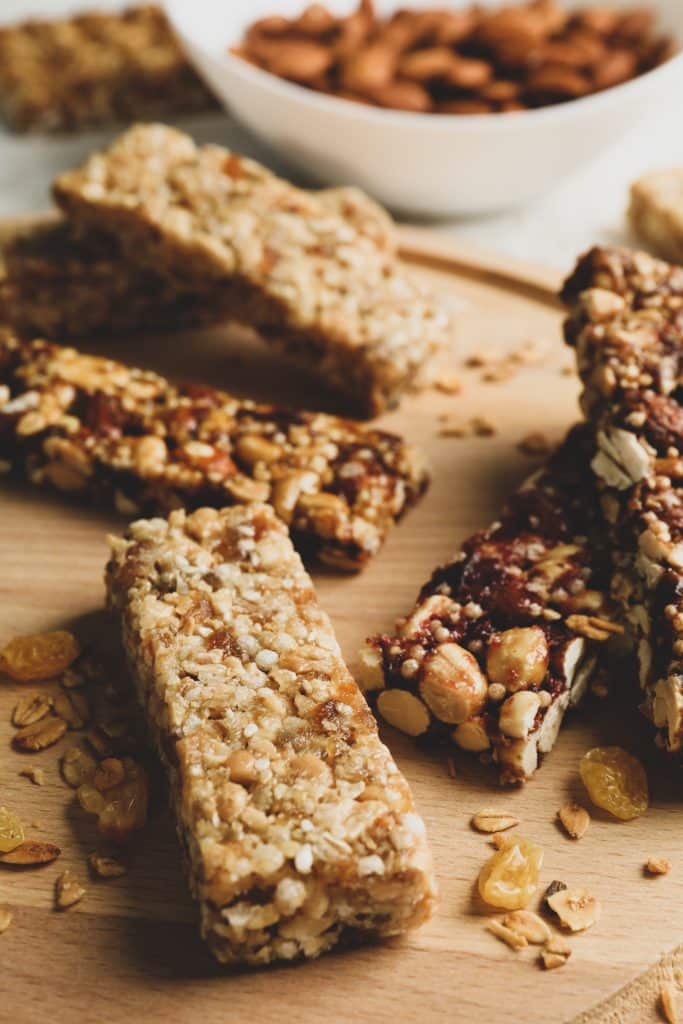
10. Boxed granola bars over homemade
I started making a simple no-bake granola bar recipe in batches, which costs less per bar than the boxed version and lets me control how much sugar goes in.
The recipe took a couple of tries to get the texture right, but it stuck once I did.
The homemade version has genuinely become the requested snack in our house now, over the boxed kind we used to buy every week.
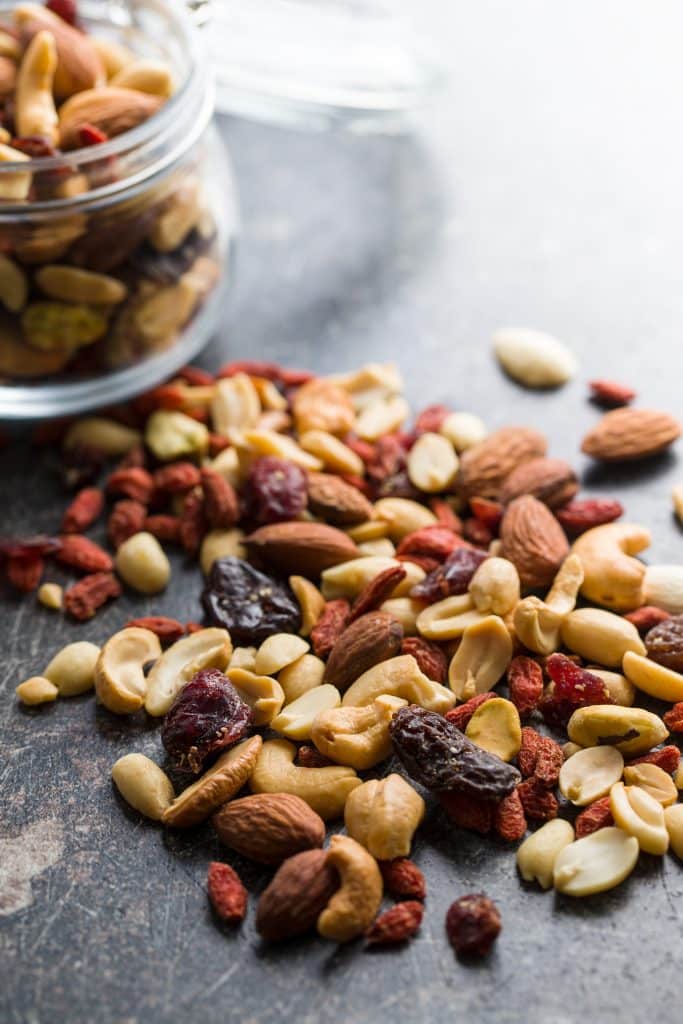
11. Pre-made trail mix
Buying nuts, dried fruit, and a small amount of chocolate separately and mixing our own trail mix in bulk costs less per batch than the pre-mixed bags, especially buying the base ingredients during a sale.
Make it easier: buy a bigger bag of each ingredient and portion it into smaller bags every couple of weeks instead of trying to do it all at once.
It has quietly become one of my kids’ favorite snacks to grab on their own.

12. Specialty flavored milk as a daily staple
Flavored milk became an occasional treat rather than a daily default once I compared the sugar content and cost against plain milk with a spoonful of mix-in at home.
It was an easy adjustment once I saw the numbers side by side on a receipt.
My kids still get their chocolate milk sometimes, just not as an everyday grocery staple anymore.

13. Pre-made frozen breakfast sandwiches
I started making a batch of homemade breakfast sandwiches on a weekend and freezing them individually, which turned out to be both cheaper and more filling than the store-bought version.
The reheating process is just as quick as the frozen ones from the store.
It’s become one of my favorite little routines, since it turns a rushed weekday breakfast into something that actually feels homemade.
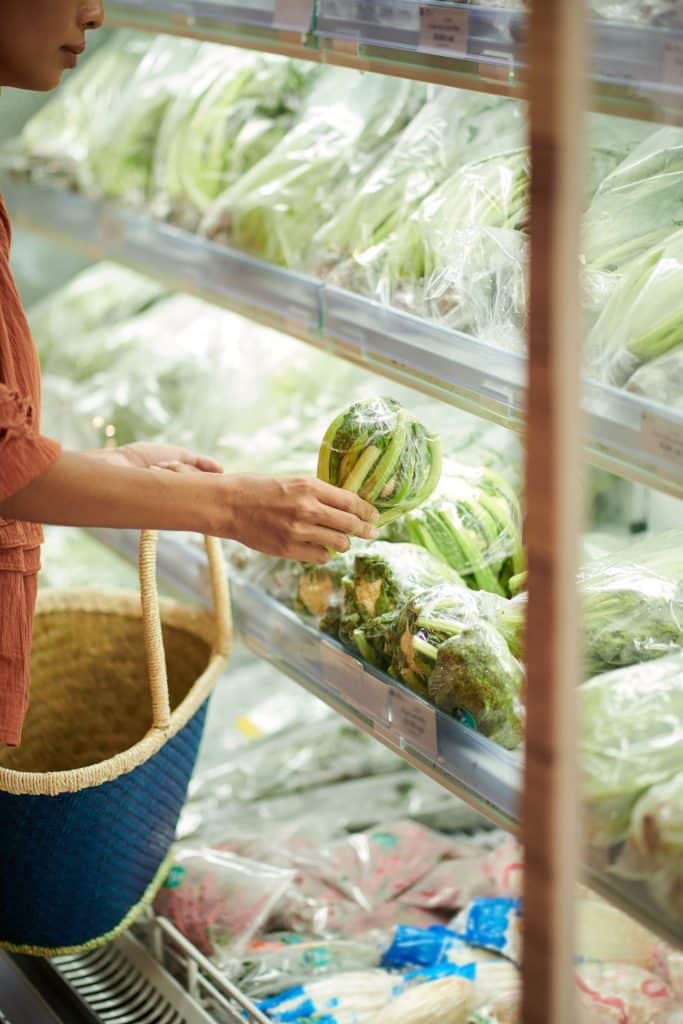
14. Bagged salad greens over a head of lettuce
Bagged greens are convenient, and I understand the appeal completely. A head of lettuce prepped at home lasts about as long and costs less per serving, though, which mattered more once our grocery bill started reflecting extra mouths to feed.
Make it easier: wash and prep the whole head the same day you unload groceries, so it’s ready to grab all week.
It’s become just another part of my regular routine at this point.
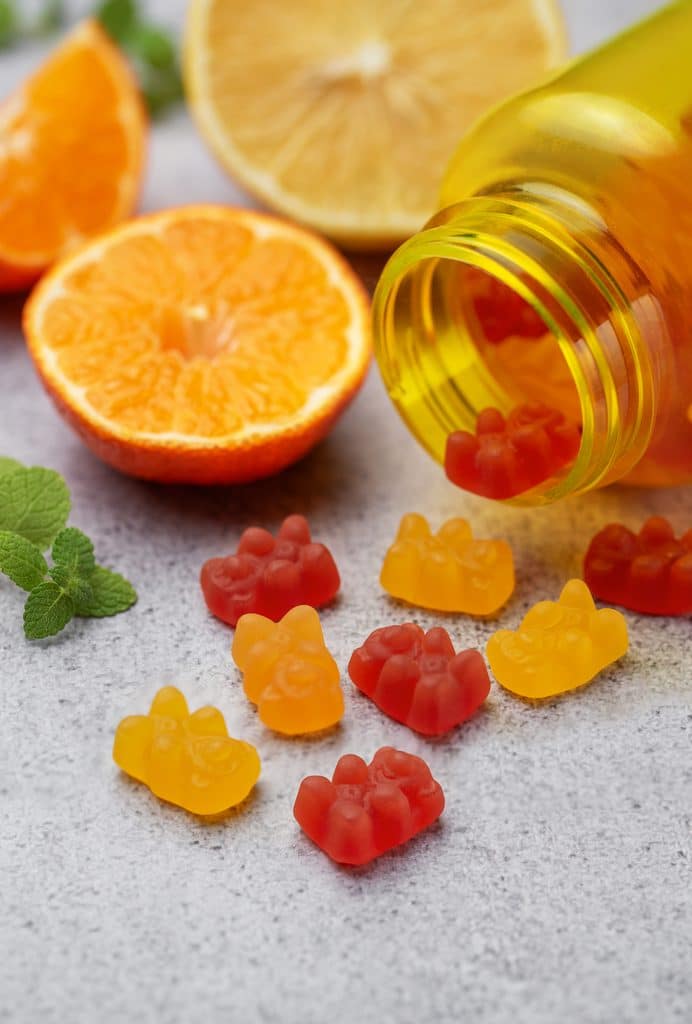
15. Specialty gummy vitamins over a basic multivitamin
After talking with our pediatrician about our kids’ specific needs, we moved to a more basic vitamin option that costs less per dose than the elaborate character-branded gummies.
There wasn’t any real change in what they’re actually getting.
My kids didn’t put up much of a fuss about the switch, especially once I explained it was still their same daily vitamin, just a different shape.
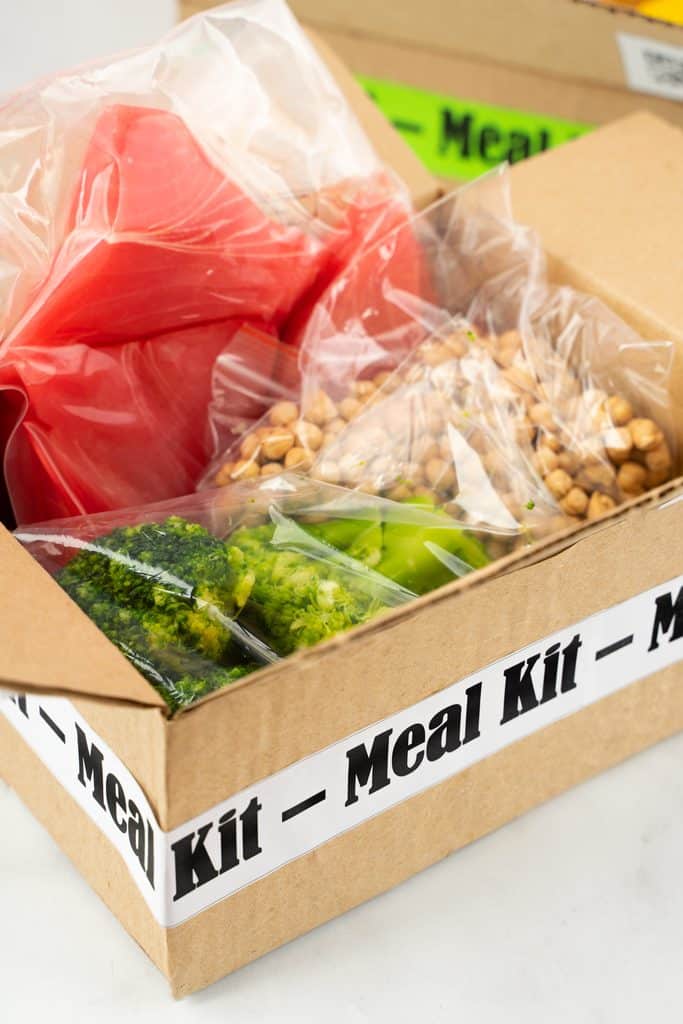
16. Pre-made salad kits for family dinners
For a quick lunch these are fine, and I’ll grab one occasionally for myself. For feeding the whole family, though, I found that building the same salad from a head of lettuce and a few toppings costs meaningfully less.
It takes a bit more prep time on my end.
For a family-size portion, the savings made it worth the extra few minutes almost every time.

17. Novelty-shaped chicken nuggets
The dinosaur and character-shaped nuggets carry a price premium over the plain shape version with the same basic ingredients.
My kids honestly never noticed the shape difference once they were on the plate in front of them.
We switched to the plain-shape bag at a lower price point, and dinner went exactly as smoothly as it always had.
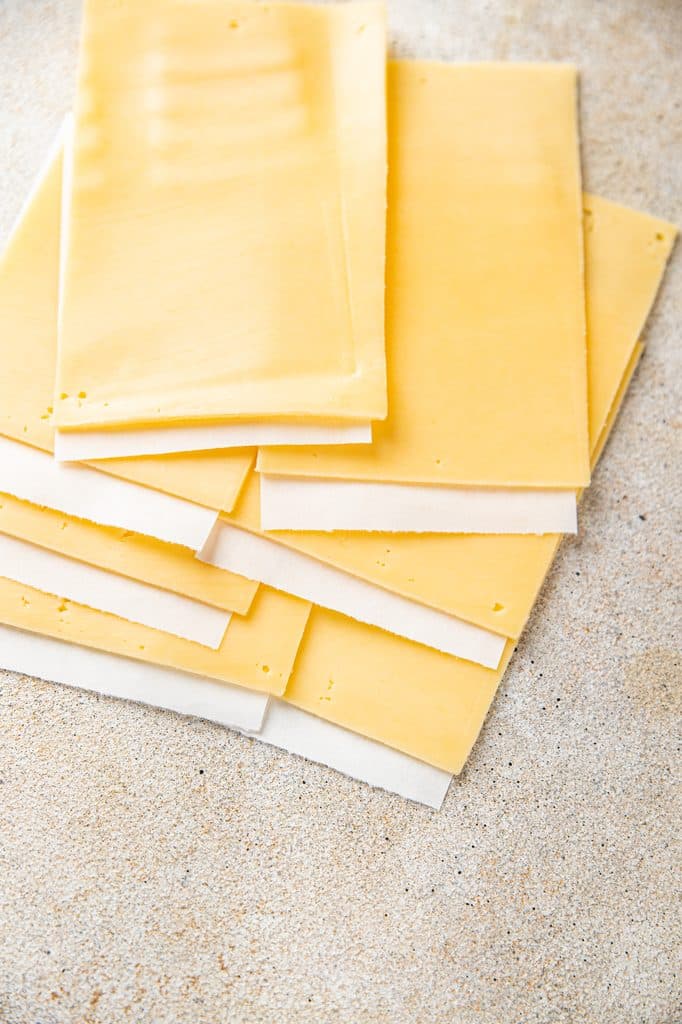
18. Individually wrapped cheese slices
A block of cheese sliced at home does the same sandwich job for a lower per-slice cost, and it was an easy early swap once I started comparing prices closely at the store.
The individually wrapped slices carry a real markup for the convenience.
My kids’ sandwiches taste exactly the same either way, so this one was easy to stick with long term.
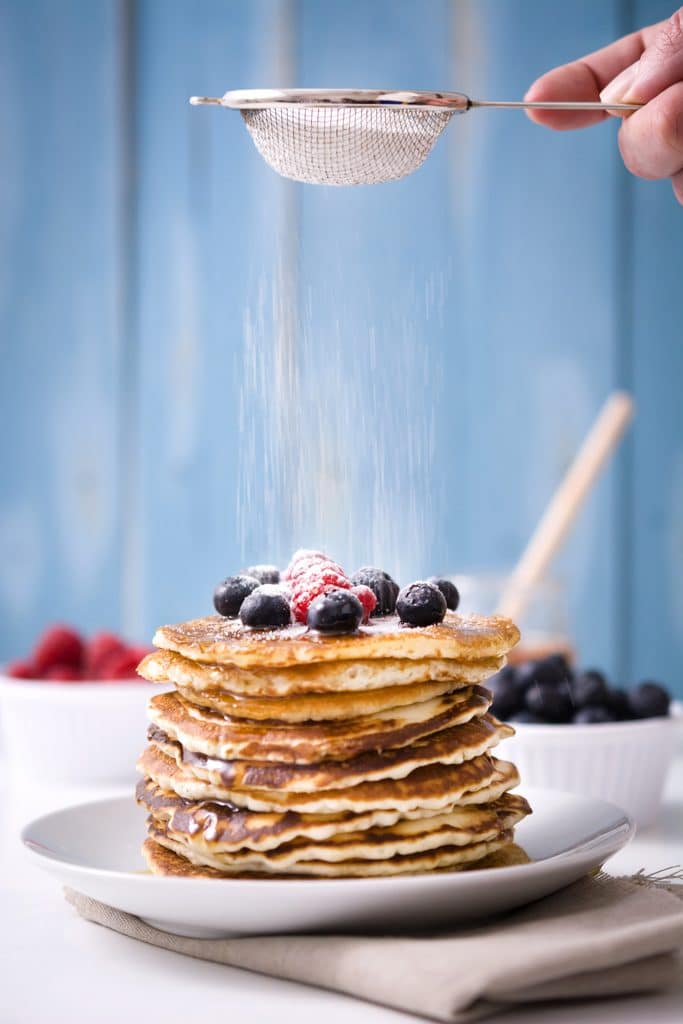
19. Pre-made pancake and waffle mixes
A basic homemade pancake batter uses ingredients I already keep in the pantry: flour, eggs, milk, and a bit of baking powder.
You'll Want This Too
Making a double batch to freeze for busy mornings costs less than buying the specialty just-add-water mixes.
I keep a stack of frozen pancakes ready to go now, which turned out to be just as convenient as the boxed mix ever was.
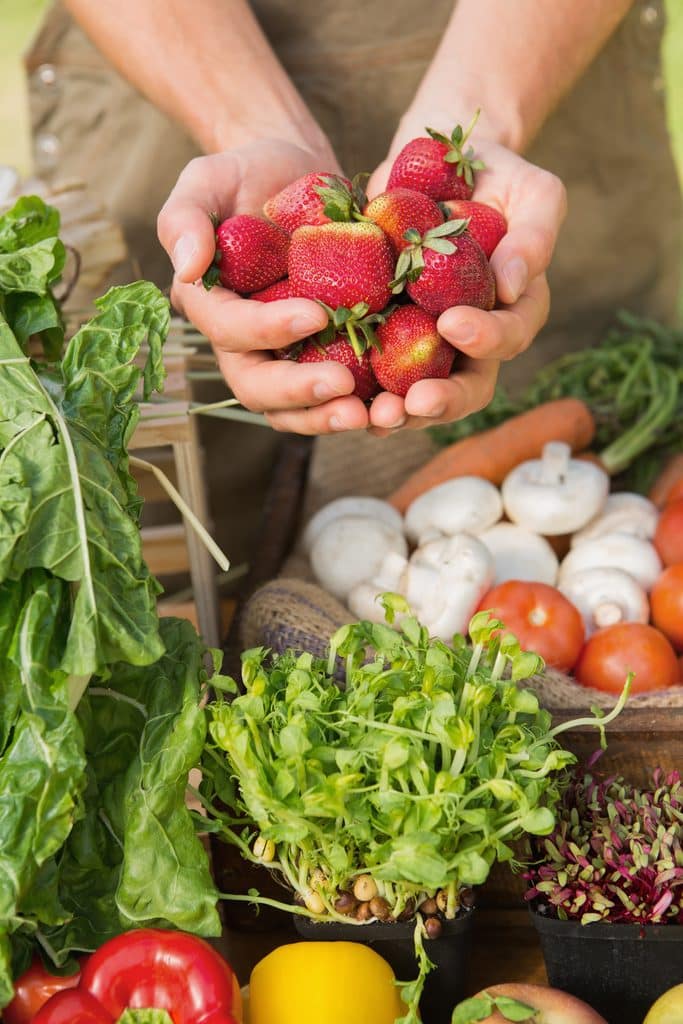
20. Specialty organic versions of everything, without checking which ones matter
Buying the organic version of every product used to be reflexive for me, regardless of cost.
After learning more about which produce items tend to carry the most residue versus the least, I now prioritize organic selectively rather than across the board.
That shift alone brought our grocery bill down noticeably without changing much about how we actually eat, and it’s part of why I lean on vegetables that taste completely different depending on how you cook them more than any specific label.
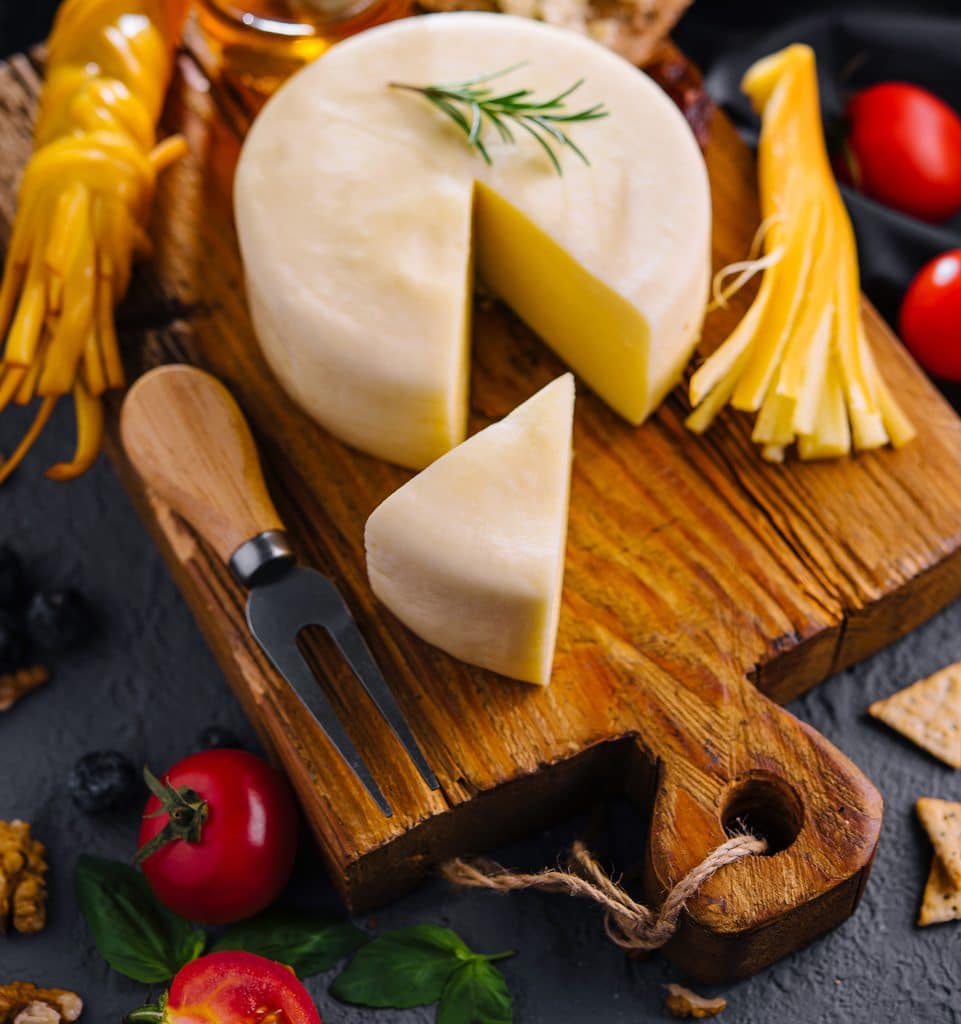
21. Pre-shredded cheese over a block
A block of cheese is consistently cheaper per ounce than pre-shredded bags, and shredding it myself takes only a minute or two with a box grater I already had in a drawer.
The savings added up more than I expected once I started buying blocks regularly.
It’s a small change, but it’s one that’s stuck for us without any real extra effort on my part.
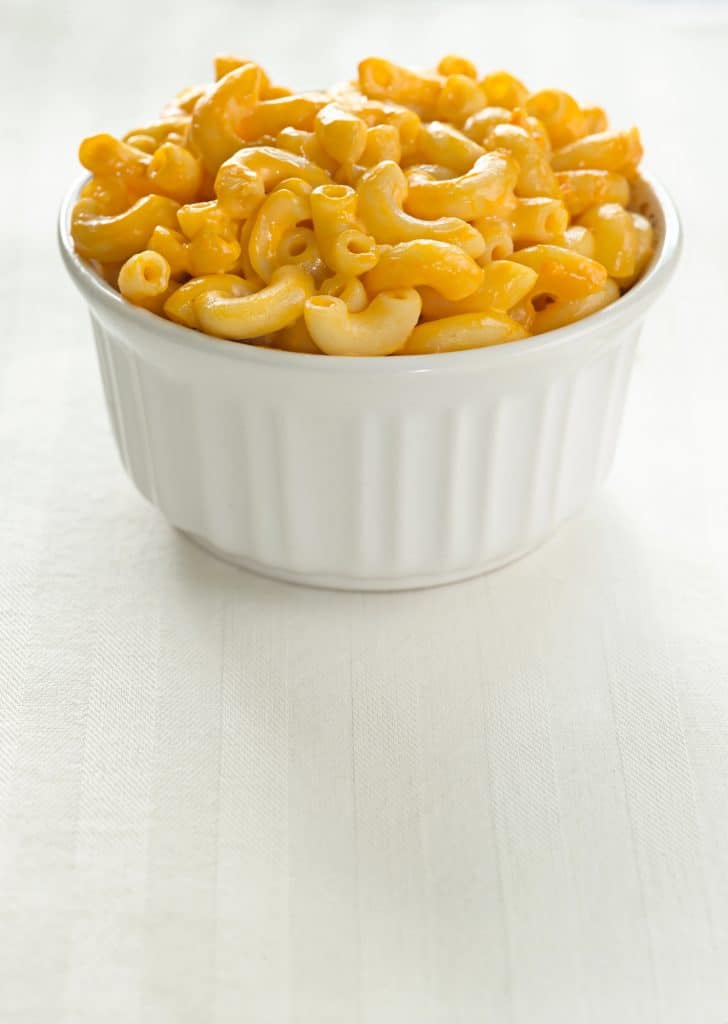
22. Boxed mac and cheese as the only option
We still keep some on hand for busy nights, and I’m not going to pretend it doesn’t get used. I started making a simple homemade version in bulk and freezing portions, though, which stretches the grocery budget further than buying box after box.
The homemade version has honestly become the default now, with the boxed kind reserved for the nights when even that feels like too much.
Make it easier: freeze it in single-serving portions so reheating one bowl is just as fast as opening a box.
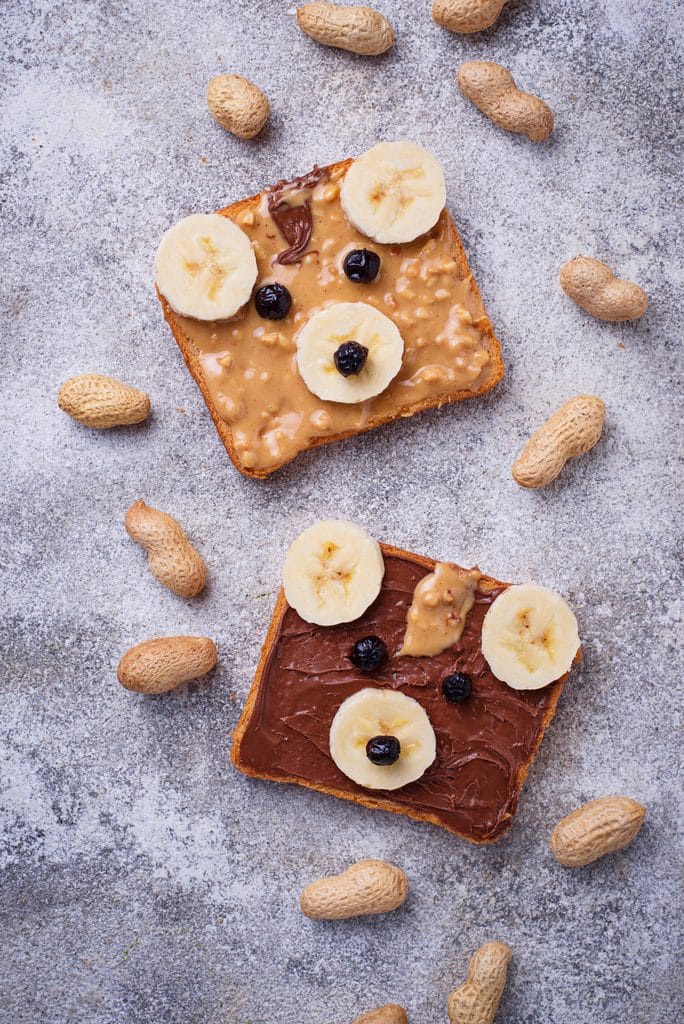
23. Pre-made lunchables-style kits for regular lunches
These are handy for a busy day, and I keep one or two in the pantry for exactly that reason.
Assembling the same crackers, cheese, and meat myself into a reusable container costs noticeably less over a school year.
I do a version of this on Sunday nights now, packing a few lunches ahead so the week feels a little less rushed in the mornings.
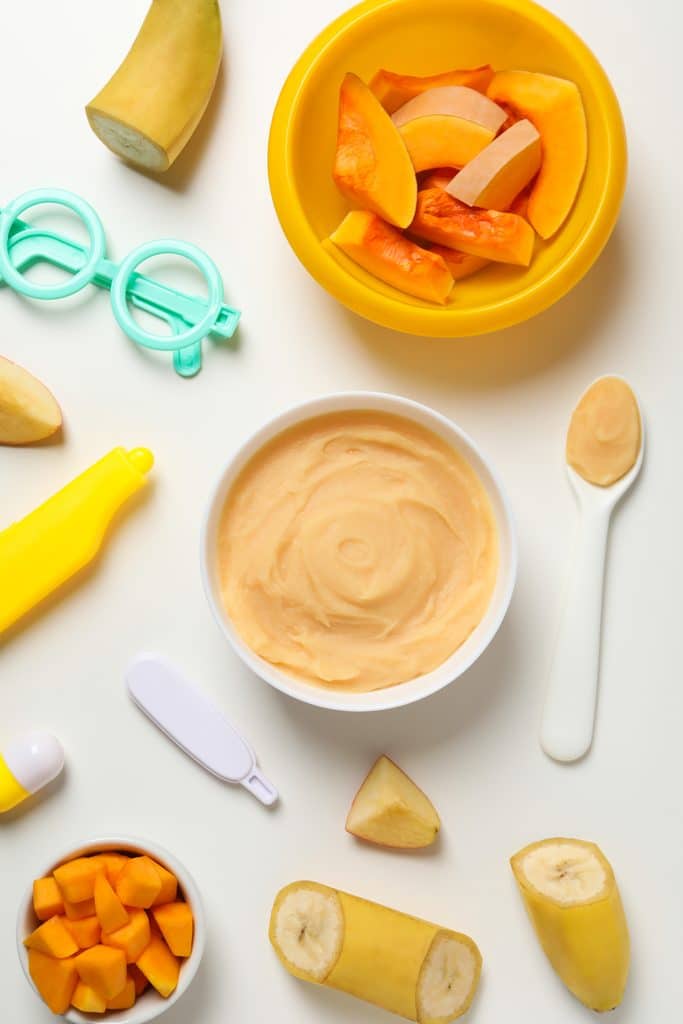
24. Specialty “toddler” snacks with a big markup
A lot of toddler-specific snack products are priced higher than a very similar regular snack with slightly different packaging.
Once I actually compared ingredient lists side by side on a couple of them, the differences were mostly cosmetic.
Go Deeper
The Picky Eater Playbook: What Worked, What Backfired, and What I Wish I’d Known Sooner →
"I tried everything. This is what actually helped."
I started reading labels more carefully after that, before grabbing anything with a toddler-specific label on the front.
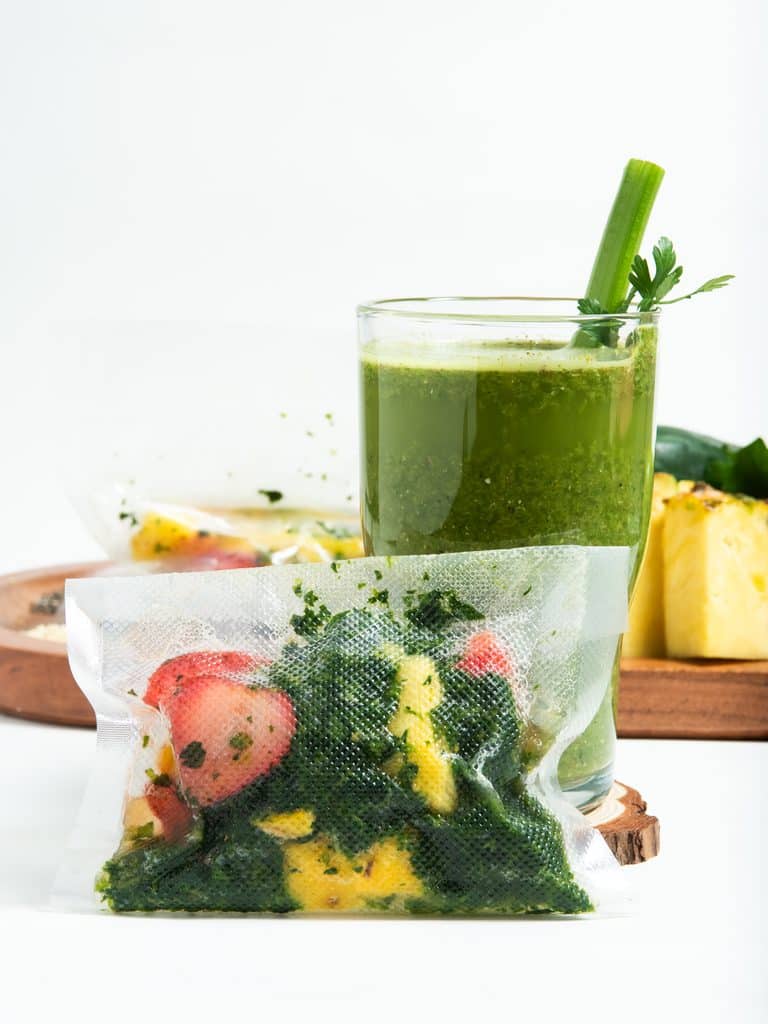
25. Pre-made lunch smoothie packs
The frozen pre-portioned smoothie packs are genuinely convenient on a busy morning, and I still keep a few around for the rare rushed day. I found I was paying a real premium for someone else to chop fruit I could freeze myself in bulk during a sale, though.
Make it easier: buy fruit when it’s cheapest, chop it, and freeze it flat on a tray before bagging it, so it doesn’t clump.
Now I do my own version of that same prep on a weekend, for noticeably less money.
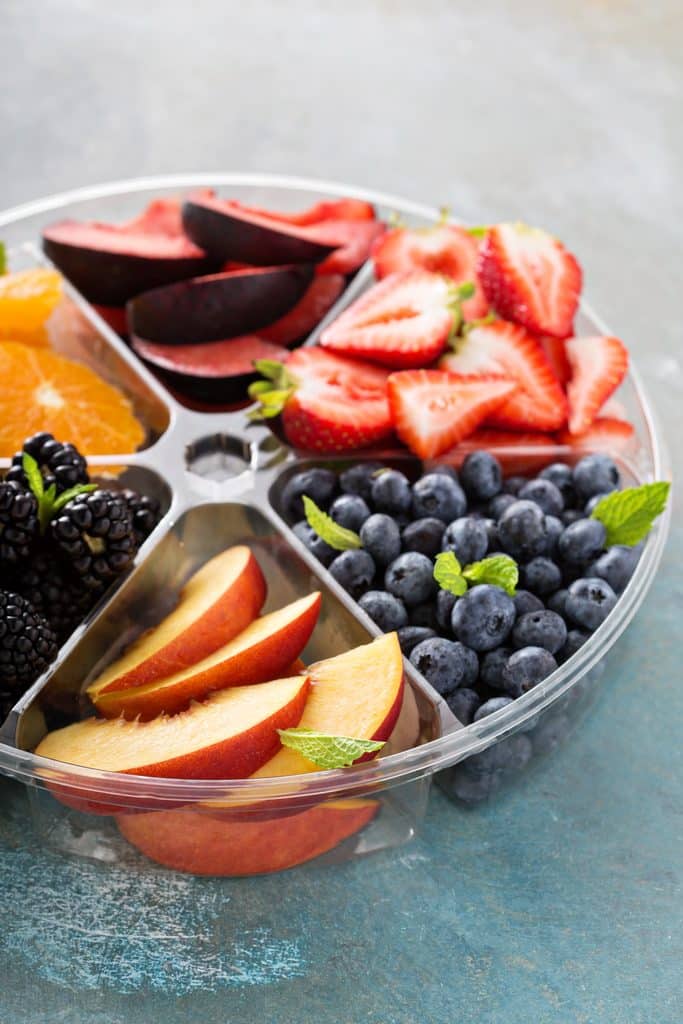
26. Pre-cut fruit trays for everyday snacking
Pre-cut fruit is worth it for a party, and I still buy it that way when we’re hosting. For daily snacking, ten minutes of cutting on a Sunday sets up the whole week for less money than buying pre-cut portions every few days.
I keep containers of cut fruit ready in the fridge from my own weekend prep now, similar to how I handle the fruits I keep on the counter so my kids grab those instead of a bag of chips.
It’s honestly become one of the easier parts of my weekly routine.

27. Juice boxes as a daily staple
Juice boxes were a regular grocery item for us early on, mostly because they felt like the easy, kid-approved option.
Once I looked at the sugar content and the actual cost per ounce, it stopped making sense as a daily habit.
We shifted to water as the default with juice kept for occasional treats instead, and my kids adjusted to that pretty quickly once it became the new normal.
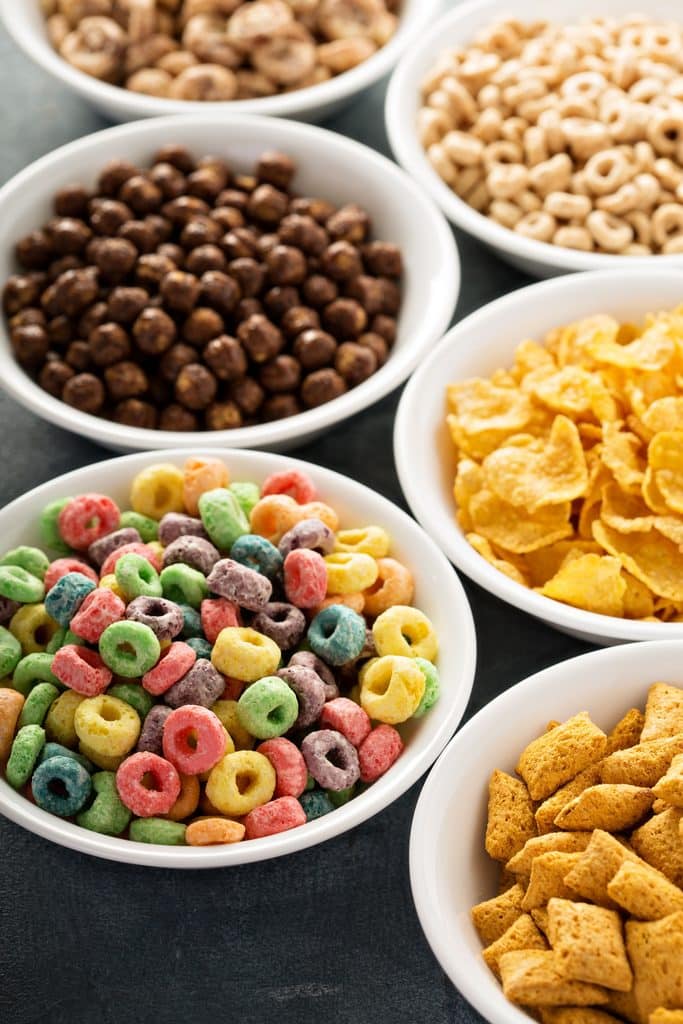
28. Name-brand cereal across the board
I used to buy only name-brand cereal out of habit, without really questioning it. After a few side-by-side taste tests with my kids, several store-brand versions passed without complaint, which surprised me a little.
Now that’s where a good chunk of our cereal budget goes.
I’ve kept the name-brand box only for the one flavor my kids actually noticed a difference on.
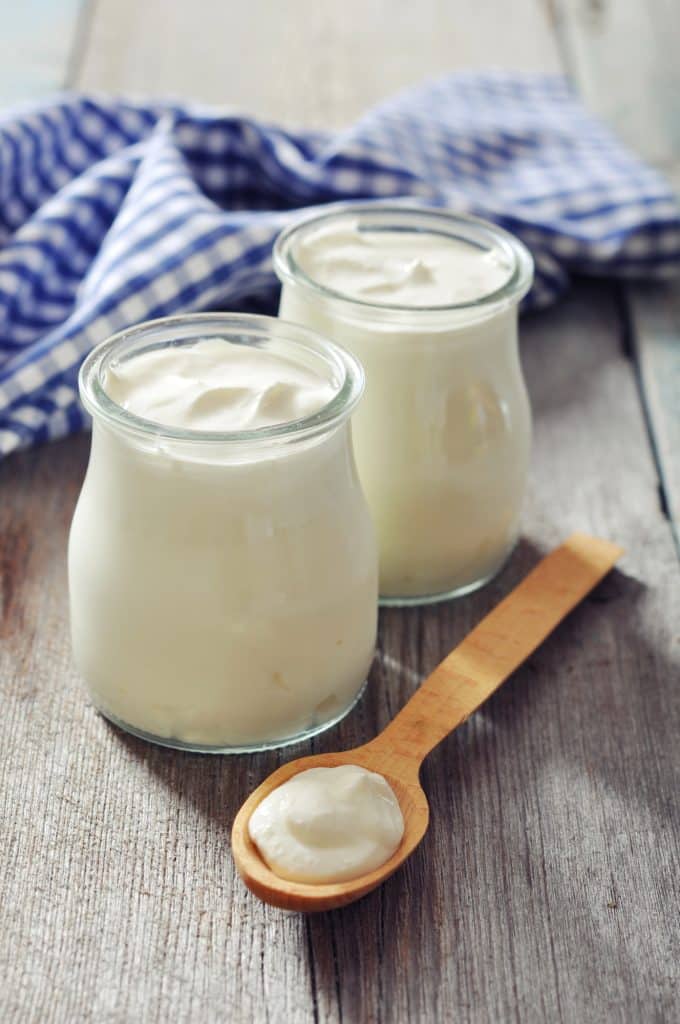
29. Single-serving yogurt cups over a large tub
The large tub of yogurt works out to noticeably less per serving than the individual cups, and portioning it into reusable containers takes only a few extra minutes on grocery day.
Make it easier: portion the whole tub right after you unload groceries so it’s ready to grab all week without extra thinking.
The switch was one of the easier ones I made, since the yogurt inside is usually identical either way.
What Everyone's Making
27 Vegetables With So Much Flavor You Won’t Miss the Cheese →
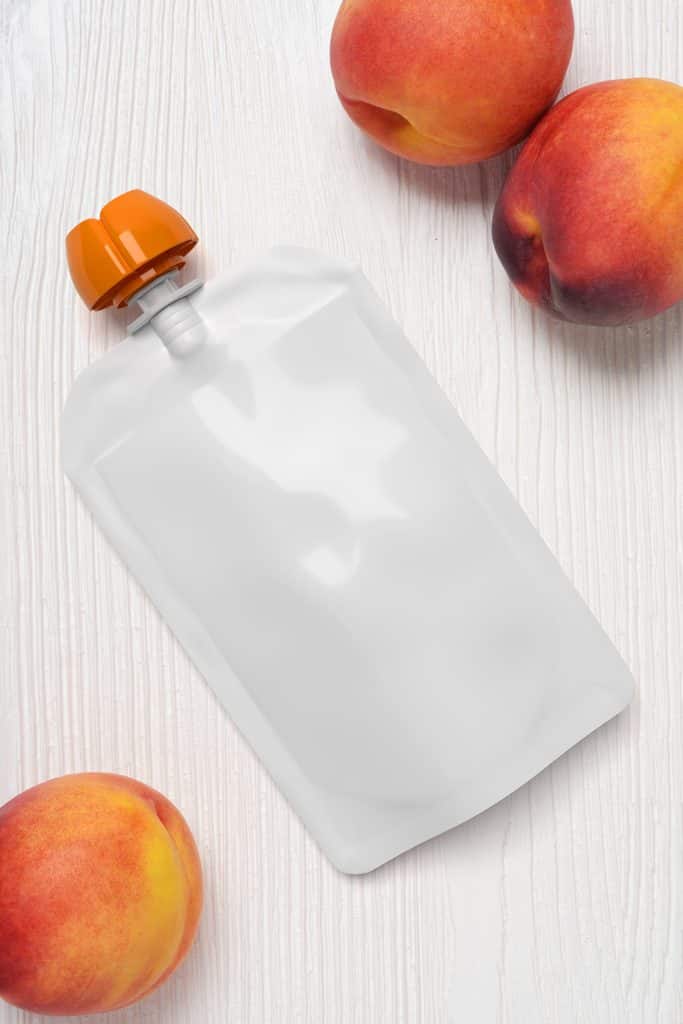
30. Pre-made baby food pouches for everyday feeding
Pouches are a lifesaver on the go, and I still keep a few in my bag for outings. For regular at-home meals, though, steaming and mashing a batch of vegetables myself, then freezing it in small portions, costs a fraction of buying pouches for every meal.
Make it easier: freeze the puree in an ice cube tray, then transfer the cubes to a bag once frozen, so portions are already sized.
I batch it once a week now, and it’s become one of those small routines that quietly saves a noticeable amount each month.

31. Bottled water for the whole family
We switched to reusable water bottles and a basic pitcher filter instead of buying cases of bottled water, and it was one of the more noticeable line items to disappear from our grocery bill.
The upfront cost of the filter paid for itself fairly quickly.
Everyone in the house has their own bottle now, and refilling has just become part of the routine without anyone missing the bottled version.
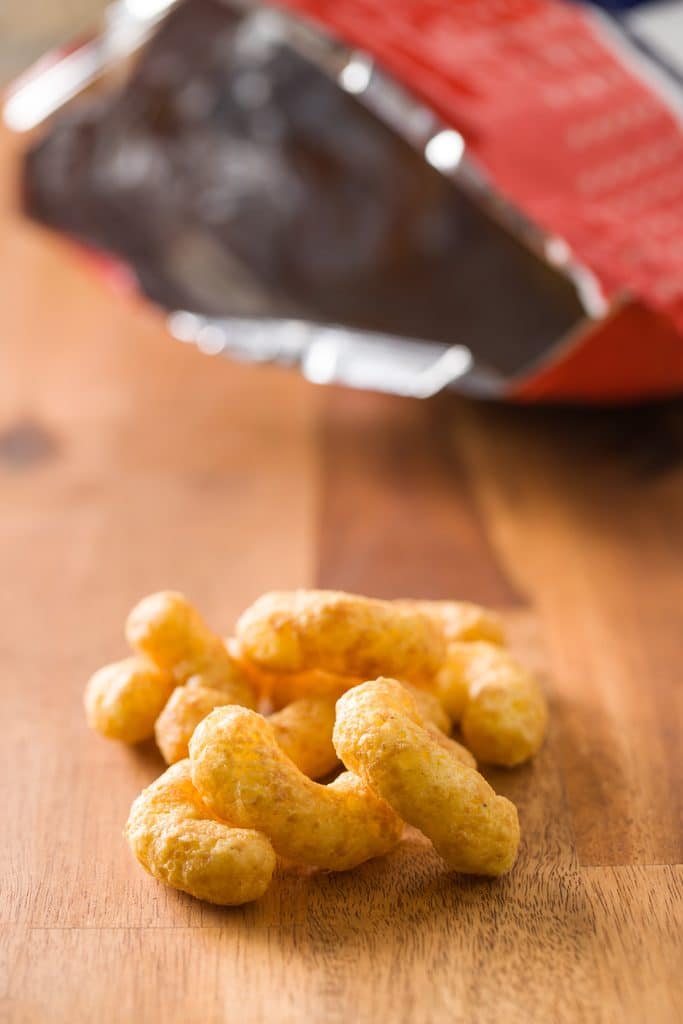
32. Individually wrapped snack packs
Grabbing the little pre-portioned bags of crackers and fruit snacks felt like the easy choice for years, mostly because it was one less thing to think about before school.
Then I sat down and compared the price per ounce to the family-size bag, and the gap was bigger than I expected.
Now I buy in bulk and portion things myself into reusable containers, and my kids genuinely don’t notice the difference in their lunchboxes.
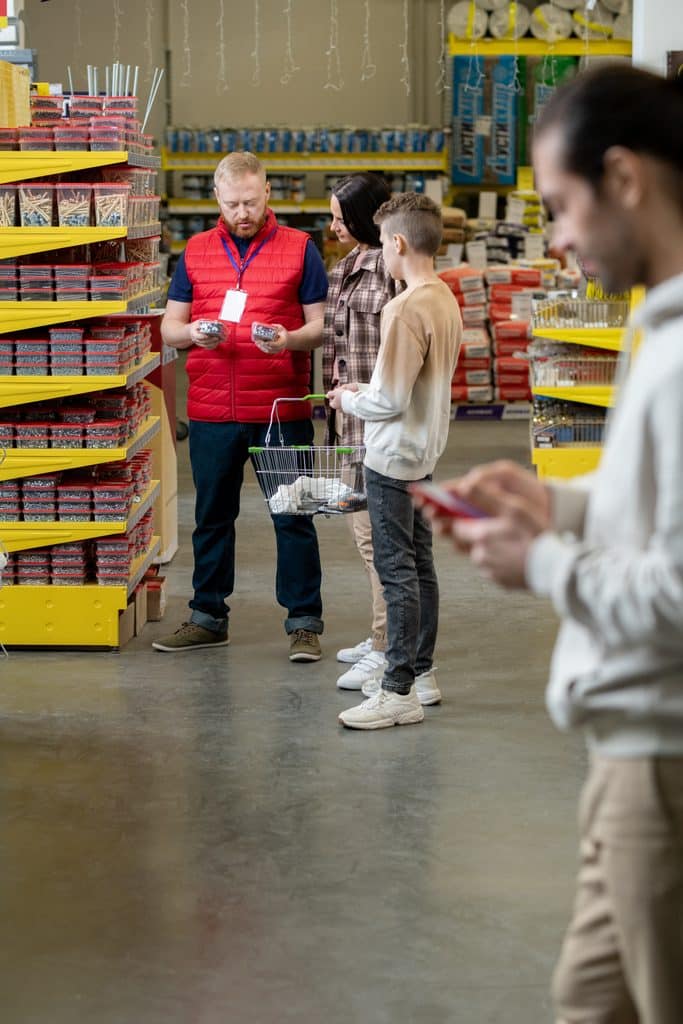
33. Specialty “family size” versions that weren’t actually a better deal
I learned to check the unit price on family-size packaging rather than assuming bigger automatically means cheaper per ounce, since that isn’t always true.
A few times I caught the family-size option actually costing more per unit than the smaller package sitting right next to it.
Checking that unit price tag has just become an automatic part of how I shop now, no matter what size the package claims to be.

34. Specialty gummy or drink mix vitamins were never the real problem
Honesty entry: for a while I assumed switching every “kid” product to a plain adult version was automatically the smarter, cheaper move, and I pushed that idea a little too hard around my own kitchen.
Some of those kid versions genuinely exist for a good reason, like portion control for younger kids or a flavor that gets a picky eater to actually take a vitamin.
I’ve backed off treating every specialty product as a scam. Some of them are just paying for a real problem they solve.