25 Vegetables That Taste Completely Different Depending on How You Cook Them
My youngest declared broccoli “disgusting” at dinner on a Tuesday, then ate three servings of it roasted with parmesan two nights later and asked what it was called. I didn’t correct him.
That’s the whole premise of this list, honestly. The same vegetable can be a fight or a favorite depending on what I do to it before it hits the plate.
I’ve cooked most of these 25 vegetables a dozen different ways over the years, some out of curiosity and some out of pure Tuesday-night desperation. Here’s what actually changes when the method changes, starting with the everyday stuff and working toward the vegetables that only show up when I have more time.
1. Carrots
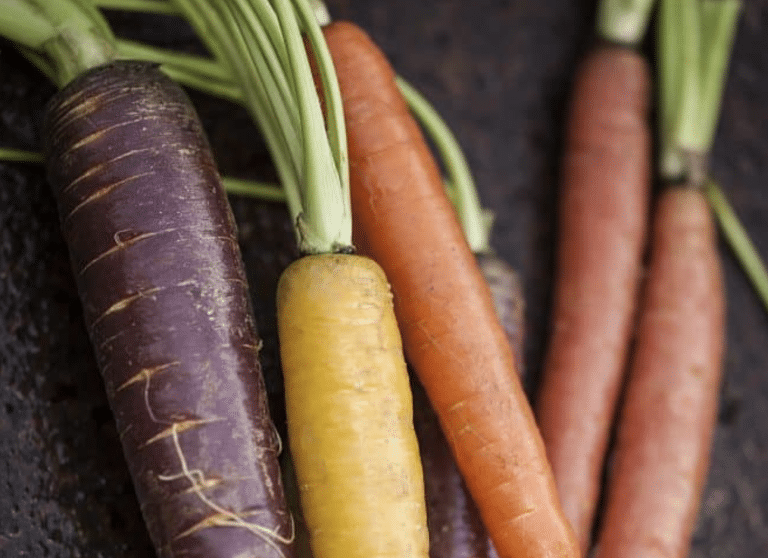
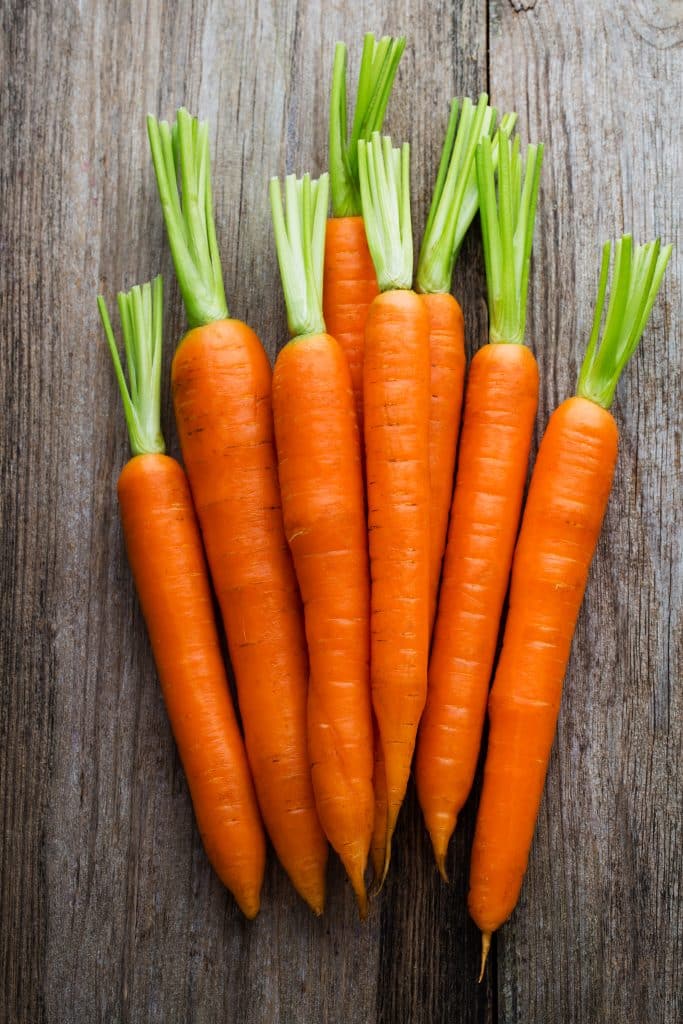
Raw carrots are crunchy and a little sharp. Roasted, they turn almost like candy. My kids will snub the raw sticks in a lunch box and then fight over the roasted ones from the same bag.
How I use it: toss them in olive oil, salt, and a little honey and roast until the edges go dark and sticky.
2. Cauliflower
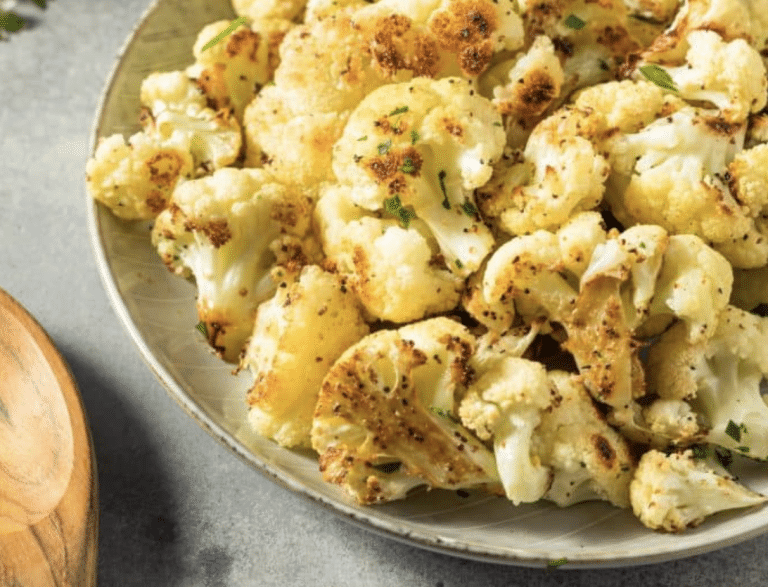
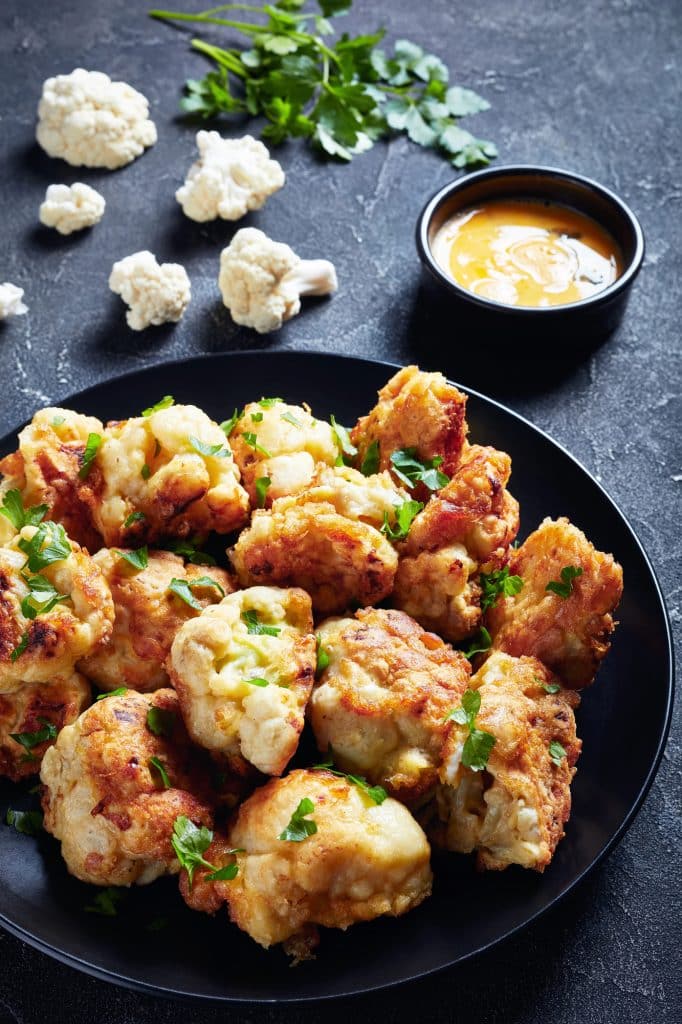
Boiled cauliflower is mushy and honestly kind of sad. Roasted hot and fast, it browns at the edges and gets a nutty flavor that steamed cauliflower never gets close to.
I used to only steam it because that’s what my mom did. Once I tried roasting it at a high temperature, I never went back.
How I use it: cut into florets, roast at a high heat, and finish with a squeeze of lemon right out of the oven.
3. Broccoli
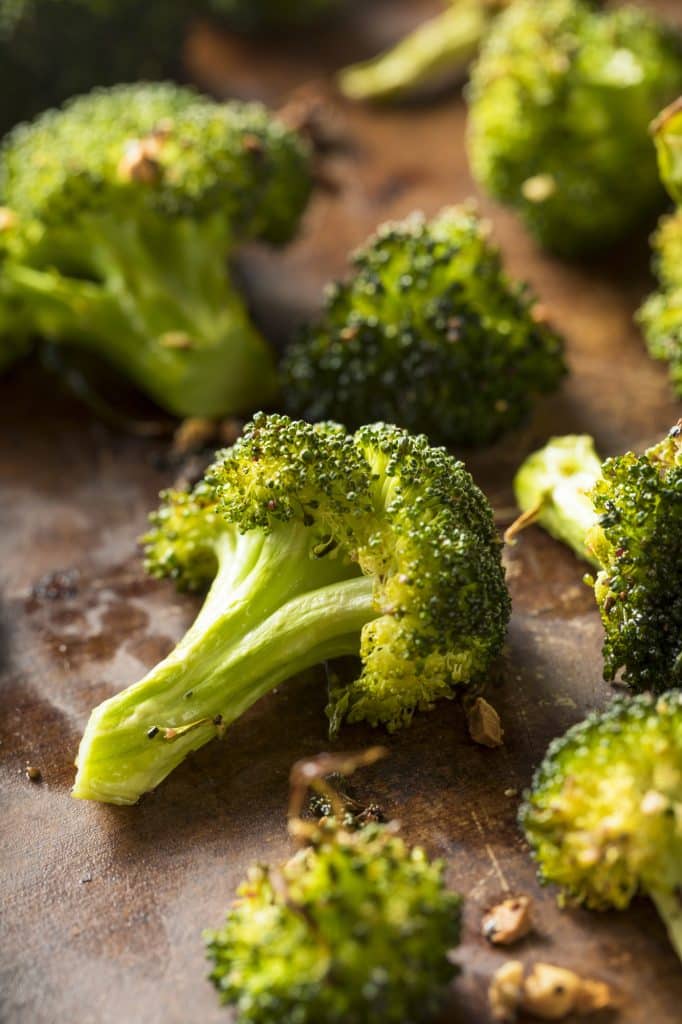
Steamed broccoli tastes green in a way that’s hard to describe if you haven’t had the alternative. Roasted broccoli tastes like a different food entirely, closer to a snack than a side dish.
This is the vegetable that started the whole “wait, this is broccoli?” conversation in my kitchen. My oldest genuinely didn’t believe me the first time.
How I use it: high heat, a little char on the florets, salt right after it comes out of the oven while it’s still hot.
4. Brussels Sprouts
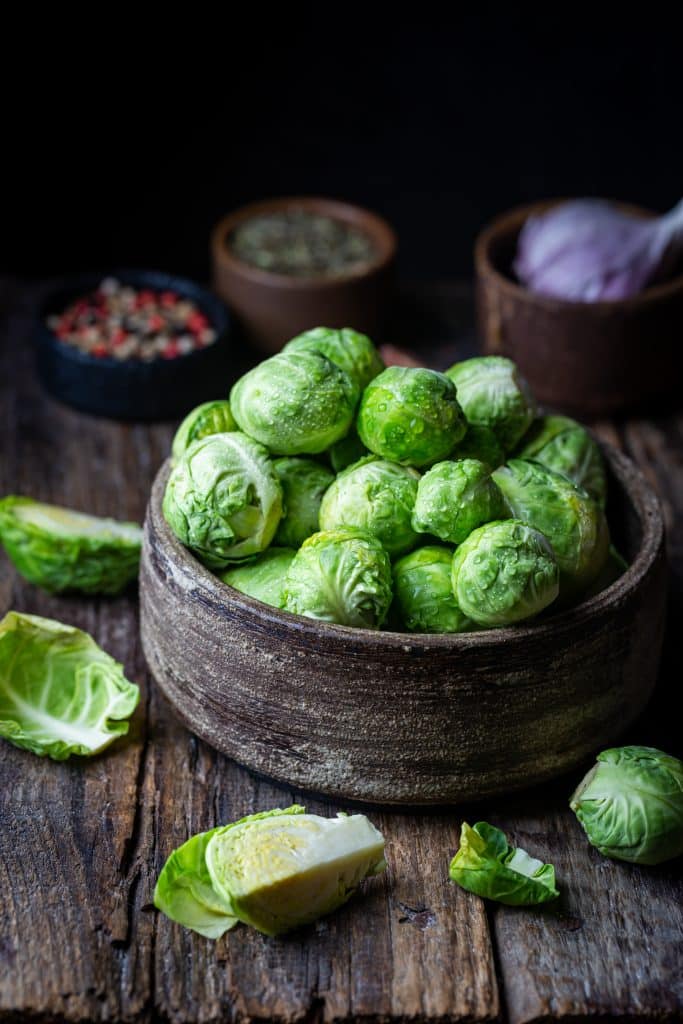
Boiled brussels sprouts are the reason an entire generation swears they hate them. Bitter, soft, a little gray. Roasted and halved cut-side down, they crisp up and turn genuinely sweet.
How I use it: halve them, toss with oil and a little bacon fat if I have it, and roast cut-side down until they’re dark and crackly.
This is one of the swaps I mention whenever I’m rounding up mom life hacks that actually save time, because roasting a whole sheet pan of these while I do something else in the kitchen feels like cheating.
5. Cabbage
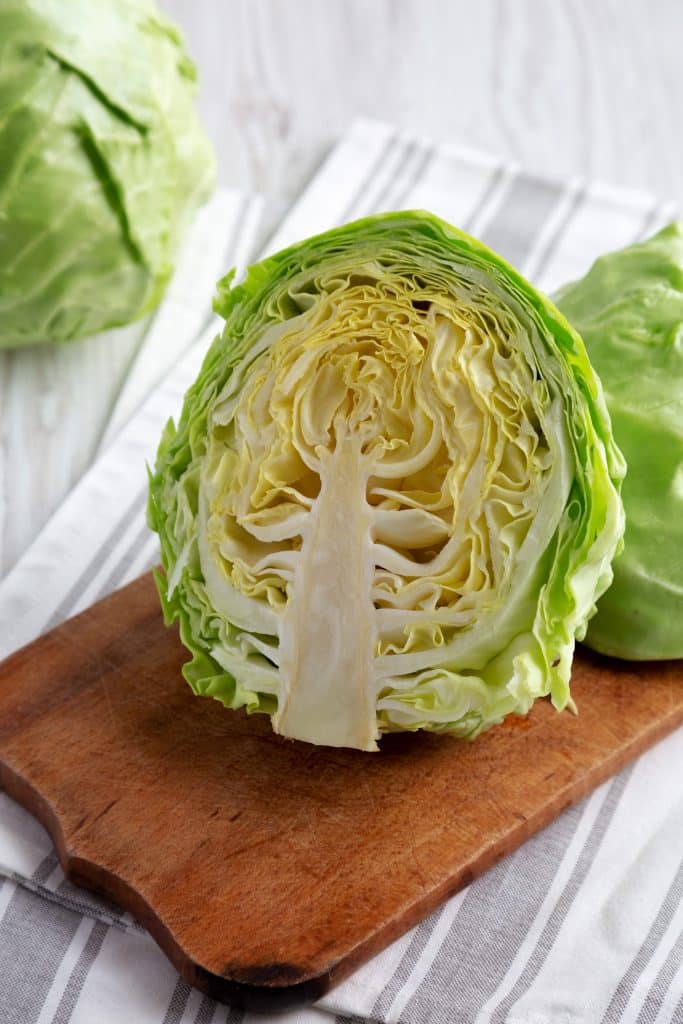
Raw and shredded, cabbage is crunchy and peppery. Cooked low and slow, it turns soft and almost sweet, closer to caramelized onion than the salad it started as.
How I use it: slice it thin, cook it in butter over low heat for a long time, and don’t rush it. It needs the time to soften properly.
6. Onions
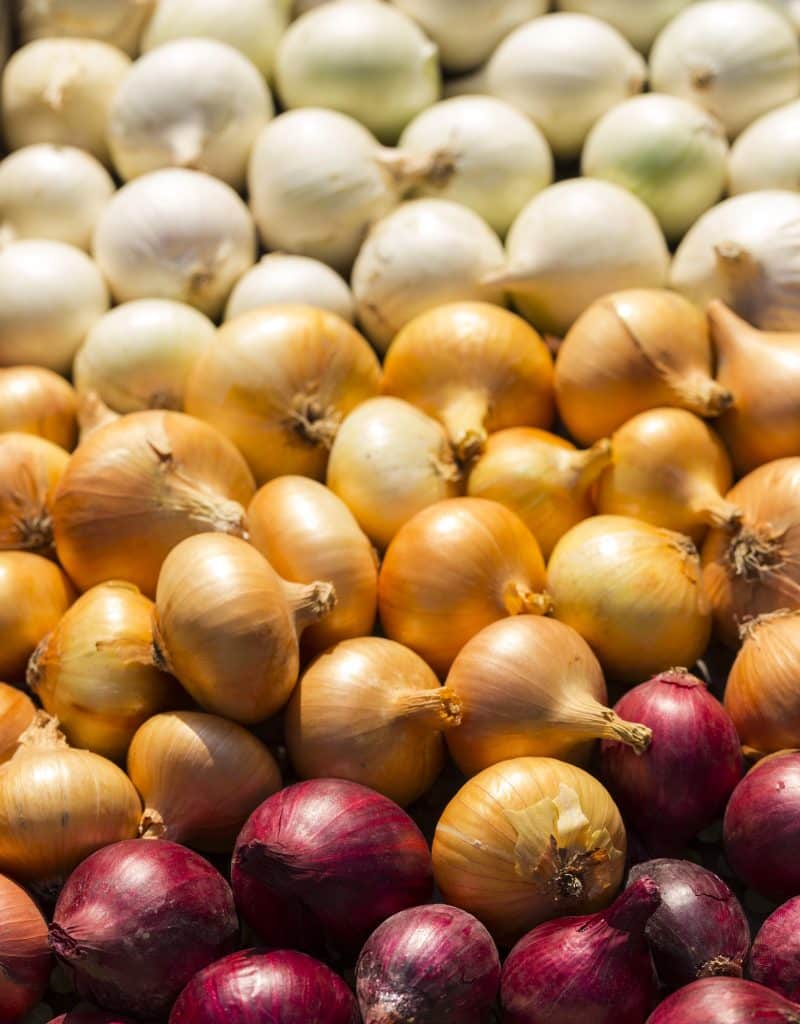
Raw onion is sharp enough to clear your sinuses. Caramelized slowly, that same onion turns jammy and almost sweet, with no bite left at all.
My husband will eat almost anything, but even he notices the difference between a quick sauté and a real forty-minute caramelize.
How I use it: low heat, a lot of patience, and butter instead of oil for a deeper flavor at the end.
7. Garlic
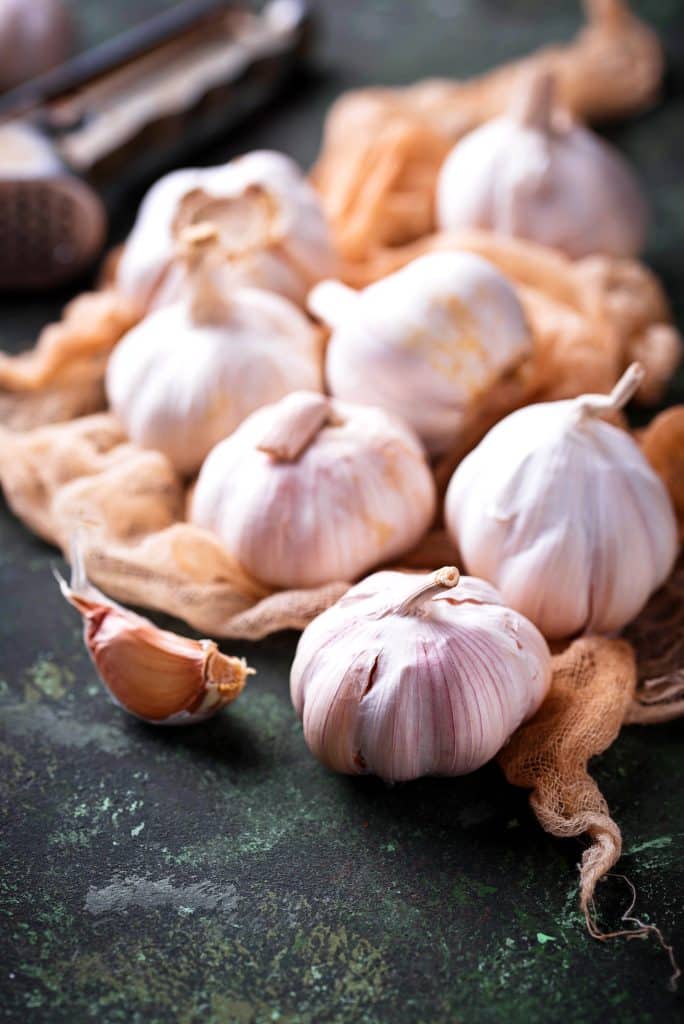
Raw garlic is aggressive, almost spicy. Roasted whole in its skin, it turns into something you can spread on bread like butter, mellow and a little sweet.
How I use it: cut the top off a whole head, drizzle it with oil, wrap it in foil, and roast it alongside whatever else is already in the oven.
8. Mushrooms
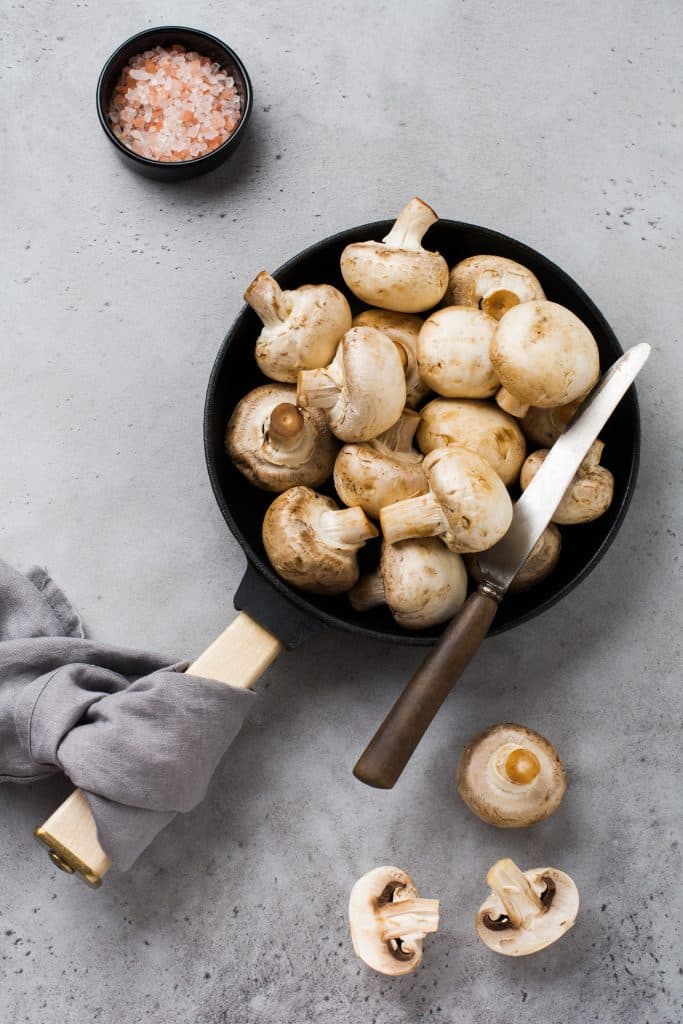
Mushrooms cooked in a crowded pan just steam and turn rubbery. Give them room to spread out in a hot pan, and they actually brown and get meaty.
I made this mistake for years without realizing it. A crowded pan of mushrooms just releases water and sits in it.
How I use it: single layer, hot pan, and I resist stirring them for a couple of minutes so they actually get color.
9. Zucchini
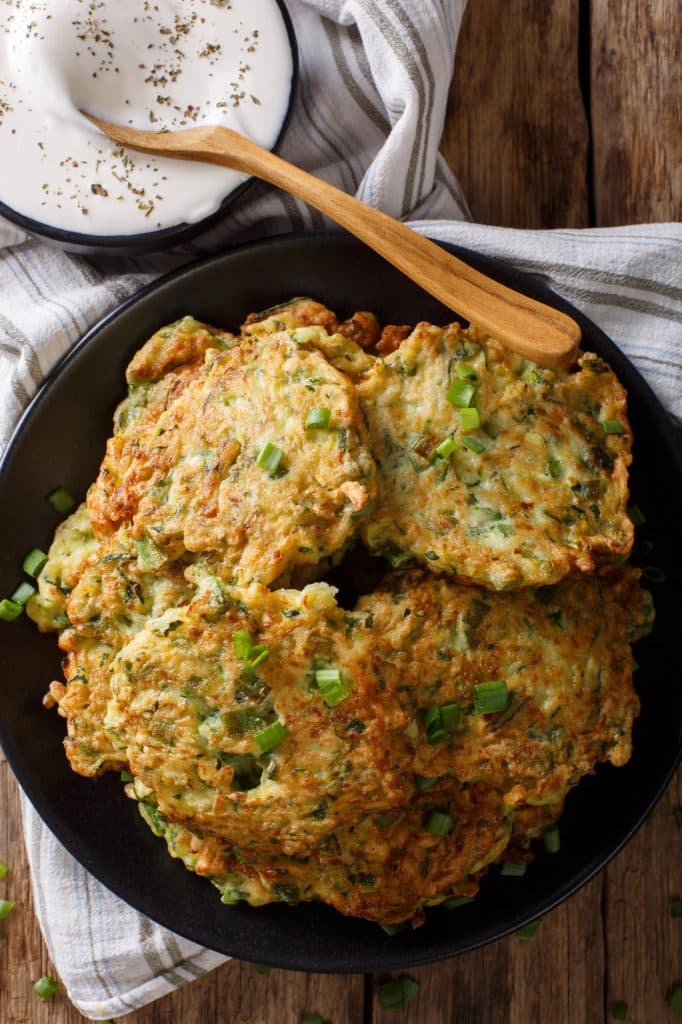
Sautéed too fast, zucchini goes watery and bland. Grilled or roasted with the moisture given somewhere to go, it holds its shape and picks up actual char flavor.
How I use it: thick slices, high heat, and I salt them ahead of time and pat them dry so they don’t just release water in the pan.
From My Kitchen
21 Produce Picks I Sneak Into Dinner Without Anyone Noticing →
"This is the trick that finally got my pickiest eater to finish a plate."
10. Bell Peppers
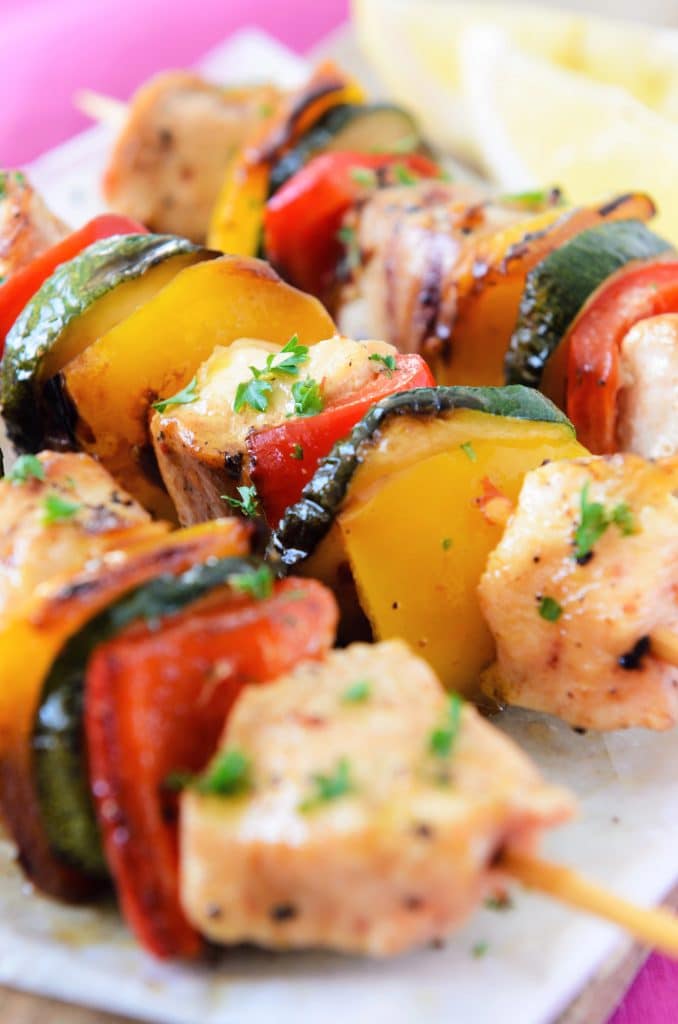
Raw bell pepper is crisp and a little grassy. Charred over direct heat, the skin blisters and the inside turns soft and almost smoky, nothing like the raw version at all.
How I use it: char them whole over a flame or under the broiler, then peel once they’ve cooled enough to handle.
11. Eggplant
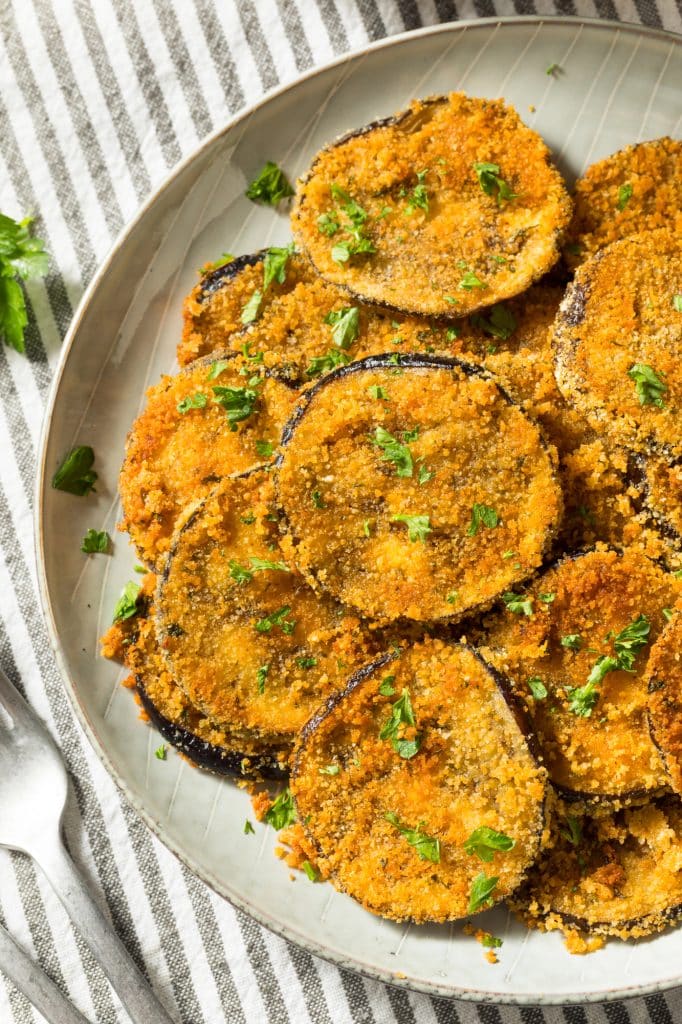
I’ll say the unpopular thing: boiled or steamed eggplant isn’t worth cooking. It turns slimy, it holds water like a sponge, and there’s no amount of seasoning that fixes the texture.
Roasted or pan-fried until it actually browns is a completely different vegetable. That’s the only version I’ll serve in my house now.
How I use it: salt the slices first to pull out extra moisture, then roast or pan-fry until the edges are properly golden.
12. Sweet Potatoes
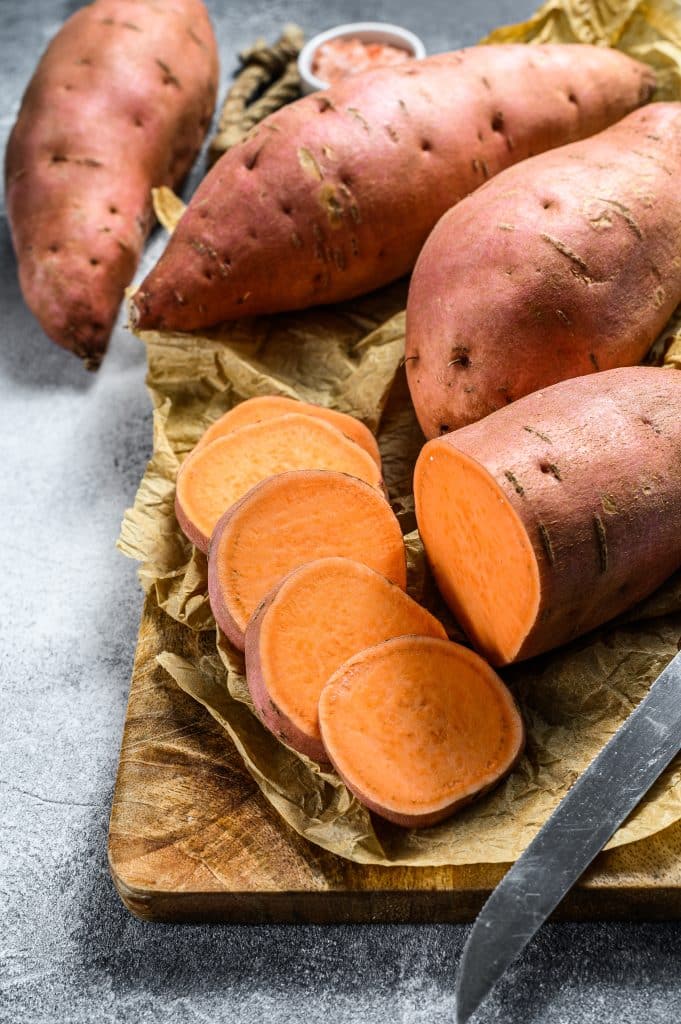
Boiled sweet potato is fine but forgettable. Roasted at a real high heat until the sugars start to caramelize on the outside, it’s basically dessert-adjacent.
How I use it: cube them, roast hot, and don’t crowd the pan or they’ll steam instead of caramelize.
This is one I lean on when I’m putting together dirt-cheap plant foods that pack real protein and staying power, since a tray of these fills my kids up fast for almost nothing.
13. Potatoes
Boiled and mashed, potatoes are soft comfort food. Roasted whole with the skin left on, they get a crackly outside and a completely different bite.
How I use it: parboil first, then roast in a hot oiled pan so the outside gets properly crisp before the inside finishes cooking.
You'll Want This Too
14. Beets
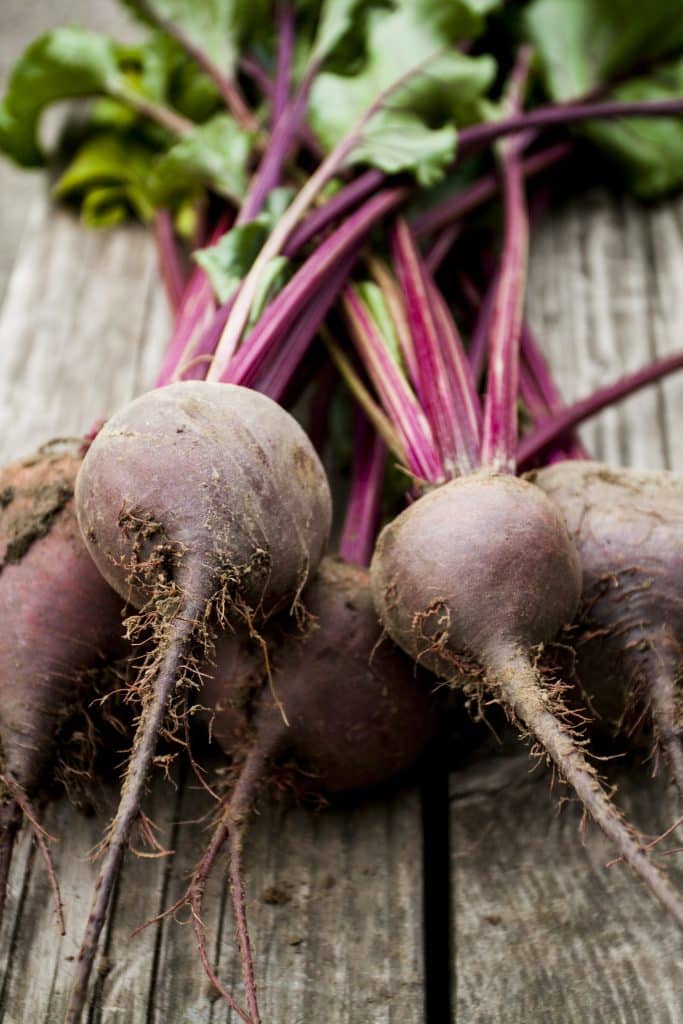
Raw beet is earthy in a way some people love and some people can’t get past. Roasted whole and wrapped in foil, that earthiness softens into something closer to sweet.
How I use it: wrap them whole in foil and roast until a knife slides in easily, then peel while they’re still warm.
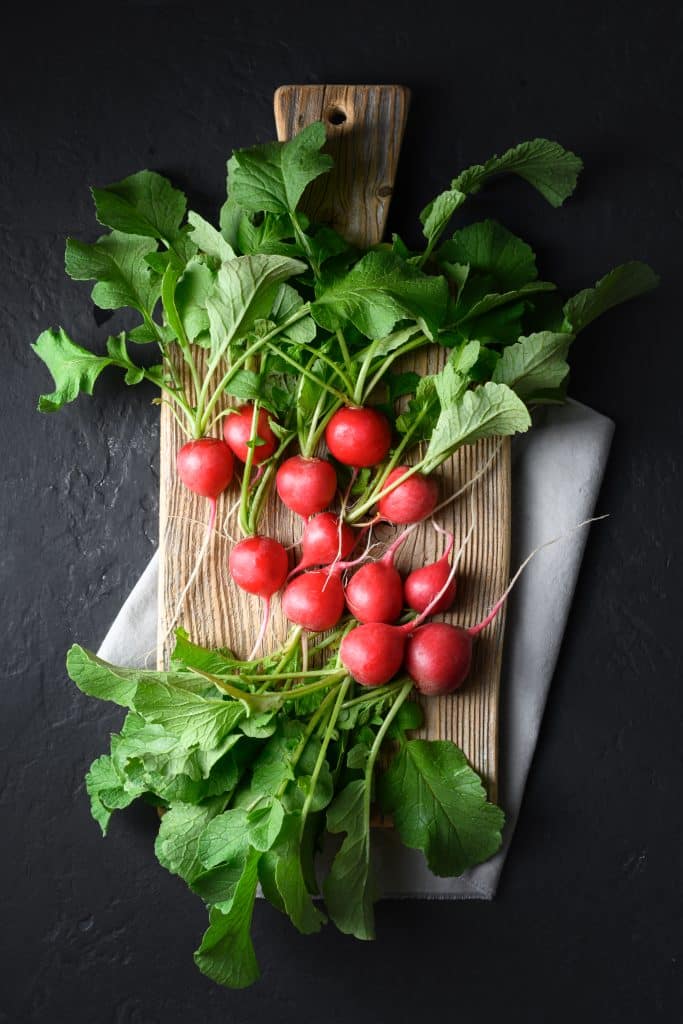
15. Radishes
Raw radish is peppery and sharp, almost like a spicier cucumber. Roasted, that pepperiness mellows out completely and they taste closer to a mild turnip.
Trust me on this one if you’ve written radishes off as a garnish. Cooked, they’re a real side dish.
How I use it: halve them, roast with butter and a little salt, until the edges brown and the sharpness disappears.
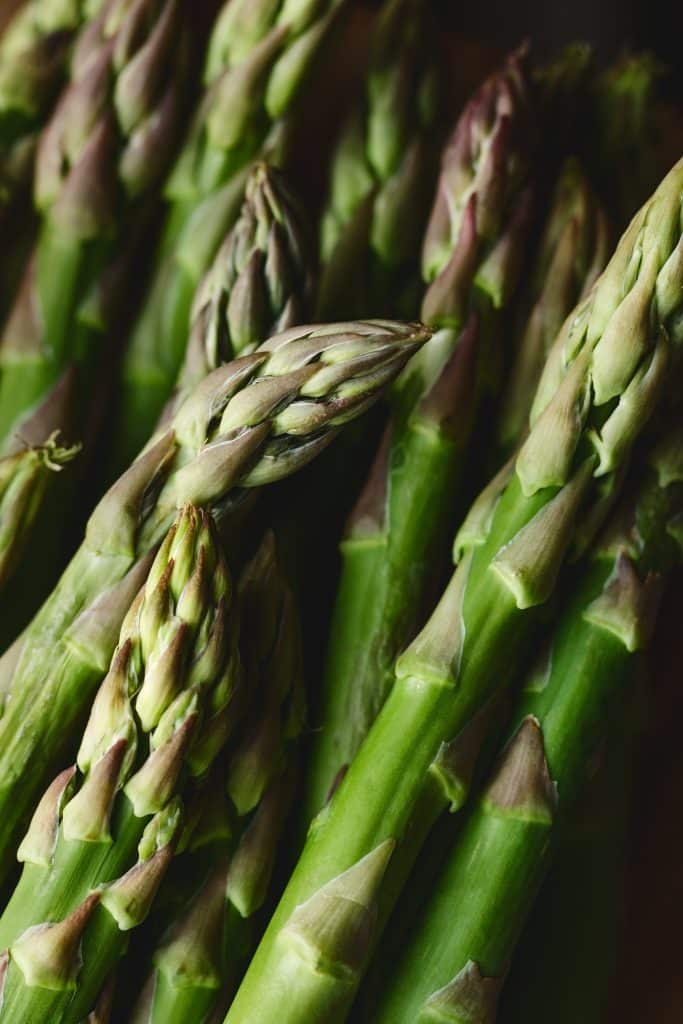
16. Asparagus
Boiled asparagus is limp and honestly not worth the trouble. Grilled or roasted quickly at high heat, it stays snappy and gets a little char on the tips.
How I use it: toss with oil, roast hot and fast, and pull it the second the tips start to brown.
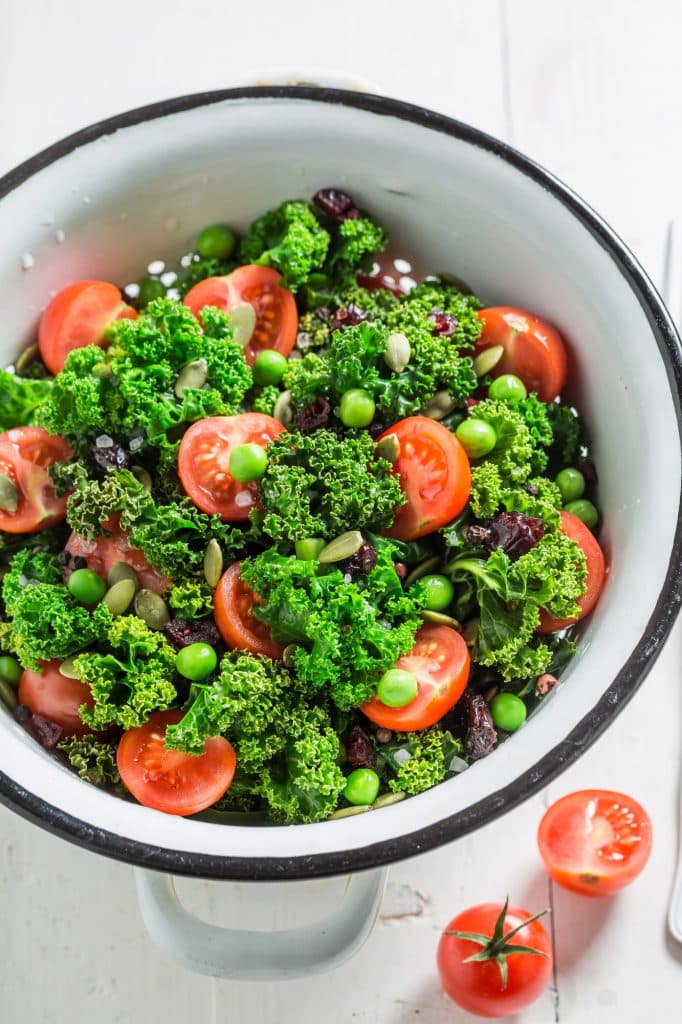
17. Kale
Raw kale is tough and a little bitter, even massaged. Cooked down in a hot pan with garlic, it softens completely and loses most of that bitterness.
This is one of the vegetables I mention whenever people ask me about sneaky ways to work more plants into a picky kid’s dinner, because cooked down small in a pan it disappears into almost anything.
How I use it: strip the ribs, chop small, and cook it down in a hot pan with garlic until it’s soft, not crisp.
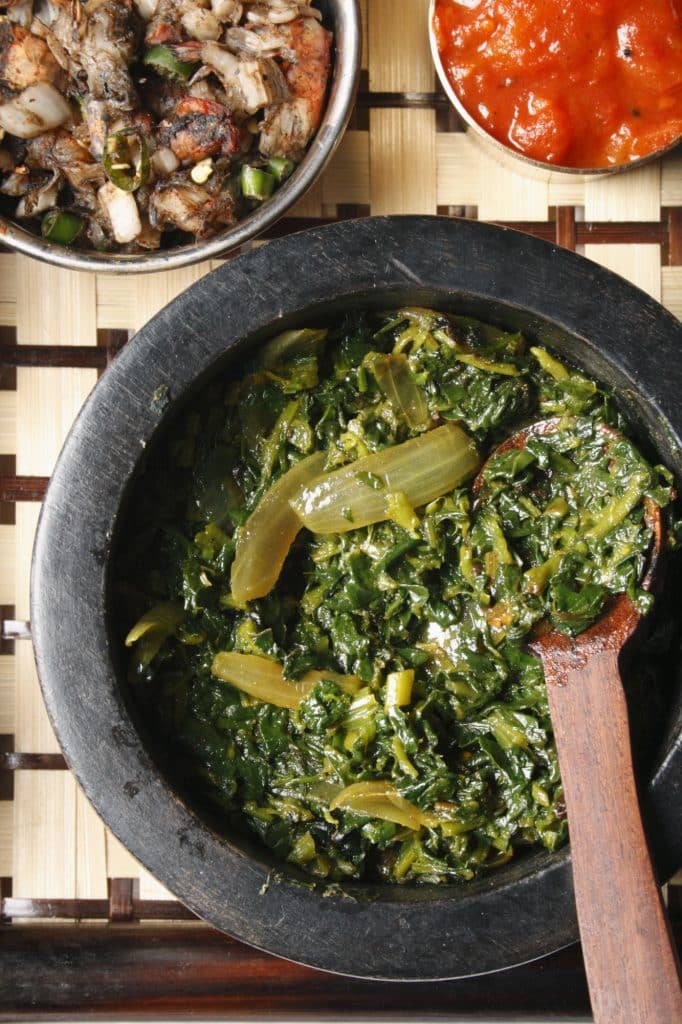
18. Spinach
Raw spinach barely tastes like anything besides “green.” Wilted in a hot pan for thirty seconds, it turns rich and a little sweet, with a completely different mouthfeel.
Go Deeper
15 Mom Life Hacks That Actually Save Time →
"The small routine changes that actually stuck."
How I use it: a hot pan, a splash of oil, and thirty seconds, not a minute more, or it turns to mush.

19. Corn
Boiled corn is sweet and simple, the version most of us grew up on. Grilled in the husk, it picks up a smoky char that boiled corn just doesn’t get near.
How I use it: grill it right in the husk, then peel back and finish with a quick char directly over the flame.
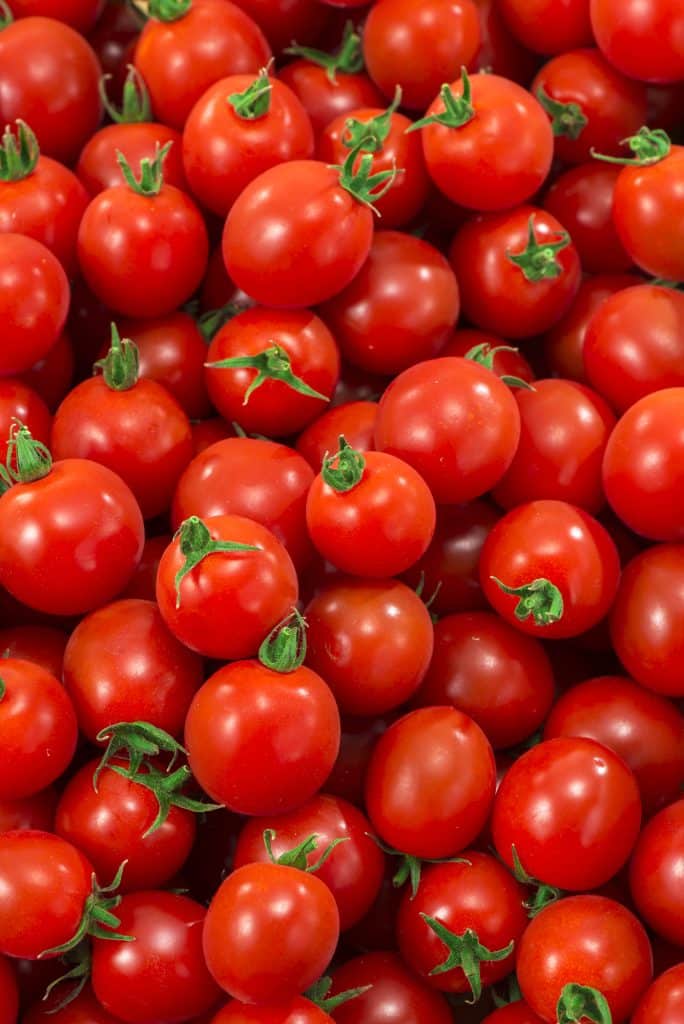
20. Tomatoes
Raw tomato is bright and acidic. Roasted low and slow, that acidity mellows out and the flavor concentrates into something almost like a different fruit entirely.
My mom used to do this every August with whatever came out of her garden. I still do it the same way, just with grocery store tomatoes.
How I use it: halve them, roast at a low temperature for a couple hours, and let the oven do the work while I do something else.
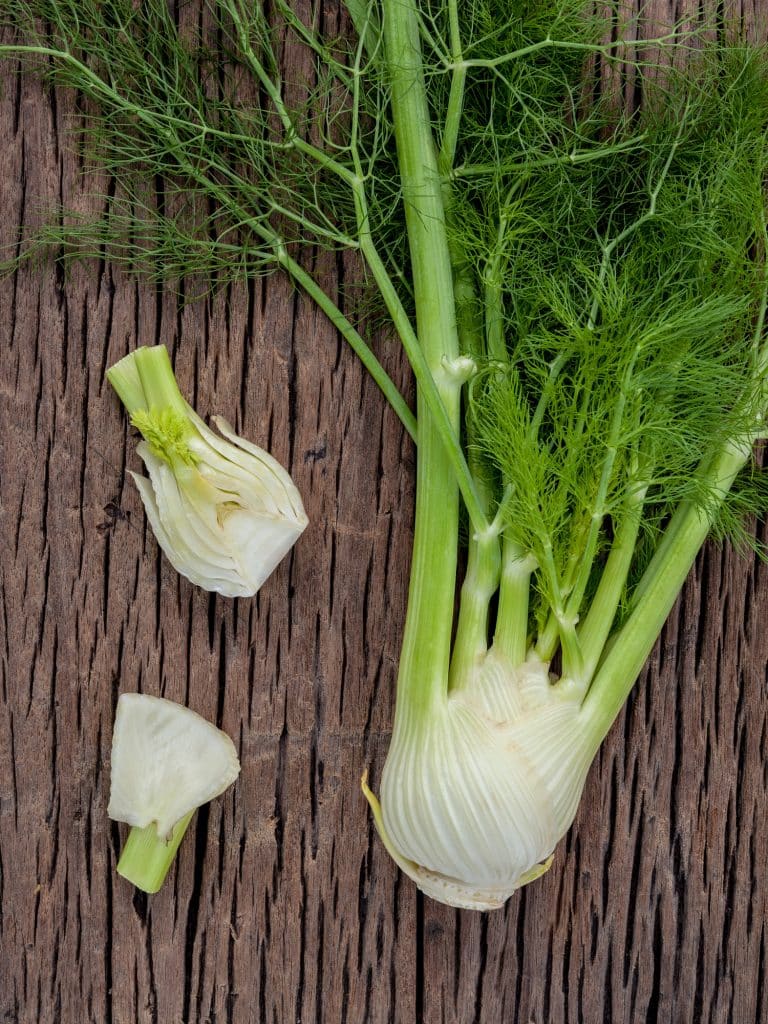
21. Fennel
Raw fennel has that unmistakable licorice bite that not everyone in my house is on board with. Roasted or braised, that sharpness fades into something soft and mild.
How I use it: slice into wedges, roast with oil until the edges brown, and the licorice flavor mostly disappears.
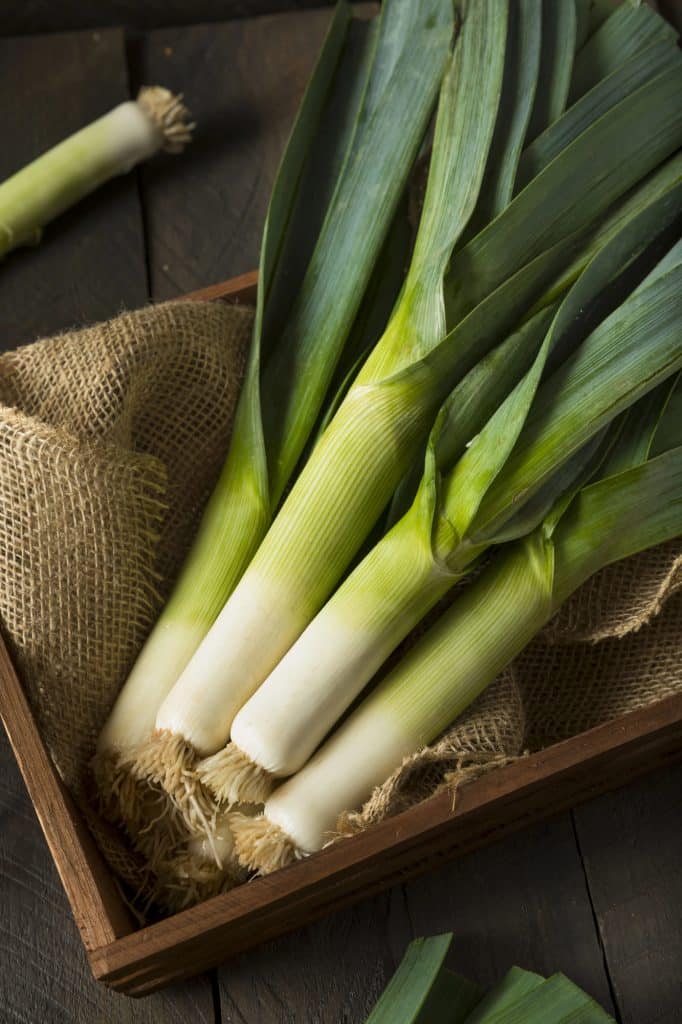
22. Leeks
Raw leek is fibrous and sharp, not something most people would eat plain. Cooked down slowly in butter, it turns silky and mild, closer to a soft onion than anything oniony.
What Everyone's Making
23 Plant Foods That Fill You Up for Hours (My Afternoon Slump Fix) →
How I use it: slice into rounds, rinse well since they hide grit, and cook low and slow in butter until soft.
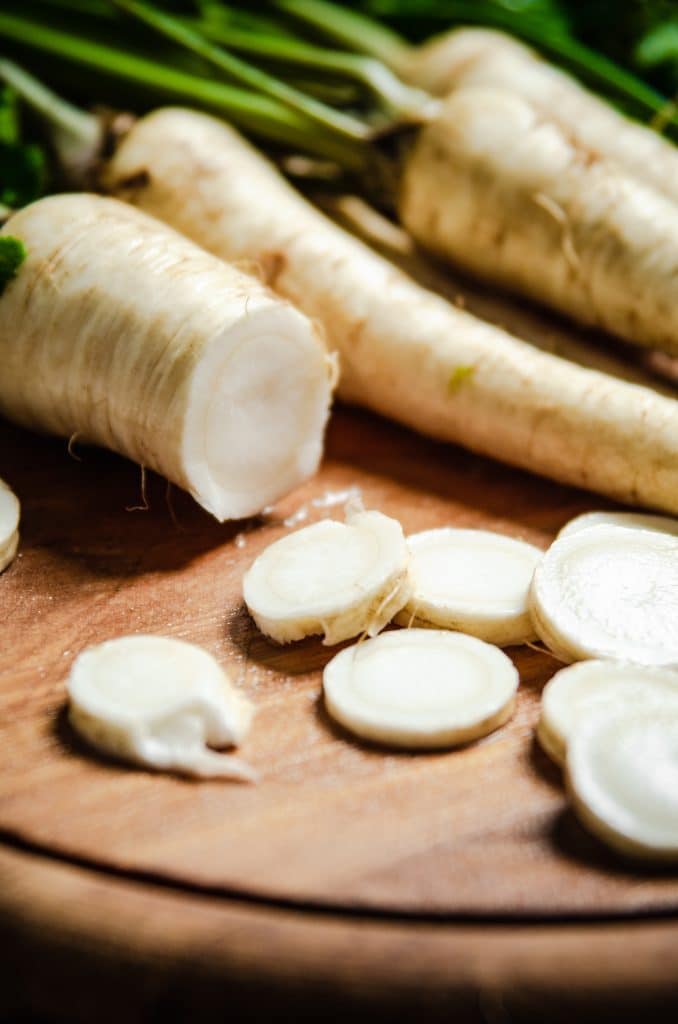
23. Parsnips
Boiled parsnip tastes like a bland, starchy carrot. Roasted, the natural sugars come forward and it tastes almost caramelized, way closer to a root vegetable dessert than a side dish.
How I use it: cut into sticks, roast with a little butter, and let them go longer than you think until they’re properly golden.
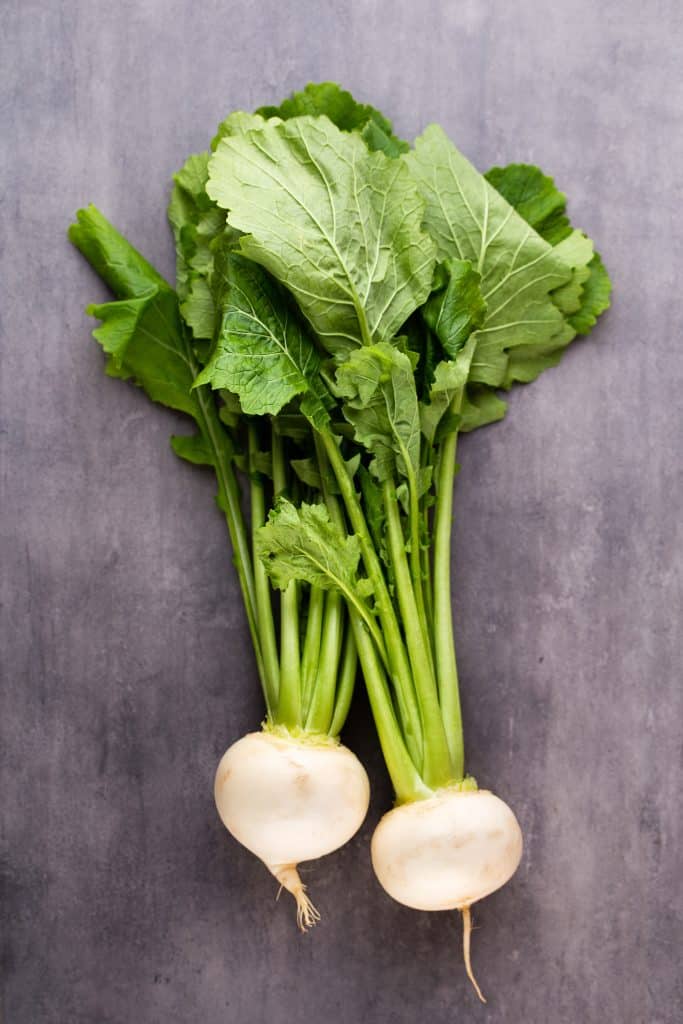
24. Turnips
Raw turnip is peppery and a little bitter, closer to a radish than anything else on this list. Roasted, that bitterness fades and it tastes surprisingly close to a mild potato.
How I use it: cube small so they roast evenly, and toss with the same oil and salt I’d use for potatoes.
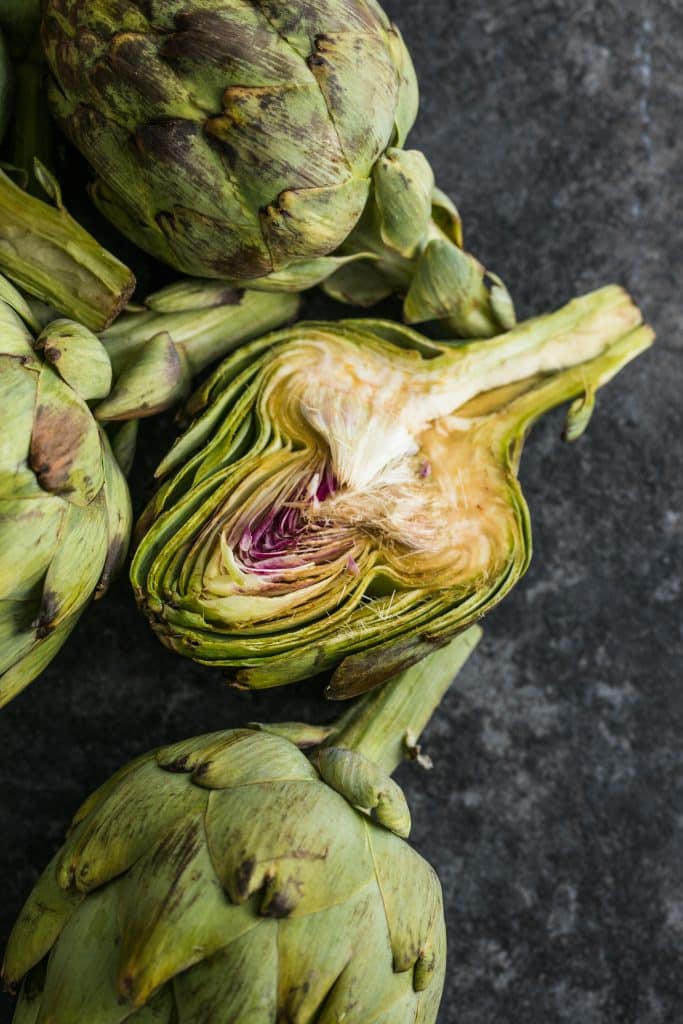
25. Artichokes
Steamed artichoke is a whole production of peeling leaves and dipping them one by one. Grilled after a quick steam, the outer leaves char and the flavor turns smoky in a way steaming alone never gets to.
This is my weekend project vegetable, not a weeknight one. My husband will eat the whole thing leaf by leaf without complaint, which is more patience than I have most nights.
How I use it: steam first until a fork slides into the base easily, then finish on the grill for a few minutes per side.
From my kitchen: if I’m not sure how a vegetable will turn out a new way, I roast a small batch first instead of committing the whole bag. It’s saved me from a few disappointing dinners.
Where I’d Start This Week
If you only try one thing from this list, make it the brussels sprouts or the cauliflower. Both are cheap, both are forgiving, and both are the kind of proof that wins over a skeptical kid at the table.
I’m roasting a tray of sweet potatoes and cauliflower together this week, mostly because they go in the oven at the same temperature and I only have one pan free most nights. That’s the real secret behind half of my cooking, if I’m honest.
Pick one vegetable you’ve written off and try it roasted instead of boiled before you decide you don’t like it. It might just be the method that’s been letting you down, not the vegetable.