27 Vegetables With So Much Flavor You Won’t Miss the Cheese
My oldest went through a phase where every dinner had to have cheese melted on top or it wasn’t real food. I get it. Cheese makes things taste like more, and when you’re tired and cooking for picky people, more is exactly what you’re going for.
But somewhere in the last few years I started noticing that a handful of vegetables, cooked the right way, do that same job. They bring the salt, the richness, the savory pull that makes a plate feel finished.
I still love cheese, I just don’t need it every time anymore. These are the 27 vegetables that earned that trust in my kitchen, roughly in the order I reach for them on a normal week. No ranking, just how I actually cook.
1. Mushrooms
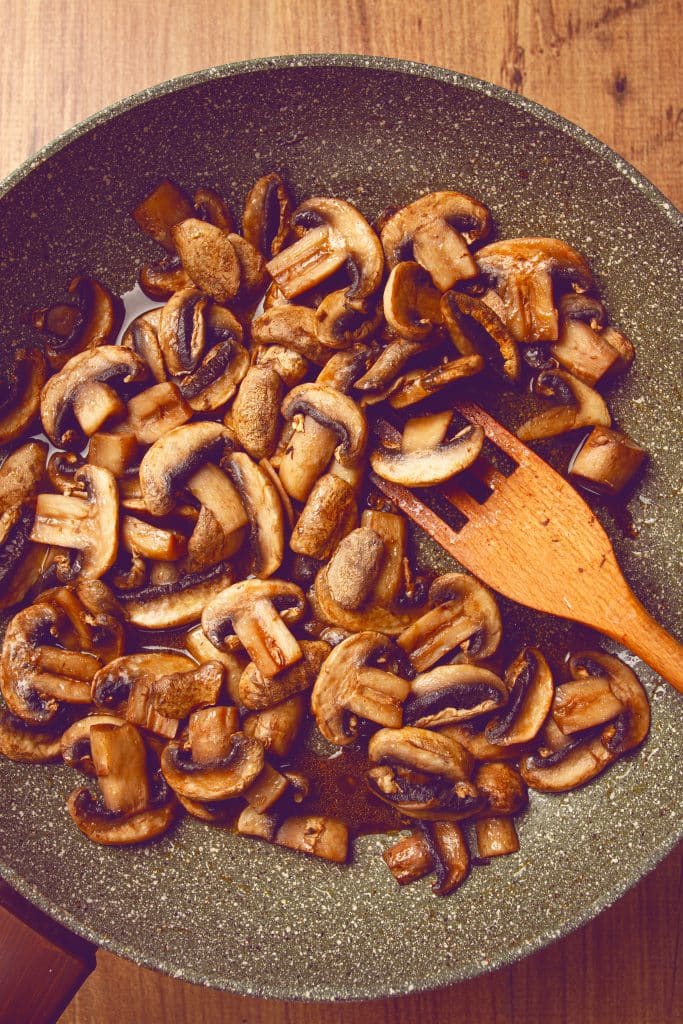
Mushrooms are the closest thing to cheese in the produce aisle and nobody tells you that when you’re a new cook. They get deep and savory when you cook them right, in a way that fills the same hole in a dish that cheese usually fills.
The trick is heat and patience. I use a pan hot enough that the mushrooms sizzle the second they hit it, and I do not touch them for a few minutes so they can actually brown instead of steam in their own liquid.
Mom note: my youngest calls them baby steaks and will eat a whole pan if I let her, which tells you everything about how far a good sear goes.
I finish them with a splash of soy sauce instead of salt most nights. It rounds out the flavor in a way plain salt never quite does, and it’s the kind of trick that makes people ask what you did differently.
2. Garlic
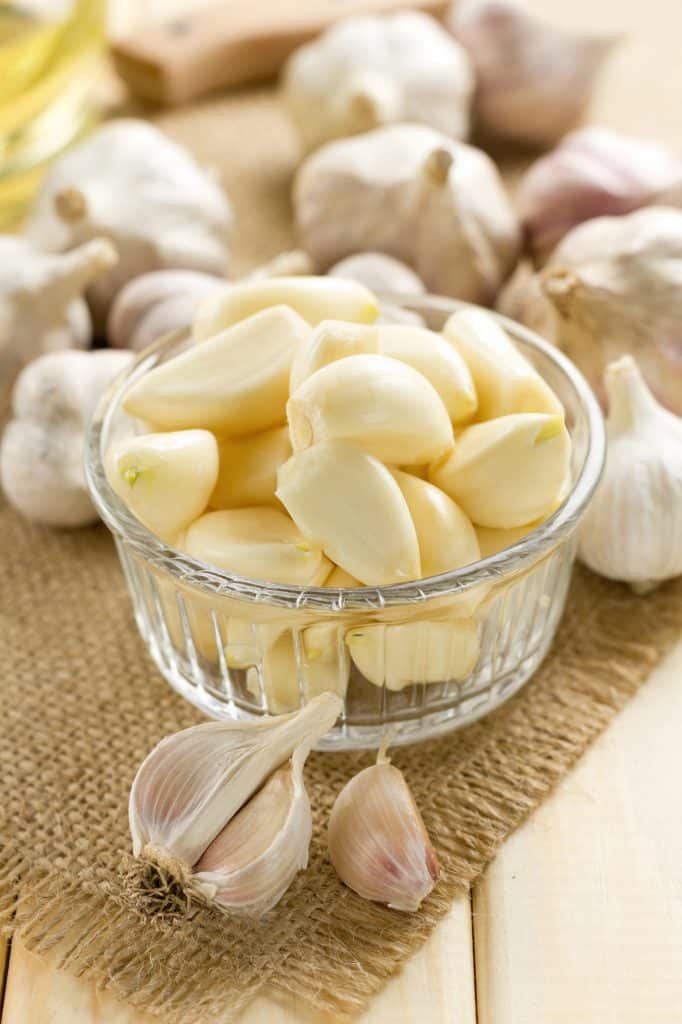
Raw garlic is sharp and a little mean. Roasted garlic is a completely different vegetable, soft and sweet and almost buttery, and it is doing half the work in most of my favorite dishes.
I roast a whole head at a time, cut across the top, drizzle it with oil, and wrap it in foil. An hour in the oven and the cloves squeeze out like paste.
Mom note: I mash roasted garlic into mashed potatoes without telling anyone and nobody has ever asked what the extra flavor is. They just eat more.
I keep a jar of it in the fridge and spread it on toast, stir it into soup, or smear it under chicken skin before it goes in the oven. A little goes a long way, which is good, because it takes real effort to make from scratch.
3. Onions
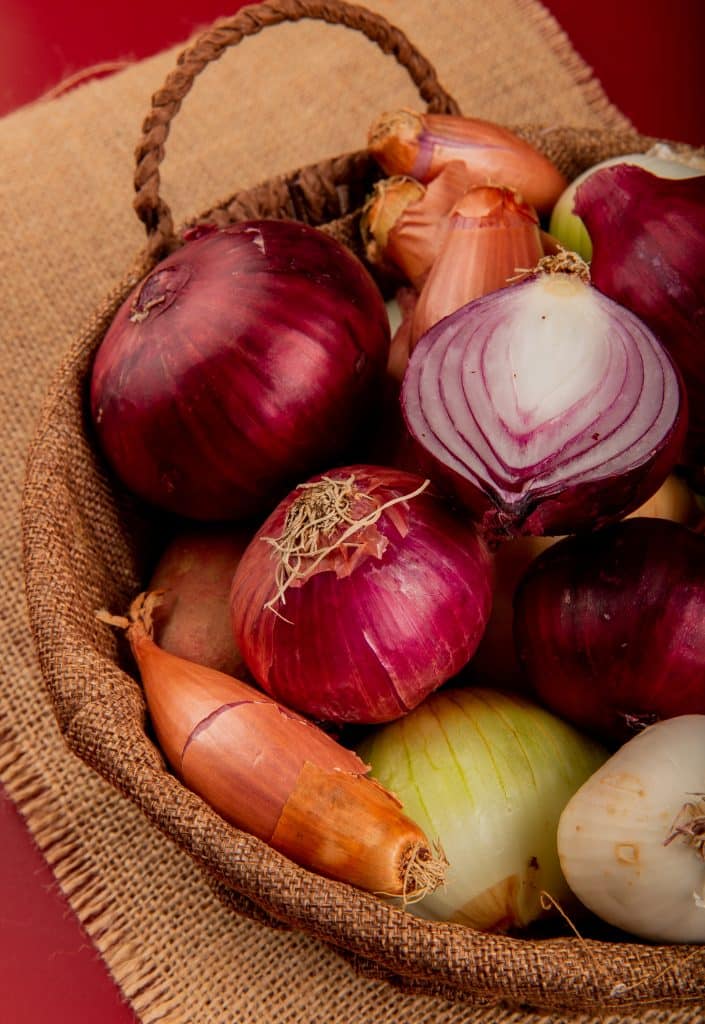
Caramelized onions are the whole secret. I don’t think I understood that for the first several years I cooked dinner every night, and I was missing out.
Low heat, a lot of stirring, and forty-five minutes turns a sharp raw onion into something sweet, jammy, and almost meaty. That is not a shortcut you can rush, no matter what any five-minute recipe promises.
Mom note: I make a double batch on Sundays when I’m already in the kitchen and freeze half in an ice cube tray, so weeknight me can drop a cube into whatever I’m cooking.
They go on burgers, into grilled sandwiches, folded through rice, or stirred into a pot of beans at the end. That sweetness reads as richness on the tongue the same way melted cheese does, just from a completely different direction.
4. Tomatoes
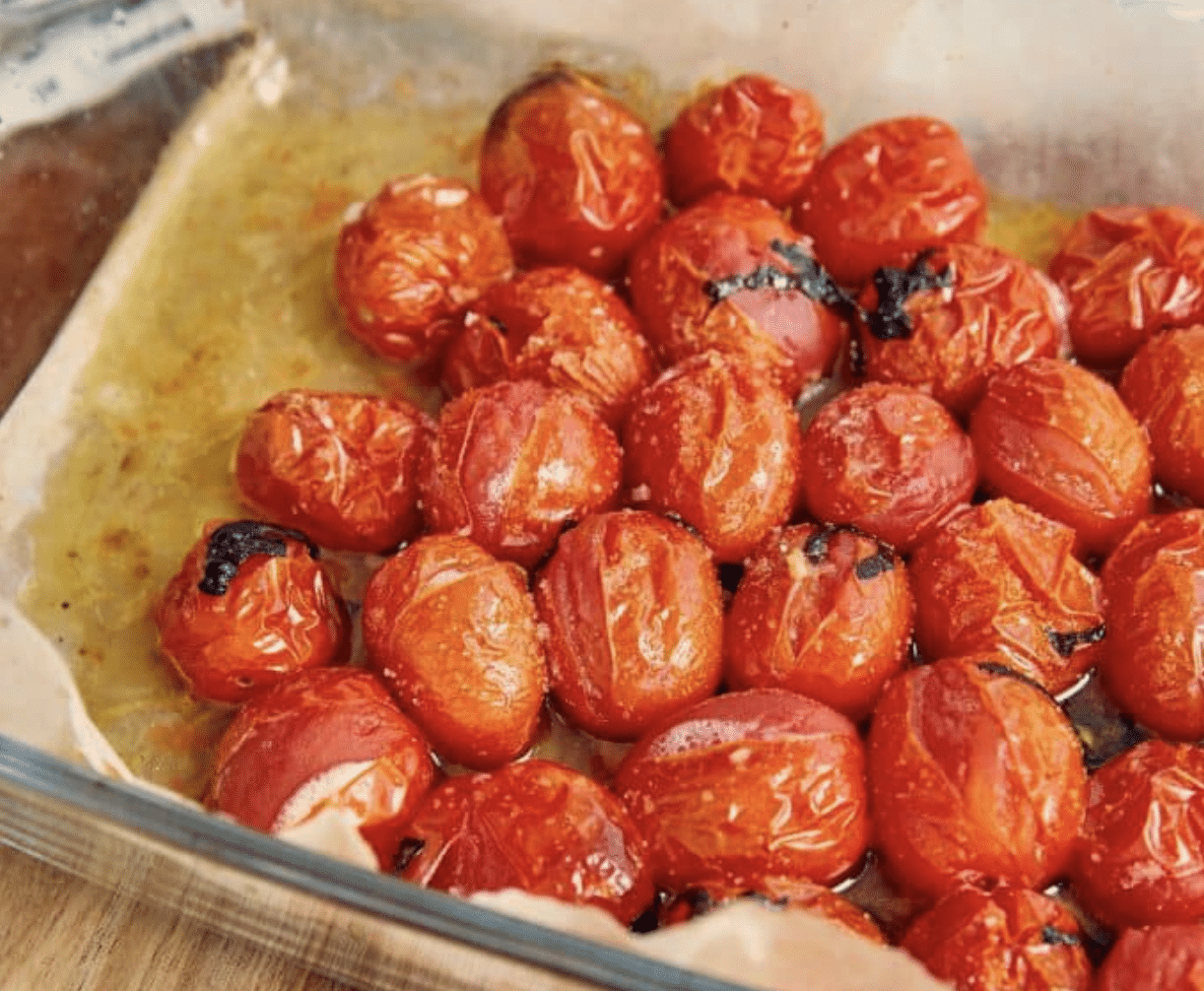
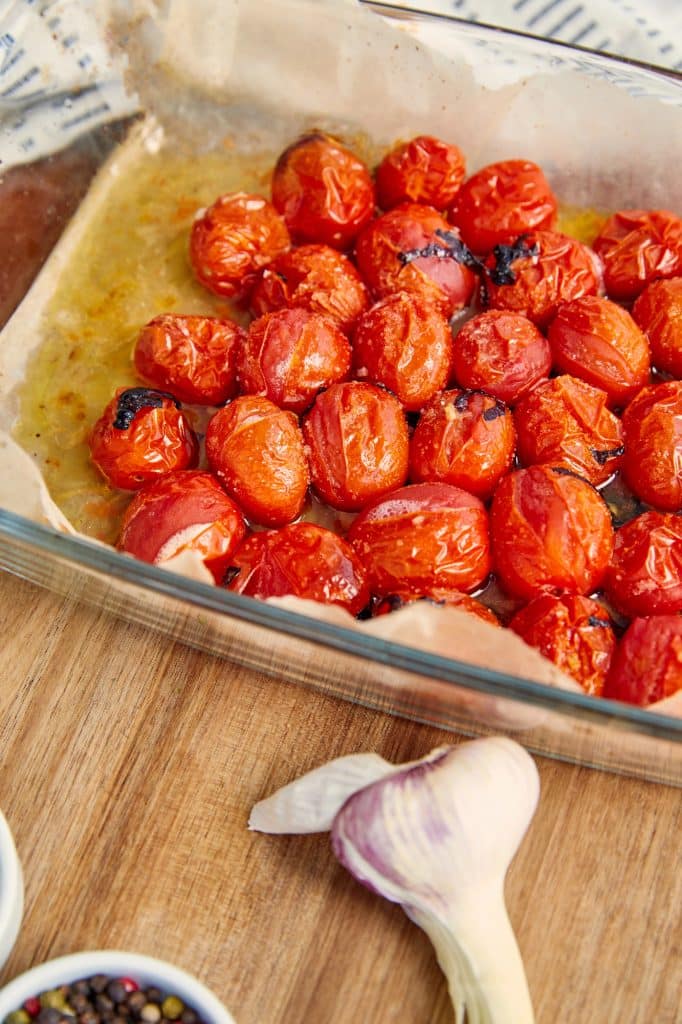
Roasted tomatoes turn concentrated and almost sweet, and they carry that deep savory note food people call umami. I just call it the thing that makes pasta taste like a restaurant made it.
I halve a whole tray of cherry tomatoes, toss them with oil and salt, and roast them until they start to collapse and brown at the edges. That’s it, no recipe required.
Mom note: my husband will eat these straight off the pan before dinner even starts, so I have started roasting an extra handful just for that.
I toss them through pasta with olive oil, stir them into scrambled eggs, or pile them on toast with a little salt. They do the job cheese usually does on a piece of bread, minus the block hard cheese I’d normally grate on top.
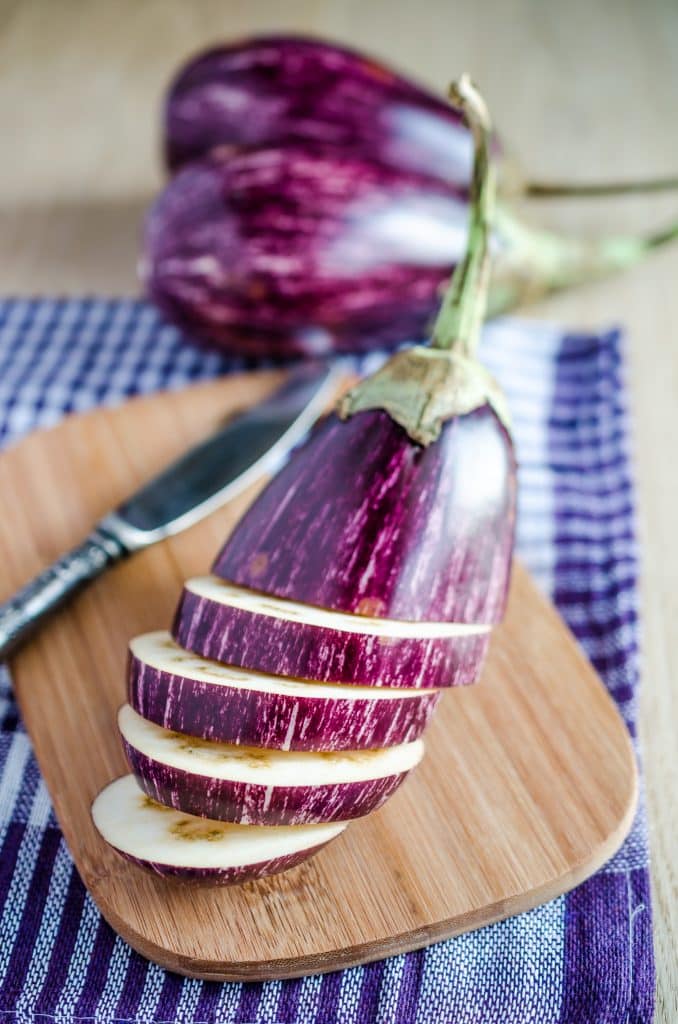
5. Eggplant
Eggplant has a bad reputation in my house because I ruined it more than once early on, spongy and bitter and not worth the effort. It took me a while to figure out where I was going wrong.
Salting the slices first and letting them sit for twenty minutes pulls out the bitterness and the extra water. Pat it dry before it hits the pan and you get browning instead of a mushy mess.
Mom note: I skip breading and frying it these days. Roasted eggplant with a little oil and a lot of high heat gets that same rich, almost creamy inside without the extra step, and I’d rather spend that time somewhere else.
Roasted whole and scooped out, it turns into something close to a smoky spread I can put on crackers or stir into a dip. Sliced and roasted flat, it holds its own next to the hearty vegetables I lean on for a whole meal.
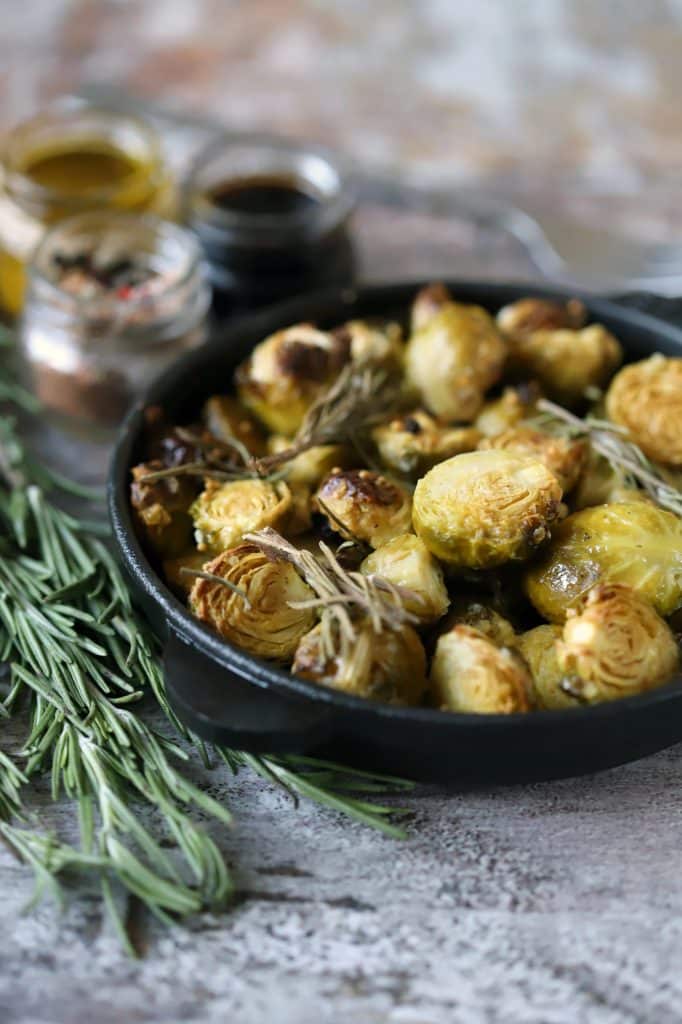
6. Brussels Sprouts
I grew up eating boiled brussels sprouts and I understand completely if that memory is why you’re skeptical. Boiled, they deserve every bit of their bad reputation.
Roasted hot and fast, cut side down, they char and crisp instead of going gray and soft. That charred edge is where the flavor actually lives.
Mom note: I called them cabbage chips the first time I served them to my kids and did not correct anyone when they asked for seconds.
A squeeze of lemon or a drizzle of the roasted garlic from earlier turns a side dish into something people actually request. I’m still a little surprised by that every single time.
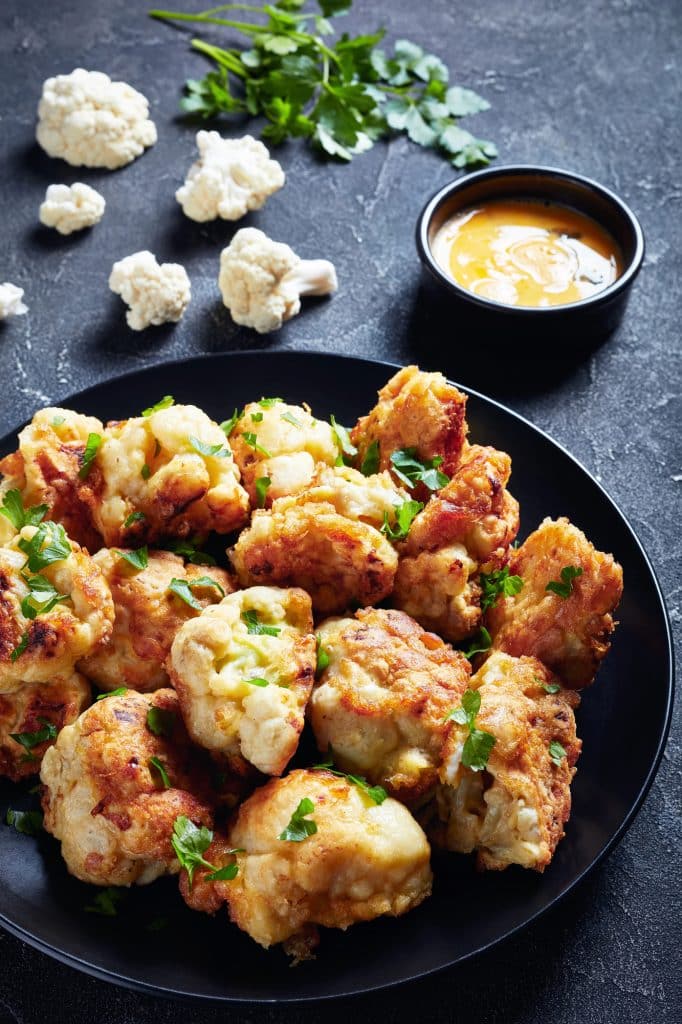
7. Cauliflower
Cauliflower steaks had a whole moment online and I tried them because everyone said I had to. Honestly, I don’t love them. They’re fussy to cut evenly and half the head ends up as crumbles anyway.
What I actually make is a full tray of florets roasted until the tips turn deep brown, almost burnt in spots. That’s where the nutty, toasted flavor comes from, and it’s a lot less work than steak-cutting a vegetable.
Mom note: my kids will eat these plain off the sheet pan as a snack, which is more than I can say for most vegetables in this house.
A little curry powder or smoked paprika tossed on before roasting takes it somewhere completely different, which is one of the vegetables that change entirely depending on how you cook them.
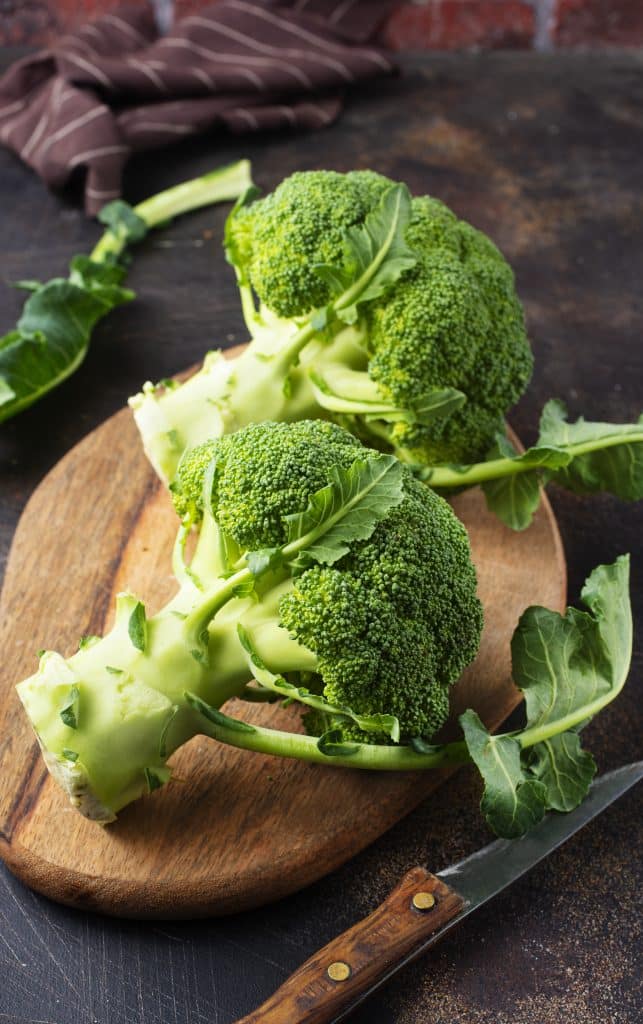
8. Broccoli
Steamed broccoli is fine. Charred broccoli is a different food entirely, with crispy tips that taste almost nutty against the still-bright stem underneath.
I cut the florets a little larger than usual so they have room to actually brown before they overcook. High heat, not too much oil, and I leave them alone in the pan longer than feels natural.
Mom note: my oldest picks out the crispiest pieces first every single time, which means I now cut extra just for the crispy bits.
A little vinegar at the end wakes the whole thing up. It’s a trick I stole from a restaurant dish years ago and never stopped using.
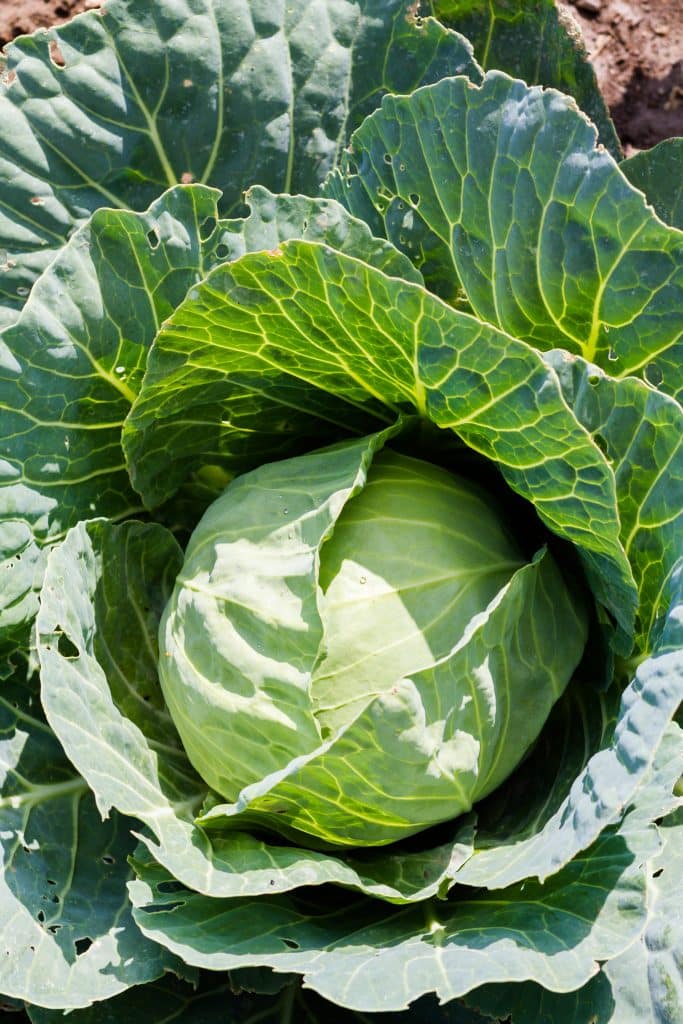
9. Cabbage
Cabbage is the cheapest vegetable in my grocery cart most weeks, and roasted in wedges it does not taste cheap at all. The outer layers crisp while the inside stays soft, almost like the vegetable version of a good crust.
I cut it into thick wedges, keep the core intact so it holds together, and roast it hot with oil brushed on both cut sides.
Mom note: I serve it as a side and let my kids pick at the crispy edges with their fingers, which somehow makes it more appealing than if I plated it nicely.
A drizzle of soy sauce and a little vinegar at the end gives it a savory pull that reminds me of the char on grilled meat, just from a head of cabbage that cost less than two dollars.
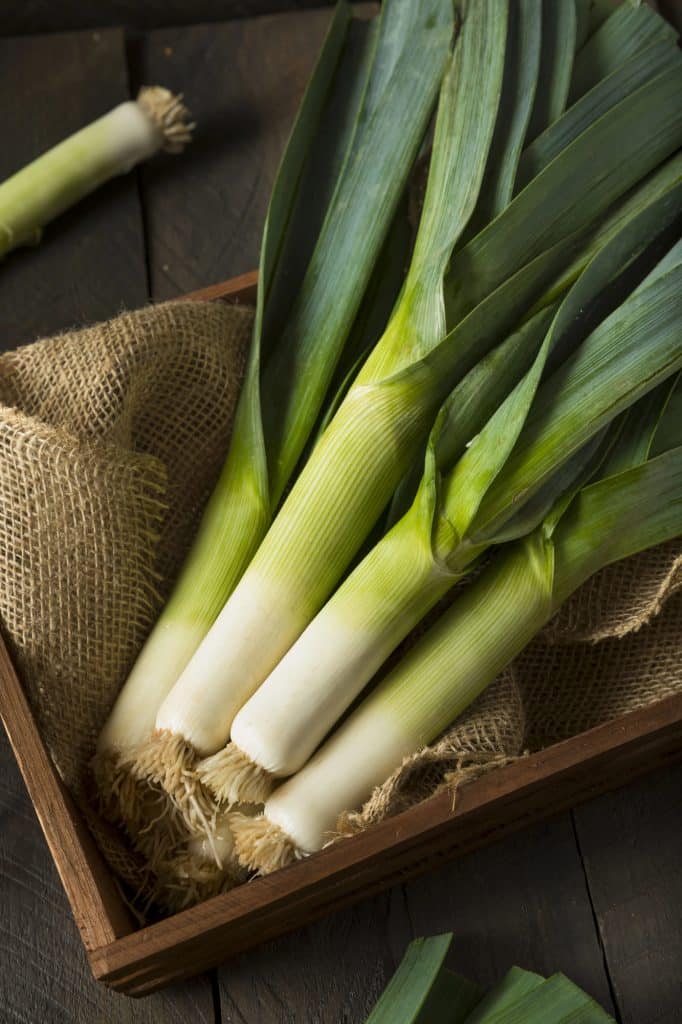
10. Leeks
Leeks are onions that went to a nicer school. Milder, sweeter, and when you braise them slow in a little butter and broth they turn silky in a way that feels indulgent for how simple the process is.
I slice them into rounds, rinse well because grit hides between the layers, and cook them low and slow until they’re soft enough to fall apart with a fork.
Mom note: I fold braised leeks into a simple pasta with a little of the cooking liquid and call it fancy, and my family has no idea it took fifteen minutes.
From My Kitchen
21 Produce Picks I Sneak Into Dinner Without Anyone Noticing →
"This is the trick that finally got my pickiest eater to finish a plate."
They’re one of the quieter vegetables I sneak into weeknight dinners, right alongside the produce I write about in the picks I sneak into dinner without anyone noticing.
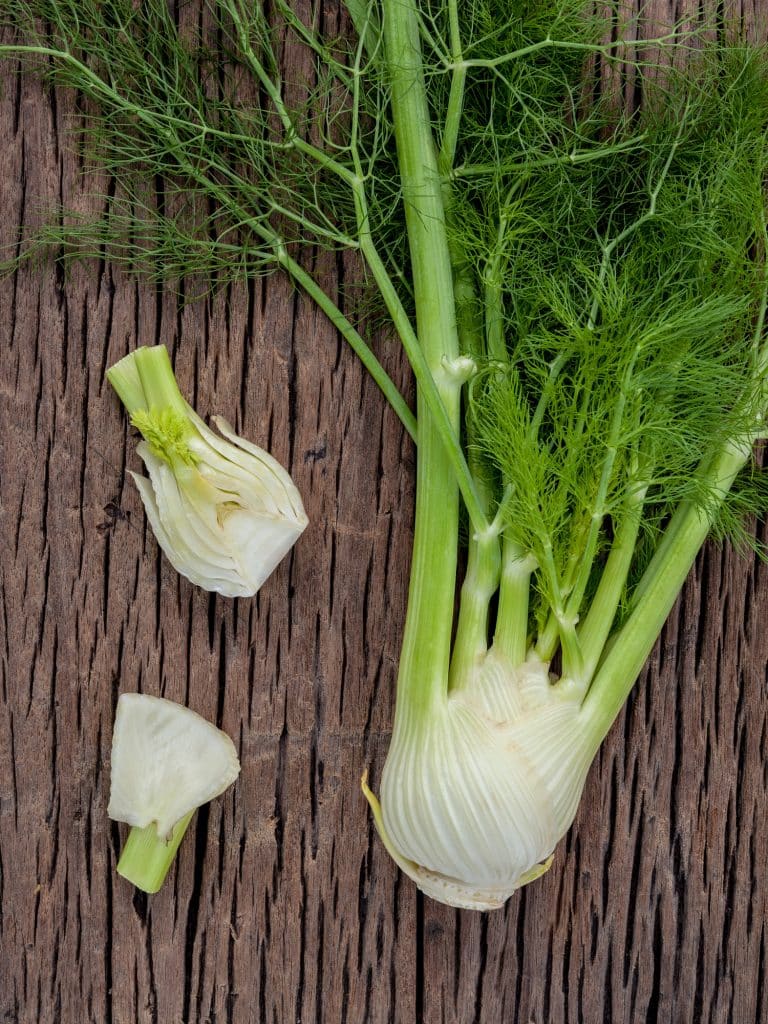
11. Fennel
Raw fennel tastes like black licorice to a lot of people, myself included the first time I tried it. Roasted, that licorice edge fades way back and what’s left is sweet and almost caramelized.
I slice it into wedges through the core so it holds together, toss it with oil, and roast until the edges brown and the middle turns tender.
Mom note: this is the one vegetable on this list my kids still won’t touch, and I’ve stopped pretending otherwise. It’s a grown-up dish in my house and I’m at peace with that.
I usually roast it alongside chicken thighs so the drippings soak in. It’s a small thing, but it turns a plain sheet pan dinner into something that tastes like I planned it more than I did.
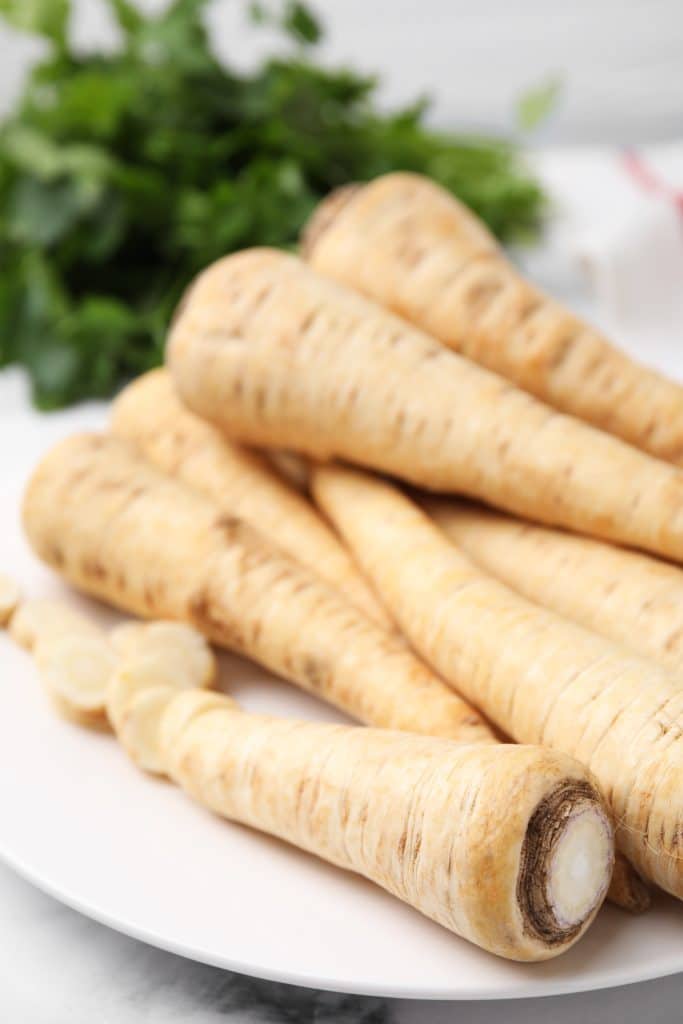
12. Parsnips
Parsnips look like pale carrots and taste nothing like them. Roasted, they turn sweet and a little nutty, closer to a dessert vegetable than anything else on this list.
I cut them the same size as the carrots I’m roasting alongside them so everything finishes at the same time, and I don’t peel the thin ones because the skin crisps up nicely.
Mom note: I mash them half and half with regular potatoes, and my kids have never once noticed the difference. It’s one of the easier swaps I’ve found.
A little butter and a pinch of cinnamon at the end leans into that natural sweetness instead of fighting it. Trust me on that one, it sounds strange until you try it.
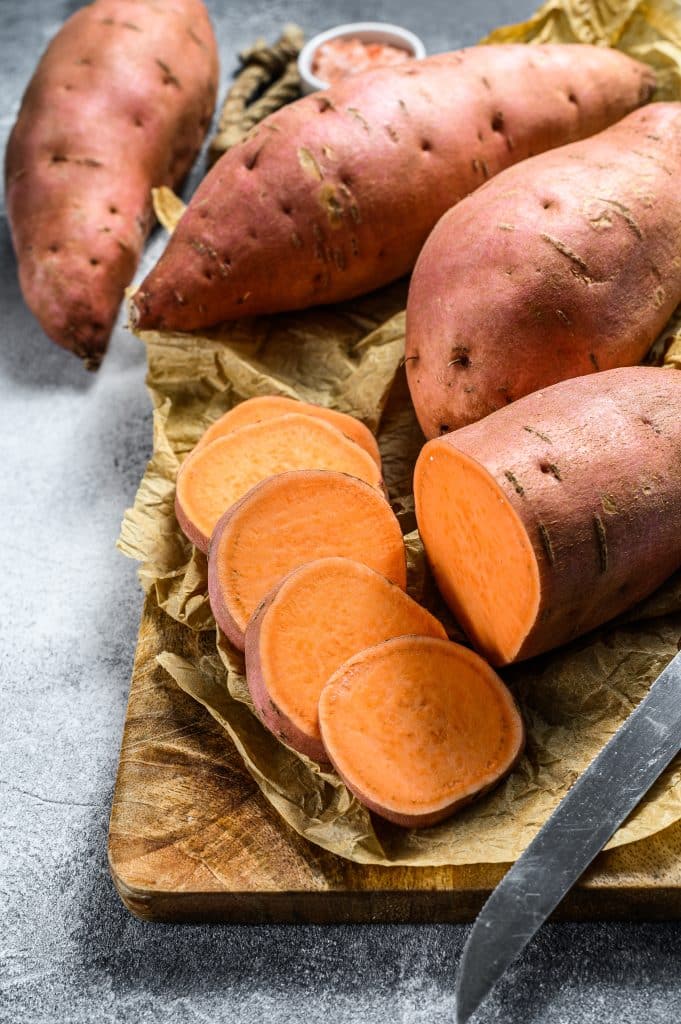
13. Sweet Potatoes
A sweet potato roasted whole until the skin blisters and the inside turns almost custardy needs nothing else. No cheese, no marshmallows, just a fork and maybe a little salt.
I bake them at a high temperature, sitting right on the oven rack with a sheet pan underneath to catch the drips, and I let them go until they collapse a little when I press them.
From my kitchen: I always bake at least two extra sweet potatoes when the oven’s already on. Leftover roasted sweet potato mashed with a little butter reheats better than almost anything else in my fridge, and it saves me a whole side dish on a busy night.
Mom note: my youngest eats the skin like a chip once it’s crisped up, and I’ve stopped trying to talk her out of it since it’s the most vegetable skin she’ll willingly eat all week.
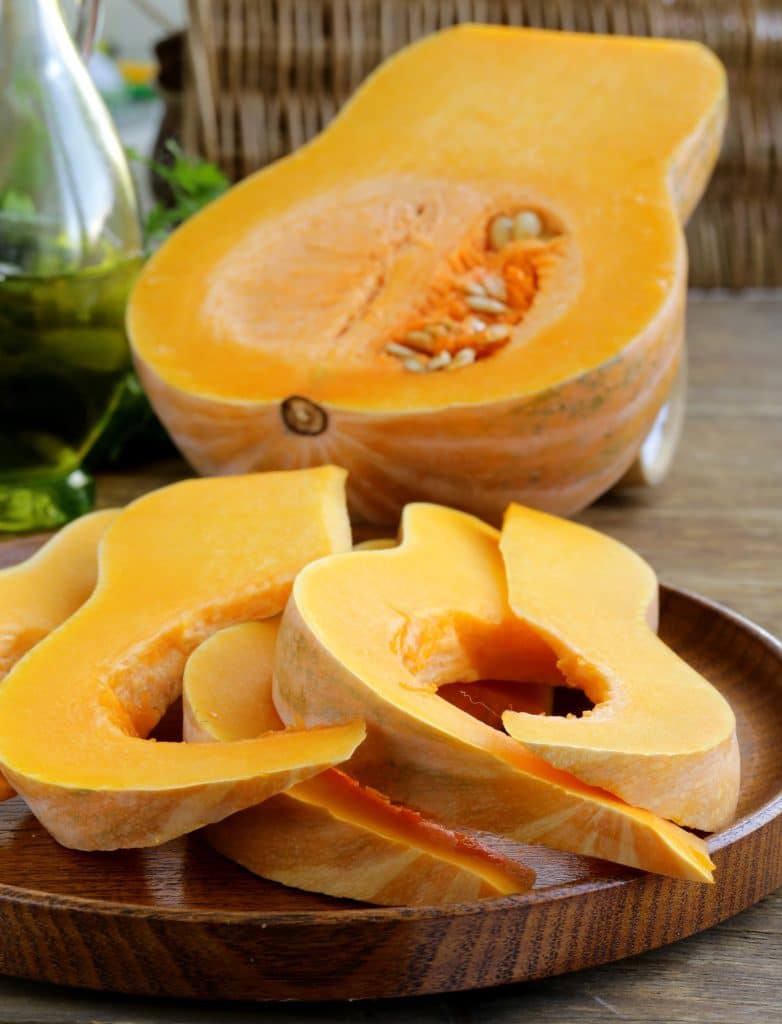
14. Butternut Squash
Butternut squash roasted until the edges caramelize tastes almost like it’s been sweetened, even though nothing’s been added but oil, salt, and time.
I buy it pre-cubed from the freezer section on weeks when I don’t have the patience to peel and chop a whole squash myself, and it roasts up just as well.
Mom note: I blend the roasted cubes with a little broth into a soup that tastes rich enough to need cream, but doesn’t, and my kids drink it out of mugs like hot chocolate.
A sprinkle of cinnamon or smoked paprika pushes it in completely different directions depending on what else is on the plate. Same squash, two totally different dinners.
You'll Want This Too
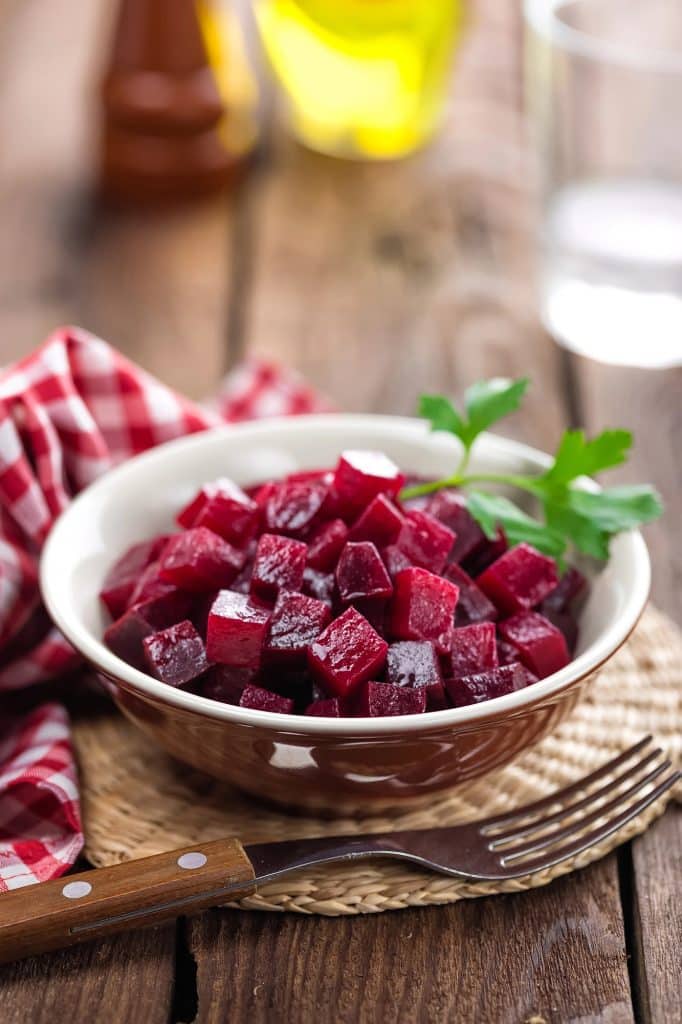
15. Beets
Beets get a bad reputation from the canned, pickled version most of us grew up with. Roasted whole in foil, they taste completely different, earthy and sweet instead of sharp and vinegary.
I wrap them in foil with a splash of water and roast until a knife slides in easily, usually close to an hour depending on size. The skins slip right off once they’ve cooled a little.
Mom note: I wear an old shirt when I peel these because they stain everything they touch, myself included. It’s a small price for how good they taste.
Sliced and finished with a little vinegar, they land somewhere between a vegetable and a treat, which is exactly the kind of vegetable this list is about.
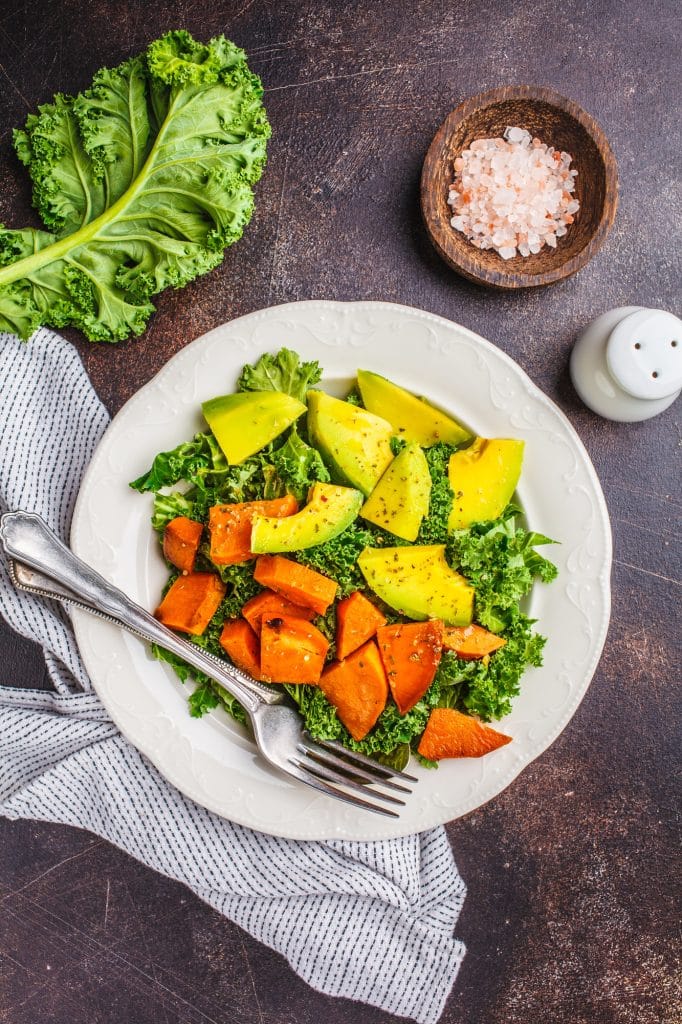
16. Kale
I went through a kale chip phase like a lot of people did, spent an hour massaging leaves and babysitting a low oven, and honestly it wasn’t worth the effort most of the time.
Sauteed kale with a lot of garlic gets me the same satisfaction in about eight minutes. It wilts down, turns glossy, and picks up whatever savory flavor is already in the pan.
Mom note: I chop it small and stir it into soup at the very end, right before serving, and my kids barely register it’s there once it’s wilted down among the other vegetables.
A squeeze of lemon at the end cuts the slight bitterness and makes the whole dish taste brighter. It’s a small step, but it matters more than people think.
17. Swiss Chard
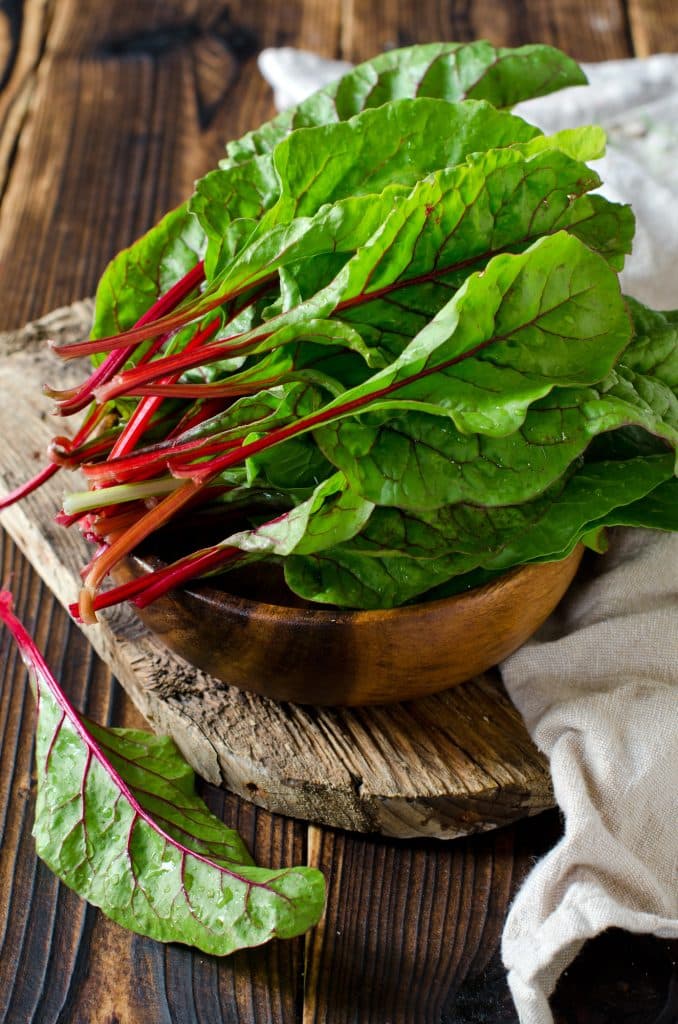
Swiss chard is one of those vegetables I ignored for years because I didn’t know what to do with it. It turns out the stems and the leaves need different amounts of time, which is the only real trick.
I chop the stems small and give them a few minutes head start in the pan before adding the leaves, which wilt down fast and turn tender in almost no time.
Mom note: I stir a handful into scrambled eggs on busy mornings, and it disappears into the eggs enough that nobody at my table has ever complained.
Cooked with garlic and a little red pepper flake, it has a savory pull that surprised me the first time, closer to spinach with a bit more backbone.
18. Bok Choy
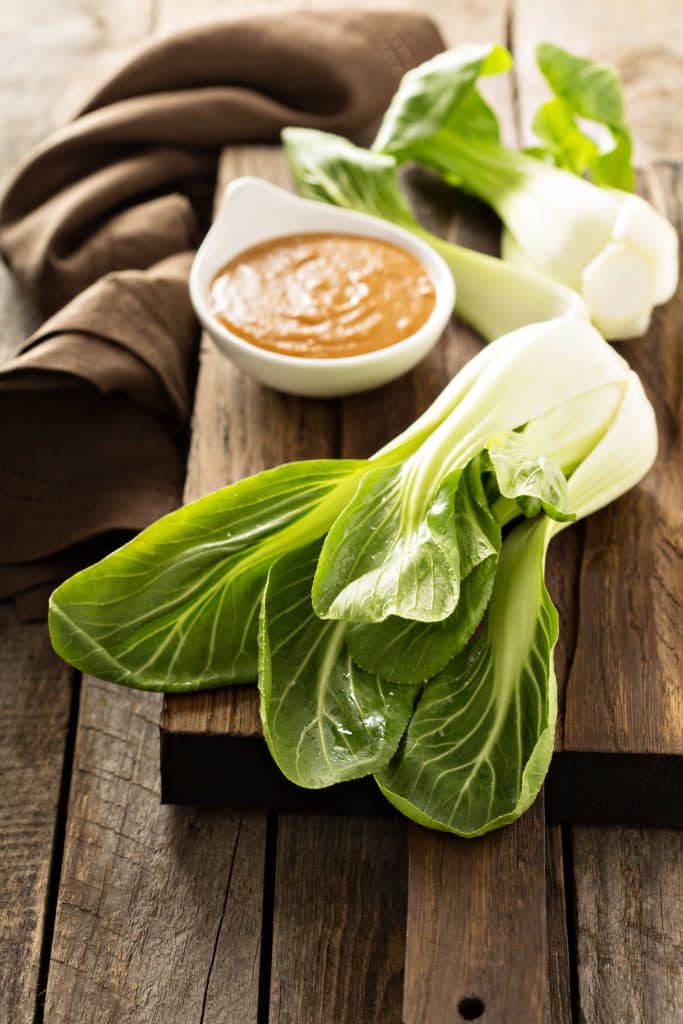
Bok choy charred in a hot pan or under the broiler gets crispy edges on the leafy tops while the stems stay crunchy and a little sweet underneath.
I halve the small ones lengthwise and leave them mostly alone in a hot pan so the cut side gets real color before I flip them.
Mom note: my kids treat the stems like celery sticks and eat them plain off the plate, which I’ve learned not to question too hard.
A drizzle of soy sauce and a little sesame oil at the end gives it that savory finish that used to only come from a cheese sauce in my house.
19. Radishes
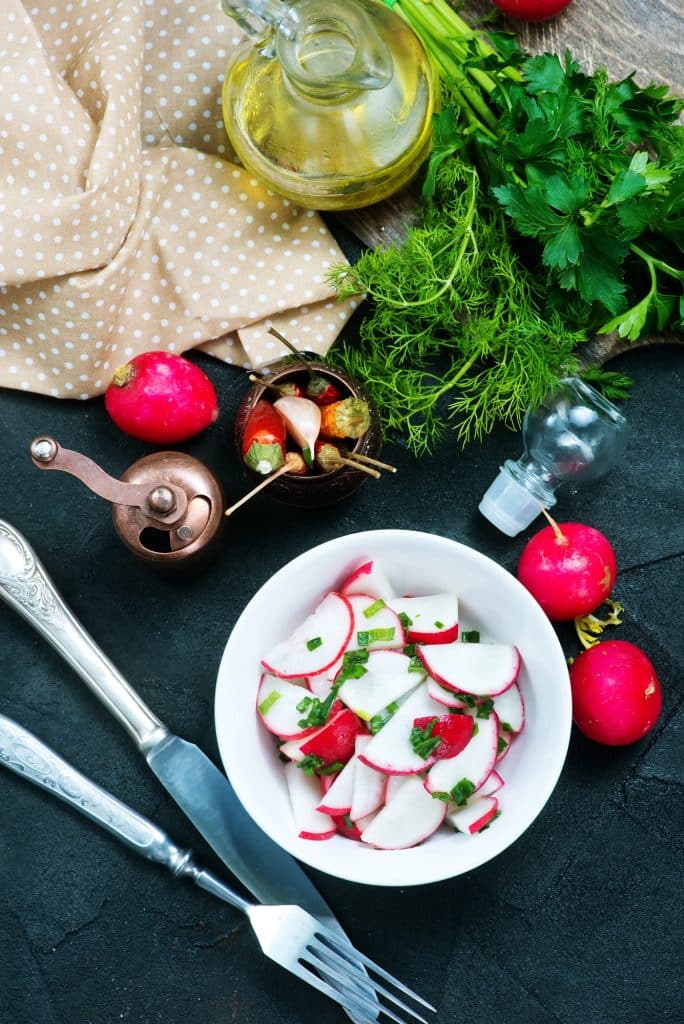
Raw radishes are peppery and sharp, which is why so many people never make it past the relish tray. Roasted, that bite mellows out almost completely and what’s left is closer to a mild turnip.
Go Deeper
The School Morning Machine: How We Went From Daily Chaos to Out-the-Door in 40 Minutes →
"The system that finally ended our morning yelling."
I halve them, toss with oil and salt, and roast at high heat until they brown a little at the cut edges, usually around twenty minutes.
Mom note: this was the vegetable that finally convinced my husband roasting fixes almost anything, and now he asks for them on purpose.
I toss them into a mixed roasting pan with whatever else needs using up. They pick up flavor from anything nearby, which makes them a good use-it-up vegetable on a Sunday.
20. Turnips
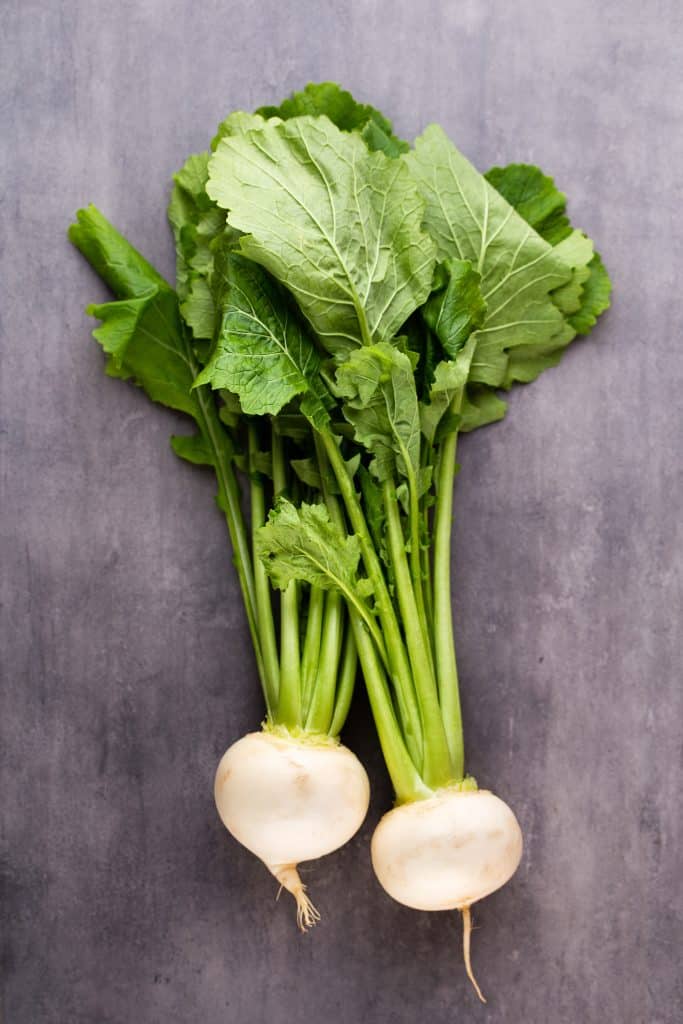
Turnips get lumped in with the vegetables nobody wants, and I understand why since raw and boiled they can taste a little bitter and watery.
Roasted, they turn soft and mellow with a slight sweetness underneath. I cut them into small cubes so they cook through at the same rate as the potatoes I usually pair them with.
Mom note: I mix them into a pan of roasted root vegetables and never mention which one is the turnip, and nobody has ever picked it out.
The greens on top are edible too, and I sautee them the same way I do kale so nothing in the bunch goes to waste.
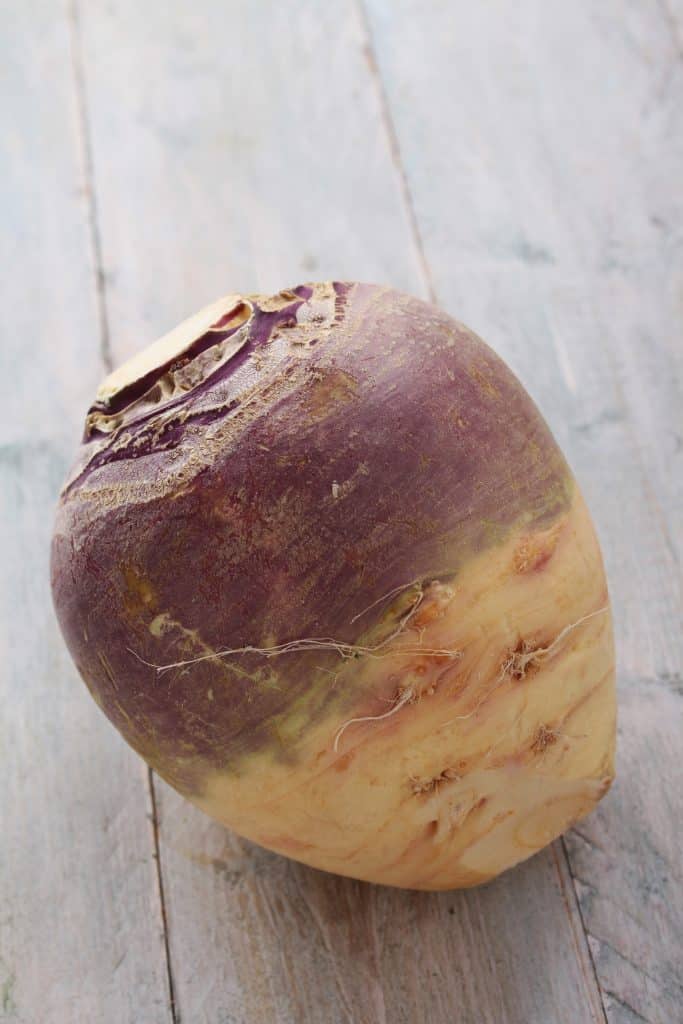
21. Rutabaga
Rutabaga is the vegetable I ignored for the longest, mostly because I didn’t know how to peel one and the thick waxy skin looked intimidating in the store.
Once peeled, it cubes and roasts a lot like a turnip, just a little sweeter and denser. I cut the pieces small since it takes longer to soften than most root vegetables.
Mom note: I mash it half and half with regular potatoes and add a lot of butter, and it’s become one of my go-to swaps when I want fewer carbs but still want something creamy.
It’s a slow grower to trust in your regular rotation, but once you’ve roasted one properly, it stops feeling like a mystery vegetable and starts feeling like a pantry staple.
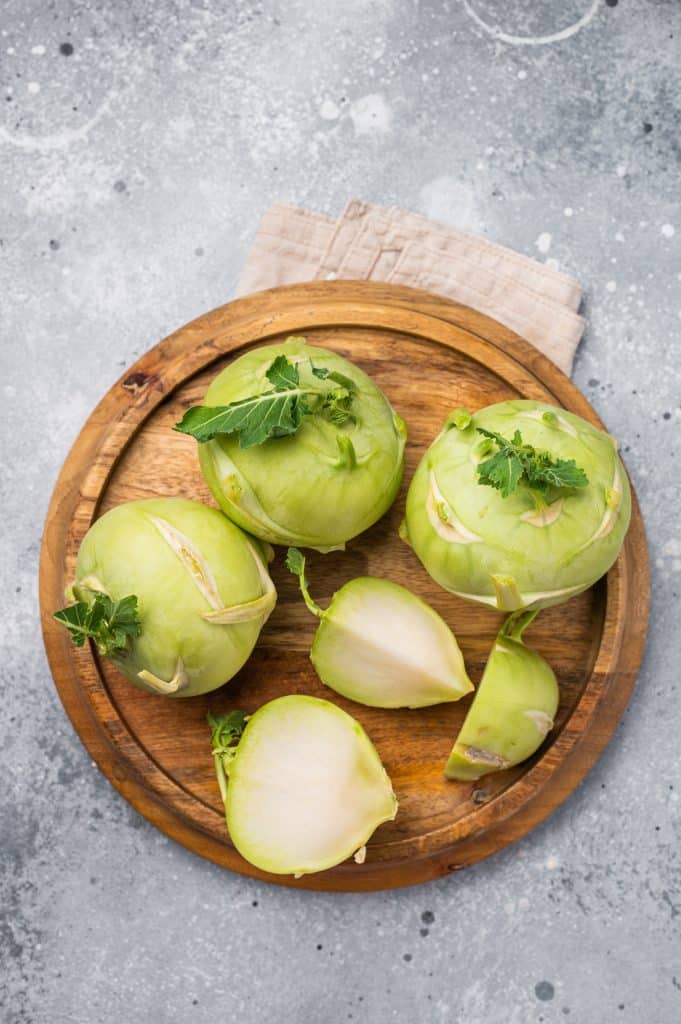
22. Kohlrabi
Kohlrabi looks like something from outer space, a pale bulb with stalks shooting off it, and I avoided it in the store for years because I had no idea what I was looking at.
Peeled and roasted, it tastes like a cross between a mild turnip and broccoli stem, sweet with a little crunch that holds up even after roasting.
Mom note: I cut it into sticks and serve it raw with a dip sometimes, since the texture is a lot closer to jicama than to most cooked vegetables on this list.
This is one of the vegetables I finally learned to cook right after years of walking past it, and I’m a little annoyed it took me this long.
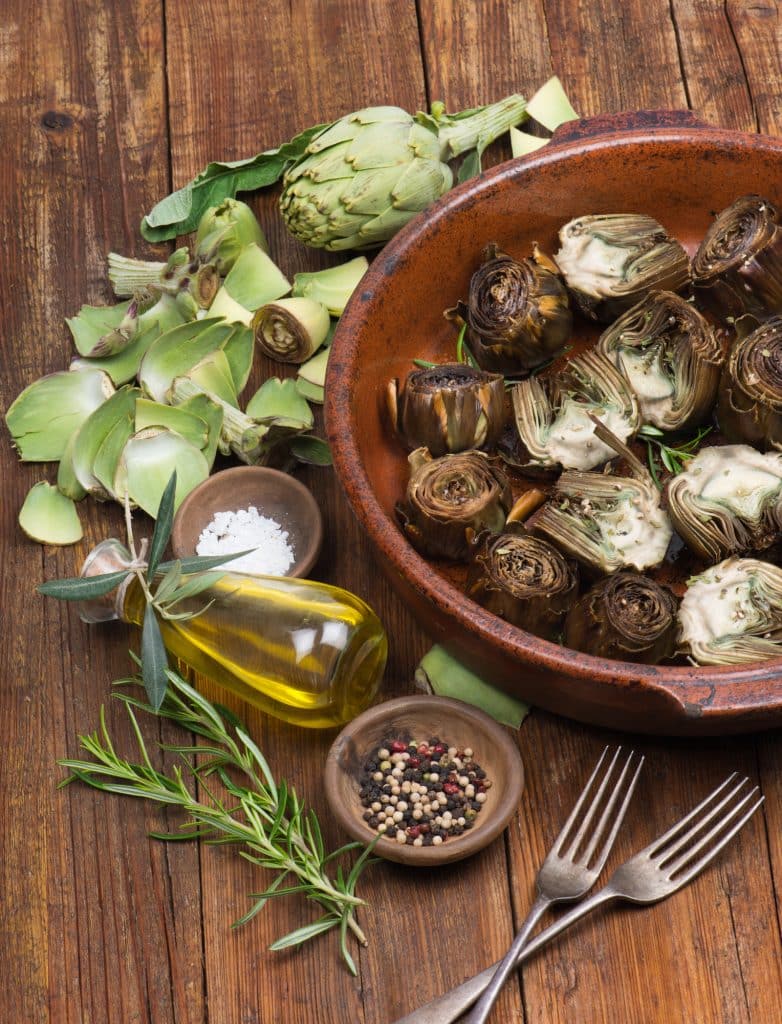
23. Artichokes
Artichokes intimidated me for a long time, all those pointed leaves and a fuzzy center that seems like a lot of work for not much payoff.
Steamed whole and served with a dip, though, they turn into a slow food kind of appetizer, the kind where you scrape each leaf with your teeth and talk while you eat.
What Everyone's Making
21 Fruits and Vegetables That Keep My Grocery Bill From Exploding →
Mom note: my kids think pulling the leaves off one by one is the whole point of dinner, and honestly on a slow weekend I don’t mind that it takes forty-five minutes to eat.
The heart at the center is the real reward, tender and rich enough that I usually let whoever made it to the middle claim it as a prize.
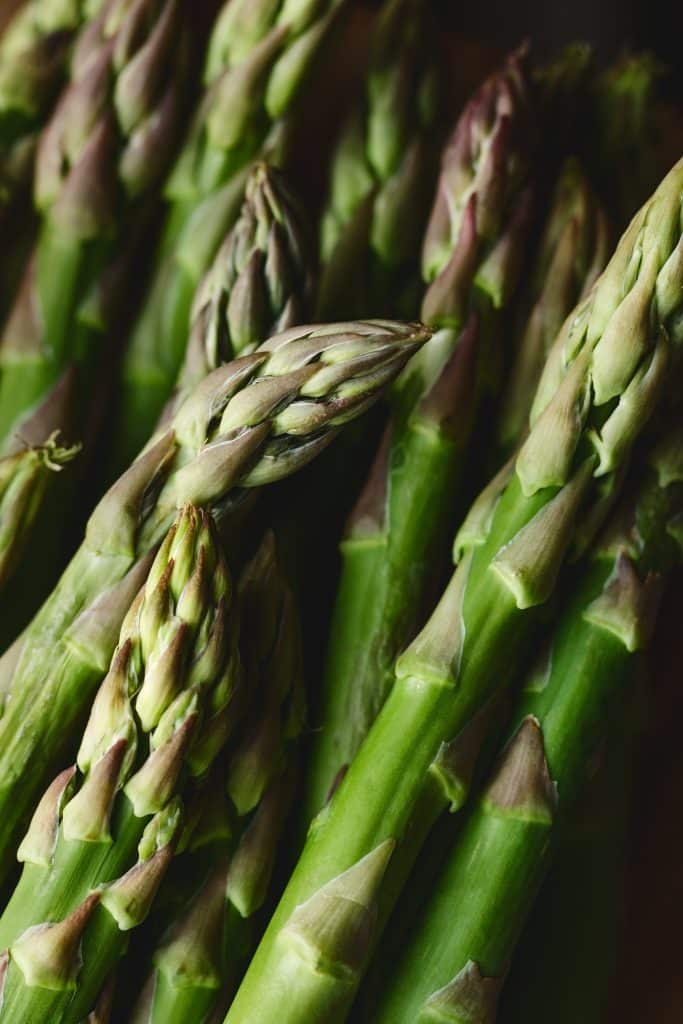
24. Asparagus
Asparagus roasted or grilled until the tips crisp up has a savory, almost grassy richness that plain steamed asparagus never quite reaches.
I snap the woody ends off instead of cutting them, since the stalk naturally breaks right where the tough part ends. It’s a small trick that saves the tender part from getting trimmed away by accident.
Mom note: I roast it hot and fast, closer to eight minutes than fifteen, because limp asparagus is the fastest way to lose a kid’s interest at the table.
A squeeze of lemon and a little cracked pepper at the end is really all it needs. Anything more just gets in the way of the flavor that’s already there.
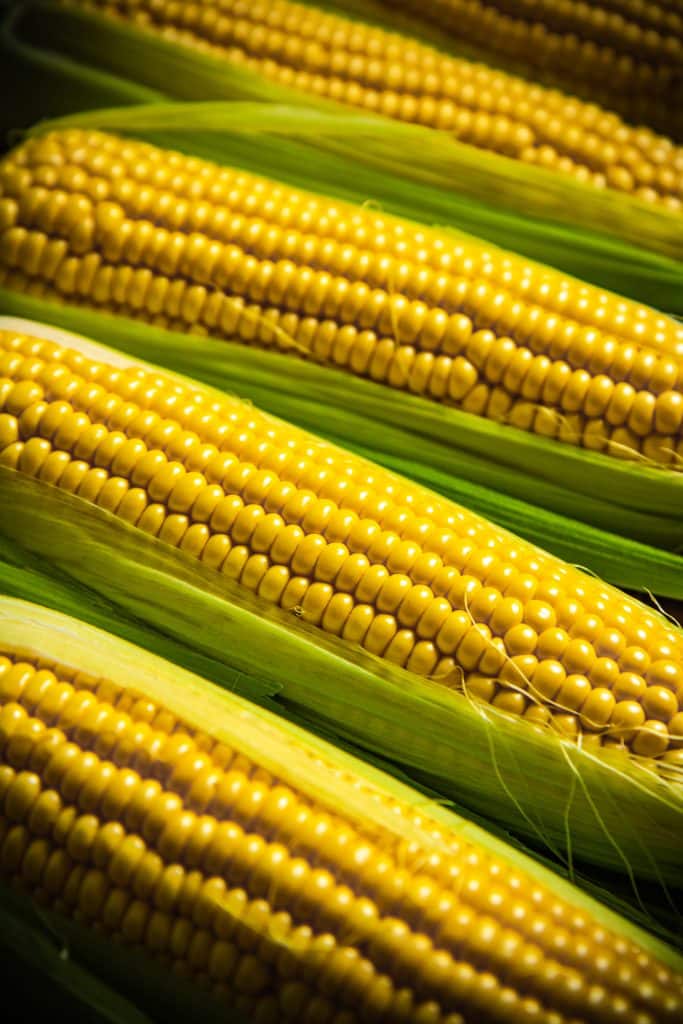
25. Corn
Charred corn is a completely different vegetable from boiled corn, with a smoky, almost sweet edge that plain boiling never gets close to.
I char it right on the stovetop in a dry cast iron pan when the weather’s not right for the grill, turning it every couple minutes until it’s spotted dark all around.
Mom note: I cut the kernels off the cob for my youngest, who refuses to eat corn any way that requires holding it, and she’ll polish off a whole bowl this way.
A little chili powder and lime instead of butter turns it into something that feels like a whole separate side dish, not just corn wearing a costume.
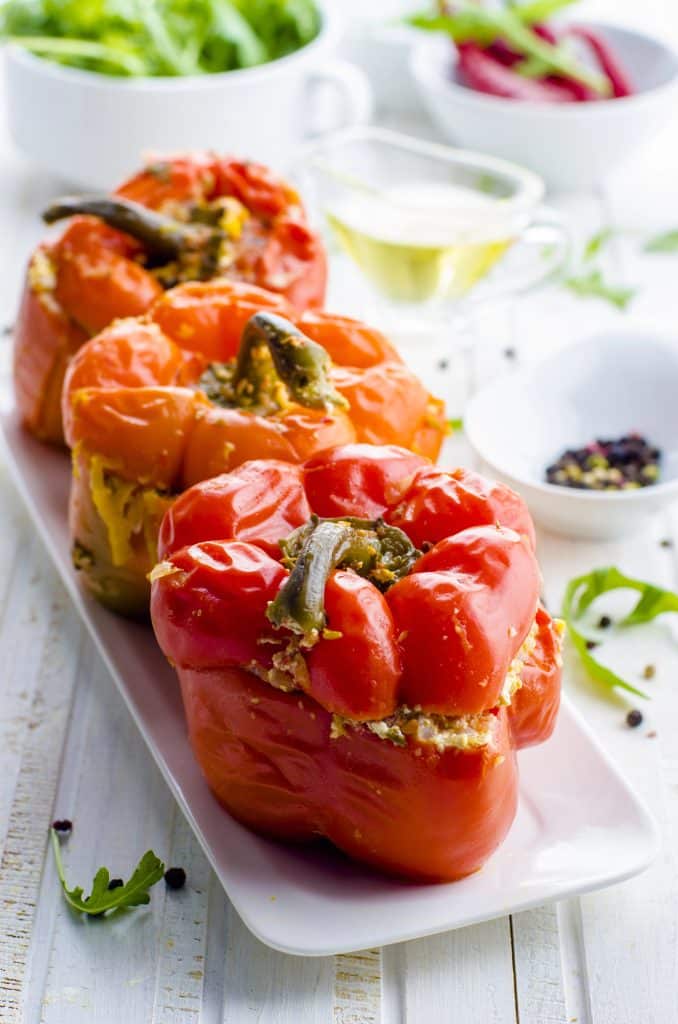
26. Bell Peppers
Raw bell peppers are crisp and a little bitter around the edges. Fire-roasted, they turn sweet and silky, closer to a spread than a raw vegetable.
I char them directly over the stove burner or under the broiler until the skin blisters black all over, then let them steam under a bowl before peeling.
Mom note: the peeling step is messy and I usually do it over the sink with the water running, but the payoff is a pepper that tastes twice as good as the raw version.
I blend a batch into a smoky dip, layer strips onto sandwiches, or stir them into rice at the last minute. They’re one of the easier fresh vegetables I turn into something new before they go bad, right alongside the ideas in the fruits and veggies I turn into something new.
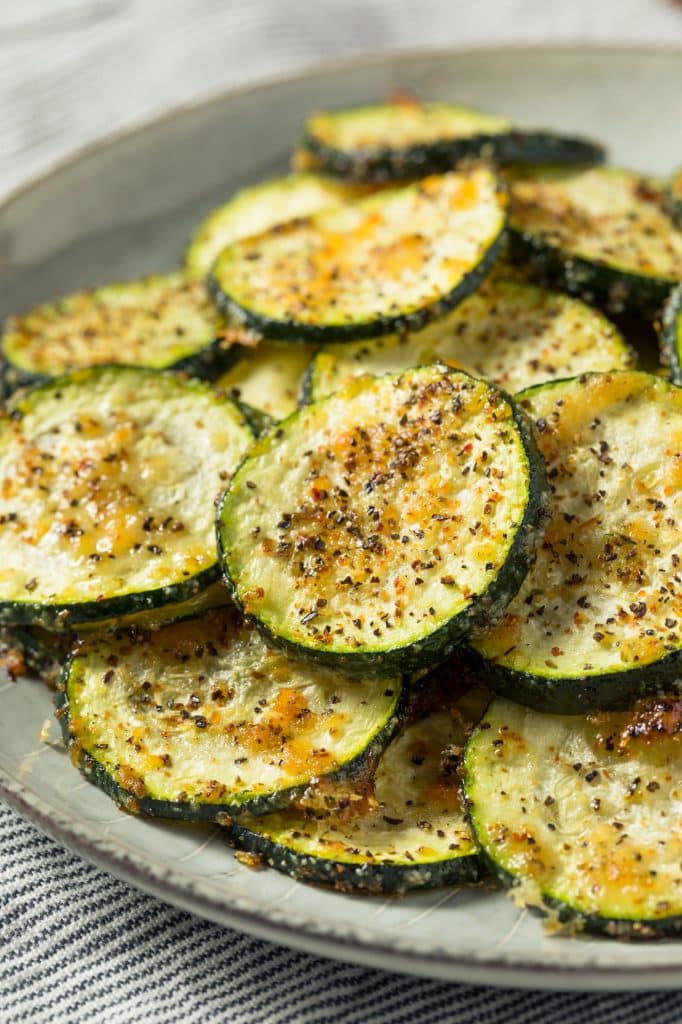
27. Zucchini
Zucchini gets watery and bland when it’s steamed or boiled, which is probably why so many kids decide early on that they don’t like it.
Charred in a hot pan or on the grill, it browns instead of steaming, and that char brings out a nuttier, more savory side of the vegetable that boiling never reaches.
Mom note: I slice it thick, almost like planks, so it holds up on the grill without falling through the grates, since thin rounds turn to mush before they ever get a chance to char.
A little garlic and parmesan used to be my go-to finish, but a squeeze of lemon and flaky salt does almost the same job now, which is really the whole point of this list. Good technique on a good vegetable, one I lean on right alongside the vegetables that make the best one-pan dinners in my house.
Start With One
I’m not trying to talk anyone out of cheese. My fridge still has a block of it in there right now. But on the nights I want something to taste rich and finished without reaching for it, this is the list I actually cook from.
If you’re only going to try one thing from this list, make it the mushrooms or the roasted garlic. Both are cheap, both are forgiving, and both will make you understand what I mean about vegetables doing the work you didn’t know they could do.
This week I’m making a big batch of caramelized onions while I have a free hour, and probably charring a tray of cabbage wedges to go with whatever protein ends up in the pan. Small stuff, but it adds up to dinners that taste like more than they cost.