
27 Vegetables That Taste Better the Day After You Cook Them
I used to think leftovers were just tomorrow’s problem wearing yesterday’s clothes. Then I started paying attention to which vegetables actually improve overnight in the fridge, and it changed how I plan dinner.
Half the time now I cook a vegetable on purpose a day early, just so it can sit. It sounds backwards, cooking something before you need it and letting it get cold on purpose, but once you notice the pattern you can’t unsee it.
This isn’t a science lesson. It’s just what happens in my kitchen, night after night, with the same pots and the same picky eaters.
Some vegetables mellow out. Some get sweeter. A few turn into something better than what I started with, and a few surprised me by not holding up at all, which I’ll be honest about when we get there.
Here are 27 vegetables I’ve learned to cook a little ahead of when I need them, in the order I’d actually reach for them: roots first, then the sturdy stuff, then the ones that need a sauce to really shine.
1. Sweet Potatoes
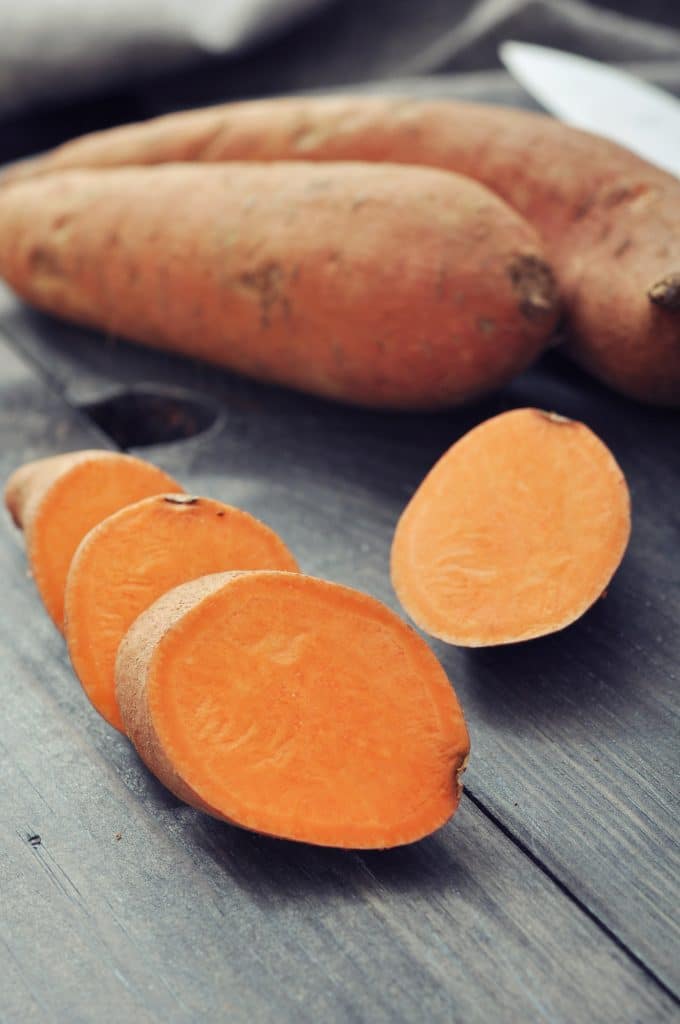
Roasted sweet potatoes are good the day I make them. The day after, once the starches settle, they get almost custardy in the middle.
I roast a whole tray on Sunday and reheat pieces all week, sometimes mashed with a little butter, sometimes just sliced cold into a lunch bowl.
What surprised me the first time I noticed this was how much sweeter they tasted on day two without me doing anything different. I’d assumed leftovers were just a slightly worse version of the original, and with sweet potatoes that’s flat out not true.
They also keep their shape better than almost any other root in this list, which matters when you’re trying to reheat a portion without it turning to mush in the microwave.
Make it easier: roast extra on purpose, they hold up better than almost anything else in my fridge, and they’ll keep in a sealed container for a good four or five days without going watery.
2. Potatoes
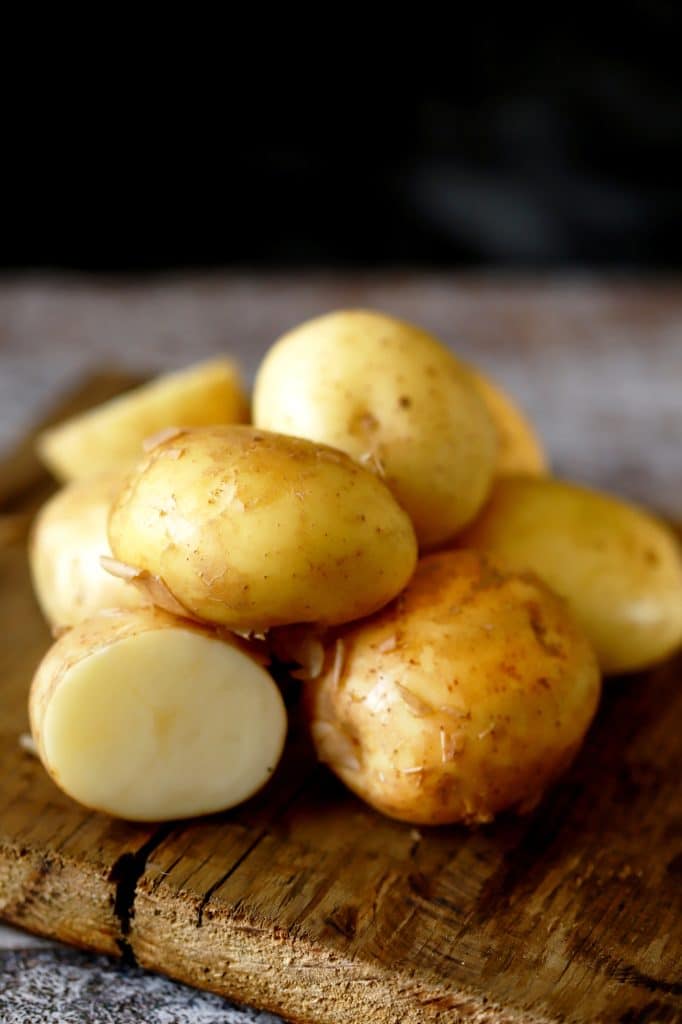
Boiled or roasted potatoes firm up overnight, which sounds bad but isn’t. That firmer texture is exactly what you want for a skillet hash the next morning.
My husband will eat potatoes cooked absolutely any way, so I always have some sitting around for this reason alone.
The trick I had to learn the hard way is that reheating them soft, in the microwave, covered, is exactly the wrong move. That’s how you end up with the gluey texture nobody wants.
Once I started frying leftover potatoes hard in a dry cast iron pan instead, they went from “fine, I guess” to something my kids actually asked for by name.
Make it easier: cook double, cube the extra, and fry it hard in a hot pan the next day instead of trying to reheat it soft. Don’t stir it too much either, let it sit long enough to get a crust.
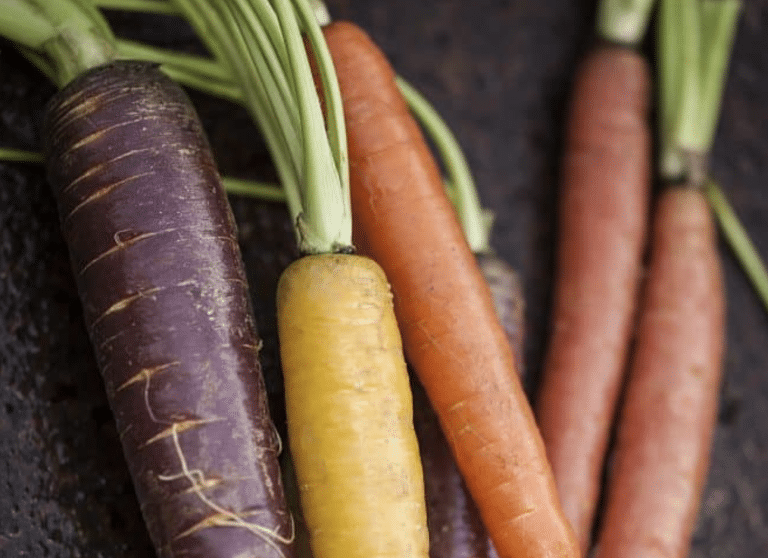
3. Carrots
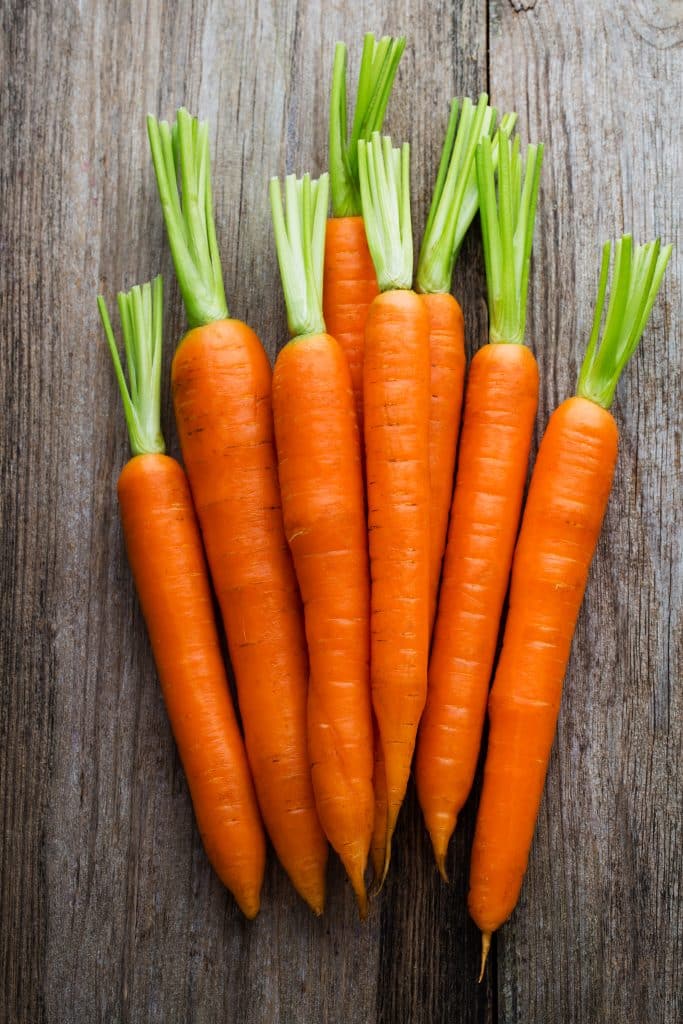
Roasted carrots taste sweeter the second day, in my experience, because the sugars have more time to concentrate as they cool and sit.
I usually toss them with a little honey before roasting, and by day two they taste almost candied.
Cut size matters more than people think here. Thick chunks hold their shape and keep that concentrated sweetness, but thin coins go soft fast and lose the effect almost completely.
I cut mine on the thicker side now, closer to a fat baby carrot than a coin, specifically so there’s something worth saving for the next day.
Make it easier: roast a double batch alongside whatever else is in the oven, they take up almost no extra effort, and cut them thick if you’re planning to save any.
4. Parsnips
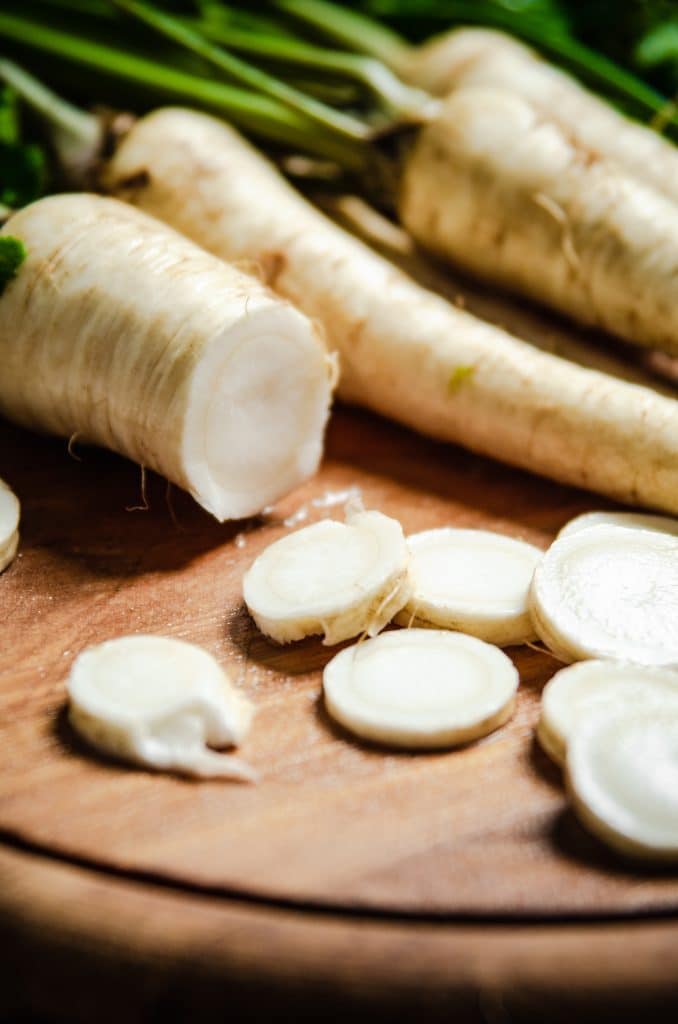
Parsnips are basically carrots with a personality upgrade, and they behave the same way overnight. The natural sweetness gets more obvious once they’ve cooled and been reheated.
I mash them with potatoes about half the time, mostly so my kids don’t notice they’re eating parsnips at all.
What I didn’t expect was how much better that mash tastes reheated compared to fresh off the stove. Something about the potato and parsnip sitting together overnight makes the whole thing taste more like one dish instead of two vegetables mashed side by side.
I’ve started making the mash a full day ahead of a bigger dinner just for that reason, the same way you’d plan ahead for a big pot of soup.
Make it easier: roast them cut side down so they caramelize hard, that caramelized layer is what holds up best on reheat, whether you mash them or serve the pieces whole.
5. Beets
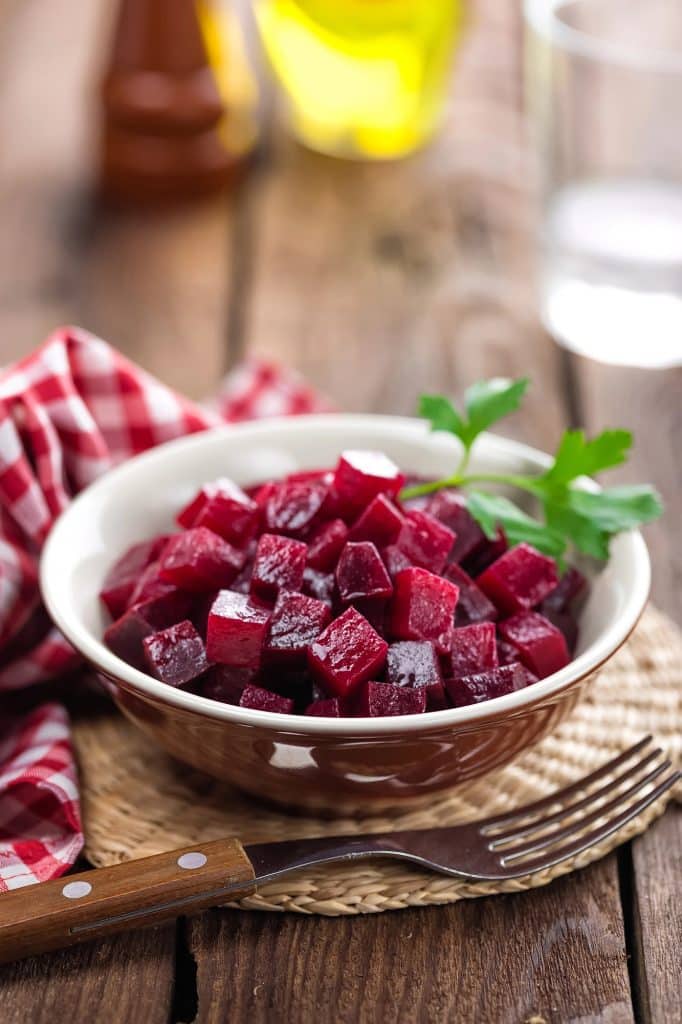
Roasted beets need a full day in the fridge, honestly. Fresh out of the oven they’re a little sharp, but a night of resting mellows that edge out completely.
I roast them wrapped in foil, whole, then peel them cold the next day. It’s less messy and my hands stay pink instead of fully stained.
This is one of the few vegetables on this list where I plan the timing around the leftovers instead of the other way around. If I know we’re eating beets on a Thursday, I’m roasting them Tuesday night without fail.
Served cold with a little vinegar and oil the second day, they taste closer to a fancier side dish than anything I actually put effort into that morning.
Make it easier: roast beets a full day ahead on purpose, don’t even bother trying to serve them same day, and peel them once they’re fully cool to save your hands the mess.
6. Turnips
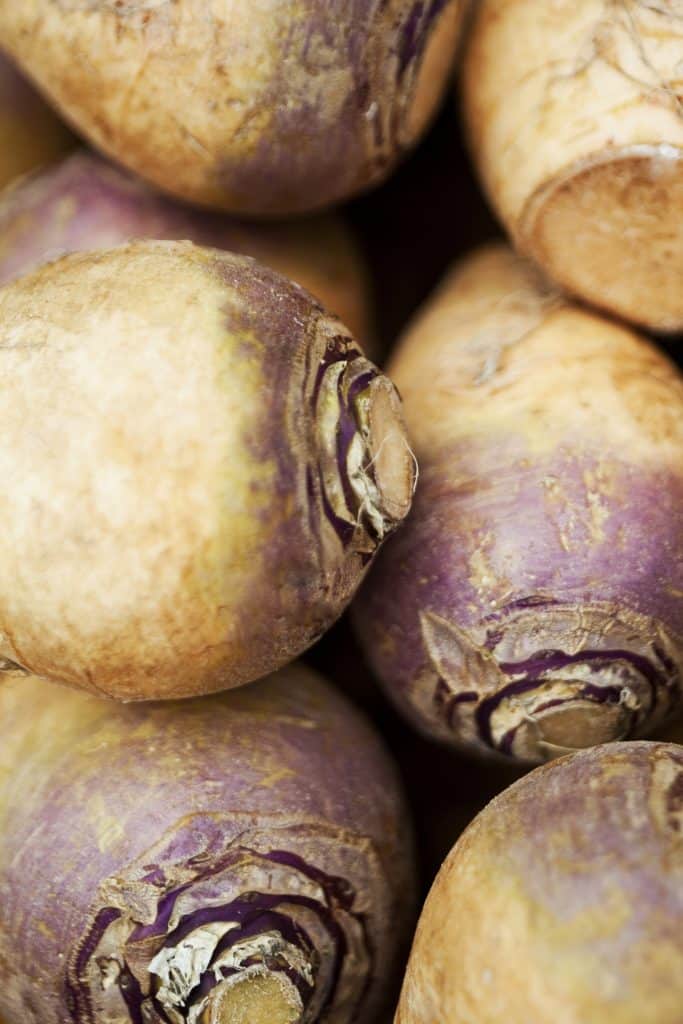
Turnips can taste a little sharp fresh out of the pot. Give them a night to sit in their own liquid and that sharpness rounds out into something closer to mild.
I usually braise mine with a little broth instead of roasting, since that liquid is exactly what makes the reheat so good.
I learned this one by accident, honestly. I’d made a big batch for a dinner nobody finished, reheated the rest two nights later out of pure laziness, and it tasted better than what I’d served the first time.
Now I treat turnips the same way I treat a pot of soup, cook it, forget about it for a day, then come back and be pleasantly surprised.
Make it easier: braise instead of roast, the extra liquid does the flavor work for you overnight, and don’t skimp on the broth even if it looks like too much at first.
7. Rutabaga
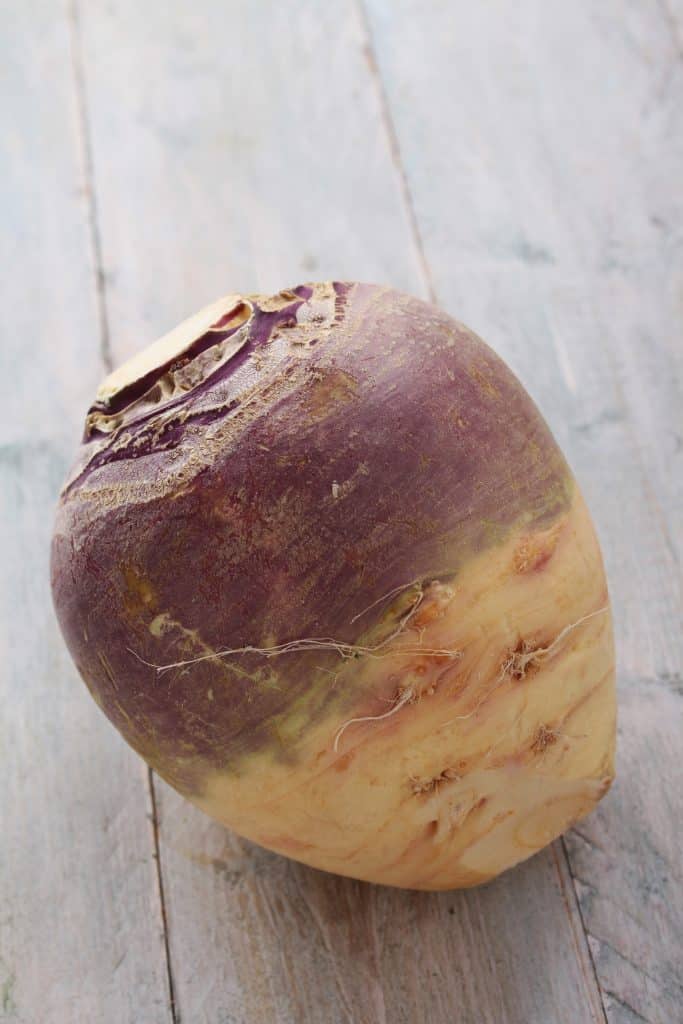
Rutabaga is turnip’s tougher, sweeter cousin, and it holds up to reheating even better. Mashed rutabaga the second day tastes almost buttery, even before I’ve added any butter.
I do believe in butter, though, so I add it anyway.
What makes rutabaga different from a lot of the other roots on this list is how dense it starts out. That density means it reheats without falling apart, even in the microwave, which is more than I can say for a lot of vegetables.
It’s become my go-to when I want a mash that will still hold together three days later, not just look decent the first night.
Make it easier: boil and mash a whole rutabaga at once, it reheats in the microwave without turning watery, and it’ll keep well past the point most mashed vegetables start to break down.
8. Acorn Squash
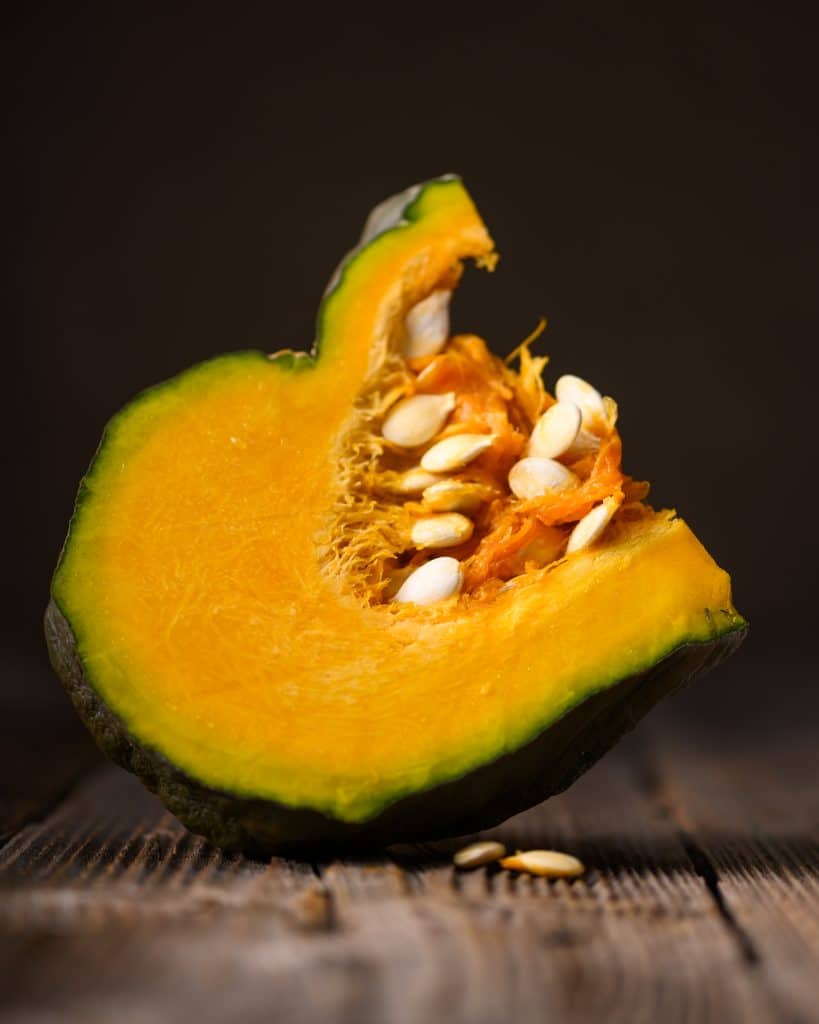
Roasted acorn squash gets denser and sweeter overnight, closer to the texture of a baked good than a vegetable by day two.
My oldest genuinely asks for this one cold out of the fridge, which is not something I expected to type in a sentence about squash.
I think the reason it works so well is the shape. A halved squash holds moisture in that little bowl where the seeds used to be, so it never dries out the way a flat roasted vegetable can.
By the second day, whatever you put in that little pool, butter, maple syrup, even just salt, has had time to actually soak into the flesh instead of sitting on top of it.
Make it easier: roast halves cut side up with a little maple syrup pooled in the middle, that pool thickens overnight into something close to a glaze, and reheat it in the same shape rather than scooping it out first.
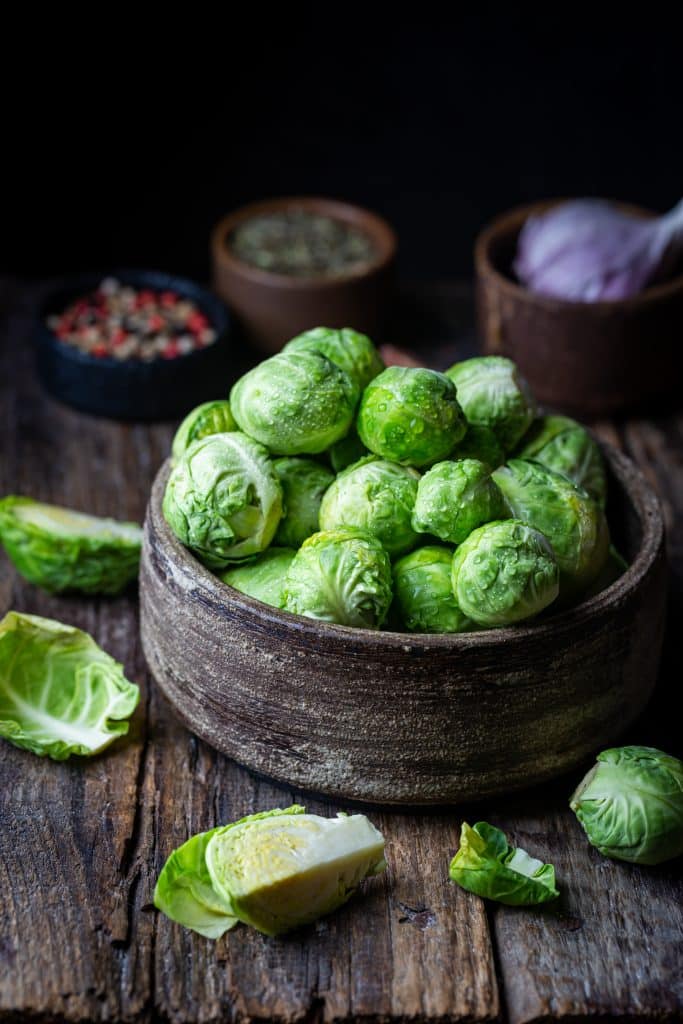
9. Brussels Sprouts
Roasted brussels sprouts crisp up again beautifully in a hot pan the next day, better than the microwave ever manages.
I roast a huge tray whenever the oven is already on for something else. It’s basically free effort at that point.
The microwave is genuinely the enemy here. It steams them instead of reheating them, and steamed leftover brussels sprouts have a smell that will clear a kitchen faster than almost anything else I cook.
A hot skillet with just a little oil takes maybe three extra minutes and gives you back the crisp edges you had the first night, sometimes even better than the original.
Make it easier: reheat leftovers in a skillet with a little oil instead of the microwave, they crisp back up instead of going soft, and skip the lid so they don’t steam.
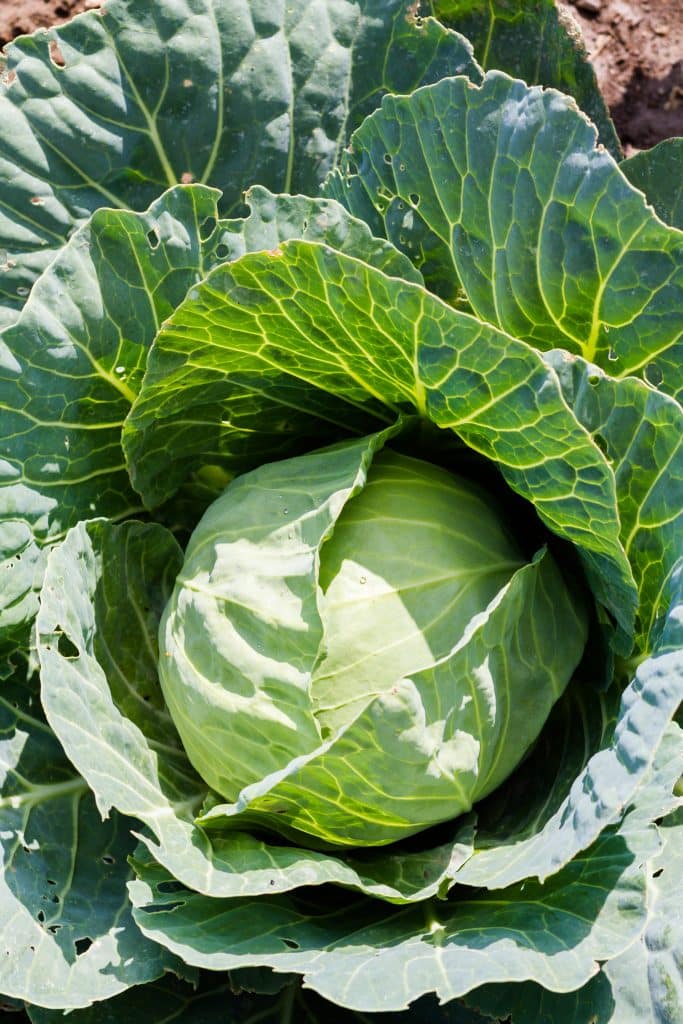
10. Cabbage
Braised cabbage is one of those things that tastes better every single time I reheat it, up until about day three.
The vegetables I lean on for a big pot of soup almost always include cabbage for exactly this reason.
What’s happening, as far as I can tell from just cooking it a hundred times, is that the cabbage keeps releasing liquid as it sits, and that liquid keeps basting the rest of the pot every time you reheat it.
From My Kitchen
23 Vegetables That Turn One Pot of Soup Into a Whole Week of Dinners →
"This is the one I make on repeat once it gets cold out."
By day three it starts to lose structure and turn a little too soft for my taste, so I try to eat through a batch within that window rather than letting it go longer.
Make it easier: braise a whole head at once with onion and a splash of vinegar, then just portion it out all week, and plan to finish it within three days for the best texture.
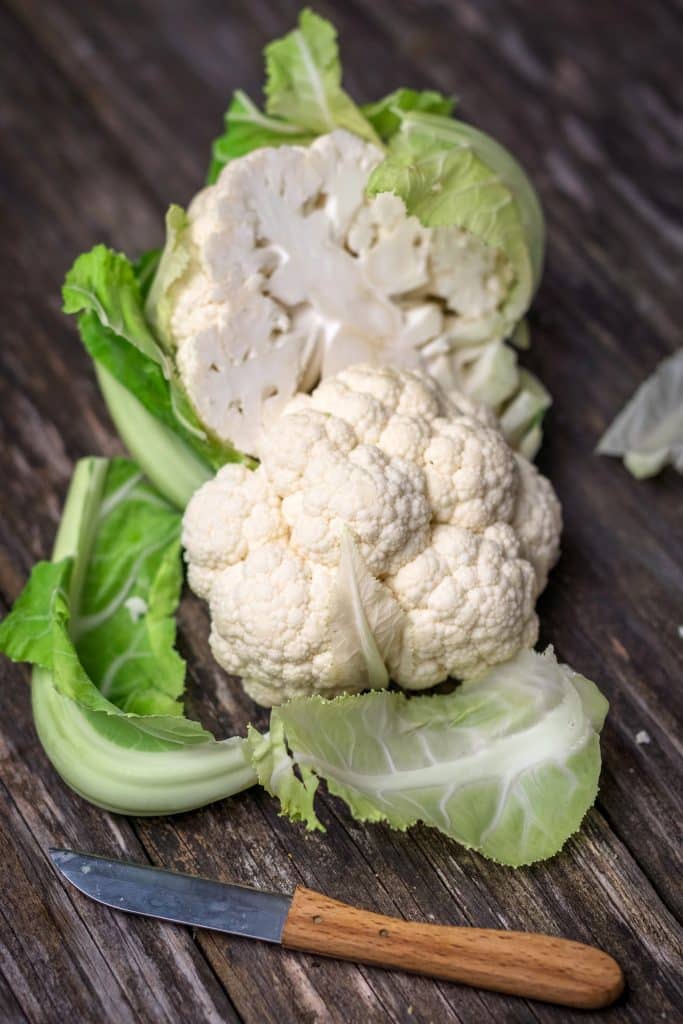
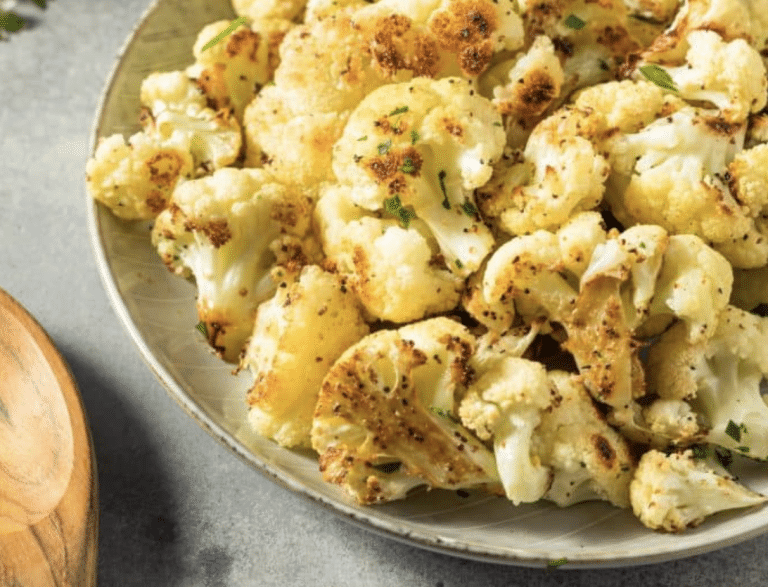
11. Cauliflower
Roasted cauliflower with a good char holds its texture surprisingly well overnight, especially if you don’t drown it in sauce right away.
I keep the sauce separate and add it fresh at reheat time. Trust me on this one, it makes a real difference.
The first few times I made a whole roasted cauliflower dish, I’d toss the sauce on right away and let the whole thing sit together in the fridge overnight. It came out soggy every single time.
Keeping the two separate until the last minute took almost no extra effort, and it was the single biggest fix I made to how any roasted vegetable holds up as leftovers in this house.
Make it easier: store sauce and cauliflower separately, combine only when you’re ready to eat it, and give the florets a couple minutes in a hot oven or air fryer before adding anything wet.
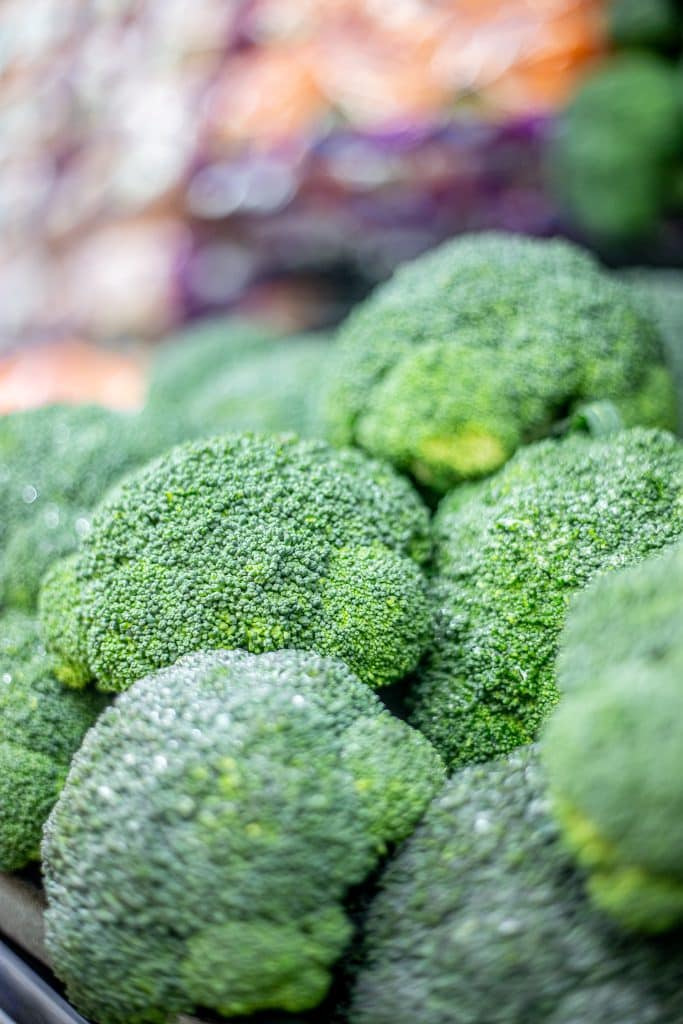
12. Broccoli
Roasted broccoli is a rare case where I actually prefer it cold, straight out of the fridge, tossed into a lunch bowl the next day.
My youngest agrees with me here, which almost never happens with vegetables in this house.
The florets that get truly crisp and a little charred in the oven seem to hold onto that texture even cold, in a way steamed or boiled broccoli never does.
I add cold roasted broccoli to grain bowls, salads, even scrambled eggs, mostly because it saves me from cooking a fresh vegetable every single day of the week.
Make it easier: roast it hard, past the point you think it’s done, so the edges stay crisp even after a night in the fridge, and don’t bother reheating it at all if you liked it cold.
13. Green Beans
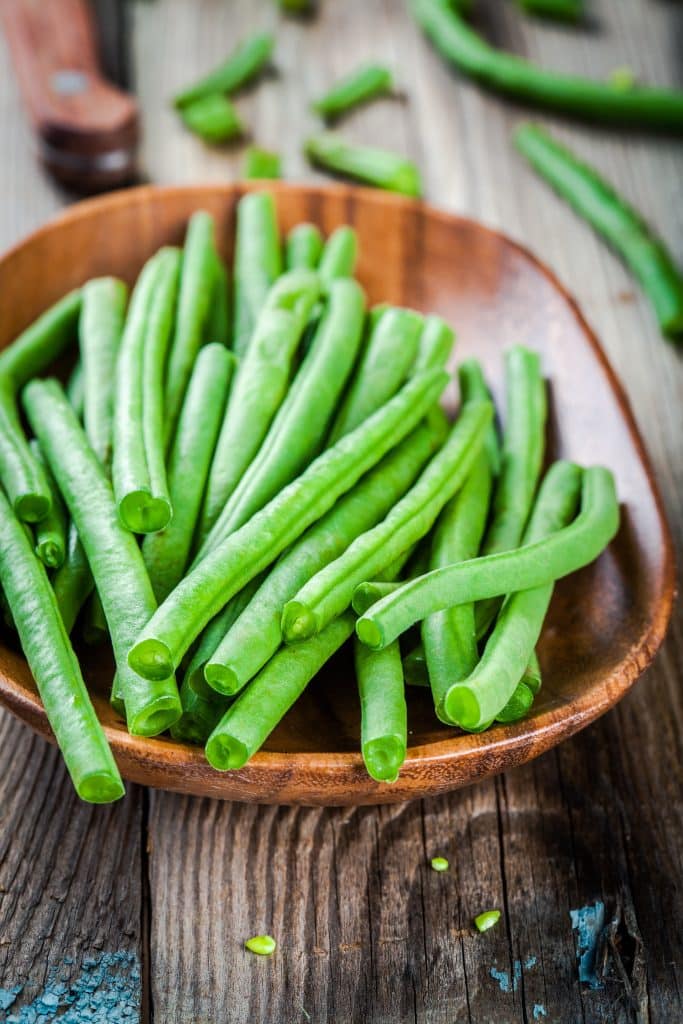
Braised green beans, the long-cooked southern style rather than the quick blanched kind, taste better every time I bring them back out.
This is a 90s budget food memory for me, and I make them almost exactly the way my mom did, on purpose.
These are nothing like the quick, bright green beans you get from a fast steam. They’re cooked low for a long time with onion and a little fat until they go soft and almost stewy.
That long cook is exactly why they keep improving after a day or two in the fridge. There’s nothing delicate left in there to overcook, so reheating them gently just deepens what’s already there.
Make it easier: cook them low and slow with a little onion, then just reheat gently, don’t rush this one on day two either, low heat on the stove works better than the microwave.
14. Collard Greens
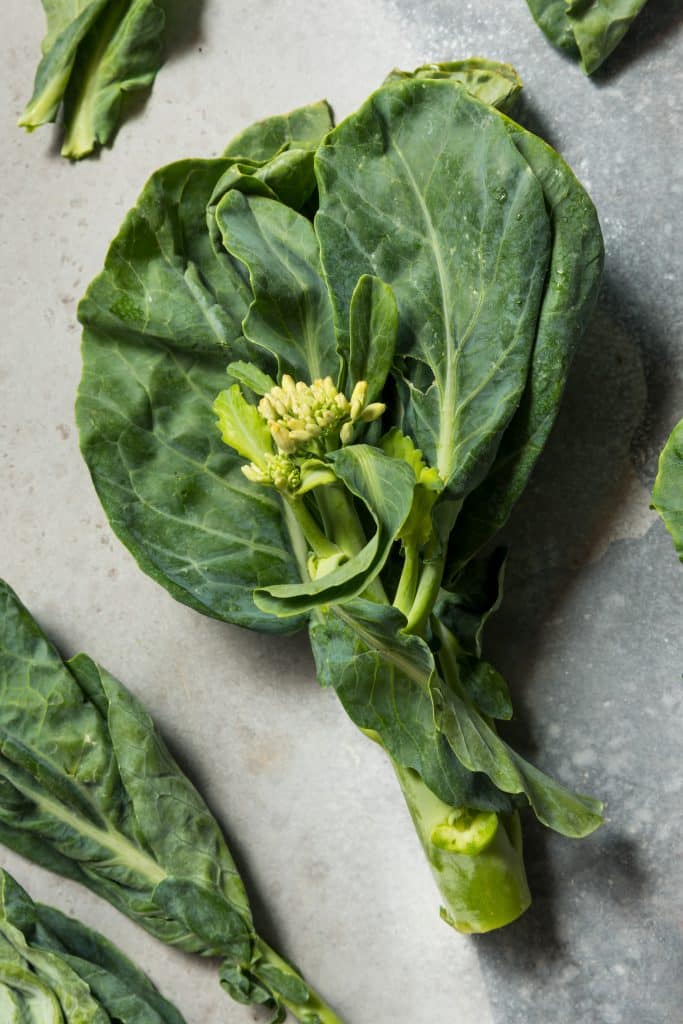
Collard greens are maybe the single best example on this whole list. Slow cooked greens taste noticeably better on day two, once all that liquid has had time to work its way through.
I make a big pot and don’t even try to eat it the same day anymore.
The first time I cooked a full pot and tasted it fresh, I thought it was just okay, a little thin on flavor. I almost didn’t bother saving the rest.
The next night it was a completely different pot of greens, richer, saltier in the good way, with the pot liquor tasting like it had simmered all day instead of just sitting in the fridge. I’ve never made the mistake of judging them fresh since.
Make it easier: cook a full pot on a day off and plan to eat it the next day on purpose, not as an afterthought, and save the pot liquor to spoon back over the greens when you reheat them.
You'll Want This Too
15. Kale
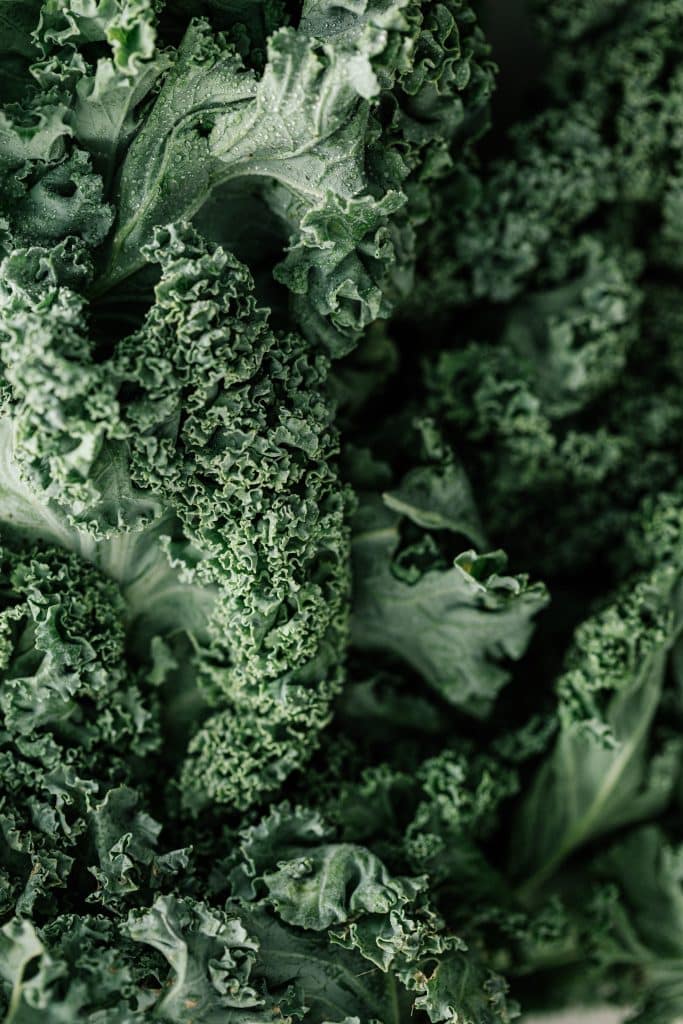
Cooked kale softens in a good way overnight, losing that slightly bitter edge it can have fresh out of the pan.
I sneak it into soup more than I sauté it on its own these days, mostly for this reason.
Kale on its own, sautéed and served the same night, can still have that raspy, slightly tough bite that makes some kids shut down before they’ve even tried it.
Give it a day inside a soup or stew and that toughness is basically gone, which is the whole reason it shows up so often in the produce I sneak into dinner without anyone noticing.
Make it easier: stir cooked kale into a soup or stew rather than serving it plain, the extra liquid keeps it from drying out on reheat and softens the texture kids tend to resist.
16. Spinach
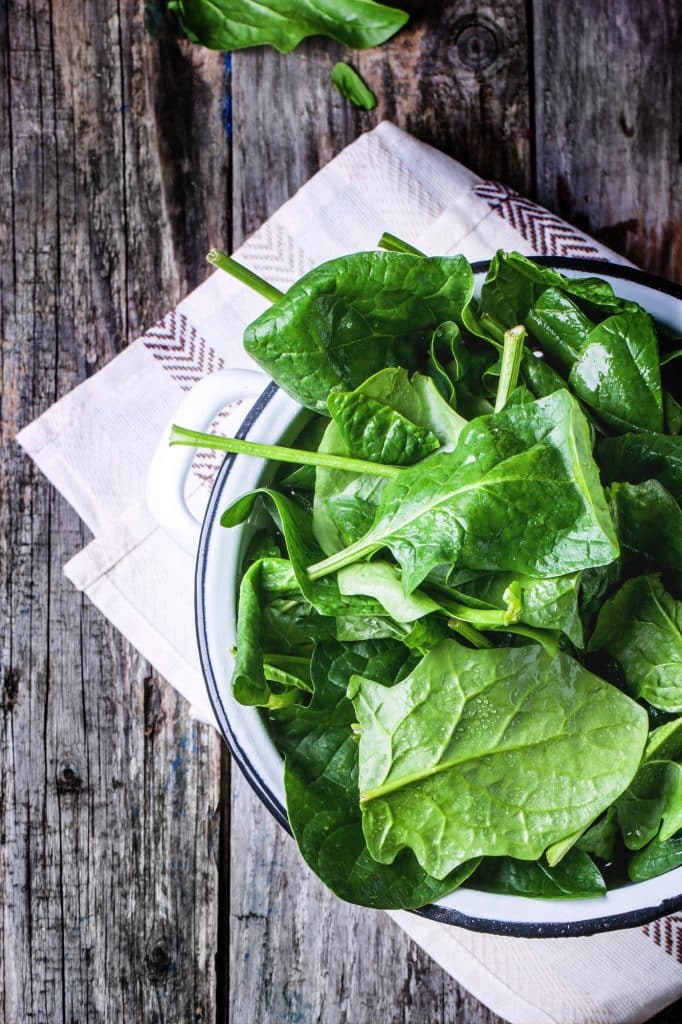
Creamed spinach is genuinely better the next day, once the sauce has had time to fully soak into the leaves instead of just coating them.
Plain sautéed spinach, though, I wouldn’t bother saving. It turns into a sad little puddle by morning.
Spinach loses so much volume when it cooks that there’s almost nothing structural left to hold onto by the second day. Without a sauce or a cream base to protect it, it just weeps liquid and goes limp in a way that isn’t appetizing.
Once it’s in a cream sauce, though, that same weeping works in your favor, since the spinach is basically flavoring the sauce it’s swimming in instead of drying out on its own.
Make it easier: only save the creamed or sauced versions, skip trying to save plain sautéed spinach at all, it’s genuinely better made fresh each time you need it.
17. Swiss Chard
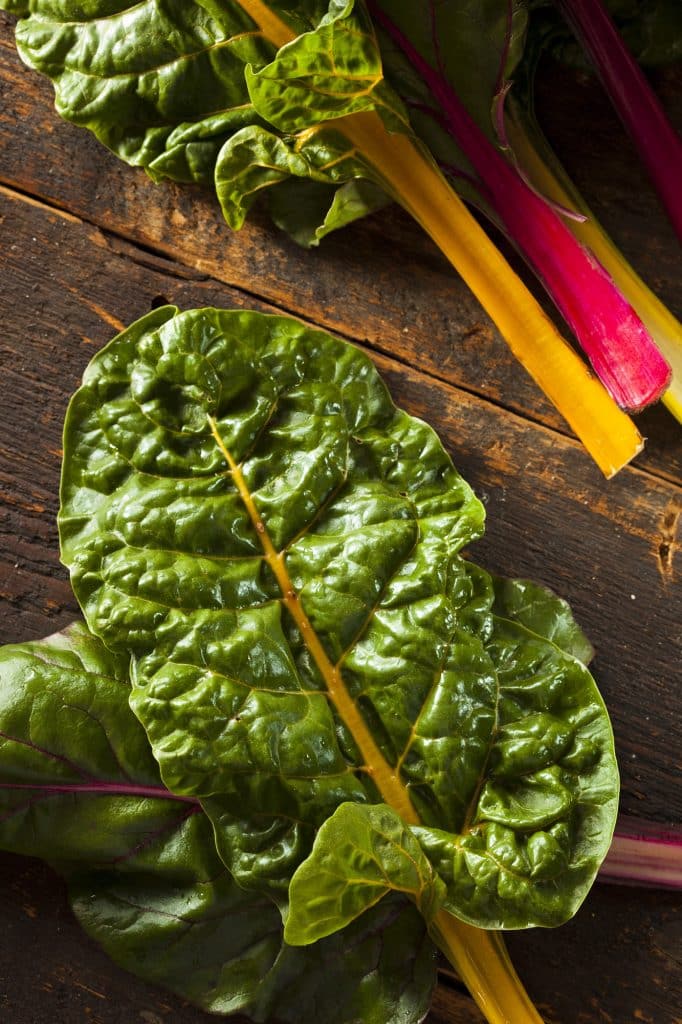
Swiss chard behaves a lot like collard greens once it’s been braised. The stems soften further overnight and the whole dish tastes rounder.
I chop the stems small and cook them a few minutes ahead of the leaves, which is one of the vegetables I finally learned to cook right after years of getting it wrong.
For a long time I threw the whole thing in the pan at once and ended up with mushy leaves sitting next to stems that were still a little too firm to enjoy.
Cooking them in stages fixed the first-night problem, and it turns out that staggered cook is also part of why the leftovers hold together so well the next day, everything finishes at roughly the same texture instead of two different speeds.
Make it easier: braise stems and leaves together in the same pan, just add the leaves a few minutes later, and don’t skip that step even when you’re in a hurry.
18. Onions
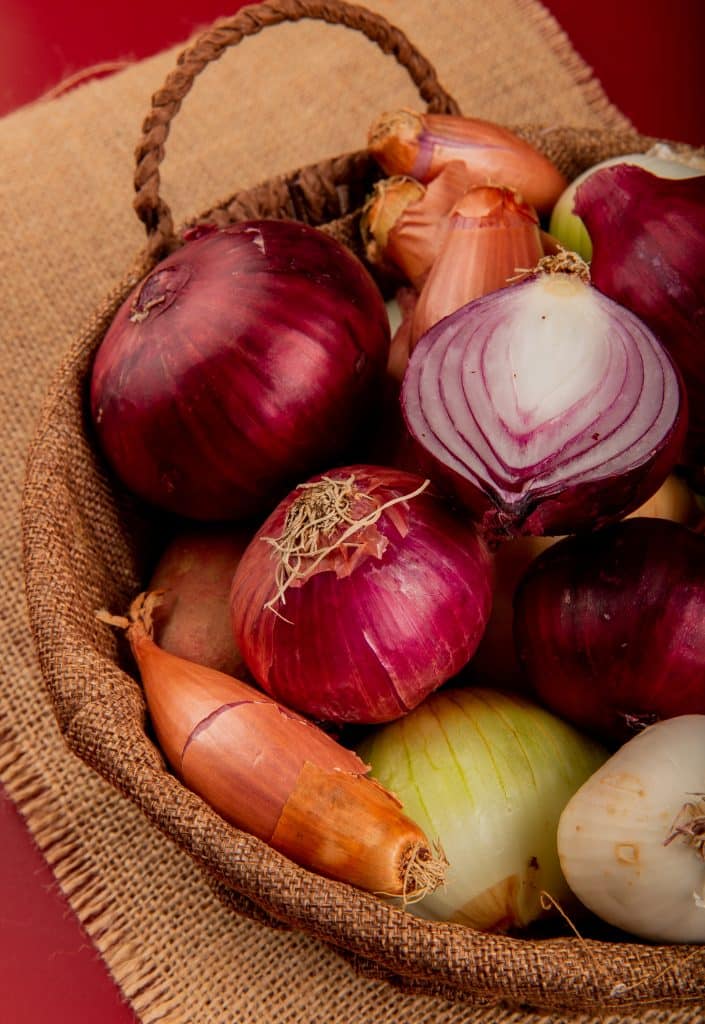
Caramelized onions are the whole reason I’m confident about this entire list. They taste better on day three than day one, every single time.
I make a big batch on a slow Sunday and use them all week on sandwiches, in eggs, wherever they’ll fit.
Real caramelization takes a long time, closer to forty-five minutes than the ten most recipes promise, and most of us stop early because we’re impatient, not because they’re done.
What I’ve noticed is that even a properly caramelized batch keeps mellowing and deepening for a couple more days in the fridge, almost like the cooking never fully stopped, just slowed way down.
Make it easier: caramelize a huge batch at once, low heat, no rushing, then freeze half in small portions so you’re not tempted to rush a smaller batch next time.
19. Leeks
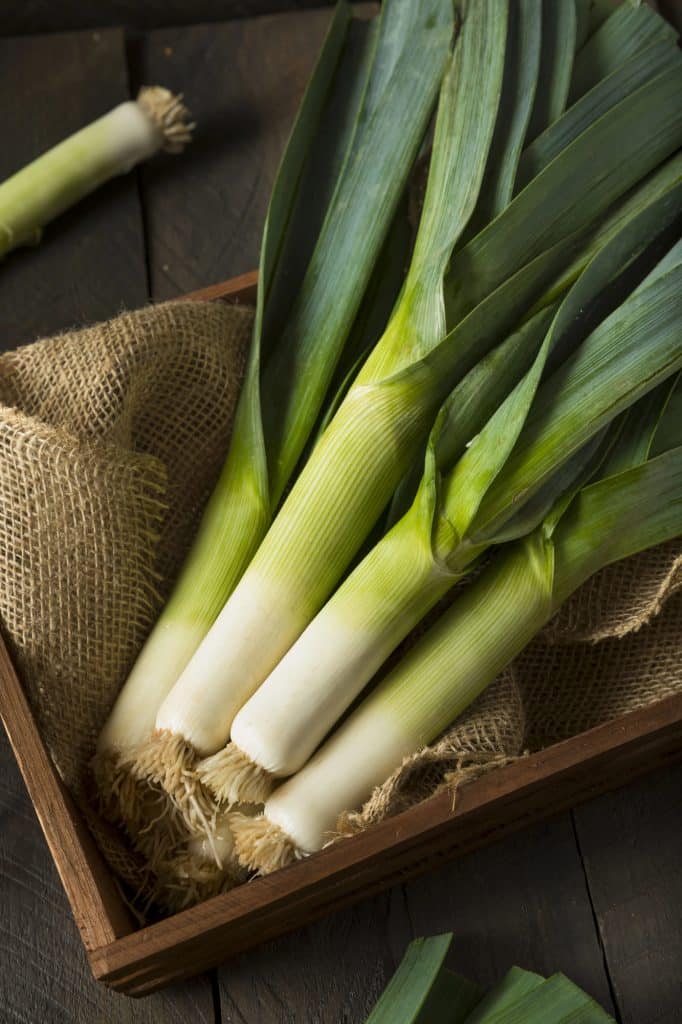
Braised leeks turn silky and mild overnight, losing any sharpness they had straight off the stove.
I mostly cook them in broth, which means they belong right alongside the soup vegetables I always turn to.
Go Deeper
Starting Plant-Based Without Starting a Family Rebellion: My Gentle-Ramp Guide →
"No overhaul, just one swap at a time."
Leeks can hide a surprising amount of grit between their layers, so the first thing I always do is slice them and give them a real soak, not just a quick rinse.
Once they’re clean and braising in broth, they practically take care of themselves. By the next day they’ve gone from a sharp, oniony bite to something almost custardy, closer to a fancy side than a leftover.
Make it easier: braise in broth instead of dry, that liquid is what carries the flavor into the next day, and rinse them thoroughly first so you’re not eating grit along with dinner.
20. Fennel
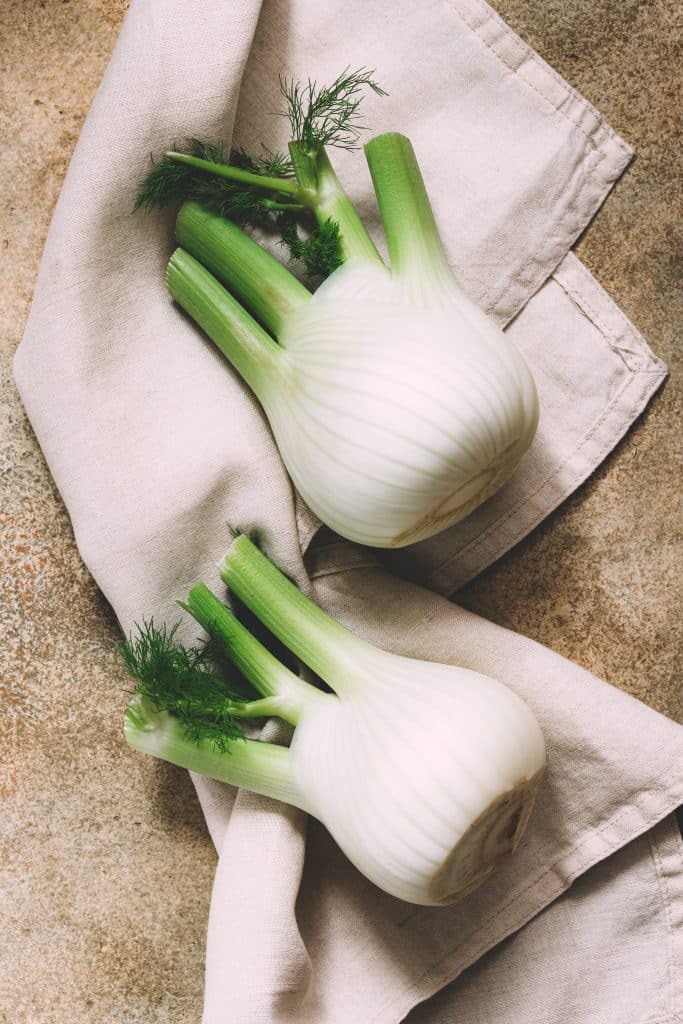
Roasted fennel loses its raw licorice bite once it’s cooled and been reheated, which makes it a lot more kid-friendly by day two.
My kids won’t touch it raw, but roasted and reheated, it mostly just reads as a soft, sweet vegetable to them.
Raw fennel has a real bite to it, sharp and almost medicinal if you’re not expecting it, and I think that’s the reason so many kids write it off before they’ve even really tasted it.
Roasting knocks most of that bite down right away, and a night in the fridge finishes the job, so by day two it tastes closer to a sweet onion than anything with an actual reputation to overcome.
Make it easier: roast fennel wedges the day before serving them to picky eaters, the flavor mellows exactly enough, and don’t mention what it is until after they’ve already tried it.
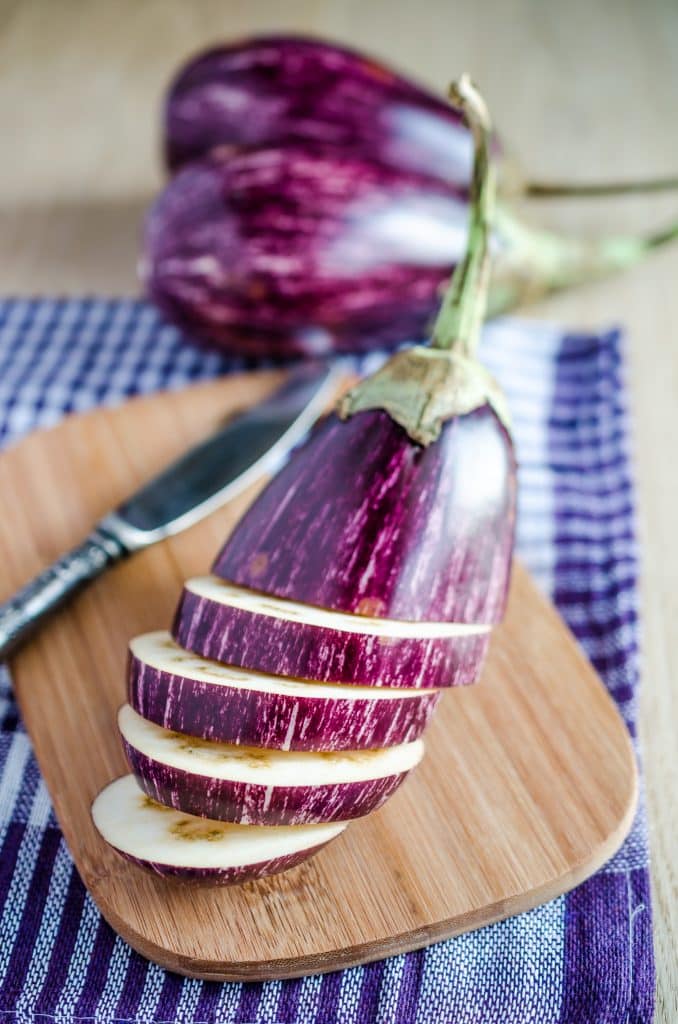
21. Eggplant
I need to be honest about this one. Everyone says eggplant is better the next day, and in my kitchen, that’s only true about half the time.
In a long-simmered sauce, sure, it soaks up flavor and gets better. Roasted plain, it just turns to mush and I don’t bother saving it anymore.
I spent a while assuming I was doing something wrong, since so many people swear eggplant is a next-day miracle across the board. It took a few disappointing lunches to accept that it just depends entirely on how it was cooked in the first place.
Eggplant in a rich, saucy dish has plenty of liquid around it to keep soaking into, so it actually gets better. Roasted on its own, there’s nothing protecting it, and it just breaks down into something with no texture left at all.
Mom note: only save eggplant that’s been cooked in a sauce or stew, skip trying to reheat it any other way, plain roasted eggplant just isn’t worth saving in my experience.

22. Zucchini
Zucchini in a tomato-based dish gets better as it sits, soaking up the sauce around it the same way the eggplant does.
On its own, it turns watery fast, so I don’t ever roast it plain expecting leftovers to work out.
Zucchini is mostly water to begin with, which is exactly why it’s such a forgiving vegetable to cook fresh and such a frustrating one to try to save. Left alone, all that water just leaks right back out overnight.
Inside a sauce, that same water loss barely matters, since it’s just adding itself back into a dish that’s already mostly liquid. That’s the whole difference between zucchini that’s worth saving and zucchini that isn’t.
Make it easier: cook zucchini inside a saucy dish rather than plain, the sauce protects the texture overnight, and salt slices ahead of time if you’re roasting it plain to pull some of that water out first.

23. Bell Peppers
Roasted bell peppers sweeten noticeably by day two, especially if you leave the skins on until you’re ready to peel them.
I roast a whole tray whenever they’re cheap at the warehouse club, then peel and store them once they’ve cooled all the way.
Leaving the char on overnight does two things at once. It keeps the flesh underneath protected and moist, and it makes the skins so much easier to peel off in one piece the next day.
What Everyone's Making
21 Veggies That Make the Best Leftover Lunches (Straight From the Fridge) →
I store mine in a little of their own juice, which ends up doubling as a quick dressing base for whatever salad or sandwich they land in later that week.
Make it easier: leave the skins on until the next day, they peel off easier and the peppers hold their shape better, and save the juice that collects at the bottom of the container.
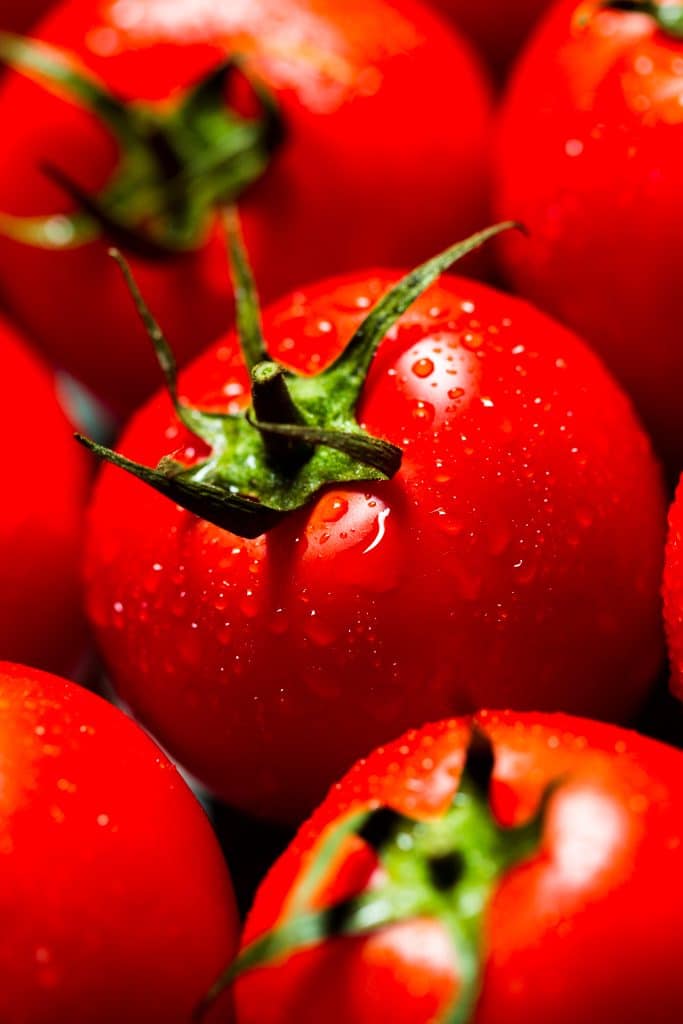
24. Tomatoes
Cooked into a sauce, tomatoes are the clearest example of this whole list. A sauce made Sunday and eaten Monday tastes like a completely different, better dish.
I always make sauce a day ahead now if I know I have the time. It’s an easy way to make a weeknight dinner taste like more effort went into it than actually did.
The acid and the sweetness in tomatoes need real time to settle into each other, and a simmer on the stove just doesn’t give them enough of it, no matter how long you let it go that same evening.
Overnight in the fridge does more for a red sauce than another hour on the stove ever could, which is a hard thing to believe until you’ve tasted it side by side.
Make it easier: make sauce the day before you need it, even just a few hours helps, but overnight is best, and reheat it low and slow rather than at a hard boil.
From my kitchen: any dish built on a tomato base, sauce, chili, soup, whatever, goes into a container the second it’s cool enough to touch. I don’t even taste-test it hot anymore. I just wait, because I already know what it’s going to taste like tomorrow, and it’s always better than tonight.
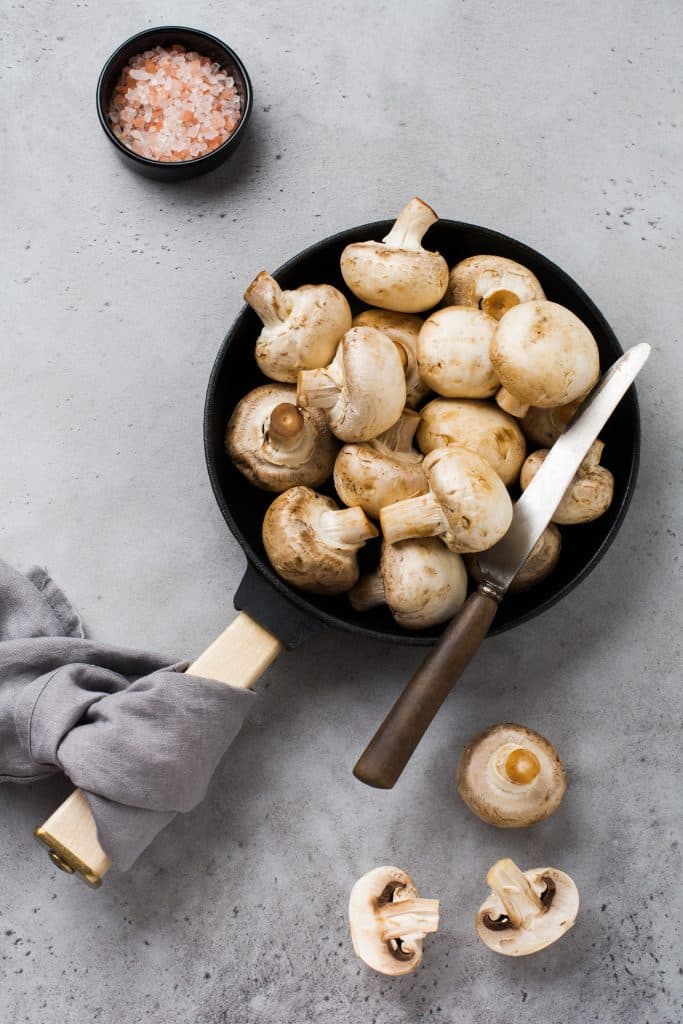
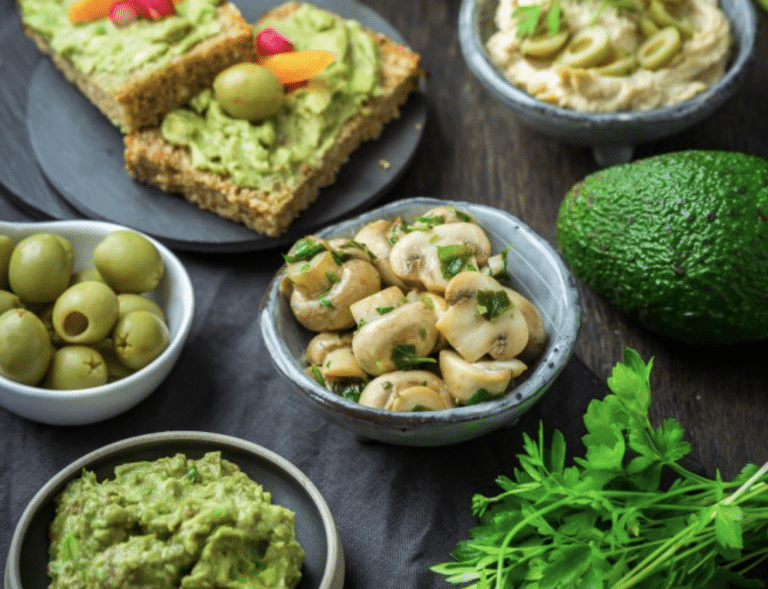
25. Mushrooms
Sautéed mushrooms deepen in flavor overnight, especially if they were cooked with a little onion or garlic alongside them.
I always cook more than the recipe calls for, since they shrink down so much anyway. Might as well have leftovers.
Mushrooms release a surprising amount of their own liquid as they cook, and if you let that liquid cook back down in the pan rather than draining it off, you end up with something closer to a little sauce than plain sautéed mushrooms.
That concentrated liquid is exactly what keeps deepening overnight, the same slow way a good soup does, so the leftovers taste more savory than what came out of the pan the first time.
Make it easier: cook mushrooms with aromatics rather than plain, the flavor keeps building in the fridge overnight, and let their liquid cook down in the pan instead of draining it away.
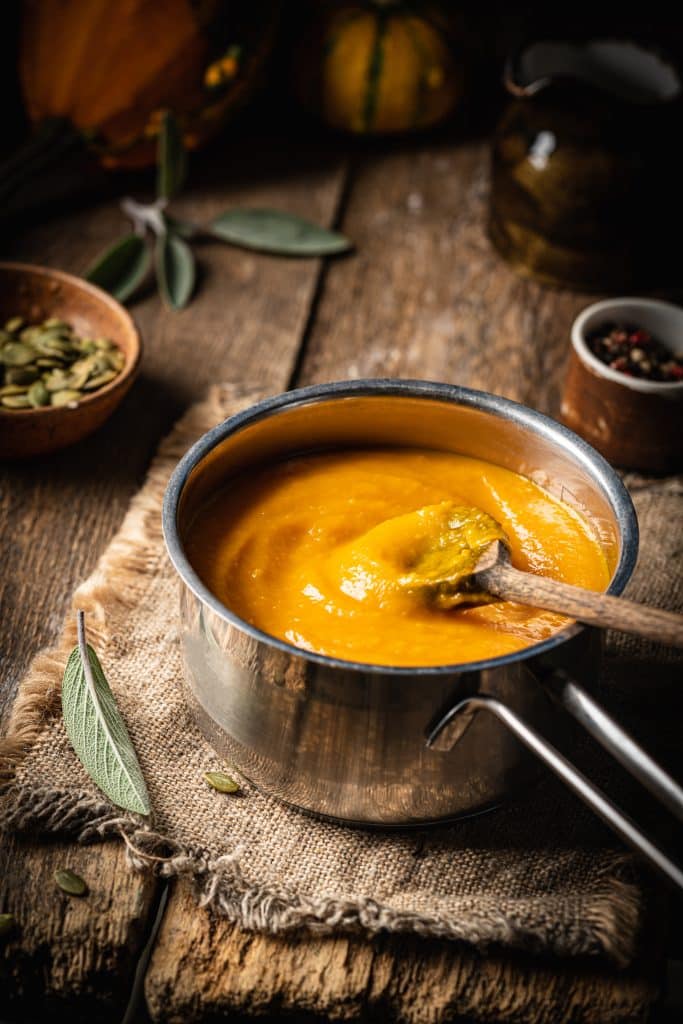
26. Pumpkin
Pumpkin soup thickens and deepens overnight, the same way most squash soups do once they’ve had time to sit.
I make a big pot in the fall and treat day two as the real payoff, not day one.
Fresh off the stove, pumpkin soup can taste a little one note to me, all squash and not much else, even with good spices in there.
A night in the fridge somehow rounds all of that out, so the spices taste more blended in and the squash itself tastes richer instead of just sweet. I’ve stopped serving it the same day I make it entirely.
Make it easier: thin it with a splash of broth when reheating, since it does thicken quite a bit as it sits, and taste it again before adding more spice, it usually needs less than you’d think.
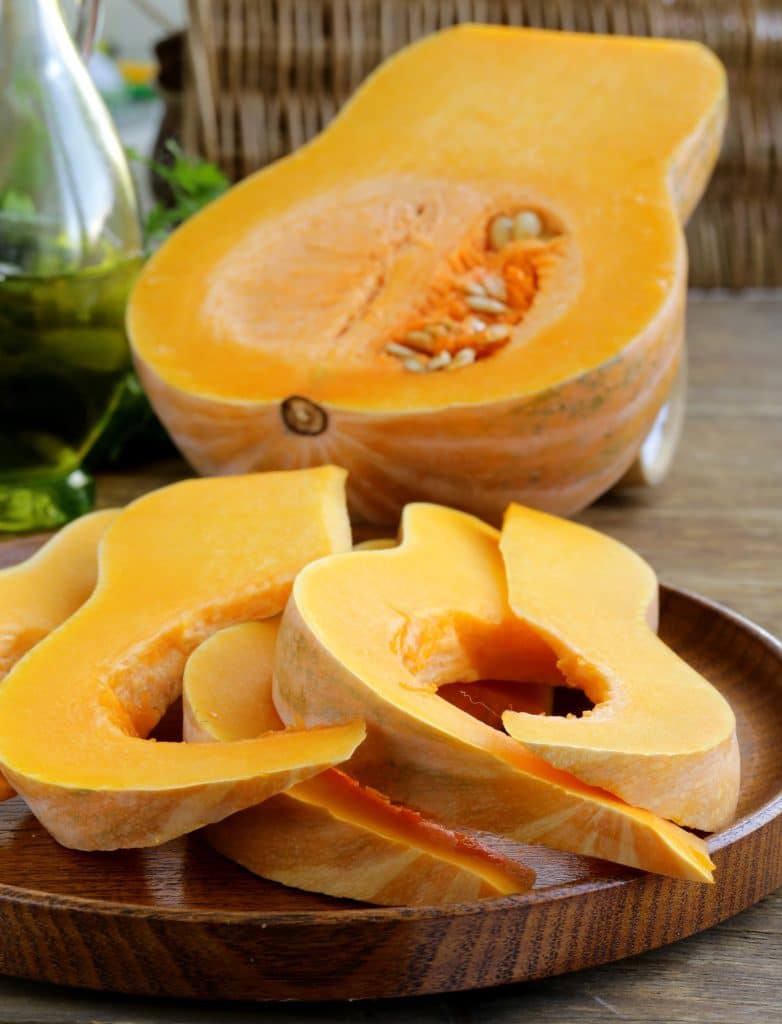
27. Butternut Squash
I almost always keep frozen cubed butternut squash on hand instead of dealing with a whole one, and roasted from frozen, it still gets better as leftovers.
The extra day gives the edges time to firm back up after roasting, so it doesn’t turn watery in the fridge the way I always expect frozen vegetables to.
I was genuinely skeptical the first time, since so many frozen vegetables go mushy no matter what you do to them. Butternut squash held its own better than I expected, probably because it’s already dense before it ever gets frozen.
The one thing I’ve learned is to roast it hot and a little longer than the bag suggests, since frozen squash carries extra moisture that needs somewhere to go before it ever hits the fridge.
Make it easier: roast straight from frozen on a very hot pan, then treat the leftovers exactly like the fresh version, just give it a few extra minutes in the oven than the package calls for.
What I’d Grab First
If I had to pick just a few of these to actually plan ahead for, it’d be the caramelized onions, the collard greens, and any tomato sauce. Those three alone have changed how far a single cooking session stretches in my house.
None of them take special equipment or a big grocery haul, either. It’s mostly just a matter of cooking a little earlier than you think you need to and resisting the urge to eat it the same night.
This week I’m making a big pot of braised cabbage and a tray of roasted root vegetables, both on purpose a day before I need them. It’s one of the few mom life hacks that actually save time instead of just sounding like they should.
If you only try one thing from this list, let it be the onions. Once you taste a three-day batch, you’ll understand why I keep making them bigger than I need.
And if you want more ways to get vegetables into a house full of opinions, the produce my kids actually eat is a good place to start next.