Kitchen notes

Plain-English notes on the questions I get most.

This is the section I wish I could point every friend and reader to on day one. I add to it when a question keeps coming up, and I revise when I learn something better. These are home-cook notes, not medical or clinical advice.

Macronutrients

4 topics

How much protein do you actually need?

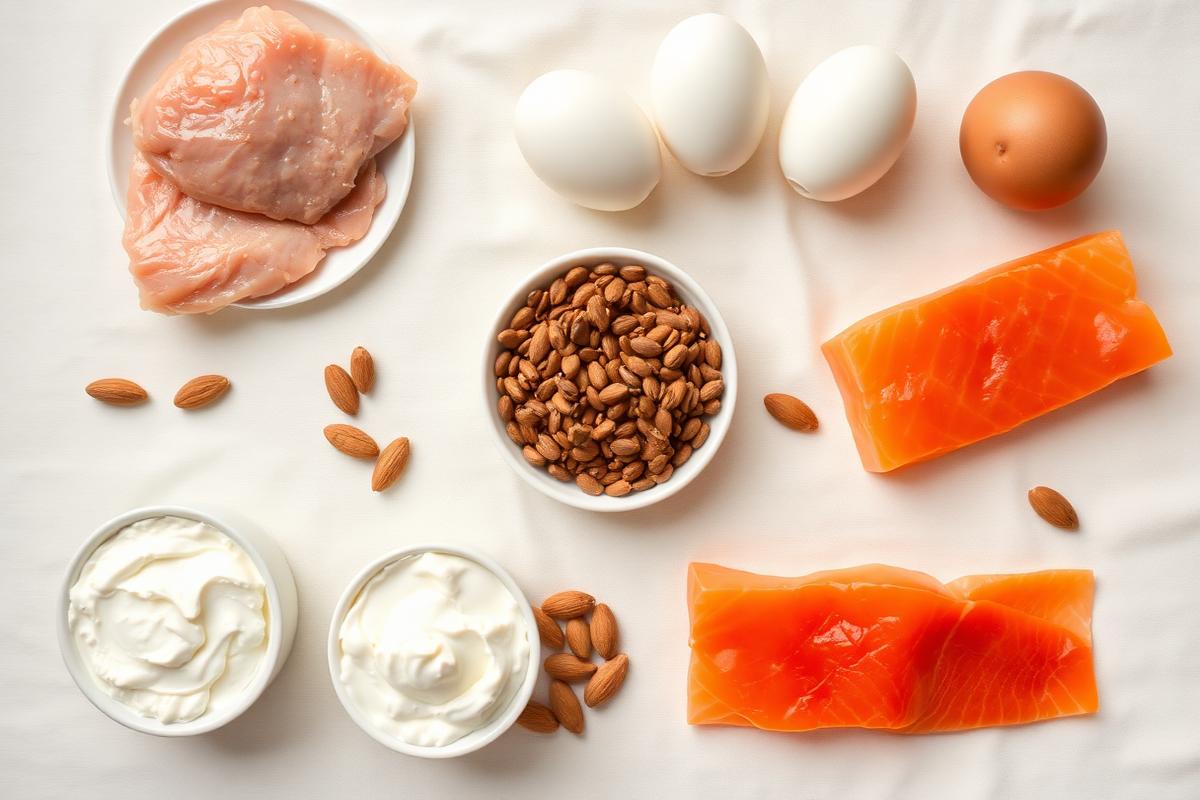
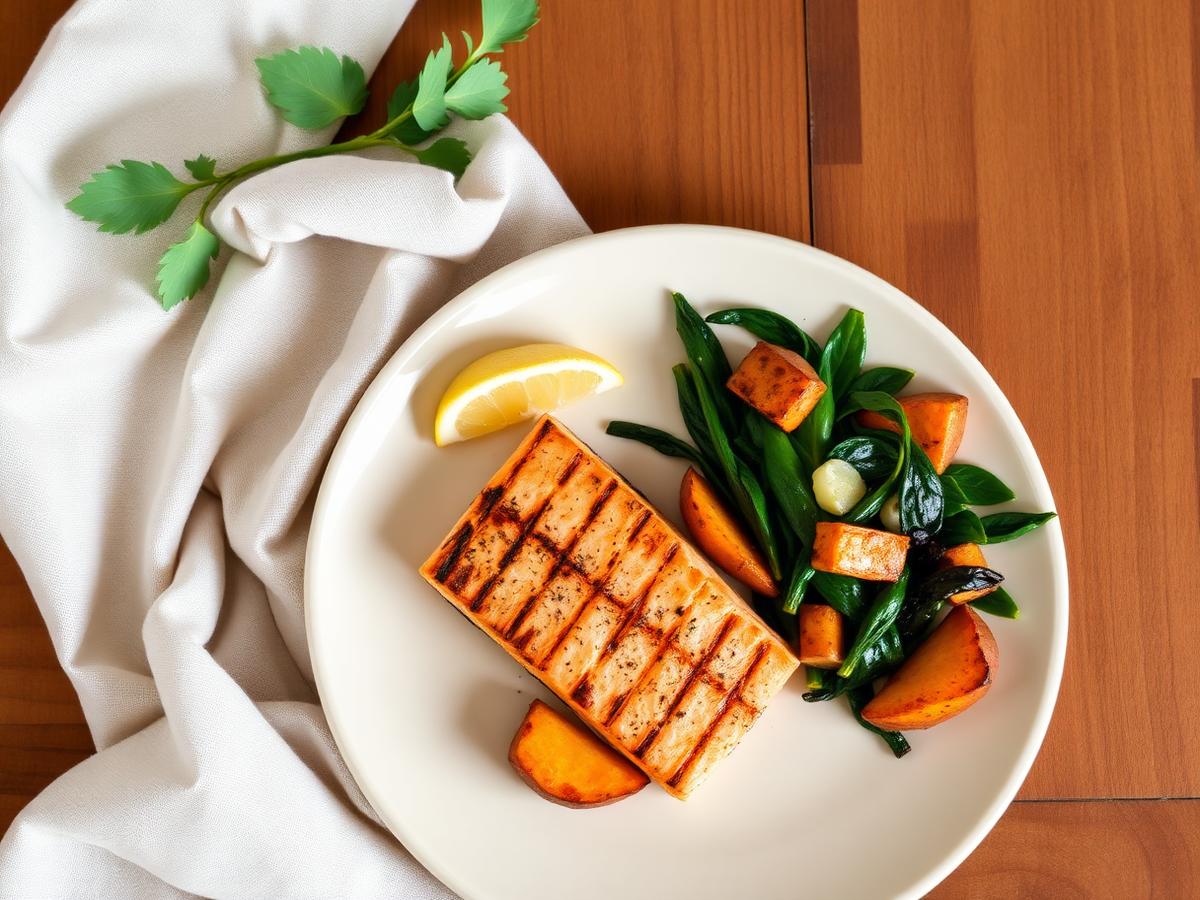
Most adults do well at 1.2 to 1.6 grams of protein per kilogram of body weight per day, which is meaningfully more than the old RDA of 0.8 g/kg. Older adults and people who lift or run a lot tend to land in the higher half of that range. The single most useful change I see is spreading protein across the day instead of loading it at dinner.
Carbohydrates without the fear

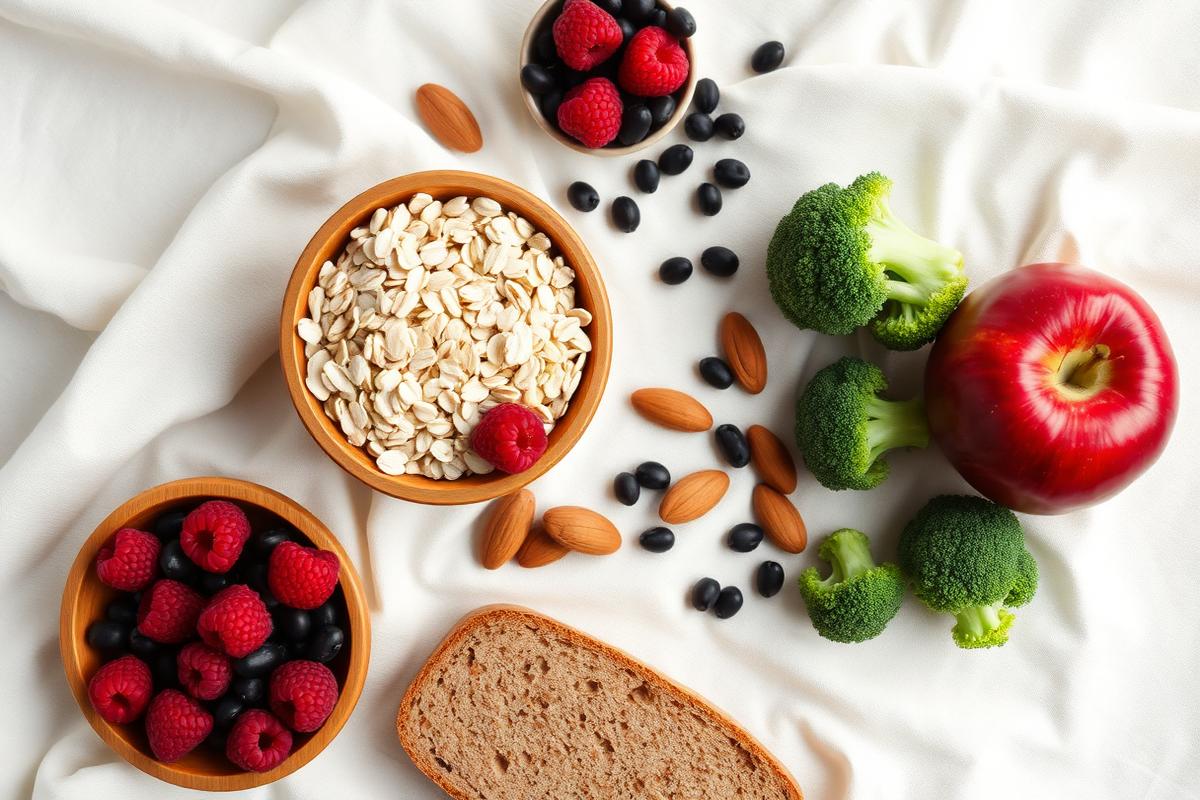
Carbs are the body's preferred fuel for most activity, and there is no evidence that an average healthy adult needs to avoid them. What matters more is the form and the company they keep. Whole grains, beans, fruit, and starchy vegetables come bundled with fiber, vitamins, and water. Highly refined carbs eaten on their own tend to leave people hungry an hour later.

Fats: the quiet helpers

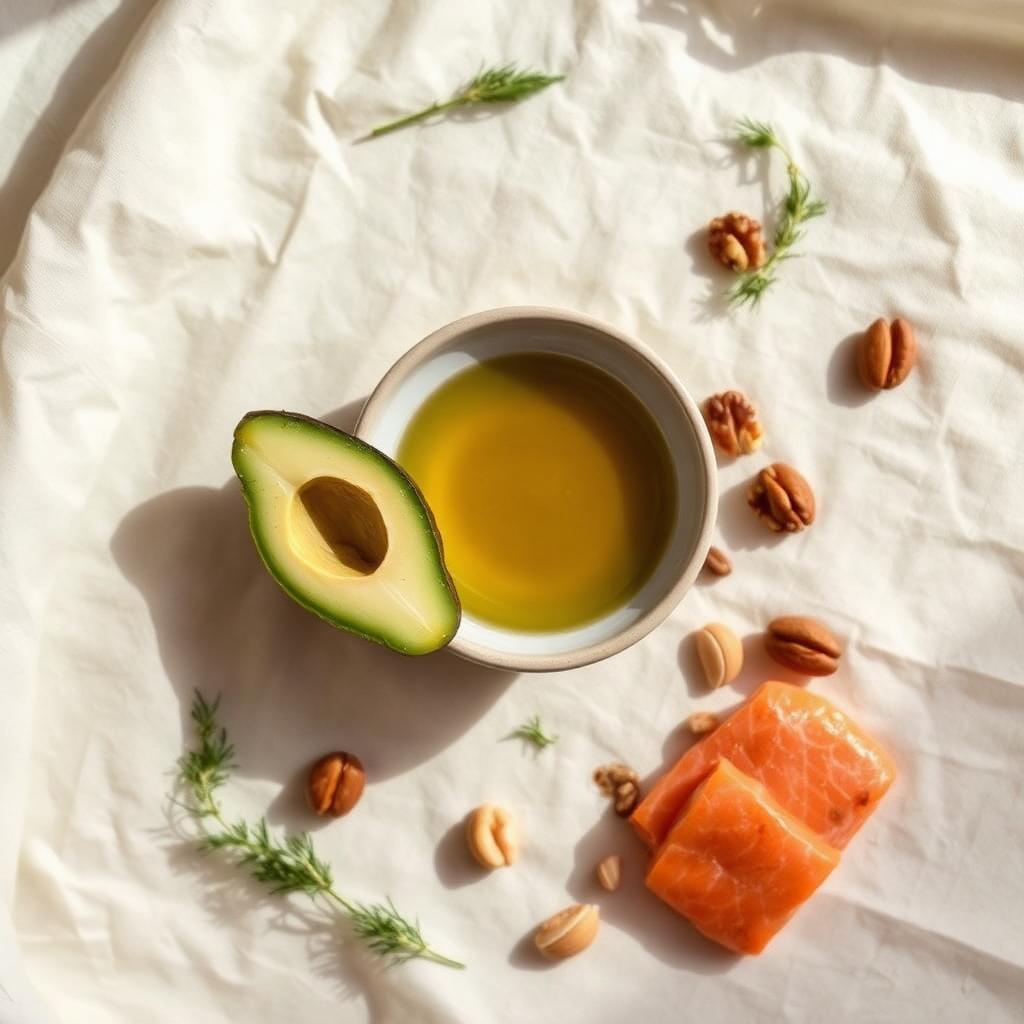
Fats slow digestion, help absorb fat-soluble vitamins (A, D, E, K), and make food taste like food. Most adults do well with roughly 25 to 35 percent of calories from fat, with an emphasis on unsaturated sources like olive oil, nuts, seeds, avocado, and fatty fish.

Making sense of fiber

Most adults in the U.S. eat about 15 grams of fiber a day. The recommended range is 25 to 38 grams. That gap explains a surprising number of complaints I hear at the kitchen table: constipation, blood sugar swings, snacky hunger an hour after meals. Closing it doesn't require a supplement.

Micronutrients & gaps

1 topic

The common shortfalls

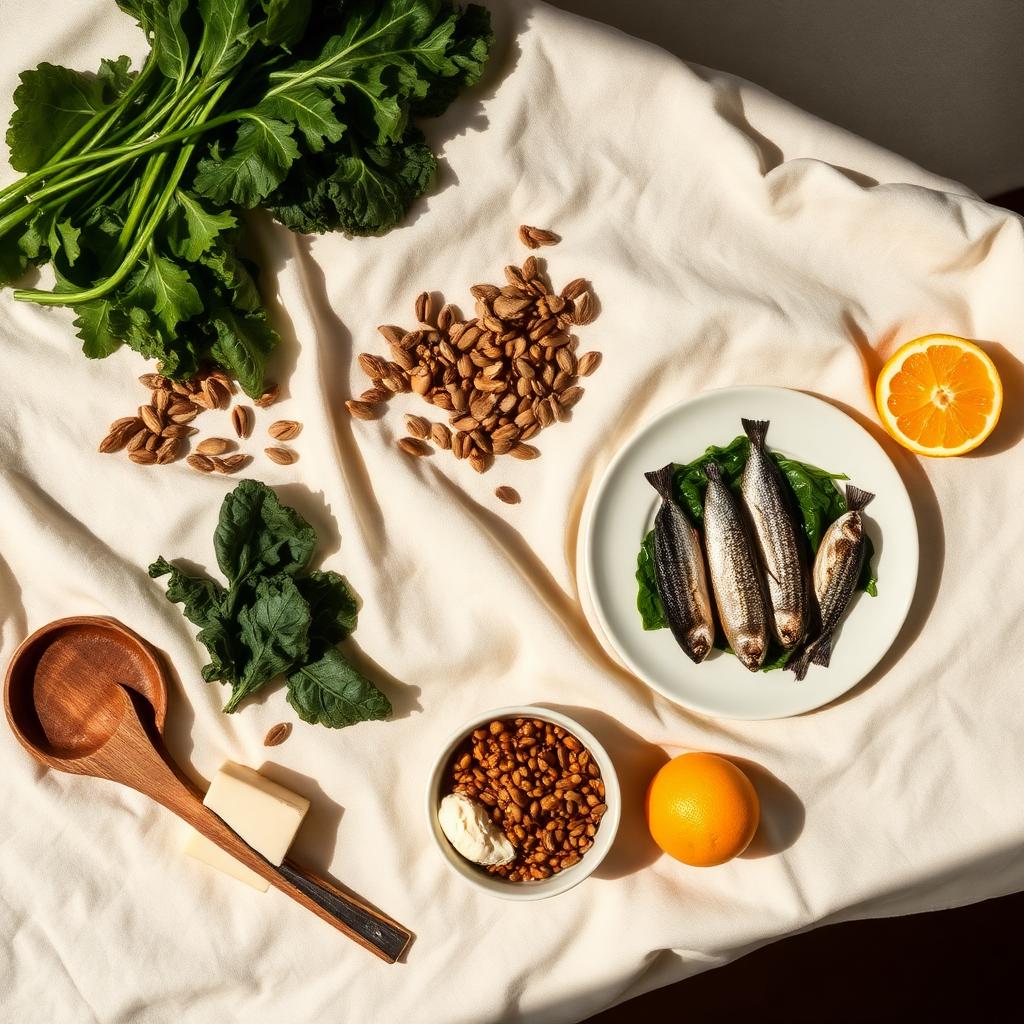
The nutrients that most often run low in American adults are vitamin D, magnesium, potassium, calcium, iron (for menstruating women), B12 (for older adults and people eating plant-based), and omega-3s. You don't need to test for all of these, but it helps to know which foods carry them.

Building meals

1 topic

Simple ways to build a balanced plate

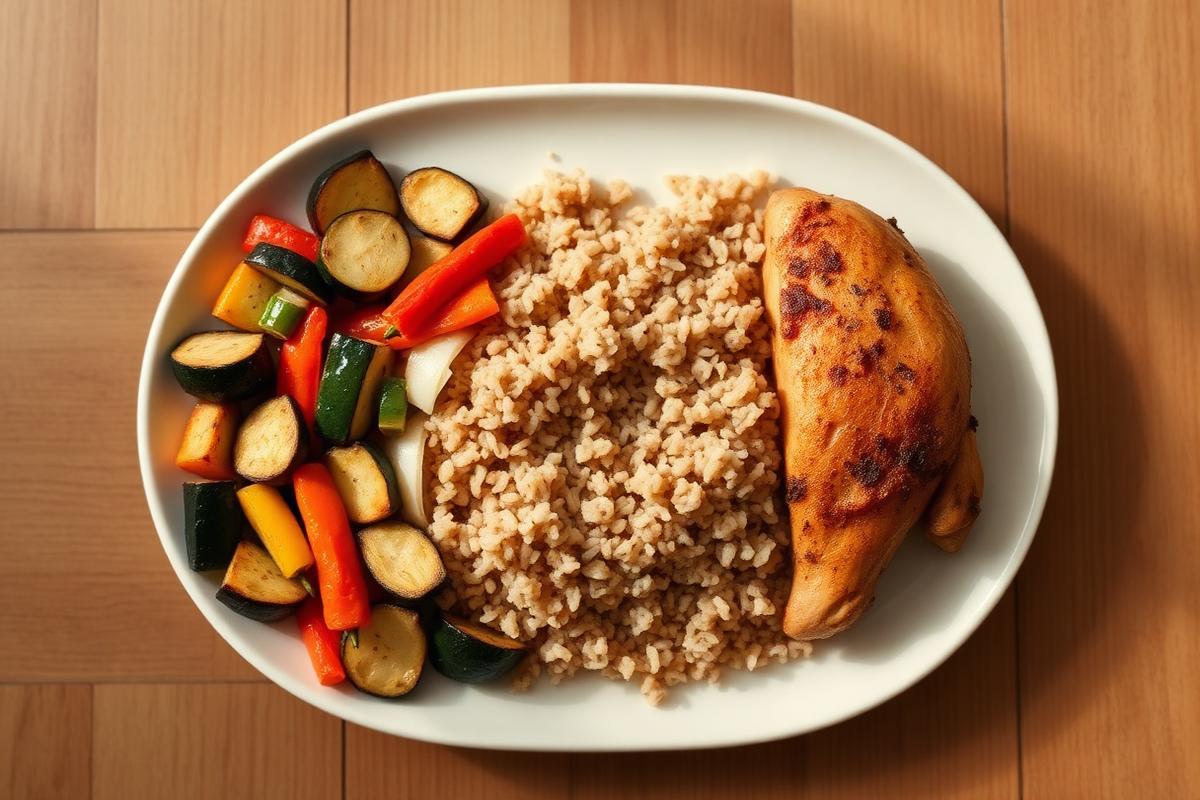
I use one structure with almost every meal because it works without thinking. Half the plate is vegetables or fruit, a quarter is protein, a quarter is a starch you enjoy, and there is a little fat somewhere. That's the whole rule. It scales up for hungry days and down for lighter ones.

Special situations

4 topics

Feeding a busy family without losing the plot

Most weeknights don't need a recipe. They need a structure. I keep three or four 'shells' in rotation and rotate the contents: grain bowls, sheet pan meals, soup-and-bread nights, breakfast for dinner. Once the structure is set, the grocery list almost writes itself.

Eating well on the road

Travel doesn't have to undo anything. Two small habits keep most people steady: anchor each day with a protein-forward breakfast, and bring a couple of snacks so airport hunger doesn't make the decisions for you.

Living with a picky eater

Pickiness in kids is mostly developmental and mostly normal. The most evidence-based approach is the Division of Responsibility: parents decide what, when, and where; kids decide whether and how much. Pressure tends to backfire. Repeated, low-pressure exposure tends to work, slowly.

Eating well as we age

Two things shift after about age 65. Appetite often drops, and protein needs go up. The combination can quietly lead to muscle loss and falls. Smaller, more frequent meals with protein at each one helps, as does making food easy to chew and pleasant to look at.

Common questions

2 topics

How I think about sugar at home

Added sugar isn't poison. It also isn't a health food. The Dietary Guidelines suggest keeping added sugar to less than 10 percent of daily calories, which works out to roughly 50 grams a day on a 2,000 calorie diet. Most adults in the U.S. eat closer to 70. The biggest single source is sweetened drinks. Cut those and the rest takes care of itself.

How much water, really?

The eight-glasses rule isn't backed by much. A more useful target is roughly half your body weight in pounds, in ounces of water per day, adjusted up for heat and exercise. Most non-alcoholic, non-caffeinated drinks count. So does the water in soup, fruit, and vegetables.

Notes updated regularly as I learn. Last reviewed June 2026.

These are home-cooking notes for general information. They aren't a substitute for personalized advice from your physician or a registered dietitian.