Starting Plant-Based Without Starting a Family Rebellion: My Gentle-Ramp Guide
Let me tell you what didn’t work first: announcing a food philosophy at dinner. If you’d like four family members to develop sudden deep attachments to foods they previously ignored, announce that those foods are changing. Ask me how I know.
What did work was so gradual that honestly, nobody noticed for months. This is my gentle-ramp guide to bringing more plant-based eating into a regular family kitchen: no labels, no announcements, no pantry purge, and no pretending it happened overnight.
One honest note before we start: I’m a home cook sharing what worked in my house, not a dietitian. Big changes to how kids eat, or any eating change involving a health condition, are conversations for your pediatrician or doctor first. Everything below is kitchen strategy, not nutrition advice.
Step Zero: Don’t Announce Anything
The single most useful thing I did was keep my mouth shut. No “we’re going plant-based now,” no explaining, no new vocabulary at the table. Food that arrives with a speech gets evaluated as a policy; food that just shows up gets evaluated as dinner.
Every step below runs on this principle, and the day my kids asked for one of the “new” dinners by name, months in, without knowing it belonged to any category, was the day I knew the quiet approach had won.
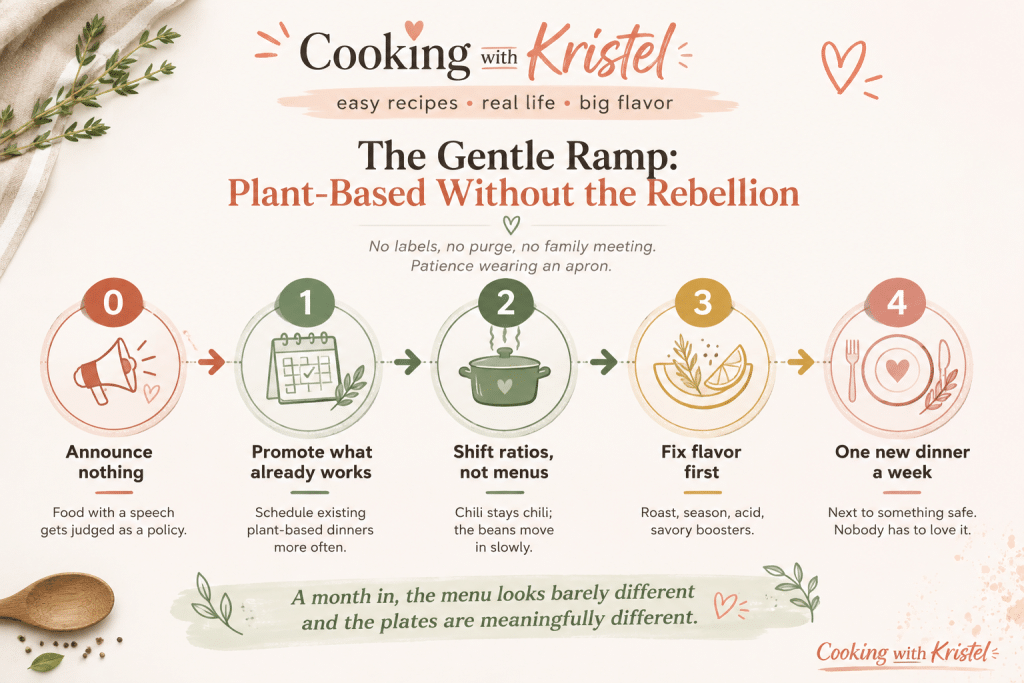
Step One: Promote What’s Already Working
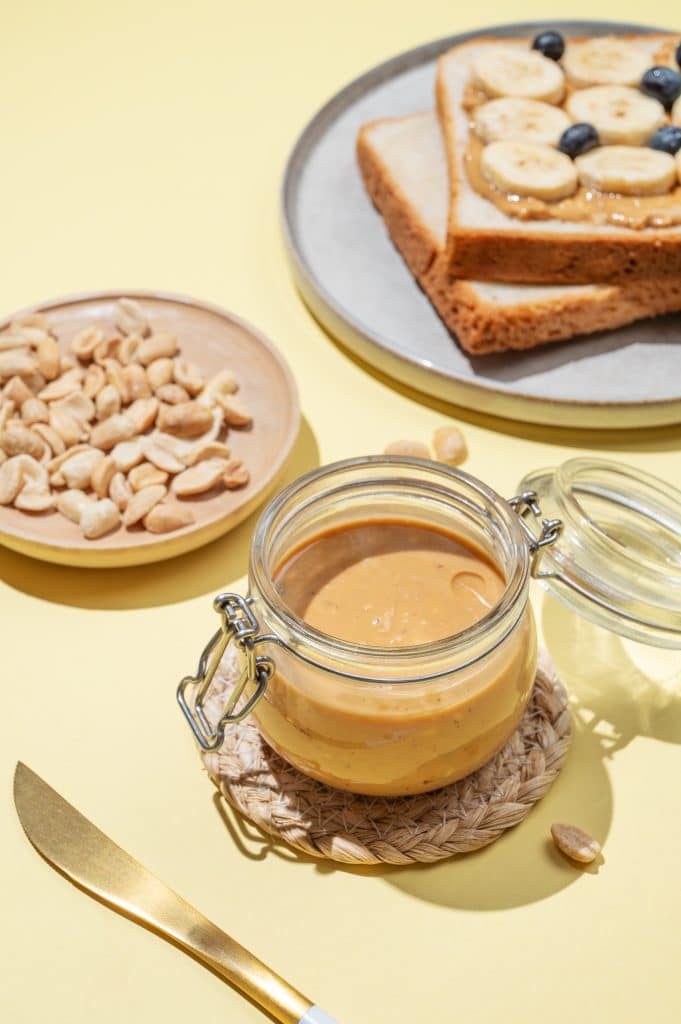
Every family already eats plant-based meals without calling them that. Pasta with tomato sauce. Rice and beans. Peanut butter everything. Vegetable soup. Minestrone night. Your first move costs nothing: notice those meals and simply schedule them more often.
We went from maybe two incidental plant-based dinners a week to four this way, with zero new recipes and zero resistance, because nothing was new. The only change was frequency, and frequency is invisible.
Step Two: Shift the Ratios, Not the Menu
The second move is inside dishes the family already loves: keep the dish, move the proportions. Chili keeps its name and gains a second kind of bean while the meat shrinks a little each time. Tacos stay tacos while lentils move in alongside. Stir-fry stays stir-fry with more vegetables and cubed tofu getting crispy in the corner of the pan. The dish’s identity does all the diplomatic work, and the dish’s identity never changed.
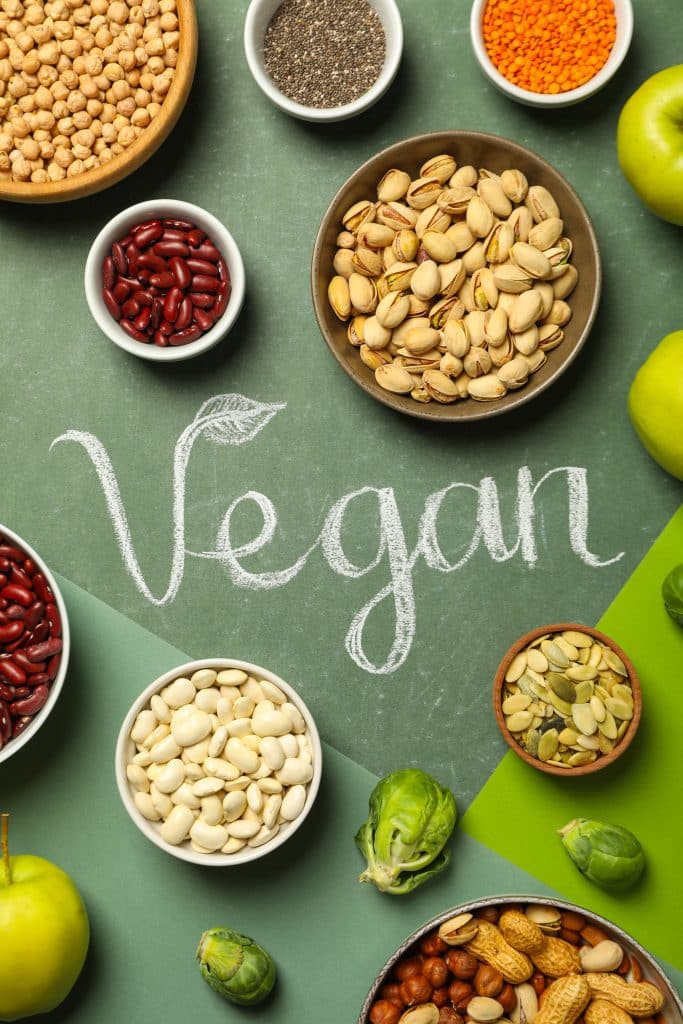
This is where cheap plant proteins earn their reputation, because the dirt-cheap plant foods that secretly pack massive protein are mostly things kids already accept in the right container: beans, lentils, peanut butter, tortillas’ best friends.
And for the vegetable half of the ratio shift, the sneaking arts are a legitimate school of cooking in this house; the sneaky plant-based foods you can hide in any kid’s dinner and the produce I sneak into dinner without anyone noticing are the field manuals.
The ratio shift in practice, from my actual rotation:
| The dinner | What stays | What shifts, gradually |
|---|---|---|
| Chili night | The name, the toppings, the ritual | Second bean in; meat halves over a month |
| Taco night | Shells, fixings, self-assembly | Lentils or seasoned black beans join, then lead |
| Spaghetti night | The sauce, the noise | Sauce gains blended veggies; meatballs go half-bean |
| Stir-fry night | The sauce and the rice | More vegetables, crispy tofu cubes appear in a corner |
| Soup night | Already mostly there | Broth goes veggie; beans bulk it up |
| Pizza night | Pizza night is sacred | Veggie toppings expand; nothing else changes |
The last row matters as much as the first five. Leaving some meals completely alone is part of the strategy, because a table where everything is shifting feels like a table under negotiation, and kids negotiate back.
From My Kitchen
23 Vegetables That Turn One Pot of Soup Into a Whole Week of Dinners →
"This is the one I make on repeat once it gets cold out."
Step Three: Fix the Flavor Problem Before It Starts
Here’s where most families’ plant-based experiments actually die: not on principle, on blandness. A dinner that lost its usual richness and gained nothing reads as punishment, and kids sniff it out in one bite.
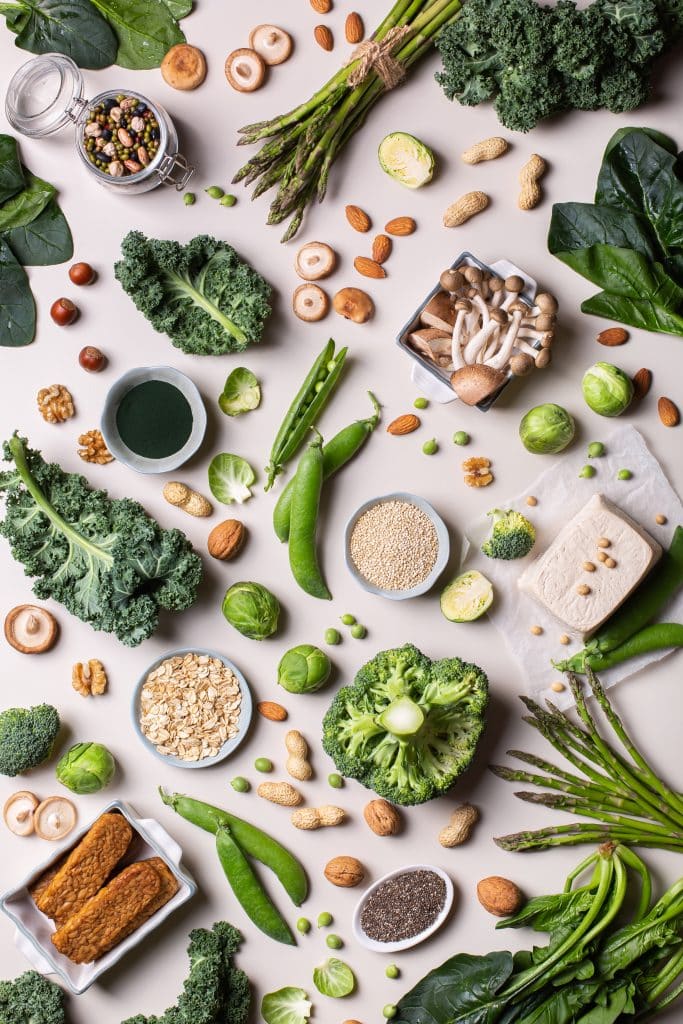
So the flavor toolbox comes BEFORE the ambitious recipes. Roasting instead of steaming, which is the whole argument behind the fruits and veggies I always roast instead of steaming and easily the biggest single upgrade available to any vegetable. Real seasoning, more than feels polite. Acid at the end. The savory boosters: soy sauce, tomato paste, nutritional yeast, mushrooms.
Get that toolbox working and you end up with vegetables so full of flavor nobody misses the cheese, which is a sentence I wouldn’t have believed before I learned to cook them right, a journey I documented with full embarrassment in the vegetables I finally learned to cook after years of ruining them.
Step Four: One New Dinner a Week, Next to Something Safe
Only now, with the easy wins banked and the flavor toolbox running, do genuinely new dinners enter. The rules that kept it peaceful in my house: one new dinner a week, never more. Something familiar always on the table next to it, so no one’s night depends on the experiment.
You'll Want This Too
Nobody’s required to love it, and repeat exposure without pressure does the slow work, the same patience that eventually got us through my pickiest eater phase.
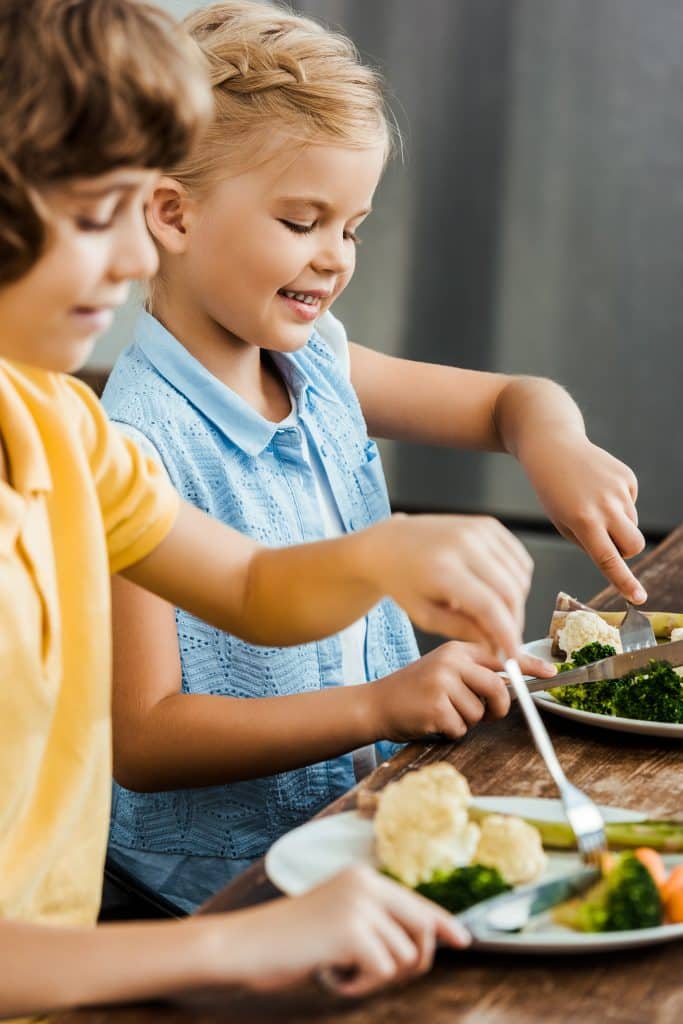
The new dinners that won here first were the hearty ones, because the fastest way to lose the room is a dinner that doesn’t feel like dinner; the vegetables hearty enough to be the whole meal plus the plant foods that fill you up for hours are the anti-“I’m still hungry” lineup.
The First Month, Honestly Paced
If the steps sound nice but vague, here’s the calendar version of how slow I actually mean:
| Week | The only move |
|---|---|
| 1 | Count your existing incidental plant-based dinners. Change nothing |
| 2 | Schedule those existing dinners one extra time each. Still nothing new |
| 3 | Begin one ratio shift in one beloved dish (the second bean enters the chili) |
| 4 | Start the roasting upgrade on whatever vegetables already get eaten |
| 5+ | First genuinely new dinner, next to something safe, and the one-a-week rhythm begins |
A month in, the menu looks barely different and the plates are meaningfully different, which is the entire trick. Anyone moving faster than this doesn’t have my kids.
The Practical Stuff Nobody Mentions
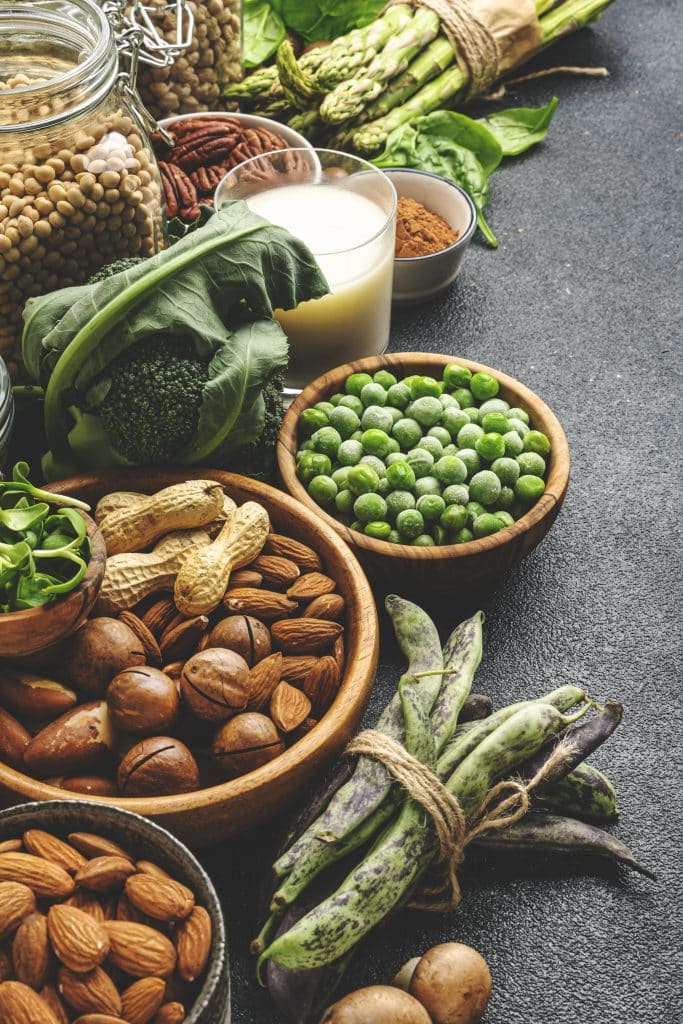
A few honest notes from the road. The grocery math surprised me in a good way: the plant-forward weeks are reliably our cheaper weeks, mostly because the backbone became beans, lentils, and the produce that makes vegan cooking cheaper than you’d think instead of anything fancy.
Go Deeper
Starting Plant-Based Without Starting a Family Rebellion: My Gentle-Ramp Guide →
"No overhaul, just one swap at a time."
The dairy-free corner of this transition has its own map, and the dairy-free plant foods every mom should know about plus the produce doing the heavy lifting in my dairy-free kitchen cover what I lean on.
Snacks matter more than dinners for momentum, because a hungry kid at 3pm undoes a lot of dinner diplomacy; the plant-based snacks with more energy than coffee and the road-trip snack lineup are where that battle actually gets won.
The snack layer deserves its own paragraph because it’s where the whole project is secretly won or lost. A kid who hits dinner already fed on decent snacks negotiates from a calmer place, and a kid who’s starving at 5:45 will fight anything unfamiliar on principle.
What Everyone's Making
23 Plant Foods That Fill You Up for Hours (My Afternoon Slump Fix) →
So the counter and the snack shelf changed before dinner ever did: the fruit that lives on the counter where it gets grabbed by default, and a rotation from the plant-based snacks that out-energize coffee at kid height. Car time got the same treatment via the road-trip snack lineup, because a hungry backseat at 5pm is a dinner-table mood that hasn’t arrived yet. None of this is dinner strategy on paper. All of it is dinner strategy.
And the mindset note that matters most: this was never all-or-nothing in my house, and I’m suspicious of anyone who says it has to be. Every plant-forward dinner counts on its own. A family eating five plant-based dinners a week and burgers on Saturday is a family that changed how it eats, and anyone keeping score harder than that is welcome to cook for their own table.
The gentle ramp took months, and the months were the feature. Nothing announced, nothing forbidden, nobody rebelled, and somewhere along the way the default dinner in this house just became plants without a single family meeting about it. That’s the whole method: patience wearing an apron.
Keep reading: 27 Sneaky Plant-Based Foods You Can Hide in Any Kid’s Dinner is step two’s field manual, and 23 Fruits I Keep on the Counter So My Kids Grab Them Instead of Snacks is the zero-effort version of the whole philosophy: change what’s easy, not what’s allowed.