25 Fruits and Veggies That Survived My Pickiest Eater Phase
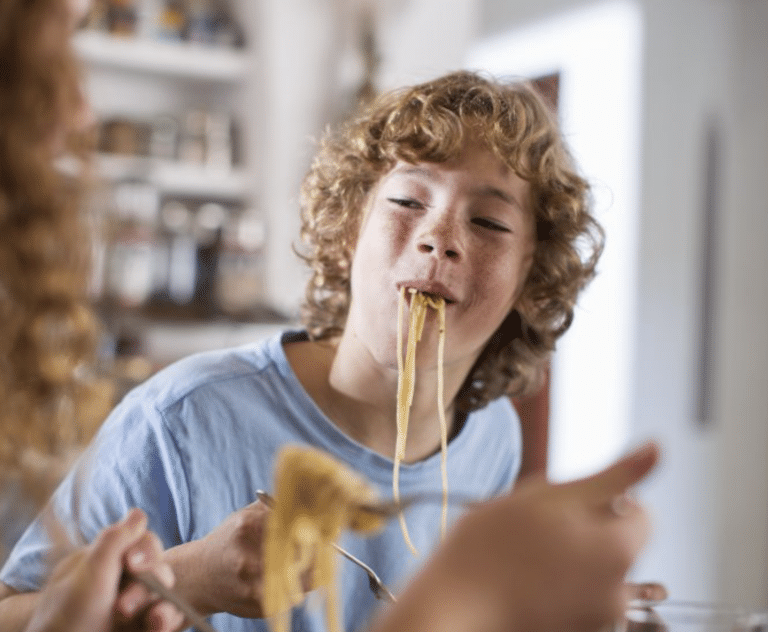
My oldest went through a stretch around age three where the only acceptable foods were beige and shaped like a star. I am not exaggerating. For about eight months, offering a vegetable at dinner was basically an act of war, and I lost most nights.
But some produce made it through that phase alive, and a handful actually became requested favorites. This list is the twenty five that survived, roughly in the order I fought each battle, starting with the easy wins and working up to the ones that took real effort.
If you are in the trenches right now with a kid who inspects every bite like a food safety inspector, I promise some of these will land. Let us get into it.
1. Apples
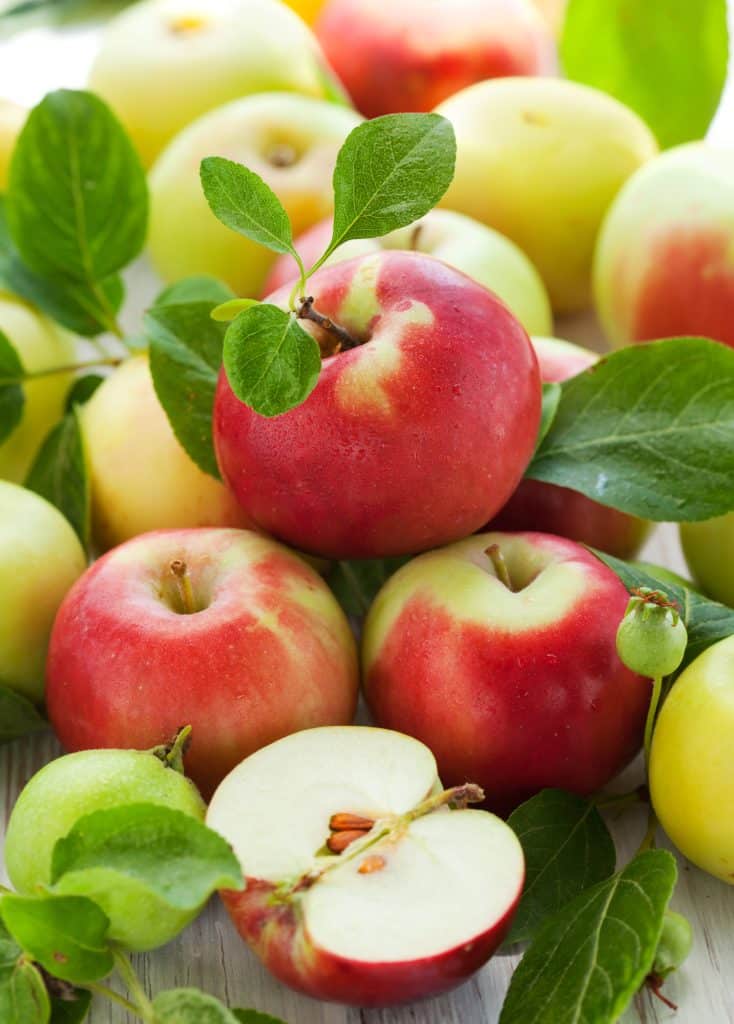
Apples were never really a fight in my house. My kids have eaten them sliced since they had about four teeth between them.
Mom note: slice them and toss with a splash of lemon juice and they will not brown in the lunchbox by noon.
The trick I use for a good apple is the smell test at the store. If it smells like nothing, it will taste like nothing, and a bland apple is the fastest way to lose a kid on fruit for the week.
I keep a bowl on the counter year round because a visible apple gets eaten and a apple buried in the crisper drawer gets forgotten. Small thing, but it works in my kitchen.
2. Bananas
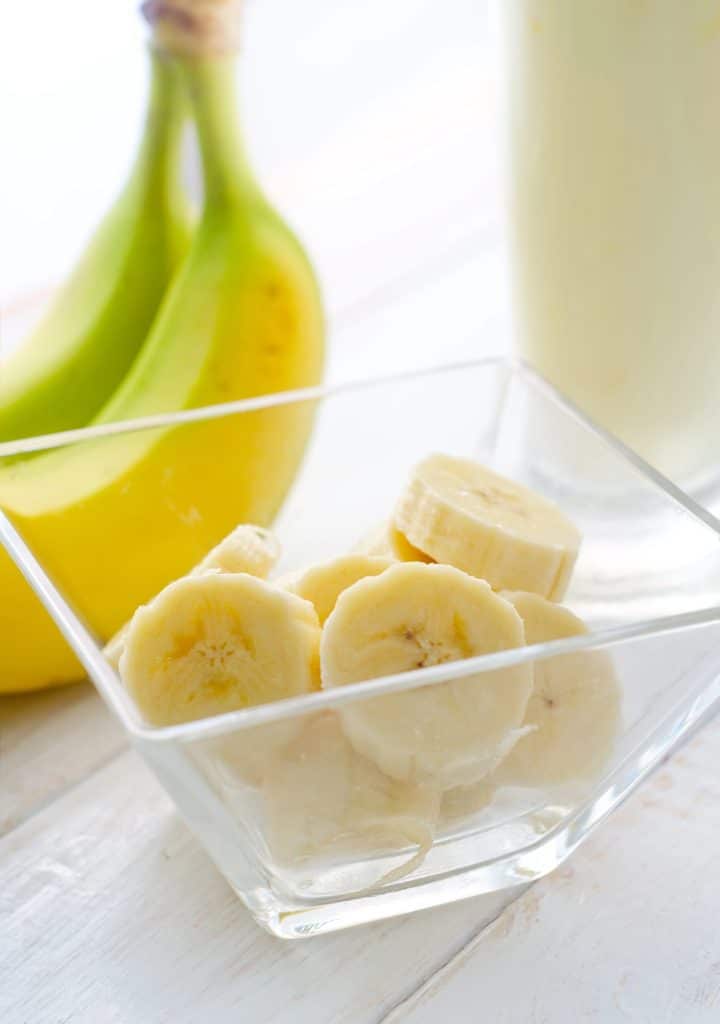
Bananas are the food equivalent of a security blanket in my house. Both of my kids have gone through phases of eating almost nothing else for breakfast.
Mom note: if you have a kid who only wants a banana that is perfectly spotless, cut off the bruised end and hand them the good half.
Here is the thing nobody tells you about ripeness. A banana with a few brown speckles is at peak sweetness, and if your kid rejects it, that is a texture complaint, not a taste one, and freezing it for smoothies solves the problem entirely.
I always keep a few in the freezer for exactly that reason. A frozen banana blended into a smoothie is basically dessert, and my kids never argue with dessert.
3. Strawberries
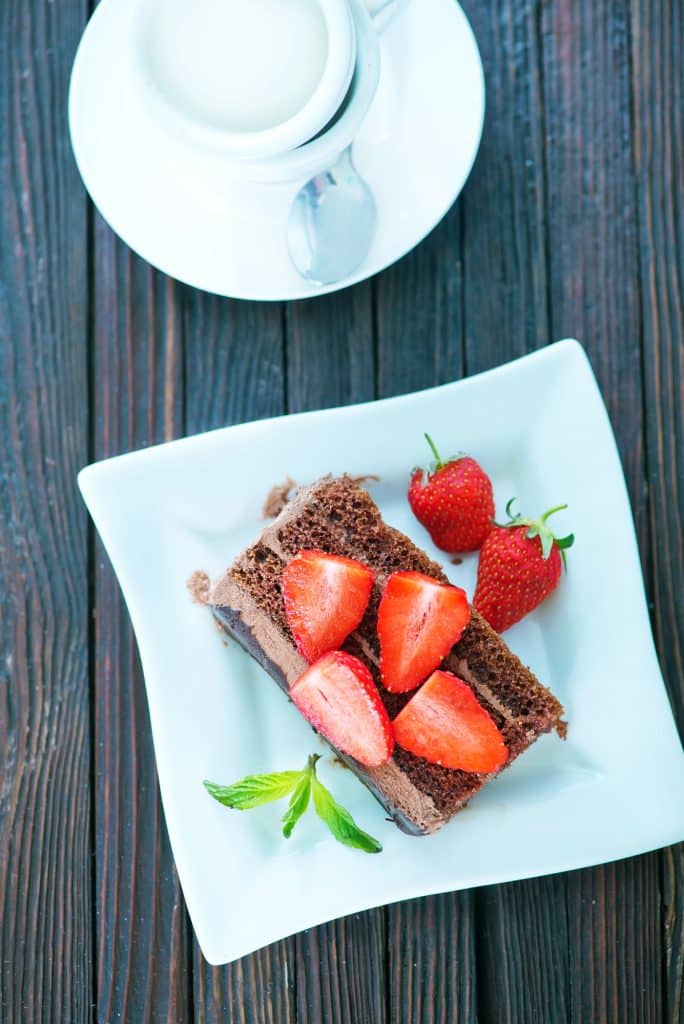
Strawberries are one of the few fruits that never needed a sales pitch in my kitchen. My youngest calls them red candy, and I have never corrected her.
Mom note: cut the tops off with a straw pushed up through the bottom instead of a knife, it is faster and safer for little hands to help with.
The size matters more than people think. I look for medium berries over the giant ones, because the huge ones are often watery in the middle and disappointing after that first bite.
When they start going soft before we finish the container, I slice and freeze them flat on a tray. They turn into an easy topping for oatmeal all winter.
4. Blueberries
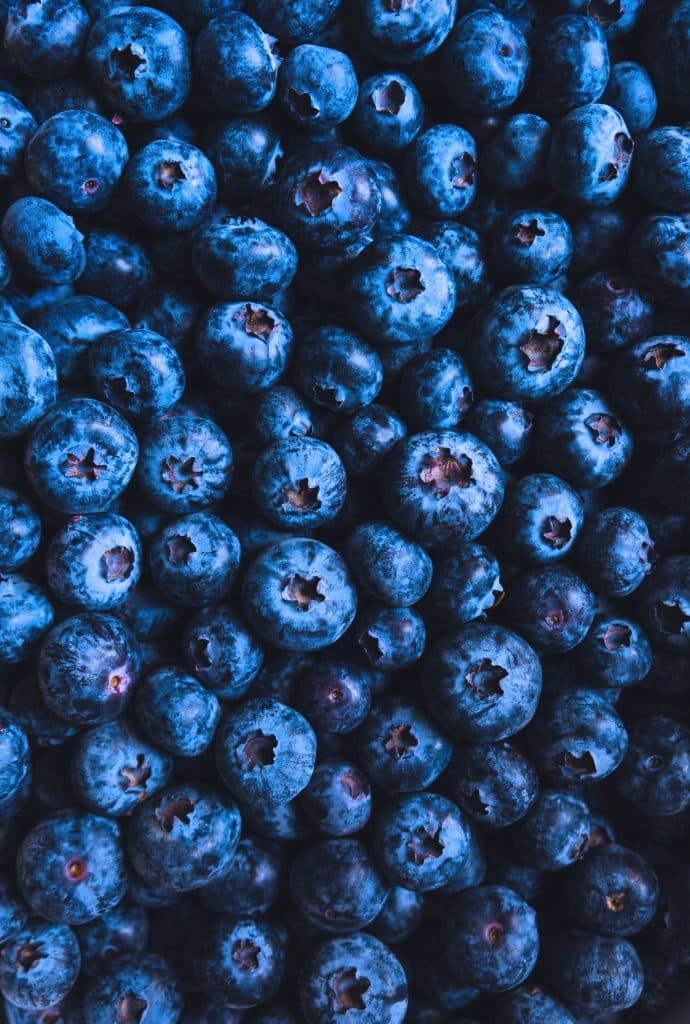
Blueberries earned their spot the day I realized they double as counting practice. My kids will eat a whole pint one at a time if you let them.
Mom note: rinse them right before serving, not right after buying, or they turn soft and split in the fridge.
Frozen blueberries are one of the few frozen fruits I actually prefer over fresh for baking. They hold their shape in muffins instead of bleeding purple through the whole batter the way thawed fresh ones do.
I always keep a bag in the freezer for exactly that reason, plus they make a good frozen snack straight out of the bag on a hot day.
5. Watermelon
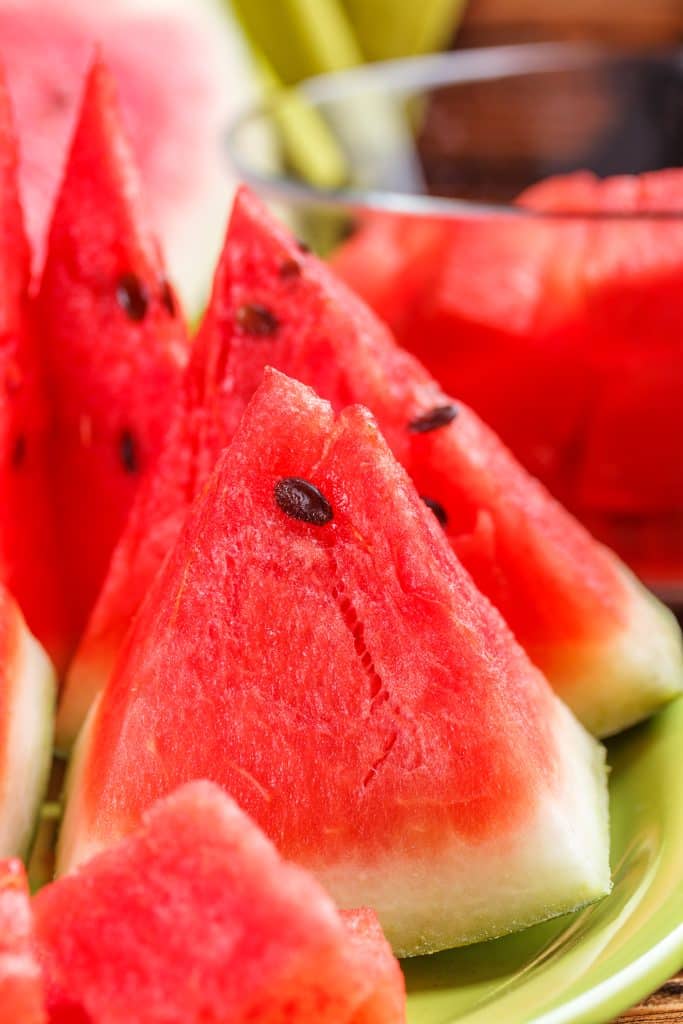
Watermelon has never once been declined at my table, and that is a rare thing to say about any single food in this house.
Mom note: cube it and freeze a few pieces, they work as ice cubes in lemonade that nobody complains about melting too fast.
The thump test actually works, in my experience. A ripe watermelon sounds hollow and deep when you knock on it, while an underripe one sounds flat, and I have gotten it right more times than not using just that.
I cut a whole one into a big bowl on Sunday and it is usually gone by Tuesday. Easiest fruit prep of the entire week, hands down.
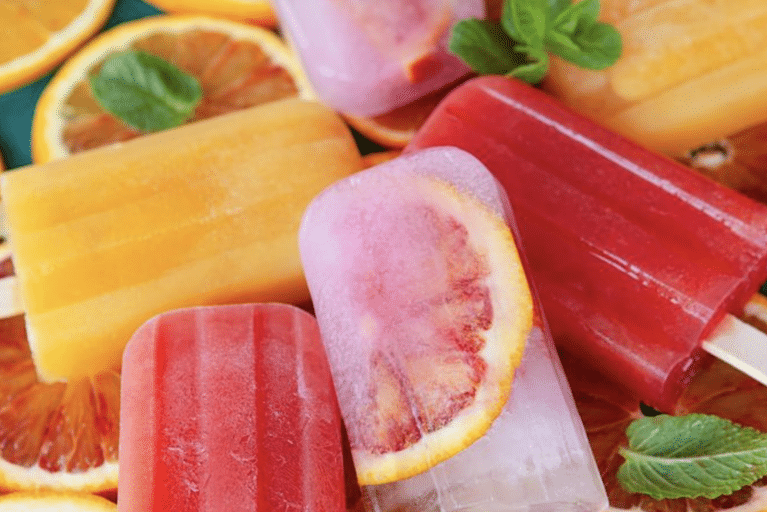
6. Oranges
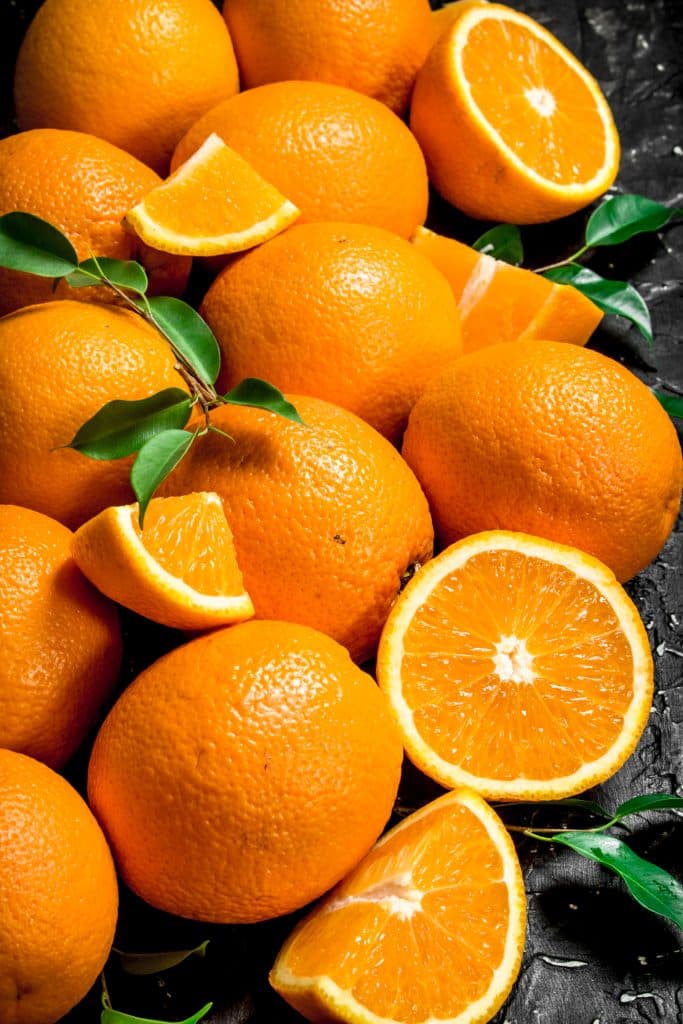
Oranges took a little more convincing than the berries did, mostly because of the peeling. My kids did not want to work for their fruit.
Mom note: score the peel into four sections with a knife before handing it over, and even a five year old can pop it open in seconds.
Once I started doing that, oranges went from a fruit I peeled for them to a fruit they asked for by name. It is a small change that made a real difference around here.
I keep the mesh bag on the counter next to the apples for exactly the same reason. What they can see and reach, they eat.
7. Carrots
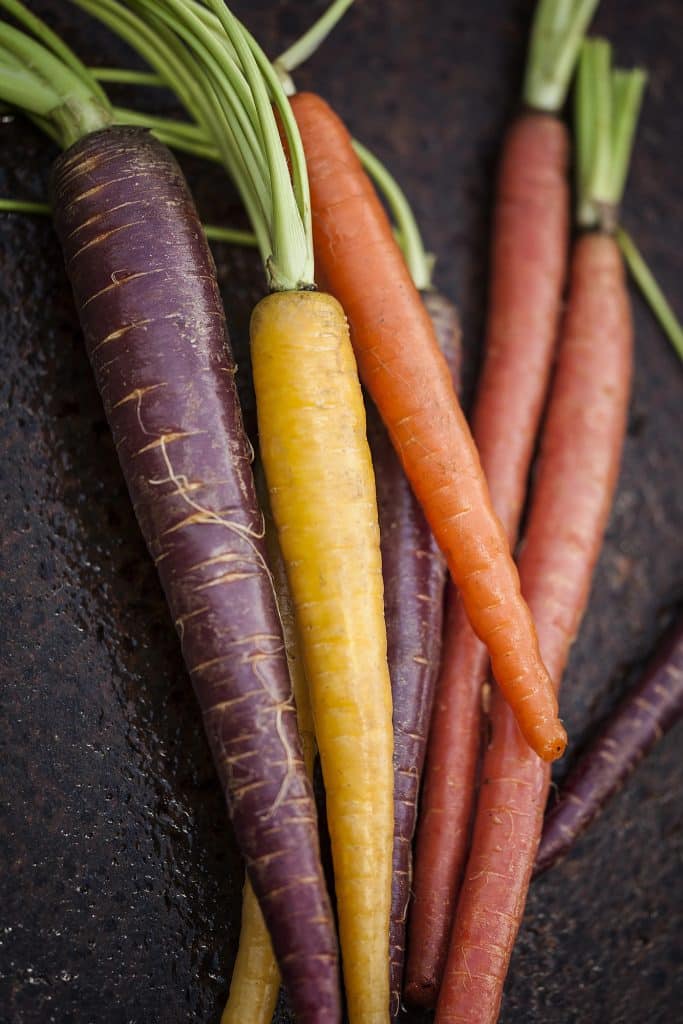
Carrots were the vegetable that convinced me raw and cooked are basically two different foods to a picky kid. Raw carrots got eaten every time. Cooked ones got pushed to the side of the plate for a solid year.
Mom note: a small dish of ranch or hummus on the side turns a raw carrot from a chore into a dipping activity.
The thinner you cut cooked carrots, the more likely a texture-sensitive kid will eat them, in my experience. Thick coins get rejected far more often than thin coins or matchsticks in my house.
I buy the whole ones with the greens still on when I see them, because they last longer in the fridge and taste noticeably better than the bagged baby carrots.
8. Corn
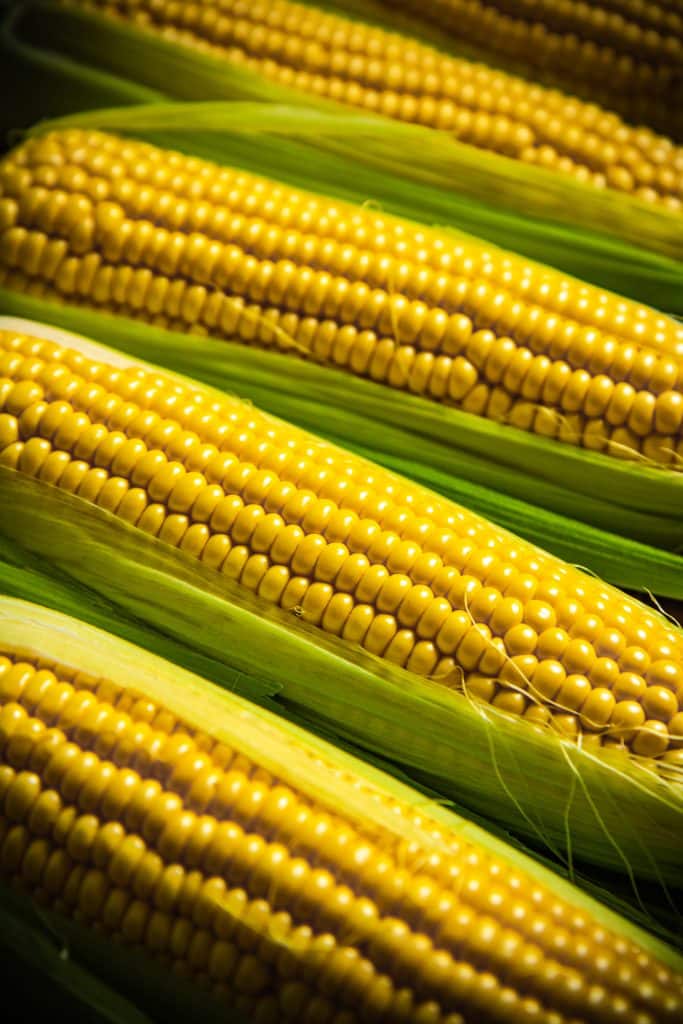
Corn on the cob is one of those foods that feels like an event rather than a vegetable, which is probably why my kids never fought it.
Mom note: corn holders are not just a gimmick, they keep sticky butter off small hands and buy you a quieter dinner.
What actually makes corn taste good is not overcooking it. A quick few minutes in boiling water keeps it sweet, and much longer than that starts turning it starchy and dull.
I buy it in bulk when it is in season and freeze the extra cobs whole. It is one of the few vegetables I always roast instead of boiling once the season winds down.
9. Sweet potatoes
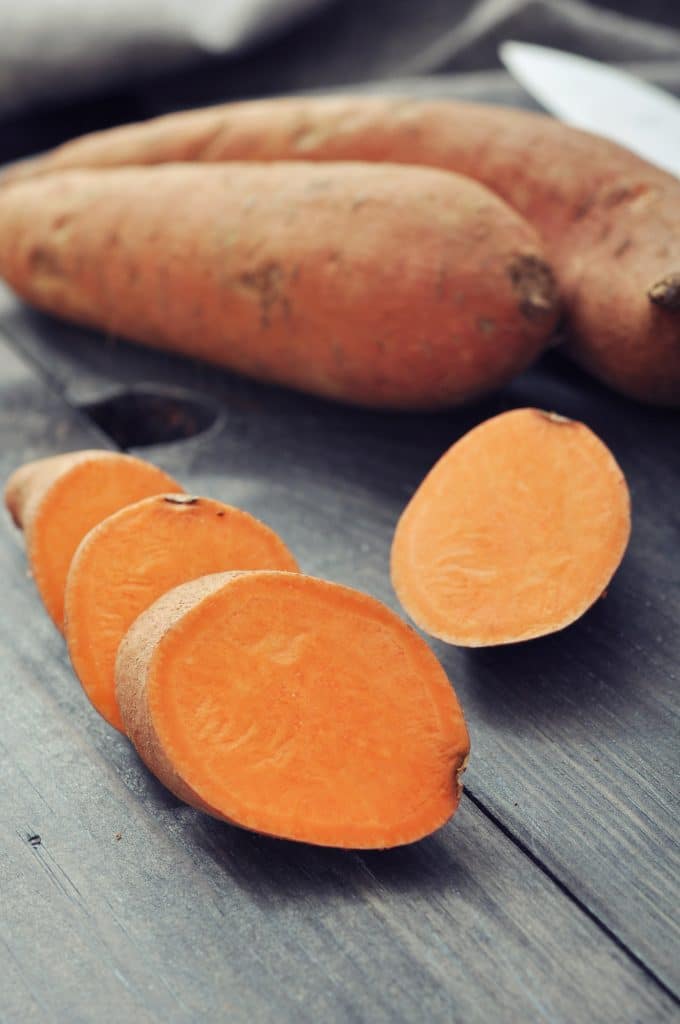
Sweet potatoes were an early win because they taste close enough to dessert that nobody at my table questioned them.
Mom note: cut into fries and roast them hot and fast, they crisp up better than most people expect from a home oven.
The mistake I made for years was roasting them at too low a temperature. Cranking the oven up and giving them room on the pan instead of crowding them is what actually gets you crispy edges instead of soggy ones.
I make a double batch on Sundays because they reheat well, and they show up all week in one of the one-pan dinners I lean on when I do not have energy for anything complicated.
10. Green peas
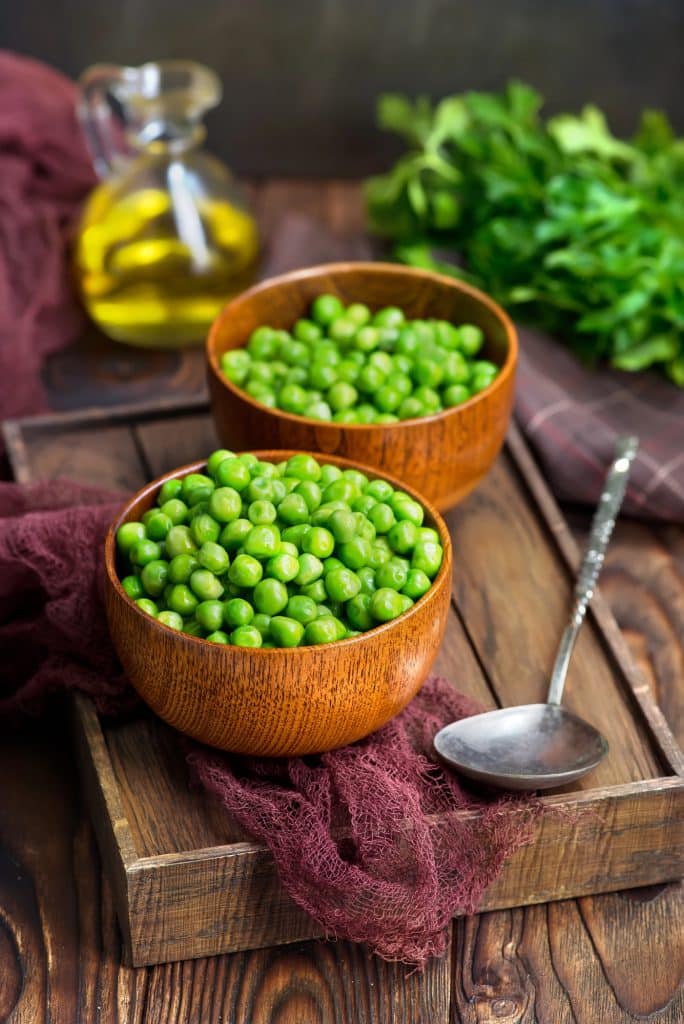
Peas surprised me. I expected them to be a fight and they never really were, at least not the frozen kind straight from the bag.
Mom note: a tiny pat of butter melted right into a warm bowl of peas does more work than any amount of convincing.
Frozen peas need almost no cooking, just a couple minutes in hot water or straight into a pan with whatever else is going. Overcooking them is what turns them gray and mushy and gives them a bad reputation they do not deserve.
I keep a bag in the freezer at all times as a backup vegetable for nights when nothing else is defrosted. They have saved more than one dinner around here.
11. Green beans
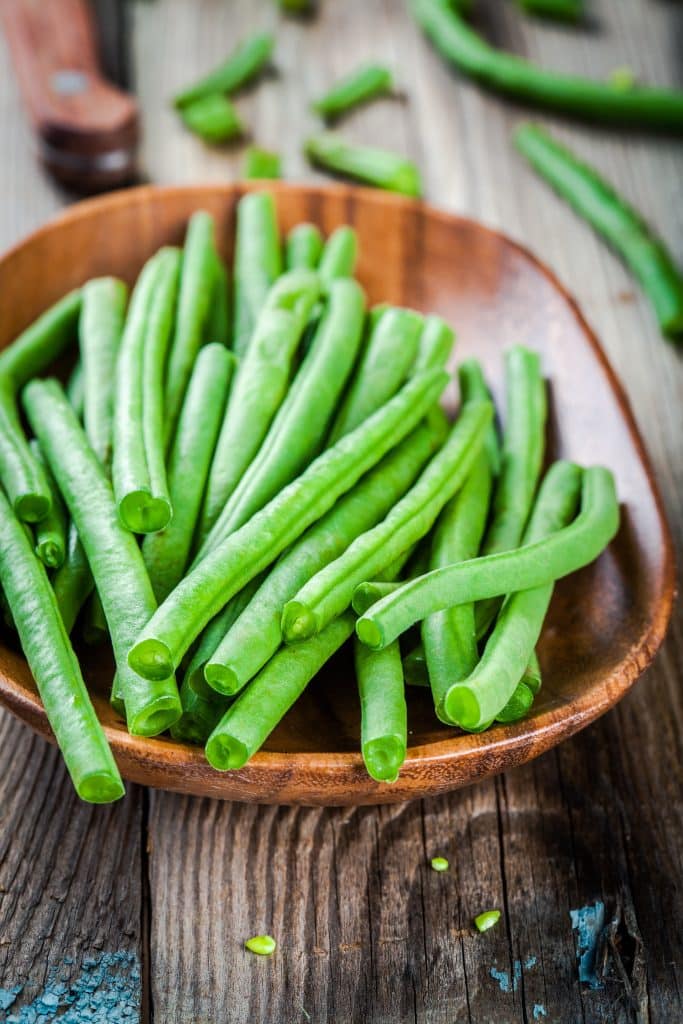
Green beans took some negotiating, mostly because the canned version my mom served growing up is nothing like fresh ones, and I had to unlearn my own habits first.
Mom note: roasted with a little oil and salt until the ends go a bit wrinkly, they get a snack-like quality kids respond to.
Snapping off the tough end by hand instead of cutting with a knife tells you exactly where the fibrous part stops. It sounds fussy, but it saves you from serving a stringy bite that gets a bean written off for good.
I trust my kids to snap the ends themselves now. It turns prep into a task instead of a chore, and somehow that makes them more willing to eat the results.
12. Snap peas
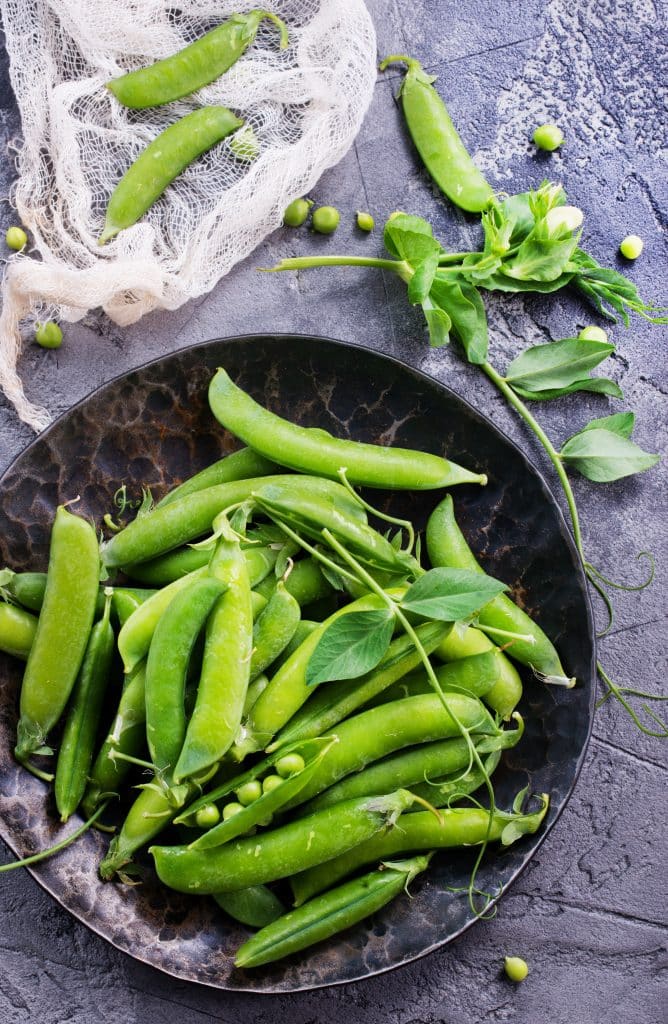
Snap peas are the vegetable I reach for when I want a guaranteed yes. Eaten raw, straight from the bag, no prep required.
Mom note: the little string along the seam should come off, or it gets stuck in teeth and turns a snack into a complaint session.
I buy these specifically for the days I know we will be out and about, since they hold up in a bag in a way that cut carrots or apple slices sometimes do not after a few hours.
My husband will eat an entire bag standing at the counter before dinner even starts, so I have learned to buy two.
13. Cucumbers
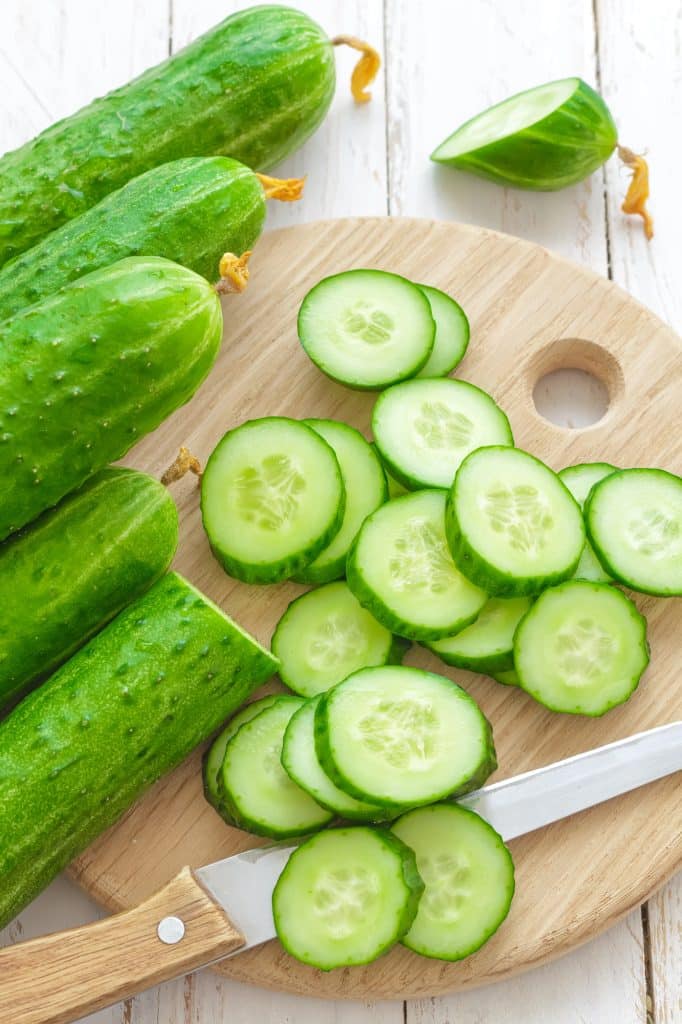
Cucumbers were an easy sell for the crunch alone, though the skin was a sticking point for a while in my house.
Mom note: peel just half the cucumber in stripes and leave the rest, it gives a picky kid an easy compromise instead of an all-or-nothing decision.
English cucumbers have thinner skin and fewer seeds than the regular ones, and switching to them quietly solved most of the texture complaints without me having to say a word about it.
I slice a whole one into a container every couple of days, because a ready-to-eat cucumber gets grabbed and a whole one sitting in the drawer usually does not.
14. Bell peppers
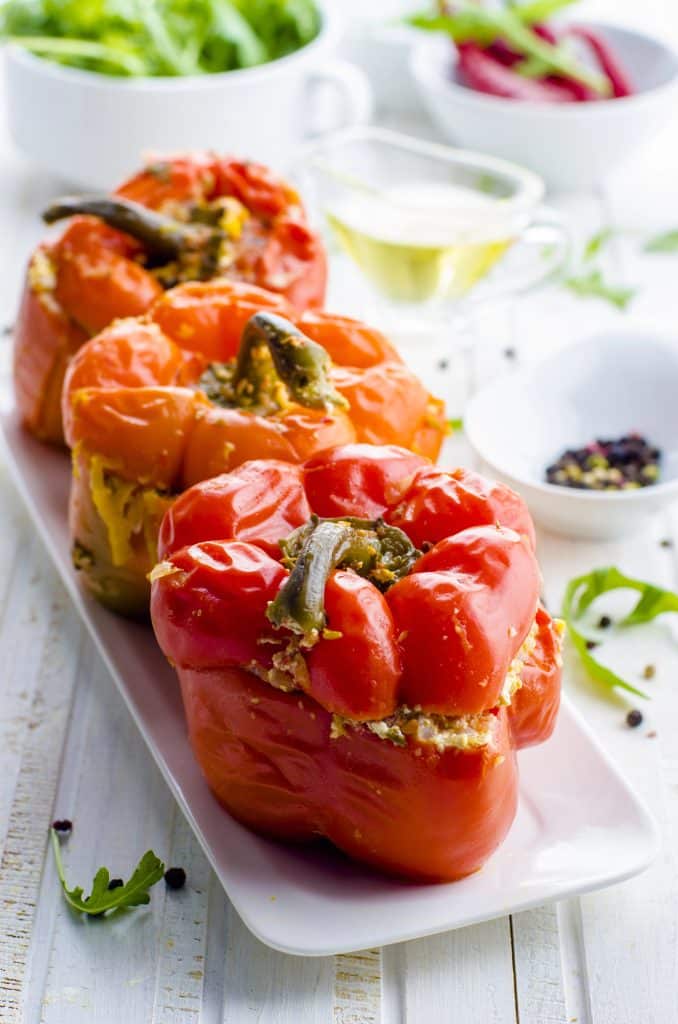
Bell peppers took some strategy, because raw green ones are genuinely bitter and I do not blame any kid for turning those down.
Mom note: stick to red, orange, and yellow peppers for picky eaters, they are sweeter than green and the difference is noticeable even to a five year old.
Once I stopped buying green peppers for snacking and saved them for cooked dishes instead, the whole vegetable turned a corner in my house. Sometimes the fix is just picking the right color at the store.
Sliced into strips with a little dip, they disappear fast now. It took longer than I expected to figure out something that simple.
15. Broccoli
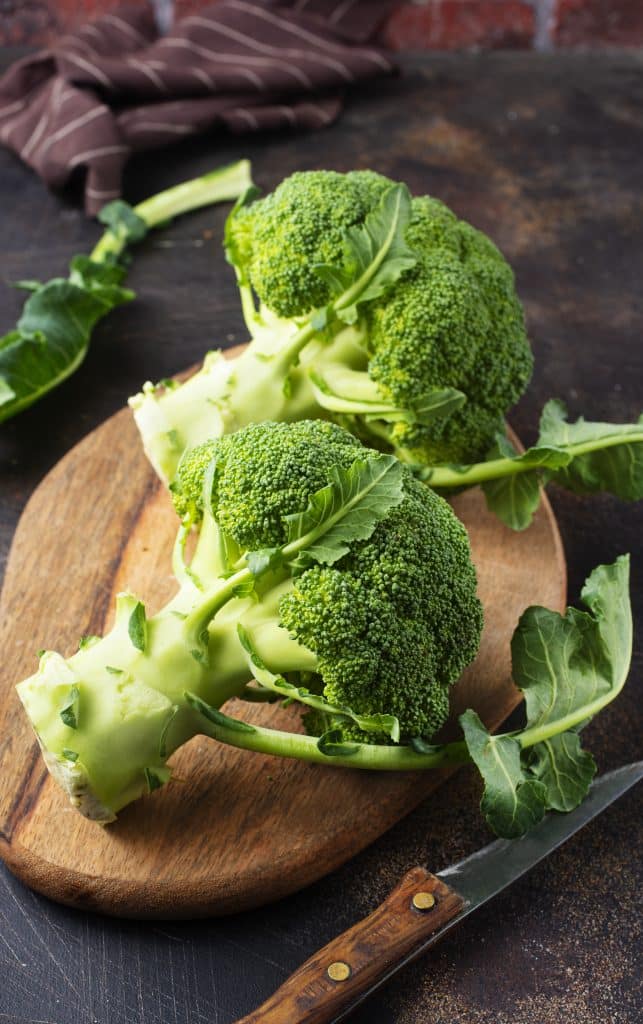
Broccoli is the vegetable everyone assumes will be a disaster with kids, and honestly it was for us too, for a while.
Mom note: roast it until the edges char slightly, that bit of crispiness reads as a fry to a lot of kids rather than a vegetable.
Steaming broccoli brings out its most bitter compounds, in my experience, while roasting mellows them out considerably. That single swap is what actually turned this vegetable around in my house.
A squeeze of lemon at the end helps too. It cuts whatever bitterness is left without adding anything a kid would notice as unusual.
16. Cauliflower
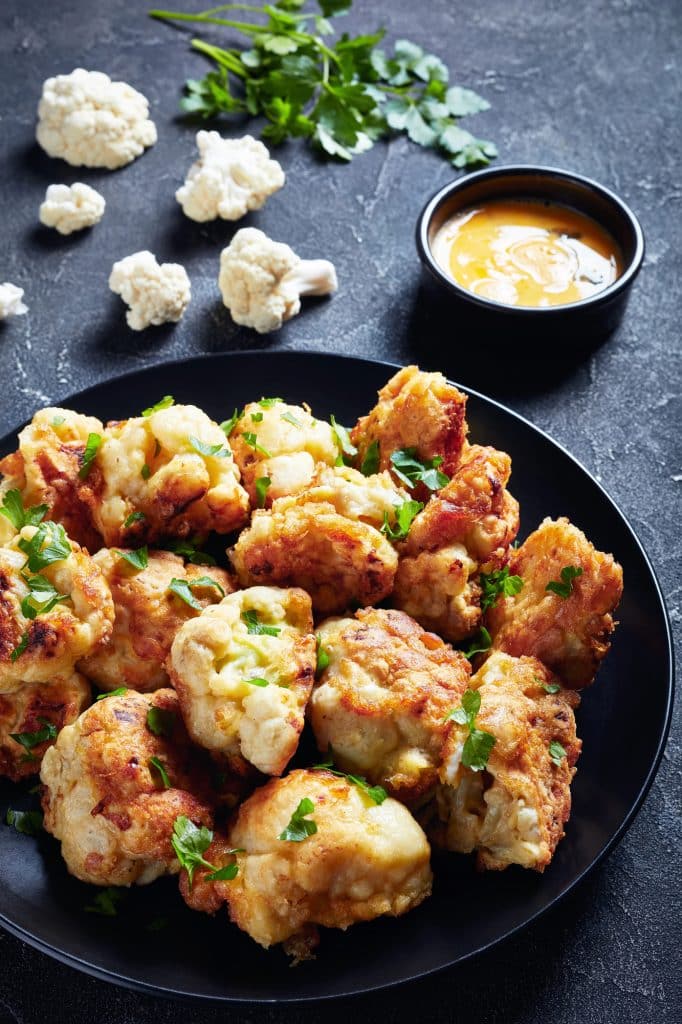
Cauliflower made the list, but I want to be honest about something first. All the trendy cauliflower rice and cauliflower pizza crust recipes never actually fooled my kids, not once.
Mom note: they can tell the difference immediately, and pretending otherwise just sets everyone up for a fight at the table.
What did work was serving cauliflower as itself, roasted with a bit of the processed cheese block melted on top toward the end. Letting it be a vegetable instead of a disguised swap made all the difference here.
So if the sneaky swap route has not worked for you either, you are not doing anything wrong. Sometimes the honest version is just the better sell.
17. Zucchini
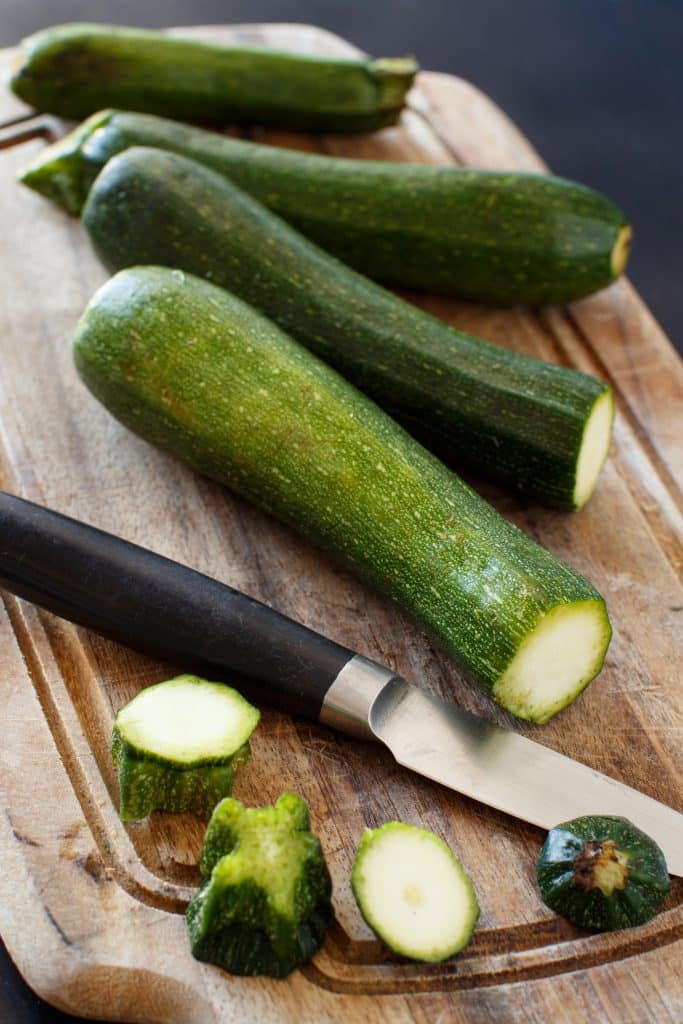
Zucchini took some rounds of trial and error before I landed on the version my kids would actually eat.
Mom note: cut it into thick coins rather than thin rounds, thin ones turn mushy fast and mushy is an instant rejection in my house.
Zucchini holds a huge amount of water, which is exactly why it goes soft so quickly in a pan. Cooking it hot and fast, and not crowding the pan, keeps it from steaming itself into mush.
I grate the extra into muffins when the garden or the store gives me more than we can eat as coins. It is one of the produce picks I sneak into dinner without anyone noticing.
18. Tomatoes
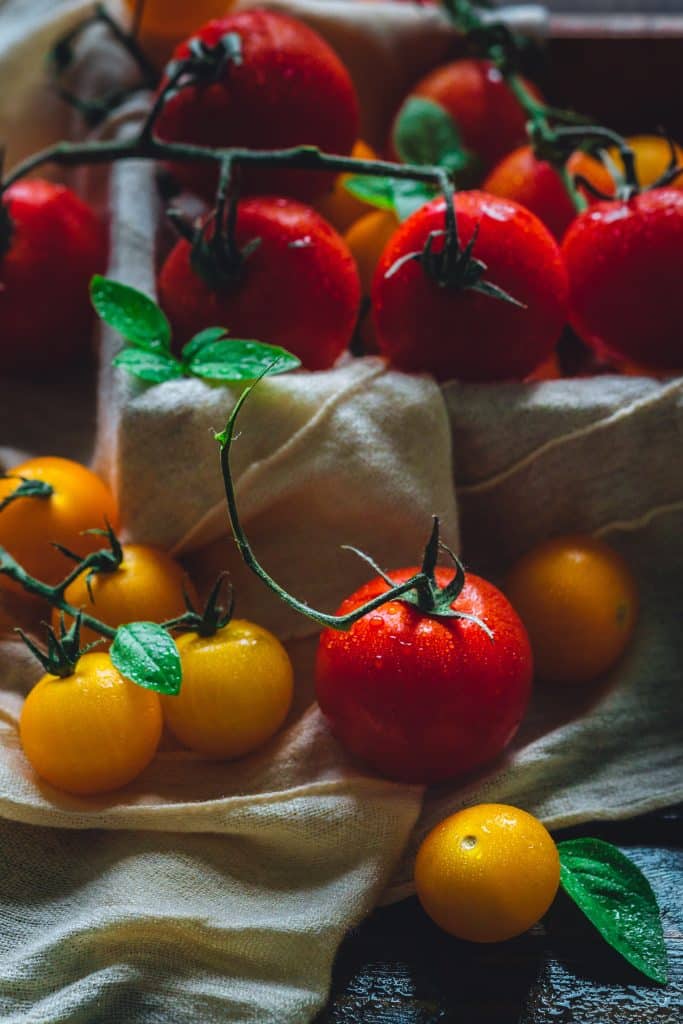
Whole tomatoes were a hard no in my house for a long time. The texture of a big juicy slice was the sticking point, not the flavor.
Mom note: scoop out the seedy middle if the seeds themselves are the problem, plenty of picky eaters object to that part specifically.
Cooked tomatoes in a sauce were never an issue, which told me the resistance was purely textural rather than about taste. Once I understood that, I stopped taking it personally.
I still keep a big tomato on hand for sandwiches and salads for the rest of us. My youngest just gets sauce instead, and that is fine with me.
19. Cherry tomatoes
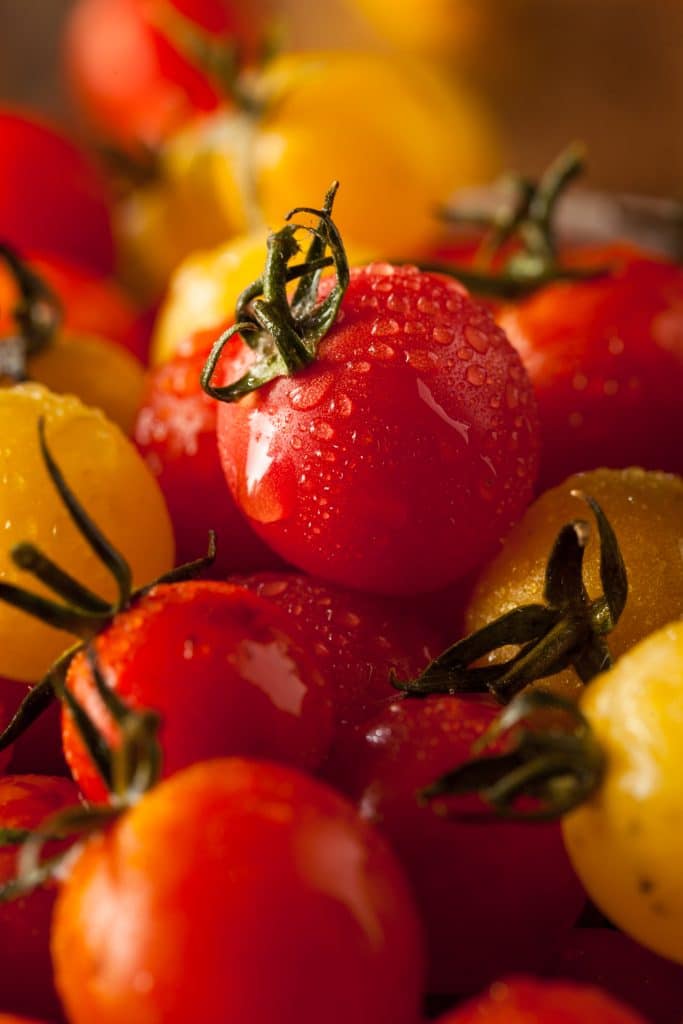
Cherry tomatoes solved the exact problem the big ones caused. Same flavor, none of the texture complaints, and my kids ate them like candy from day one.
Mom note: slice them in half for younger kids, whole cherry tomatoes are an actual choking hazard, not just an inconvenience.
The yellow and orange varieties tend to taste sweeter than the red ones, in my experience, so I mix colors in the container to keep things interesting for both kids.
I roast a whole tray at once when they start going soft, just oil and salt until they burst. Nothing goes to waste that way.
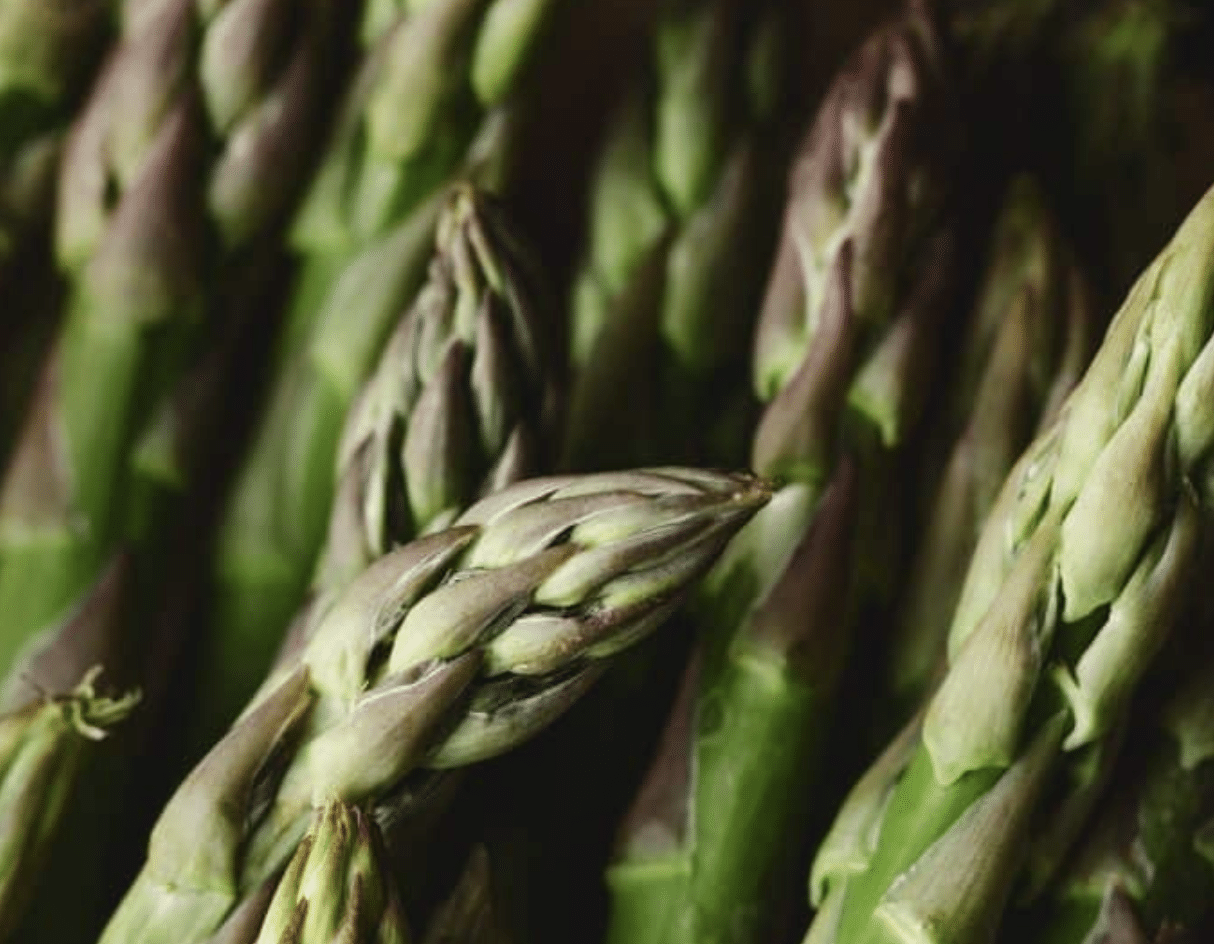
20. Asparagus
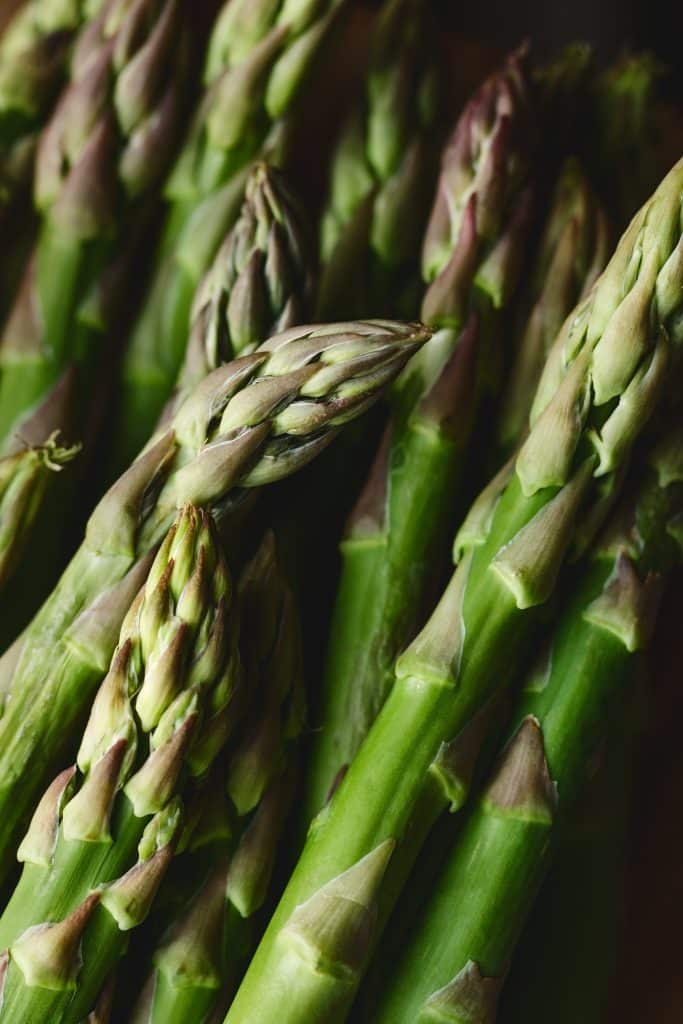
Asparagus took real effort, mostly because the stringy end and the slightly bitter flavor are both working against you with a picky kid at the same time.
Mom note: bend each spear until it snaps naturally instead of cutting with a knife, it breaks exactly where the tough part ends.
Thinner spears are milder and cook faster than the thick ones, which matters if you are trying to win over a reluctant eater. I look for the thinnest bunch at the store on purpose.
Roasted hot with a little oil until the tips just start to crisp, it finally became something my kids would actually pick up with their fingers.
21. Brussels sprouts
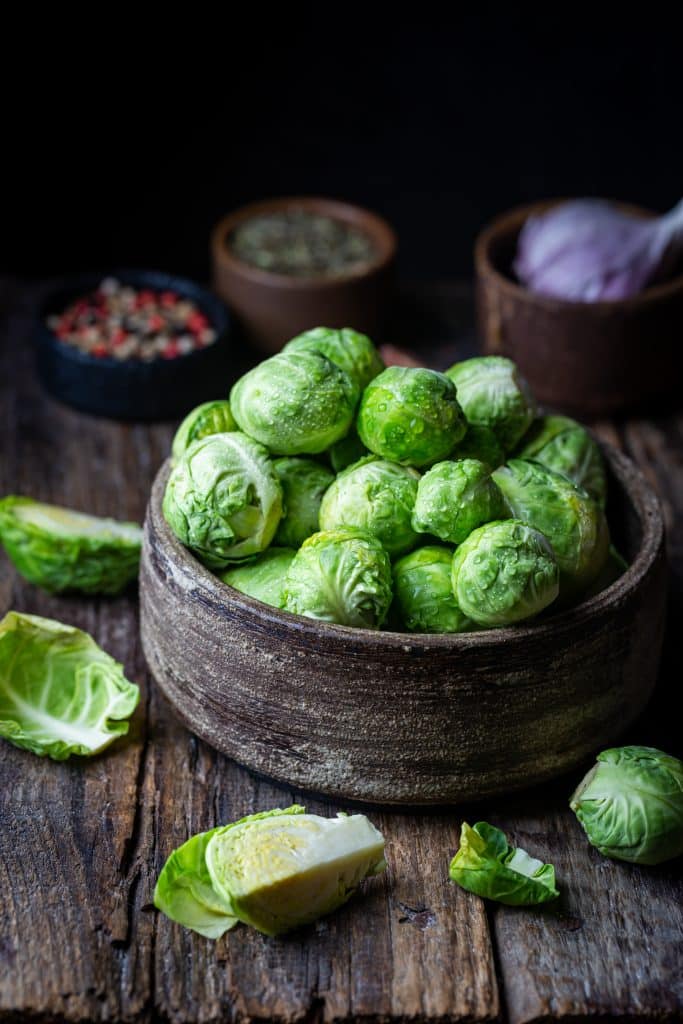
Brussels sprouts were the vegetable I was most sure would never make this list. I was wrong, but it took a genuine effort to get there.
Mom note: cut them in half before roasting, the flat side that hits the hot pan is what gets crispy and browned, and that is the bite kids actually want.
Old boiled brussels sprouts earned this vegetable its bad reputation, in my opinion. Boiling brings out sulfur compounds that get much stronger the longer they cook, while roasting hot and fast avoids most of that entirely.
A little something sweet on top, like a drizzle of honey, closes the deal at my table. My husband will eat these by the pound now, which still surprises me.
What Everyone's Making
23 Vegetables That Turn Into Dinner With Just a Sheet Pan and 30 Minutes →
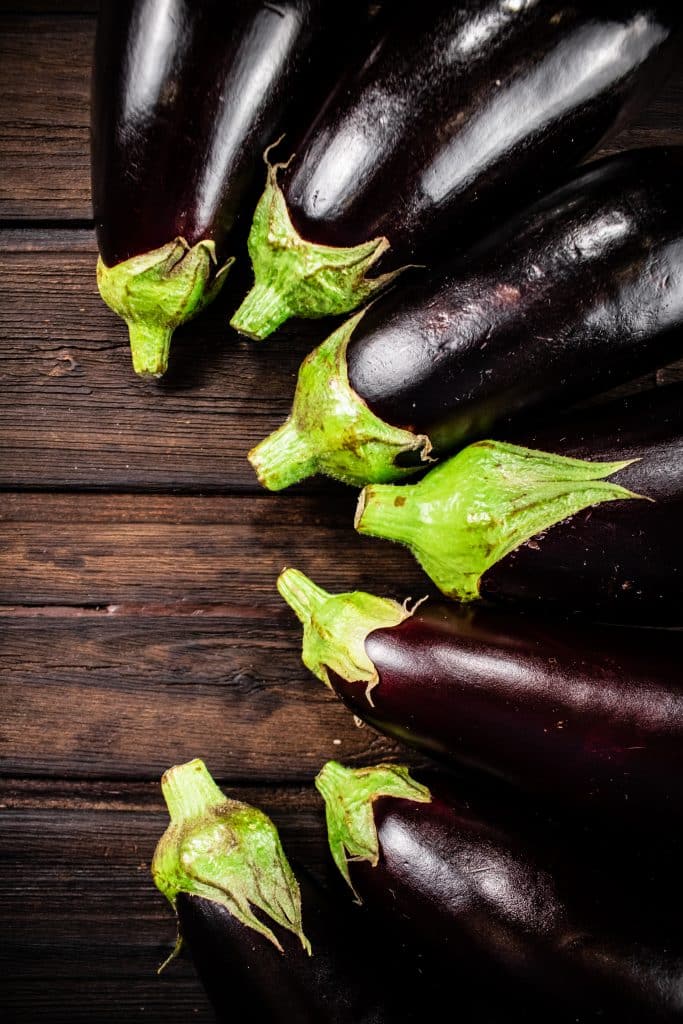
22. Eggplant
Eggplant was a genuine project. The spongy texture when it is undercooked is a hard sell for any kid, picky or not.
Mom note: salt the sliced eggplant and let it sit for twenty minutes before cooking, it pulls out extra moisture and keeps it from turning slimy.
Skipping that step is where most home cooks go wrong with eggplant, myself included for years. It needs that extra bit of prep time to actually turn out well, and there is no real shortcut around it.
Breaded and baked, it finally worked in my house. It reads almost like a chicken finger if you do not announce what it is.
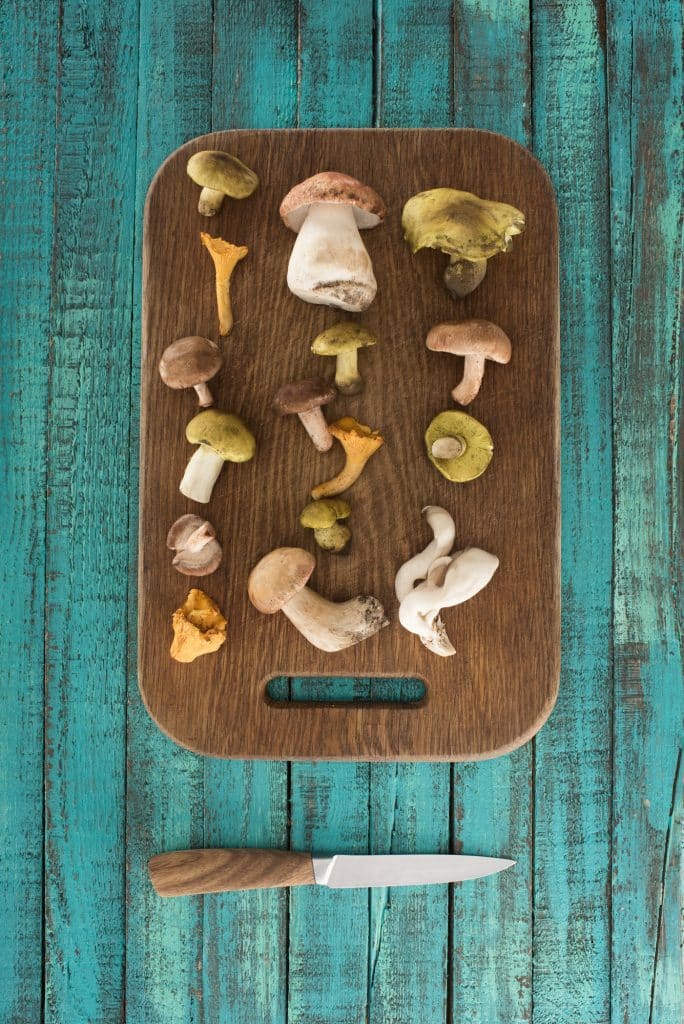
23. Mushrooms
Mushrooms were the hardest fought battle on this whole list. The texture alone got them banned from the table for a solid year.
Mom note: chop them very fine and cook them down until most of the moisture is gone, they blend into ground meat almost invisibly that way.
Mushrooms release a surprising amount of water as they cook. If you rush that step and pull them off the heat too early, you end up with the slippery, watery bite that turns most kids off in the first place.
Cooked down and folded into meat sauce, they finally passed inspection. I still would not serve them whole on a plate, and I have made peace with that.
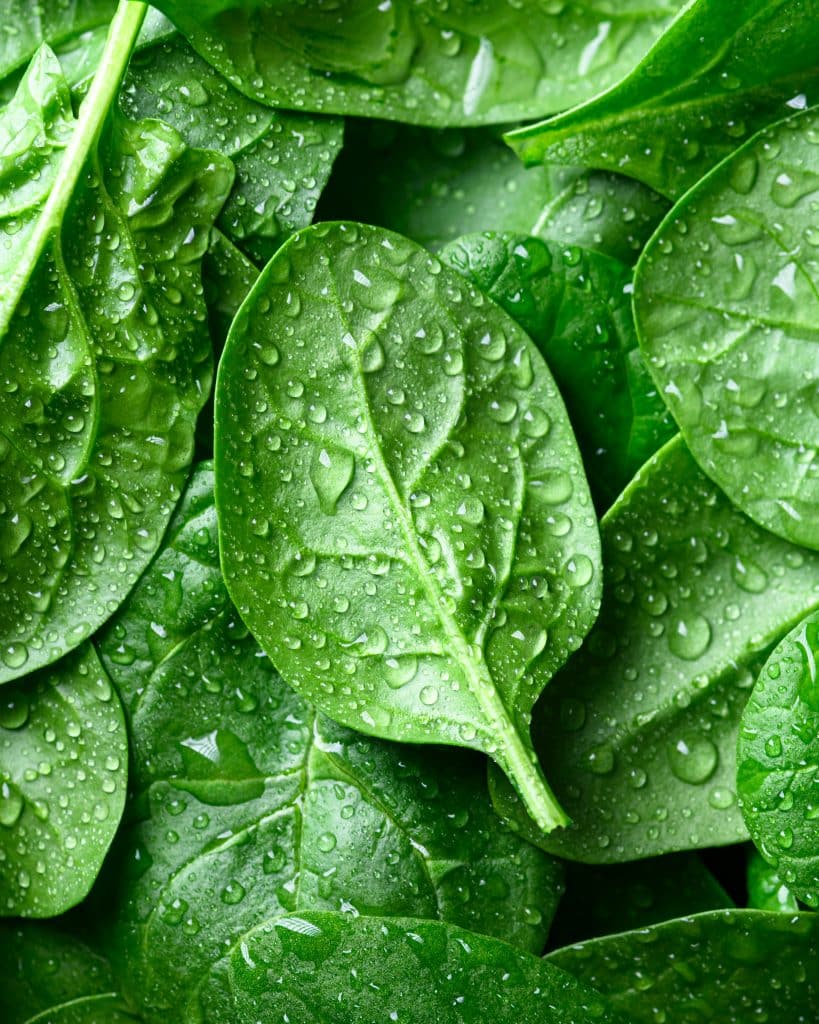
24. Spinach
Spinach snuck onto this list sideways. My kids will not touch a cooked pile of it on a plate, but raw baby spinach in a smoothie disappears without a word of protest.
Mom note: add spinach to a smoothie with a strong fruit like banana or mango, a small handful blends in with almost no color or flavor change.
Baby spinach specifically has a much milder flavor than the mature bunched kind, which is part of why the smoothie trick works so well in the first place.
I buy the big tub of it every week now and it never goes to waste, since it goes into smoothies, eggs, and the occasional sauce without anyone raising an objection.
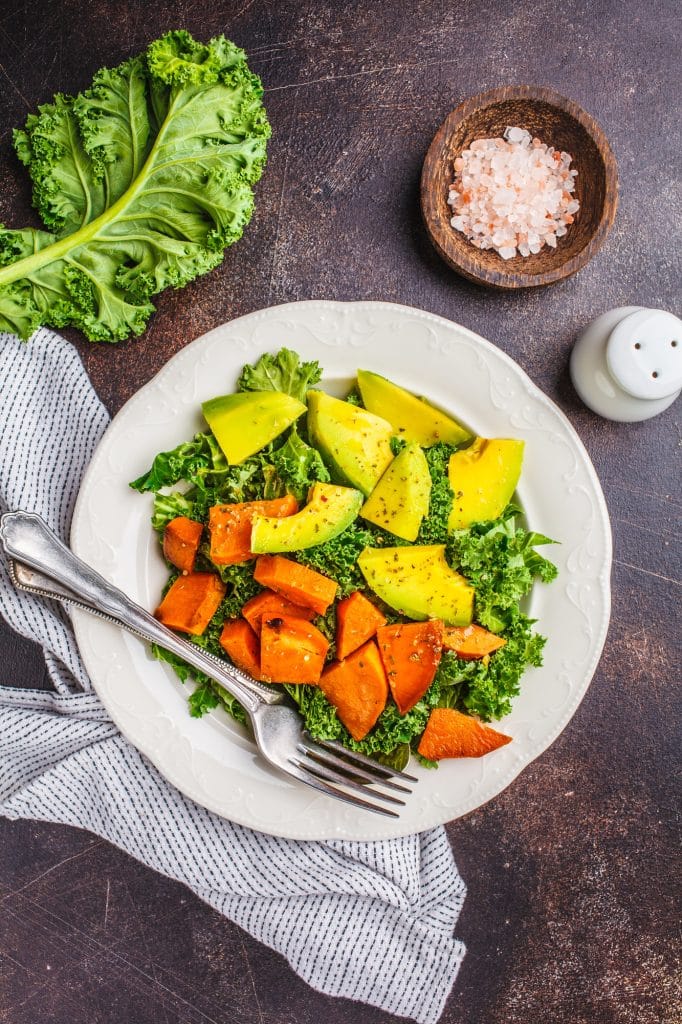
25. Kale
Kale is the one that took the longest and honestly still is not a full win. It is the last real holdout from the pickiest eater years.
Mom note: massage the raw leaves with a little oil for a minute or two, it breaks down the tough fibers and makes a real difference in how it eats.
Baked into chips at a low temperature until they are genuinely crisp, not just wilted, is the only form that has ever gotten a willing bite in my house. Anything softer gets picked at and abandoned.
So I will call this one a partial victory. It survived, but it did not win over hearts the way the sweet potatoes or the strawberries did.
From my kitchen: the single biggest shift for me was learning that texture, not flavor, was behind most of the rejections in this house. Once I started cooking around texture instead of trying to mask taste, I won a lot more of these battles than I expected to.
Start With One
If you take one thing from this list, let it be the texture point. Before I understood that, I was rewriting recipes to hide flavors that were never actually the problem.
This week I am working through a bag of sweet potatoes and a tray of the cherry tomatoes before they turn, probably in the same one-pan dinner. It is not exciting, but it is what is actually happening in my kitchen right now.
Pick whichever item on this list feels closest to your current standoff and try the one small change I mentioned for it. If it does not work, there is always the freezer, and there is always next week. I have a whole running list of the vegetables I finally learned to cook right after years of ruining them, and this list is really just an extension of that same trial and error.