25 Fruits That Belong in Dinner, Not Just Dessert
My kids think fruit belongs in a bowl or a lunchbox, and for a long time I thought the same thing. Then one night I had half a lemon left over from something else and squeezed it over roasted chicken instead of tossing it, and dinner turned into something I actually wanted to eat twice.
Since then I’ve started reaching for fruit in the savory side of my kitchen more than the sweet side, and my grocery cart looks a little different because of it. Some of these took my family zero convincing. Some of them took real work.
I put this list in the order it happened for me, starting with the fruit I already reached for without thinking and ending with the ones that took the most convincing to land on my dinner table at all.
1. Lemons
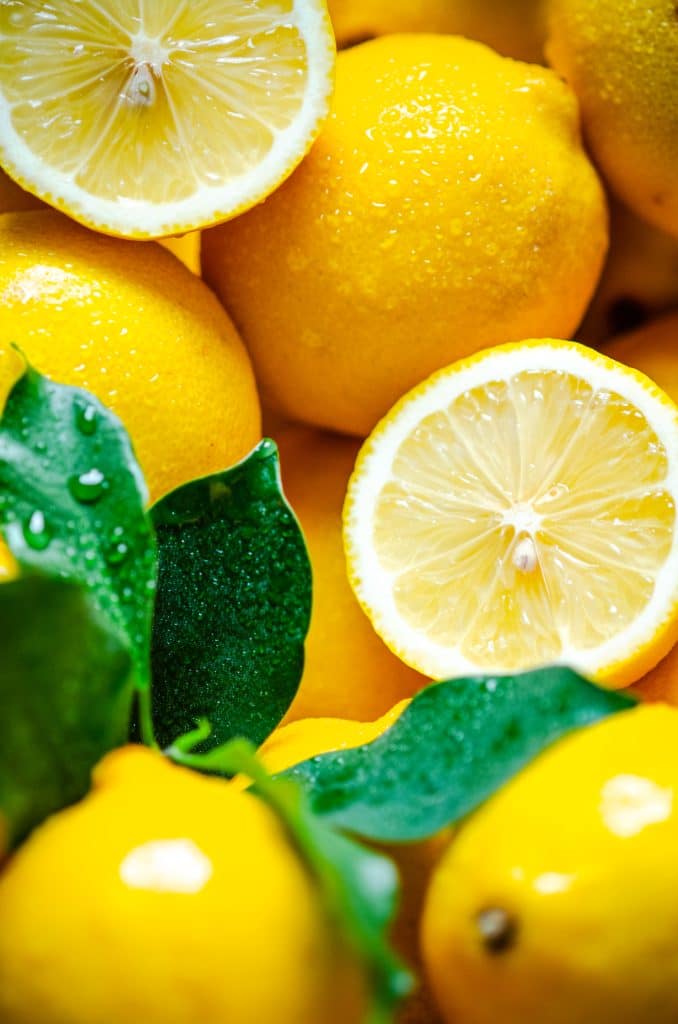
Lemons were my gateway into all of this. I keep a couple on the counter at all times now, not in the fruit bowl with everything else, because I reach for them so often.
How I use it: a squeeze over roasted vegetables or fish right at the end of cooking wakes up the whole plate in a way salt alone never quite does.
Rolling a lemon firmly under my palm on the counter before cutting it breaks down the membranes inside and gets noticeably more juice out. I do this every single time now.
I zest before I juice, never after, since a juiced lemon collapses and gets hard to grate safely. The zest goes in a small container in the freezer if I’m not using it that day.
2. Apples
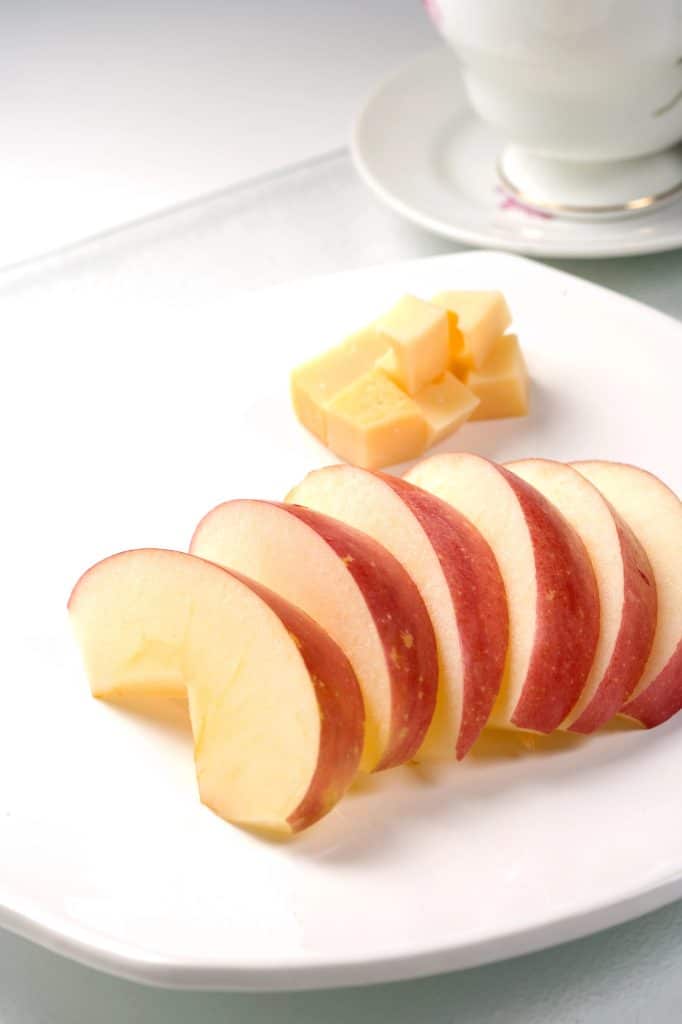
Apples in dinner used to mean pie to me, and nothing else. Now a sliced apple tossed into a skillet with pork or chicken is a regular weeknight move in my kitchen.
How I use it: I add sliced apples to the pan in the last few minutes of cooking so they soften without turning to mush, which keeps some bite left in them.
A firmer, tart variety holds up much better in a hot pan than a soft, sweet one does. The soft ones basically disappear into sauce, which isn’t always what I’m going for.
A grated apple stirred into coleslaw is one of the produce picks I sneak into dinner without anyone noticing, and it’s an easy one to start with.
3. Pears
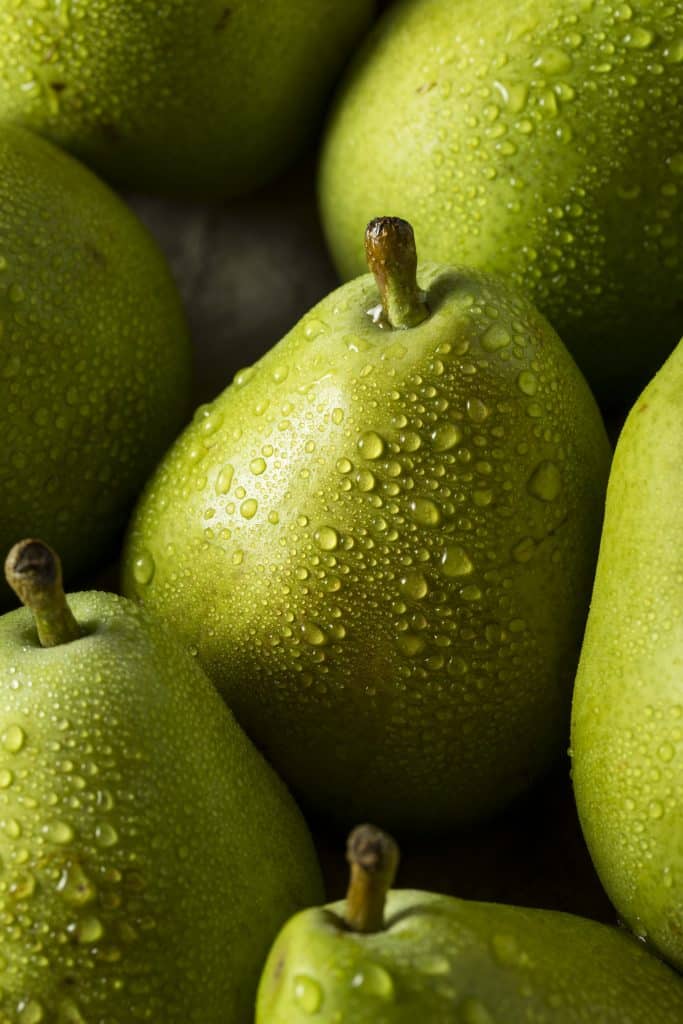
Pears feel fancier than apples to me, which is probably why I save them for a salad or a cheese board more than a hot skillet.
How I use it: thin slices over greens with a sharp cheese and a simple vinaigrette turns a plain side salad into something that feels like it took effort when it really didn’t.
A pear that gives slightly at the stem end is ready to eat that day. One that’s still firm all over does better roasted, since roasting brings out sweetness a hard pear doesn’t have raw.
I keep pears at room temperature until they ripen, then move them to the fridge to slow things down once they’re at the point I actually want to eat them.
4. Oranges
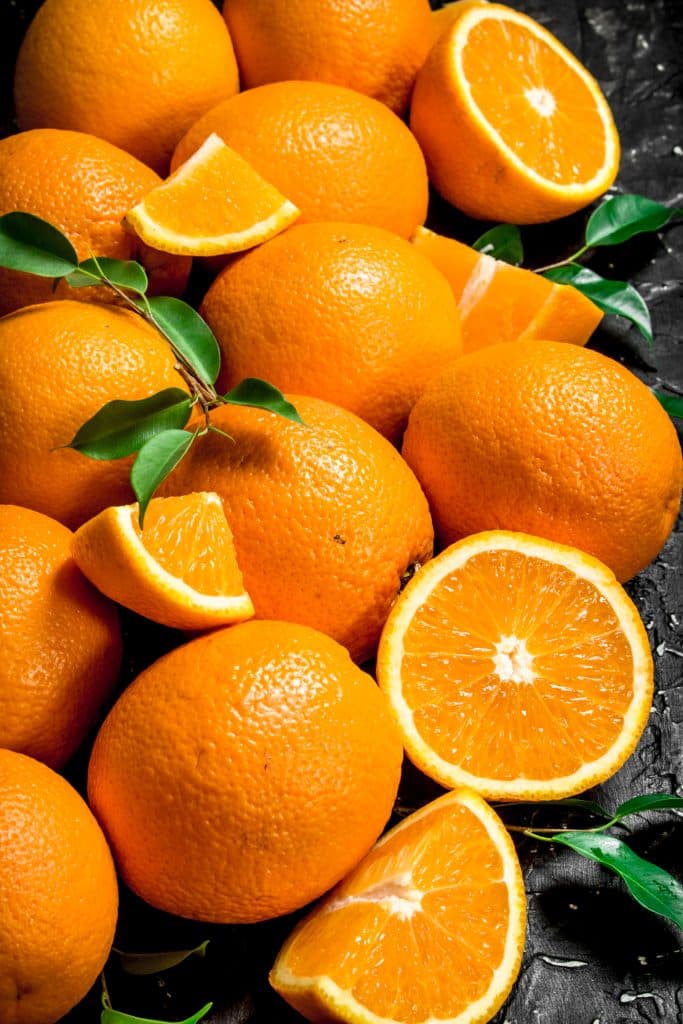
Orange juice and zest go into more dinners in my house than orange segments ever do. It’s an easy way to brighten up a sauce without adding sugar.
How I use it: a splash of orange juice whisked into a pan sauce after cooking chicken cuts through the richness and gets scraped up along with the browned bits stuck to the pan.
I zest the orange before I ever cut it open, the same rule I use for lemons. It’s a small habit but it saves me from wasting the best part of the fruit.
Segments cut cleanly away from the membrane hold up in a warm dish far better than a rough wedge does, which tends to fall apart and turn mushy fast.
5. Pineapple
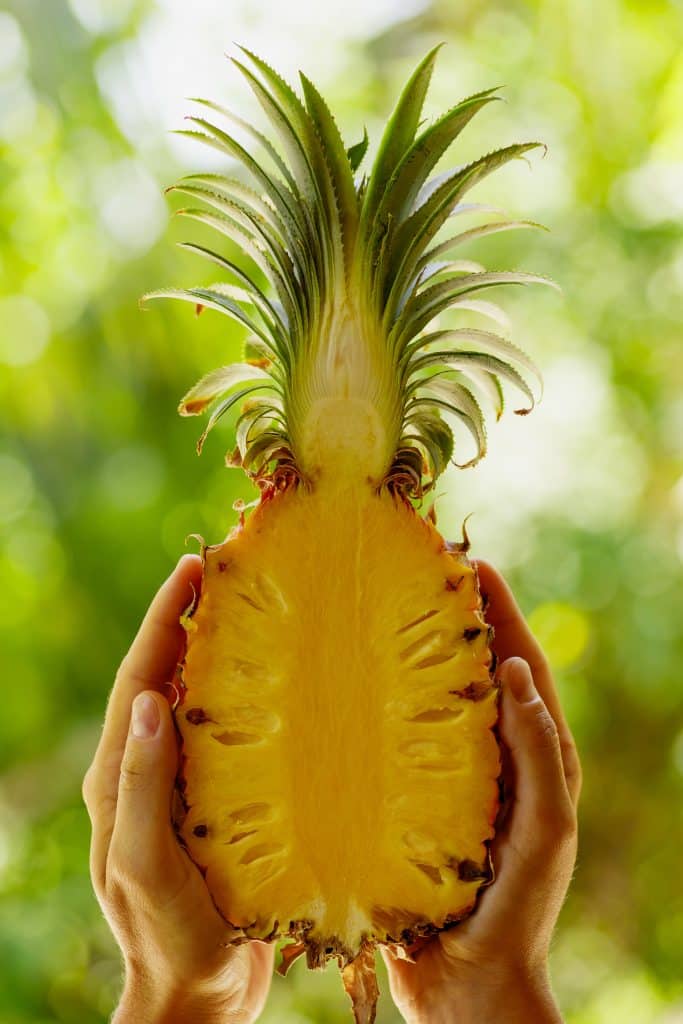
Pineapple caused an actual debate in my house the first time I put it near dinner. Now it’s a regular guest on the grill in the warmer months.
How I use it: thick rings brushed with a little oil and grilled until they’ve got real char marks go straight onto a plate next to grilled meat, no fuss involved.
The natural enzyme in raw pineapple actually breaks down proteins, which is why a short marinade with pineapple juice can tenderize meat faster than most other marinades I’ve tried.
I never marinate meat in pineapple for more than about half an hour. Left too long, that same enzyme turns the texture mushy instead of tender.
6. Peaches
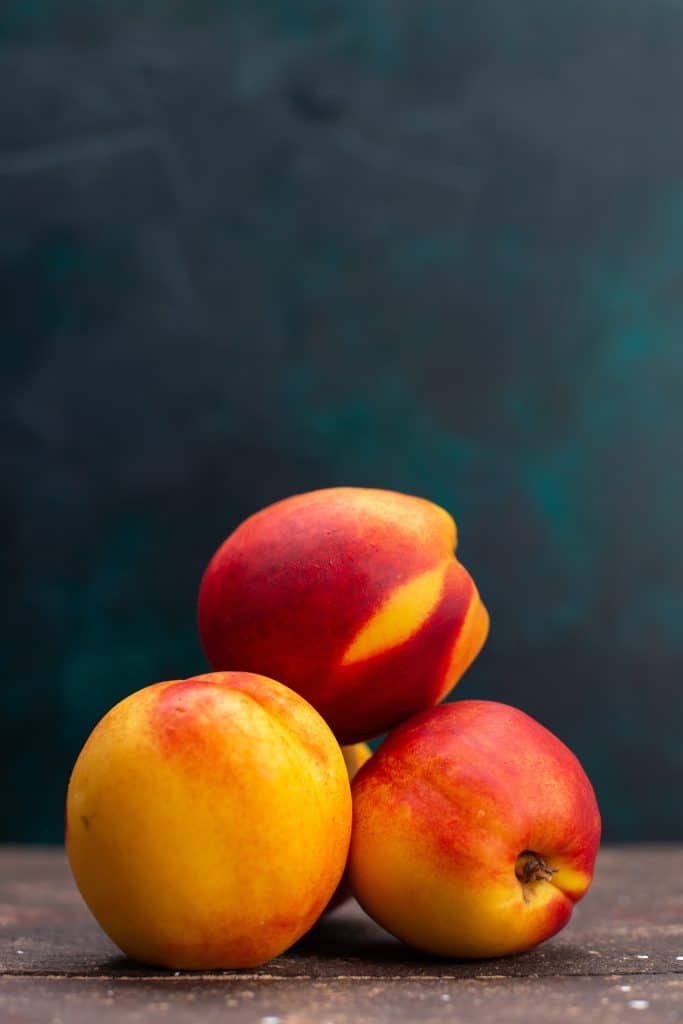
A grilled peach next to grilled chicken is one of my favorite summer dinners, and it took my husband exactly one bite to stop questioning it.
How I use it: halved, pitted, and grilled cut side down for just a couple of minutes, they get a little caramelized without turning to mush.
A ripe peach smells sweet at the stem end even before you cut it. If there’s no smell there, it usually needs another day or two on the counter.
Firmer, slightly underripe peaches actually hold their shape better on the grill than perfectly soft ones, which tend to fall apart on the grates.
7. Plums
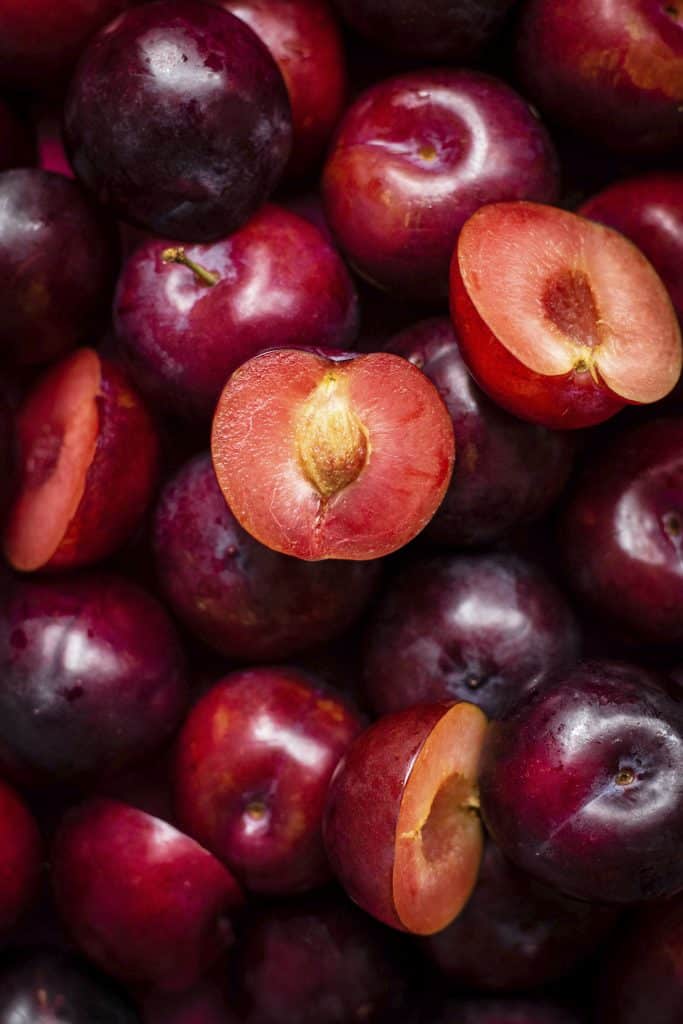
Plums are tarter than most people expect, which is exactly why they work so well cooked down into a sauce for pork or duck instead of eaten plain.
How I use it: quartered and simmered with a little vinegar and a touch of honey, they turn into a sauce that goes on almost any roasted meat in about ten minutes.
A plum that’s still quite firm actually works better here than a soft, ready-to-eat one. The tartness holds up better against the fat of the meat.
I leave the skins on when I cook them down. They break apart on their own and add a slightly deeper color to the sauce that peeling would take away.
8. Apricots
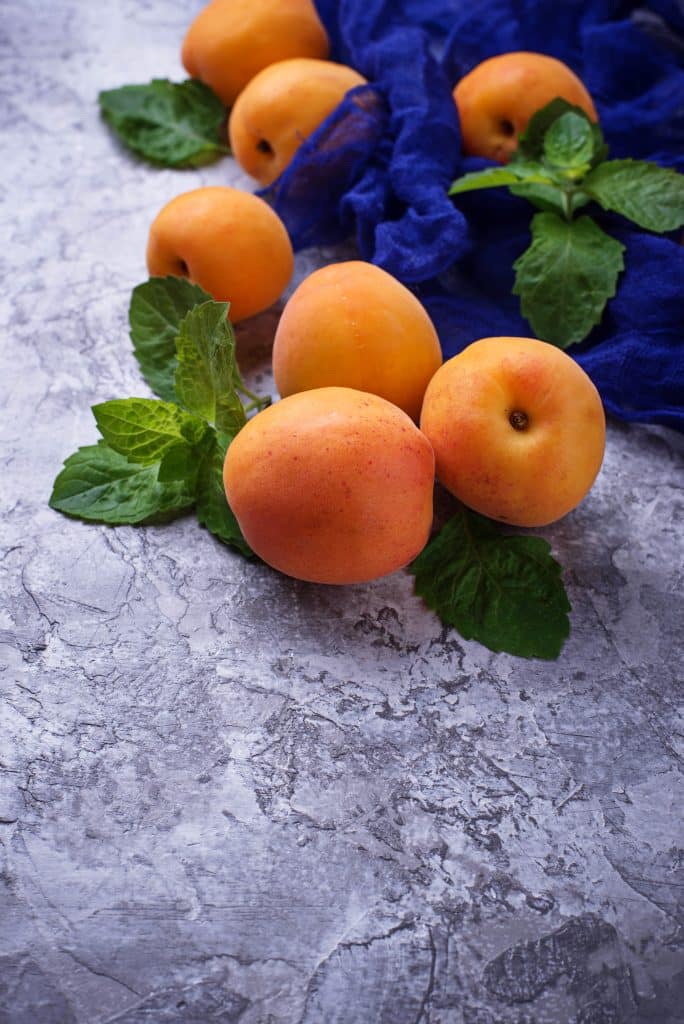
Apricots have a short window when they’re actually good, and I’ve learned to grab them fast when they show up looking right, since the season doesn’t last.
How I use it: halved and roasted alongside chicken thighs in the same pan, they soften into something almost jammy that coats everything around them.
A good one gives slightly under gentle pressure and smells fragrant near the stem. Rock hard apricots rarely ripen well once they’re already off the tree.
I keep them out of the fridge until they’re ripe, since cold temperatures stop the ripening process almost entirely and can leave them mealy for good.
9. Nectarines
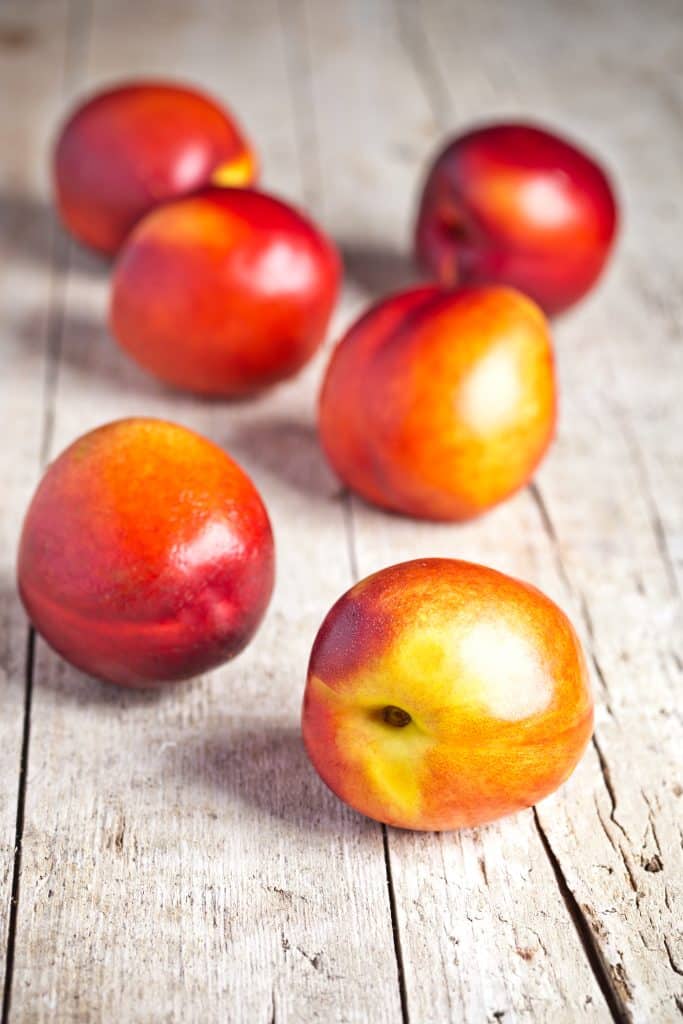
Nectarines are basically a peach without the fuzz, and I use them almost interchangeably, though I usually reach for nectarines when I don’t feel like dealing with peach skin.
How I use it: sliced raw into a salad with a salty cheese and something crunchy, they don’t even need to be cooked to earn a spot at dinner.
Because the skin doesn’t need peeling, they’re the faster option on a night when I don’t have the patience for extra steps before dinner gets on the table.
They bruise more easily than peaches do, so I buy them a day or two before I plan to use them rather than stocking up for a whole week.
10. Figs
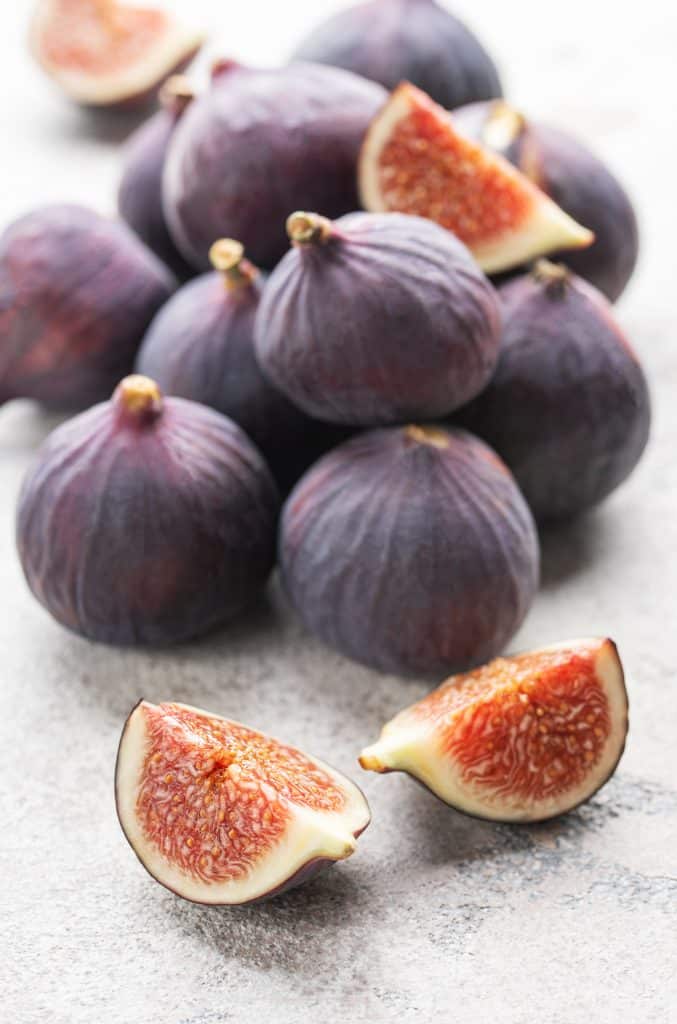
Figs felt like a fruit for someone else’s dinner table for a long time, honestly. Then I put a few halved and roasted next to a roast chicken and understood the appeal immediately.
From My Kitchen
23 Vegetables That Turn One Pot of Soup Into a Whole Week of Dinners →
"This is the one I make on repeat once it gets cold out."
How I use it: wrapped with a thin slice of something salty and roasted until they’re warm through, they turn into an appetizer that looks like more effort than it actually took.
Fresh figs don’t keep long at all, maybe two or three days at most, so I only buy what I plan to use within that window rather than stocking up.
A fig that feels soft all over and slightly wrinkled near the top is at its peak. Firm ones never really ripen properly once they’re off the tree.
11. Dates
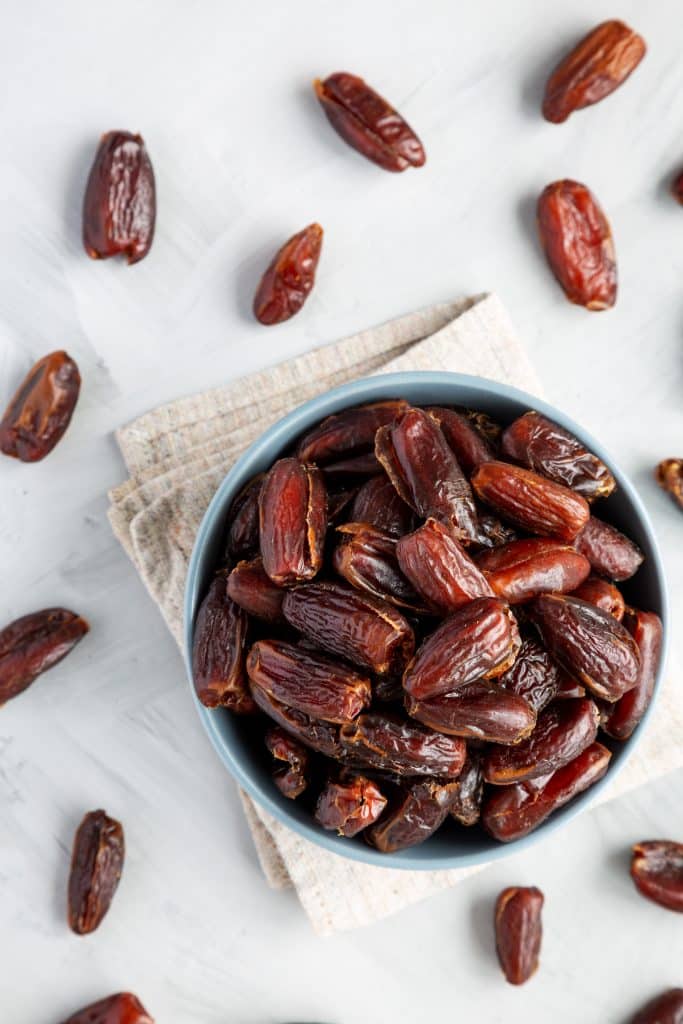
Dates go into savory cooking more than people expect, and once I started chopping them into things, I never looked back.
How I use it: chopped small and stirred into a grain dish or a pot of rice, they add sweetness without needing any actual sugar added to the pan.
Pitted dates are worth the small extra cost. Digging pits out of a whole bag by hand is a task I stopped volunteering for years ago.
They keep for months in a sealed container in the pantry, which makes them one of the few fruits on this list I don’t have to think about using up quickly.
12. Pomegranate
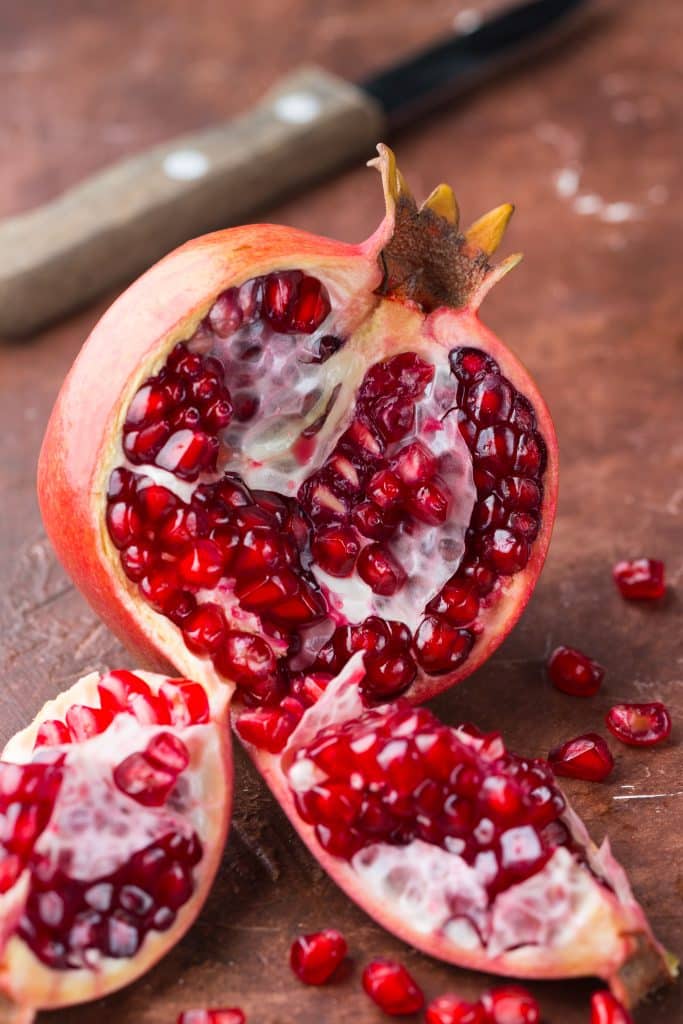
Pomegranate seeds scattered over a roasted vegetable dish make it look like I tried much harder than I actually did, and I’ll take that trade every time.
How I use it: a handful of seeds over roasted squash or a grain salad adds a burst of tartness and a little crunch that nothing else on the plate has.
Deseeding it underwater in a bowl keeps the juice from staining the counter and my shirt, which used to happen every single time before I learned that trick.
The seeds separated from the fruit keep in the fridge for about a week, so I deseed the whole thing at once rather than cutting into it fresh each time.
13. Grapefruit
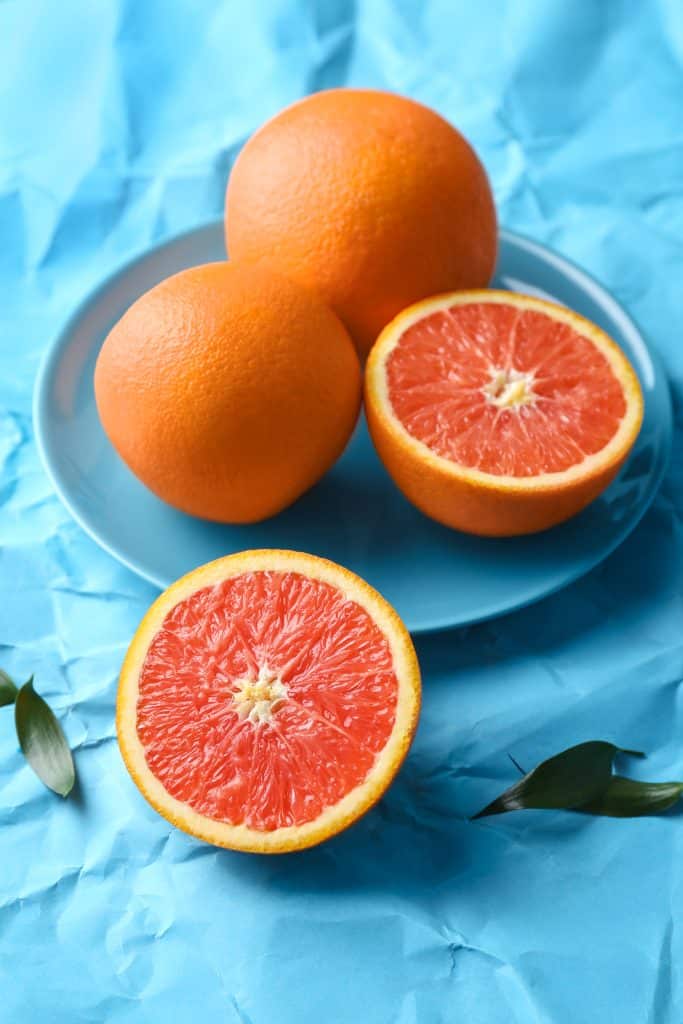
Grapefruit in a salad was a hard sell at my table at first, since bitterness isn’t something my kids are big fans of in general.
How I use it: segments tossed with avocado and a little olive oil balance out the bitterness enough that even my pickier eater will try a bite.
Cutting away the white pith completely, not just the peel, is what actually cuts the bitterness. Leaving any of it behind is usually why a grapefruit tastes harsher than it needs to.
A heavy grapefruit for its size usually means more juice inside, the same rule I use for oranges when I’m picking through a bin at the store.
14. Tangerines
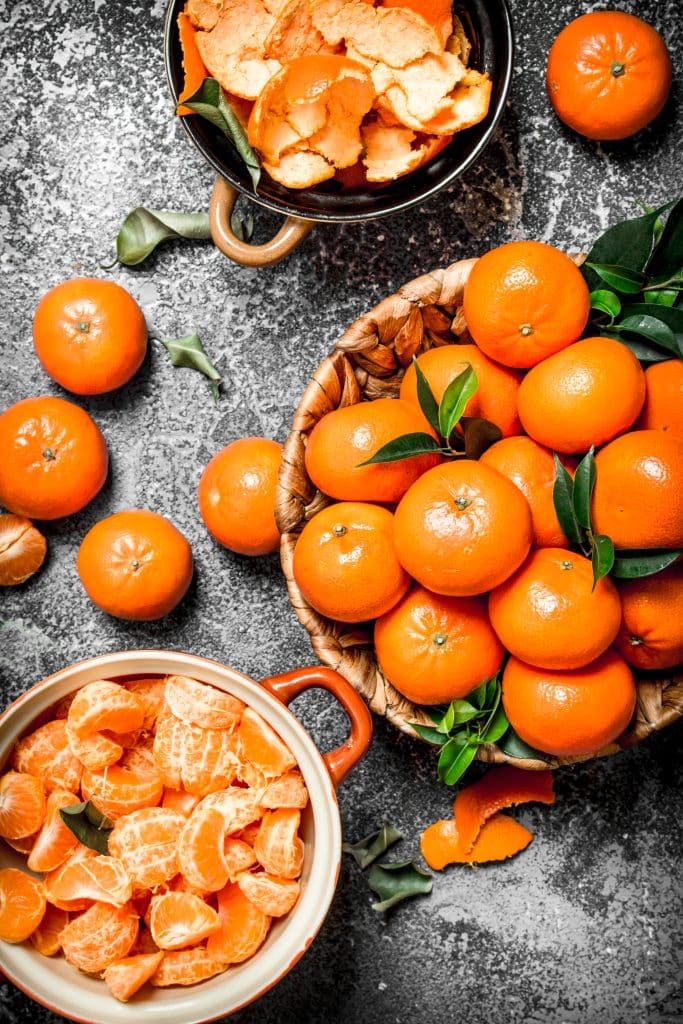
Tangerines are easier to get my kids to eat than grapefruit ever will be, so I use them as a gentler entry point into citrus showing up in a savory dish.
You'll Want This Too
How I use it: segments tossed into a stir fry near the very end of cooking add sweetness that balances out a salty sauce without needing extra sugar.
They’re easier to peel by hand than an orange, which is honestly half the reason my kids will eat them plain straight out of the bowl without complaint.
I add them at the very end of cooking, off the heat if possible, since too much time in a hot pan turns them mushy and mutes the flavor.
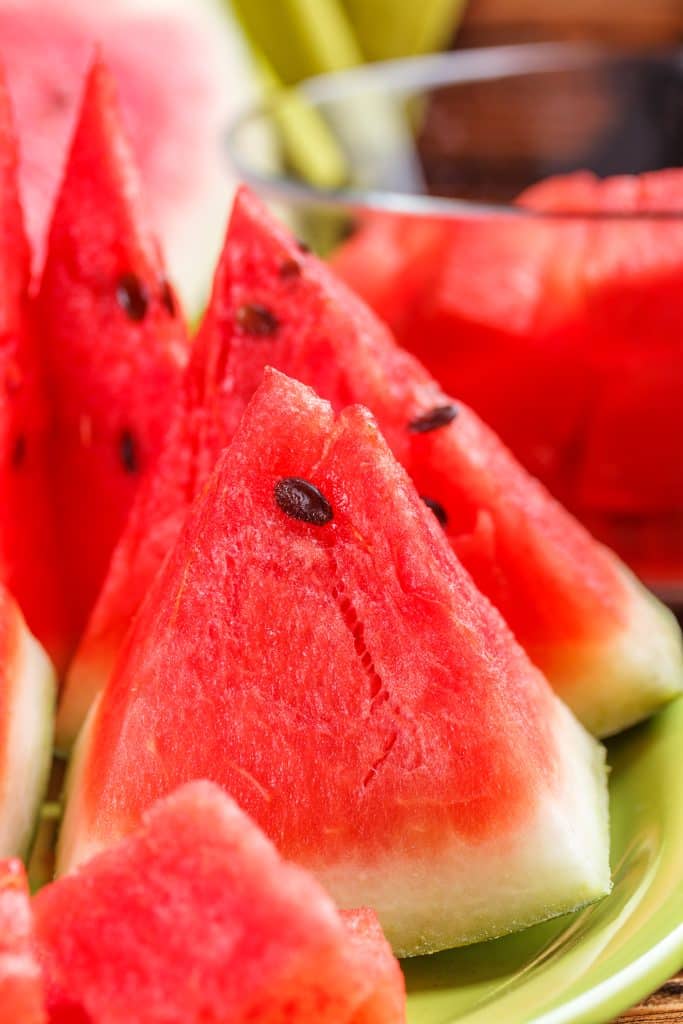
15. Watermelon
I’ll be honest about this one. Watermelon and a salty cheese together is a combination everyone raves about, and it’s just never landed for my family no matter how many times I’ve tried it.
How I use it: when I do serve it savory, cubed and tossed with a little lime and a pinch of salt gets a better reaction than the cheese pairing ever has here.
A watermelon that sounds hollow when you tap it and has a yellowish patch where it sat on the ground is usually the ripest one in the bin.
Once it’s cut, it only keeps well for about three or four days in the fridge, wrapped tightly, before the texture starts to break down.
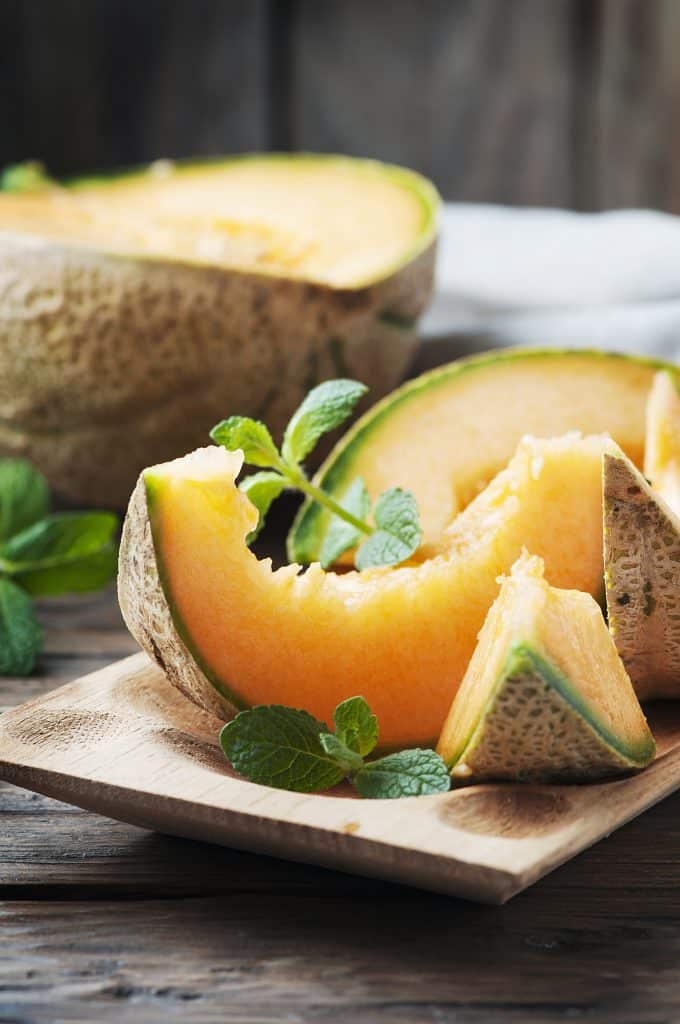
16. Cantaloupe
Cantaloupe wrapped with something salty and thin is one of those combinations that sounds strange until you actually try it at your own table.
How I use it: thin wedges wrapped with a salty cured meat make an easy appetizer that needs zero cooking on a night I don’t want to touch the stove.
A ripe one smells sweet and slightly musky right at the stem end. If there’s no smell at all, it usually needs a few more days before it’s worth cutting into.
I always rinse the outside rind before cutting, even though I’m not eating it, since bacteria on the rind can transfer to the flesh as the knife passes through.
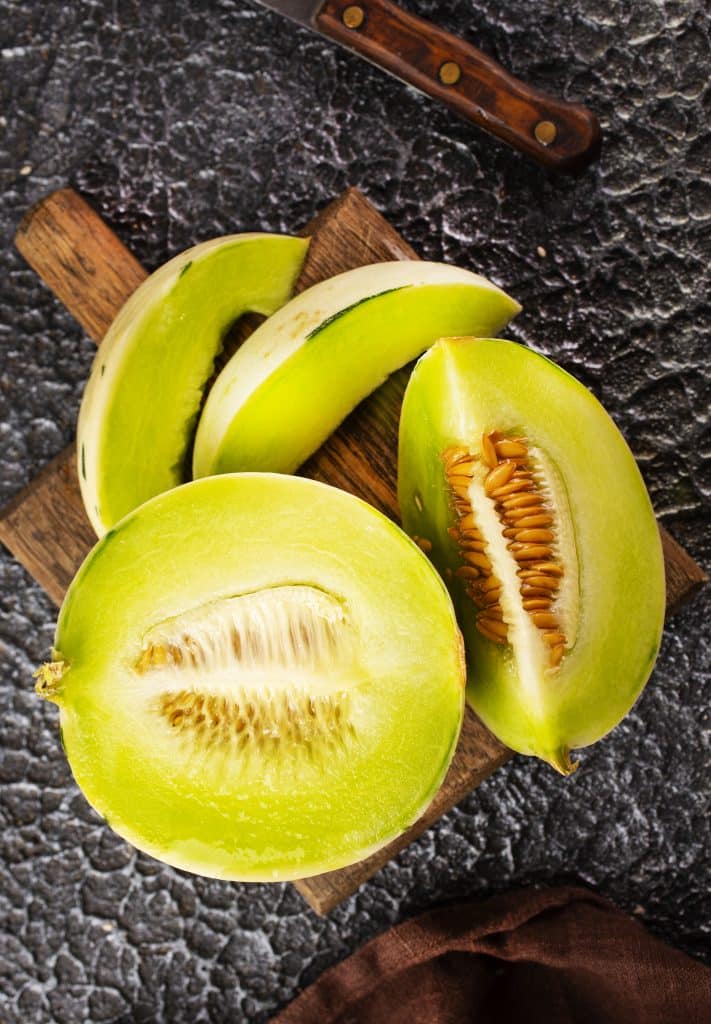
17. Honeydew
Honeydew is milder than cantaloupe, which makes it an easier fit in a savory salad without fighting for attention against everything else on the plate.
How I use it: cubed small and tossed with cucumber and a squeeze of lime, it becomes a cool side that works well next to something spicy off the grill.
Unlike watermelon, a ripe honeydew has a slightly waxy, sticky feel to the rind. A dull, dry rind usually means it was picked before it was ready.
I cut it into cubes the day I plan to serve it. It softens fast once it’s exposed to air and doesn’t hold its texture as well as a firmer melon might.
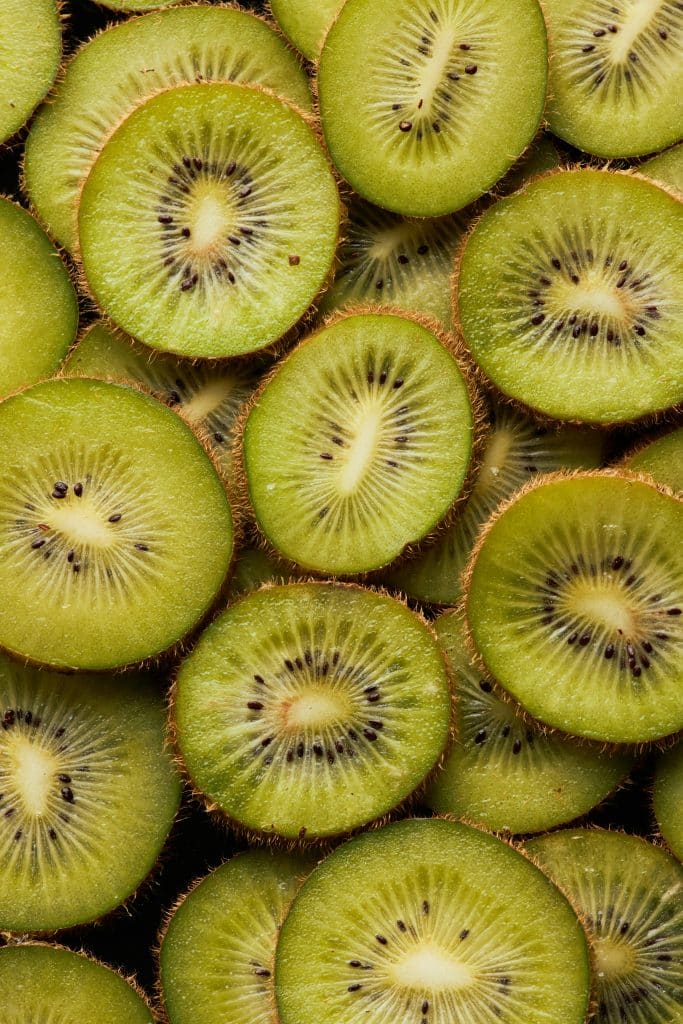
18. Kiwi
Kiwi in a savory dish surprises people every time I bring it up, but the tartness works almost the same way a squeeze of lime would.
How I use it: sliced thin over grilled fish or chicken, it adds brightness the same way citrus would, without tasting quite as sharp.
Go Deeper
Stocking a Family Pantry From Scratch: What I’d Buy First, Second, and Never →
"One shelf at a time, no big grocery haul required."
The same enzyme that makes pineapple tenderize meat is in kiwi too, so a short marinade with mashed kiwi works the same trick in a pinch.
A kiwi that gives slightly under gentle pressure is ready to eat. A rock hard one needs a few more days on the counter before it’s worth cutting into.
19. Persimmon
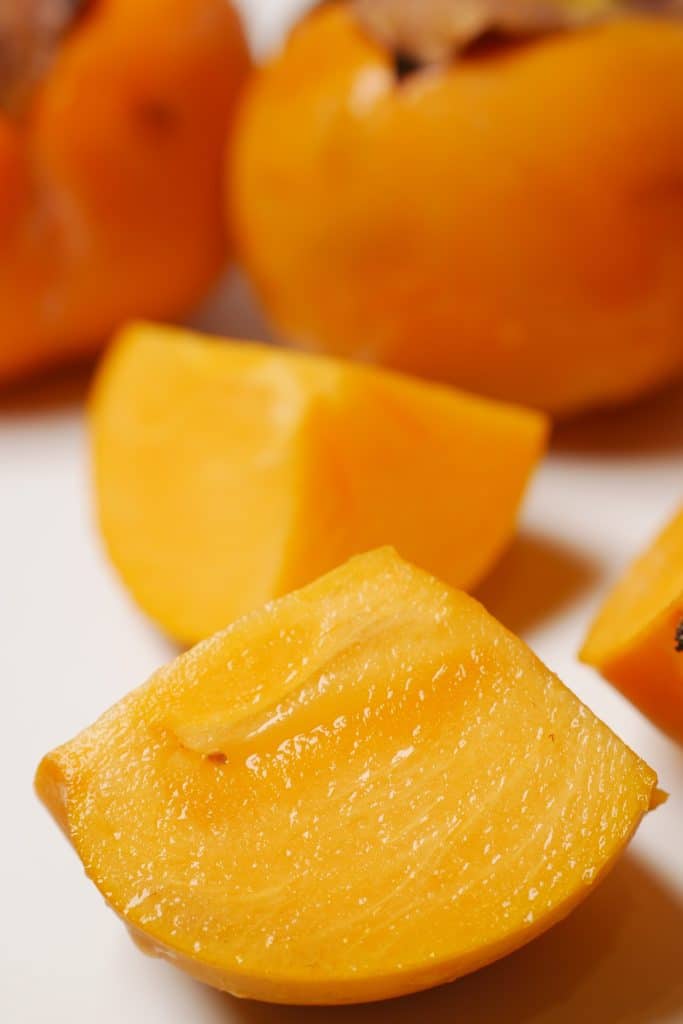
Persimmon confused me for years before I figured out there are two different kinds, and that mixing them up is the reason so many people give up on this fruit entirely.
How I use it: the firm variety, sliced thin over a salad while it’s still crisp, adds a mild sweetness without needing to wait for it to soften at all.
The other variety has to be completely soft, almost jammy, before it’s edible. Eating one too early leaves an unpleasant, chalky feeling that turns most people off for good.
I check which kind I’ve bought before deciding what to do with it, since treating the wrong one the wrong way is where most of the disappointment with this fruit comes from.
20. Avocados
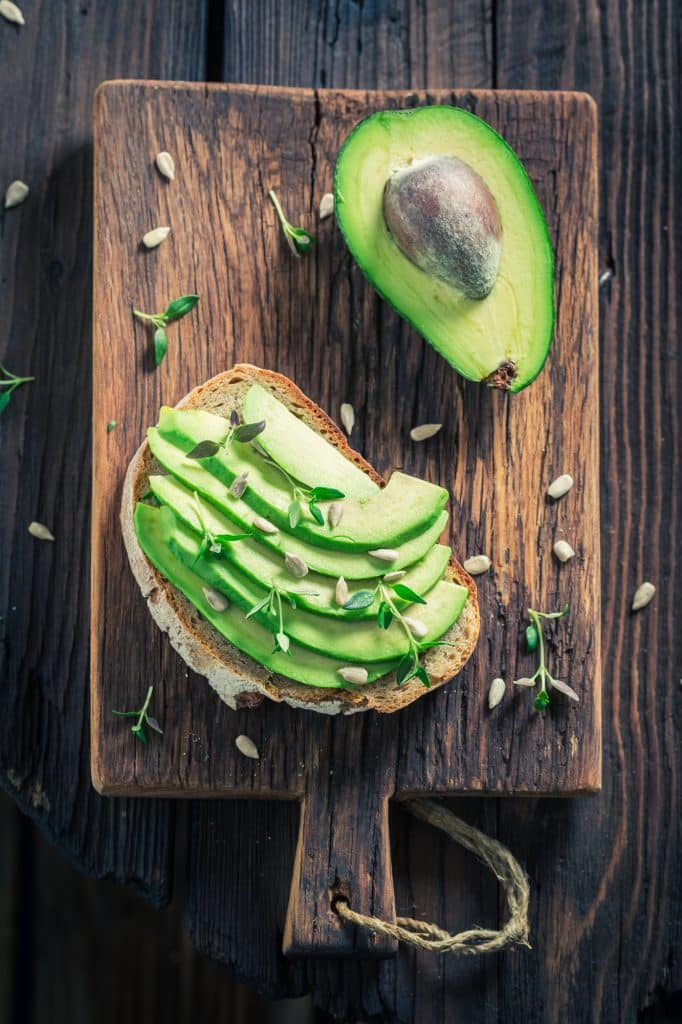
Avocados don’t feel like fruit to most people at the dinner table, but they belong on this list as much as anything else here does.
How I use it: sliced and added at the very last second, off any heat entirely, keeps the texture creamy instead of turning bitter and grainy.
Heat is genuinely the enemy here. I’ve ruined more than one dish by adding avocado too early and watching it turn an unappetizing shade while the flavor went bitter.
A gentle squeeze in the palm of my hand, not with fingertips pressing into it, tells me if it’s ripe without leaving bruise marks on one I’m not buying yet.
21. Tomatoes
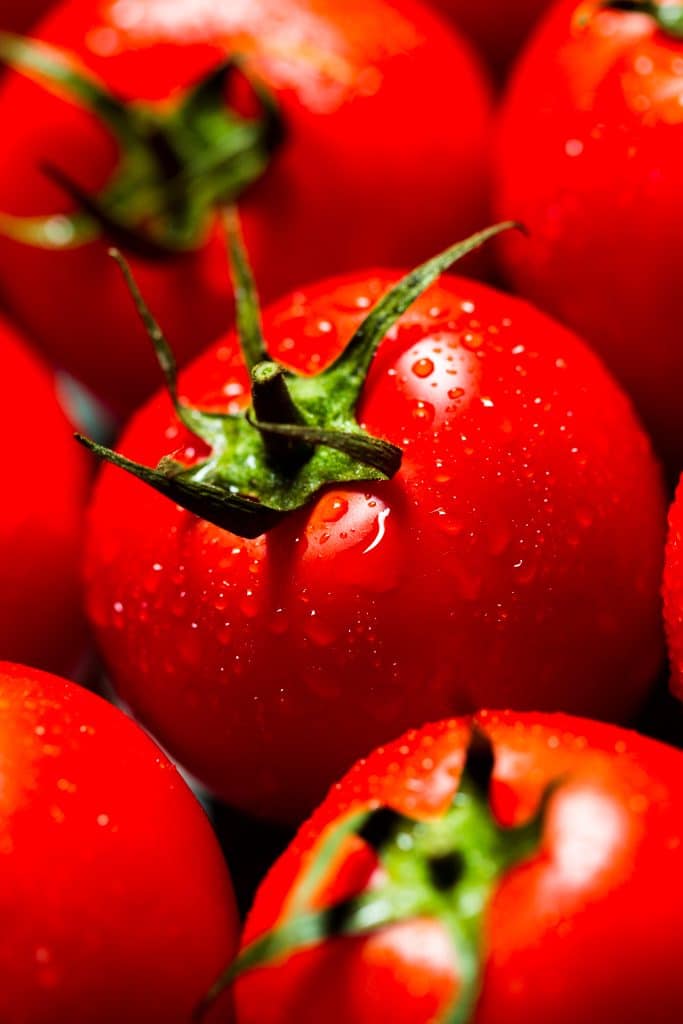
Tomatoes are technically a fruit, which I only half believed until I looked it up myself years ago, and they’re the fruit on this whole list that never needed convincing to earn a spot at dinner.
How I use it: roasted whole until they blister and collapse, they turn into a sauce base in about twenty minutes with almost no work from me.
Never refrigerate one you plan to eat that week. It’s a rule I mention often because it matters this much, and cold temperatures kill the flavor every time.
I keep a can on hand at all times as backup for the weeks fresh ones aren’t in season or don’t look worth buying.
22. Papaya
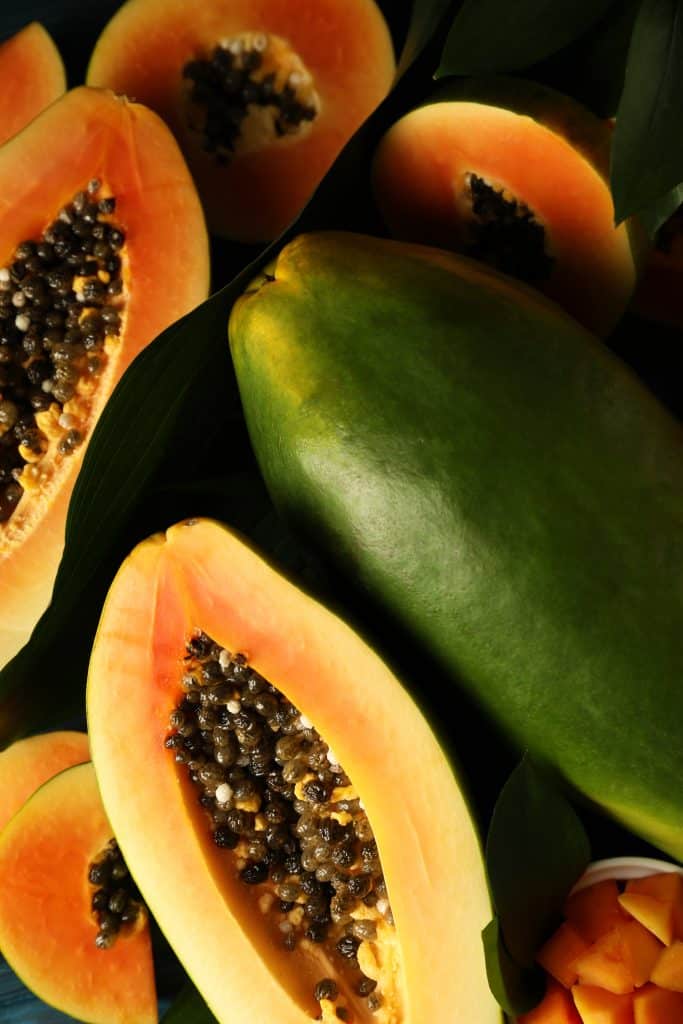
Papaya took me the longest to figure out how to buy well, since an underripe one tastes like almost nothing at all.
What Everyone's Making
27 Vegetables That Taste Better the Day After You Cook Them →
How I use it: cubed and tossed with lime, chili, and a little salt, it makes a cool side dish that holds up next to something rich or fried.
I’ll admit I don’t bother with the fully shredded green papaya salad version. It’s a lot of prep for a texture my kids never really took to.
A ripe papaya has skin that’s mostly yellow rather than green, and it should give slightly under gentle pressure the same way a ripe avocado does.
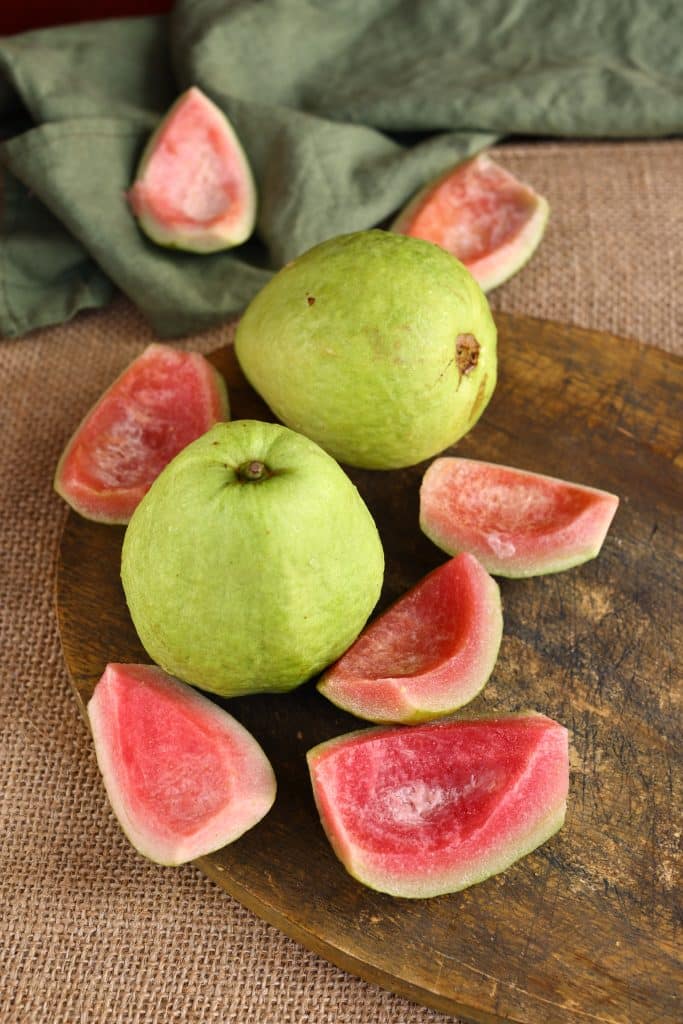
23. Guava
Guava is one I only started buying after seeing it used in a savory glaze, and it turned into a fruit I now actively look for at the store.
How I use it: simmered down with a little vinegar into a glaze for grilled meat, it adds a floral sweetness that’s different from anything else on this list.
The seeds inside are edible but tough on texture, so I push the pulp through a strainer if I’m making a glaze rather than leaving the seeds in.
A ripe one gives slightly to gentle pressure and smells strongly sweet even through the skin. A hard one with no smell needs more time before it’s worth using.
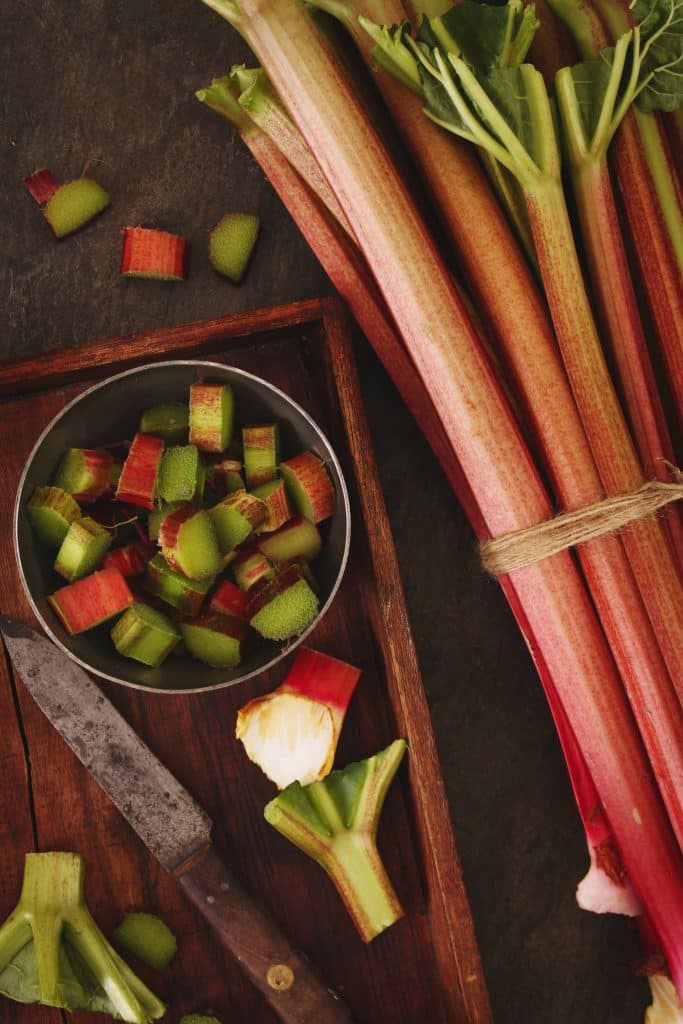
24. Rhubarb
Rhubarb gets treated like a dessert fruit almost everywhere, but on its own, without a mountain of sugar, it’s sour enough to work as a savory sauce.
How I use it: simmered down with just a touch of sweetener, it makes a tart sauce that cuts through a fatty cut of pork the same way a fruit chutney would.
Only the stalks are edible. The leaves contain a compound that isn’t safe to eat, so I trim and toss them the moment I get the bunch home.
I use less sweetener than most recipes call for when it’s headed toward a savory dish, since the sourness is exactly what makes it work against rich meat.
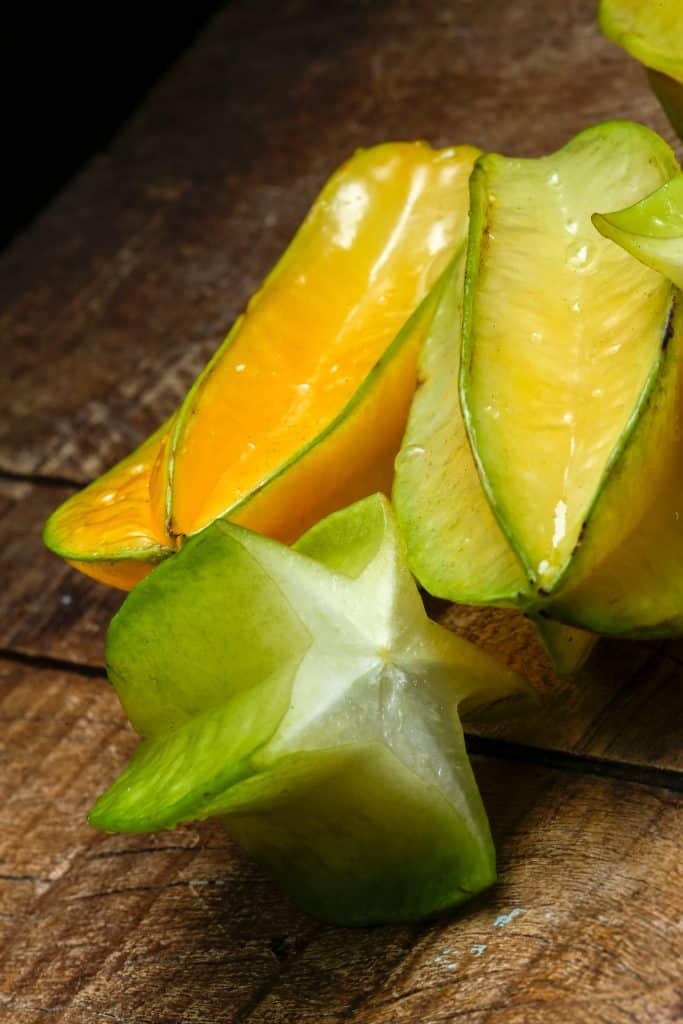
25. Star Fruit
Star fruit is the one on this whole list that took the longest to earn a permanent spot in my cart, mostly because I had no idea what to do with it the first few times.
How I use it: sliced thin into its natural star shape, it goes on top of a salad or a plate of grilled fish mostly for the look, though the mild sweetness works too.
A ripe one is mostly yellow with just a little green left at the edges of the ridges. Fully green ones taste much more sour and stay that way even after a few days.
What I’d tell myself back when I was still treating every piece of fruit like it only belonged at breakfast or dessert: taste it plain first, then think about what it would push back against on a plate. Sour goes against rich, sweet goes against salty, and almost everything on this list follows that one rule somewhere.
That’s the whole list, more or less in the order I came around to each one myself. None of it required a special trip to a specialty store. Most of it was sitting in the regular produce section the whole time.
If your family is anything like mine, I wouldn’t start at the bottom of this list. Start with the lemon, or the apple in the skillet, and work your way down once those feel normal. That’s roughly how the fruits and vegetables my kids actually eat ended up looking the way they do now, one small swap at a time.
Where Fruit Earns Its Keep
I still buy fruit for lunchboxes and snack bowls the same as ever. This list didn’t replace any of that, it just gave the same produce drawer a second job.
This week I’ve got a plum sauce planned for pork chops and a grapefruit and avocado salad on the side, which is a strange sentence to write but an easy dinner to make.
If you try just one thing from this list, make it the lemon over roasted vegetables. It’s the smallest change on this whole page and it’s the one that started all of it for me.