
21 Veggies That Make the Best Leftover Lunches (Straight From the Fridge)
My lunch most days is whatever survived dinner the night before, eaten cold, standing at the counter, usually while refereeing something in the next room. I stopped pretending I was going to cook a separate midday meal years ago, and once I did, I started paying attention to which vegetables actually hold up in the fridge overnight and which ones turn into something sad by the next morning.
This list is built entirely around that test, and it is basically one long extension of the mom life hacks that actually save me time during the week. Not “is this vegetable good,” but “is this vegetable still good at noon the next day, straight out of a container, no reheating required if I do not feel like it.” I have ordered it from the sturdy roasted stuff that basically improves overnight to the raw, crisp things that only work cold in the first place.
One of these is the vegetable everyone assumes is a great leftover and, in my kitchen at least, it just is not. More on that when we get there.
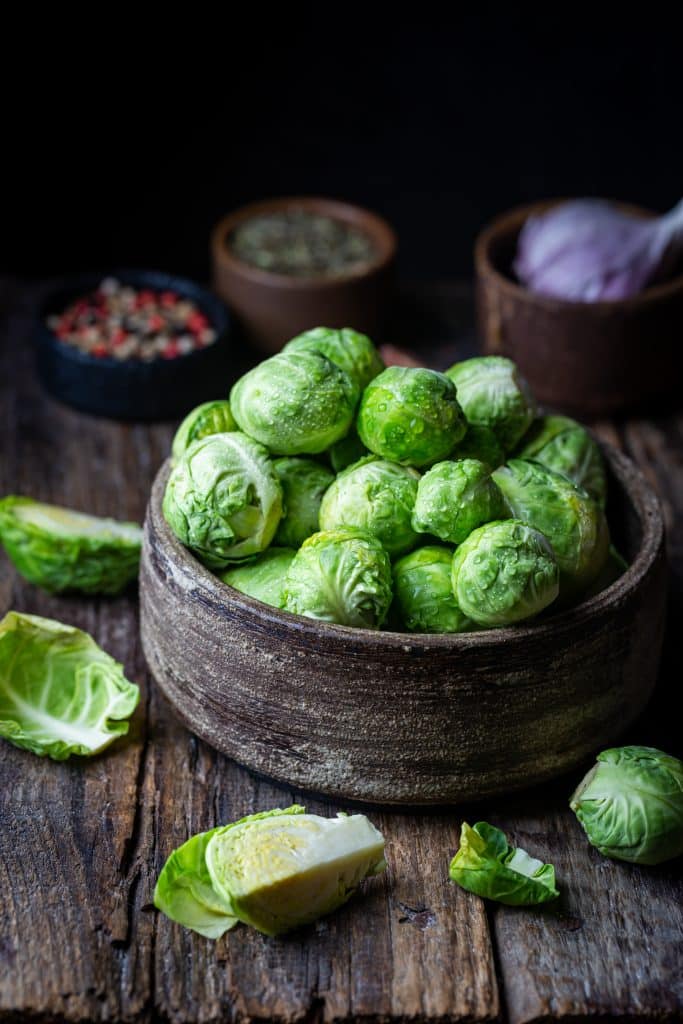
1. Brussels Sprouts
Roasted brussels sprouts are one of the few vegetables that genuinely taste better the next day, once the edges have had time to sit and the flavor settles into the whole sprout instead of just the outside.
Make it easier: roast a double batch on purpose whenever you are already making them for dinner, so lunch is already covered without extra effort.
I eat mine cold, straight from the container, and they hold their texture in a way that steamed or boiled sprouts never do. Roasting drives off enough moisture that they do not turn mushy sitting in the fridge overnight.
My husband will eat a whole container of these standing at the open fridge door, which tells you everything about how well they survive being leftovers.

2. Sweet Corn
Corn cut off the cob is one of the easiest cold lunch additions I keep in rotation, since it needs no reheating and stays sweet for several days in a sealed container.
Make it easier: cut a whole extra ear or two whenever you are already shucking corn for dinner, so there is a ready supply for lunch without a second task.
I stir a couple spoonfuls into whatever bean or grain leftovers I have going. It adds a little sweetness and bulk without needing anything cooked fresh.
My kids treat leftover corn like a snack on its own, which means it rarely lasts long enough to actually go bad in my fridge.
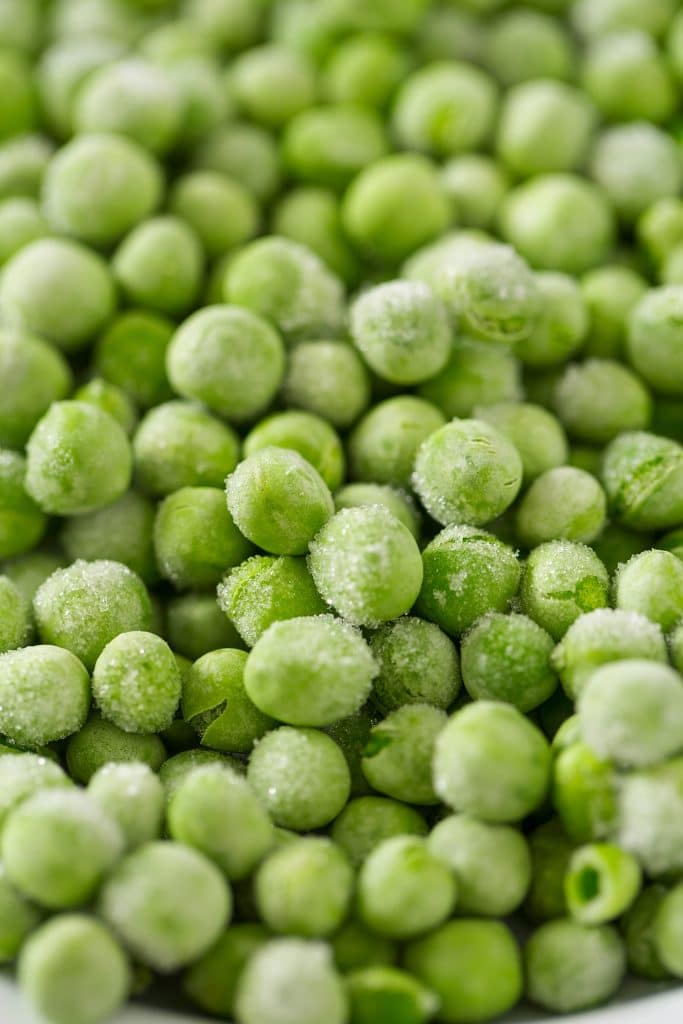
3. Green Peas
Peas hold their shape and color better than most cooked vegetables I put in the fridge, which makes leftover containers look a lot more appetizing than the beige alternative.
Make it easier: a quick blanch and shock in cold water before storing keeps them bright and firm instead of the dull olive color they turn if you skip that step.
I toss a handful into rice, pasta, or soup leftovers cold, and the small size means they warm through fast if I do decide to microwave the container.
They are one of the few vegetables my youngest will pick out and eat one by one, so a container of these in the fridge rarely goes to waste.
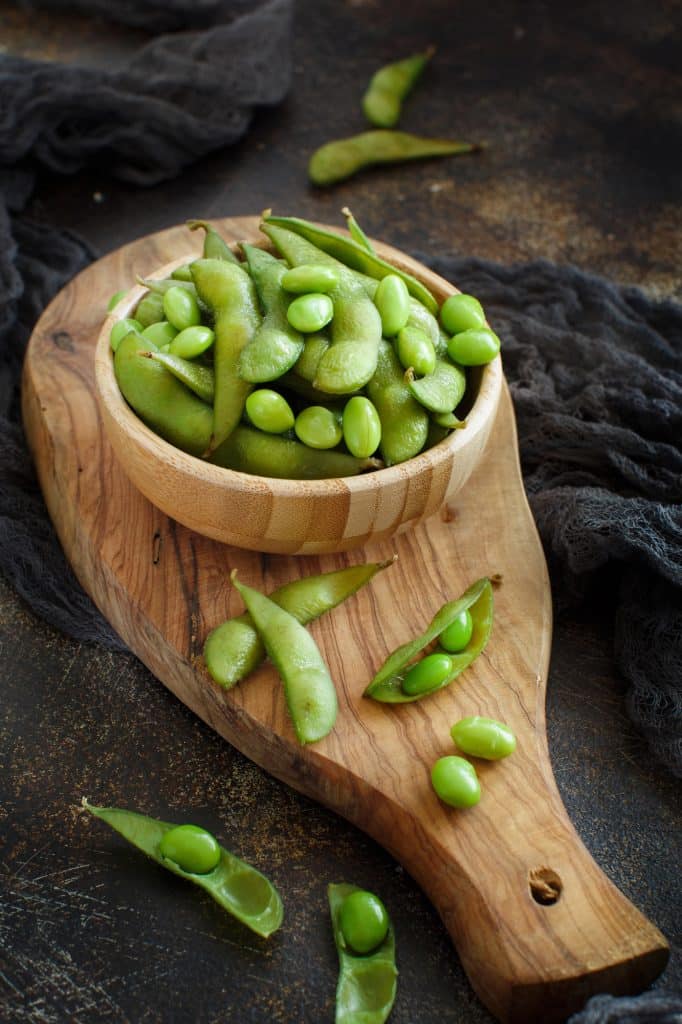
4. Edamame
Shelled edamame is one of my favorite lunch additions because it eats cold with zero prep and adds a little protein to whatever else is in the container.
Make it easier: steam a whole bag at once and shell more than you need for that meal, storing the extra shelled beans in a container so lunch is a five-second job.
I toss a handful cold into a grain bowl or straight over a salad. It does not get watery or lose its bite the way some cooked vegetables do sitting in the fridge overnight.
My oldest calls these “the little green beans,” which is not technically accurate, but I have stopped correcting it since it gets eaten either way.
5. Asparagus
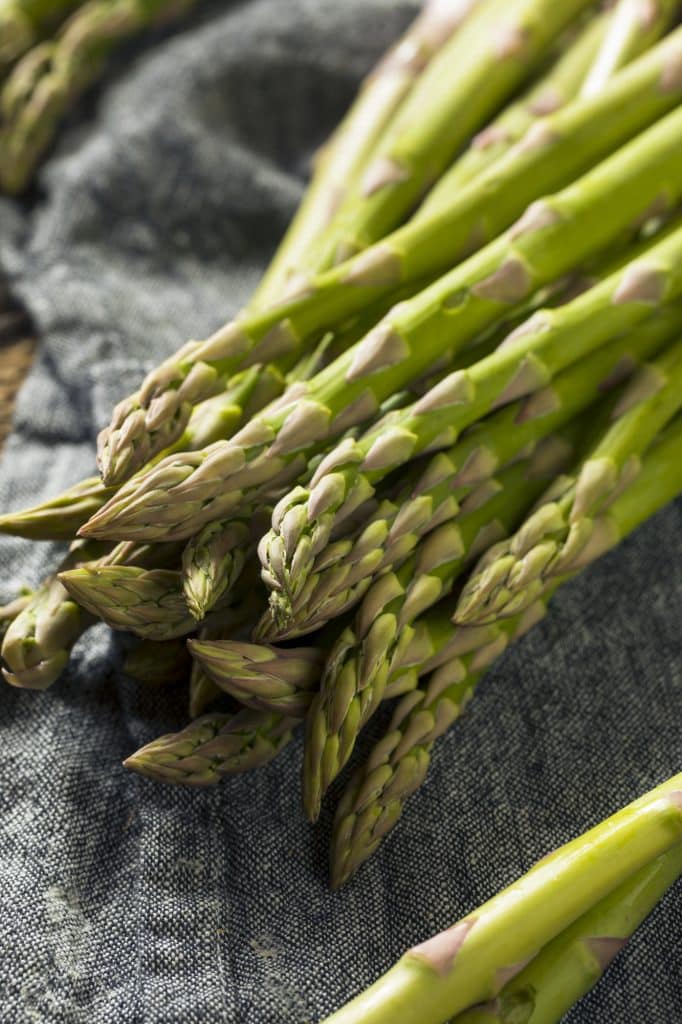
Roasted asparagus holds up surprisingly well cold, and it is one of the few vegetables that still looks like something you would want to eat after a night in the fridge.
Make it easier: roast the whole bunch instead of just what you need for dinner, since the thinner spears reheat unevenly but eat great cold straight from the container.
I chop leftover spears into a couple inch pieces and toss them into a cold pasta salad, which stretches a small amount of asparagus much further than eating it as a plain side.
It is one of the pricier vegetables on this list, so I only buy it when it is actually on sale, but it earns its spot when it shows up in leftovers.
6. Mushrooms
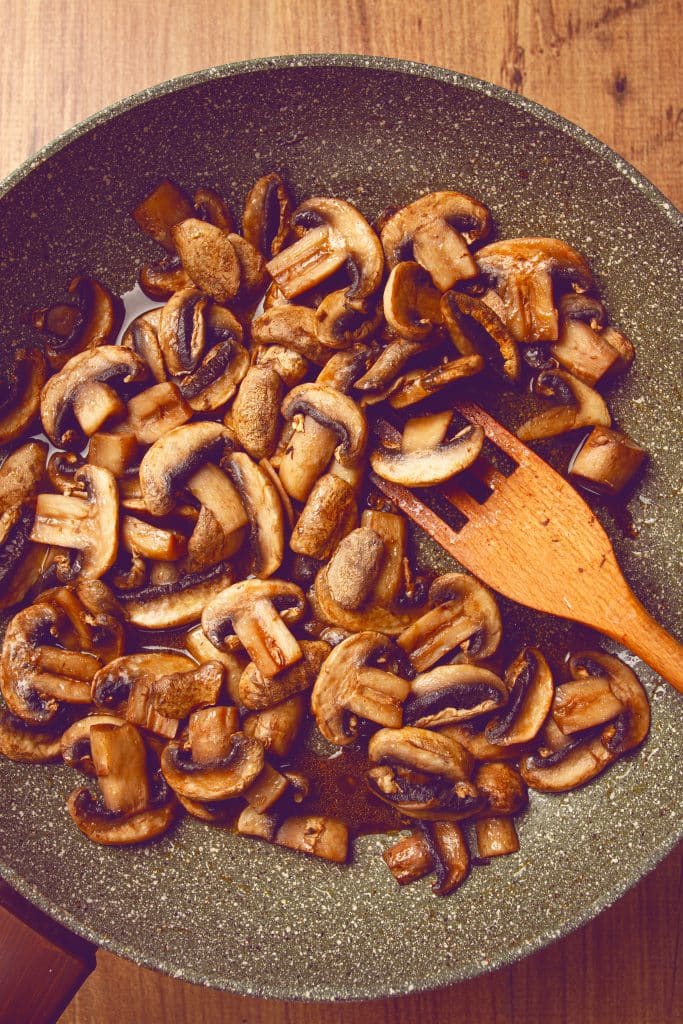
Sauteed mushrooms actually deepen in flavor overnight, since they keep absorbing whatever butter or oil they were cooked in while they sit.
Make it easier: cook a whole package at once, even if the recipe only calls for half, and keep the rest in the fridge specifically for the next day’s lunch.
I fold cold leftover mushrooms into a grain bowl or onto toast, and the texture stays good as long as they were properly cooked down and not left watery to begin with.
The mistake people make is not cooking them long enough the first time, which leaves extra water in the container that turns everything else soggy by the next day.
7. Spinach
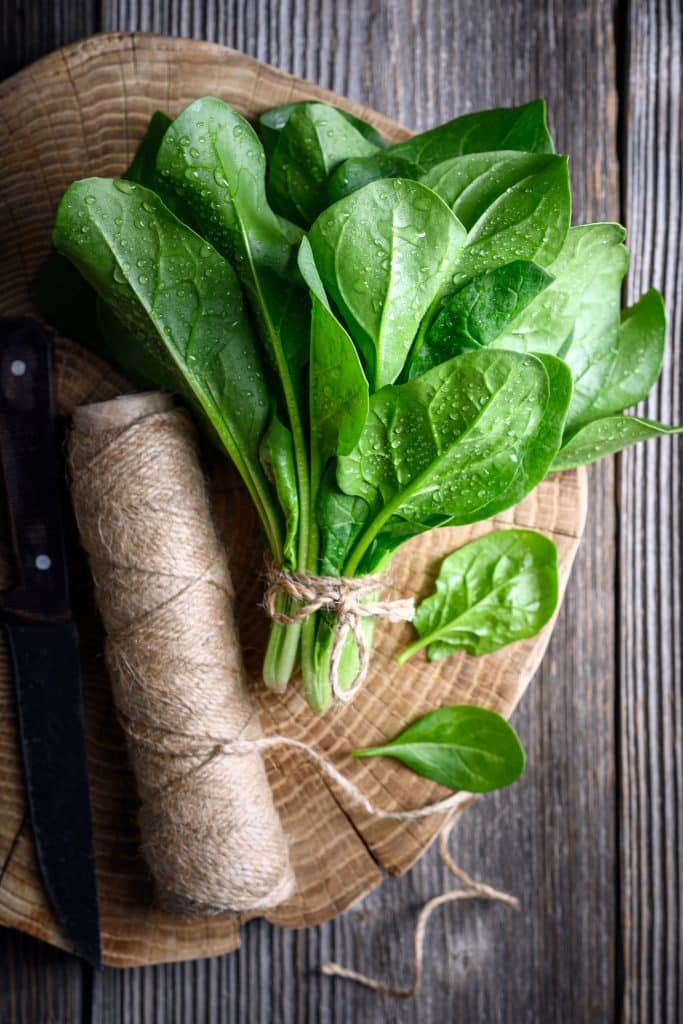
Cooked spinach shrinks down so much that a whole bag turns into a small, dense amount that stores easily and reheats in under a minute if I want it warm.
Make it easier: squeeze out the extra liquid before storing leftovers, or you end up with a watery container that waters down everything you add it to later.
I fold cold cooked spinach into eggs, grain bowls, or straight into a wrap. It does not need much dressing up since it already has flavor from whatever it was cooked with.
Raw spinach, on the other hand, wilts fast once dressed, so I only add that version fresh right before eating rather than storing it dressed as a leftover.
8. Beets
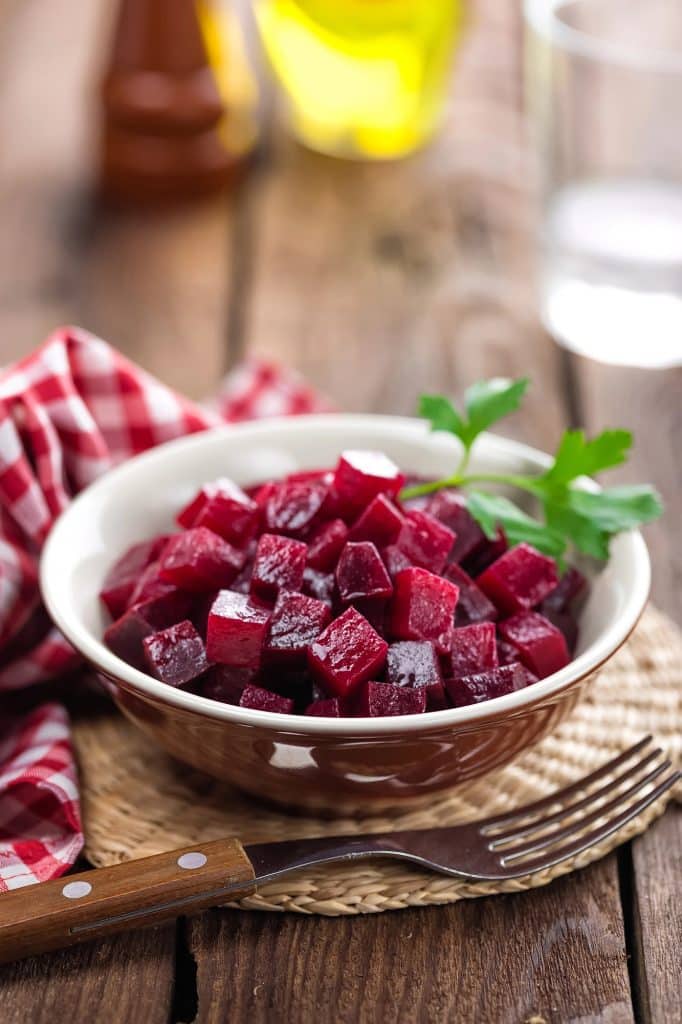
Roasted beets are practically built for leftovers. They hold their texture for days and actually get easier to peel and slice once they have cooled completely in the fridge.
Make it easier: roast a full tray wrapped in foil, then peel the skins off with a paper towel once cooled instead of a knife, which saves both time and a stained cutting board.
From My Kitchen
25 Vegetables That Make the Best One-Pan Dinners in My House →
"Weeknight-tested, more times than I can count."
I slice them cold over a salad or just eat them plain with a little salt. They do not need reheating to taste good, which makes them one of the lowest effort lunch vegetables I keep around.
My kids are split on beets, which is honestly fair since the earthy flavor is not for everyone, but the ones who like them ask for them by name.
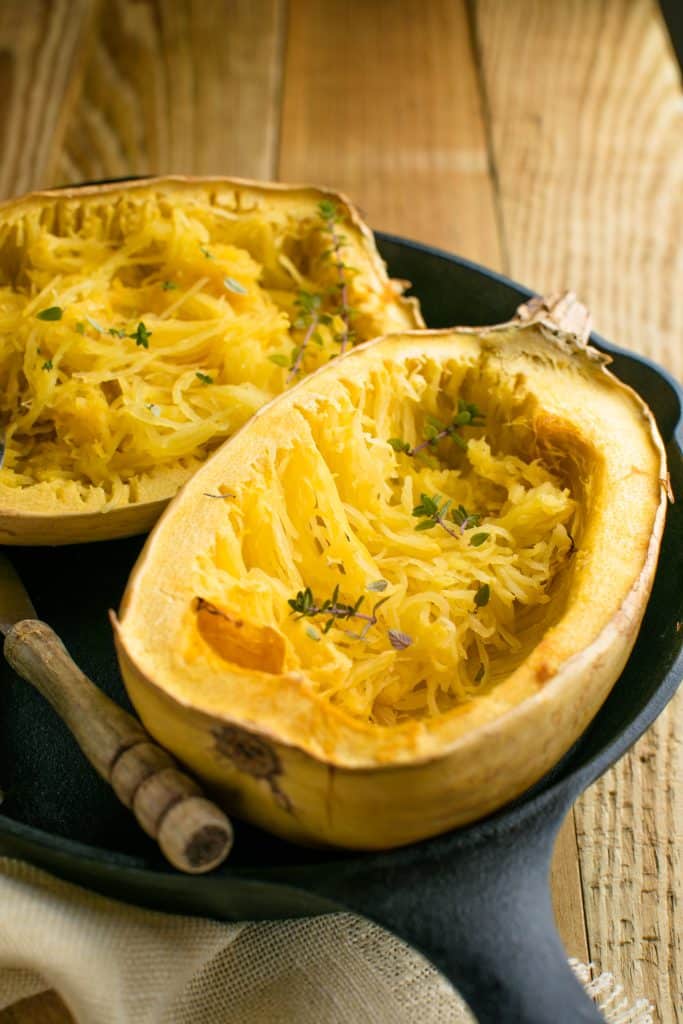
9. Spaghetti Squash
Once roasted and shredded into strands, spaghetti squash reheats well and holds a sauce the same way it did the night before, which makes it a solid stand in for pasta leftovers.
Make it easier: roast the whole squash even if a recipe only needs half, since scooping out extra strands takes seconds once it is already cooked and cooled.
I store the strands separately from any sauce and combine them right before eating, since sitting fully mixed overnight makes the squash go softer than I prefer.
It is one of the few “whole meal in a container” leftovers on this list, similar to how I treat a lot of the vegetables that make the best one-pan dinners in my house.
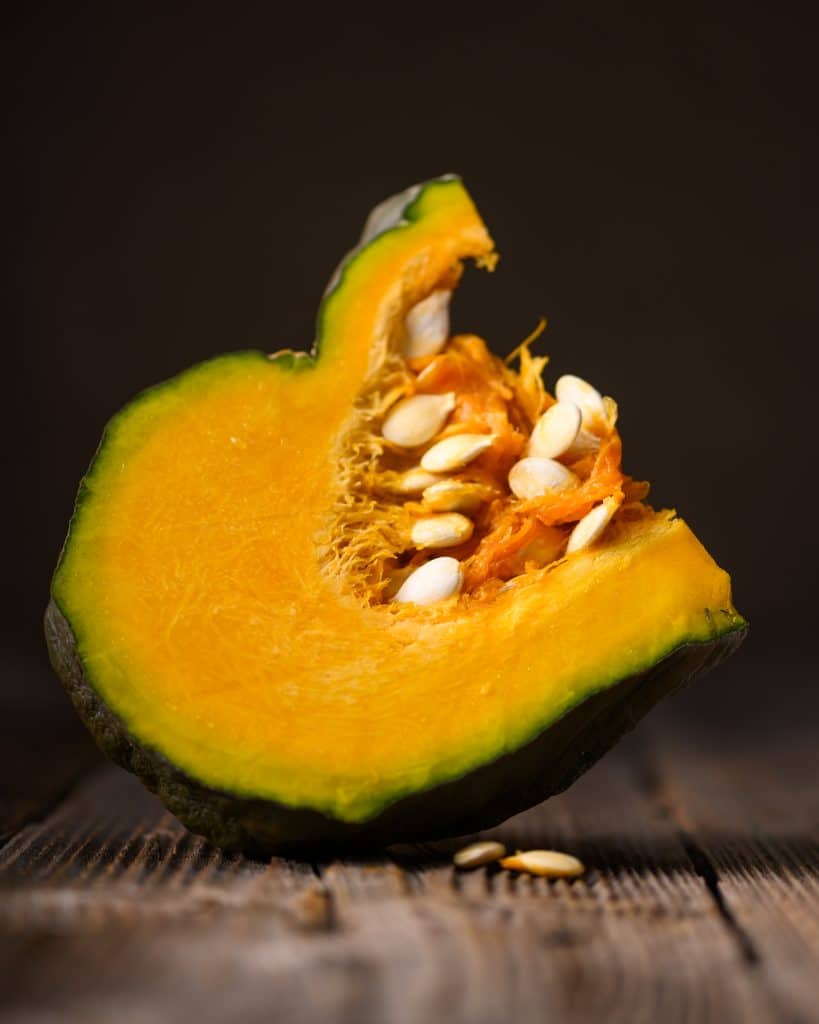
10. Acorn Squash
Roasted acorn squash halves reheat nicely and the flesh stays creamy rather than drying out, as long as you do not overcook it the first time around.
Make it easier: roast a couple extra halves whenever the oven is already on, since the low effort of adding one more squash to the tray pays off two days later.
I scoop the leftover flesh cold into a bowl with a little cinnamon, and it works almost like a dessert-adjacent lunch side, which is a nice break from savory leftovers.
The skin softens enough after roasting that some of my family eats it right along with the flesh, which cuts down on what gets thrown away.
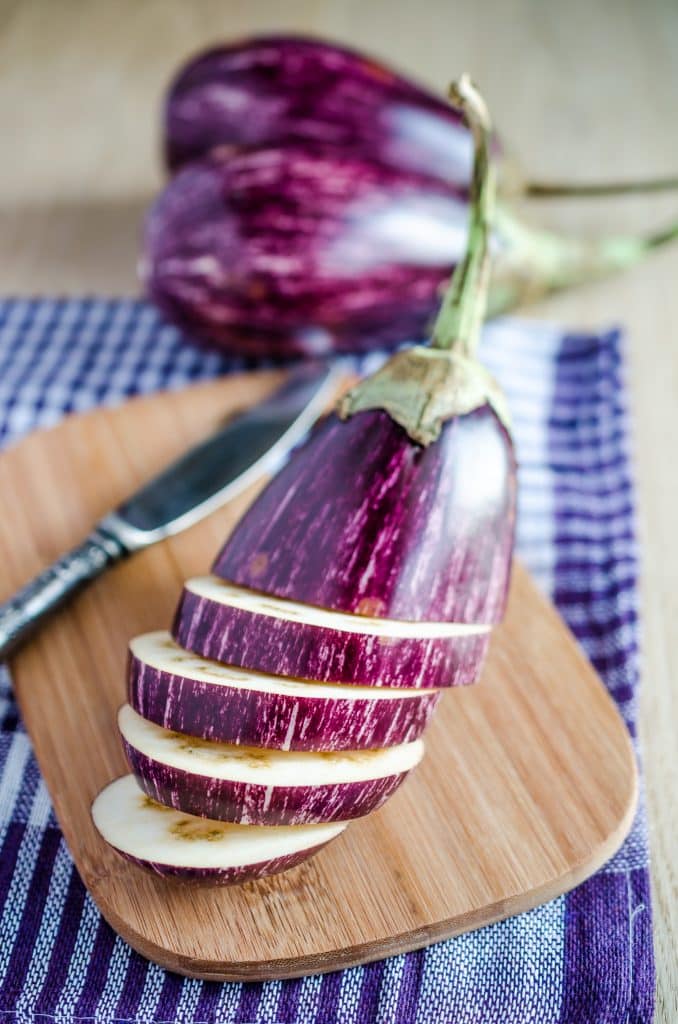
11. Eggplant
Roasted or grilled eggplant is genuinely one of the better next-day vegetables, since the flavor mellows and the texture stays soft without turning to mush the way it can right off the stove.
Make it easier: salt sliced eggplant and let it sit for twenty minutes before cooking to pull out excess moisture, which keeps leftovers from turning watery in the container.
I layer cold leftover eggplant into a sandwich or wrap with whatever else is around, and it holds up better than most vegetables to sitting between bread for a few hours before lunch.
This took me a long time to get right, since my early attempts were bitter and slimy, which is exactly why the salting step matters more than people think.
You'll Want This Too
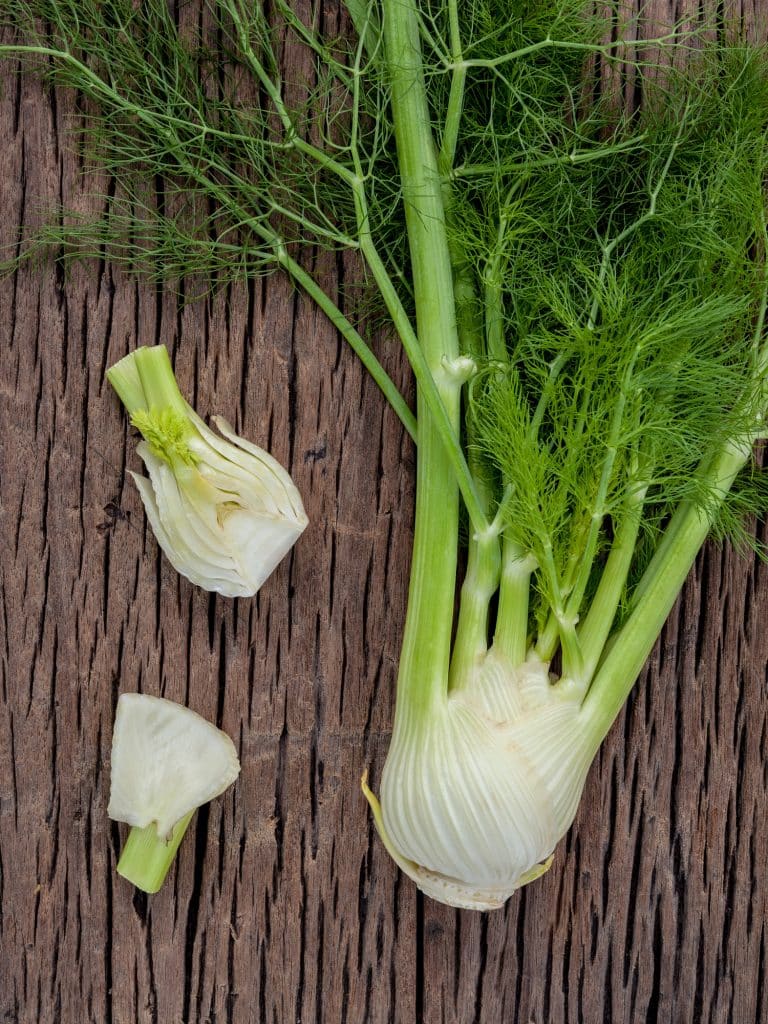
12. Fennel
Roasted fennel loses its strong licorice edge and turns sweet and soft, and that mellowed flavor actually holds up better the next day than it does fresh out of the oven.
Make it easier: slice the whole bulb thin before roasting so the leftover pieces reheat or eat cold in one or two bites rather than needing to be cut again later.
I add cold roasted fennel to a grain bowl for a little sweetness without needing to add any sugar or dressing to get there.
This one took some convincing at my table, since raw fennel threw everyone off at first, but roasted it has become a regular request.
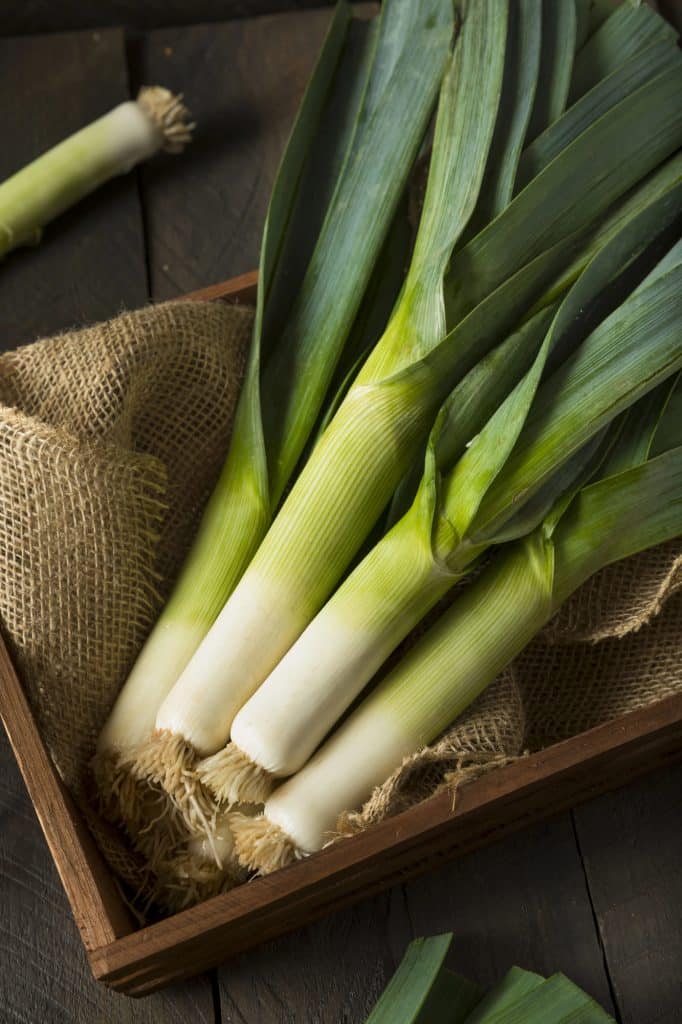
13. Leeks
Sauteed leeks turn silky and slightly sweet, and that texture holds up in the fridge far better than raw onion would in the same leftover container.
Make it easier: slice and rinse leeks thoroughly before cooking, since the layers trap dirt that a quick rinse alone will not fully remove.
I stir cold leftover leeks into a grain bowl or fold them into eggs the next morning, since they add a mild onion flavor without the sharper bite raw onion would bring.
This is one of those vegetables I finally learned to cook right after years of ruining them, mostly because I did not know how to clean them properly, which turned out to be the entire problem.
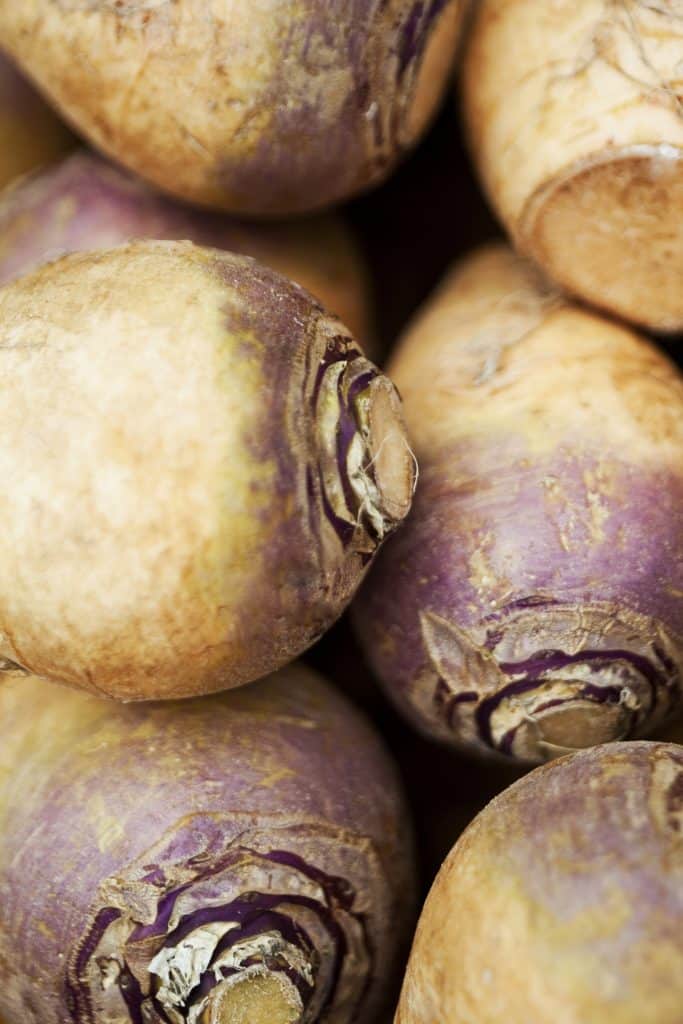
14. Turnips
Roasted turnips hold their shape well overnight and take on a milder, slightly sweet flavor once they have cooled, which is a nice change from how sharp they can taste raw.
Make it easier: cut them into small even cubes before roasting so leftovers reheat quickly and evenly instead of needing a long trip through the microwave.
I mix cold roasted turnip cubes in with roasted potatoes for lunch, since the two textures pair well and the turnip stretches a smaller amount of potato further.
This is a vegetable I only started buying once I realized how cheap it was compared to almost anything else in that part of the produce section.
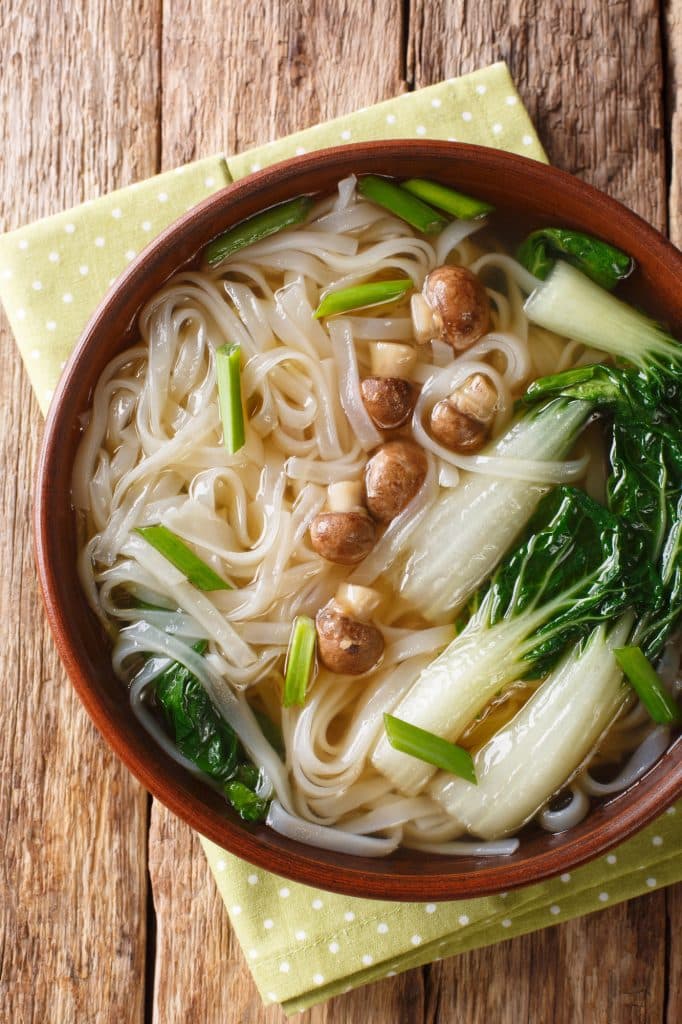
15. Bok Choy
Sauteed bok choy holds its crunch better than most cooked greens do overnight, since the stems stay fairly firm even after a night in the fridge.
Make it easier: cook the white stems a minute or two before adding the leafy green tops, since they need different amounts of time and cooking them together evenly is what usually goes wrong.
Go Deeper
15 Mom Life Hacks That Actually Save Time →
"The small routine changes that actually stuck."
I add cold leftover bok choy to a noodle bowl or fried rice, where the slight crunch still comes through even after sitting in the fridge overnight.
My kids call this “the crunchy cabbage thing,” which is close enough to accurate that I have stopped correcting them.
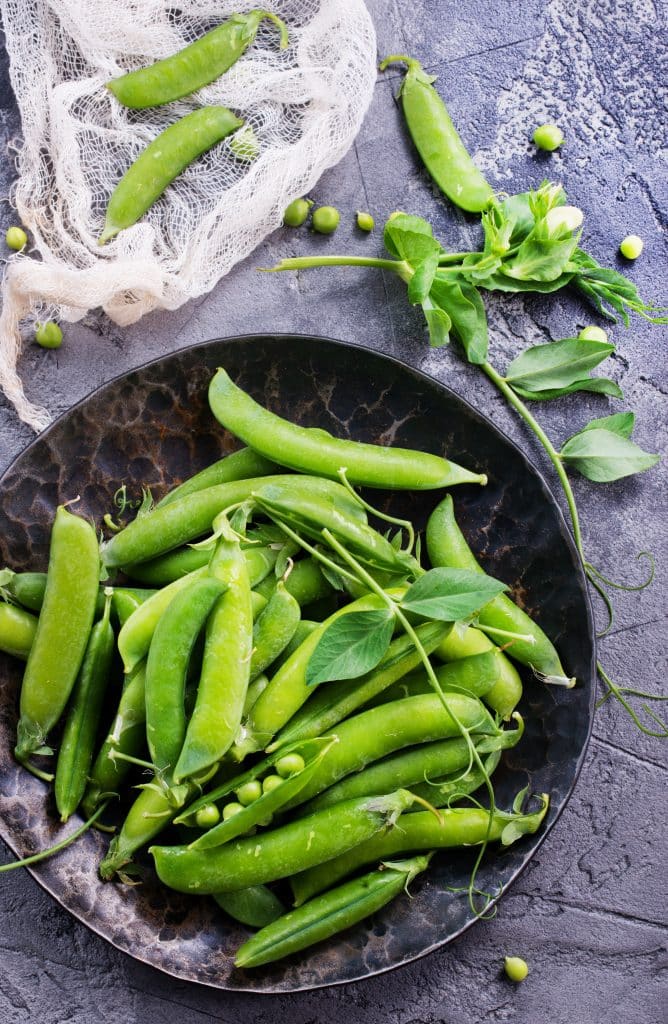
16. Snap Peas
Raw snap peas are one of the easiest cold lunch additions I keep around, since they need zero prep beyond a quick rinse and they stay crunchy for days.
Make it easier: buy the whole pods over the trimmed bags when you can, since trimming the ends yourself takes barely a minute and the whole pods usually cost less.
I toss a handful into any leftover container as a raw add-in, and they hold their bite even next to something warm, which is not true of most raw vegetables.
This is one of the few vegetables that both of my kids will eat straight out of the bag with no negotiation involved at all.
17. Cherry Tomatoes
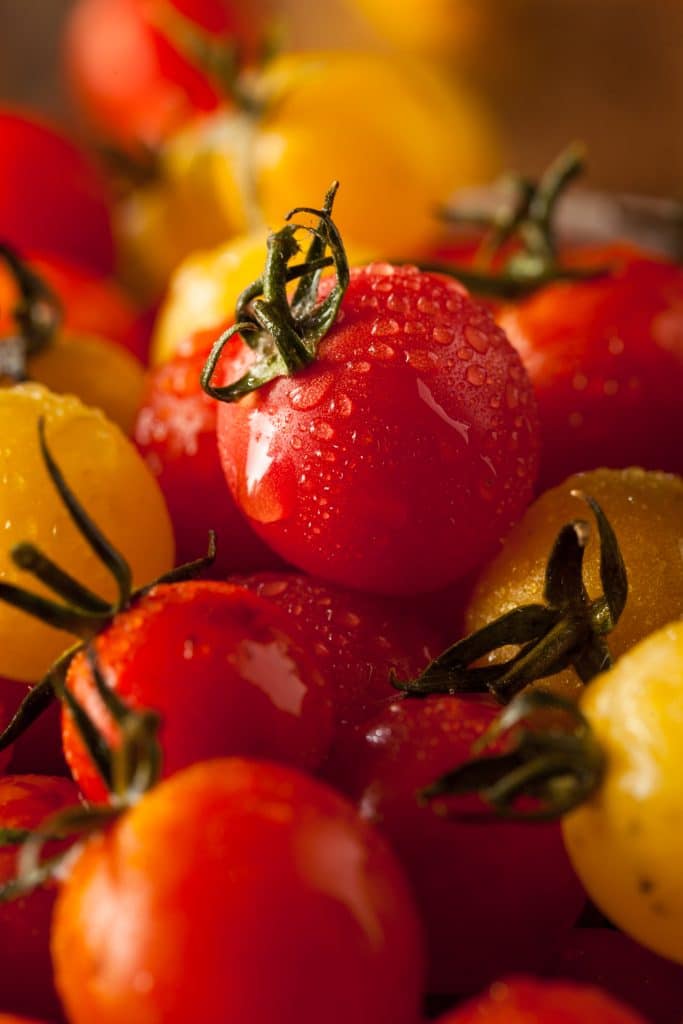
Whole cherry tomatoes hold up in the fridge far better than sliced regular tomatoes, since the skin protects the inside from breaking down as quickly.
Make it easier: halve them right before eating rather than the night before, since cut tomatoes release liquid that waters down whatever container they are sitting in.
I toss a handful whole into a lunch container as a grab-and-eat side, and they stay firm enough to still be appealing a day or two later.
These are one of the few produce items my kids will eat like candy, so I buy a container almost every week regardless of what else is on the list.
18. Radishes
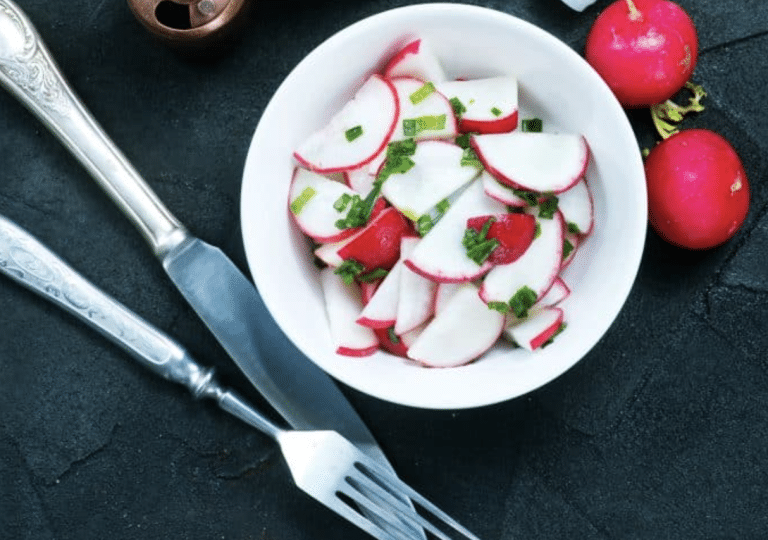
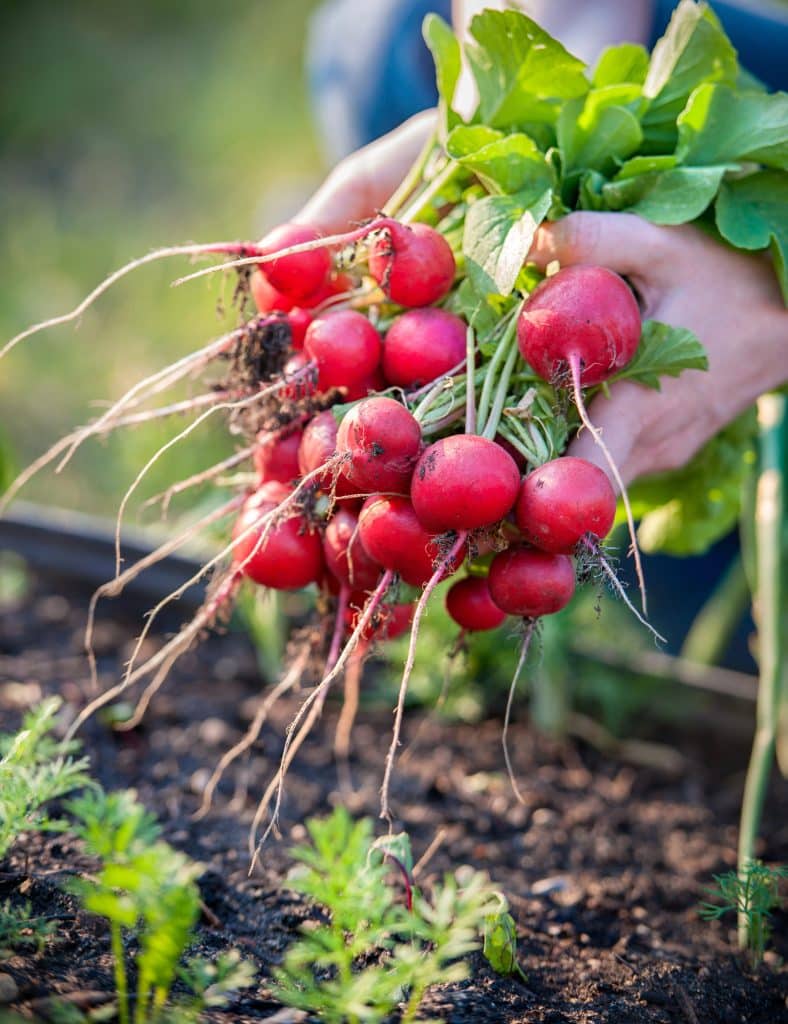
Sliced radishes keep their crunch for several days in the fridge, which makes them one of the more reliable raw additions to any leftover lunch container.
Make it easier: store sliced radishes in a container of cold water rather than dry, which keeps them crisp far longer than a plain bag would.
I add a few slices to almost anything for a little bite, since they hold their peppery flavor well without going soft the way cucumber sometimes does after a few days.
What Everyone's Making
27 Vegetables That Taste Better the Day After You Cook Them →
The greens on top are edible too, and I have started sauteing them instead of tossing them, which stretches the whole bunch a little further.
19. Jicama
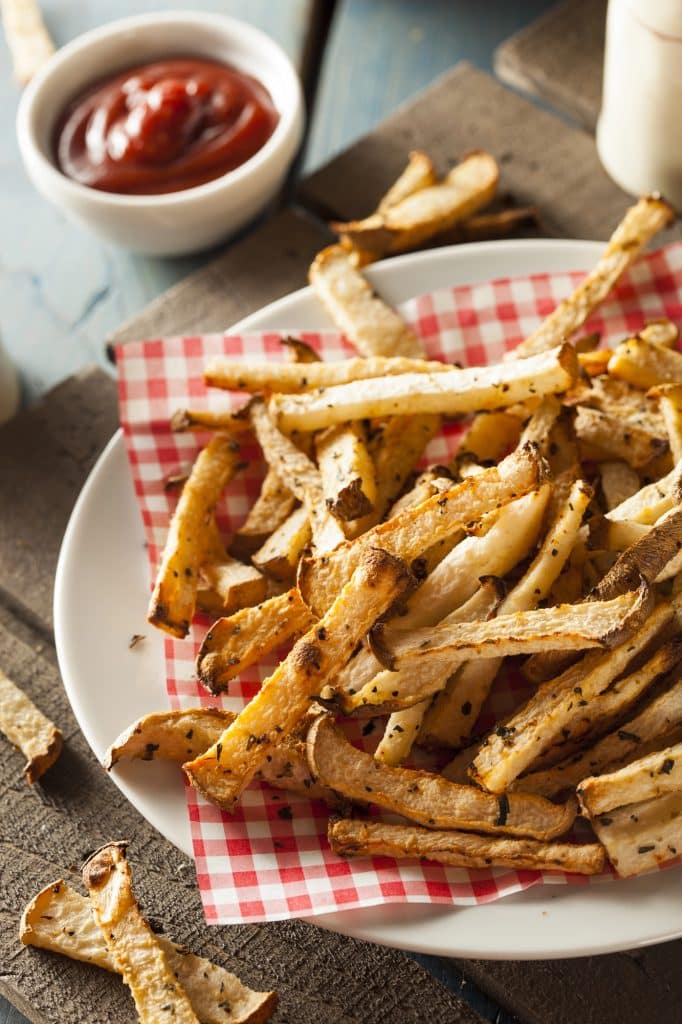
Jicama is one of the sturdiest raw vegetables I know of for leftovers, since it barely changes texture over several days in the fridge no matter how it is cut.
Make it easier: peel and cut the whole root at once, since the outer skin is tough enough that most of the work is in that first cut, not the slicing after.
I keep sticks of it in the fridge with a little lime and salt on the side, and it works as a cold, crunchy lunch add-in that needs nothing done to it beforehand.
Most people I know have never cooked with it, which is fair, since it took me a while to figure out too, but it is one of the least fussy vegetables on this whole list.
20. Artichoke Hearts
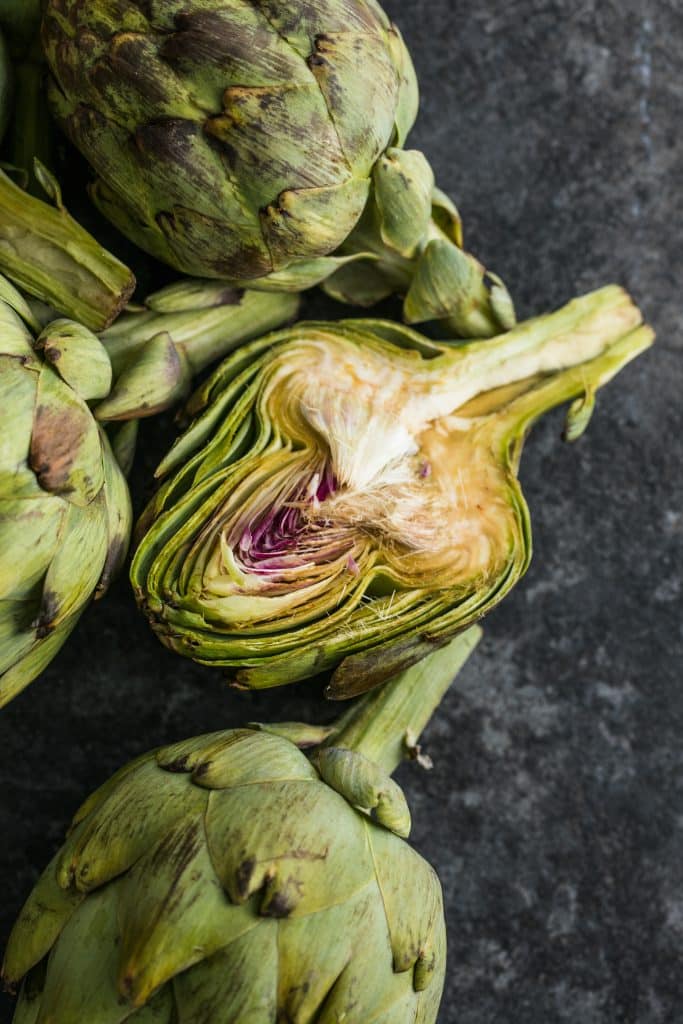
Here is my honest pushback for this list. Whole steamed artichokes get a lot of praise as a make-ahead vegetable, but in my kitchen they are genuinely not worth the leftover effort.
Once cooked, a whole artichoke turns soft in a way that does not reheat well, and by the time you have worked through the leaves to get to the heart, most of the appeal of a quick lunch is gone.
Make it easier: skip whole artichokes for lunch leftovers entirely and buy jarred artichoke hearts instead, since they are already prepped and hold up cold far better than the whole vegetable ever does.
I add jarred hearts cold to a salad or grain bowl, and they do all the same flavor work with none of the leftover hassle of the whole version.
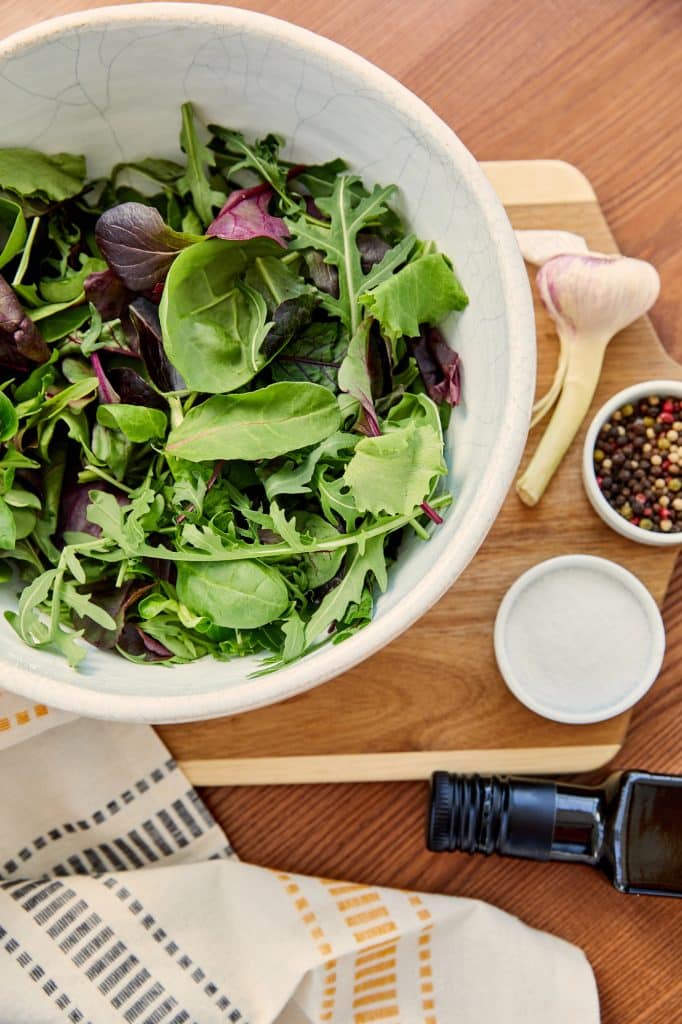
21. Arugula
Arugula wilts faster than almost any other green on this list, but it earns its spot because a small handful tossed on top of a warm leftover container right before eating adds a peppery freshness that nothing else quite matches.
Make it easier: keep it undressed and separate from the rest of the container, adding it only when you sit down to eat, since dressed arugula turns limp within an hour.
I use it more as a topping than a base, scattered over whatever leftover is already warm, since the heat wilts it just enough without cooking it fully.
It is one of the few greens on this list that works better added last instead of stored mixed in, which is worth knowing before you toss it into a container the night before.
From My Kitchen to Yours
The real trick to good leftover lunches is not a single vegetable, it is separating anything raw or delicate from anything hot or wet before it goes in the fridge. Once I started keeping arugula, radishes, and snap peas in their own small containers instead of piled on top of a warm dinner leftover, the whole system got a lot less soggy.
Most of these hold up for three to four days without much fuss, which has quietly cut down on both my grocery bill and the number of times I have stood in front of an open fridge with no real plan, something I have also leaned on with the produce picks I sneak into dinner without anyone noticing.
This week I am roasting a double tray of brussels sprouts and turnips specifically so lunch is already handled through Thursday. If you only take one thing from this list, let it be that jarred artichoke hearts over whole ones. Trust me on this one.