25 Vegetables Worth Buying Ugly (The Discount Rack Is My Secret Weapon)
There is a bin at my grocery store, usually shoved in the corner near the potatoes, full of vegetables that look like they lost a fight. Split carrots, onions with weird knobs, cabbage that’s a little flat on one side.
I go straight for it every single time, and I’ve been doing it long enough that the produce guy just waves at me now.
Here’s the thing nobody tells you when you’re a new parent staring at a grocery bill: ugly vegetables cook exactly the same as pretty ones. Once something is diced, roasted, or blended into a soup, my kids have zero idea it wasn’t magazine cover material five minutes earlier. The discount rack has quietly become one of my favorite tricks for keeping the fruits and vegetables my kids actually eat in rotation without blowing the budget.
So here are 25 vegetables I buy ugly on purpose, going roughly from the easiest wins to the ones that take a little more nerve. No ranking, just the order I’d actually walk through the store.
1. Potatoes
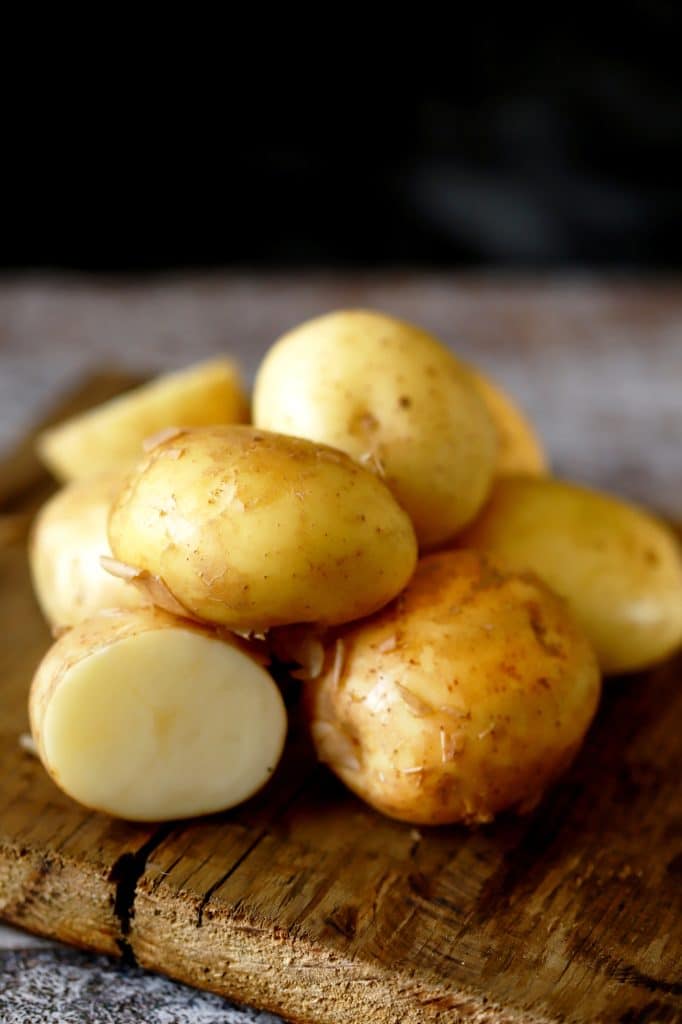
Potatoes are the gateway vegetable for ugly shopping. Once they’re peeled and mashed, or cut up for a pan of roasted potatoes, nobody at my table has ever once asked if that potato had a weird lump on it.
Mom note: if a potato has a soft spot, I just cut around it. That’s not spoiled, that’s just a potato that had a rough week.
The one thing I do check for is green tinting under the skin and any sprouting eyes longer than a fingernail. Those get trimmed away generously before cooking, since that’s the part that can actually taste bitter. A bag of ten-pound discount potatoes has stretched into two full weeks of side dishes in my house more than once, which is the kind of math that keeps me coming back to that bin.
2. Onions
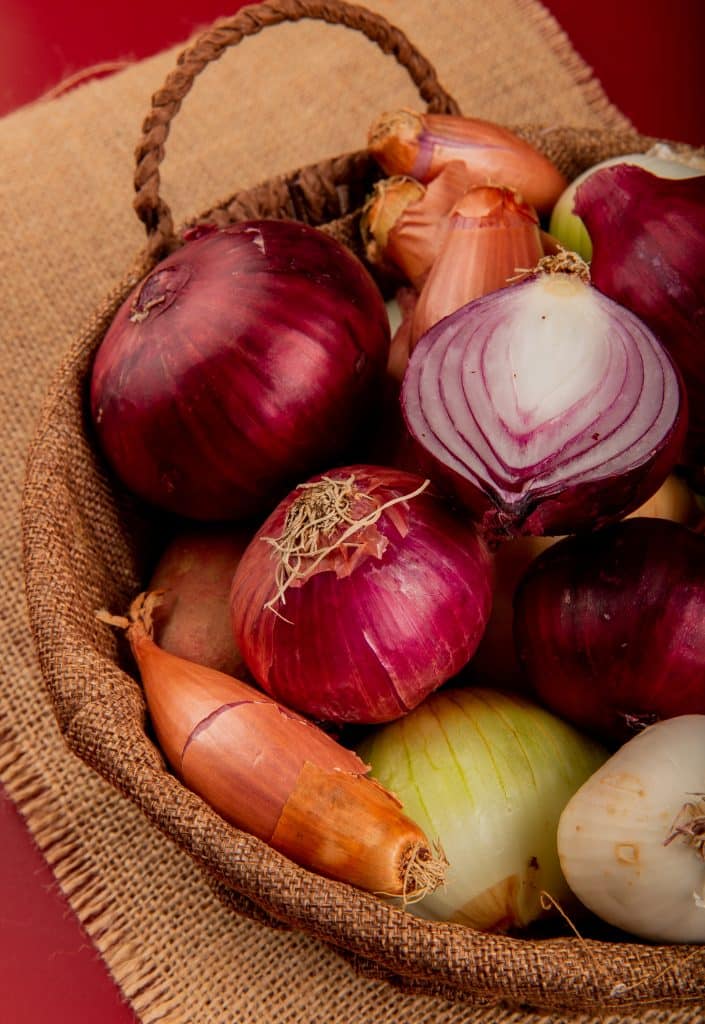
I buy the mesh bags of onions that are clearly the leftovers, a few papery layers loose, sometimes a slightly green spot near the root. I trim it off and move on. Onions get cooked down into everything in my kitchen anyway, so appearance is the last thing I’m judging them on.
My husband will eat onions in literally any form, which makes him the easiest person to feed and the hardest person to impress with a fancy meal.
What actually matters more than looks is whether the onion feels firm all the way through when you press near the root end. A soft spot there usually means it’s starting to rot from the inside, and that’s the one thing I do pass on. Everything else, the loose skins, the odd shape, the slightly sprouted top, gets a quick trim and goes straight into the pan.
3. Carrots
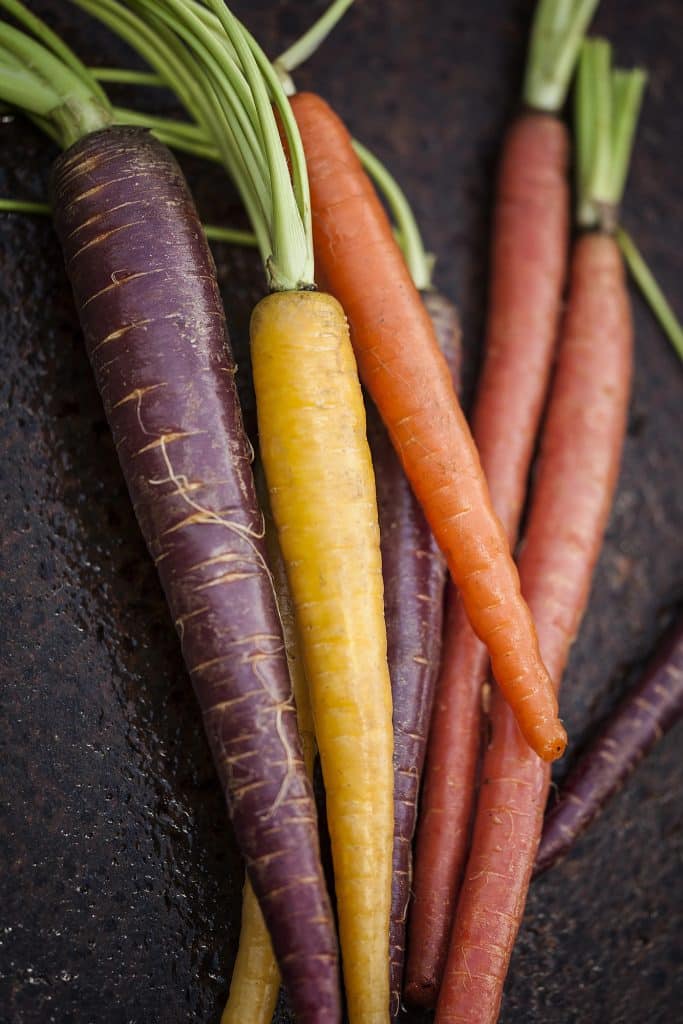
The bent, forked, two-legged carrots are usually the cheapest thing in the produce section, and they’re the ones I reach for first. Once they’re sliced into coins for a soup or shredded for a slaw, that weird shape disappears completely.
Mom note: my youngest will only eat carrots if they’re cut into perfect little rounds, so the ugly ones get chopped up before anyone sees the original shape.
Forked carrots happen when the root hits a rock or hard clay while it’s growing, which has nothing to do with flavor or freshness. I peel these the same way I peel any carrot, working around the split instead of trying to peel it as one clean piece. The only carrots I skip are ones that have gone soft and rubbery, since that texture doesn’t cook out no matter what you do to them.
4. Sweet Potatoes
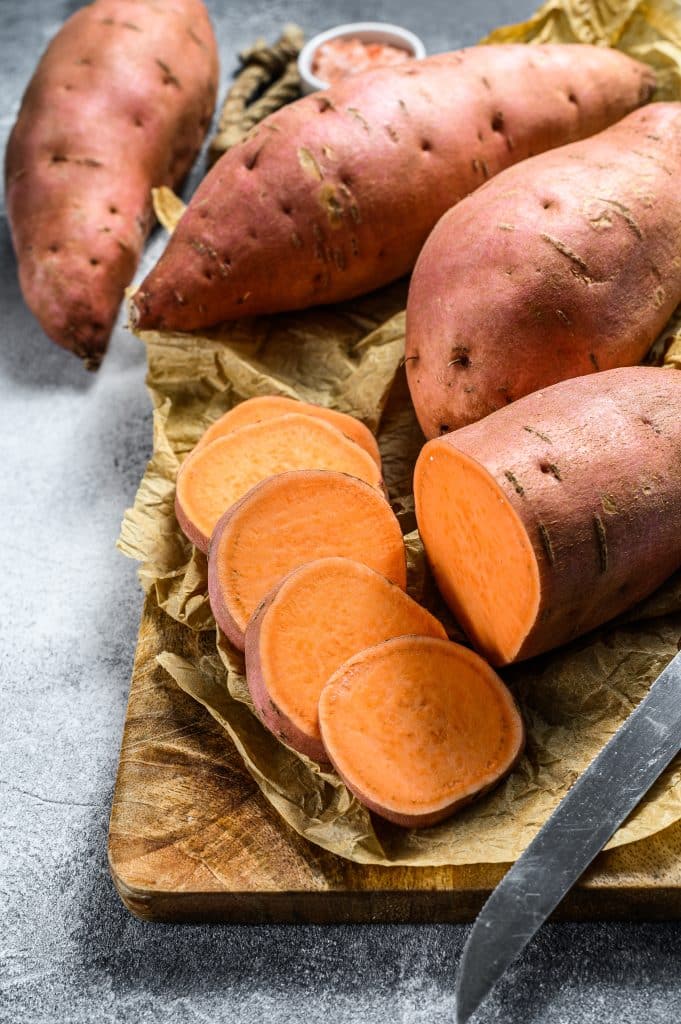
Sweet potatoes get scarred up easily just from being harvested, so the discount bin is usually full of them. I roast these more than almost any other vegetable in my house, and a scar or two under the skin has never once affected the flavor.
If you want more ideas along these lines, I’ve got a whole list of vegetables that make the best one-pan dinners in my house, and sweet potatoes show up in half of them.
I look for firmness over anything else, since a sweet potato that’s gone soft at the ends is usually further along than the skin lets on. Cutting away the scarred patches before roasting takes maybe thirty extra seconds, and once they’re tossed in oil and cinnamon, they taste identical to the ones that cost twice as much. I’ve started buying these in bulk when they’re marked down and roasting a whole tray at once, then reheating leftovers for lunches the rest of the week.
5. Cabbage
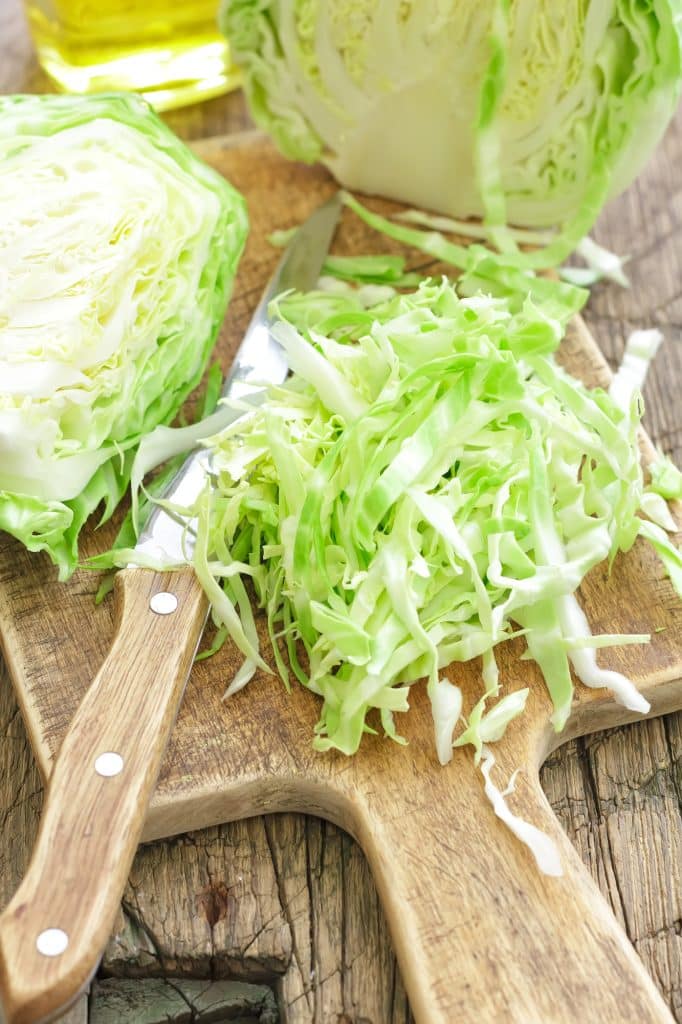
Cabbage takes up a lot of shelf space, so stores are quick to mark it down the moment it looks even slightly tired. I peel off the outer leaves, which is basically free trimming that happens whether the cabbage was pretty or not, and the inside is always fine.
A whole head of discount cabbage has stretched into three dinners for us before. That’s the kind of math that keeps me loyal to the ugly bin.
Here’s how I usually break one head down: a third gets shredded raw for slaw that night, a third goes into a pan with butter and caraway seeds, and the rest gets wrapped tight and kept for a soup later in the week. Cabbage holds up in the refrigerator far longer than people expect, easily two weeks wrapped well, so buying the discount head ahead of time has never once been a gamble for me.
6. Celery
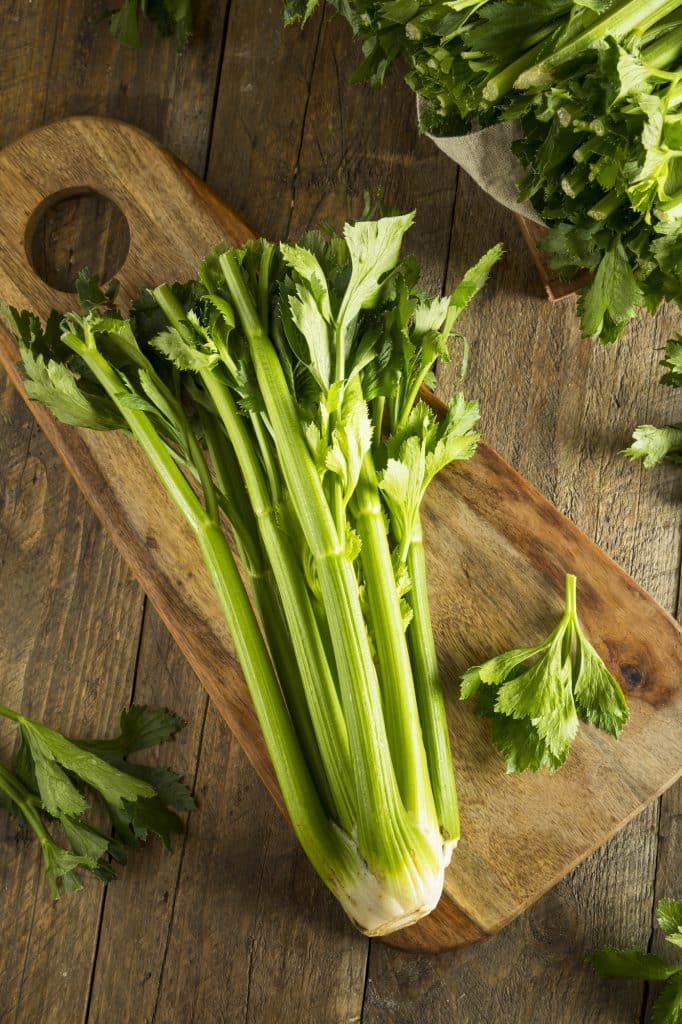
Celery that’s a little limp is not celery that’s gone bad, it just needs a cold water bath. I’ve revived plenty of sad discount celery in a bowl of ice water for twenty minutes before dinner.
Mom note: once celery is crisped back up, my kids can’t tell the difference between that and celery I paid full price for.
The trick that actually made the biggest difference for me was cutting off the very base of the stalk bunch before soaking, the same way you’d trim flower stems. It seems to let the celery drink up water faster and the crisp comes back within minutes instead of the full twenty. After that, I store it wrapped in a damp towel instead of loose in a bag, which has cut down on limp celery becoming a problem in the first place.
7. Bell Peppers
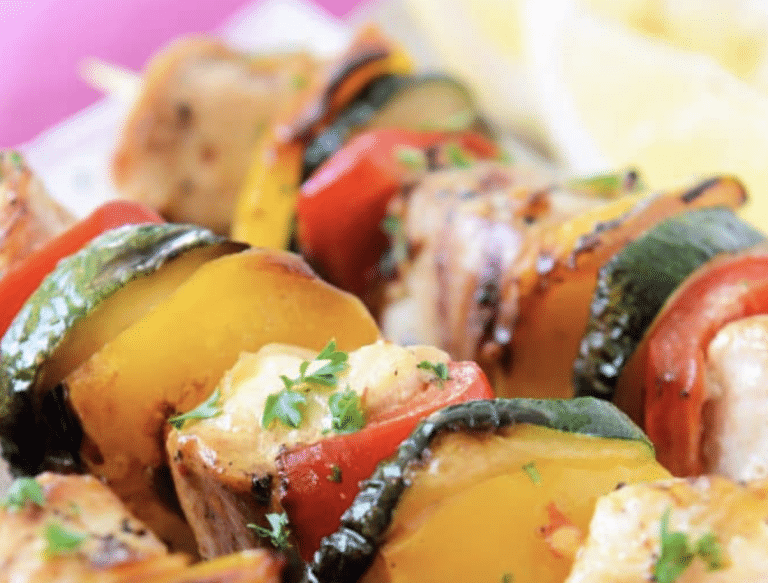
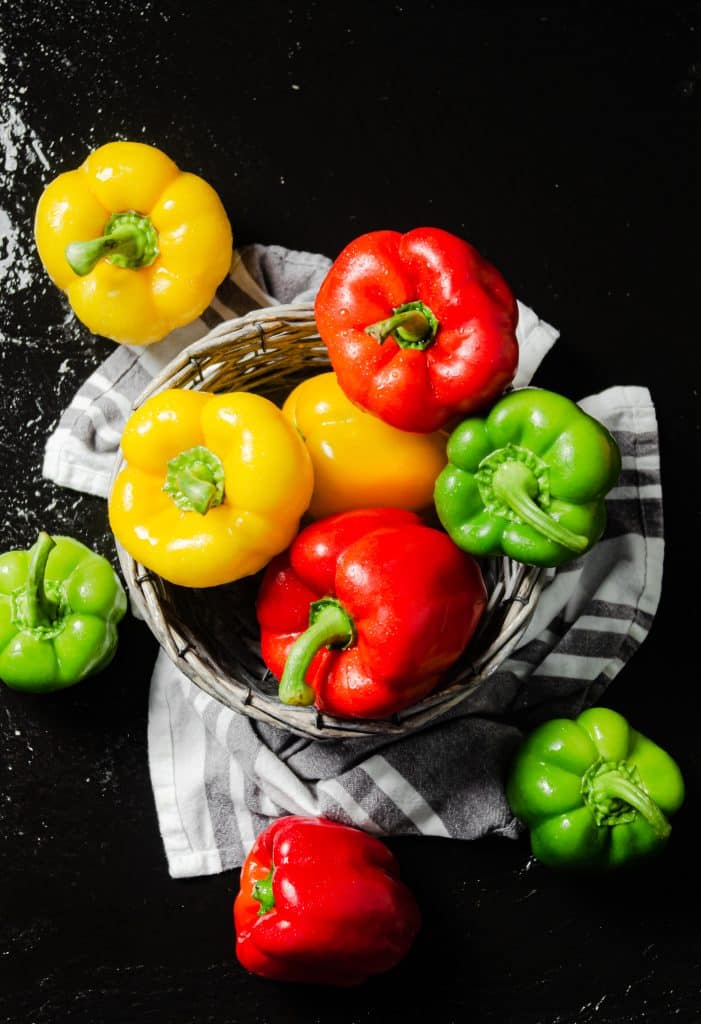
Bell peppers wrinkle before they go bad, and a wrinkled pepper diced up for fajitas or a pan of eggs is indistinguishable from a smooth one. This is one of the easiest discount wins in the whole store.
I stock up when I see these marked down and toss extras in the freezer, which is basically its own coping mechanism at this point in my life.
For freezing, I slice them into strips first, spread the strips on a tray so they don’t clump together, and freeze for an hour before bagging them up. That way I can grab a handful straight from the freezer for a stir-fry instead of thawing a solid frozen block. A single bag of discount peppers prepped this way has lasted us close to two months of quick dinners.
8. Zucchini
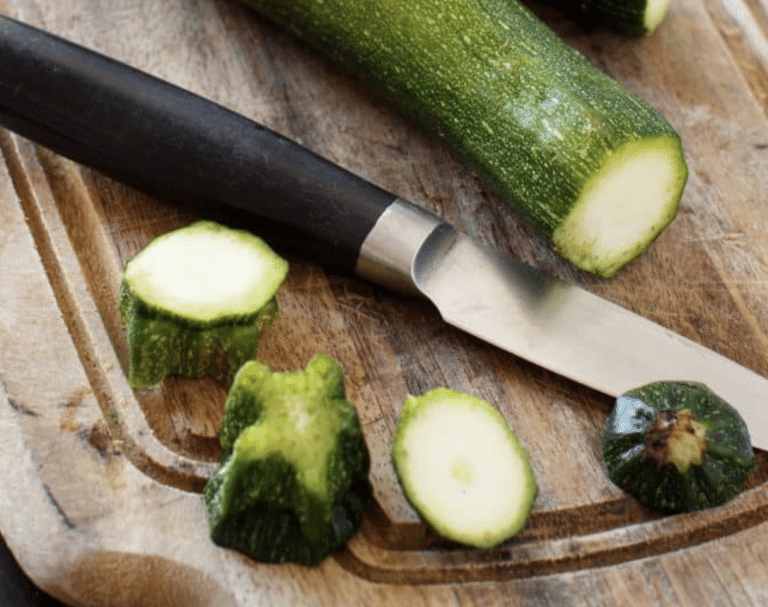
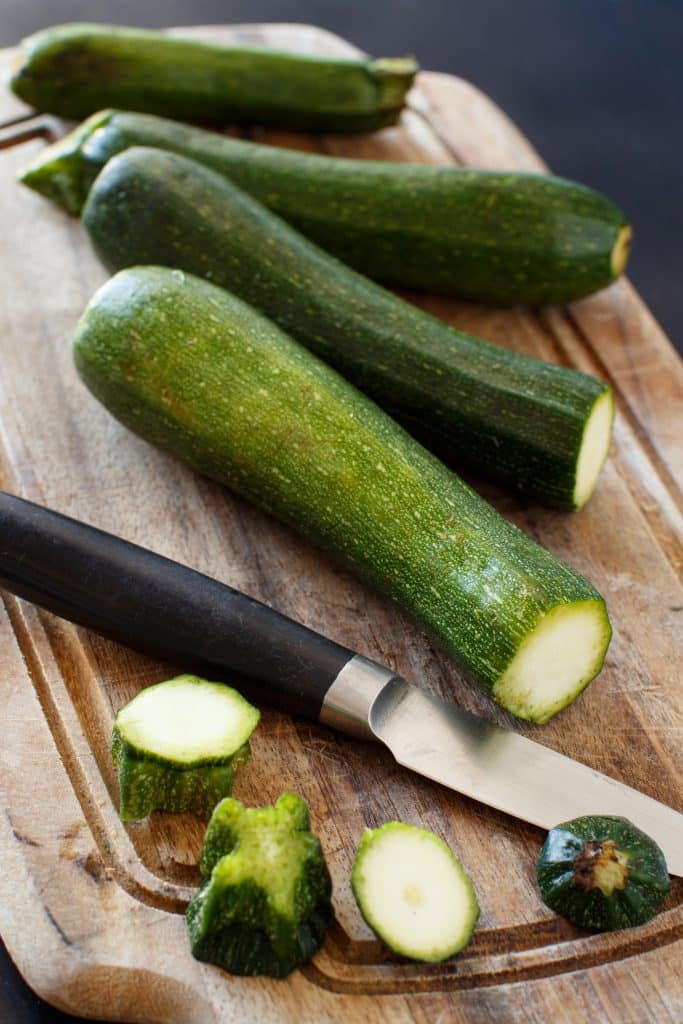
An oversized or slightly bruised zucchini is still a completely fine zucchini once it’s shredded into muffins or sliced for a sheet pan. I’ve never had a kid clock a bruise on a vegetable they were already trying to avoid eating in the first place.
The one thing worth knowing about oversized zucchini is that the seeds inside can get big and watery, which is part of why stores discount them in the first place. I scoop those out with a spoon before shredding or slicing, and the rest of the flesh cooks up exactly like a smaller one. This is also the vegetable I lean on most for sneaking extra servings into muffins and quick breads without changing how anything tastes.
9. Cucumbers
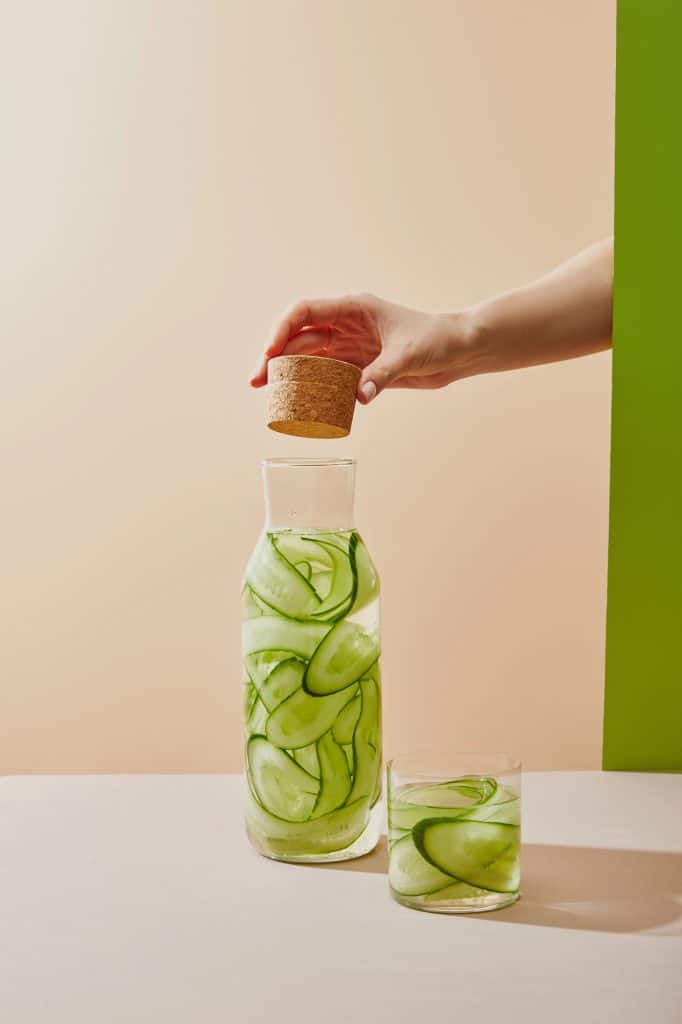
Curved, stubby, or oddly fat cucumbers taste exactly the same as the straight ones. I slice these for lunches all week and nobody in my house has ever commented on cucumber geometry.
Mom note: if a cucumber is a little bitter, that’s a growing condition, not a discount rack problem. It happens to pretty ones too.
When bitterness does show up, it’s concentrated near the stem end and just under the skin, so peeling and trimming that section usually solves it. I keep discount cucumbers wrapped loosely in a paper towel inside a container in the fridge rather than in their original plastic, which has genuinely stretched how long they stay crisp. That one change alone cut down on how often I was tossing soft cucumbers by the end of the week.
10. Tomatoes
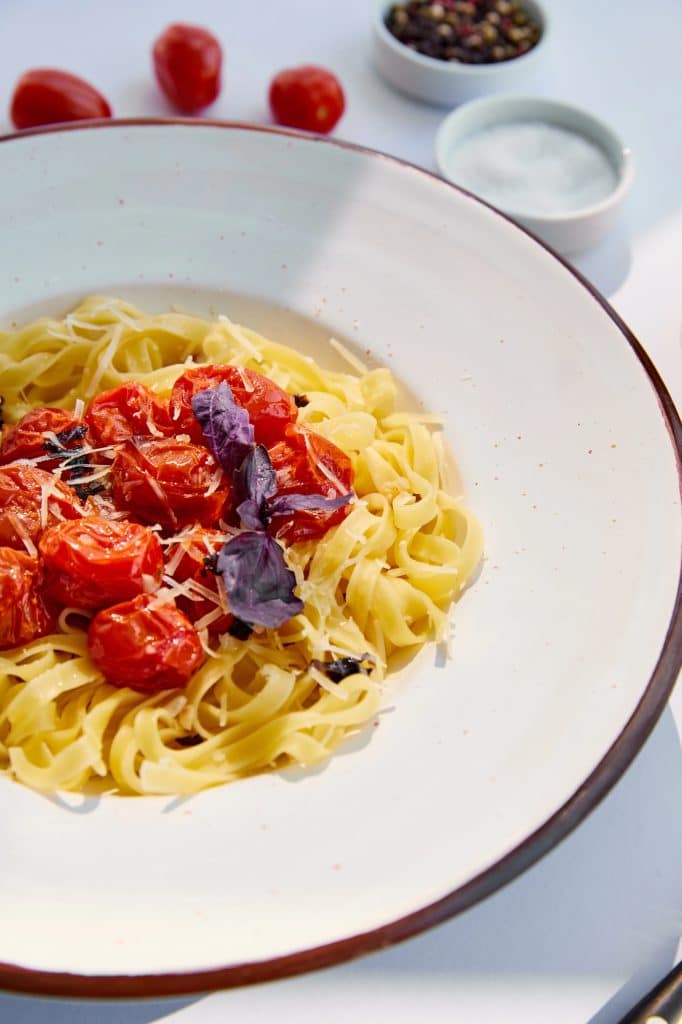
This is where I start to get a little pickier. Tomatoes with a soft spot are worth grabbing if I’m cooking them down into a sauce that afternoon, but I skip the ones with any give all over. There’s a line, and tomatoes are usually where I find it.
My rule of thumb is that one soft spot means dinner tonight, several soft spots means the compost bin. A tomato with a single bruise gets that section cut away and the rest goes straight into a pan with garlic and onion for a quick sauce, since simmering hides any texture issue anyway. What I never do is let discount tomatoes sit on the counter for later in the week, they need to be used the same day or the next at the latest.
11. Broccoli
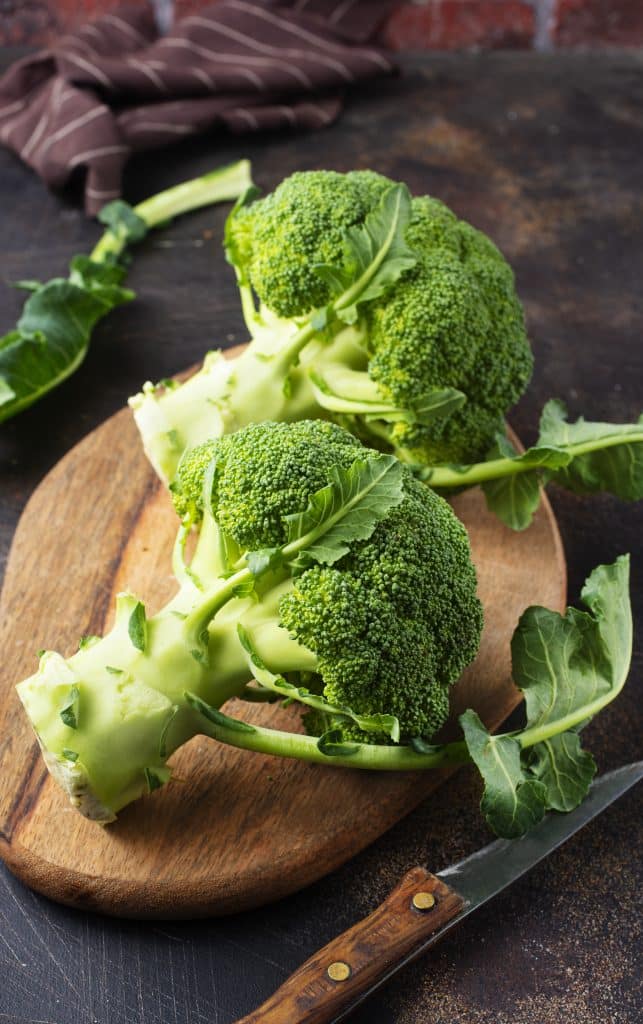
Broccoli with slightly yellowing florets at the edges just needs a trim before cooking. I chop off the questionable bits and the rest steams or roasts up completely normal. This has saved me more than a few full-price broccoli purchases.
I’ve also started saving the stalks instead of tossing them, which I used to do without thinking. Peeled and sliced thin, the stalk cooks up almost like a mild cabbage and works fine tossed into a stir-fry or soup. It’s a small thing, but it means a discount head of broccoli goes even further than the florets alone would.
12. Cauliflower
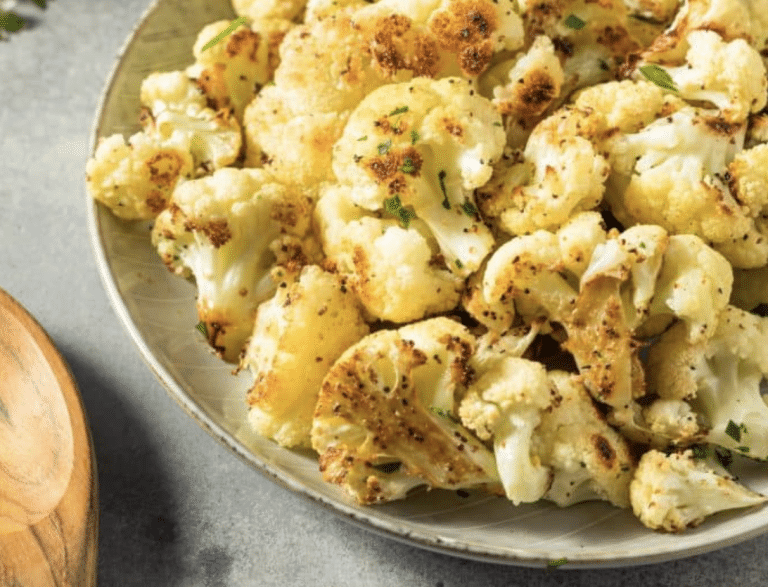
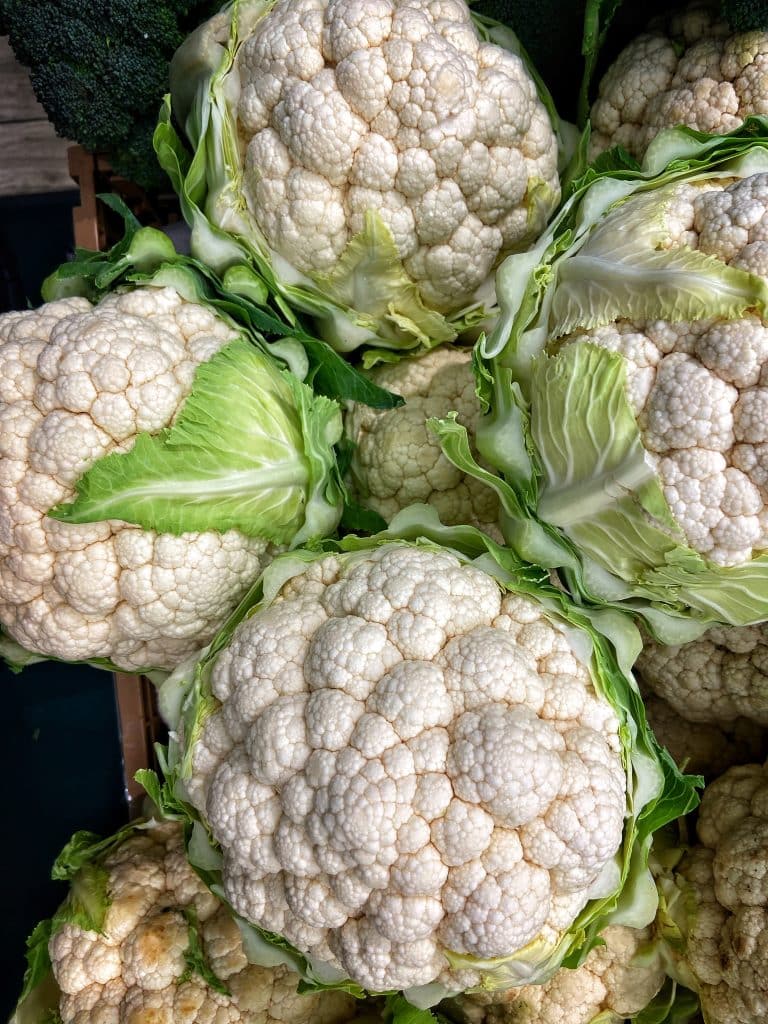
Same idea as broccoli. A head with a few brown-tinged spots trims down just fine, and once it’s roasted with some seasoning, my family has never noticed the difference. I go through a lot of cauliflower, so the markdown bin matters here.
The brown spots on cauliflower are almost always just bruising from handling during shipping, not decay, which is exactly why they show up on discount heads so often. I cut a little deeper around those spots than I would on broccoli, since cauliflower bruises can sometimes go slightly further into the flesh. Once it’s roasted until the edges caramelize, texture issues from trimming disappear completely.
13. Brussels Sprouts
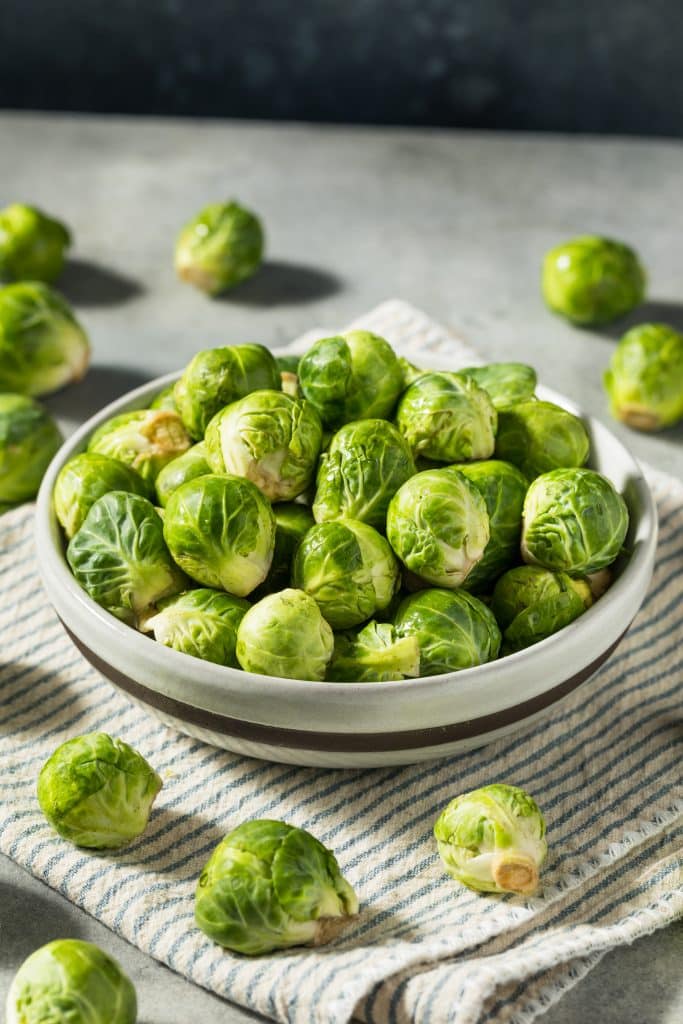
Loose brussels sprouts, sold by the pound instead of on the stalk, are almost always cheaper and almost always have a few outer leaves that need peeling off anyway. That’s just part of prepping brussels sprouts, ugly or not.
Mom note: roasted hot and crispy is the only way my kids will touch these, and honestly, same for me.
The size variation in a discount bag is usually bigger than what you’d get buying full price, which actually works in my favor. I halve the bigger ones and leave the small ones whole, which helps everything finish roasting around the same time instead of some pieces burning while others are still firm. A hot oven, a high shelf, and not crowding the pan matters more to how these turn out than whether the sprouts themselves were perfectly uniform.
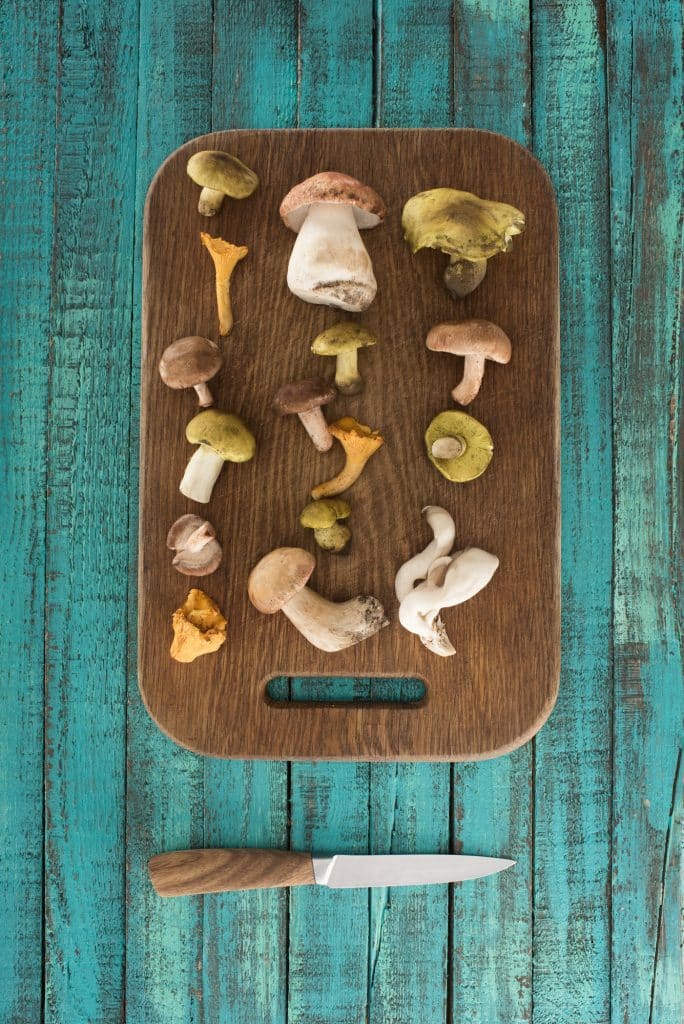
14. Mushrooms
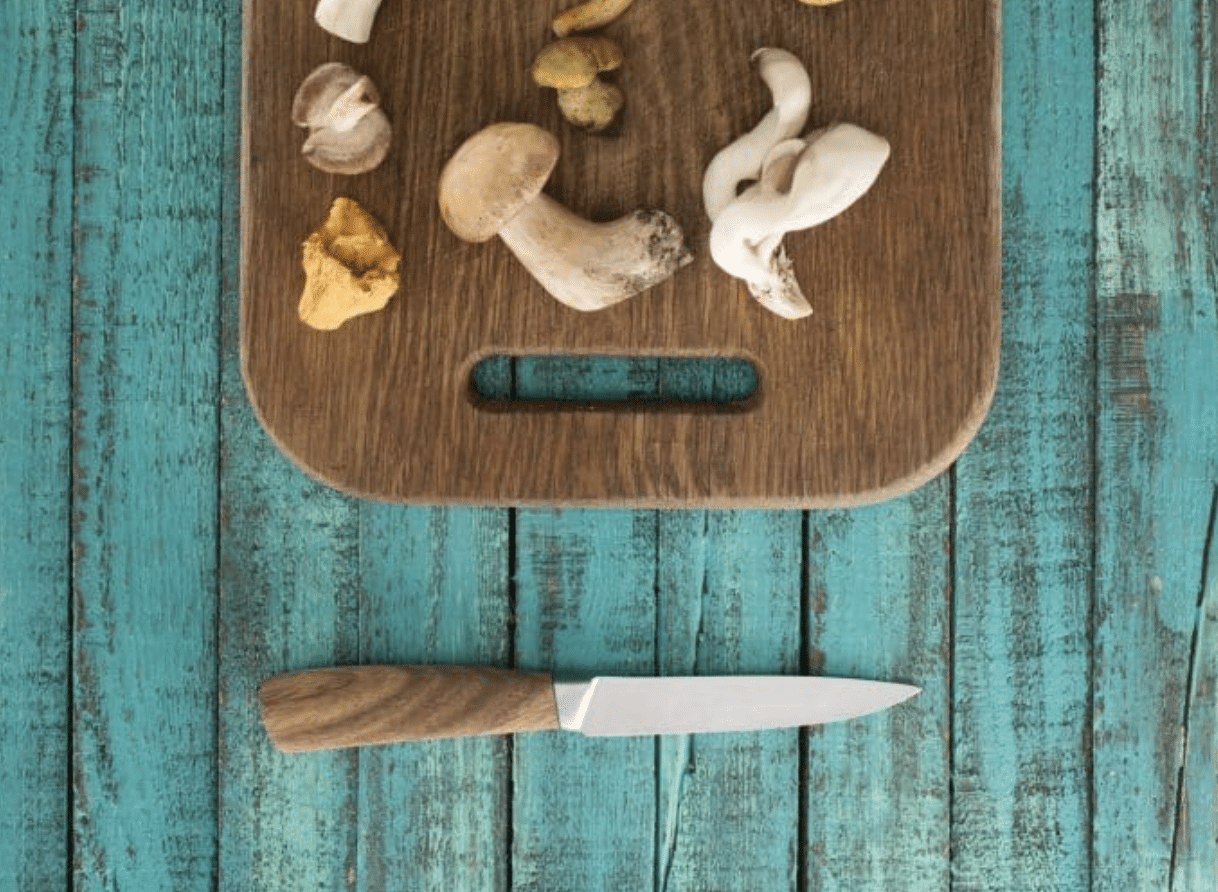
Mushrooms that are a little dried out on top cook down beautifully in a pan with butter. This is one of those vegetables where I actually think the slightly older ones brown better, because they’ve lost some of their water content already.
What I do avoid is anything slimy to the touch, since that’s actual spoilage rather than just drying out, and it’s the one clear line for mushrooms. Dry, slightly shriveled caps are still completely fine and honestly sear better in a hot pan than the plump, moisture-heavy ones do. I buy these in bulk when marked down and freeze extras after a quick saute, which holds up surprisingly well for adding to pasta or soup later.
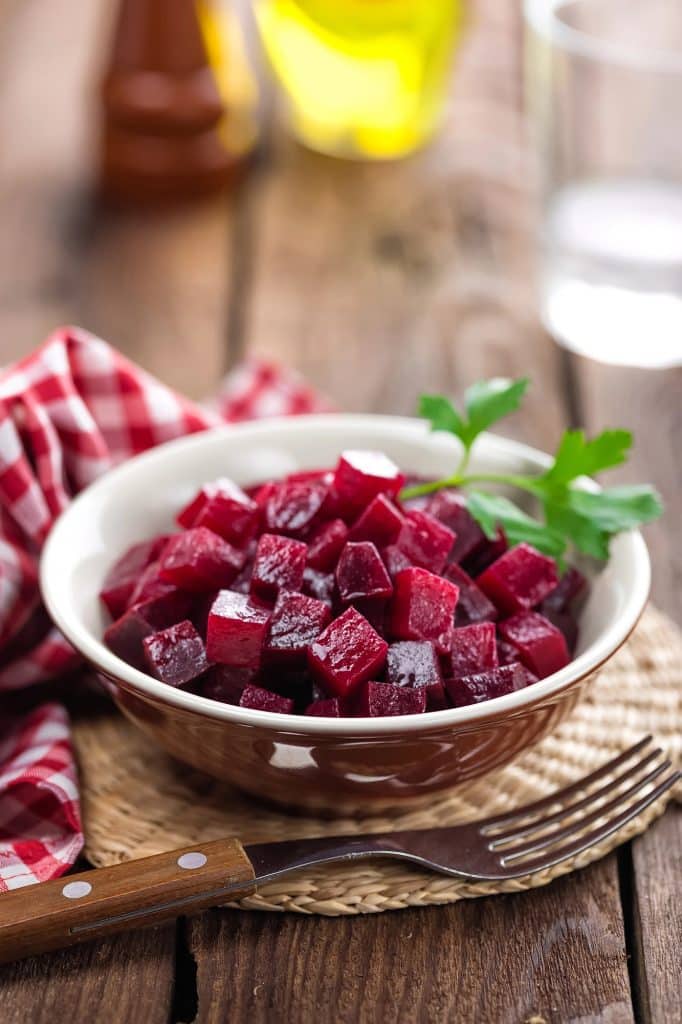
15. Beets
Beets are already ugly on a good day, so the discount rack ones barely look different from the full-price ones. I roast them whole in foil, and the skin slides right off once they’re done regardless of how rough it looked going in.
This is one I finally figured out after years of ruining beets, and I wrote a whole list about vegetables I finally learned to cook right after years of ruining them if you want the full story.
The trick that changed everything for me was leaving the roots and about an inch of stem attached before roasting, instead of trimming them close the way I used to. That keeps the color and moisture locked inside instead of bleeding out onto the pan, which was exactly the problem that used to leave me with dry, flavorless beets. Rough patches on the skin get scrubbed off before roasting, but I don’t bother peeling ahead of time since it slides off so easily afterward anyway.
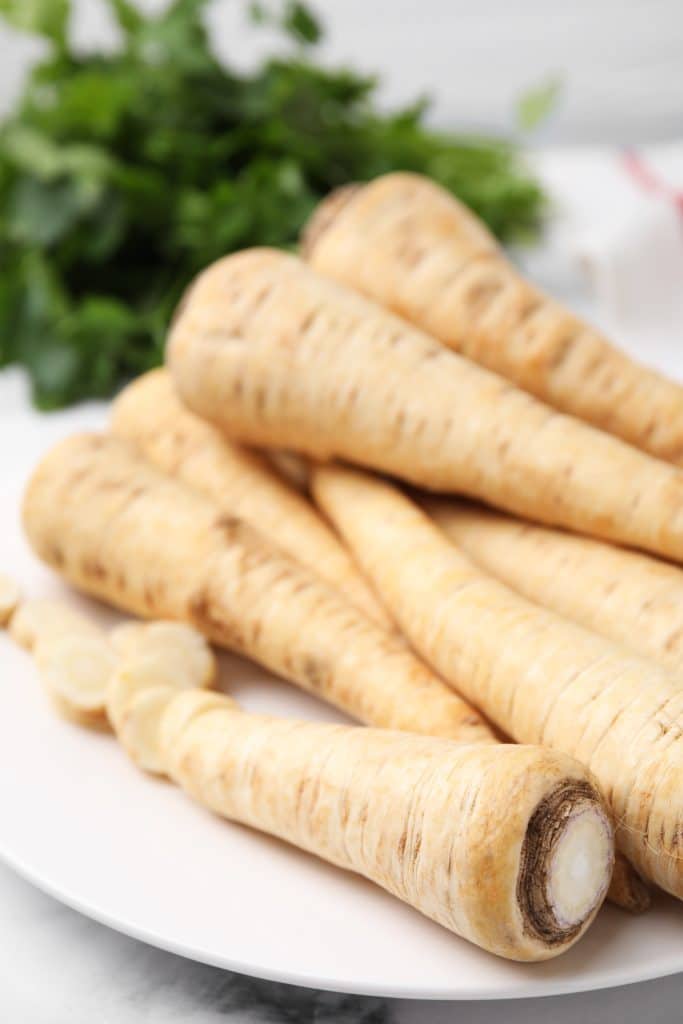
16. Parsnips
Parsnips look a lot like ugly carrots even when they’re fresh, so a slightly bent or forked one blends right in with the rest of the bag. Roasted with a little butter and honey, they’re one of my favorite quiet wins on a dinner plate.
The core in a larger parsnip can turn woody, so I always slice one open lengthwise before committing to a whole bag. If the center looks fibrous rather than solid, I just cut that strip out and roast around it, which takes barely any extra time. Parsnips also mellow out the longer they sit in cold storage, so a slightly older discount bunch often tastes sweeter than a fresh one straight from the field.
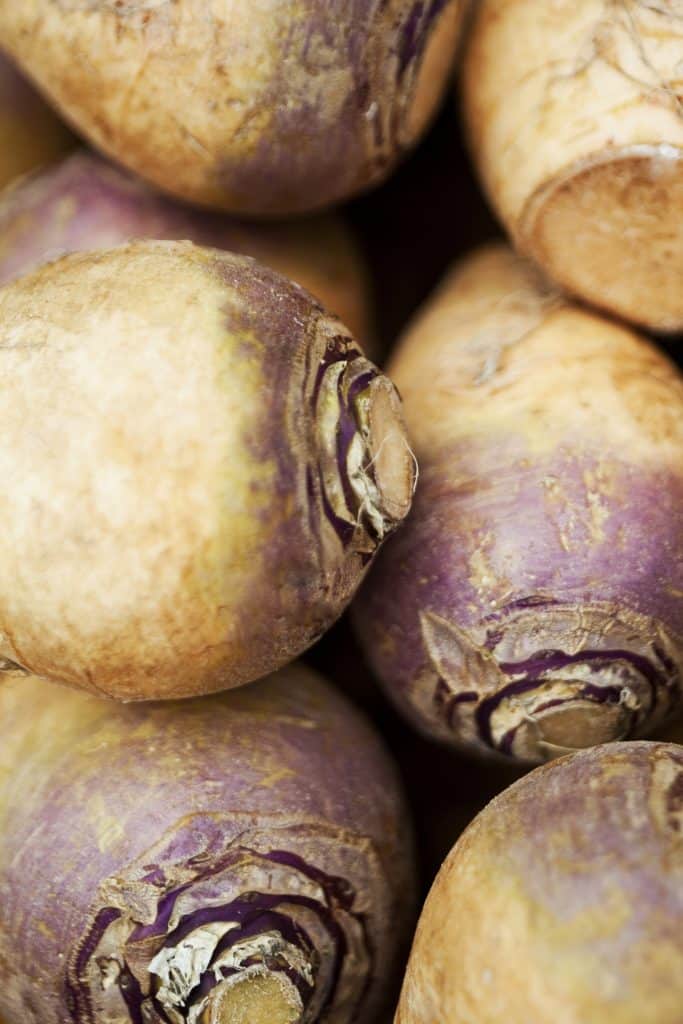
17. Turnips
Turnips are cheap to begin with, so a discount turnip is about as low-stakes as grocery shopping gets. I cube them into soup where they soften up and mostly disappear into the broth, texture and looks included.
If you’re building out a soup pot, I put together a list of the vegetables that turn one pot of soup into a whole week of dinners, and turnips earn their spot in there.
Smaller turnips tend to be milder and less bitter than the larger ones, so I actually seek out the small, oddly shaped ones in the discount bin on purpose rather than settling for them. Peeling is non-negotiable for me here, since the skin holds most of the bitterness, but that’s true whether the turnip is pretty or not. Once peeled and cubed, they take on whatever broth or seasoning they’re cooked in almost completely.
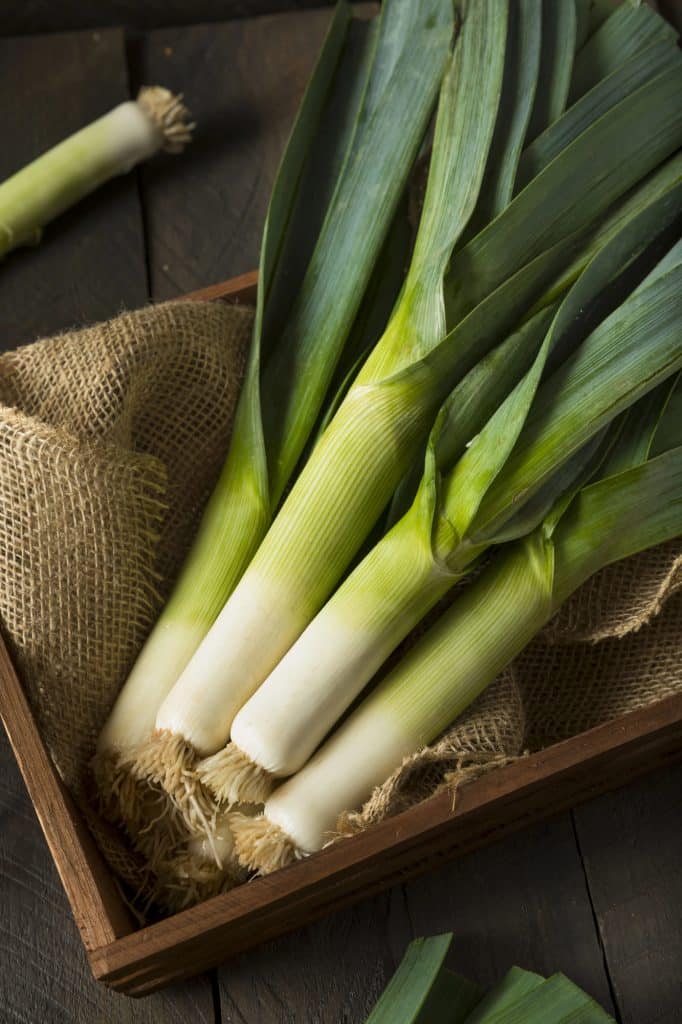
18. Leeks
Leeks get dirt trapped between their layers no matter what, so a discount leek and a full-price leek need the exact same rinsing effort. I don’t feel like I’m compromising on anything by grabbing the marked-down bunch.
My method is to slice the leek lengthwise first, then fan the layers open under running water so the grit rinses out from between them instead of just off the surface. Skipping this step is the single biggest reason people end up with gritty soup, discount leek or not. I only use the white and light green parts for most dishes, saving the tougher dark green tops in the freezer for building stock later.
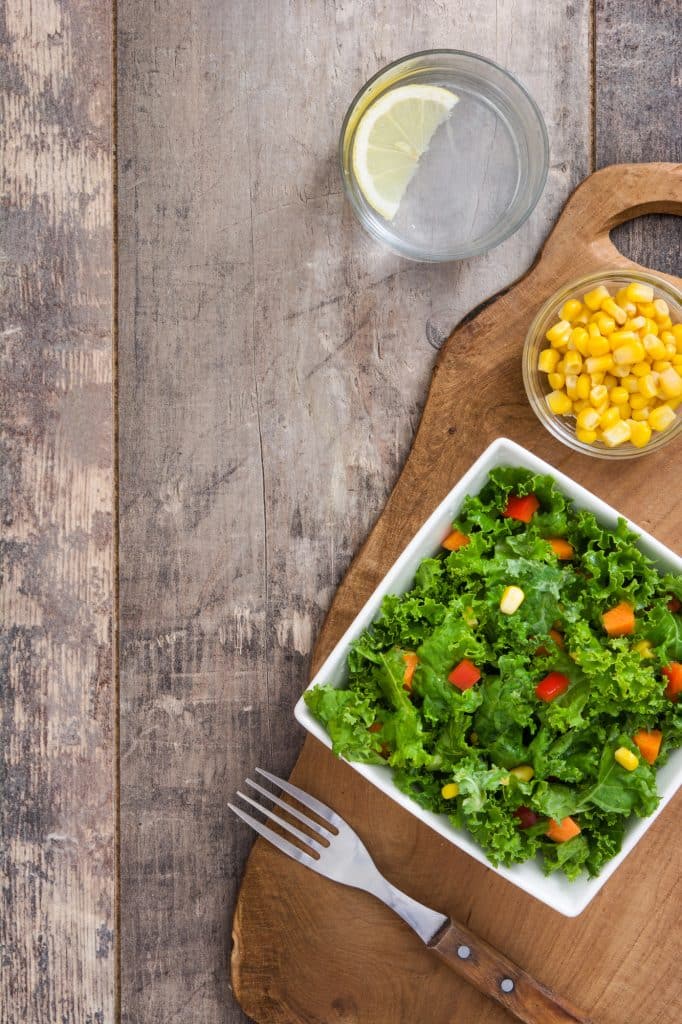
19. Kale
A bunch of kale with a few yellowing leaves is still mostly good kale. I tear off the bad parts and blend the rest into a smoothie, where color and texture stop mattering entirely. This is one of my go-to produce picks I sneak into dinner without anyone noticing.
Beyond smoothies, I’ve had good luck massaging discount kale with a little oil and salt for a few minutes before using it raw in a salad, which softens the toughness that older leaves tend to have. For cooked applications, a quick saute with garlic hides any remaining yellow edges completely. Kale also holds up better in the fridge than most leafy greens, so a slightly tired bunch bought marked down still has several more days of life left in it.
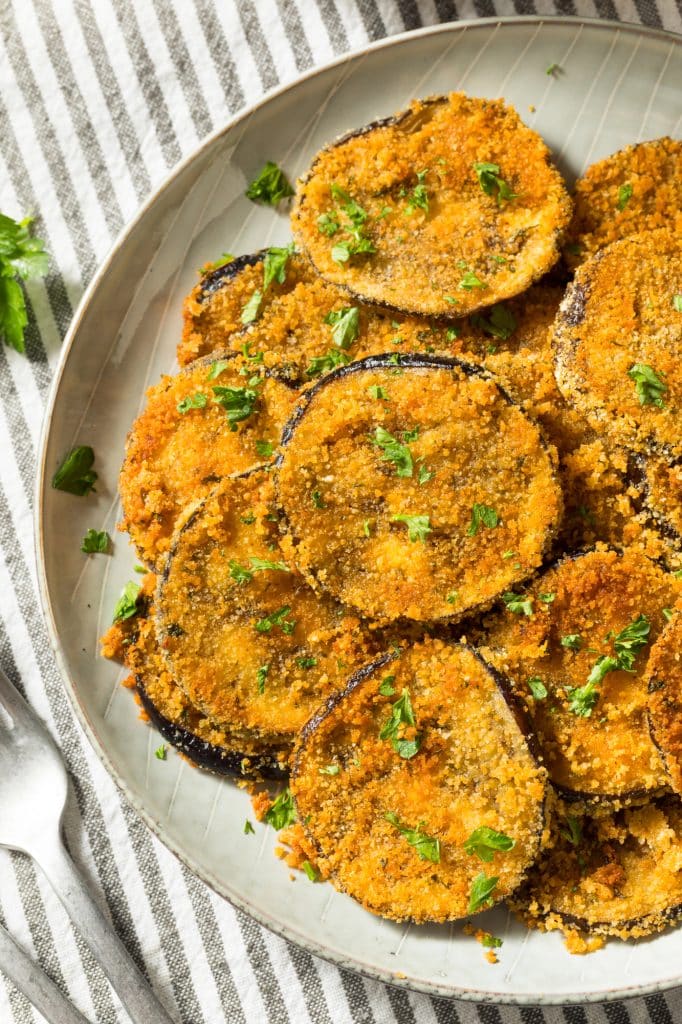
20. Eggplant
Here’s my honest one. I don’t buy discount eggplant, and I don’t buy much eggplant at all. Once it’s bruised, the inside turns spongy and a little bitter fast, and it’s just not a vegetable that hides damage well the way a potato or a pepper does.
I know eggplant shows up on every “buy it ugly” list out there, but in my kitchen it’s the one exception. I’d rather skip it than gamble on a mushy dinner.
The problem is that bruising on eggplant often doesn’t show on the surface the way it does on a pepper or a potato, it hides under that glossy skin until you cut in. By then dinner is already half made and there’s no good way to salvage a spongy, bitter center. If eggplant is what a recipe calls for, I’ll pay full price for one firm, unblemished one rather than take a chance on a discounted bunch.
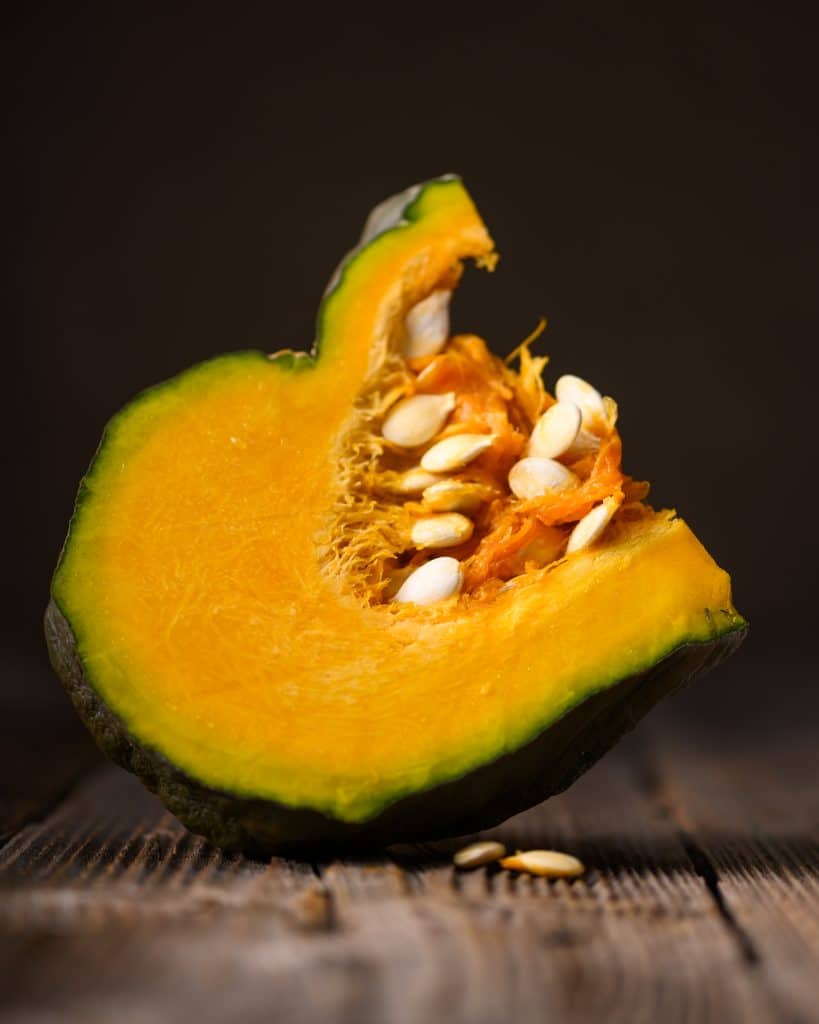
21. Acorn Squash
Acorn squash has a thick enough skin that surface scuffs almost never reach the flesh underneath. I cut these in half, scoop the seeds, and roast with butter and a little brown sugar. Simple, and forgiving of a rough exterior.
The one part worth checking is the stem end, since soft or moldy spots there are the first sign a squash is actually breaking down rather than just cosmetically scuffed. As long as that end is firm, everything else on the outside is fair game. Whole winter squash like this also stores for weeks on a counter without refrigeration, so buying a couple of discounted ones ahead of time has never once been wasted money in my house.
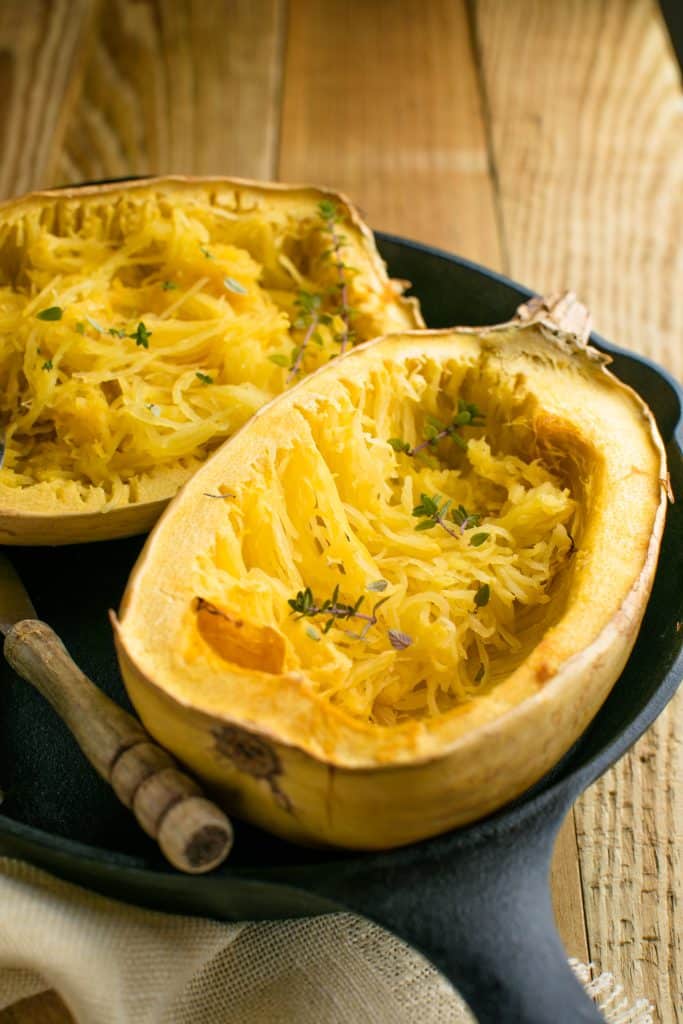
22. Spaghetti Squash
Same logic as acorn squash. A scarred rind doesn’t affect the strands you scrape out once it’s roasted. This is one of those vegetables where I feel like I’m getting away with something every time I use it as a pasta swap.
I roast mine cut side down on a sheet pan, which keeps the strands from getting waterlogged the way they can if you roast face up. Forty to fifty minutes at a good hot temperature usually does it, and you’ll know it’s ready when a fork slides in easily. A scuffed or slightly discolored rind has never once changed how the strands inside turn out, since none of that ever touches the part you actually eat.
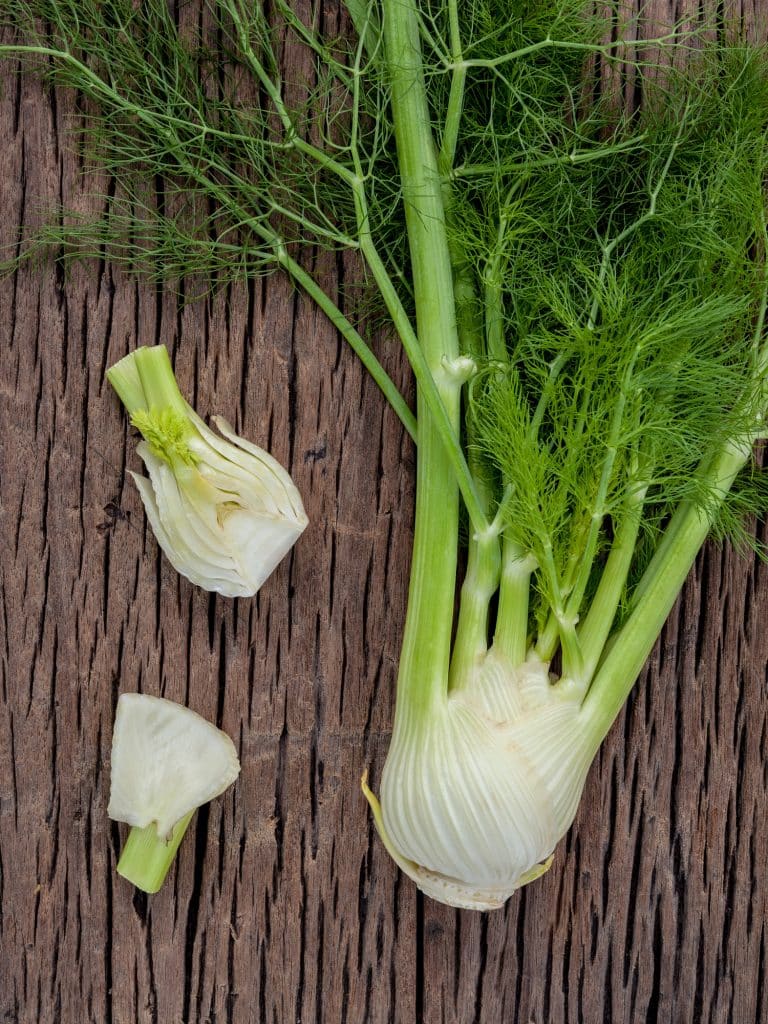
23. Fennel
Fennel with droopy fronds still has a firm bulb underneath most of the time, and the bulb is really what I’m cooking with anyway. I trim the top off, slice the bulb thin, and roast it until the edges caramelize.
Mom note: this one took my kids a few tries to accept, but roasted until soft and a little sweet finally won them over.
What actually matters is squeezing the bulb itself, not looking at the fronds on top. A firm, tight bulb with wilted greens is still a great buy, while a bulb that feels spongy or has brown spreading between the layers is one to skip. I save the fronds that are still green from the ones I do buy and chop them into a dressing, which cuts down on food waste and gives a mild licorice note to whatever I’m making.
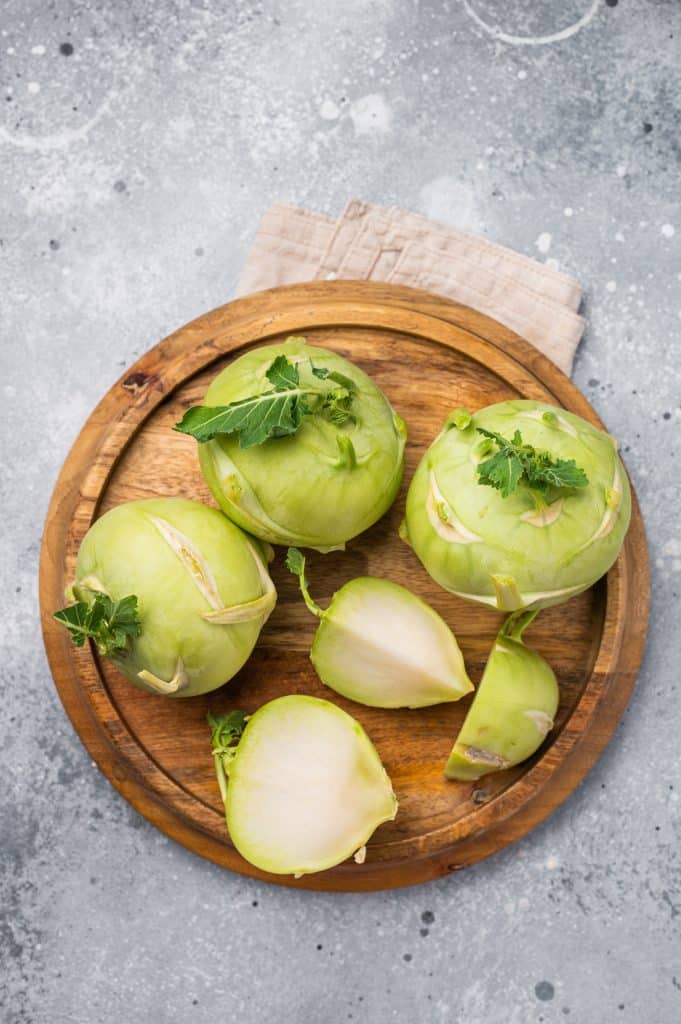
24. Kohlrabi
Kohlrabi already looks like a science experiment even at its freshest, so a discount one barely registers as different. Peel the tough outer layer, slice thin, and it’s a mild, almost sweet vegetable that works raw or roasted.
The outer layer is thicker and more fibrous than it looks, so I peel deeper than feels natural at first, almost like peeling a butternut squash rather than a potato. Underneath that layer, the flesh is crisp and stays that way whether the bulb outside looked rough or smooth. Sliced thin, it makes a good stand-in for apple in a slaw, which is a swap my kids never once questioned.
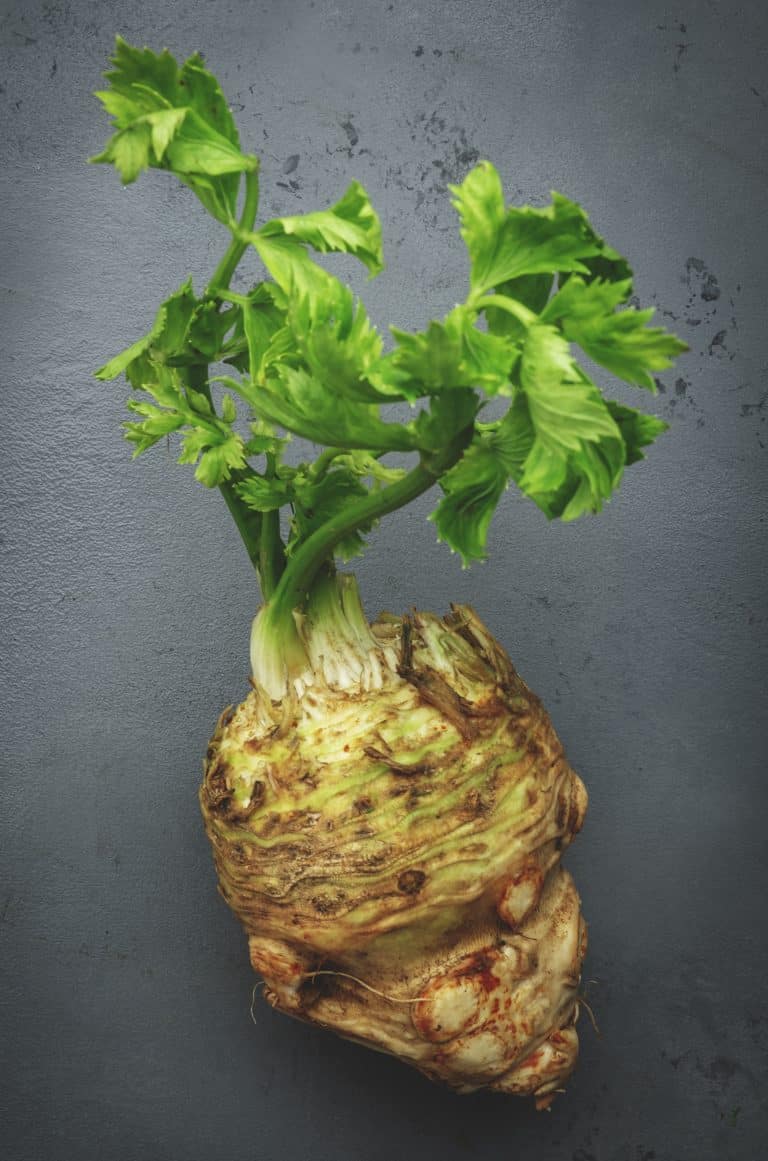
25. Celeriac
I’m ending on celeriac on purpose, because it’s the ugliest vegetable I regularly buy, discount rack or not. Knobby, dirt covered, kind of alarming looking. Peeled and cooked into a mash or a soup, it’s one of the most quietly delicious things in my kitchen.
If celeriac can win me over looking like that, I figure most of us can get over judging a carrot for having a second leg.
Peeling celeriac properly means cutting away a lot more than you’d expect, since the knobby surface hides deep crevices packed with dirt. I usually slice off the top and bottom to create flat surfaces, then work around the sides with a knife rather than a peeler. Once it’s cubed and boiled soft, it mashes up with a little butter into something that tastes like a lighter, slightly nutty version of mashed potatoes, and that combination has become one of my favorite ways to use it.
From my kitchen: the discount rack usually runs thirty to fifty percent off, depending on the day and the store. I don’t plan meals around what’s in there ahead of time, I look first, then decide what we’re eating that week based on what’s marked down. It’s flipped my whole grocery routine around.
The Discount Rack Rules I Actually Follow
None of this means anything goes. I still pass on produce that’s slimy, moldy, or smells off, ugly and spoiled are two different things and it’s worth knowing the difference. But a bent carrot, a scarred squash, or an onion with a papery loose layer has never once let me down.
This week I’m making a pot of soup out of whatever the discount bin has going, probably some combination of the turnips, celery, and cabbage I keep circling back to. That’s kind of the whole point of this list, honestly. Let the bin decide.
If you’ve never checked that corner of your grocery store, start with the potatoes and onions. They’re the easiest ugly buys there are, and once you see how little it changes on the plate, the rest of this list gets a lot less intimidating.