21 Fruits and Veggies I Turn Into Something New Before They Go Bad
My crisper drawer used to be where produce went to die quietly. I’d buy it with the best intentions on Sunday, then find it slumped and sad by Friday, wrapped in guilt.
The fix wasn’t buying less. It was learning that almost everything on the edge can become something new, usually something better than its original plan.
These are my 21 favorite rescues, starting with the five-minute saves and ending with the ones I do when I have a slow afternoon.
1. Scallions
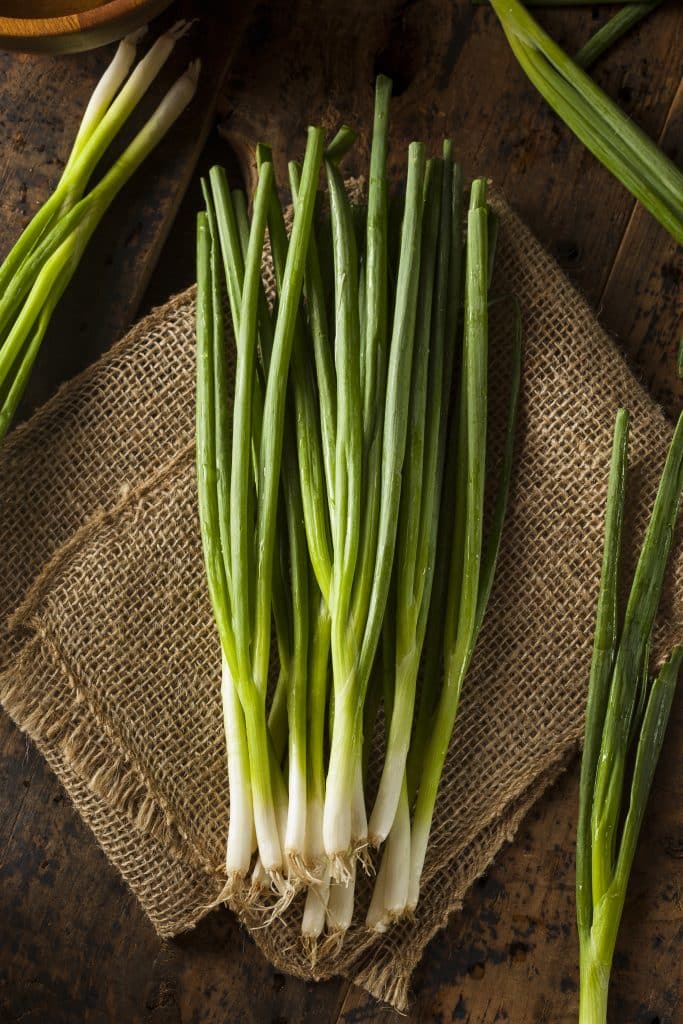
Limp scallions become scallion oil: sizzle the chopped greens in hot oil for a minute, salt it, and spoon it over rice, eggs, or noodles for weeks. It’s the best thing I make from something I almost threw away.
And here’s my skip-it moment: regrowing scallions in a jar on the windowsill. I’ve done it, the second growth tastes watered down, and the jar always ends up smelling like a swamp. I’d rather rescue them into oil and just buy a fresh bunch.
2. Lettuce
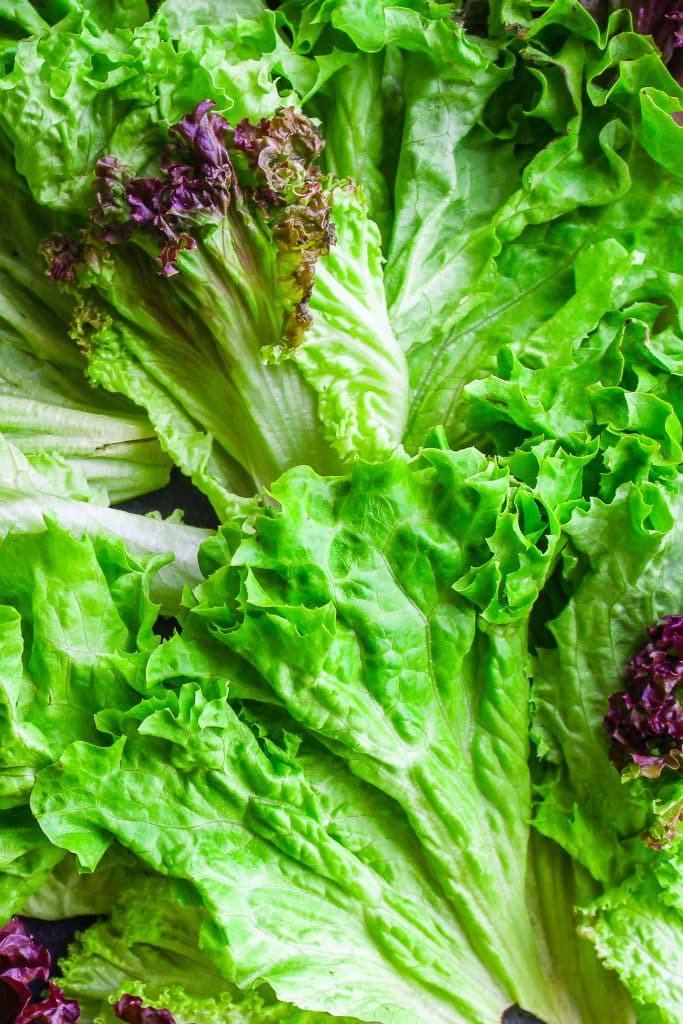
Wilted lettuce sounds unsalvageable, but it cooks like any tender green. I shred it into brothy soups at the very end, where it softens into something silky.
Make it easier: A ten-minute soak in ice water also brings floppy leaves most of the way back if you’d rather still have salad.
3. Cucumbers
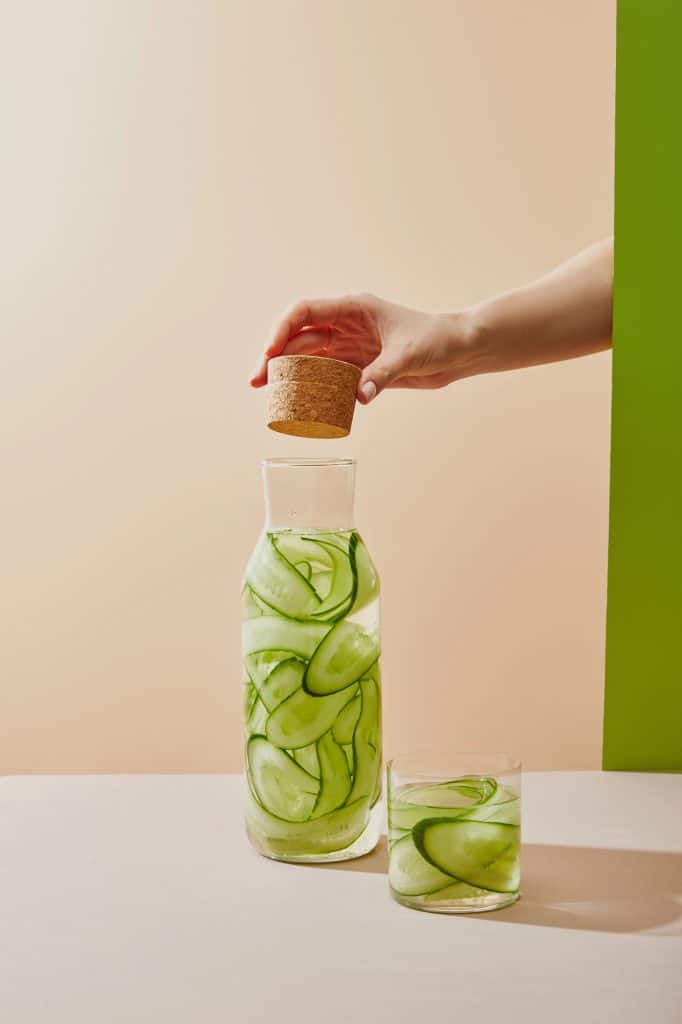
A cucumber going soft becomes quick pickles in ten minutes: sliced thin, covered with vinegar, water, salt, and a little sugar. By dinner they’re crunchy again, just in a new career.
My kids eat these off the counter faster than I can jar them. Pickle-shaped vegetables are apparently exempt from suspicion.
4. Basil
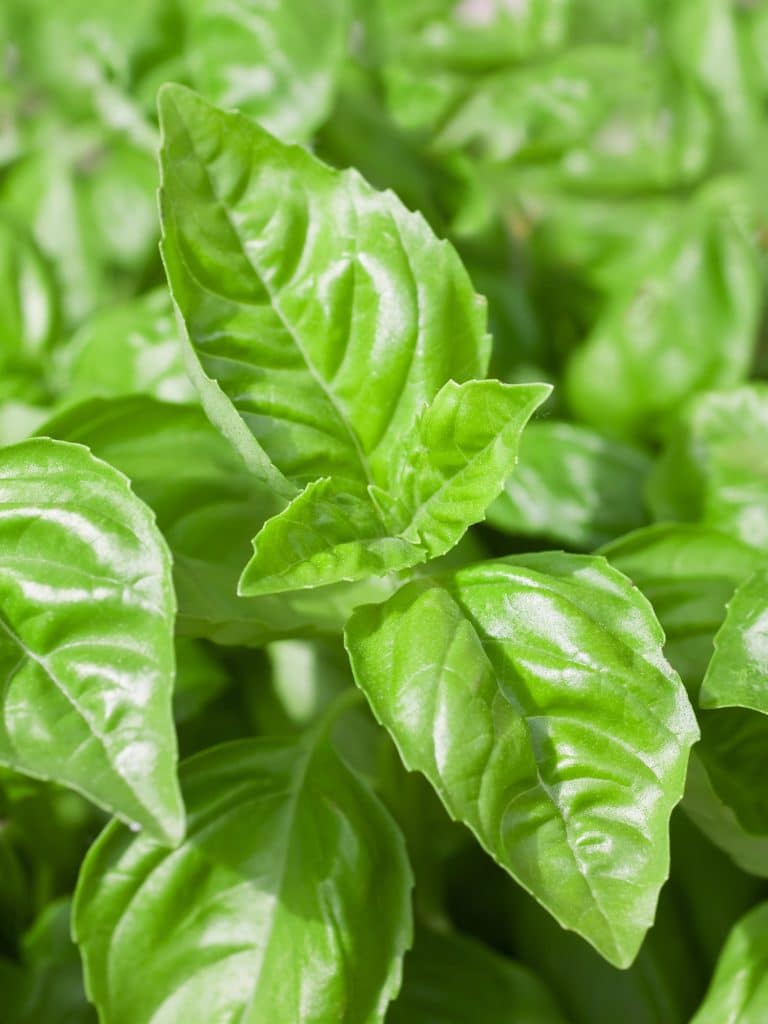
Basil blackening in its clamshell becomes pesto, obviously, but it doesn’t need pine nuts or a recipe. Any nut in my pantry, garlic, oil, salt, done.
Make it easier: Freeze the pesto in an ice cube tray, then pop the cubes into a bag for one-portion pasta nights.
5. Parsley
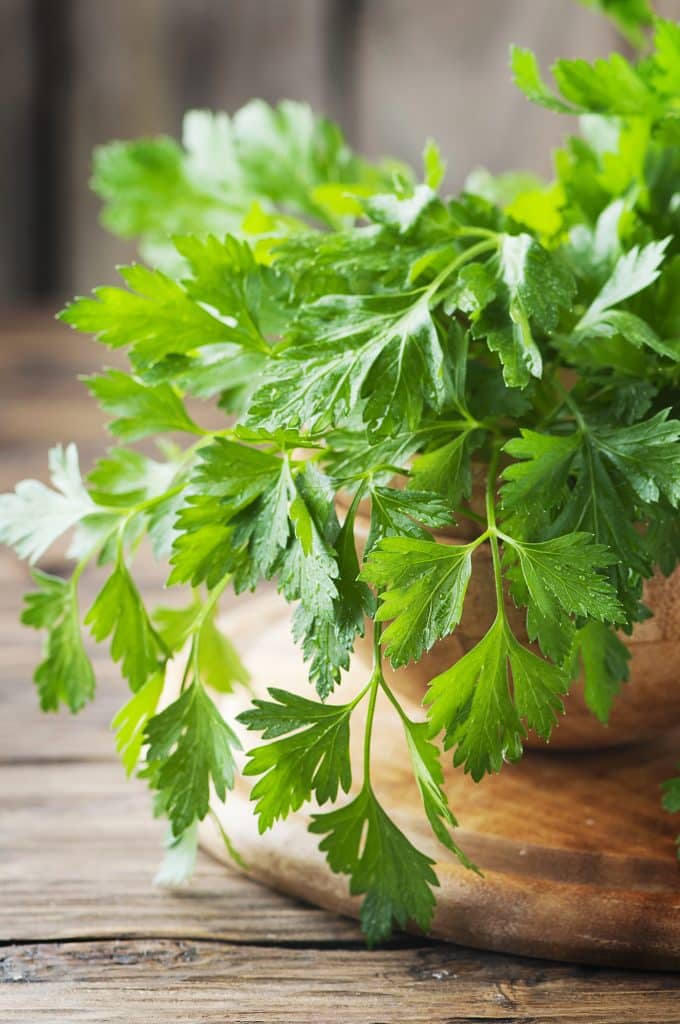
Half a bunch of parsley always survives whatever recipe demanded it. Mine gets chopped and frozen in oil in an ice cube tray, one cube per future soup or pan sauce.
It’s one of those small habits that quietly save me time and money every single week.
6. Cilantro
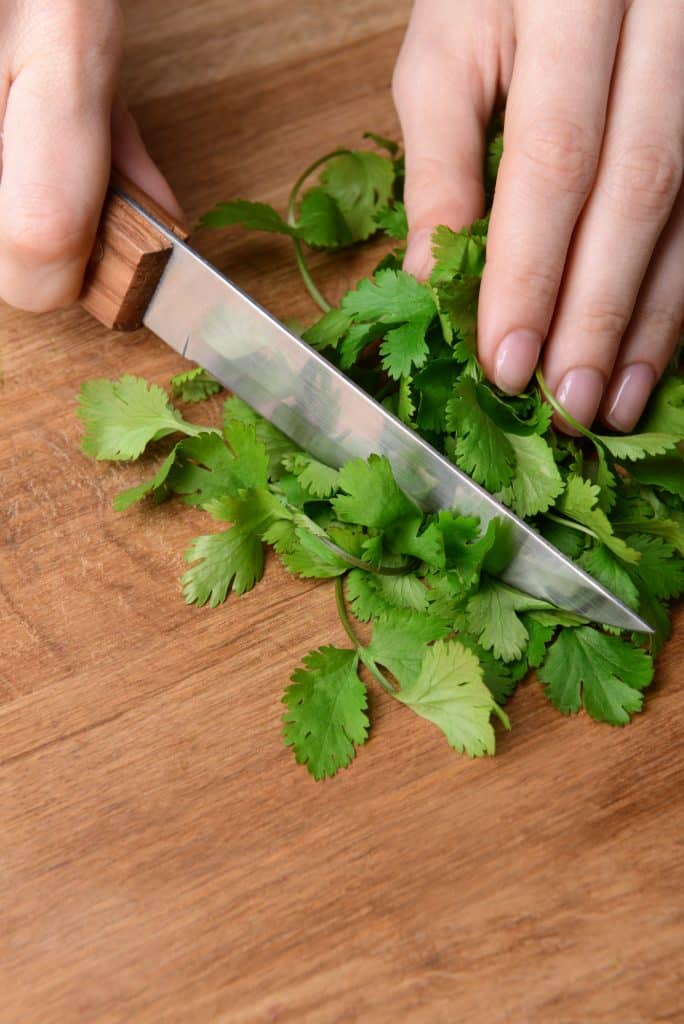
Cilantro on its last day gets blitzed into a green sauce with garlic, lime, oil, and a pinch of salt. Stems and all; the stems have more flavor than the leaves anyway.
Make it easier: The same sauce works on tacos, grilled chicken, rice bowls, and eggs, so one rescue covers four dinners.
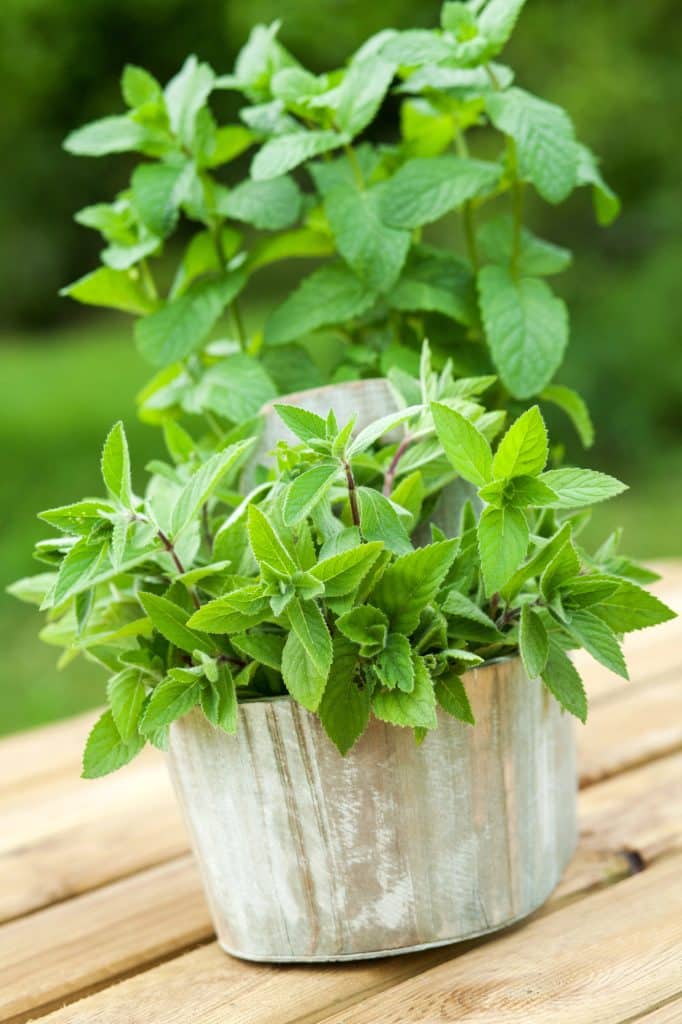
7. Mint
Tired mint simmers with equal parts sugar and water into a syrup that lives in my fridge door. It turns plain lemonade or iced tea into something the kids think came from a restaurant.
Ten minutes, one small pot, zero wasted herbs. That’s my kind of math.
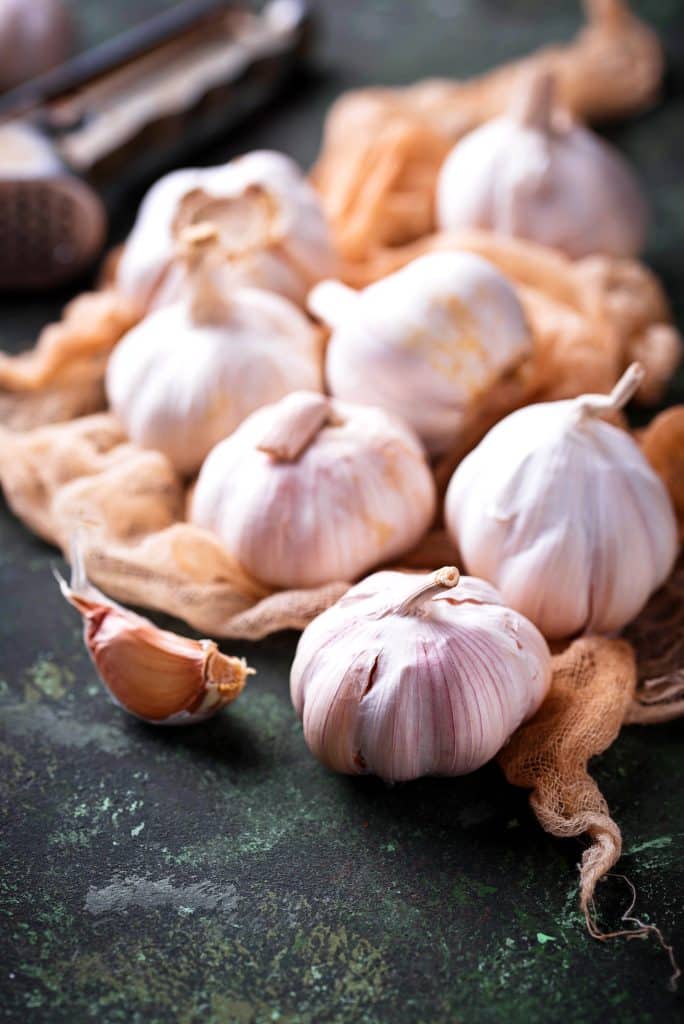
8. Garlic
Sprouting garlic is my cue to make confit: peeled cloves covered in oil, baked low until spreadably soft. The cloves go on bread and into mashed potatoes, and the garlic oil is a bonus prize.
Make it easier: Buy pre-peeled cloves when a whole head is already sprouting at the store. I have peeled my last fifty-clove batch by hand.
From My Kitchen
23 Vegetables That Turn One Pot of Soup Into a Whole Week of Dinners →
"This is the one I make on repeat once it gets cold out."
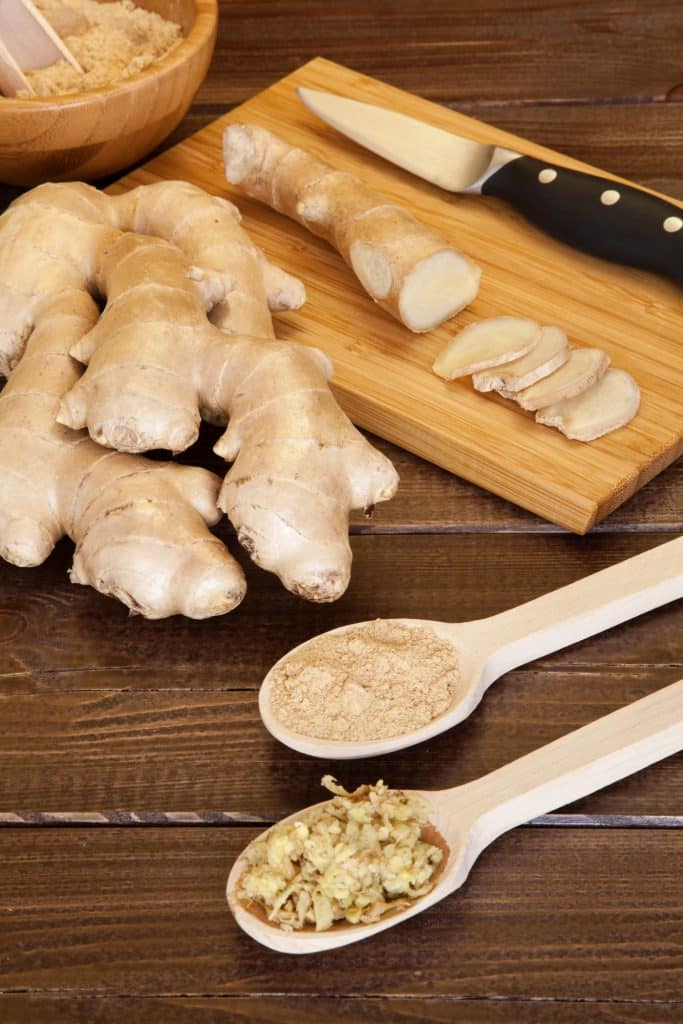
9. Ginger
Ginger shriveling in the produce drawer goes straight into the freezer, whole and unpeeled. Frozen ginger grates finer than fresh, no peeling required.
The truly far-gone knobs simmer into ginger syrup for tea. Nothing about a ginger root is ever actually done.
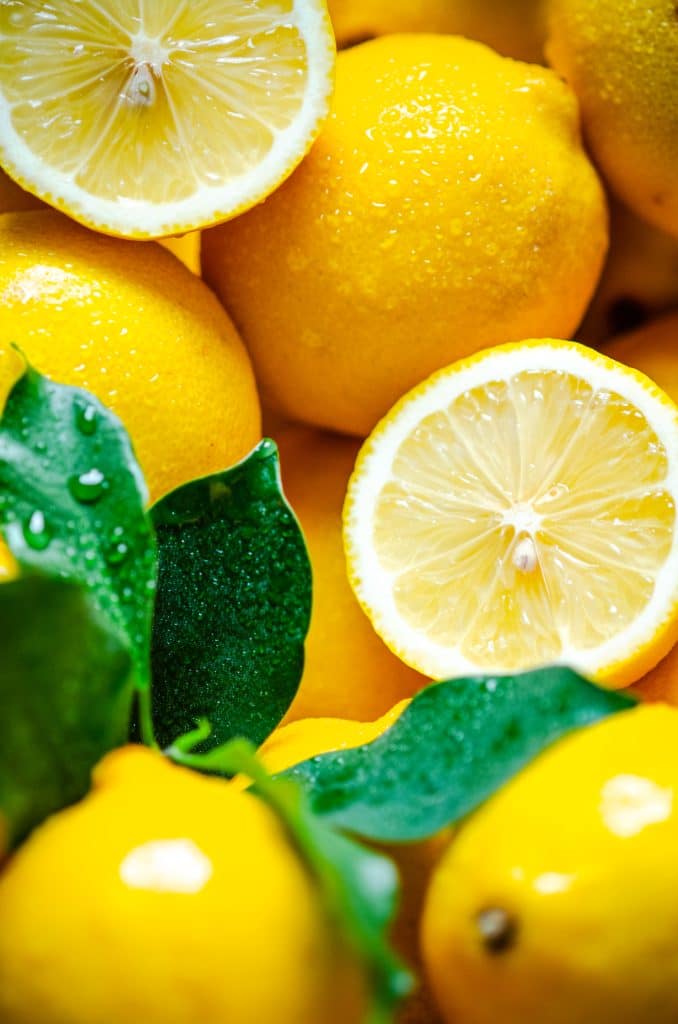
10. Lemons
Hardening lemons get zested and juiced in one session: zest into a small freezer container, juice into an ice cube tray. Future me finds “fresh” lemon in the freezer all month.
Make it easier: Ten seconds in the microwave gets noticeably more juice out of a stubborn lemon.
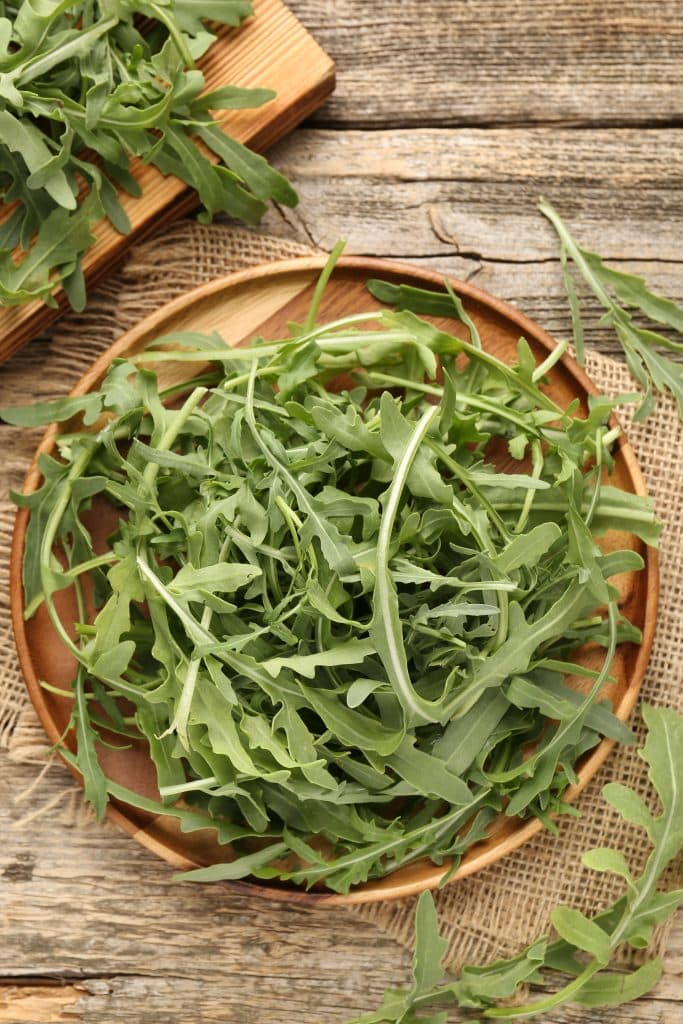
11. Arugula
Half a box of tired arugula becomes a peppery pesto, or gets stirred into hot pasta right before serving, where wilting is the point instead of the problem. Its bite mellows beautifully in the heat.
I also pile it on pizza the minute it comes out of the oven. The leaves that were too sad for salad look intentional up there.
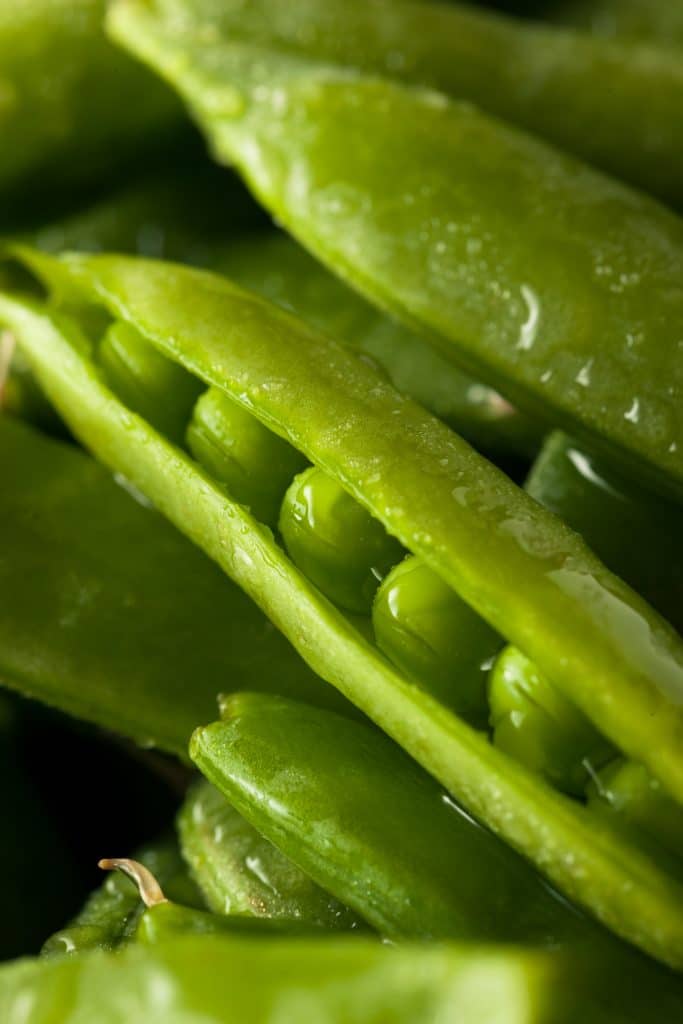
12. Snap Peas
Snap peas that have lost their snap get blistered in a screaming hot pan with oil and finished with soy sauce and sesame. High heat hides a multitude of texture sins.
You'll Want This Too
Make it easier: Don’t bother stringing the slightly-old ones for a stir-fry. Cooked soft, the strings stop mattering.
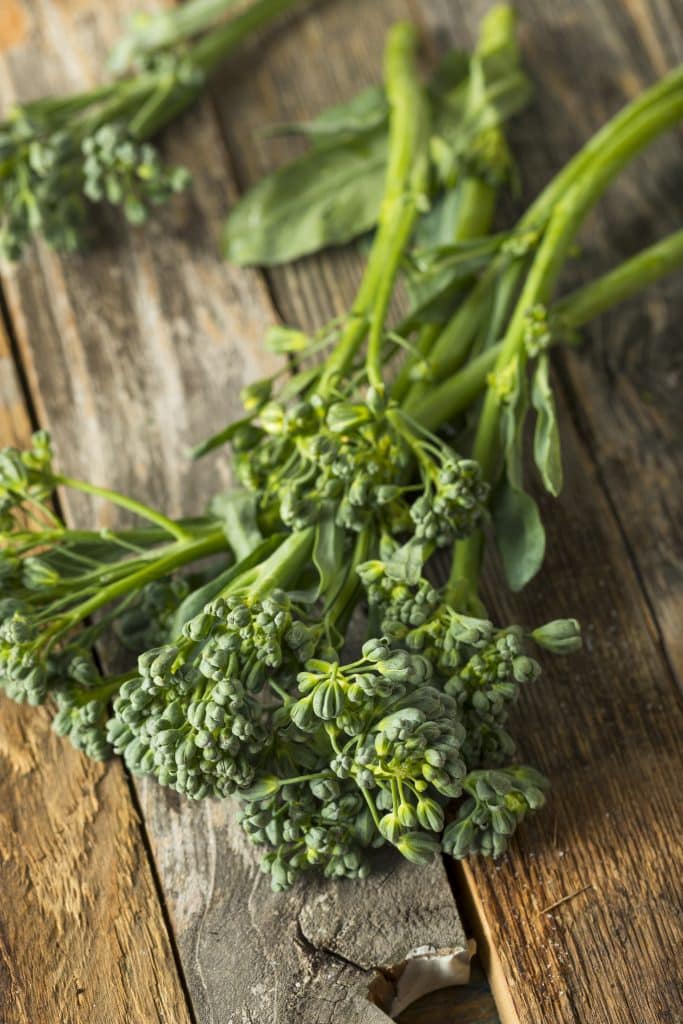
13. Broccolini
Limp broccolini crisps right back up under high roast, and anything too far gone gets chopped small into a frittata. Eggs forgive everything.
The frittata trick works for almost every vegetable in this article, honestly. It’s the last stop before the compost bin at my house.
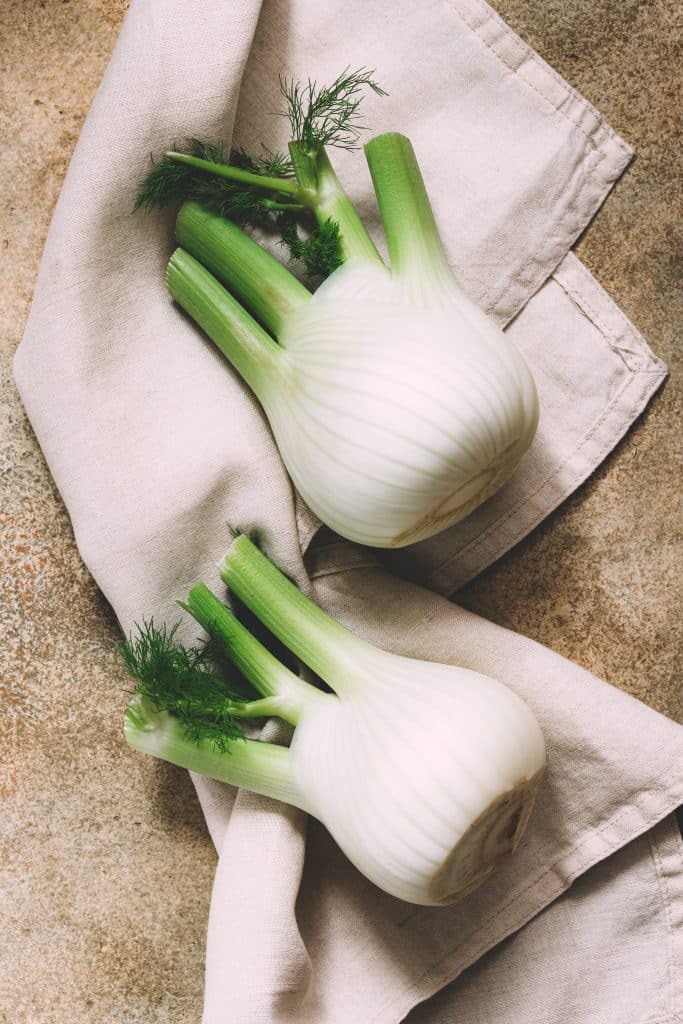
14. Fennel
A fennel bulb softening in the drawer gets sliced and roasted until sweet and browned, where the licorice flavor mellows into something even skeptics eat. My husband, a fennel doubter, goes back for seconds of the roasted version.
Make it easier: Save the feathery fronds and use them like an herb over fish or salad instead of buying dill.
15. Yellow Squash
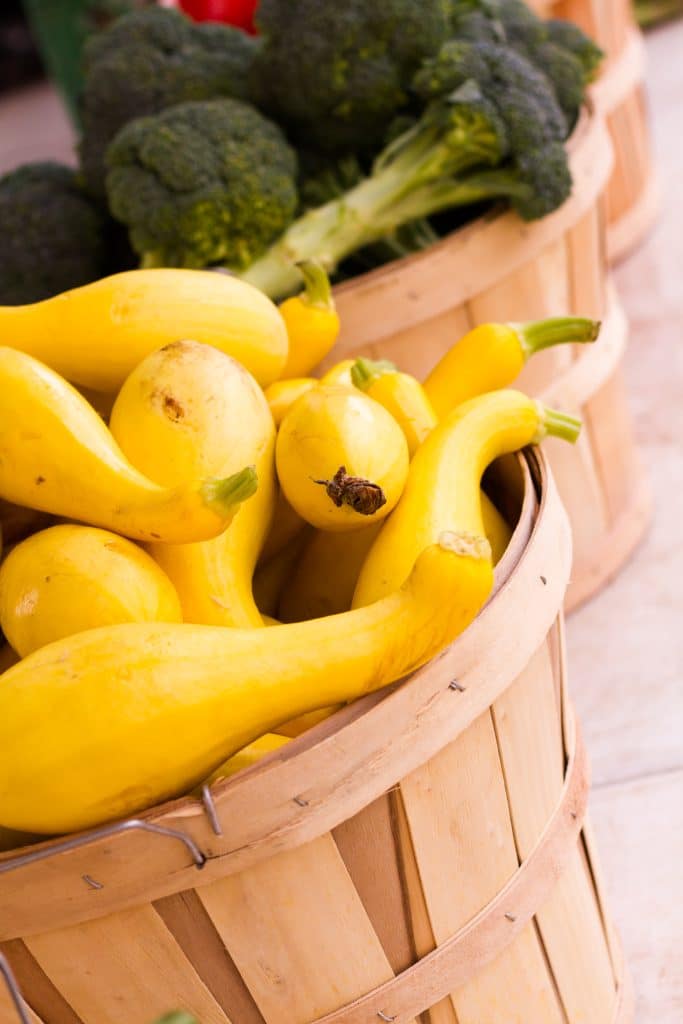
Soft-spotted yellow squash gets grated, squeezed dry, and turned into fritters with an egg and some flour. Fried in a little oil, they vanish faster than the squash ever would have.
Grated squash also folds into muffin batter without a fight. The kids call them “the yellow muffins” with genuine affection.
16. Okra
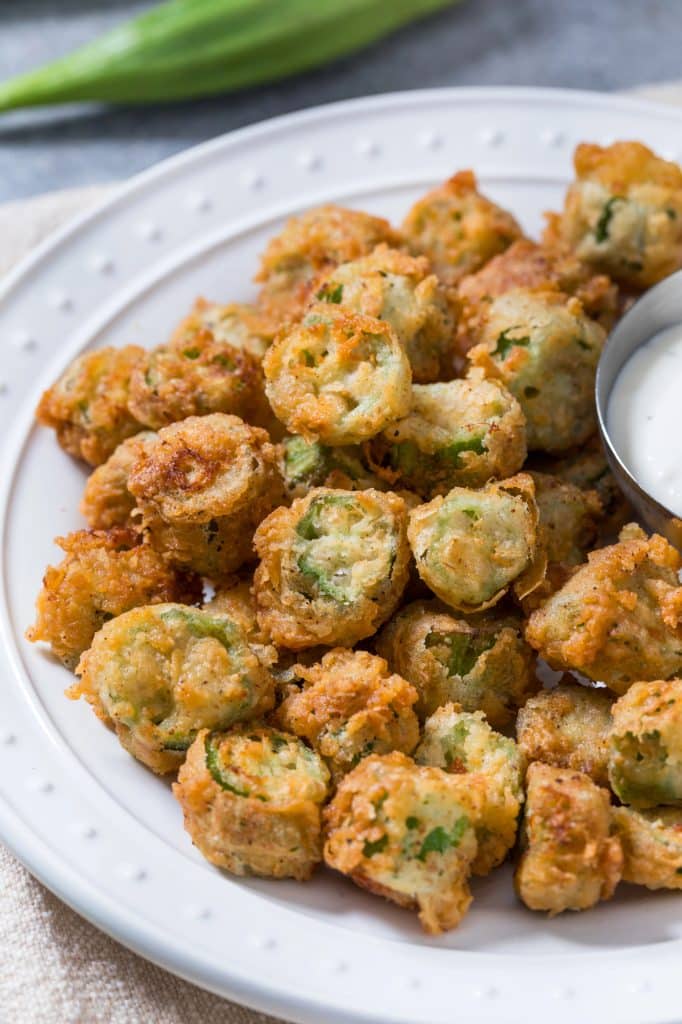
Okra past its prime goes one of two ways in my kitchen: roasted whole at high heat until crisp, or simmered into a tomato stew where its thickening power is a feature. The middle ground is where the slime lives, so I avoid the middle ground.
Go Deeper
The School Morning Machine: How We Went From Daily Chaos to Out-the-Door in 40 Minutes →
"The system that finally ended our morning yelling."
Make it easier: Keep the pods whole for roasting. Cutting them is what invites trouble.
17. Collard Greens
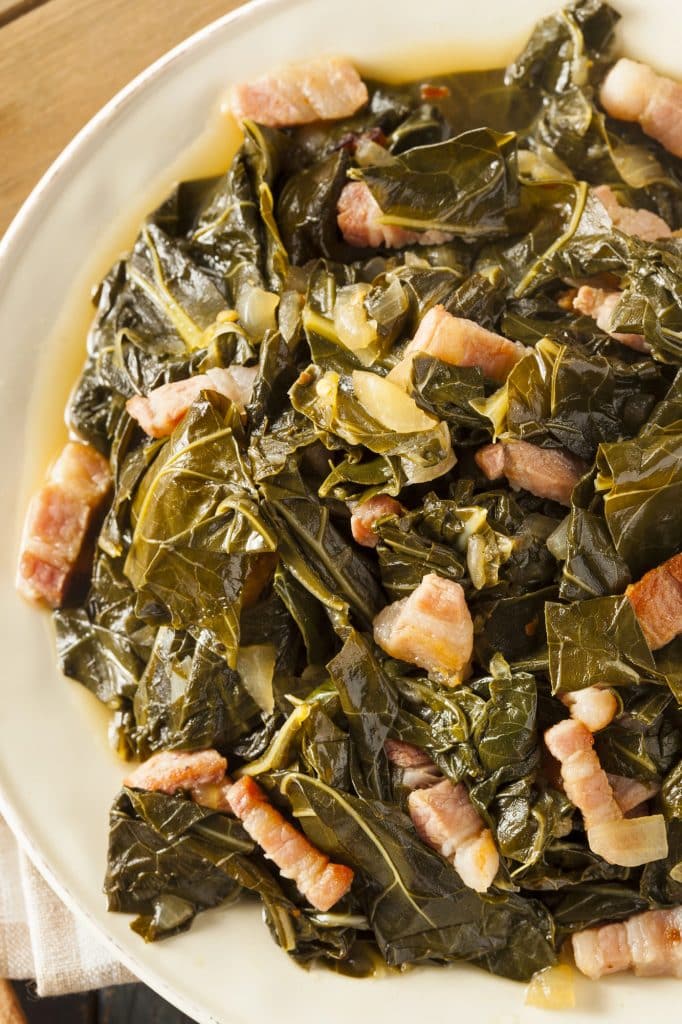
Collards are already the toughest green in the fridge, so a few extra days barely register. Sliced into ribbons and simmered slow with onion and a splash of vinegar, week-old leaves taste exactly like day-one leaves.
The big leaves also work as wraps instead of tortillas when I’m out of both bread and options. Roll-ups count as dinner in my house.
18. Strawberries
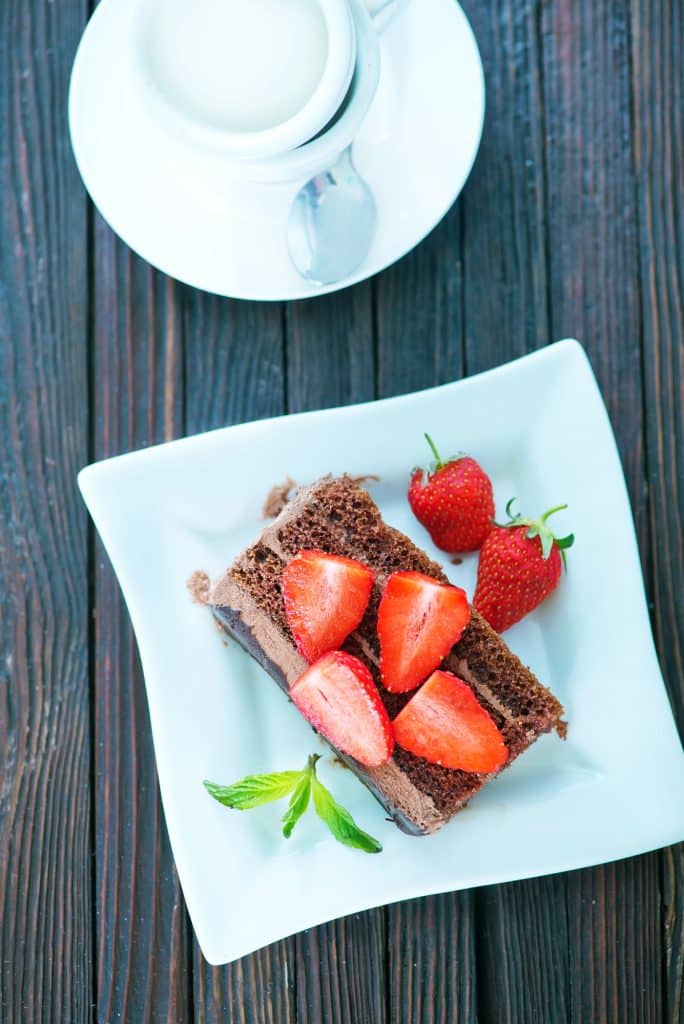
Mushy strawberries roast at moderate heat with a spoonful of sugar into a jammy spoonable sauce for yogurt, toast, and pancakes. Roasting concentrates everything the berries were losing.
Make it easier: Hull and freeze any batch you can’t deal with today. Frozen sad berries make better smoothies than fresh perfect ones.
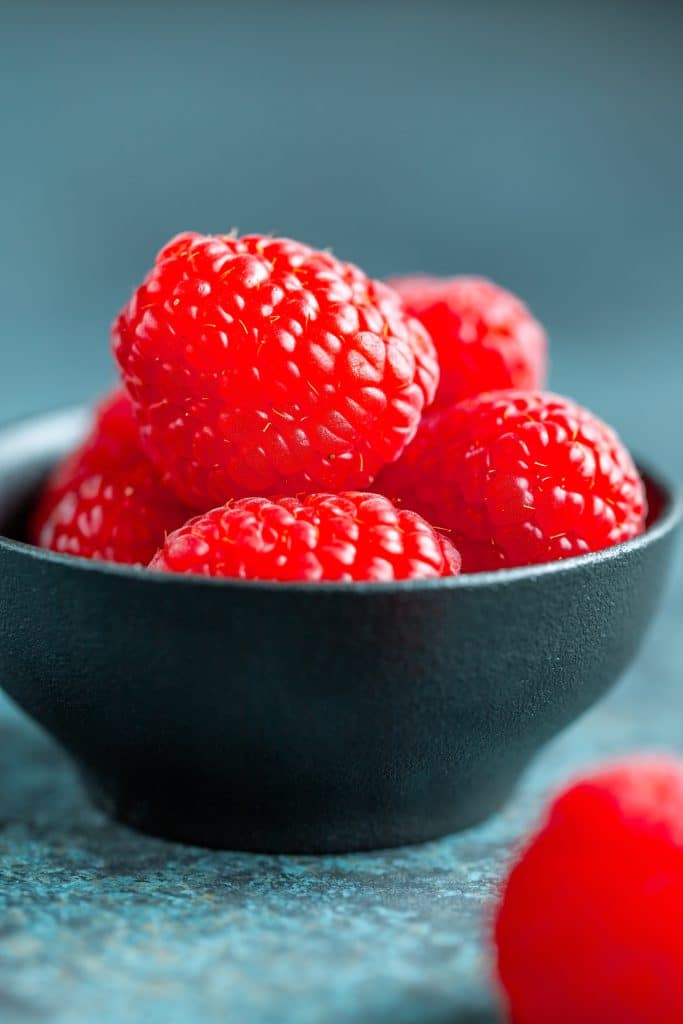
19. Raspberries
Raspberries have roughly a 36-hour window in my fridge before they turn on me. The soft ones get mashed with a little sugar and lemon into an instant refrigerator jam, no canning degree required.
What Everyone's Making
23 Plant Foods That Fill You Up for Hours (My Afternoon Slump Fix) →
It keeps about a week and disappears in three. Swirled into oatmeal, it beats anything from a jar.
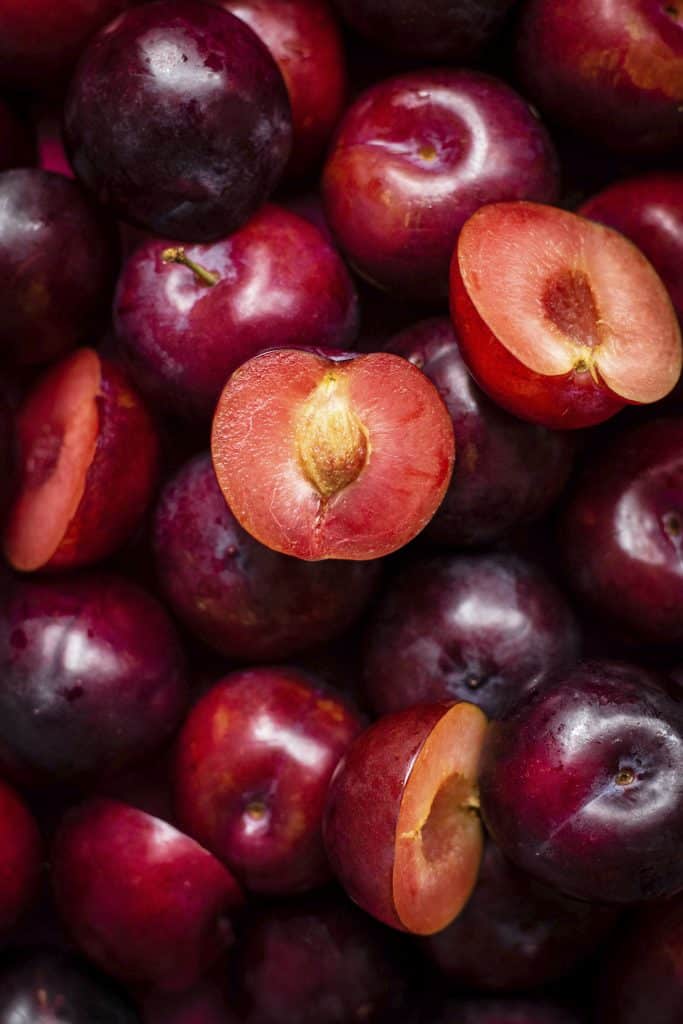
20. Plums
Wrinkly plums roast into a sweet-tart sauce that’s shockingly good over pork or vanilla ice cream, depending on the kind of night it is. Halve, pit, roast with a sprinkle of sugar, mash lightly.
Make it easier: Do apricots the exact same way when they go soft. Same rescue, different fruit, and the leftovers pack well for car trips.
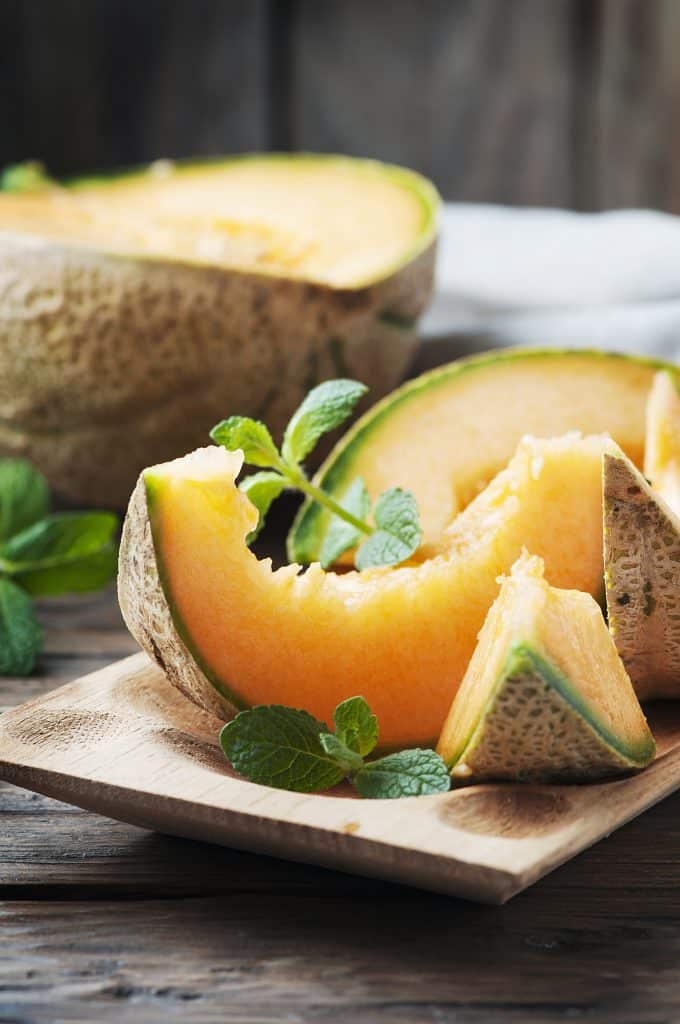
21. Cantaloupe
An overripe cantaloupe is too sweet to waste and too soft to serve, which makes it perfect for the blender. Blended with lime juice, a little water, and ice, it becomes a melon drink my kids request by name all summer.
Freeze the extra in popsicle molds and the rescue becomes dessert for days. Nobody mourns the fruit salad that never was.
Save One Thing This Week
I used to think food waste was a character flaw of mine. It turned out to be a skills gap, and skills can be learned one sad vegetable at a time.
Open your crisper drawer tonight and pick the item closest to the edge. There’s a decent chance its rescue is on this list, and most of them take under fifteen minutes.
This week I’m roasting a bag of strawberries that got buried behind the milk. By Friday it’ll be gone, and the guilt drawer will be a little lighter.