27 Vegetables I Finally Learned to Cook Right (After Years of Ruining Them)
I have ruined more vegetables than I care to admit. Gray green beans, mushy broccoli, brussels sprouts that smelled like a science experiment. My kids remember all of it, and they bring it up at dinner like it’s family folklore.
The turning point was realizing that most vegetables don’t need fancy technique. They need heat, fat, salt, and a person willing to stop boiling everything the way I did for a decade.
So here are 27 vegetables I finally figured out, roughly in order from the easy fixes to the ones that took me years. If I can un-ruin these, you can too.
1. Potatoes
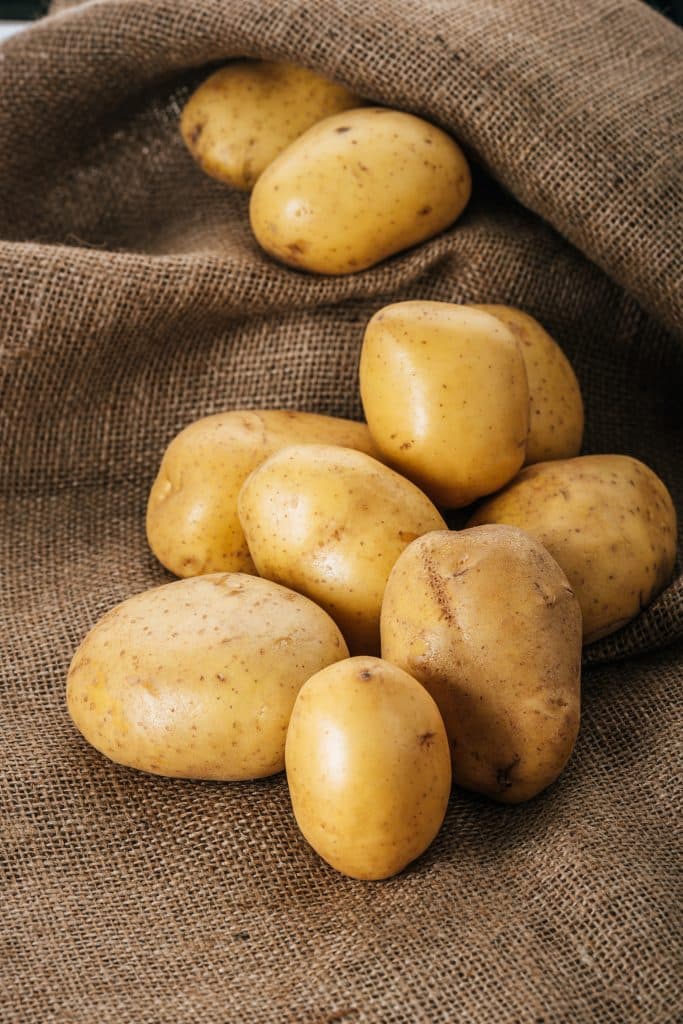
My mistake for years: crowding the pan so they steamed instead of crisped. Potatoes want space and patience, and they punish you for flipping them too early.
How I use it: I par-boil chunks for ten minutes, rough them up in the colander, then roast them hot until the edges shatter.
2. Carrots
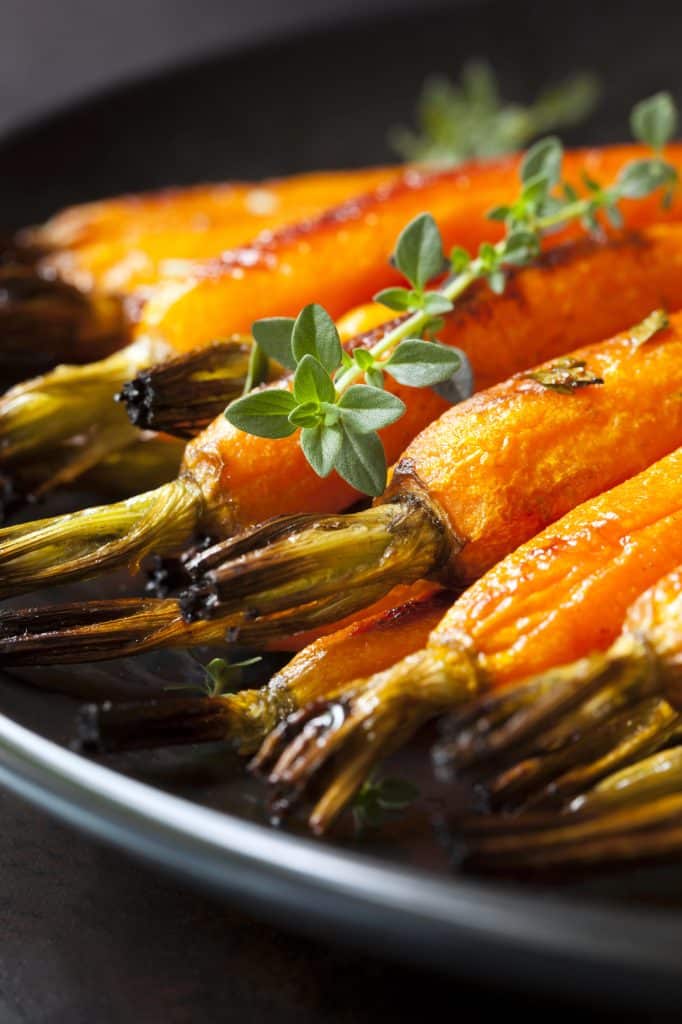
Boiled carrots were the sad orange coins of my childhood, and I kept the tradition alive way too long. Roasting them whole changed everything in my house.
They go sweet and almost candy-like at high heat with butter. My youngest, who claims to hate cooked carrots, eats these off the sheet pan before they hit the table.
3. Green Beans
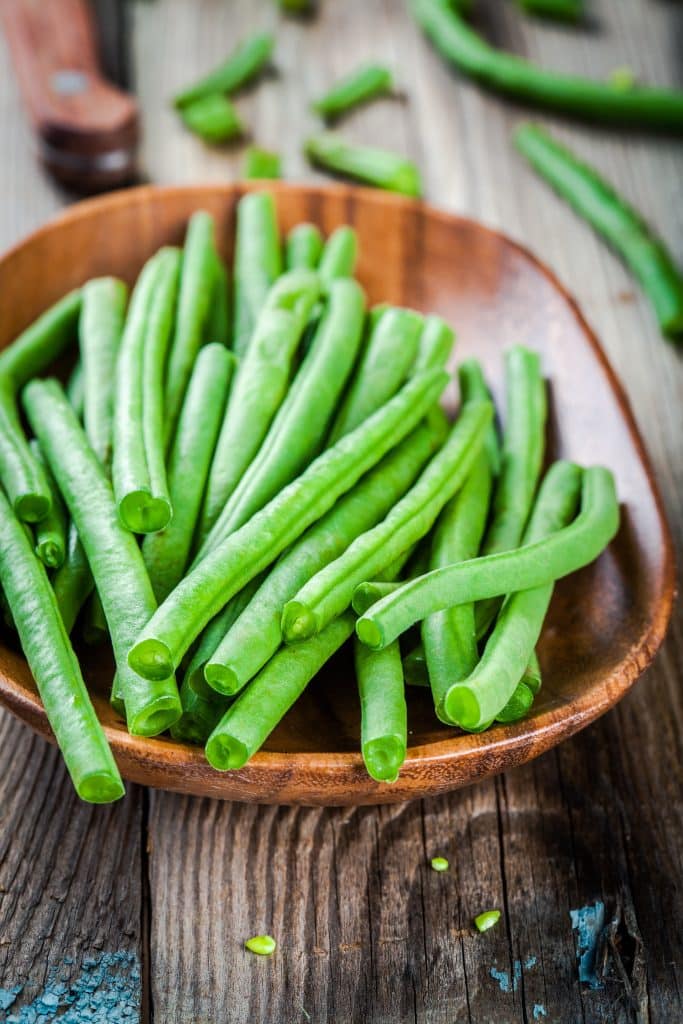
The gray, squeaky green beans of my past haunt me. The fix was embarrassingly simple: stop boiling them into surrender.
How I use it: I blister them in a hot skillet with a little oil until they char in spots, then finish with garlic and a splash of water to steam them tender.
4. Corn
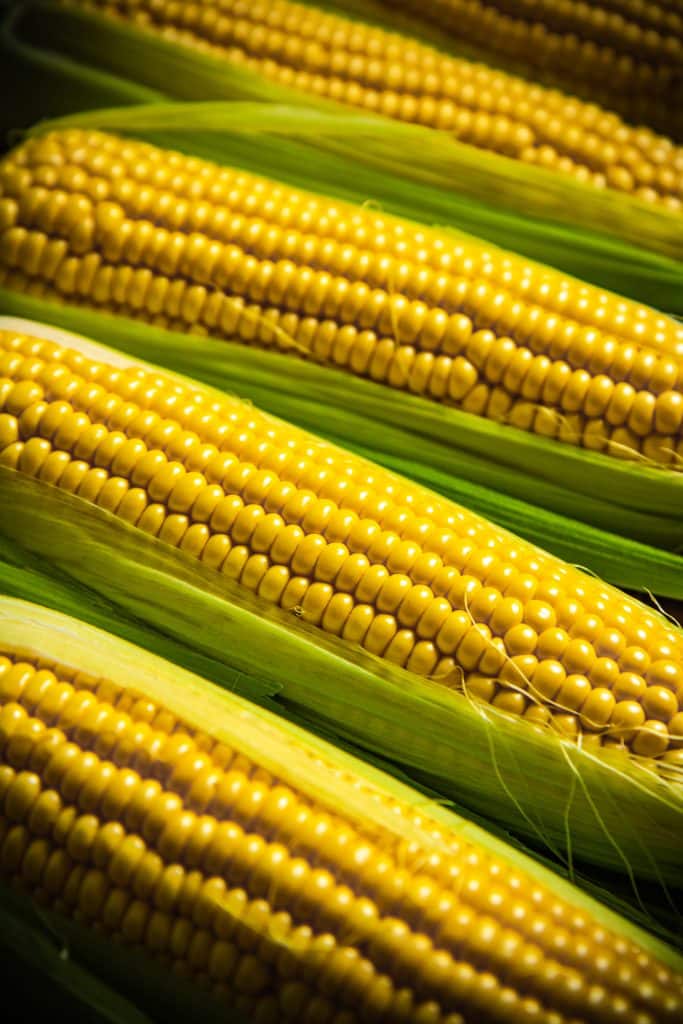
I used to boil corn for twenty minutes because that’s what my mom did, and her mom before her. Turns out fresh corn needs about four.
Even better, cut it off the cob and sear it in a dry pan until some kernels brown. That toasty corn goes in everything from tacos to salads at my house.
5. Onions
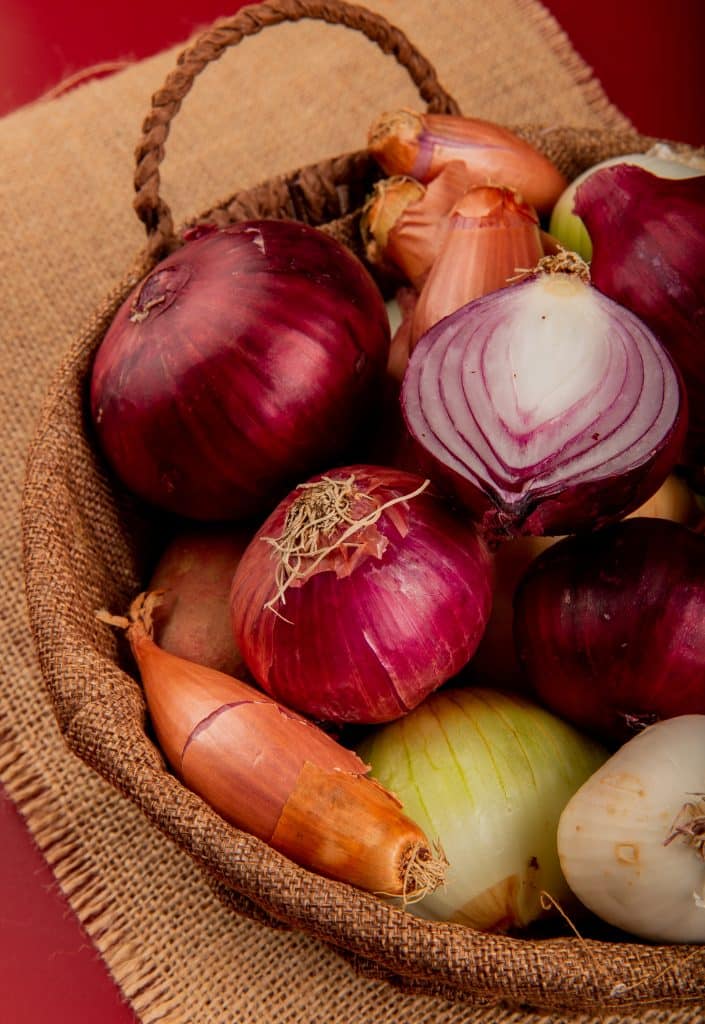
For years I “caramelized” onions in eight minutes, which is to say I burned them and called it flavor. Real caramelized onions take closer to forty, and no shortcut I’ve tried gets around it.
How I use it: I do a huge batch on a slow Sunday and freeze them flat in resealable plastic bags, breaking off chunks all month.
6. Celery
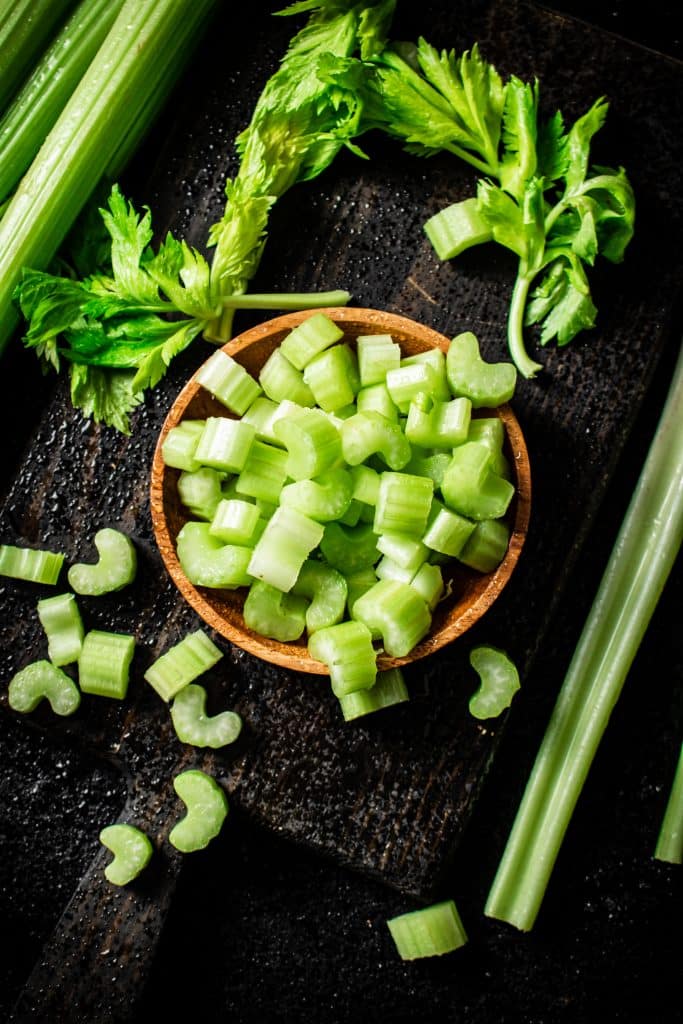
Celery spent most of my adult life as a raw stick nobody wanted. Then I started actually cooking it, low and slow in butter as a base for soups, and realized it’s the flavor backbone I’d been skipping.
Braised celery on its own is also weirdly good. Trust me on this one.
7. Broccoli
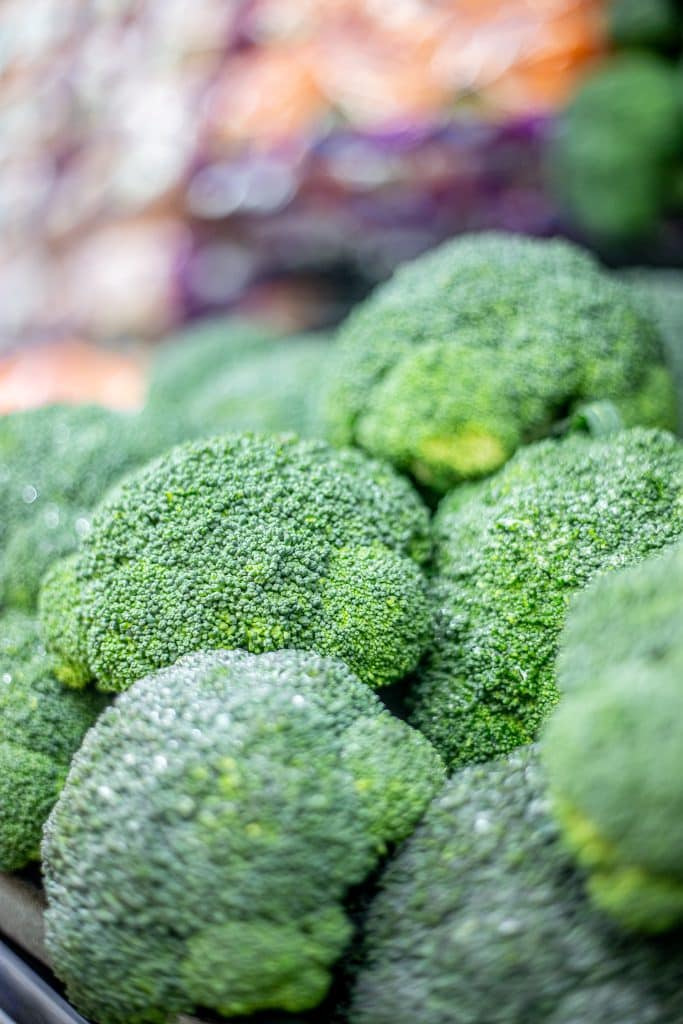
Steamed-to-death broccoli was my signature dish for an entire era of my marriage. My husband ate it without complaint, which honestly enabled me.
How I use it: I roast florets at high heat until the tips crisp and brown, and suddenly it’s the vegetable my kids fight over. It also hides beautifully in the dinners where I sneak plants past my picky eaters.
8. Cauliflower
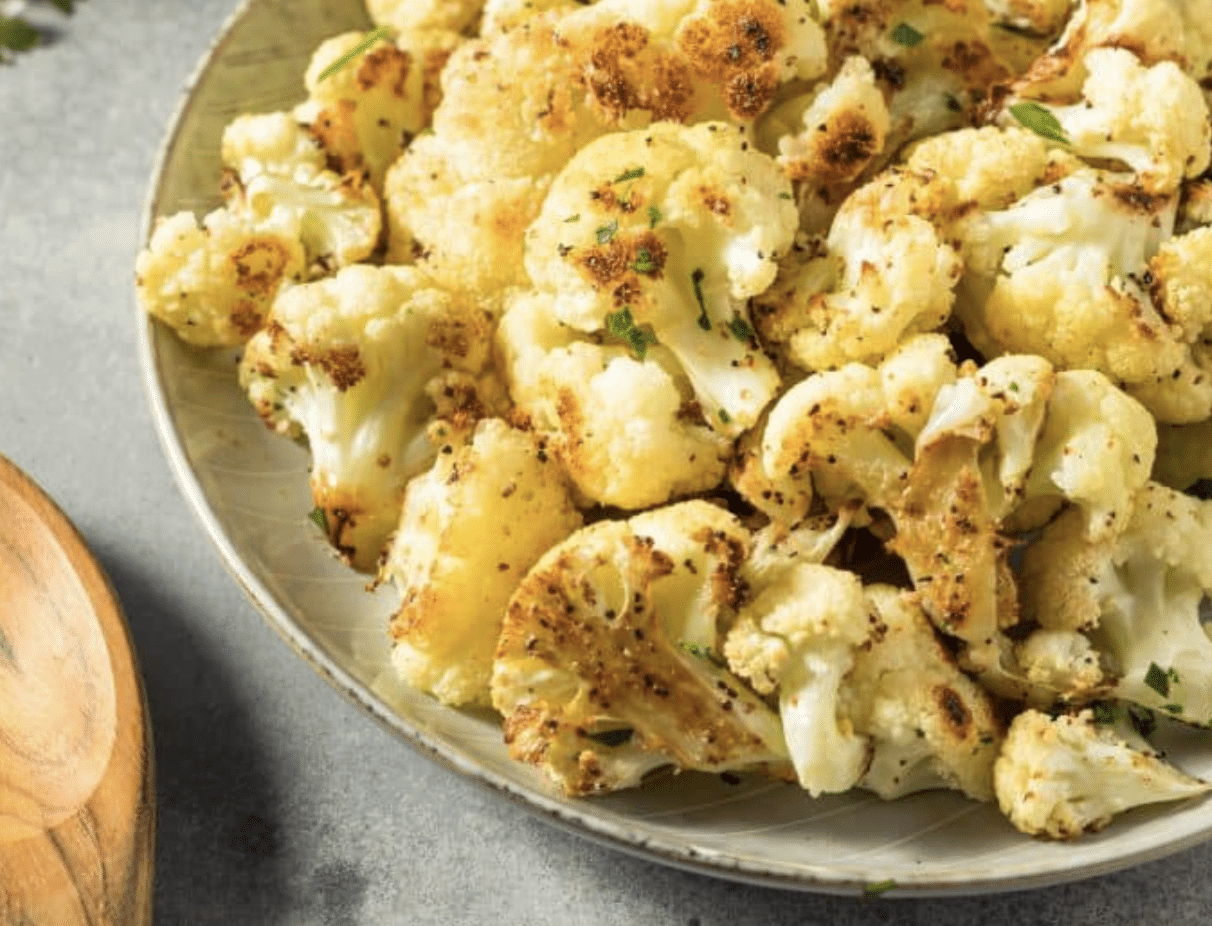
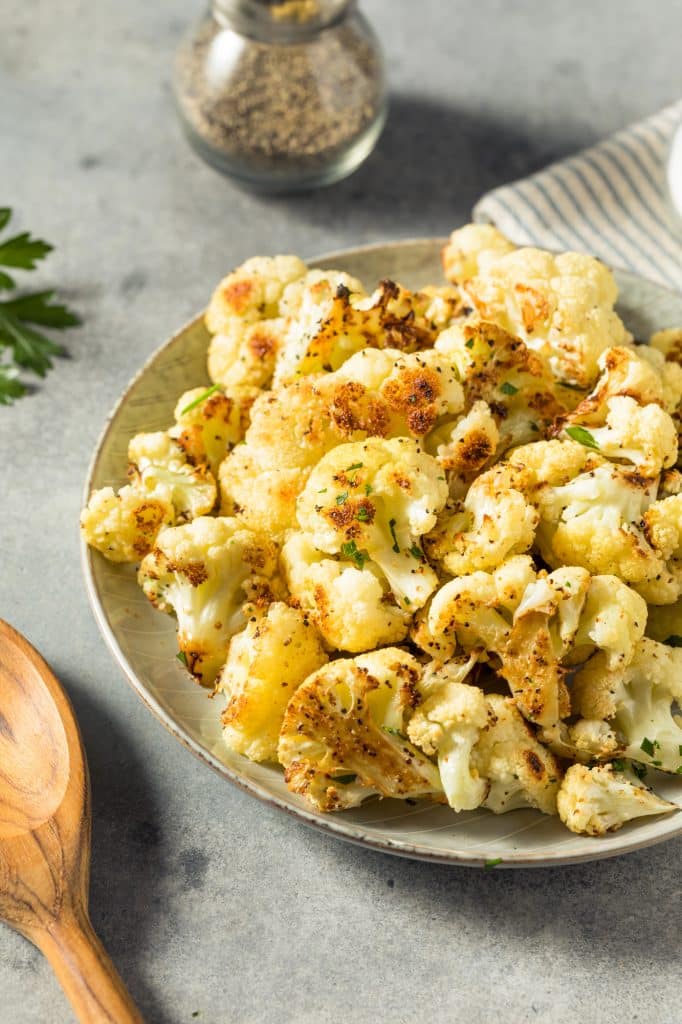
Boiled cauliflower smells like regret, and I made my whole house smell like it more than once. Roasting fixes the smell and the flavor at the same time.
Cut it into flat slabs so more surface touches the pan. The browned side is the whole point.
9. Cabbage
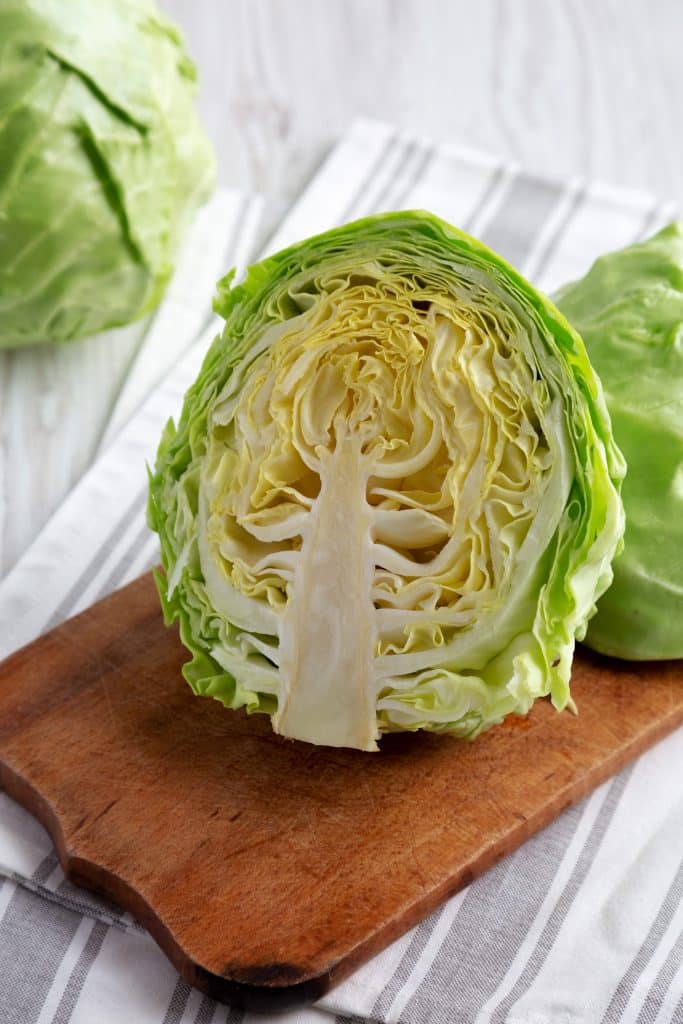
Cabbage is one of the cheapest things in my grocery cart, and for years I treated it like filler. Then I roasted thick wedges until the edges went dark and crackly.
How I use it: Wedges, oil, salt, screaming hot oven, and a squeeze of lemon at the end. It tastes nothing like the boiled stuff I grew up dodging.
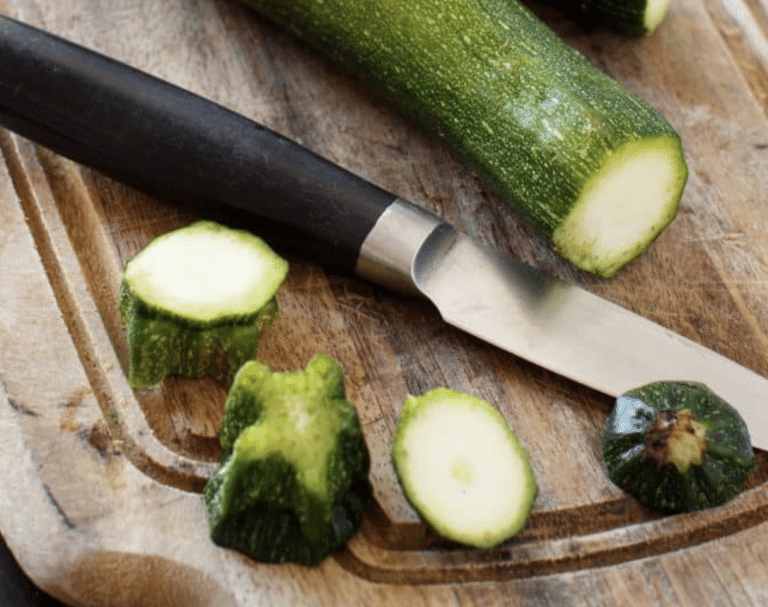
10. Zucchini
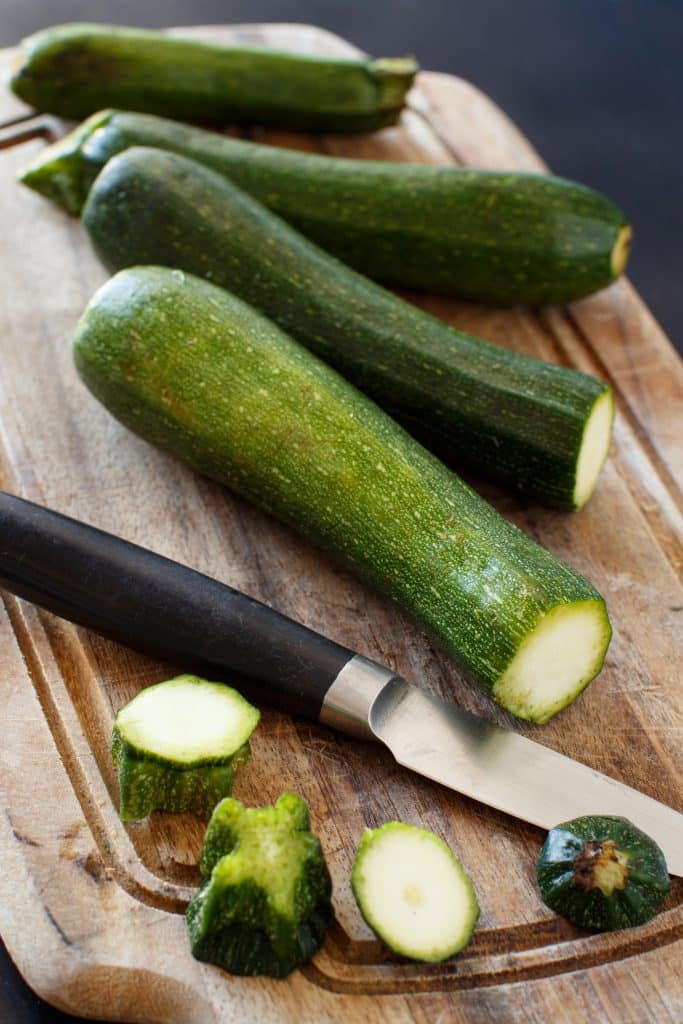
Zucchini’s crime is water, and I spent years serving it soggy. Salting the slices and letting them sit for fifteen minutes pulls out most of the problem.
Pat them dry, sear them hard, and don’t stir constantly. My oldest still gives zucchini side-eye, but the crispy version at least gets eaten.
From My Kitchen
25 Vegetables That Make the Best One-Pan Dinners in My House →
"Weeknight-tested, more times than I can count."
11. Bell Peppers
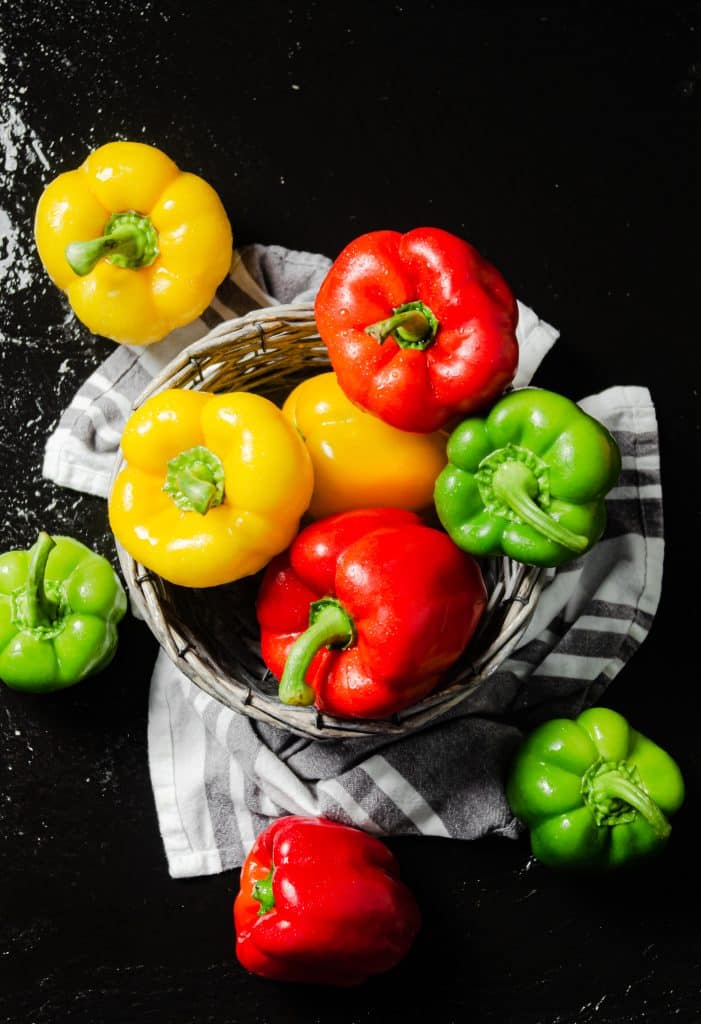
Undercooked pepper strips in a stir-fry are fine. But peppers cooked until they slump and sweeten are a completely different vegetable, and I didn’t learn that until embarrassingly recently.
How I use it: I char them under the broiler until the skins blister, steam them in a covered bowl, then peel. Worth the mess every time.
12. Mushrooms
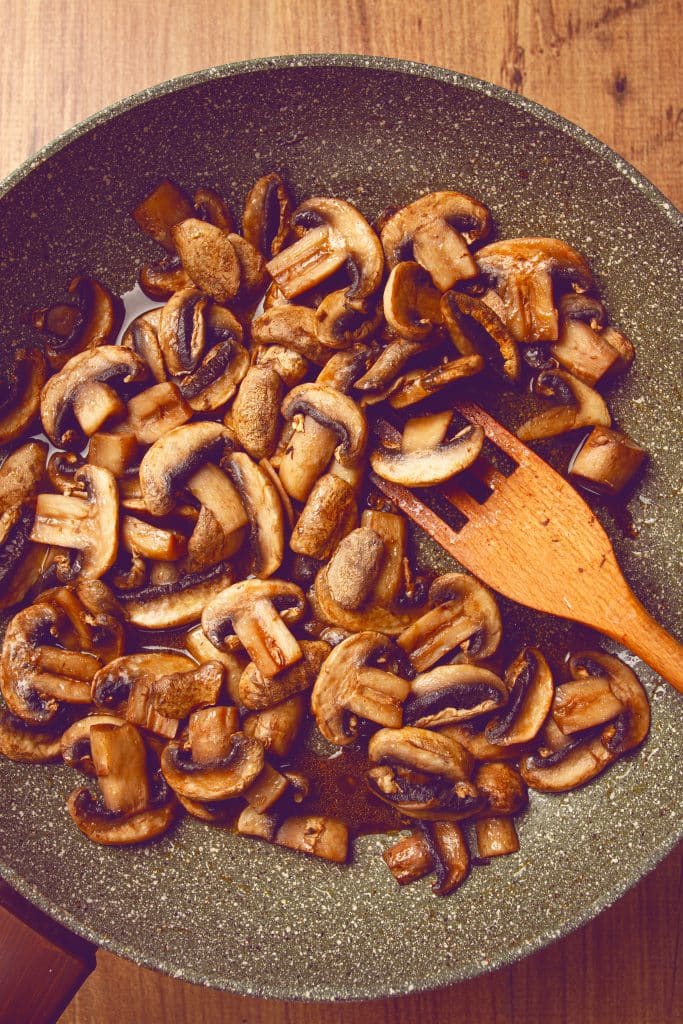
Every rule I followed about mushrooms was wrong. Don’t crowd them, don’t salt them early, don’t wash them: I did all three and got pale rubbery buttons for years.
Here’s my heresy: crowd the pan anyway, let the water cook off, then keep going until they brown in their own time. Butter at the end, not the beginning. I believe in butter, but it burns if you rush it.
13. Spinach
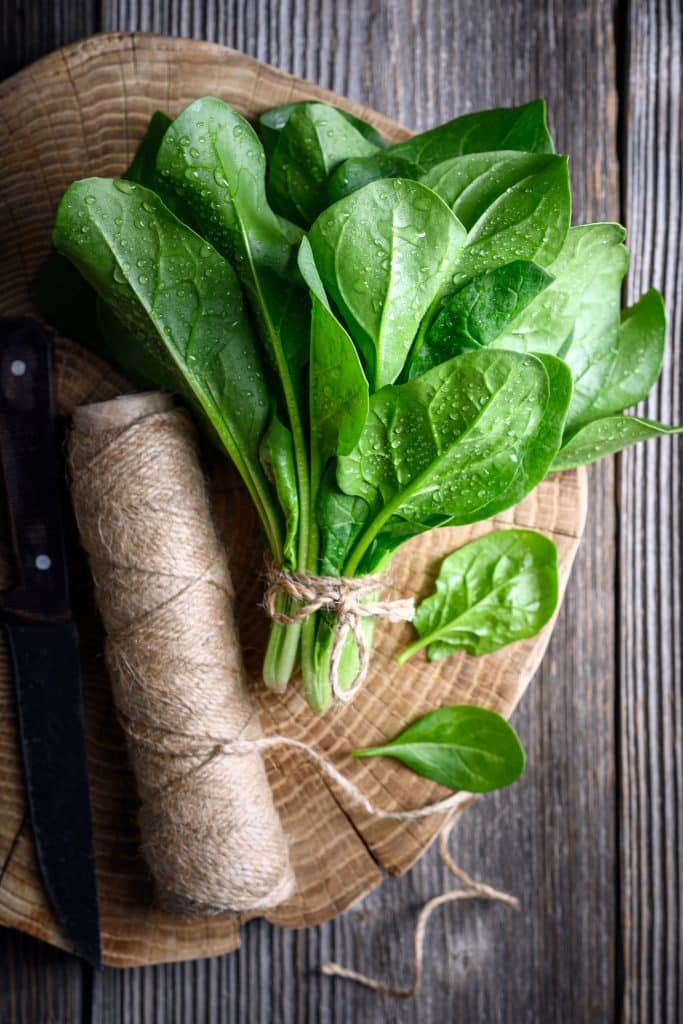
The lesson with spinach was portion math. A mountain of leaves becomes three sad tablespoons, and I under-bought for years.
How I use it: I wilt a whole bag into garlic and oil for thirty seconds, no more, and squeeze out the liquid before it goes anywhere near a plate.
14. Sweet Potatoes
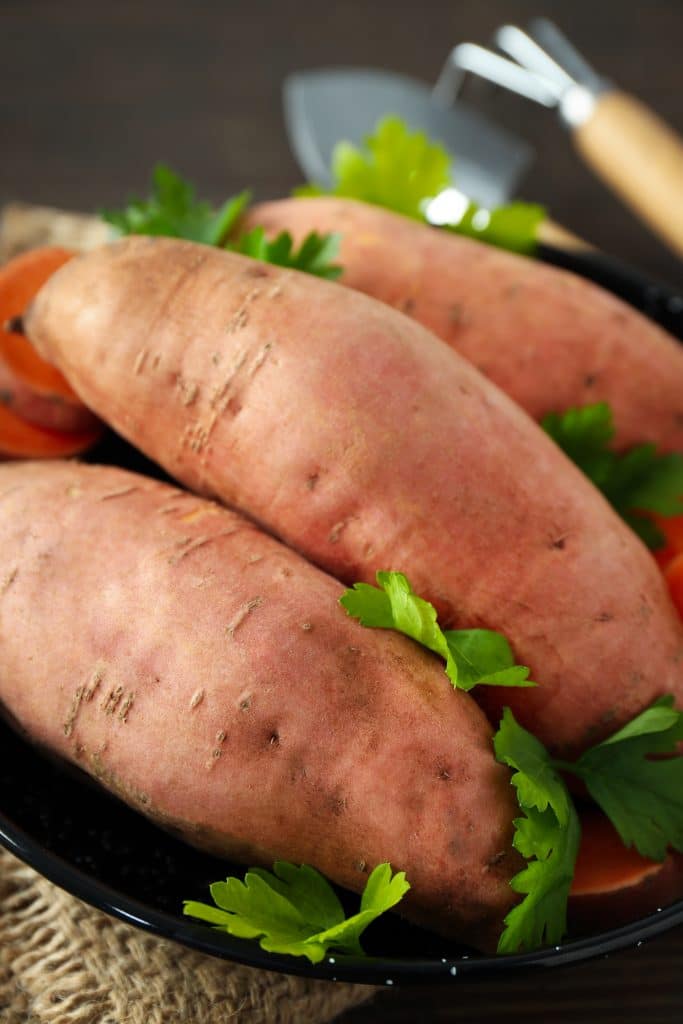
My sweet potato fries were floppy for a solid decade. I finally accepted that they will never be as crisp as regular fries, and the trying was ruining them.
Now I roast them in thick wedges and let them be soft and caramelized instead of pretending they’re something else. Whole roasted until they collapse is even better, and it’s one of my go-tos from the dairy-free dinners my kids actually accept.
15. Beets
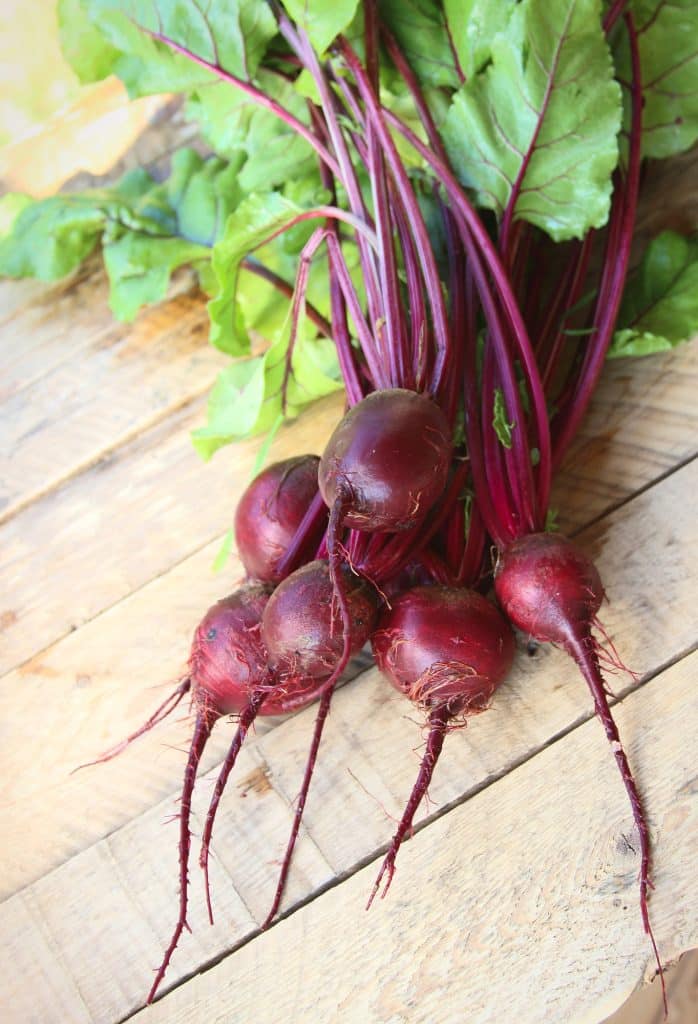
Beets ruined a cutting board, a dish towel, and one white shirt before I learned to roast them whole in foil and slip the skins off after. No peeling raw beets, ever again.
How I use it: Roasted, cubed, and tossed with a little vinegar while still warm so they drink it in.
You'll Want This Too
16. Turnips
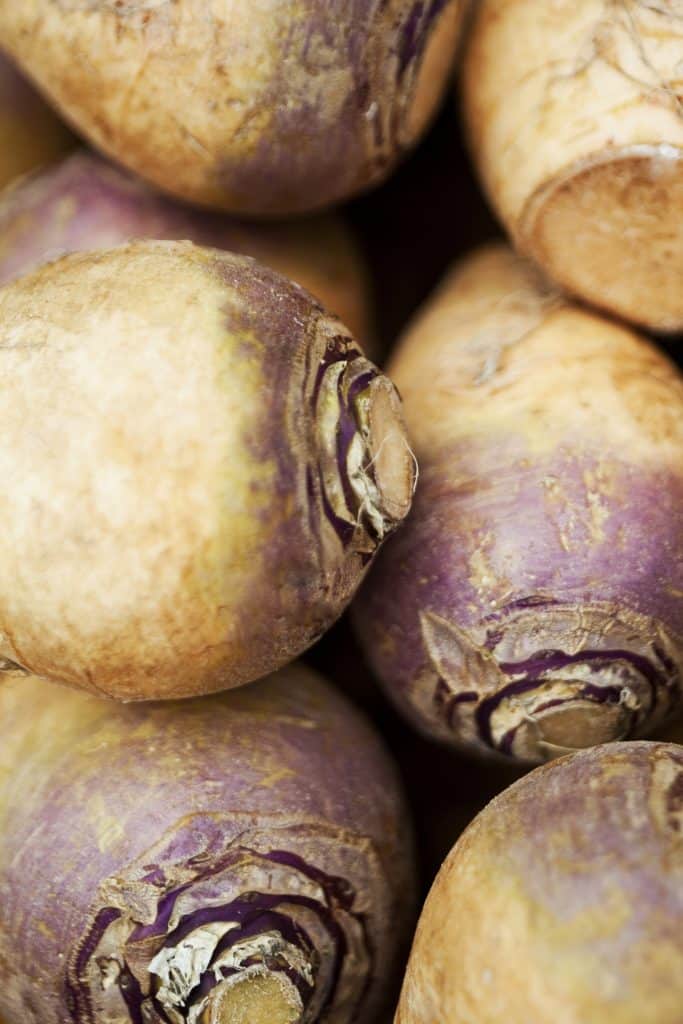
My first turnip attempt was a bitter mash nobody finished, including me. The trick I learned later: smaller turnips are sweeter, and browning tames the bite.
Cubed and pan-fried in butter with a pinch of sugar, they pass for fancy at my table. Nobody has to know they cost almost nothing.
17. Parsnips
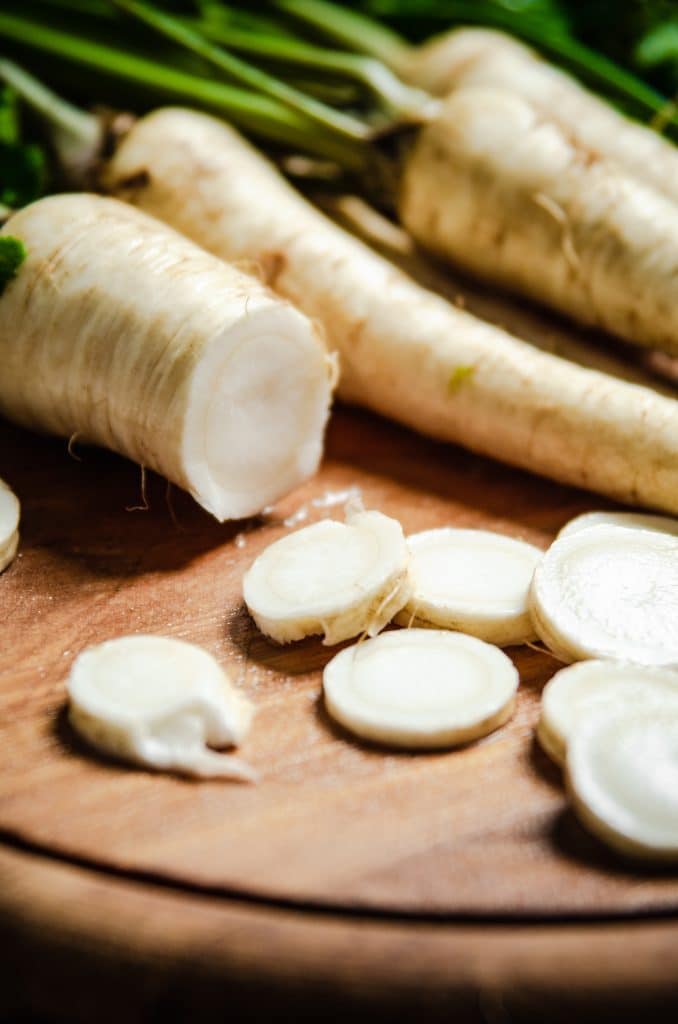
I treated parsnips like pale carrots and got woody, stringy results. The core of a big parsnip is the problem, so now I cut it out like an apple core.
How I use it: Roasted alongside carrots with honey and thyme, where their sweetness finally makes sense.
18. Radishes
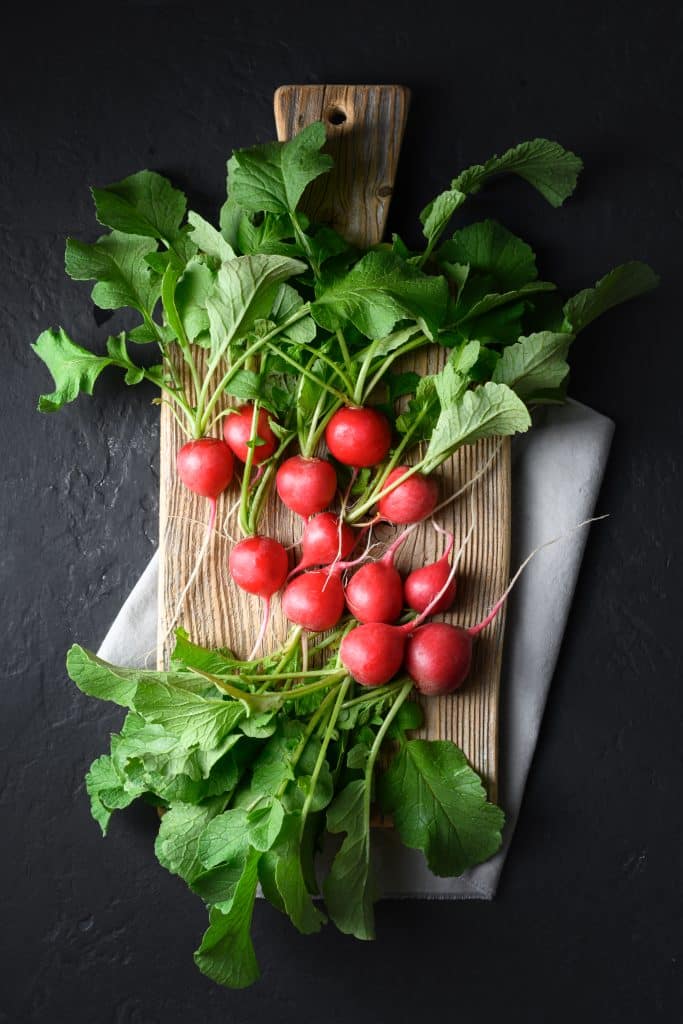
It never occurred to me to cook a radish. Then one week I had a half bag going soft and threw them in a skillet with butter out of stubbornness.
Cooked radishes lose their pepper and turn mild and juicy, almost like tiny turnips. My kids ate them without asking what they were, which is the highest honor a vegetable can receive here.
19. Kale
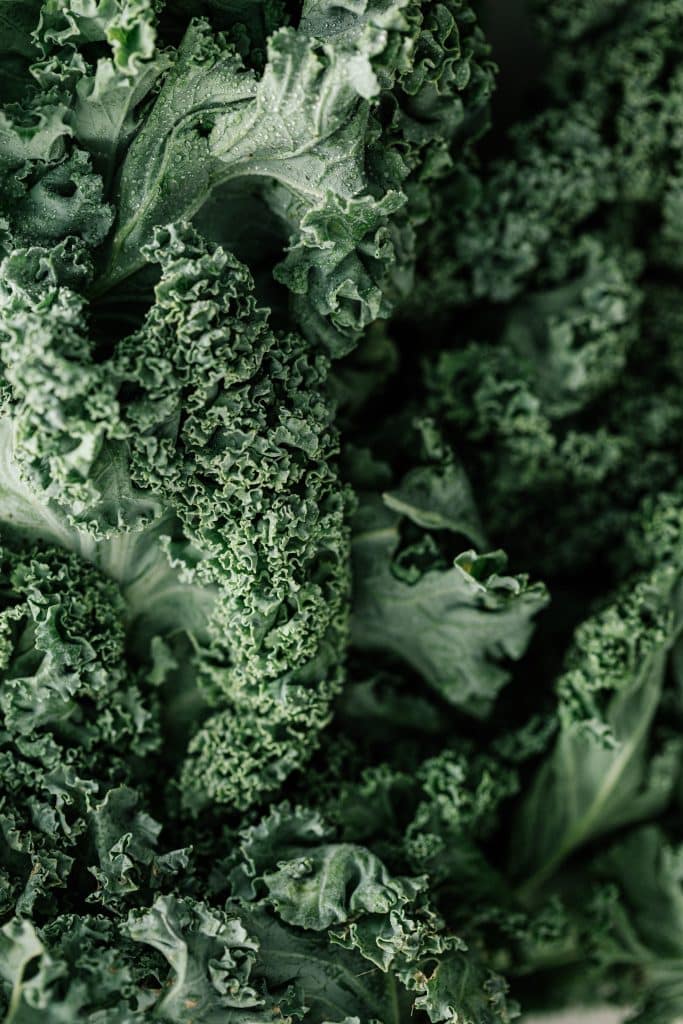
Honest moment: I don’t love kale chips, and I’ve stopped pretending. Every batch I’ve made was either bitter dust or a soggy disappointment, and my family agrees.
Where kale earns its spot in my kitchen is braised low with garlic and broth until it goes silky, or massaged with oil and salt for a salad that doesn’t fight back. Chips, I leave to braver moms.
20. Swiss Chard
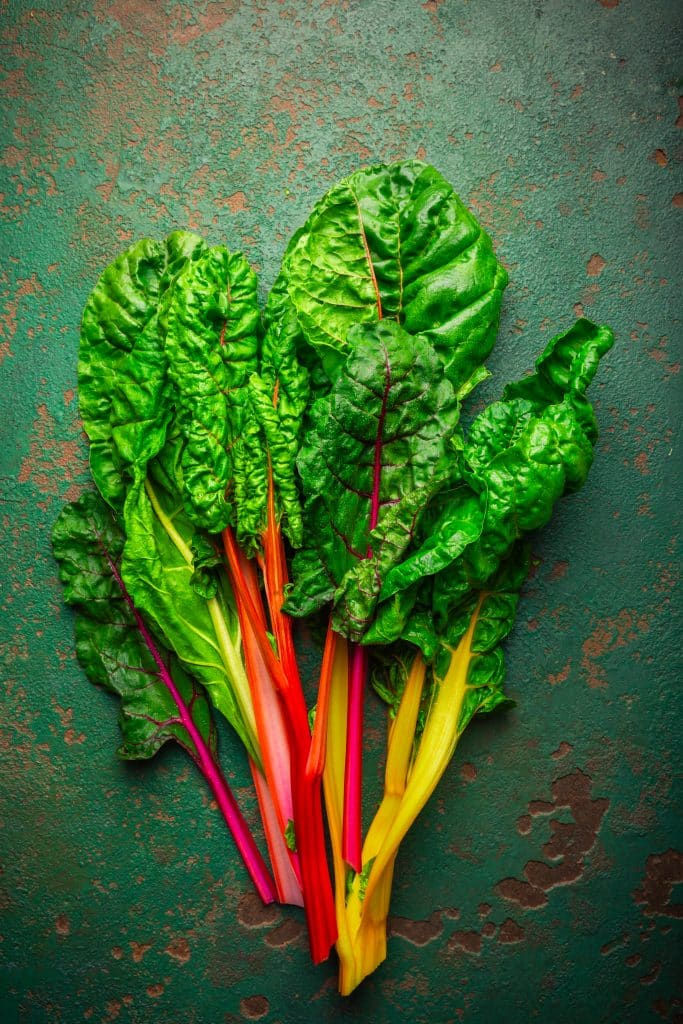
My chard mistake was cooking stems and leaves together, which gives you crunchy stems or slimy leaves, never both right. They’re two vegetables in one bunch.
Go Deeper
Starting Plant-Based Without Starting a Family Rebellion: My Gentle-Ramp Guide →
"No overhaul, just one swap at a time."
How I use it: Stems go in the pan first with the garlic, leaves join five minutes later. A splash of vinegar at the end wakes the whole thing up.
21. Brussels Sprouts
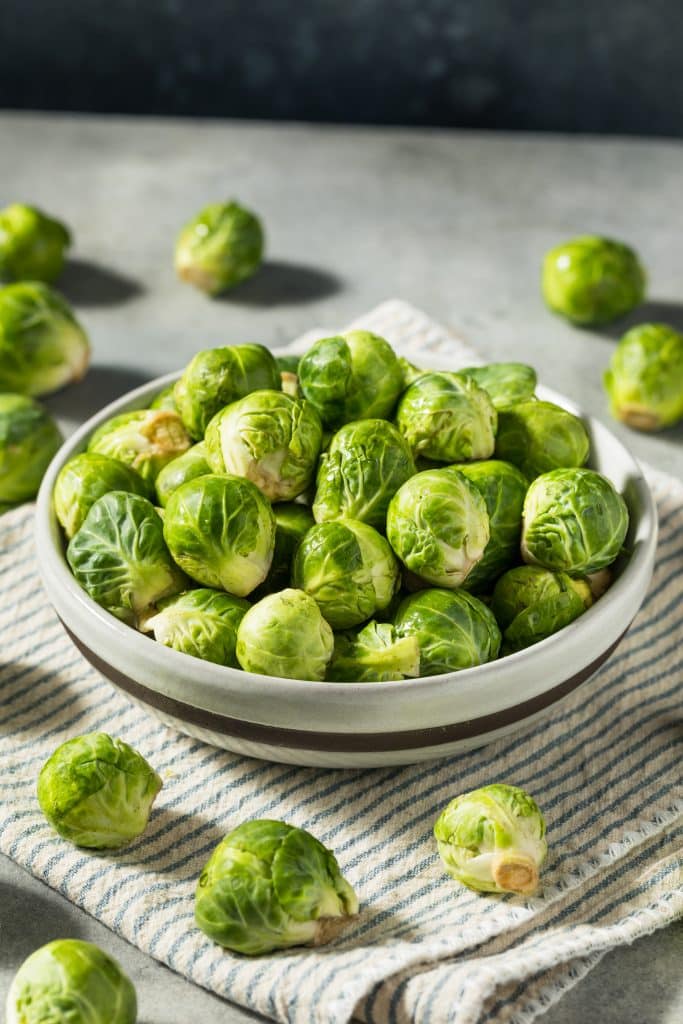
Boiled sprouts made my childhood kitchen smell like a locker room, and I carried that grudge for thirty years. Roasting them cut-side down until they’re nearly burnt was the apology I owed them.
The crispy loose leaves that fall off on the pan are the cook’s tax. I eat those standing at the oven, every single time.
22. Asparagus
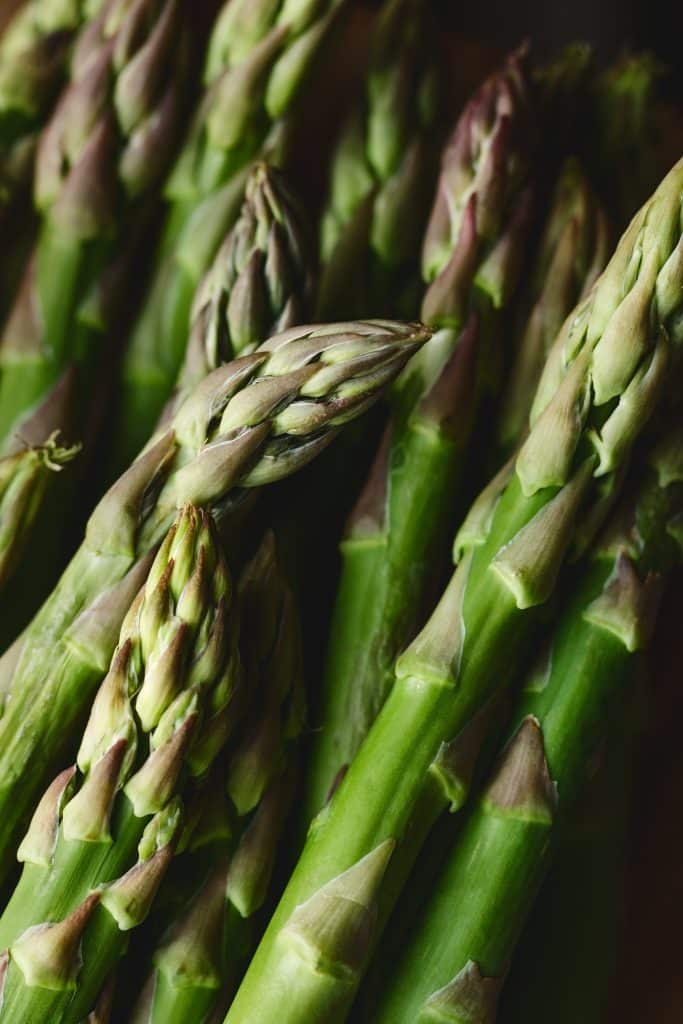
Asparagus goes from perfect to army-green mush in about ninety seconds, and I found the wrong side of that line often. Thick spears also cook completely differently than skinny ones, which nobody told me.
How I use it: Hot skillet, four minutes, pull it while it still has a little snap. It keeps cooking on the plate whether you like it or not.
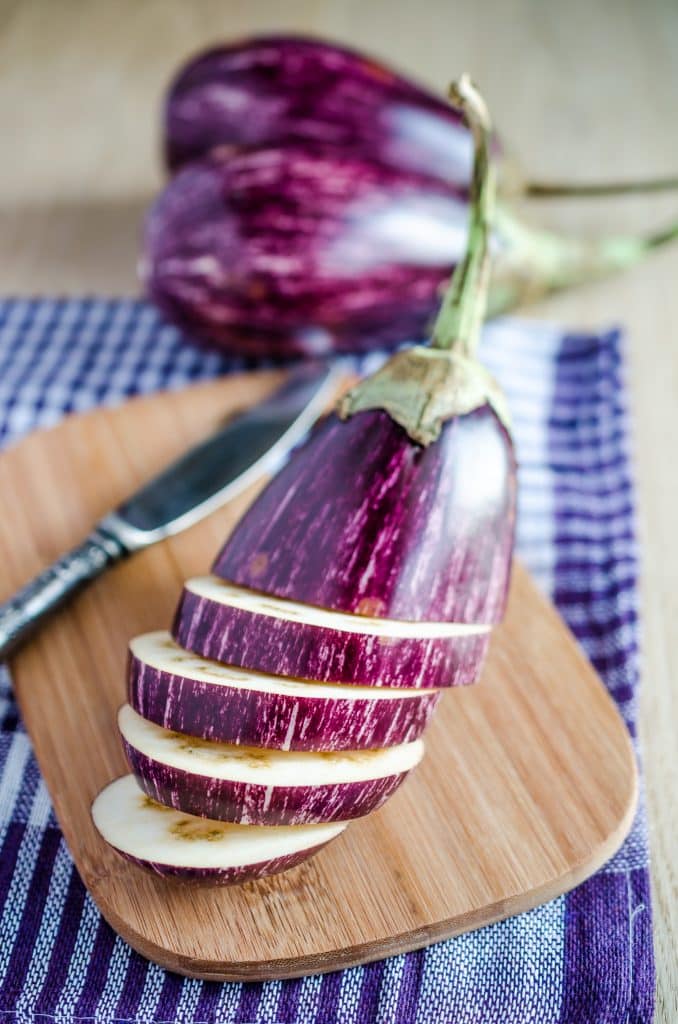
23. Eggplant
Eggplant drinks oil like it has a grudge against your grocery budget. I kept adding more oil to fix the dryness, which is exactly backwards.
Roasting slices dry-ish at high heat, or steaming cubes before a quick sear, gets that custardy middle without the grease. It took me more failed trays than I’ll admit publicly.
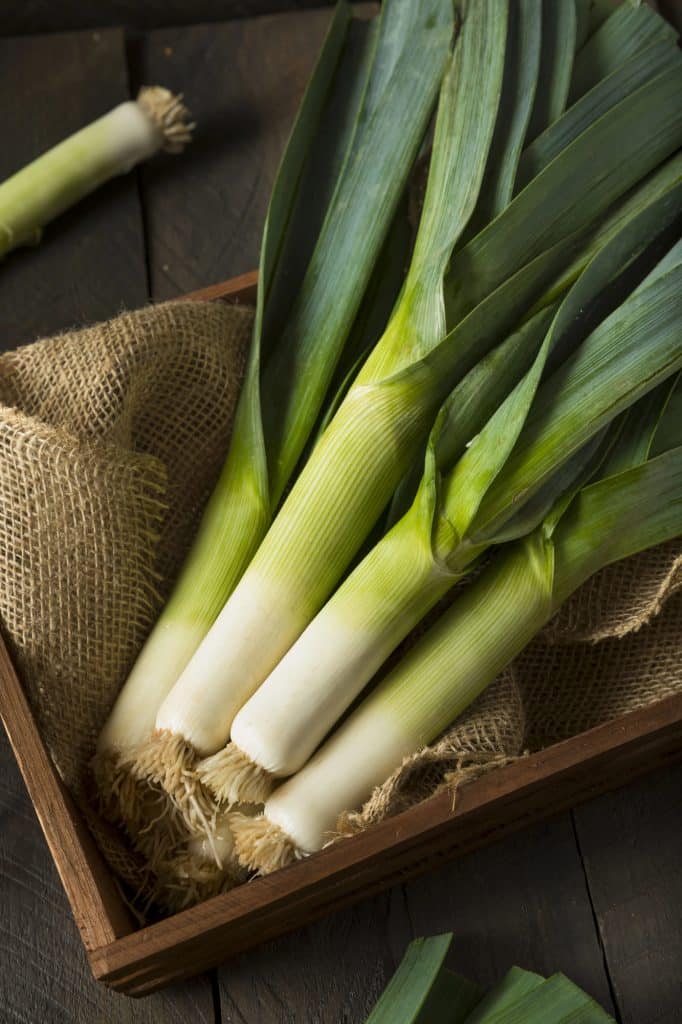
24. Leeks
My first leek dish crunched, because leeks hide sand between every layer and I hadn’t washed them properly. Slice first, then dunk the rings in a bowl of water so the grit sinks.
What Everyone's Making
23 Produce Staples I Buy Every Week Without Even Checking the List →
How I use it: Melted slowly in butter until they nearly disappear, then stirred into eggs, potatoes, or any soup that needs a hug.
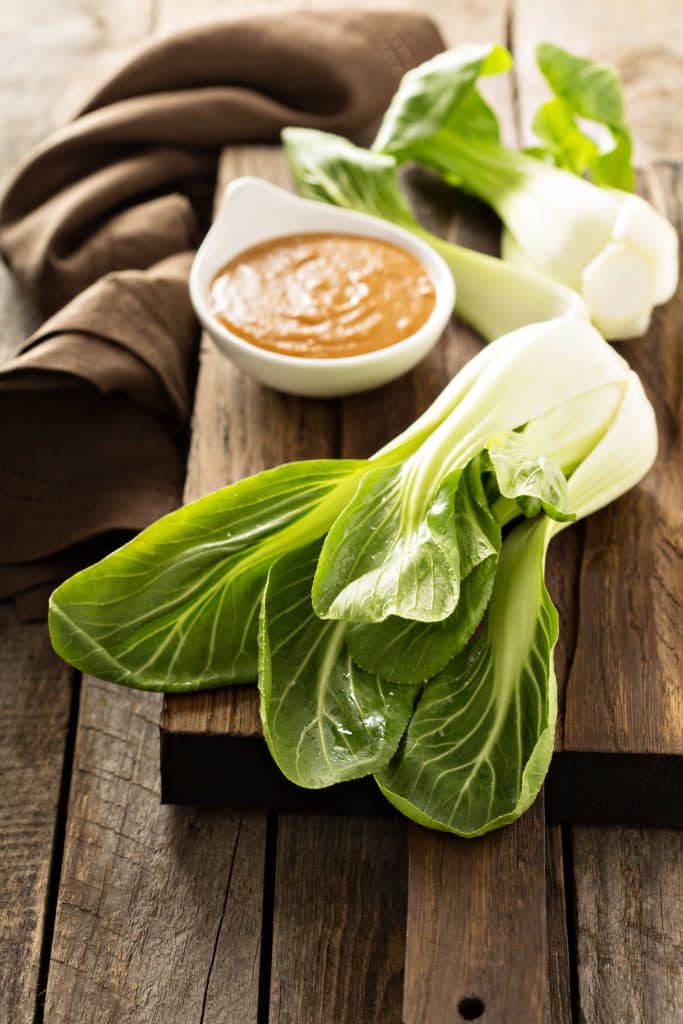
25. Bok Choy
I overcooked bok choy into green soup more than once before learning it wants heat measured in seconds, not minutes. The stems stay crisp, the leaves barely wilt, done.
Halved and seared cut-side down with a splash of soy sauce and garlic, it’s a two-minute side. On the nights when dinner is falling apart, this is one of the little time-savers that keep me sane.
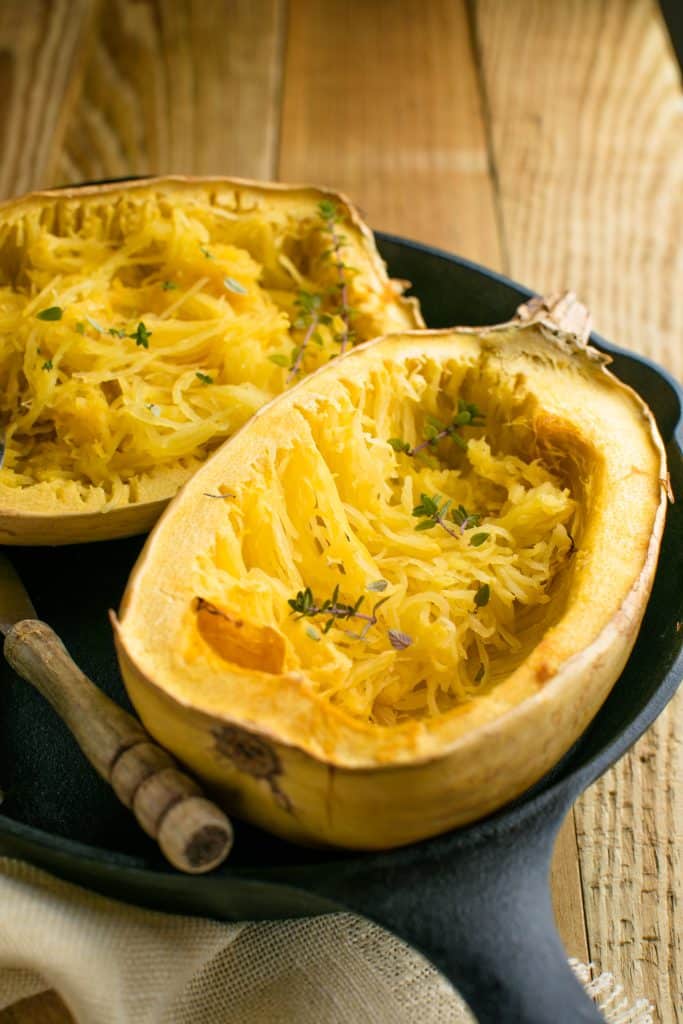
26. Spaghetti Squash
Let me be honest with you: spaghetti squash is not pasta, and telling my kids it was set us back a year. Watery strands under red sauce fooled no one at my table.
Roasted cut-side down and then treated like squash, with butter, salt, and maybe parmesan, it’s genuinely good. The ruining wasn’t the cooking, it was the marketing.
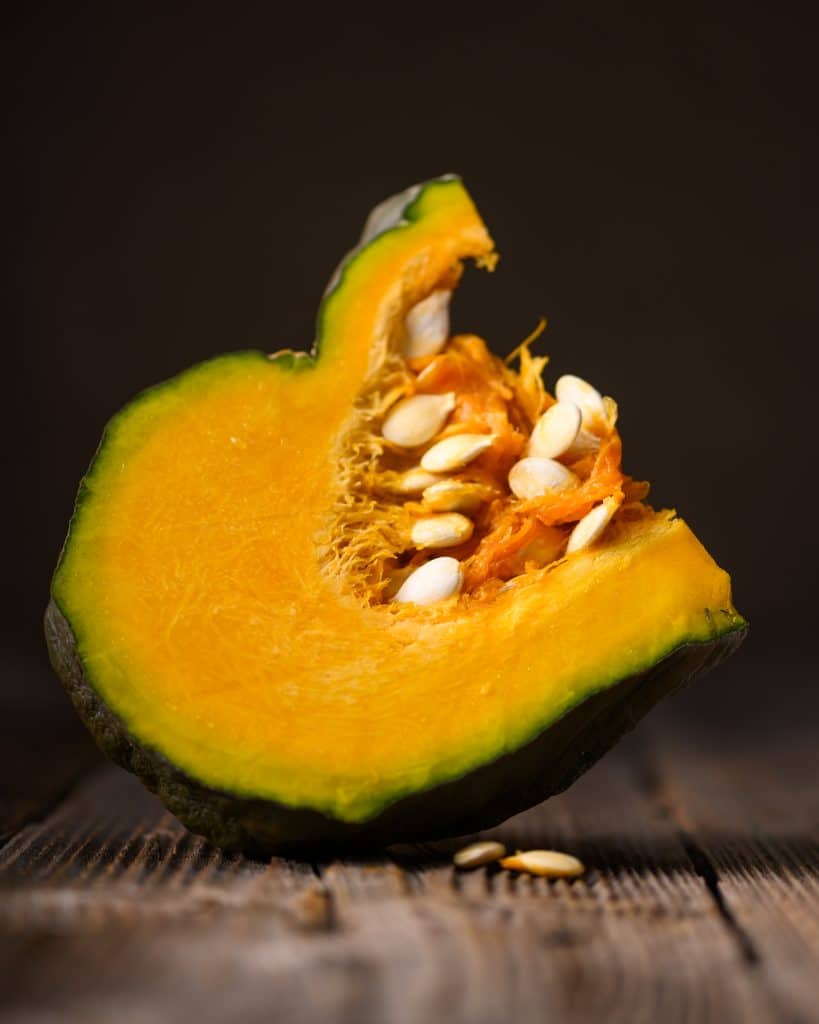
27. Acorn Squash
Acorn squash defeated me physically before it ever defeated me in flavor. I nearly lost a knuckle trying to peel one before learning you don’t peel it at all.
How I use it: Halved, seeded, roasted with butter and brown sugar in the well, eaten with a spoon straight from the skin. The skin itself softens enough to eat if it’s roasted long enough.
From my kitchen: almost every vegetable on this list gets the same treatment now. High heat, real fat, enough salt, and more browning than feels polite. When in doubt, roast it hotter and longer than the recipe says, and pull it when it looks almost too dark.
Start With the One You Hate
If there’s a vegetable on this list you swore off years ago, I’d bet money it was cooked wrong, not grown wrong. Mine was brussels sprouts, and now I make them weekly on purpose.
Pick the one you hate most and give it one more chance with real heat and butter. This week at my house it’s cabbage wedges again, because a whole head cost less than my coffee and feeds all of us twice.
And if it still flops, welcome to the club. I ruined these for years before I got them right, and dinner still happened every night.