25 Vegetables That Make the Best One-Pan Dinners in My House
One pan, one night, minimal cleanup. That’s the entire bar I’m clearing on a weeknight, and these are the 25 vegetables that clear it with me most often.
I’ve ordered this list the way I actually load a sheet pan or a skillet: the slow, hearty vegetables that need time in the oven first, then the ones that only need a few minutes at the end so they don’t turn to mush. If you’ve ever pulled a pan out and found half the vegetables perfect and the other half either raw or blown out, this order is basically the fix.
1. Acorn Squash
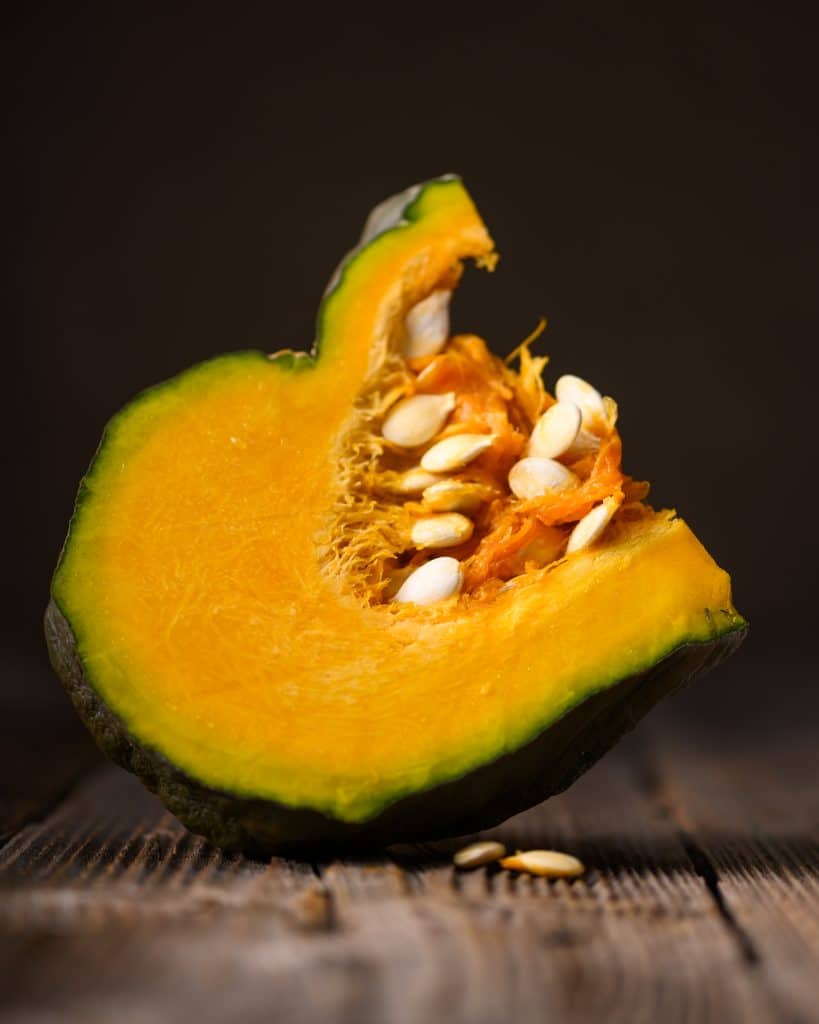
Acorn squash goes in first because it needs the most time and the highest heat to get properly soft in the center. I cut it into wedges rather than trying to peel it raw, which is a fight I stopped having with myself years ago.
Make it easier: microwave the whole squash for two minutes before cutting. It softens the skin just enough to make slicing safer.
2. Butternut Squash
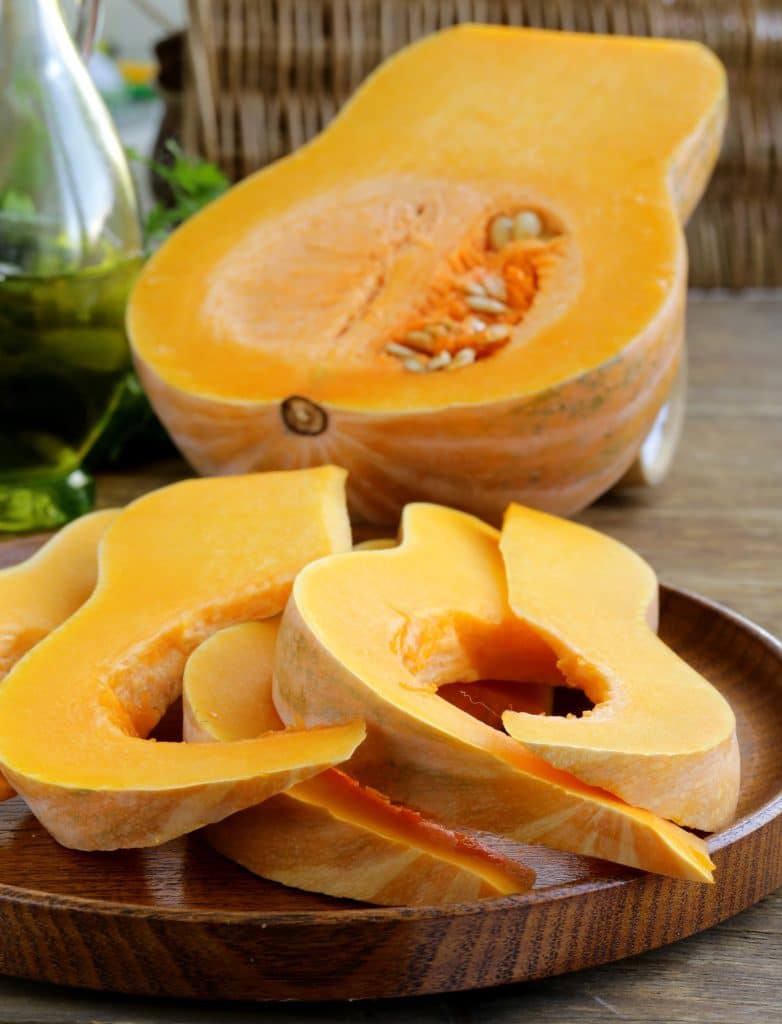
Butternut squash is the vegetable I lean on most for a fall one-pan dinner because it holds up to sausage or chicken without falling apart. Pre-cubed frozen bags save me the peeling entirely on a busy night.
Make it easier: frozen cubed squash goes straight from the freezer to the pan. No need to thaw it first, just add a few extra minutes to the roast time.
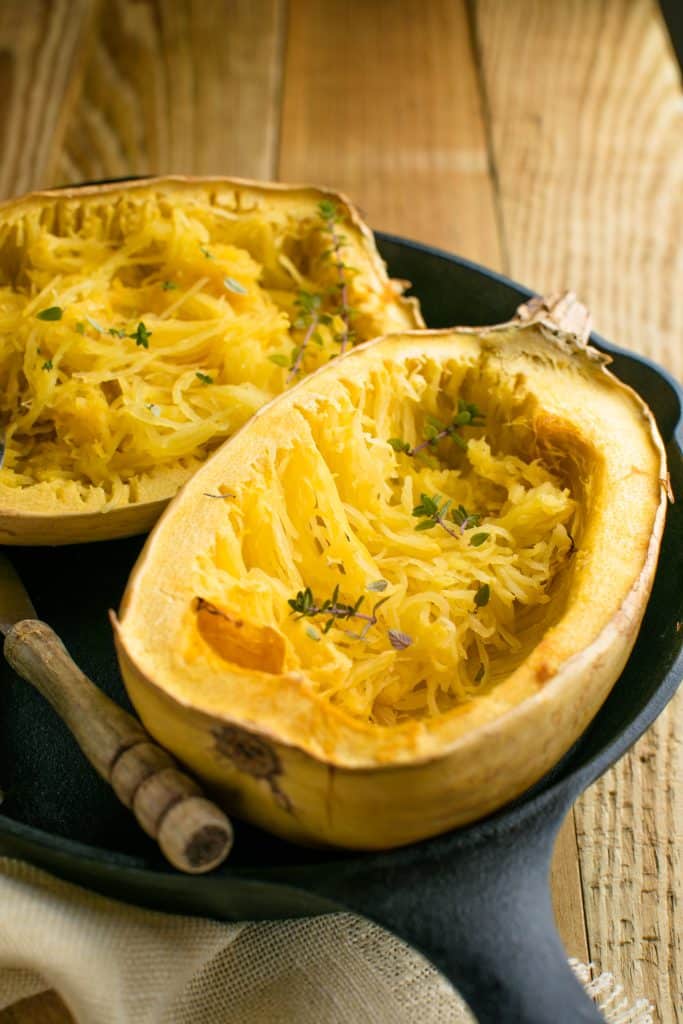
3. Spaghetti Squash
I’ll be honest about this one instead of pretending it’s a magic pasta swap. The texture is watery compared to actual noodles, and I’ve stopped trying to sell it that way to my family.
What does work is roasting it plain and treating it as its own side dish, not a stand-in for something else. Once I stopped forcing the comparison, everyone stopped being disappointed by it.
Make it easier: roast it cut-side down on the pan. It steams itself from underneath and the strands come out cleaner.
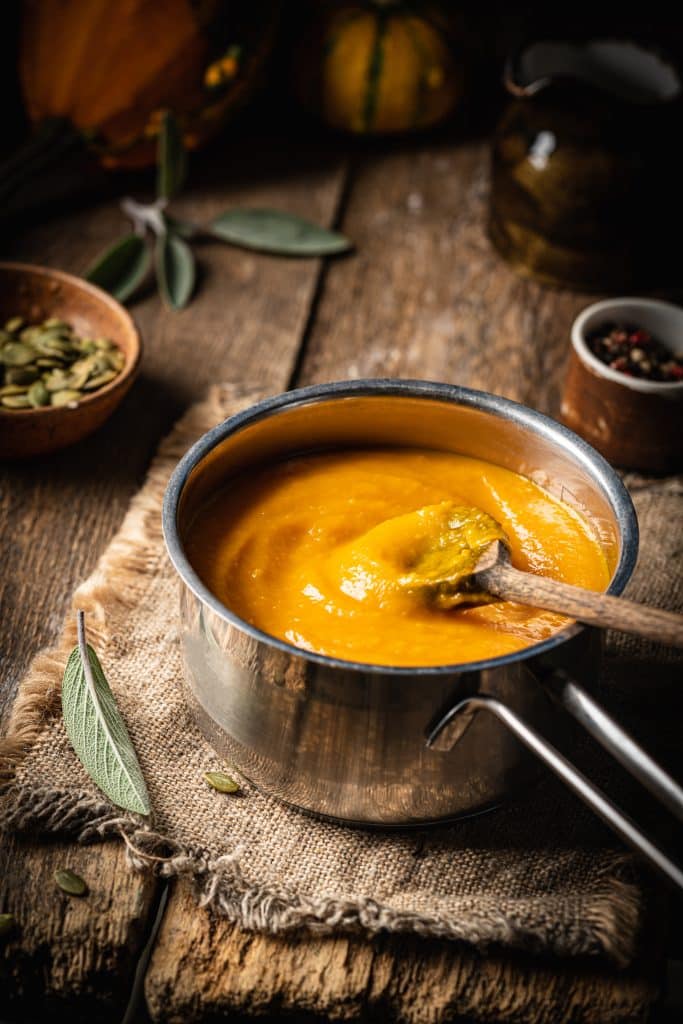
4. Pumpkin
Pumpkin cubes roast the same way butternut squash does, sweet and soft with browned edges. It’s the vegetable I reach for when the actual squash aisle is picked over in October.
Make it easier: a small sugar pumpkin works better here than a giant carving pumpkin, which tends to be stringier and less sweet.
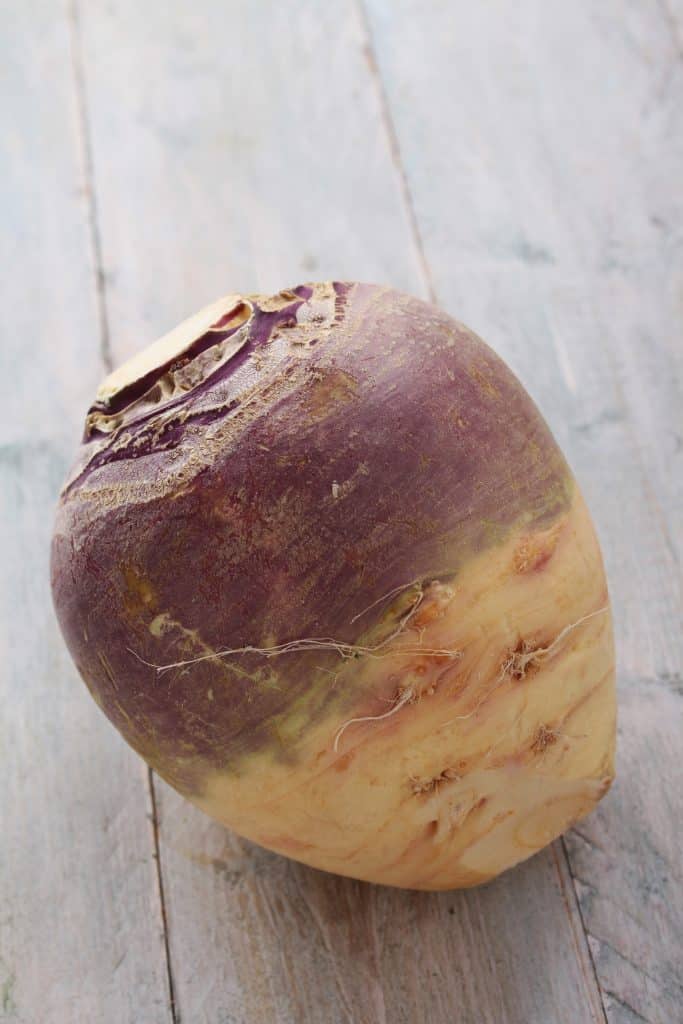
5. Rutabaga
Rutabaga takes almost as long as a potato to cook through, so it goes in early alongside the squash. It has a slightly peppery flavor that mellows out completely once it’s roasted soft.
Make it easier: cut it smaller than you think you need to. It’s dense and cooks slower than most root vegetables its size.
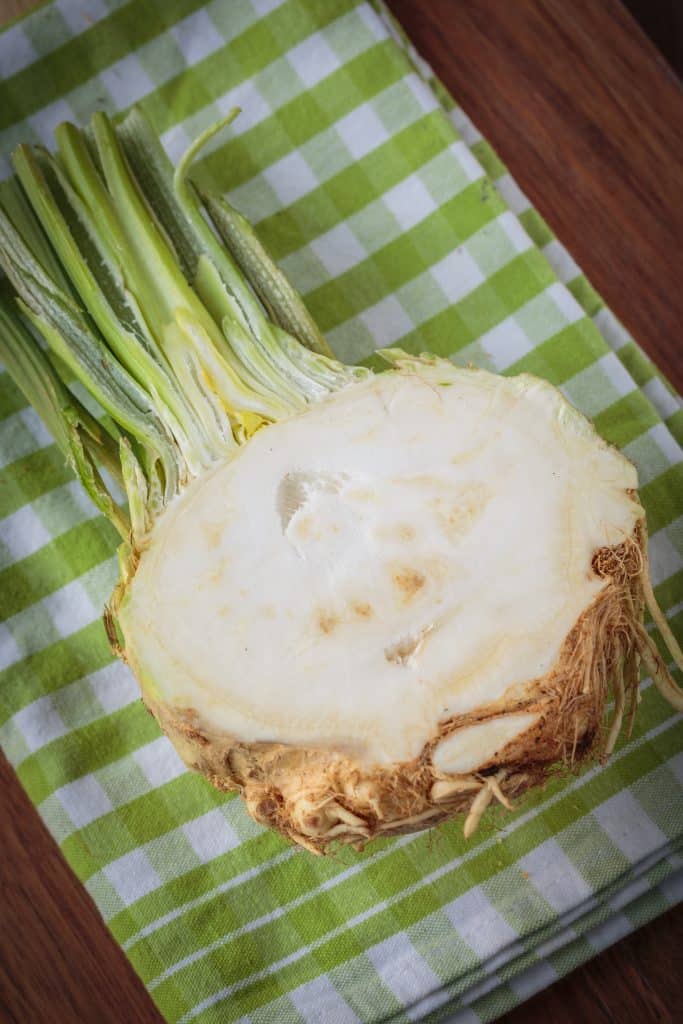
6. Celeriac
Celeriac looks intimidating in the produce aisle, all knobby and strange, but under the peel it’s just a mild, earthy root that roasts beautifully next to chicken thighs. My husband will eat this without ever asking what it is.
Make it easier: cut the peel off with a knife instead of a peeler. The surface is too uneven for a peeler to do the job cleanly.
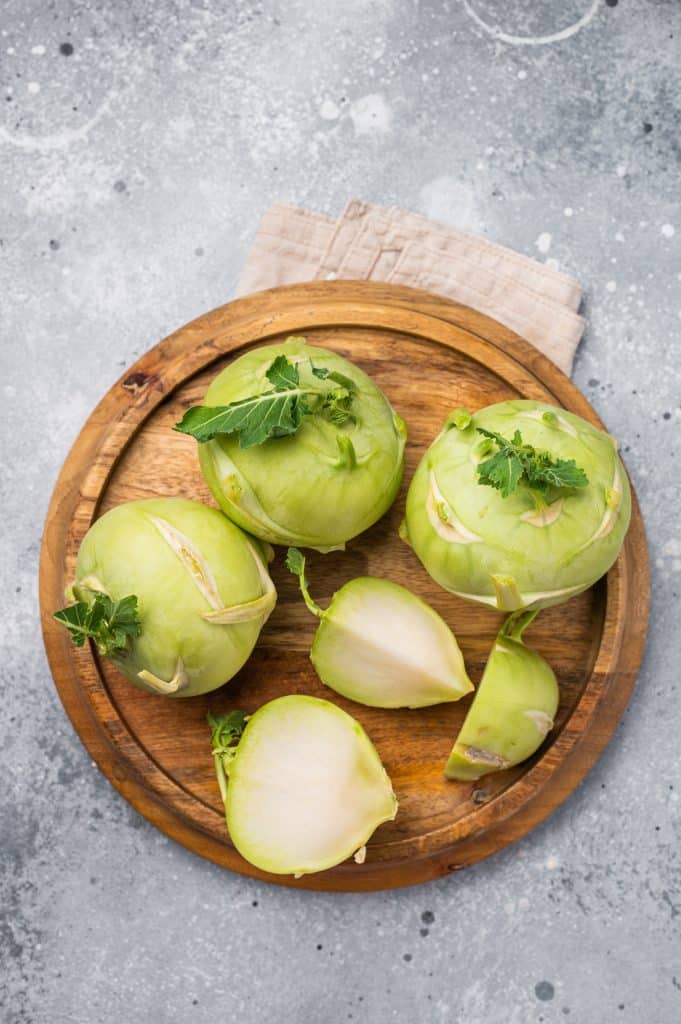
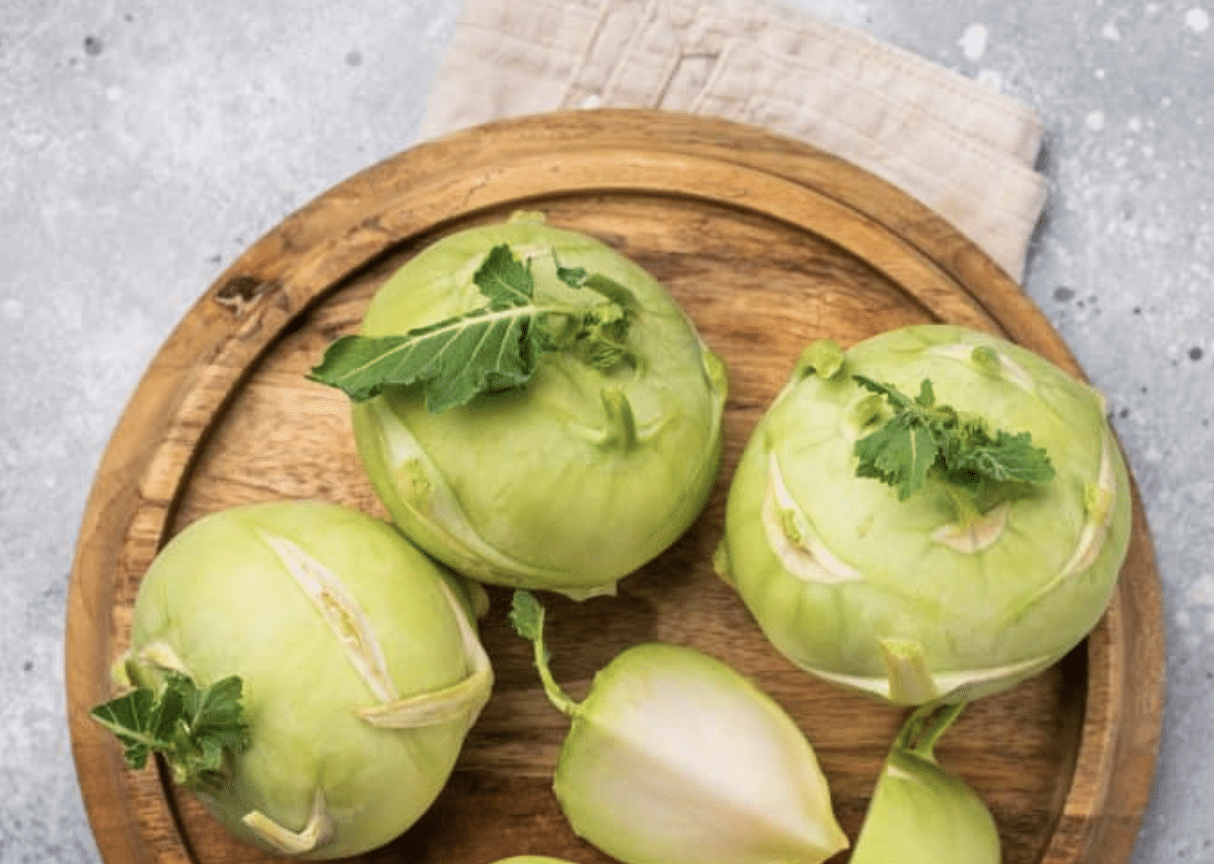
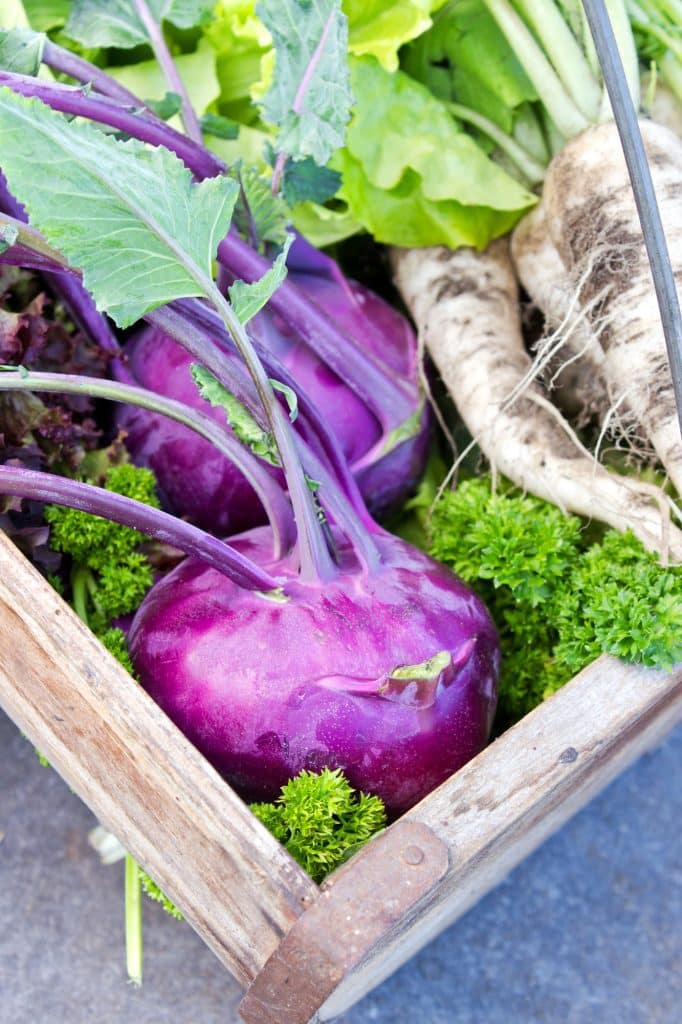
7. Kohlrabi
Kohlrabi is crisp and a little sharp raw, but cubed and roasted it turns tender with a flavor somewhere between a turnip and a mild cabbage. It holds its shape well next to a heavier protein.
Make it easier: peel it thick. The outer layer stays tough even after roasting if you leave too much on.
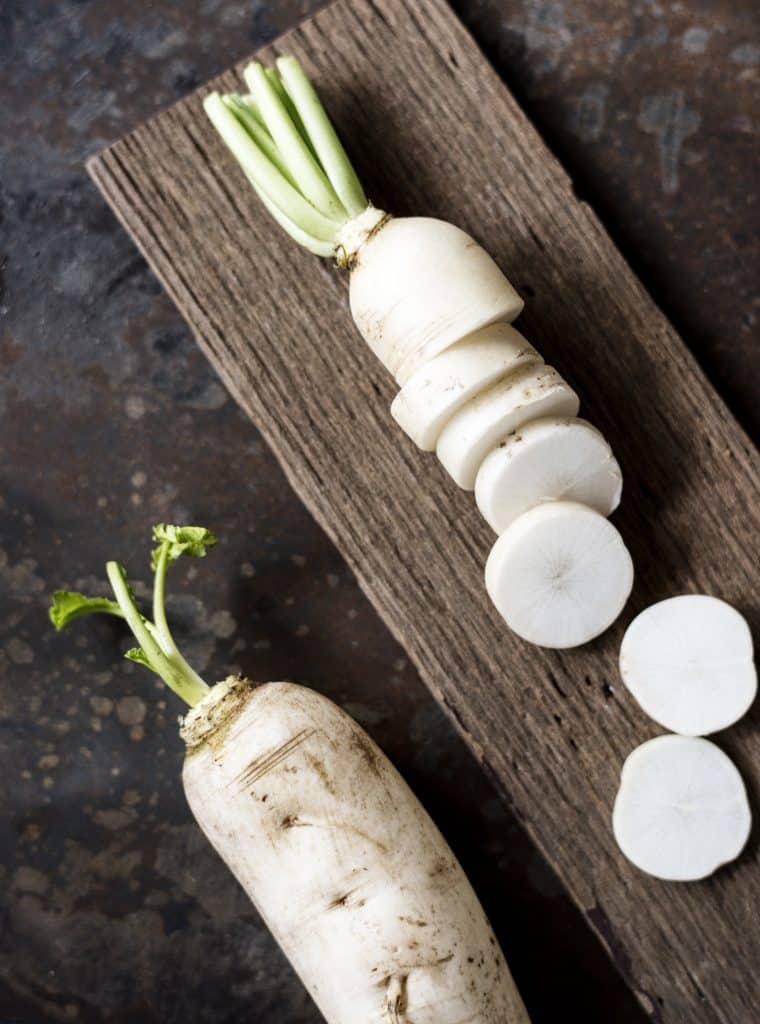
8. Daikon
Daikon roasts down into something soft and mild, almost like a milder potato. It’s a good vegetable to add when I want bulk in the pan without adding a strong flavor.
Make it easier: cut it into thick rounds rather than cubes. It roasts more evenly that way and holds together better.
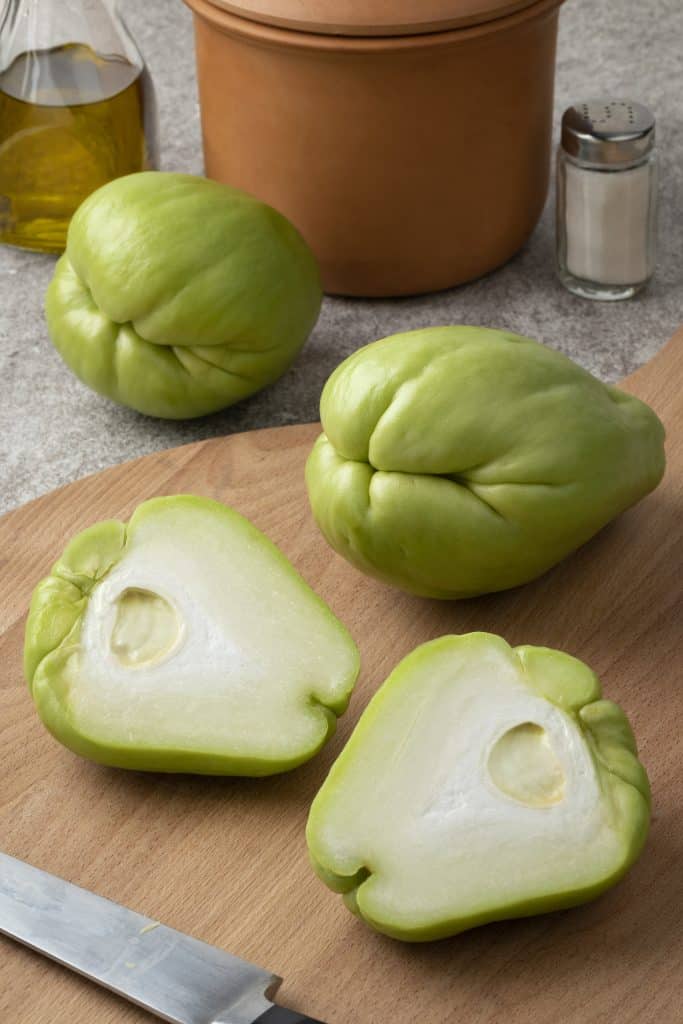
9. Chayote
Chayote is one I only picked up because it was on sale, and it turned into a genuine surprise. It’s the kind of find I mention when people ask about dirt-cheap plant foods that secretly pack a lot into a pan, since it roasts up mild and slightly sweet for almost nothing.
Make it easier: wear gloves when you peel a raw one. The skin has a sap that can irritate your hands for the rest of the day.
From My Kitchen
21 Produce Picks I Sneak Into Dinner Without Anyone Noticing →
"This is the trick that finally got my pickiest eater to finish a plate."
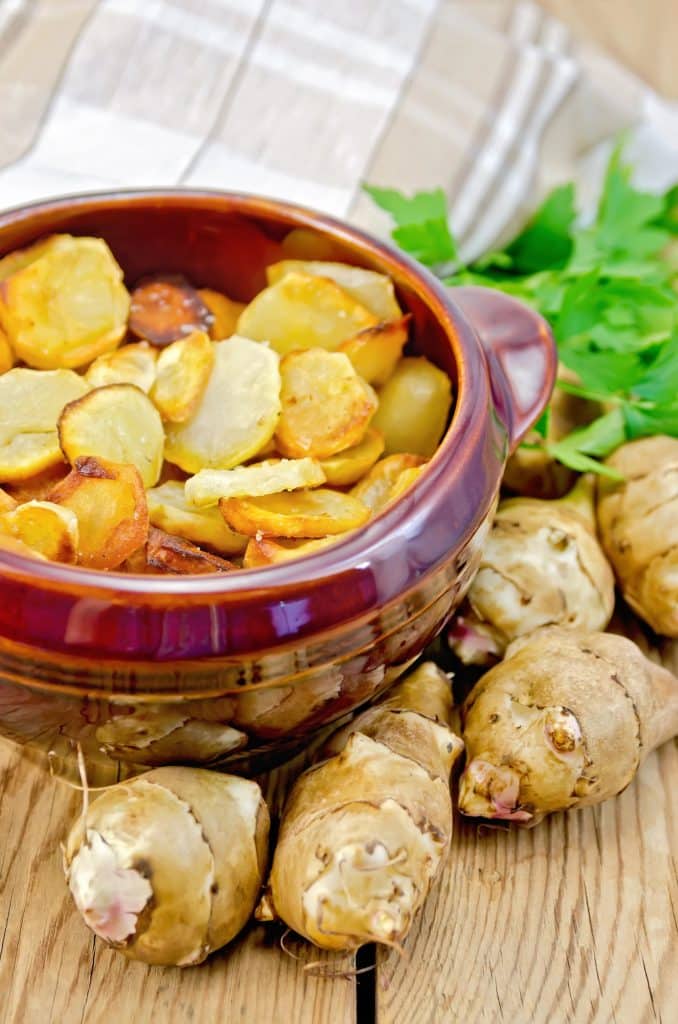
10. Jerusalem Artichokes
Jerusalem artichokes roast up nutty and slightly sweet, closer to a water chestnut than an actual artichoke. They’re an easy way to make a pan look more interesting without much extra effort.
Make it easier: a light scrub instead of peeling saves time, since the skin softens fine once it’s roasted.
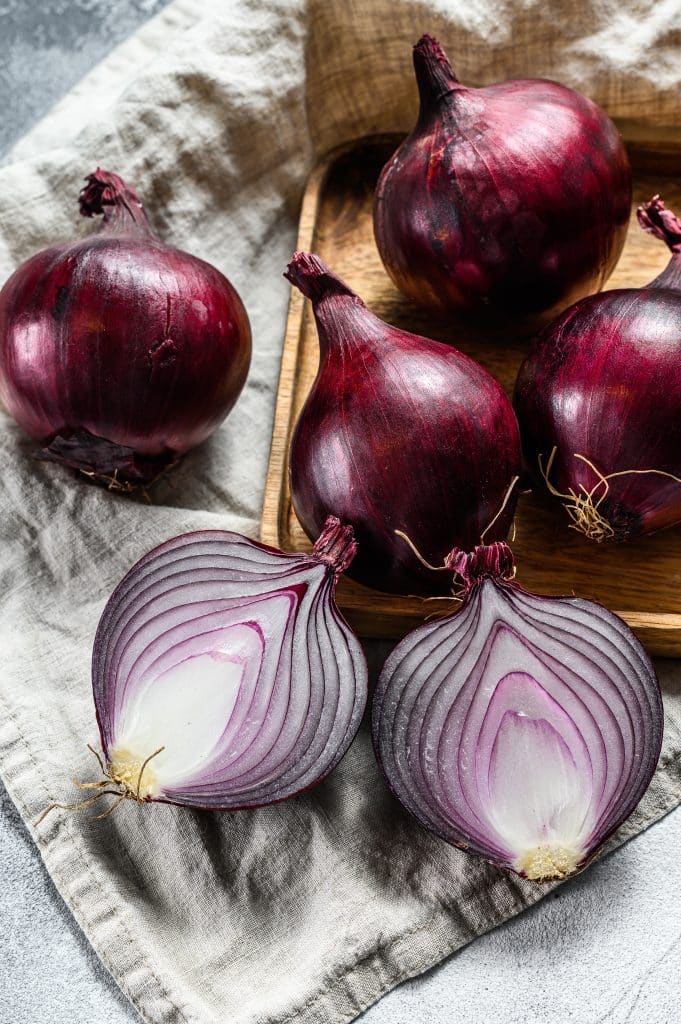
11. Red Onions
Red onion wedges hold their shape through a full roast and add a slightly sweet edge once they’ve caramelized in the pan. They’re one of the few things I add at the start and never worry about overcooking.
Make it easier: cut through the root end so the wedges stay held together instead of falling into loose rings.
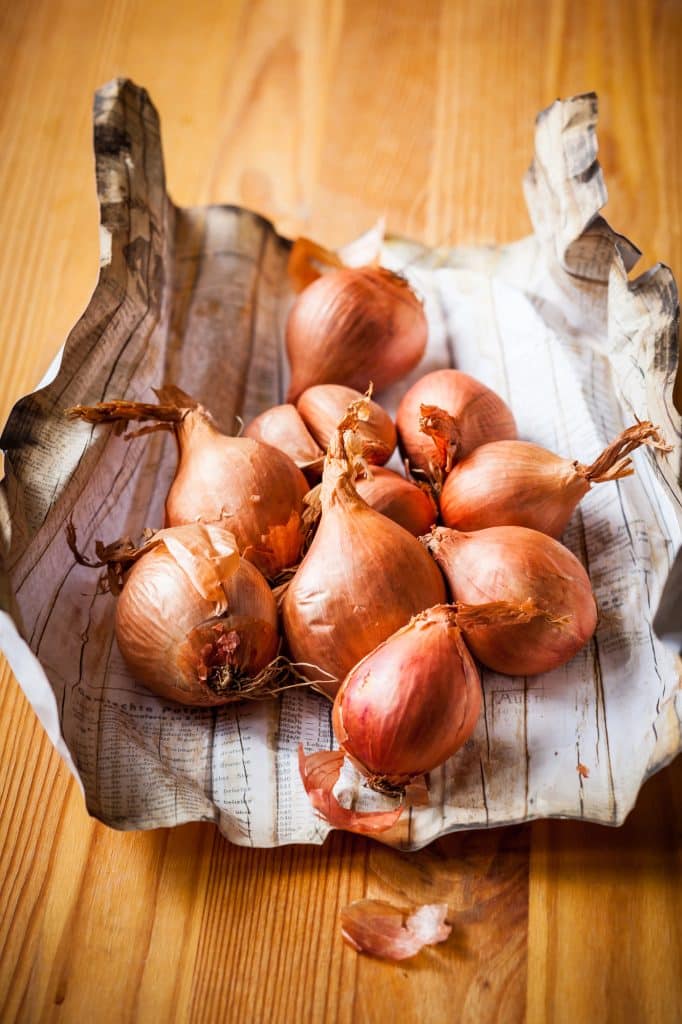
12. Shallots
Whole roasted shallots turn soft and jammy in a way that regular onions don’t quite match. I usually leave them whole or halved so they don’t disappear into the rest of the pan.
Make it easier: leave the root end intact when halving. It keeps the layers from separating while they roast.
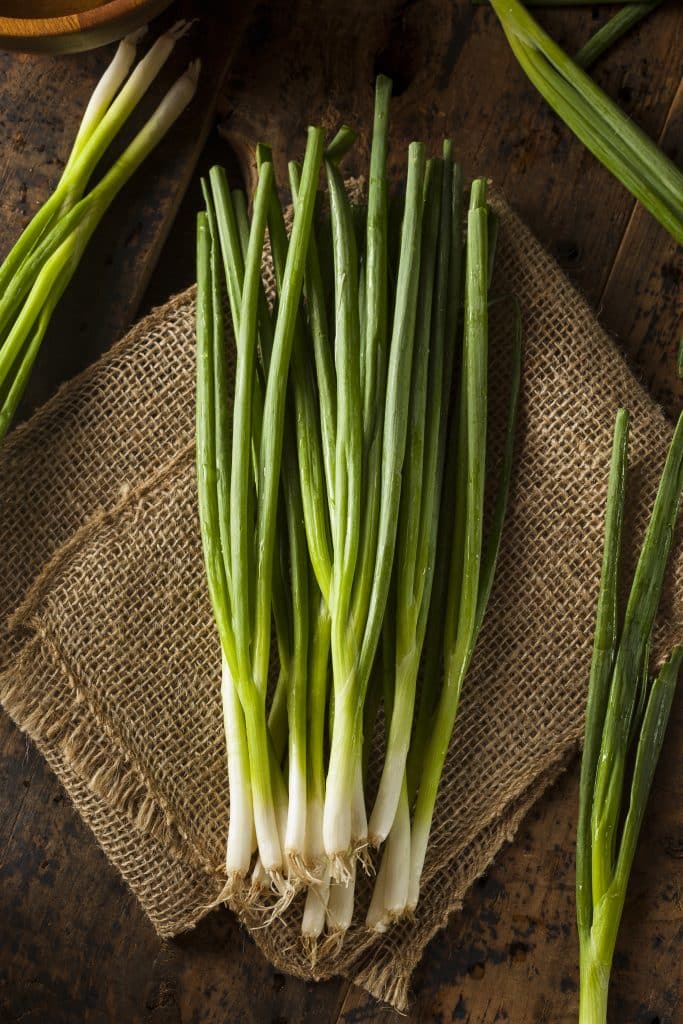
13. Scallions
Scallions don’t need real cook time, just a quick char right at the end. I toss them in whole and let the pan’s residual heat soften them for the last couple of minutes.
Make it easier: add them in the last five minutes only. Any earlier and they turn limp and lose their bite.
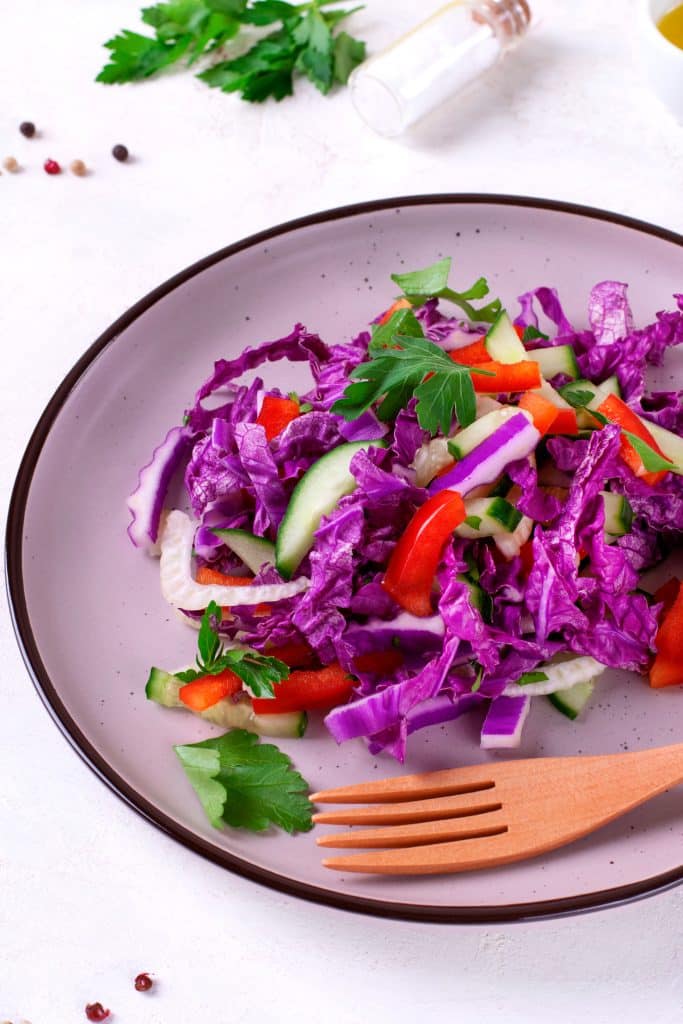
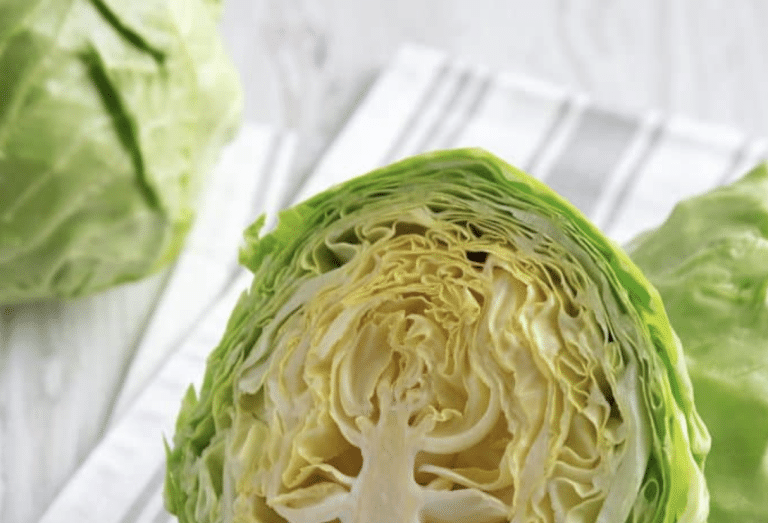
14. Napa Cabbage
Napa cabbage cooks down fast in a hot skillet, softening in just a few minutes without turning bitter the way regular cabbage sometimes does. I add it toward the middle of cooking, not right at the start.
You'll Want This Too
Make it easier: tear it by hand instead of slicing it with a knife. The uneven edges catch more sauce.
15. Red Cabbage
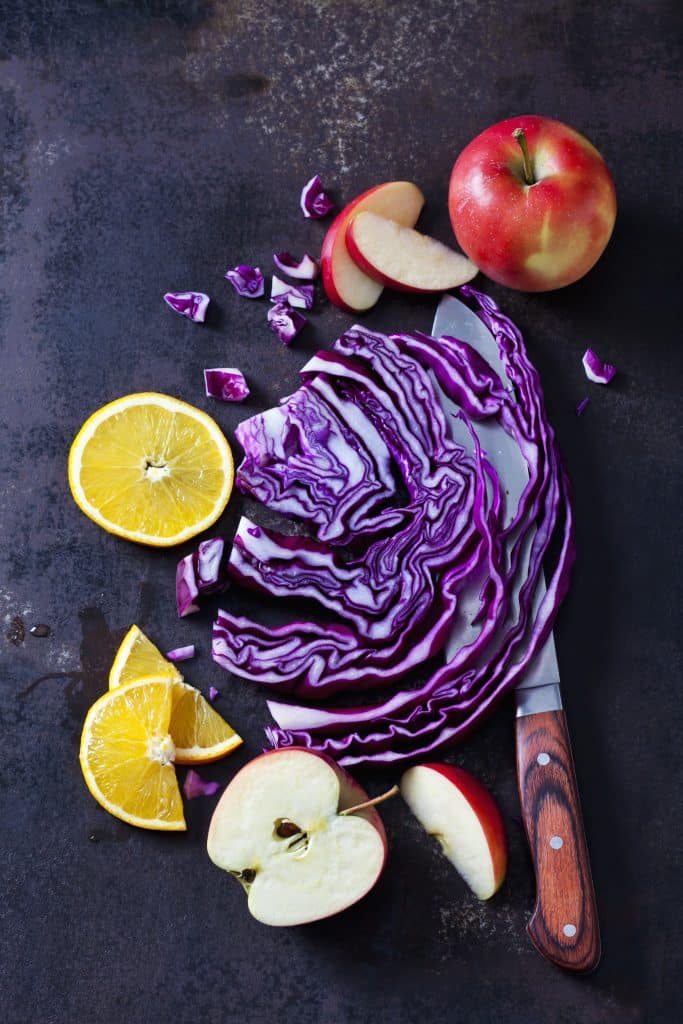
Red cabbage holds up longer than napa cabbage does in the pan, so it goes in a little earlier. It turns a deep purple as it cooks and adds a nice color contrast to whatever protein is in there with it.
Make it easier: a splash of vinegar while it cooks keeps that deep purple color from fading to a dull gray.
16. Swiss Chard
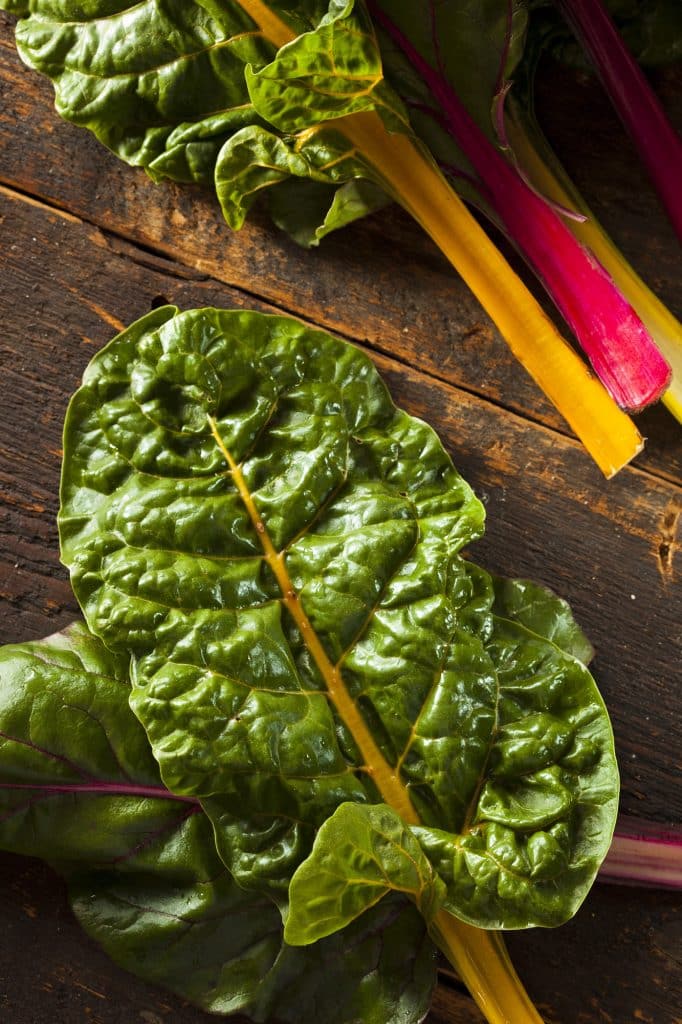
Swiss chard wilts down fast, so it’s a last few minutes addition rather than something I cook alongside the heartier vegetables. The stems take longer than the leaves, so I add those separately first.
Make it easier: chop the stems and leaves separately, and give the stems a two-minute head start in the pan.
17. Collard Greens
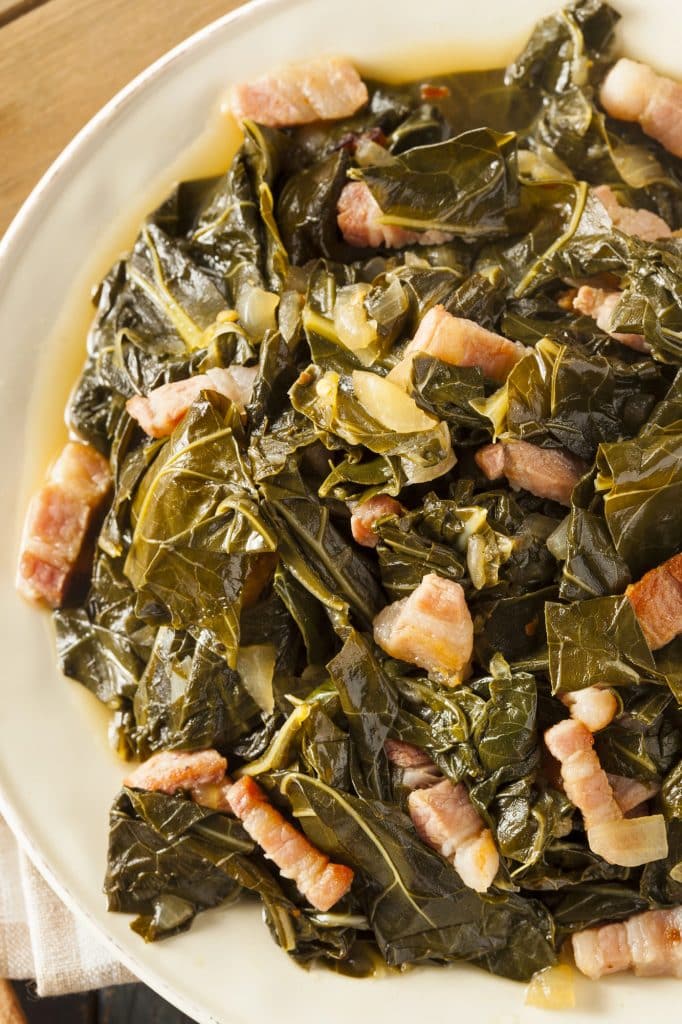
Collard greens are tougher than chard and need real time to soften, closer to fifteen minutes than five. I add these earlier than most of the other greens on this list.
Make it easier: strip the tough center rib out before chopping. It never softens at the same rate as the rest of the leaf.
18. Mustard Greens
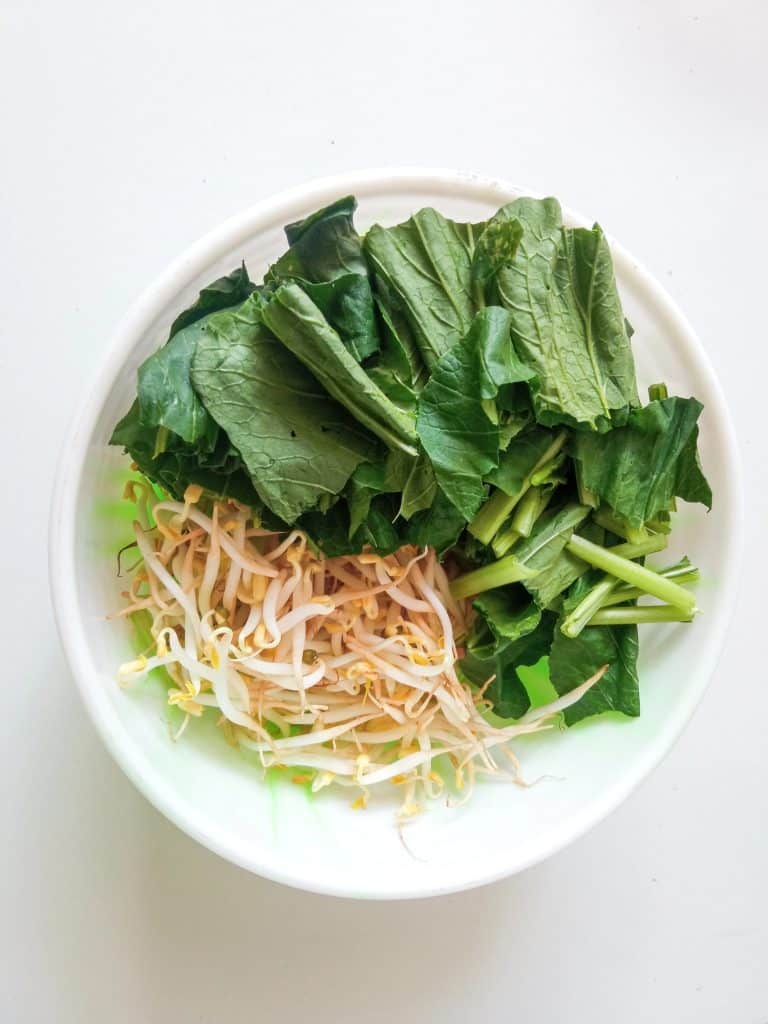
Mustard greens have a real peppery bite that softens some once cooked but never fully disappears. This is the green my oldest tolerates and my youngest still pushes to the side.
Make it easier: pair them with something sweet in the pan, like caramelized onion, to balance out the sharpness.
Go Deeper
Chores That Actually Stick: What Kids Can Really Do at Every Age →
"What my kids handle now that I wish I’d started sooner."
19. Turnip Greens
Turnip greens are milder than mustard greens but still need a decent amount of cook time to lose their toughness. I usually cook these down with a splash of broth so they don’t dry out.
Make it easier: a lid on the pan for the first few minutes traps steam and speeds up the wilting process.
20. Beet Greens
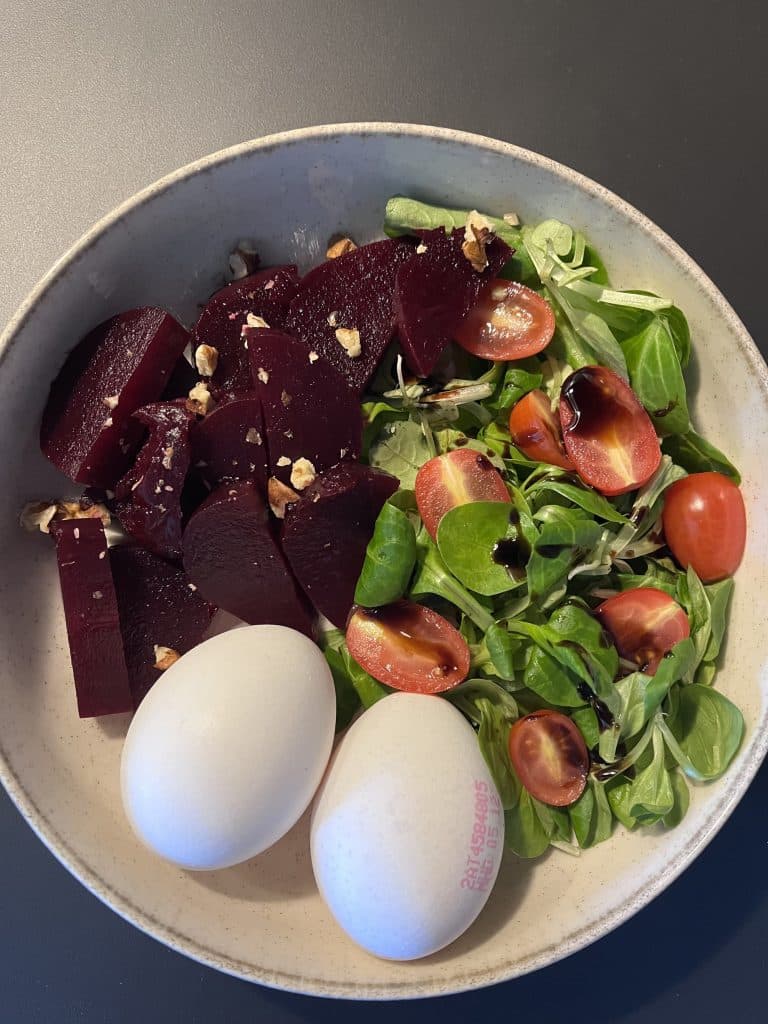
Beet greens are one of the vegetables I only started using once I stopped throwing away the tops of a beet bunch. It’s one of the sneaky ways to get more out of produce you’re already buying, and they cook fast, closer to spinach than to a tougher green.
Make it easier: use the stems and leaves both. The stems just need a slightly longer head start in the pan.
21. Broccolini
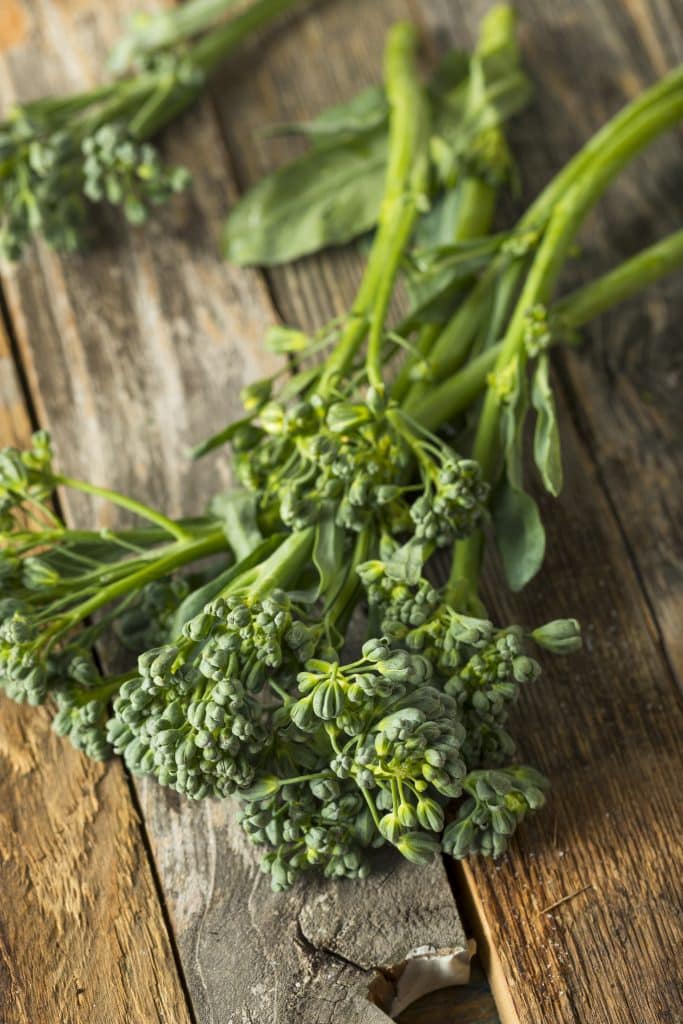
Broccolini cooks quickly and stays tender-crisp rather than turning soft the way broccoli sometimes does in a crowded pan. It’s become my go-to when I want something green that still has some bite.
Make it easier: leave the stems whole. They’re thin enough to cook through at the same rate as the florets.
22. Broccoli Rabe
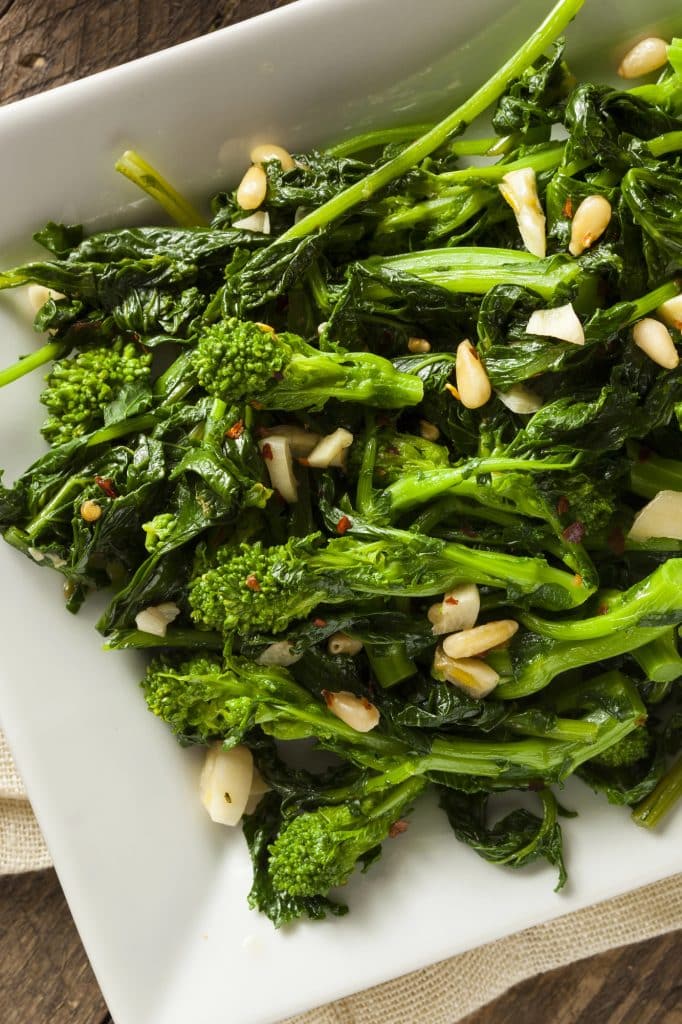
Broccoli rabe is bitter enough that it needs a strong partner in the pan, usually sausage or a heavy hand with garlic. On its own it’s a lot for most weeknight appetites in my house.
What Everyone's Making
23 Plant Foods That Fill You Up for Hours (My Afternoon Slump Fix) →
Make it easier: a quick blanch before it hits the hot pan cuts down on some of the bitterness.
23. Okra
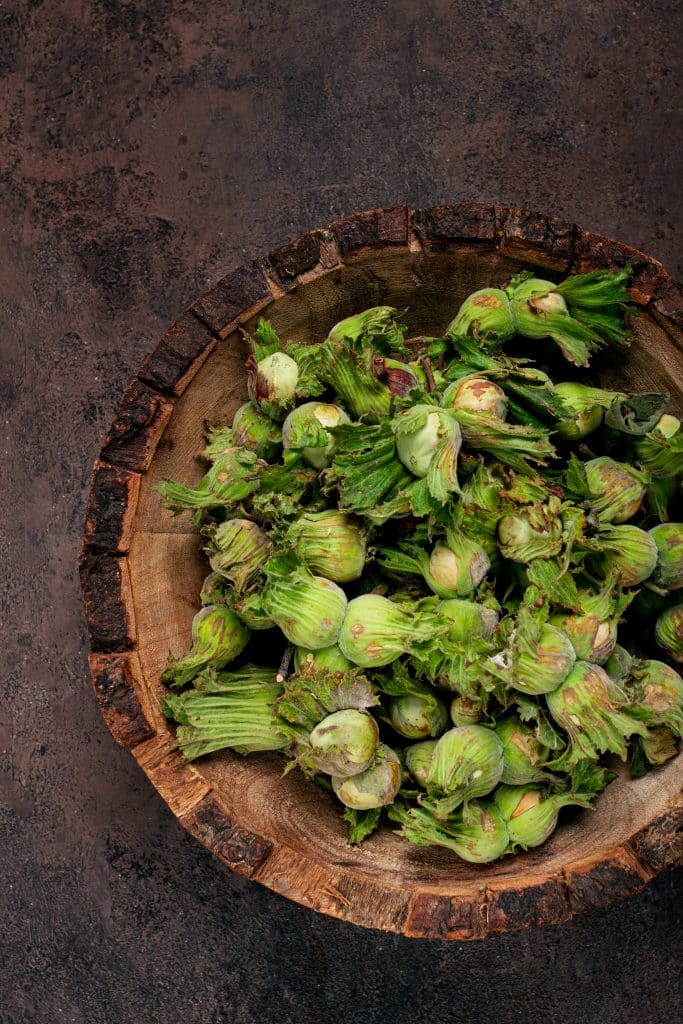
Okra needs high heat and not too much stirring, or it turns slimy fast. Left mostly alone in a hot pan, it browns nicely and stays firm.
Make it easier: keep it dry before it goes in the pan. Any leftover moisture from washing makes the sliminess worse.
24. Endive
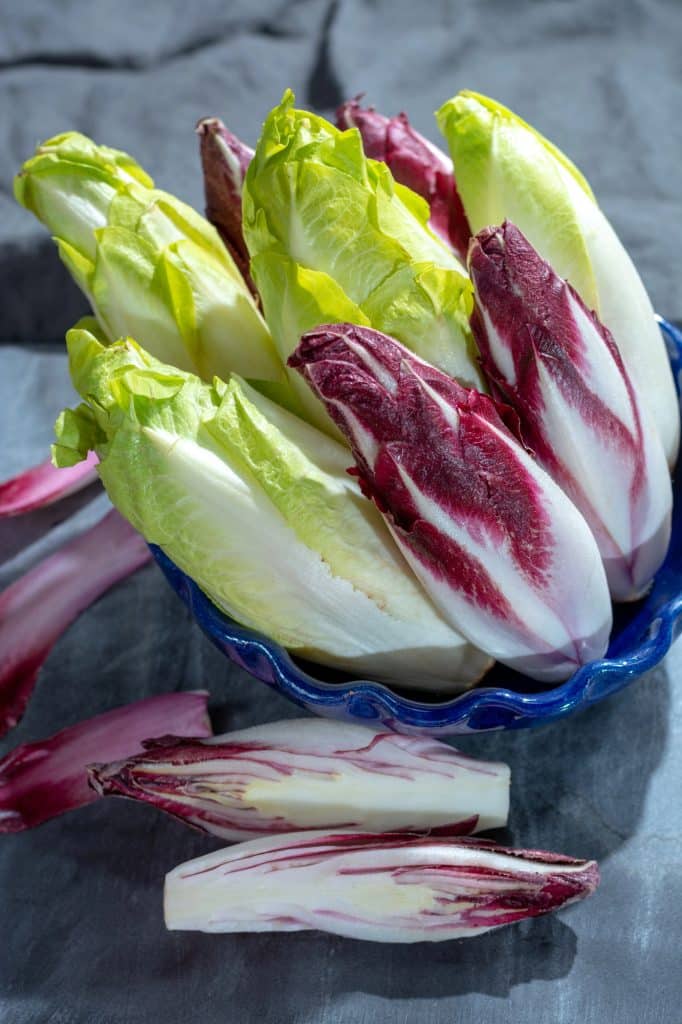
Halved and browned cut-side down in a hot pan, endive turns soft and slightly sweet, a real shift from the bitter bite it has raw. It’s a good vegetable for making a plain skillet dinner look more finished.
Make it easier: leave the root end on when halving so the leaves stay together in the pan instead of falling apart.
25. Radicchio
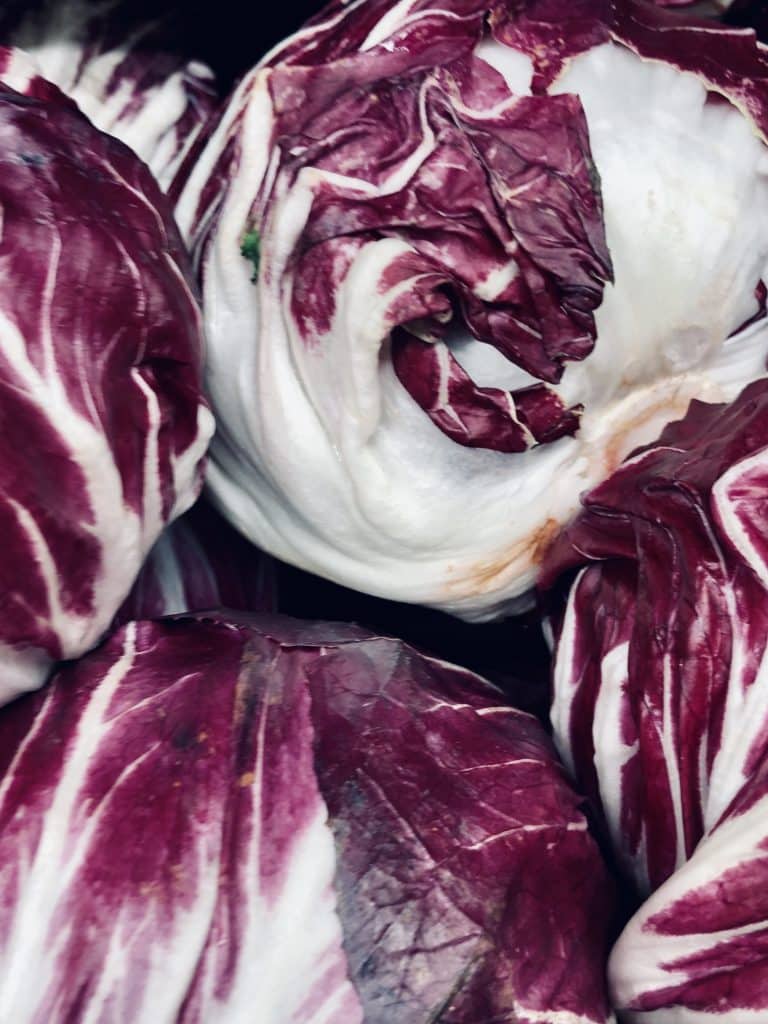
Radicchio is bitter enough raw that it can be a hard sell in a salad, but a quick sear mellows that bitterness into something closer to caramelized onion. It’s the vegetable I use to convince skeptics that bitter greens can work.
Make it easier: cut it into wedges rather than shredding it, so it holds together as it sears instead of scattering across the pan.
What I’m Roasting This Week
If I only had room in the pan for three of these, I’d pick butternut squash, red onions, and swiss chard added at the very end. It’s the combination I come back to more than any other when I want dinner to feel finished without much effort.
Building the pan in stages instead of dumping everything in at once was the real shift for me. Once I started thinking about cook time instead of just flavor, these mom life hacks that actually save time started making a lot more sense.
This week I’m doing a pan of rutabaga, celeriac, and red cabbage with whatever chicken thighs are on sale. Start with whichever vegetable in your fridge takes the longest to cook, and build backward from there.