23 Vegetables That Turn Into Dinner With Just a Sheet Pan and 30 Minutes
Somewhere around the third night in a row of asking what everyone wanted for dinner and getting three different answers, I gave up on variety and started reaching for the same sheet pan instead. One pan, one oven, minimal dishes, and everyone still gets fed.
These are the twenty three vegetables I actually put on that pan, ordered from the ones that go in last because they cook fast to the ones that need the whole thirty minutes to get tender. No fancy equipment, no extra pots.
My husband thinks I am a genius for this. I am mostly just tired and do not want to wash a second dish. Either way, here is what actually works.
1. Radishes
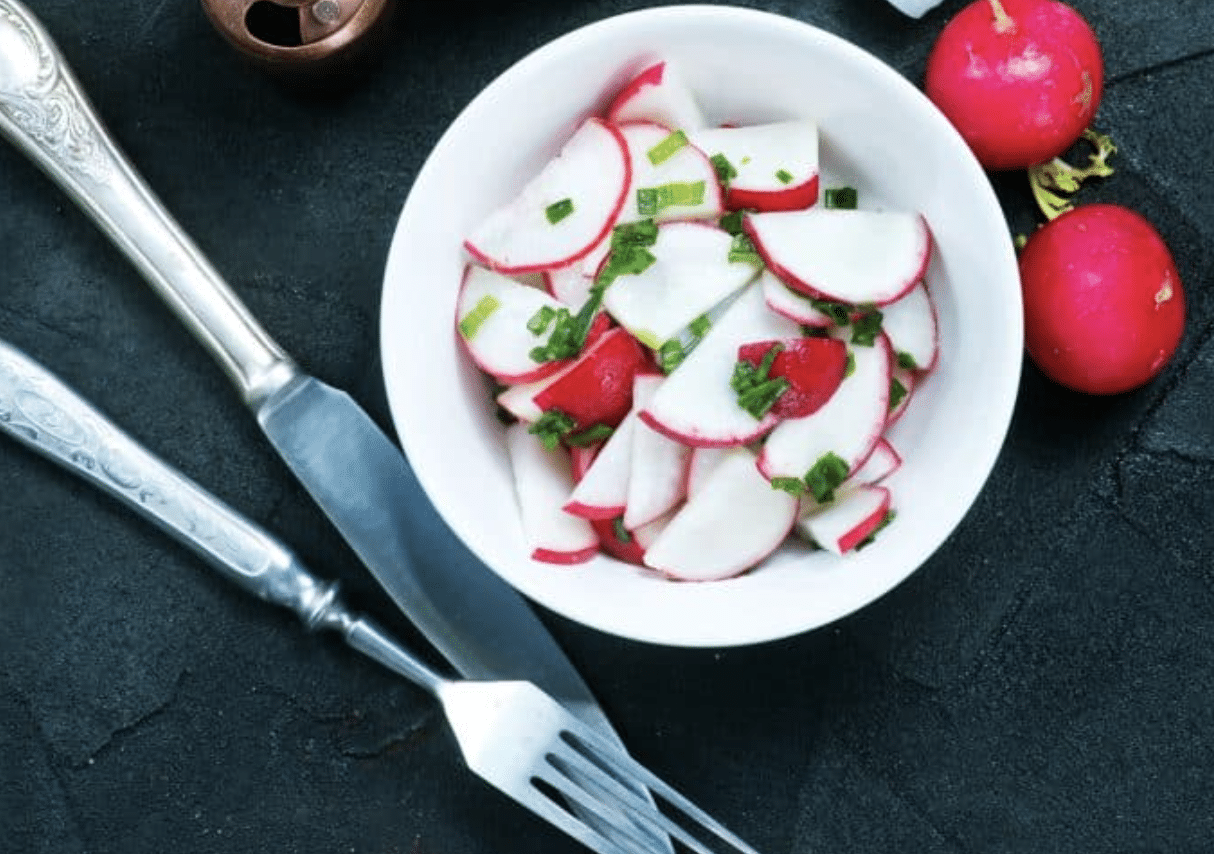
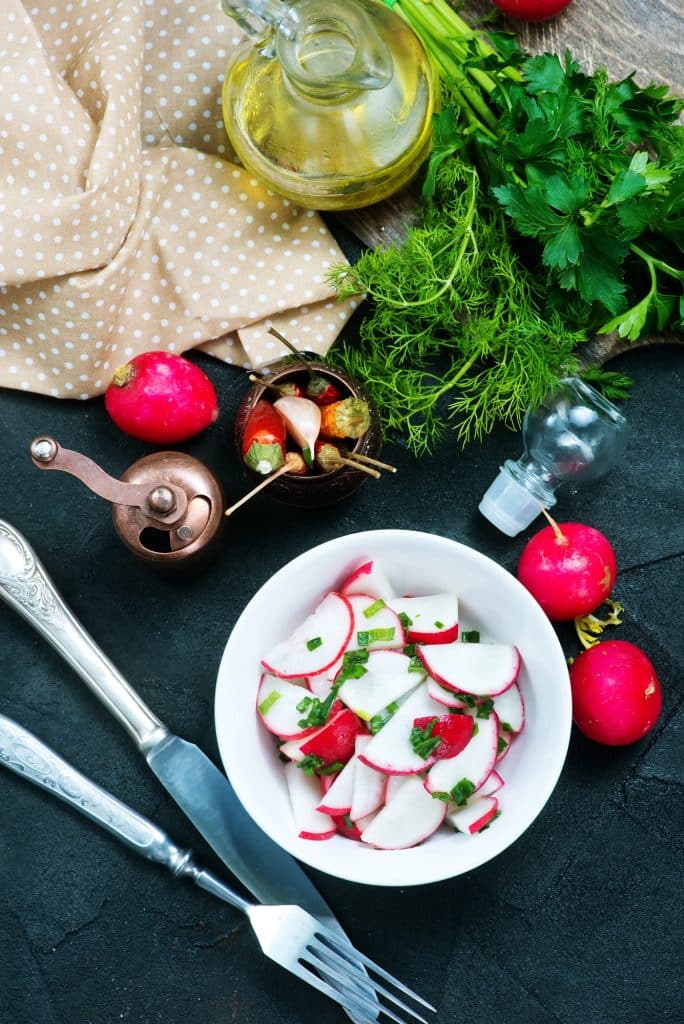
Radishes are the fastest thing on this whole list, and I add them to the pan for the last ten minutes so they do not turn to mush.
How I use it: I halve them and toss them in with whatever else is roasting so they pick up all the same drippings.
Roasted radishes lose almost all their peppery bite, which surprises people every single time. The heat mellows them out into something closer to a mild turnip than the sharp raw version most people know.
I used to think radishes only belonged in a salad, and I was wrong about that for a long time.
2. Scallions
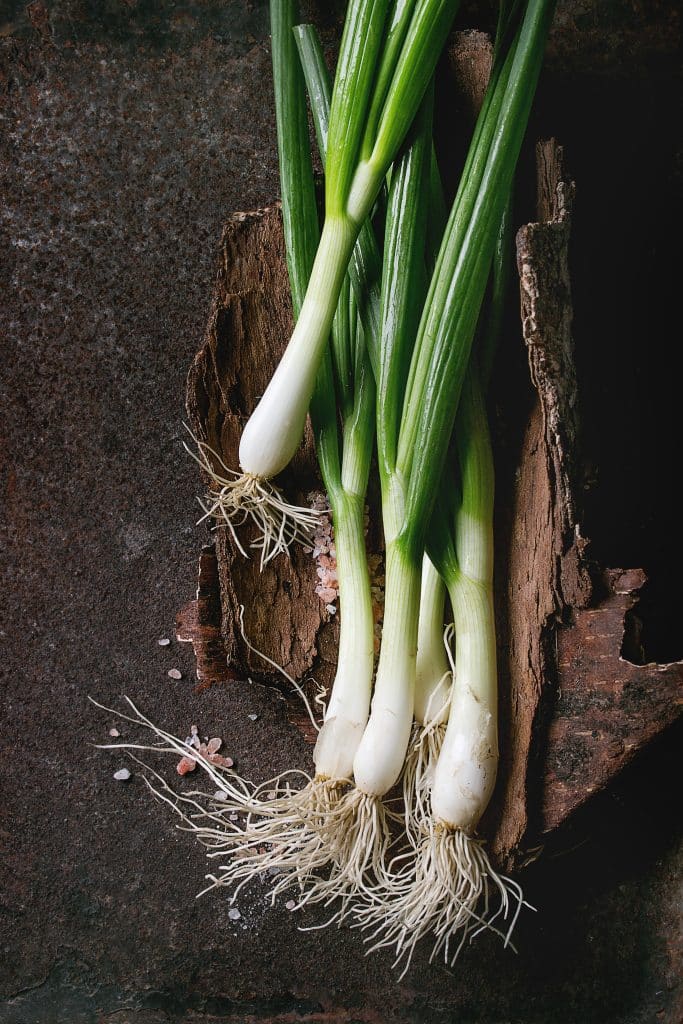
Scallions go on the pan whole, root end trimmed off, and they take almost no time at all to char and soften.
How I use it: I lay them across the top in the last five to seven minutes so the green ends do not burn to ash.
Charred scallions have a smoky sweetness that raw ones never get close to. I chop them over the whole pan right before serving, and it reads like a finishing touch even though it took no effort.
My kids call these the burnt onions, and they still eat them, which tells you something.
3. Okra
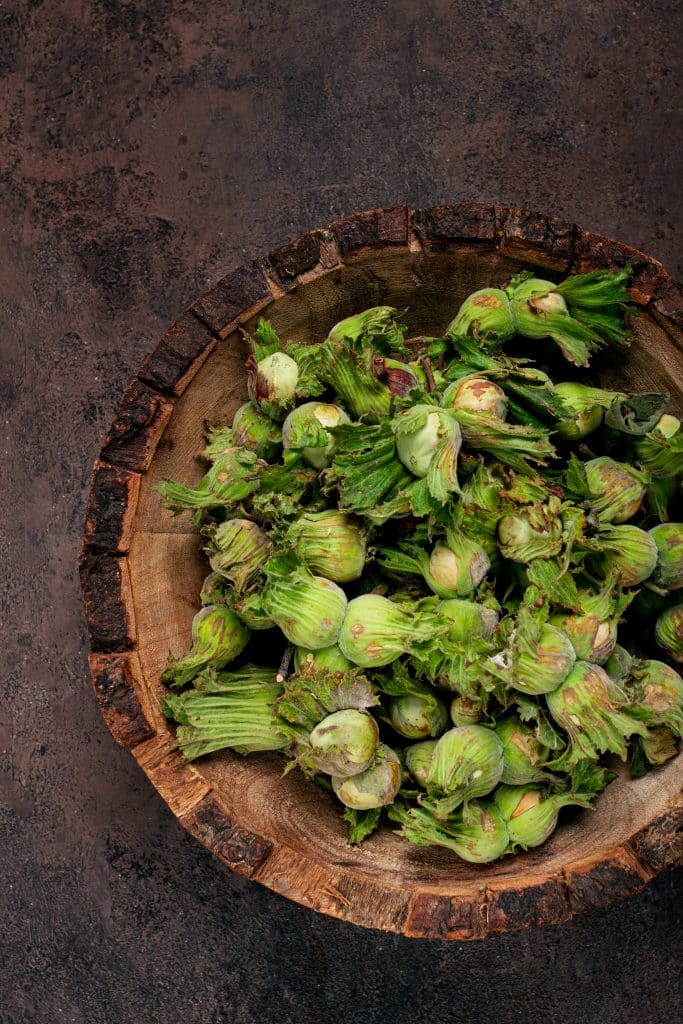
Okra earned a permanent spot on this pan the day I realized dry high heat is the fix for the sliminess people complain about.
How I use it: I leave the pods whole instead of slicing them, since cutting them open is what releases most of that texture people do not like.
Whole pods roasted hot and fast come out almost crisp on the outside with none of the sliminess that stewed or boiled okra is known for. It genuinely changed my opinion of this vegetable.
Fifteen minutes at high heat and they are done. Simple as that.
4. Fennel
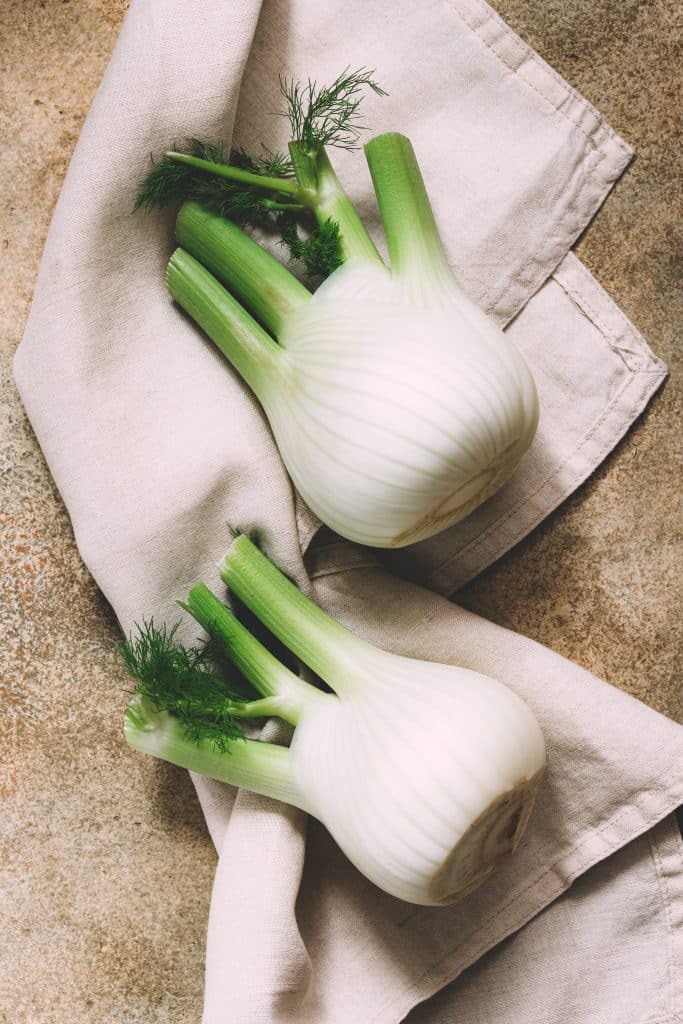
Fennel sliced thin and roasted loses almost all of its licorice flavor, which is exactly why it works for a house with mixed opinions on that taste.
How I use it: I cut it into wedges through the core so the layers hold together instead of falling apart on the pan.
Roasting turns fennel sweet and almost caramelized at the edges. My husband, who claims to dislike fennel on principle, has never once noticed it in this form.
I save the fronds and chop them over the top at the end. Nothing about this vegetable needs to go to waste.
5. Celery, and why I mostly skip it here
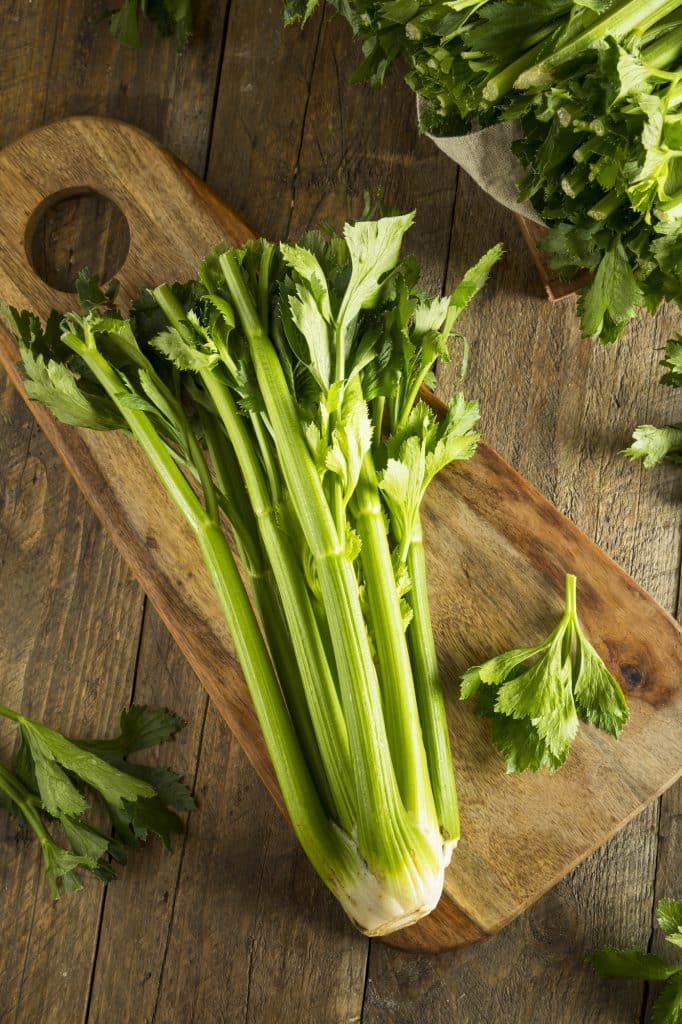
I want to be honest about this one. Celery is on my regular grocery list, but it is not one I actually put on the sheet pan very often anymore.
How I use it: when I do roast it, I cut the stalks thick and give them the full thirty minutes, and it still comes out a little stringy.
Roasted celery just never develops much flavor in my kitchen, and the fibrous strings that soften in soup stay put in the oven. I would rather use my oven space on almost anything else on this list.
Celery earns its keep raw with peanut butter or in soup, in my opinion. This pan is just not where it shines, and I do not think that makes me wrong for skipping it here.
6. Bok choy
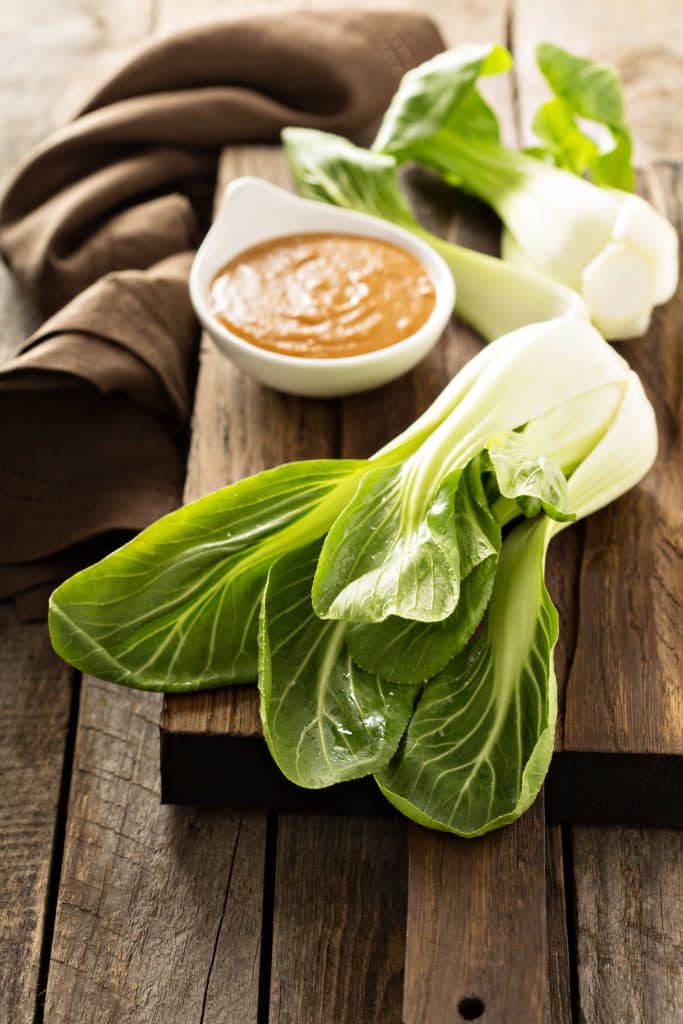
Bok choy halved lengthwise and roasted cut side down gets a real char on the flat side while the leafy top stays tender.
How I use it: I only give it about twelve minutes, since the leaves at the top burn fast if you leave it in too long.
A little soy sauce and sesame oil drizzled on before it goes in does more work here than salt alone ever could. That combination is what makes this one actually taste like something.
I add this one when I am trying to make dinner feel a little different from the usual rotation. It works.
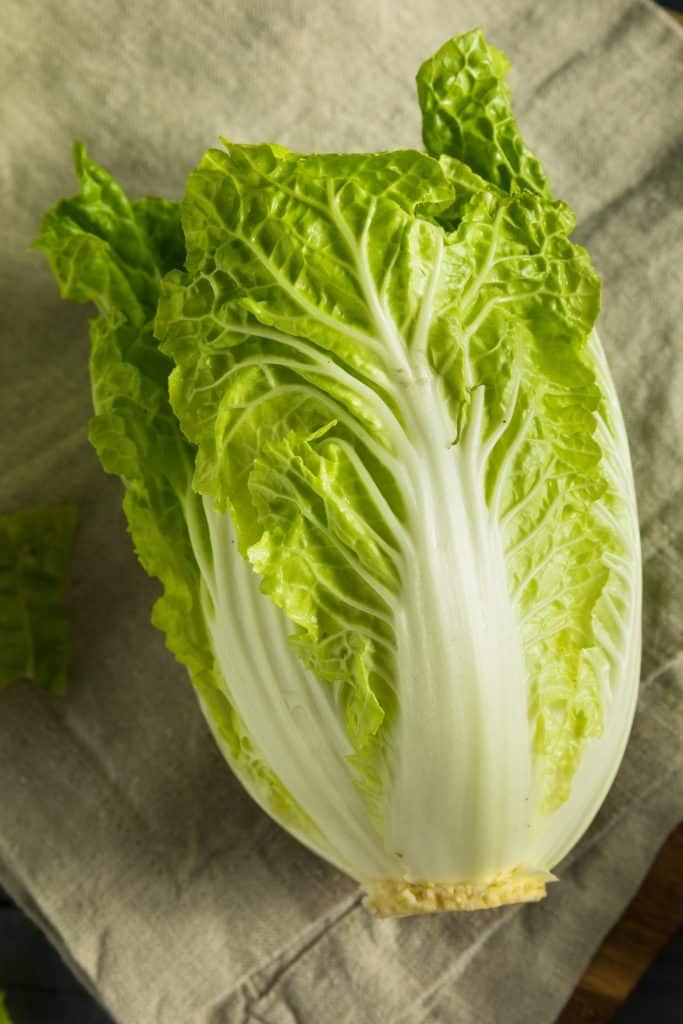
7. Napa cabbage
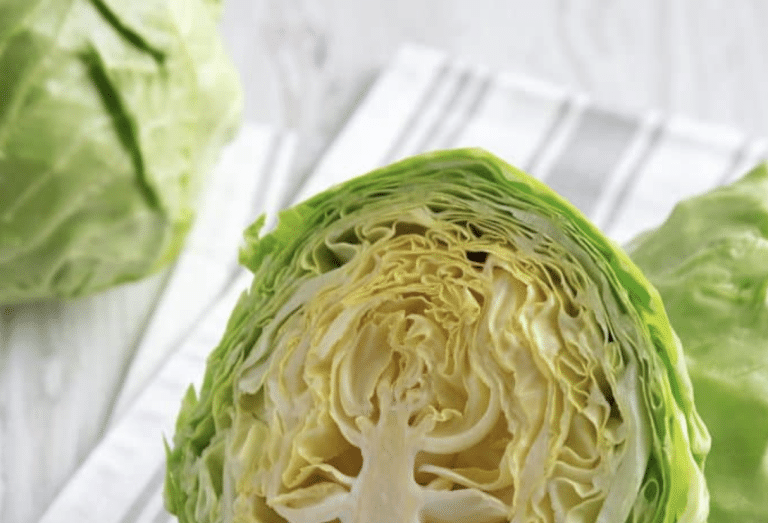
Napa cabbage cut into wedges roasts up softer and sweeter than regular cabbage, with none of the strong smell that keeps some people away from cabbage in general.
How I use it: I keep the core intact when I cut the wedges, it holds the leaves together so they do not scatter across the pan.
This one needs a solid twenty minutes to soften all the way through. Fifteen leaves the inner leaves a little too firm for my taste, so I do not rush it.
It is one of the milder cabbages, which makes it an easier entry point if regular cabbage has never been a favorite in your house.
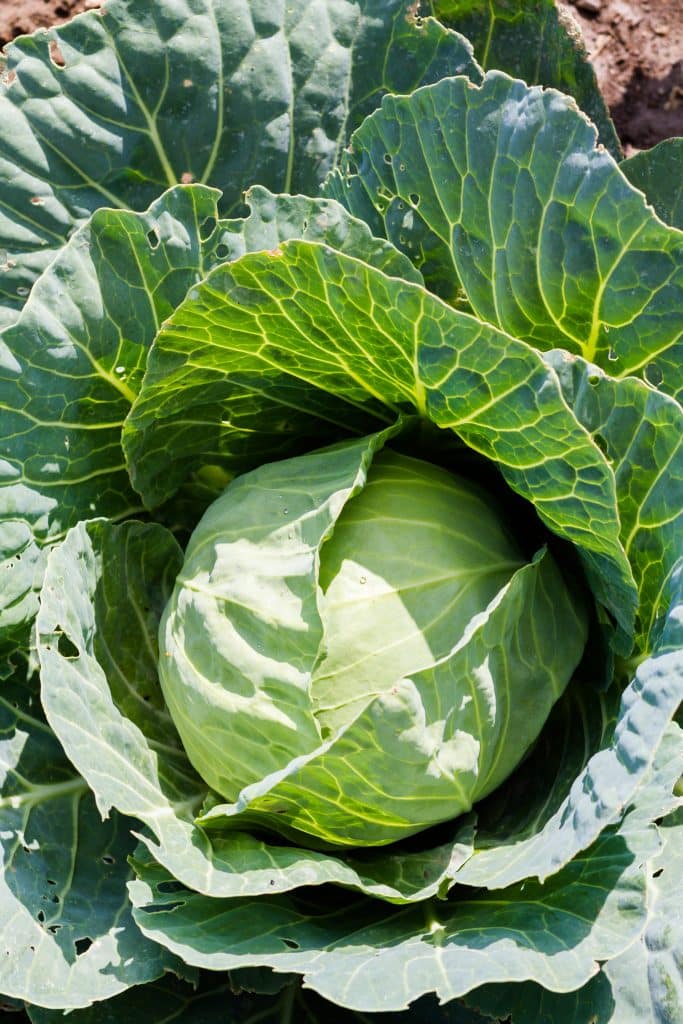
8. Cabbage
Regular green cabbage cut into thick wedges is one of the cheapest vegetables I buy, and it holds up beautifully on a hot pan.
How I use it: I leave a bit of the core attached to each wedge so it does not fall apart while roasting.
The outer leaves char and crisp while the inside steams itself tender, which gives you two textures from one vegetable. That contrast is honestly the best part of roasting cabbage this way.
A whole head feeds my family for under a few dollars, which matters more some weeks than others.
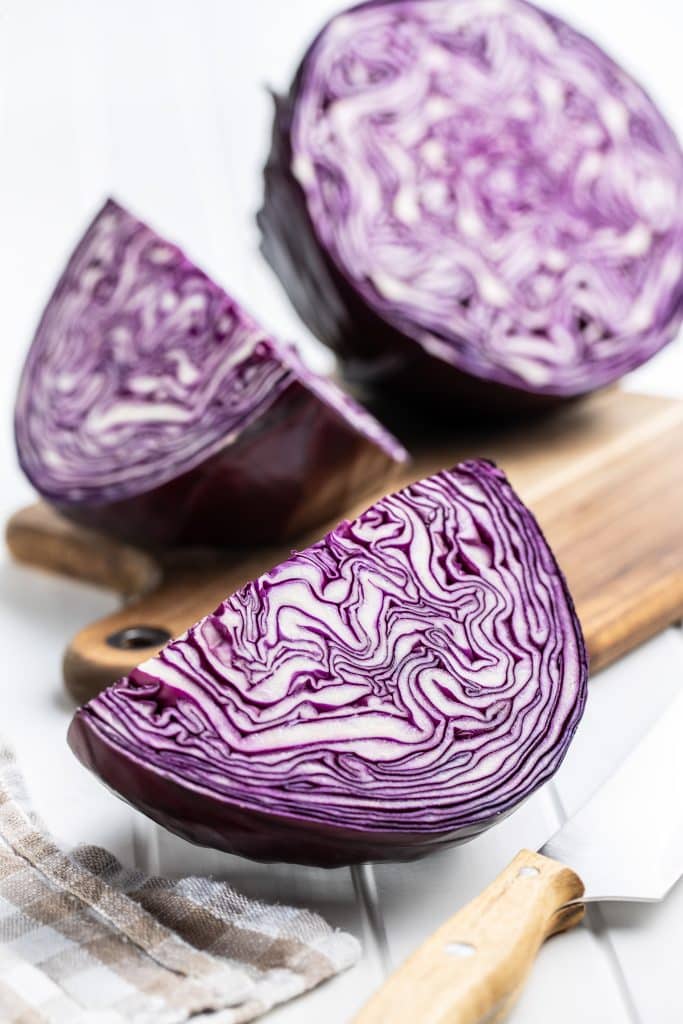
9. Red cabbage
Red cabbage works the same way as the green version, but it comes out with a deeper color and a slightly sharper flavor once roasted.
From My Kitchen
23 Vegetables That Turn One Pot of Soup Into a Whole Week of Dinners →
"This is the one I make on repeat once it gets cold out."
How I use it: a splash of vinegar right when it comes out of the oven balances that sharpness and makes it taste a little more finished.
The color bleeds a little onto whatever else is on the pan, which I have made peace with. It is a small tradeoff for how good it tastes.
I keep the two cabbages in rotation depending on what looks better at the store that week.
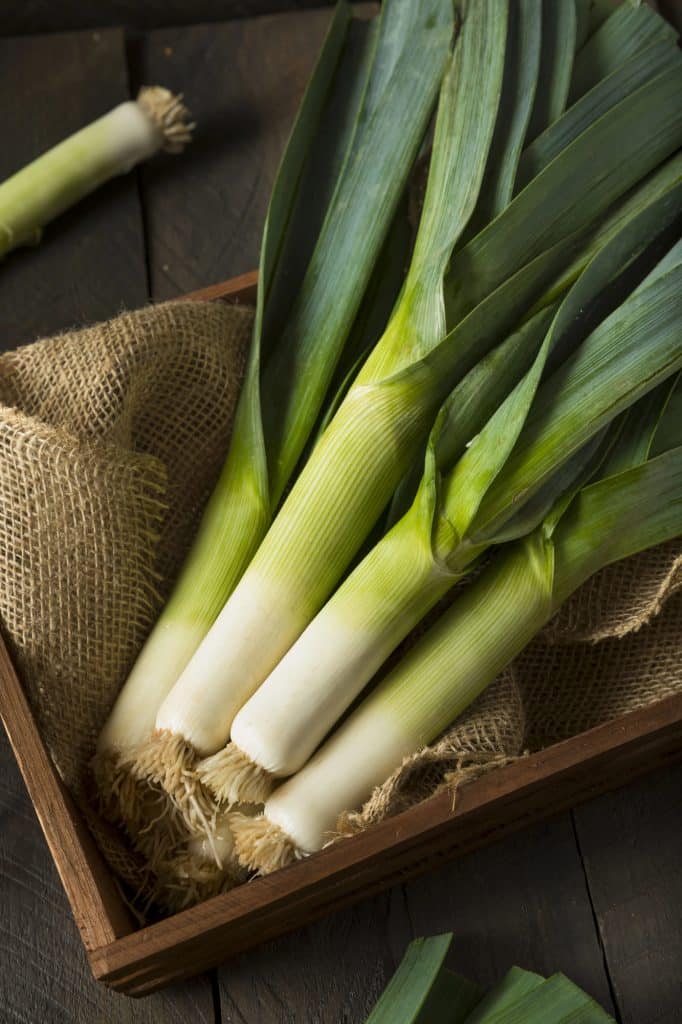
10. Leeks
Leeks need a real rinse before they go anywhere near the oven, since dirt hides between the layers in a way you cannot always see.
How I use it: I slice them lengthwise and fan the layers open under running water to get every bit of grit out.
Once they are clean, roasted leeks turn soft and almost custardy, with a much gentler flavor than raw onion. Twenty five minutes is usually enough to get there.
I only started buying these regularly in the last couple of years, and I genuinely regret waiting that long.
11. Turnips
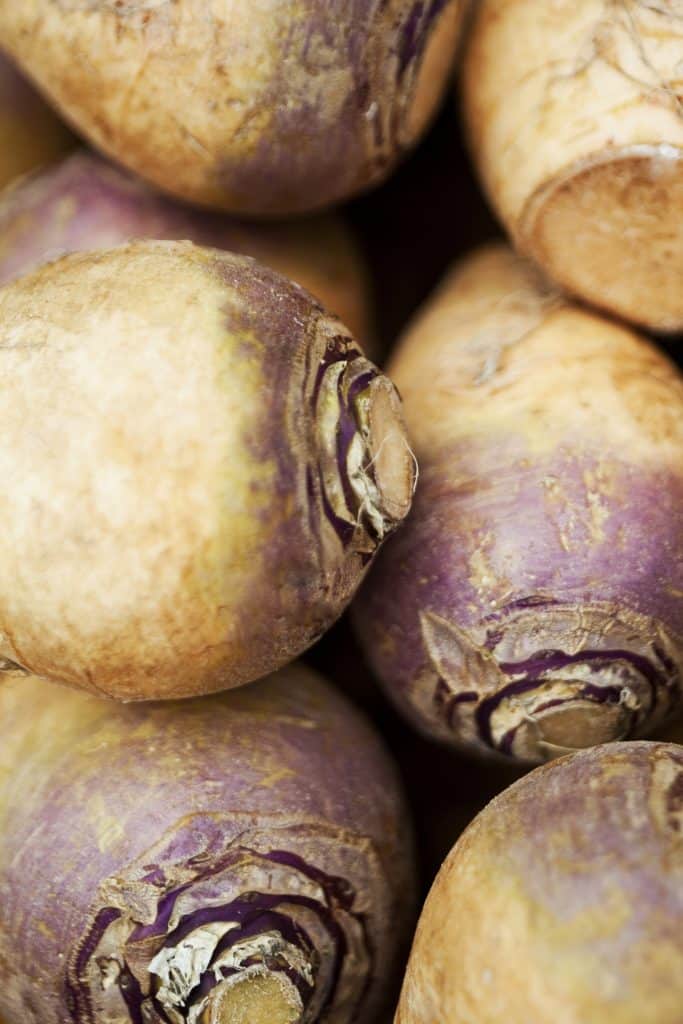
Turnips cut small roast up sweeter than most people expect, since the sharp raw bite mellows a lot with heat.
How I use it: I cut these into pieces about the size of a large grape so they finish around the same time as the other root vegetables on the pan.
Smaller young turnips are noticeably milder than the bigger ones later in the season. If I can find the small ones, I always grab those first.
This is one my kids did not expect to like and now request by name, which still catches me off guard.
12. Parsnips
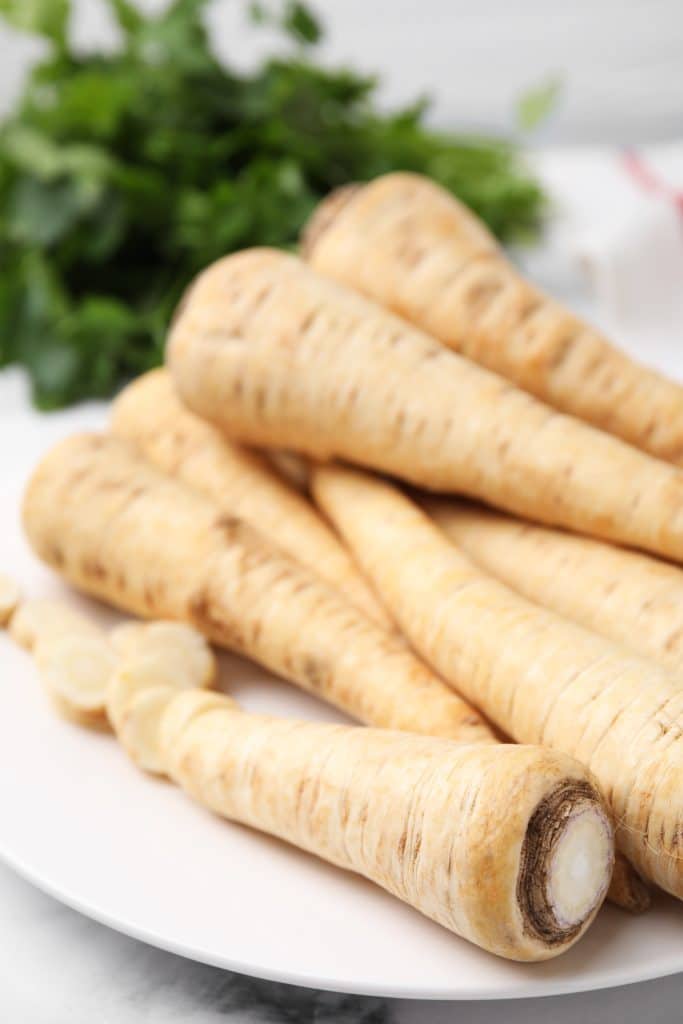
Parsnips look like pale carrots and roast the same way, but with a sweetness that is a little more like a spiced dessert.
How I use it: I cut them into sticks similar in size to steak fries so they cook evenly next to the other roots.
The core can turn woody in the bigger ones, so I trim that out before roasting if the parsnip is on the thicker side. Smaller ones rarely need that step at all.
This is one of the vegetables I grew up eating mashed with potatoes, and roasting them whole is honestly a step up from that.
13. Rutabaga
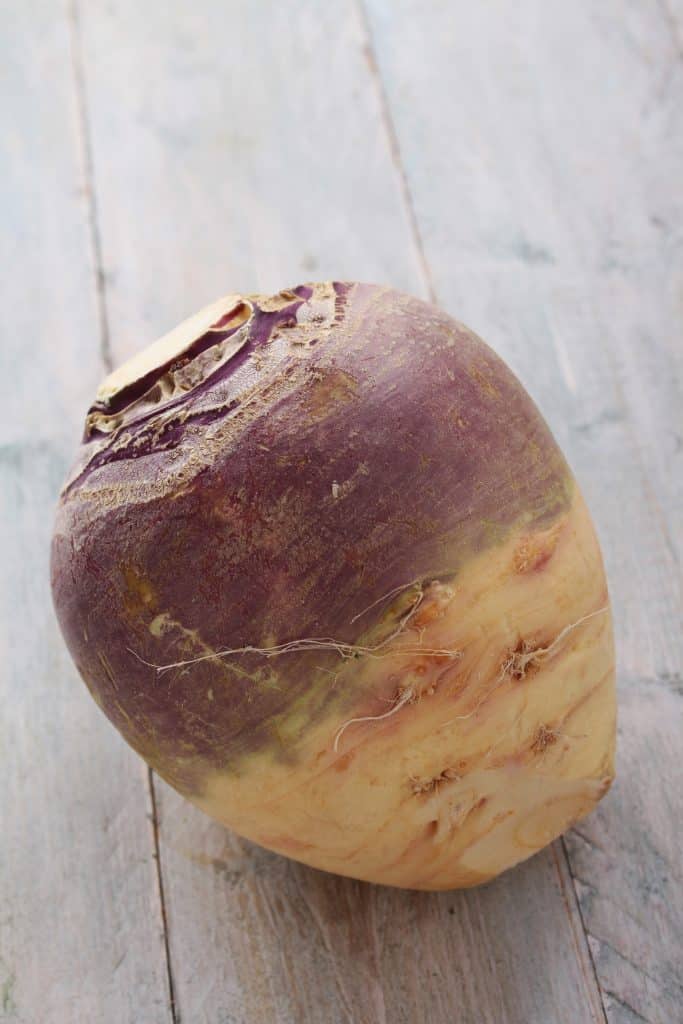
Rutabaga is denser than a potato, which means it needs a longer cook time and a smaller dice than most people assume going in.
You'll Want This Too
How I use it: I cut these into pieces smaller than I would cut a potato, roughly half inch cubes, so they actually finish in thirty minutes.
Cut any bigger than that, and rutabaga stays firm in the center well past the point everything else on the pan is done. I learned that one the hard way with an underdone dinner.
Waxed rutabaga at the store just needs the outer layer peeled off before cutting. It looks intimidating but is not hard to work with.
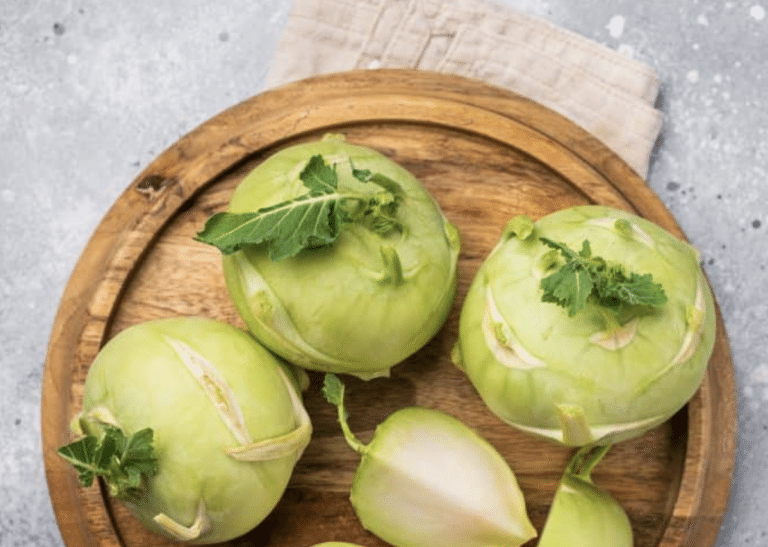
14. Kohlrabi
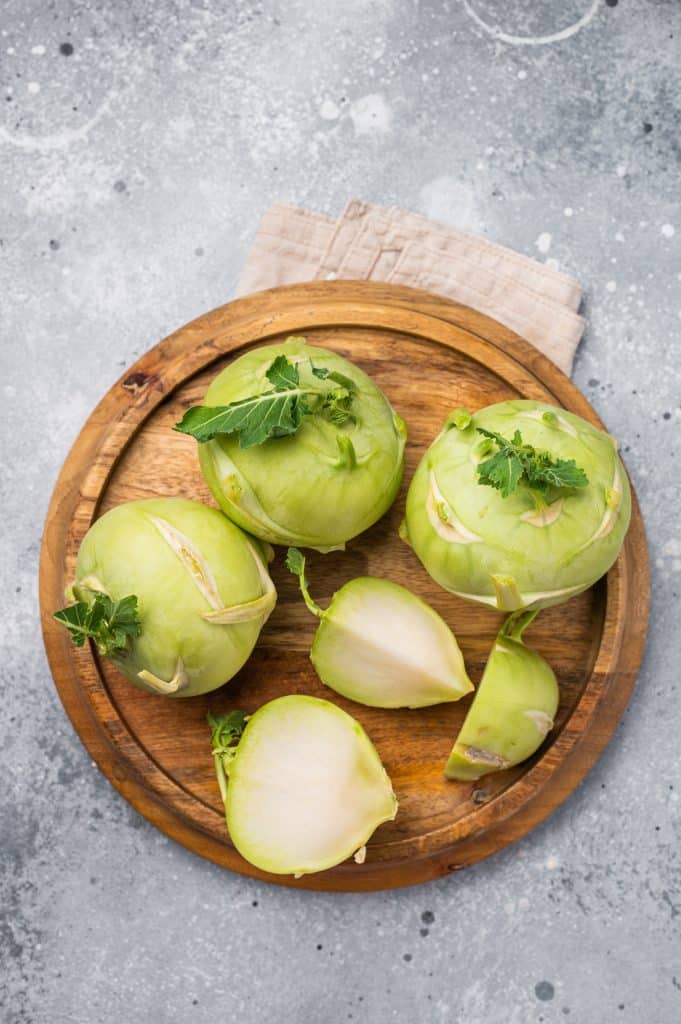
Kohlrabi looks strange in the produce aisle, and I ignored it for years because I did not know what to do with it.
How I use it: I peel the tough outer skin off entirely first, it is thicker than it looks and does not soften in the oven.
Once peeled and cubed, it roasts up mild and slightly sweet, somewhere between a potato and a cabbage stem. Twenty five minutes gets it fully tender.
My youngest thinks it looks like a spaceship, and honestly, she is not wrong.
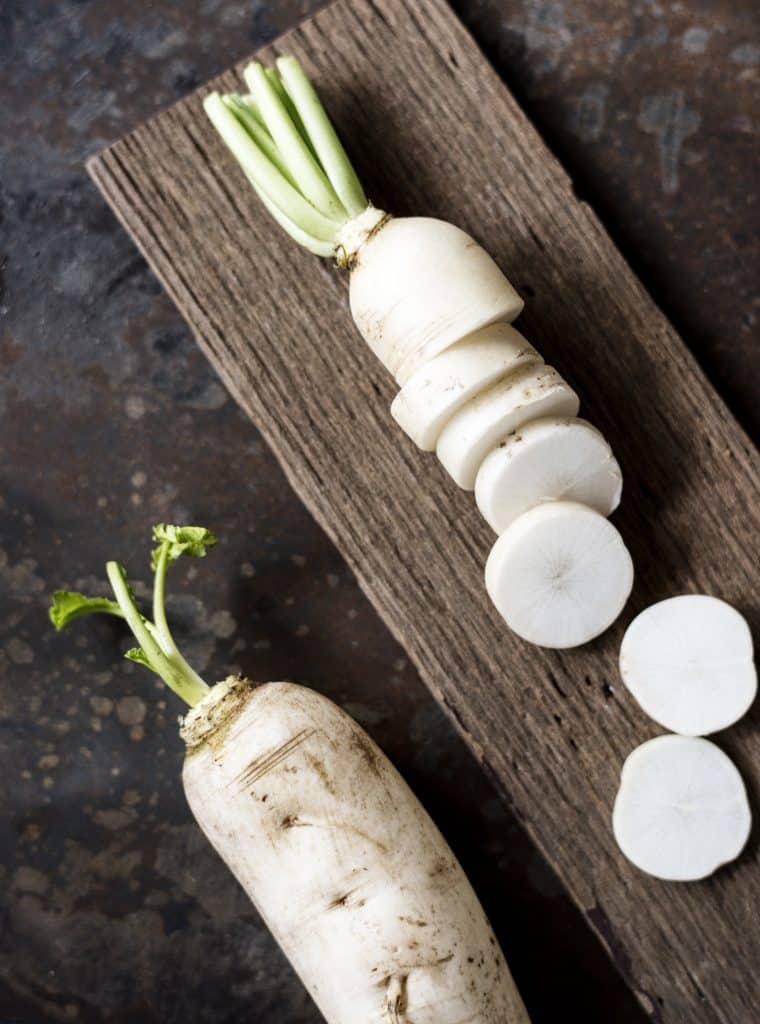
15. Daikon
Daikon is a mild white radish that behaves almost nothing like the small red ones once it hits high heat.
How I use it: I cut it into thick rounds rather than small pieces, since it holds moisture and can go watery if diced too fine.
Roasted daikon takes on a texture close to a turnip, mild and a little starchy, and picks up whatever seasoning is on the pan without fighting it. It is a quiet vegetable in the best way.
I started buying this after seeing it at an Asian grocery store near us, and it has stuck around in my regular rotation since.
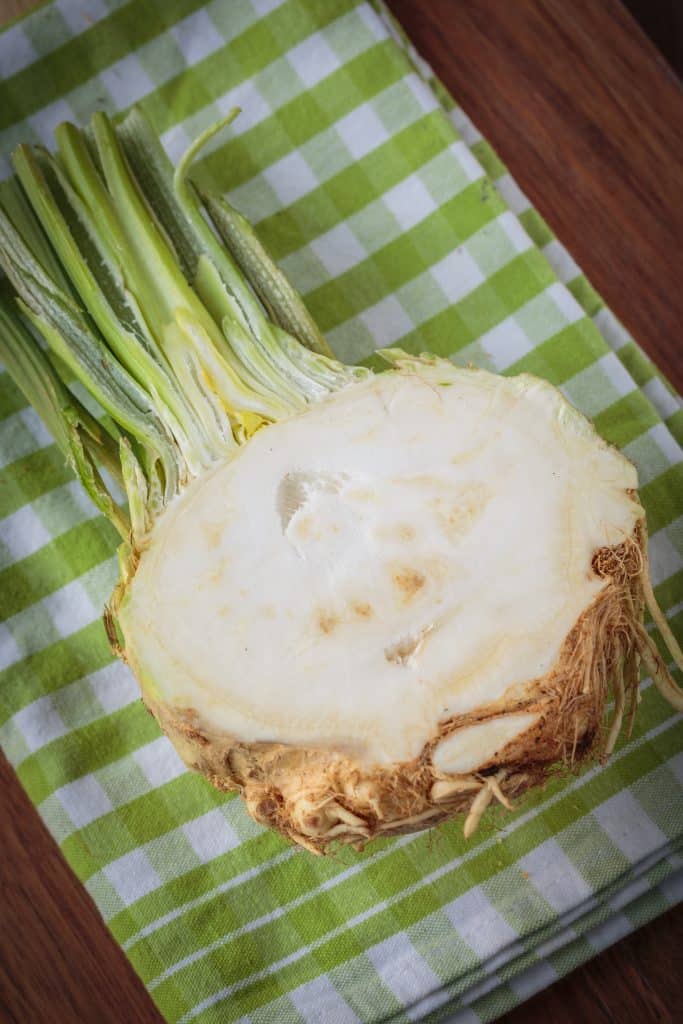
16. Celeriac
Celeriac is genuinely one of the ugliest vegetables at the store, and also one of the best roasters once you get past the peeling.
How I use it: I cut off the knobby outer layer with a knife rather than a peeler, since a peeler cannot get into all the crevices.
What is left underneath tastes like a milder, slightly nutty celery, and it roasts closer to a potato in texture. Cubed small, it needs the full thirty minutes to soften completely.
I avoided this one for years because it intimidated me at the store. It is worth getting over that.
Go Deeper
Chores That Actually Stick: What Kids Can Really Do at Every Age →
"What my kids handle now that I wish I’d started sooner."
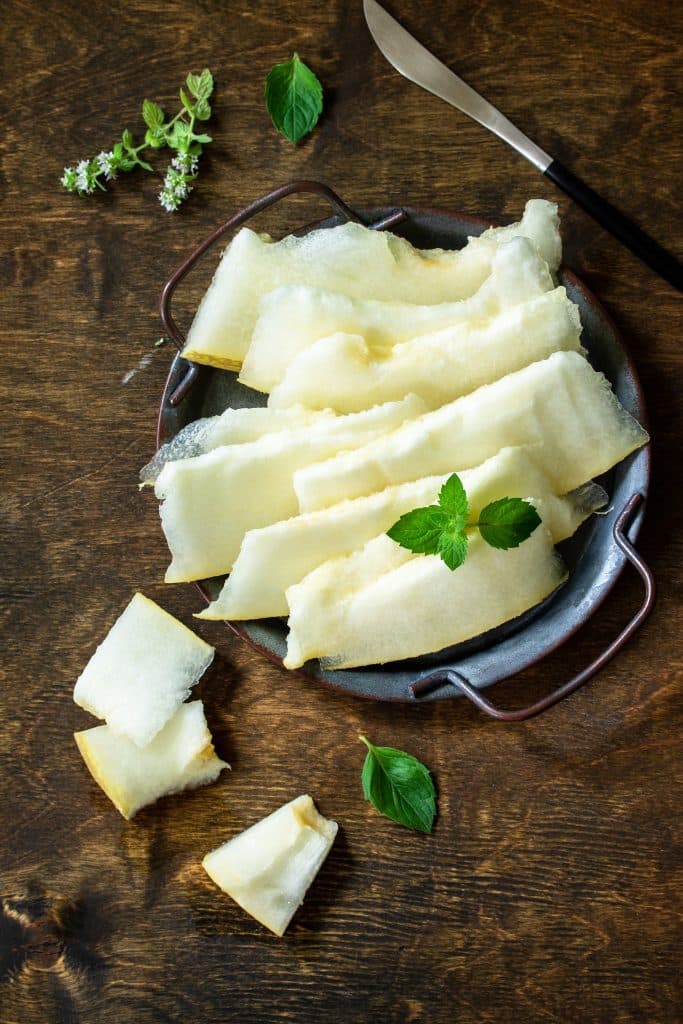
17. Jicama
Jicama is usually served raw in my house, but it holds its shape surprisingly well on a hot pan too.
How I use it: I cut it into thick sticks instead of small cubes so it does not turn to mush before the outside browns.
Roasted jicama stays a little crisp in the center even after thirty minutes, which is different from every other root on this list. It is closer to a water chestnut than a potato in that way.
My kids know jicama best from lunchboxes, and seeing it warm on a dinner plate throws them off in a good way.
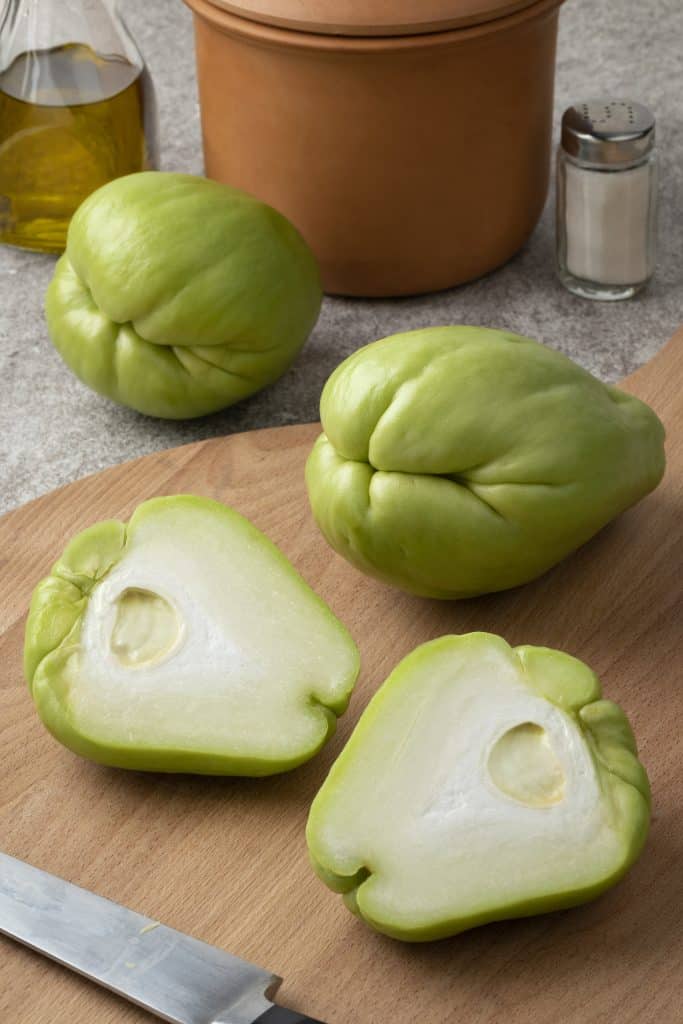
18. Chayote
Chayote is a mild pale green squash that most people walk right past at the store, myself included until a neighbor handed me one from her garden.
How I use it: I halve it, scoop the small soft seed from the center, and cut the rest into wedges before roasting.
It tastes somewhere between a cucumber and a zucchini once cooked, mild enough that it takes on whatever seasoning is around it. Twenty minutes is usually enough to soften it fully.
I would not have known what to do with this a few years ago. Now it is a regular in the rotation whenever I see it.
19. Beets
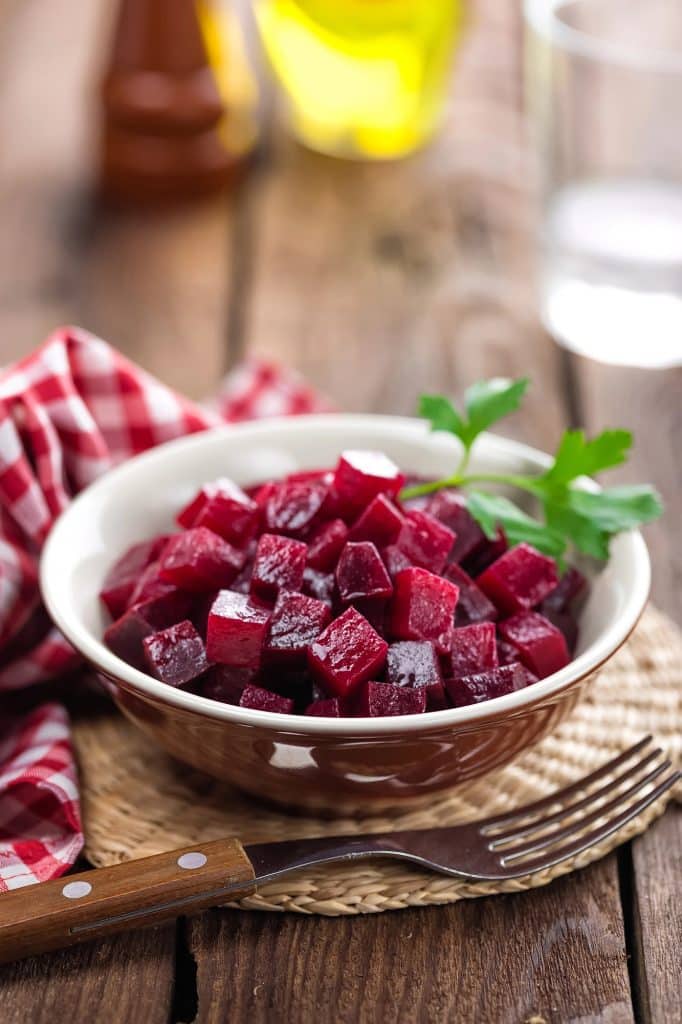
Beets take the longest of anything on this list, and honestly they push right up against the thirty minute limit even cut small.
How I use it: I cut these smaller than I would cut a potato, closer to a half inch dice, and they still need almost the whole cook time.
Wrapping them loosely in foil on the pan traps a little steam and speeds things along. Without that, they can come out firmer in the center than everything else around them.
I wear an old shirt when I cut these, because beet juice does not come out of anything I actually like.
20. Onions
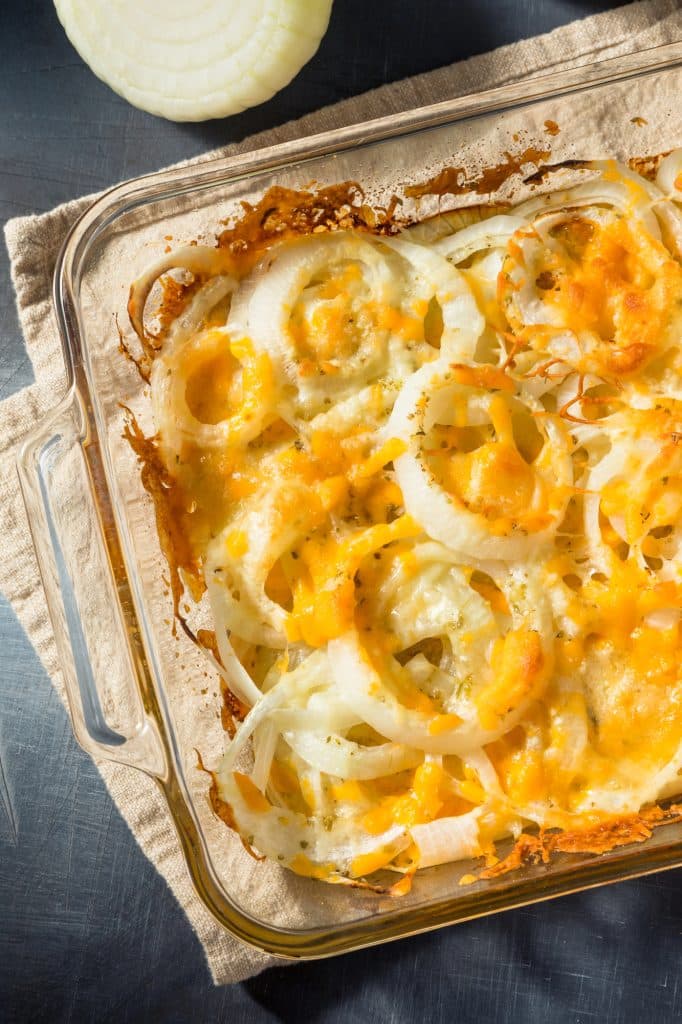
Yellow onions cut into thick wedges are the base of almost every sheet pan dinner I make, more of a background player than a star.
How I use it: I leave the root end attached to each wedge so the layers stay together instead of falling apart into rings.
What Everyone's Making
25 Fruits and Veggies That Survived My Pickiest Eater Phase →
They go in at the start alongside the longest cooking vegetables and turn soft and deeply caramelized by the time everything else is done. That caramelizing is doing more flavor work for the whole pan than any single seasoning.
I buy these by the bag because I go through so many of them in a normal week.
21. Red onions
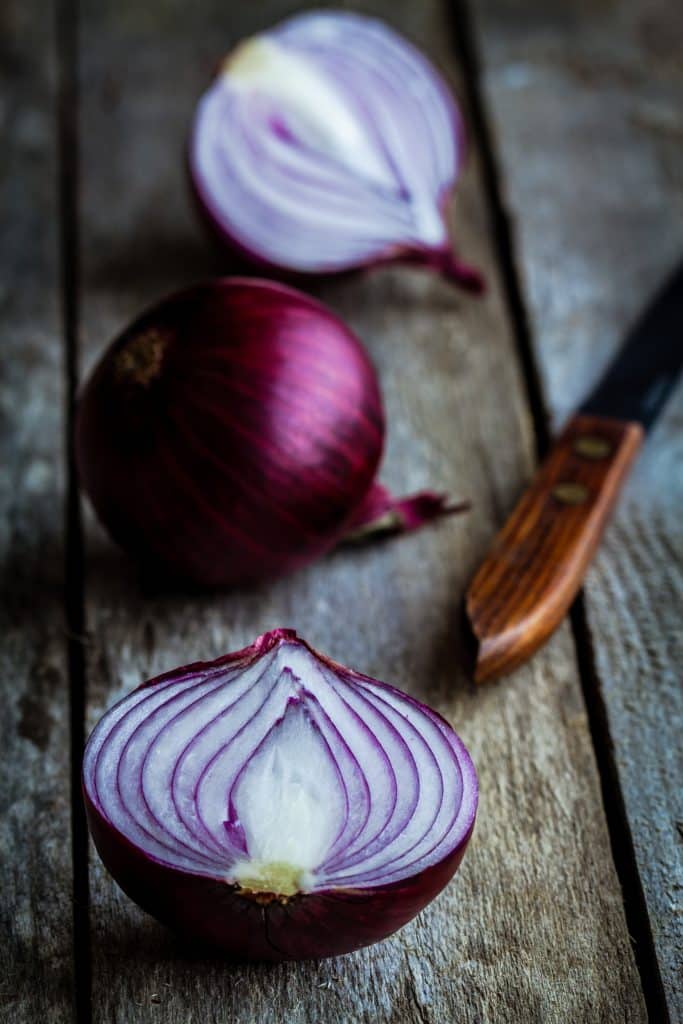
Red onions roast the same way as yellow ones but come out a bit sweeter and hold their color better on the pan.
How I use it: I reach for these specifically when I am also roasting root vegetables that are on the sweeter side, the flavors just work together.
The sharper raw bite that makes some people avoid red onion mostly disappears with roasting. What is left is closer to a mild caramelized onion than anything you would notice as harsh.
I keep both onion types on hand and grab whichever one matches the rest of that night’s vegetables.
22. Potatoes
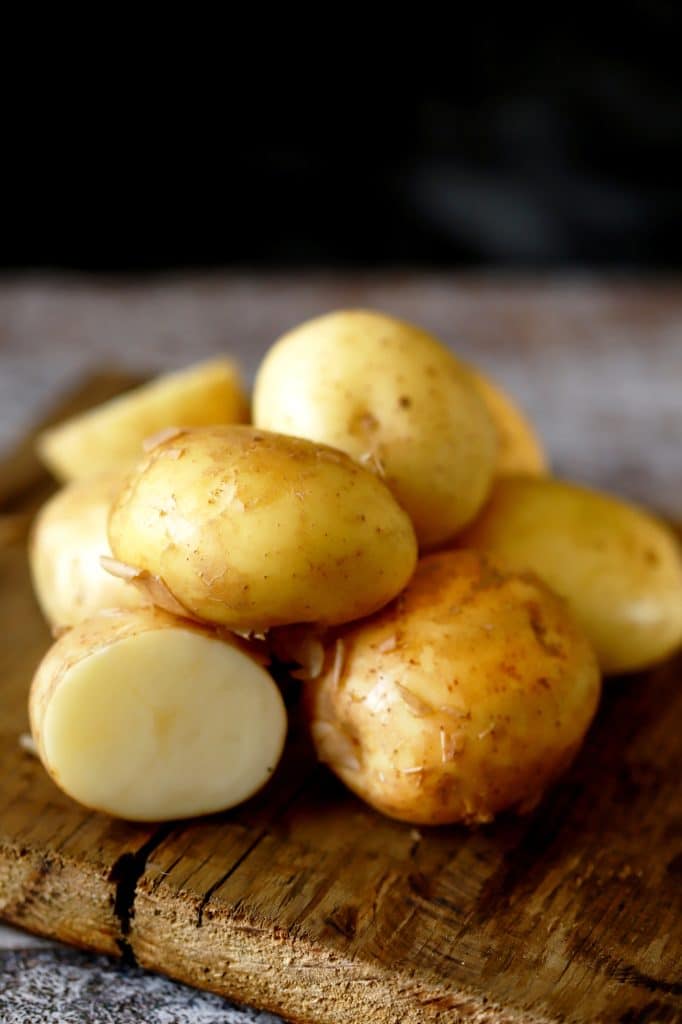
Potatoes anchor almost every version of this dinner in my house, mostly because my family will eat a potato in nearly any form without complaint.
How I use it: I cut these into pieces about the same size as the beets and root vegetables next to them so everything finishes together.
Skin on gets more texture and takes less prep time than peeling, and honestly, I am rarely peeling anything on a weeknight. That is a shortcut I do not feel guilty about at all.
These go on first and get the full thirty minutes, since undercooked potato is the one thing nobody at my table will forgive.
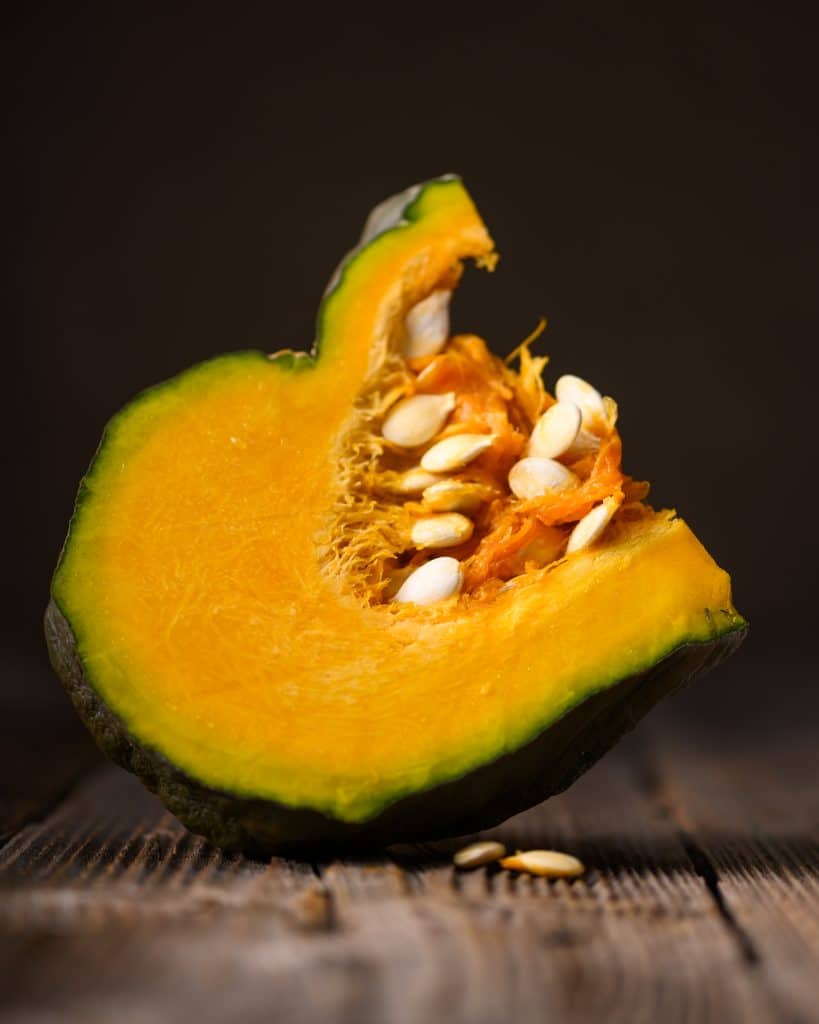
23. Acorn squash
Acorn squash closes out this list because it needs every bit of the thirty minutes, and cutting it is genuinely the hardest part of the whole dinner.
How I use it: I microwave the whole squash for two minutes first, just to soften the skin enough that cutting it does not feel dangerous.
Cut into half moons with the skin left on, it roasts up sweet and custardy, closer to dessert than most vegetables get. A little cinnamon on top makes that even more obvious.
This is usually the last thing I add to the pan on purpose, since everything else has a head start by the time it goes in.
Skip it: celery, if you are wondering whether it belongs on this pan alongside everything else. It never roasts into anything worth the oven space in my kitchen, and I would rather use that time on almost any other vegetable on this list.
From My Sheet Pan to Yours
The real trick behind all of this is timing, not seasoning. Group vegetables by how long they need, add the fast ones last, and the whole pan finishes together instead of some pieces burning while others are still hard.
This week it is potatoes, beets, and onions on one pan, and probably the leeks if I remember to buy them. It is not glamorous, but it is dinner, and I did not have to think very hard about it.
Start with whatever root vegetable you already have on hand and build from there. If you want more ideas for stretching a single vegetable across a whole week, the one-pan dinners I lean on most often are a good place to keep browsing, along with the vegetables I finally learned to cook right after ruining most of them the first few times.