The Freezer Is a Time Machine: My Whole System for Cooking Once and Eating Twice
I used to think of the freezer as where food goes to be forgotten. Mystery containers, frost-bitten bags, a bread heel archaeology dig. The shift happened when I stopped treating it as storage and started treating it as a time machine: every time present-me cooks extra, future-me on some terrible Wednesday gets handed a finished dinner.
Once I saw it that way, the freezer became the hardest-working appliance in my kitchen, and this is the whole system.
The Only Rule That Matters: Freeze Meals, Not Ingredients (Mostly)
The classic freezer mistake is freezing hopeful ingredients: the giant bag of chicken with no plan, the bulk-buy vegetables that needed a decision you never made. Ingredients ask future-you to still do all the cooking, which is exactly what future-you on a survival night cannot do.
So my freezer’s north star is finished or nearly-finished food. The double-batch habit from my Sunday meal planning system is the engine: I almost never cook a soup, chili, curry, sauce, or bean pot at single size, because the second half costs about ten extra minutes and hands a whole dinner to the future. The soups especially earn their keep; the vegetables that turn one pot of soup into a week of dinners freeze beautifully, and several actually improve, the same magic behind the vegetables that taste better the day after you cook them, stretched across a month instead of a day.
The “mostly” in the rule: some ingredient-freezing is genuinely strategic. Overripe fruit for smoothies and baking, blanched greens, chopped onions and peppers done in bulk, cooked rice and beans in flat packs, bread and tortillas. What separates strategic ingredients from hopeful ones is that each has one obvious job it’s already prepped for, which is really the freezer chapter of the produce I prep the second I get home from the store.
What Freezes Like a Dream (And What Comes Back Wrong)
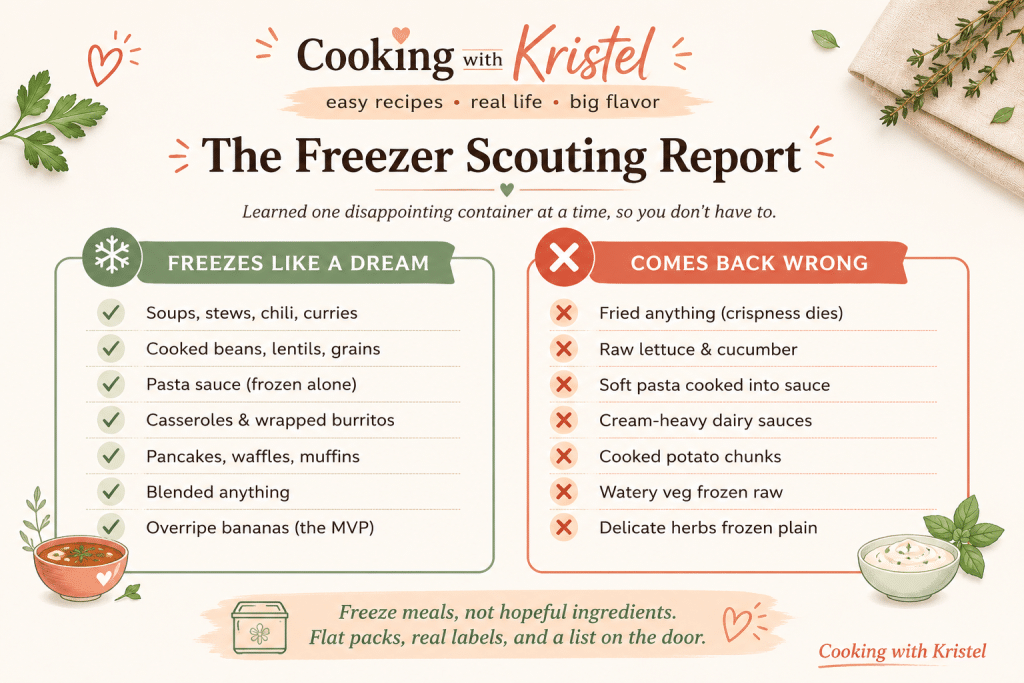
Years of testing, summarized. The champions: anything brothy or saucy (soups, stews, chili, curries, pasta sauce), cooked beans and lentils, casseroles, burritos rolled and wrapped individually, pancakes and waffles, cooked grains, most baked goods, and blended things generally, since blending already did the texture damage freezing would do. Bananas past their prime are the single highest-value item in my entire freezer; between smoothies and banana bread they’re the star of the fruits and veggies I turn into something new before they go bad.
The heartbreaks: anything whose whole point is crispness (fried things, fresh salad, raw cucumber and lettuce, which come back as sadness), cream-heavy sauces that split (coconut milk dishes fare better but can separate; a stir on reheat usually rescues them), cooked potatoes in chunks (they go grainy; mashed survives fine), and delicate pasta cooked soft, which returns as mush. The workaround for pasta dishes is freezing the sauce alone and boiling fresh noodles on the night, which costs ten minutes and saves the meal.
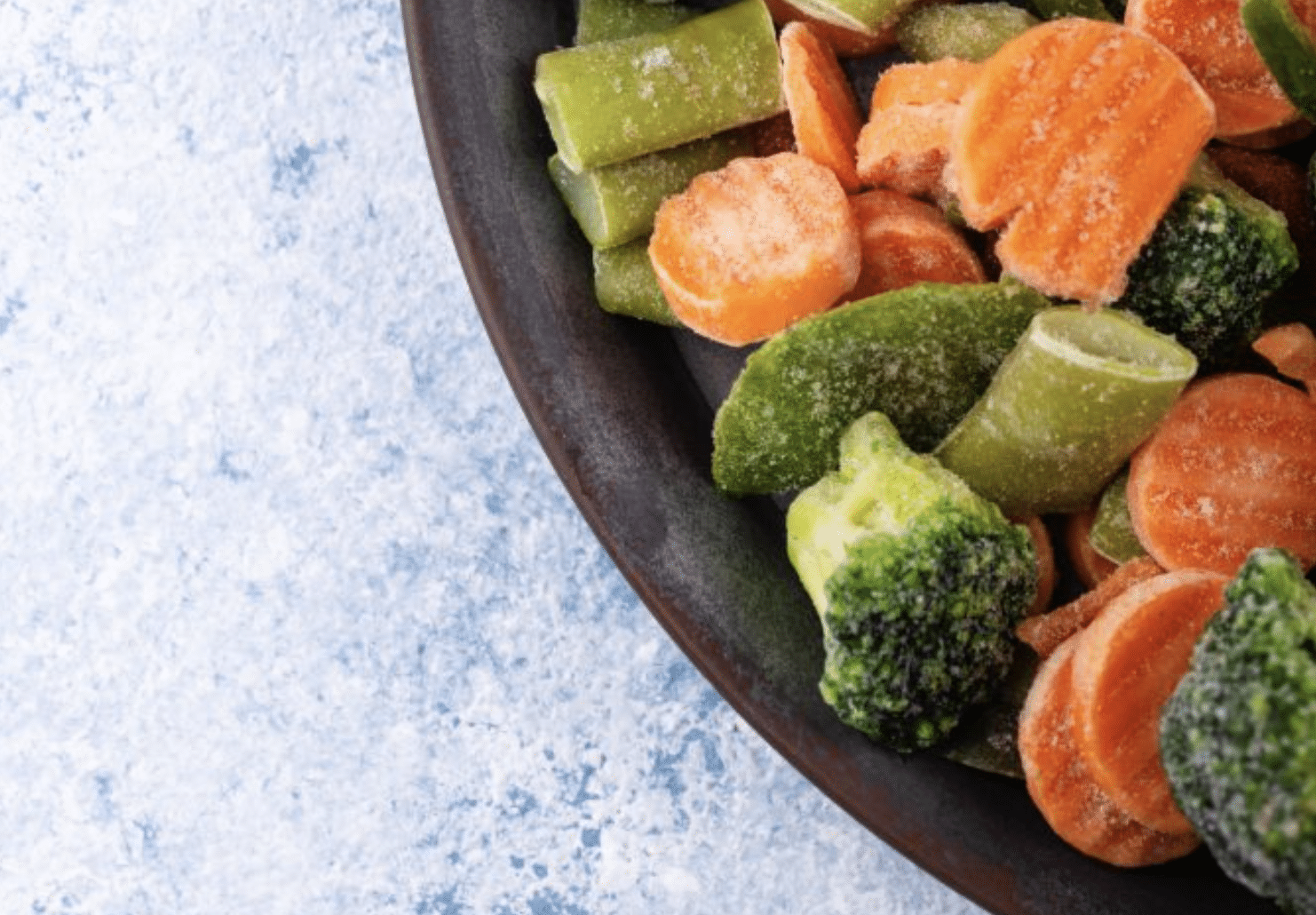
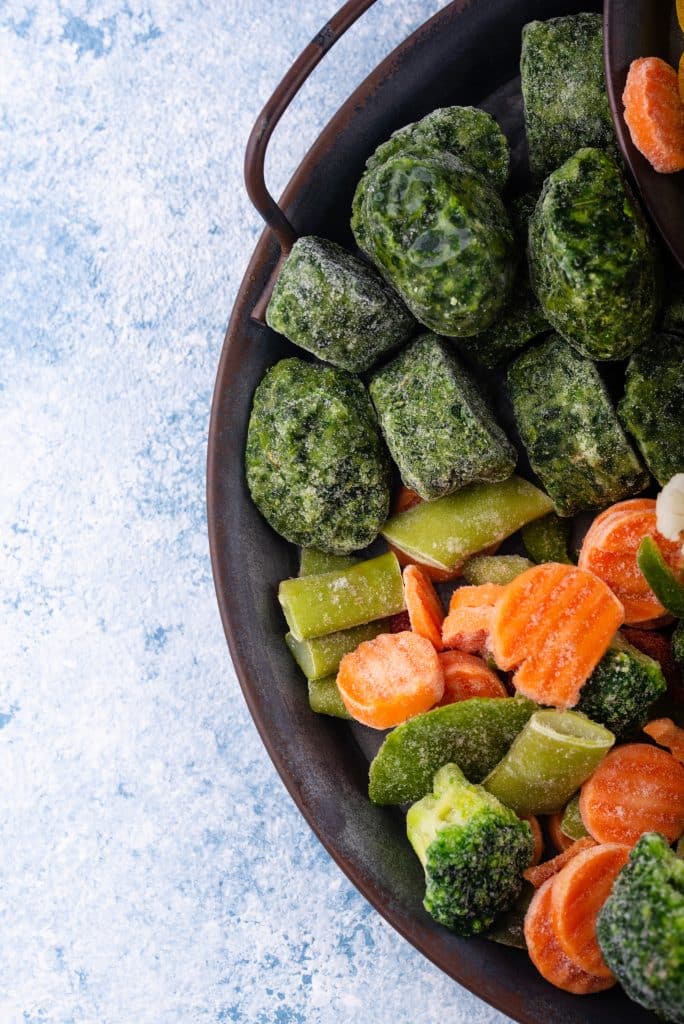
Vegetables split down the middle: sturdy ones sail through, delicate ones don’t, and cooked-then-frozen nearly always beats raw-then-frozen for texture. The hearty crew from the vegetables sturdy enough to be the whole meal is, not coincidentally, most of my freezer’s vegetable population.
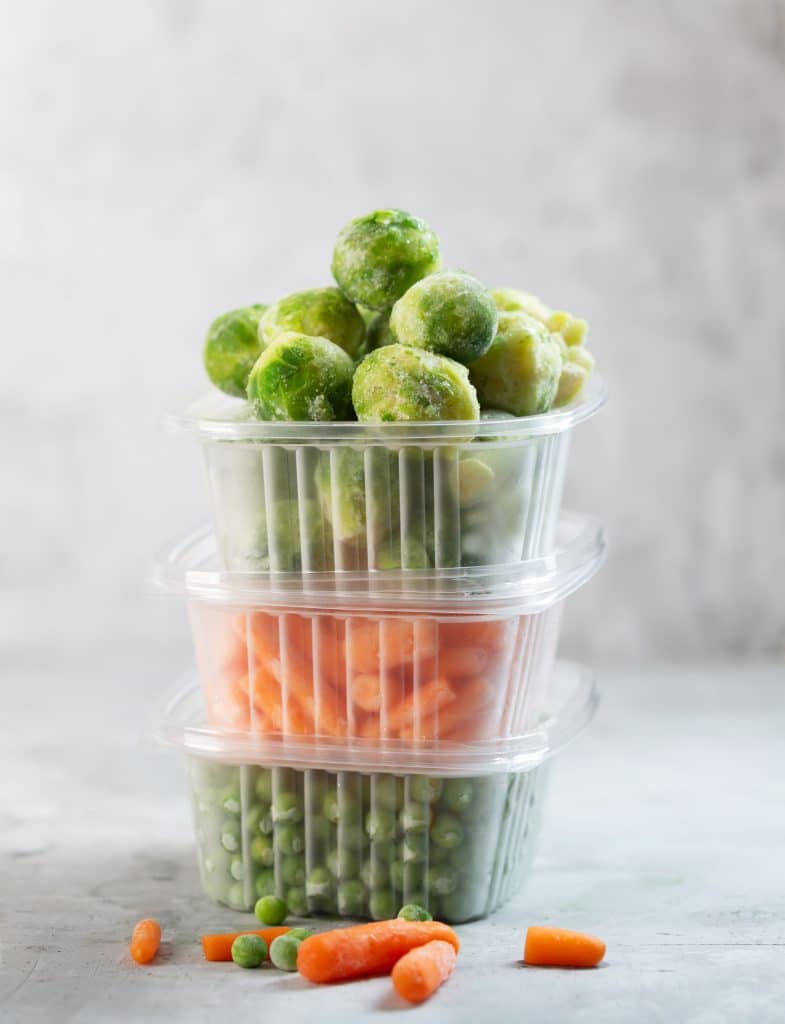
Here’s the full scouting report as a reference table, learned one disappointing container at a time:
| Freezes like a dream | Comes back wrong | The workaround |
|---|---|---|
| Soups, stews, chili, curries | Fried anything (crispness dies) | Accept it; re-crisping never fully works |
| Cooked beans, lentils, grains | Raw lettuce, cucumber | Just don’t |
| Pasta sauce (alone) | Soft-cooked pasta in sauce | Freeze sauce solo, boil fresh noodles |
| Casseroles, burritos (wrapped solo) | Cream-heavy dairy sauces (split) | Stir hard on reheat; coconut milk fares better |
| Pancakes, waffles, muffins | Cooked potato chunks (grainy) | Mash them first; mashed freezes fine |
| Blended everything: purees, smoothie packs | Watery vegetables (zucchini goes limp) | Freeze them already cooked into things |
| Overripe bananas and fruit | Delicate herbs, frozen plain | Freeze chopped in oil instead |
Packing So Future-You Isn’t Furious
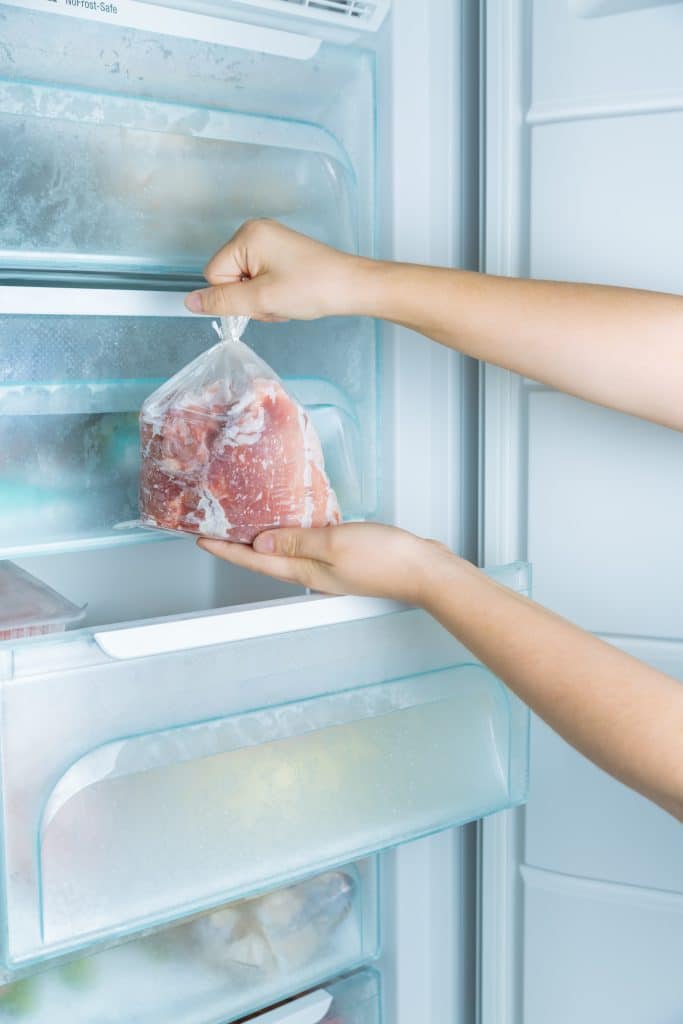
Everything that makes a freezer fail happens at packing time. My non-negotiables: flat freezing in bags (flat packs stack like files, thaw in a fraction of the time, and turn the freezer from a pile into a drawer), portioning by actual meal size rather than by pot (one giant frozen block of chili is a commitment; four flat family-dinner packs are options), squeezing the air out, since air is what actually causes freezer burn, and labeling with contents AND date, in real words, because “brown, 2025?” is not a dinner, it’s a dare.
The flat-pack routine itself, since “freeze it flat” hides a few details that matter: fill the bag, seal it almost all the way, press it flat on the counter working the air toward the gap, seal the last inch, then freeze it lying flat on a sheet pan so it sets as a tile instead of a lump. Once solid, the tiles file upright like records. A gallon bag frozen as a tile thaws in a sink of cold water in well under an hour; the same food as a block is an all-day commitment, and the difference between those two numbers is the difference between the freezer being tonight’s plan or next week’s.
Then the part every organizing article skips: the freezer needs an index. Mine is a scrap of paper taped to the door listing what’s inside; things get crossed off when they come out. Without the list, frozen food is Schrödinger’s dinner, simultaneously existing and forgotten. With it, the freezer becomes a menu, and the Sunday meal plan starts by shopping my own freezer before any store.
Stocking It From Zero: The Two-Week Ramp
If your freezer is currently the frost-and-mystery museum I started with, don’t try to fix it in a weekend. The ramp that worked here: week one, clear honestly (anything unlabeled and ancient gets one chance at identification, then goes) and start the door list with whatever survives.
Week two, begin the double-batch habit with the Sunday pot, one meal doubled, two tiles labeled and filed.
That’s it. At one doubled meal a week, the freezer holds a genuine week of survival dinners inside two months, without a single dedicated “freezer cooking day,” which I’ve attempted twice and do not recommend to people who also have children and jobs.
The quality windows I actually cook by, for the door-list audit:
| What it is | Best within (quality, not safety) |
|---|---|
| Soups, stews, chili | ~3 months |
| Casseroles, burritos | ~2-3 months |
| Baked goods, pancakes | ~1-2 months |
| Plain beans, grains, cooked rice | ~3-4 months |
| Smoothie fruit, banana stash | ~4-6 months |
| Blanched vegetables | ~6+ months |
Kept properly cold, food stays safe well past these; the windows are about serving dinners that still taste like the night you made them, and the monthly audit’s whole job is promoting anything near its window to this week’s plan.
The Rotation That Keeps It Honest
Two habits keep the system from silting up. First, one freezer dinner gets scheduled every single week, usually on the worst night, which keeps the inventory moving and means the double-batching never outruns the eating. Second, a monthly two-minute audit of the door list: anything approaching the back of its window gets promoted to this week’s plan.
What Everyone's Making
25 Fruits and Veggies That Survived My Pickiest Eater Phase →
Rough windows I cook by, quality-wise: soups and stews are at their best within about three months, casseroles and burritos similar, baked goods a bit shorter, plain beans and grains a bit longer. Frozen food kept cold stays safe well past its best; these windows are about serving dinners that taste like dinner, and your nose and a taste on reheat remain the real referees.
The payoff of the whole system is a specific feeling: it’s 5:50 on a day that went completely sideways, and instead of the takeout spiral, there’s a labeled flat pack of Thursday-you’s chili from three weeks ago, and dinner is a pot and fifteen minutes away. The freezer didn’t save the food. It saved the evening, and it does it every single week now, because past-me finally started leaving presents.
Keep reading: 21 Veggies That Make the Best Leftover Lunches Straight From the Fridge is the short-range version of this same time-travel trick, and 25 Vegetables That Make the Best One-Pan Dinners in My House covers the nights you’re cooking fresh but fast.